You often see beautiful flowers adorning cakes, desserts, and gourmet dishes. These stunning flowers aren’t just pleasing to the eye; they’re delicious too!
Eating flowers isn’t strange at all, many of us have been doing it since childhood. Food isn’t just about taste – color, aroma, and flavor are all essential. The inclusion of flowers can enhance the appearance of a meal, making it an exciting prospect.
Apart from their aesthetic appeal, flowers, like vegetables, have unique flavors, and some even have medicinal properties.
Here are some commonly edible flowers:
1. Roses
Rose petals have long been considered edible; rose tea, for example, is made from them. They are low in calories and rich in vitamin C.
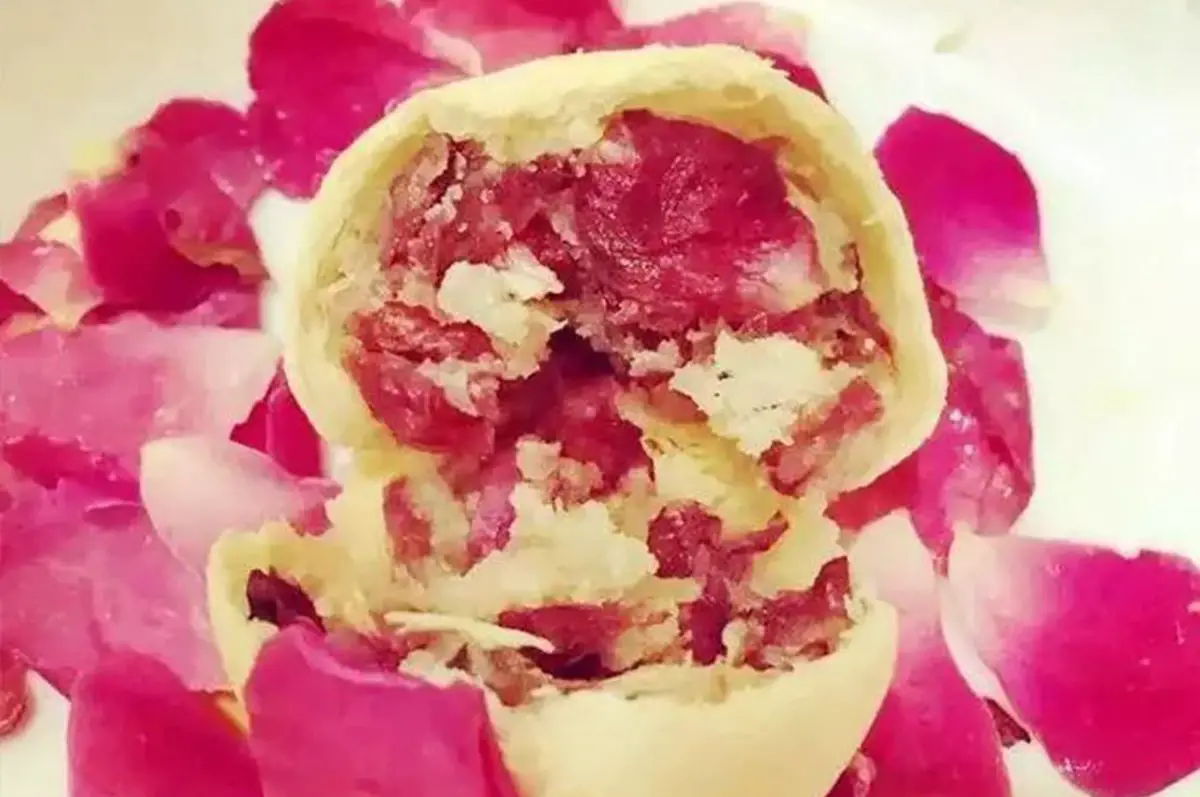
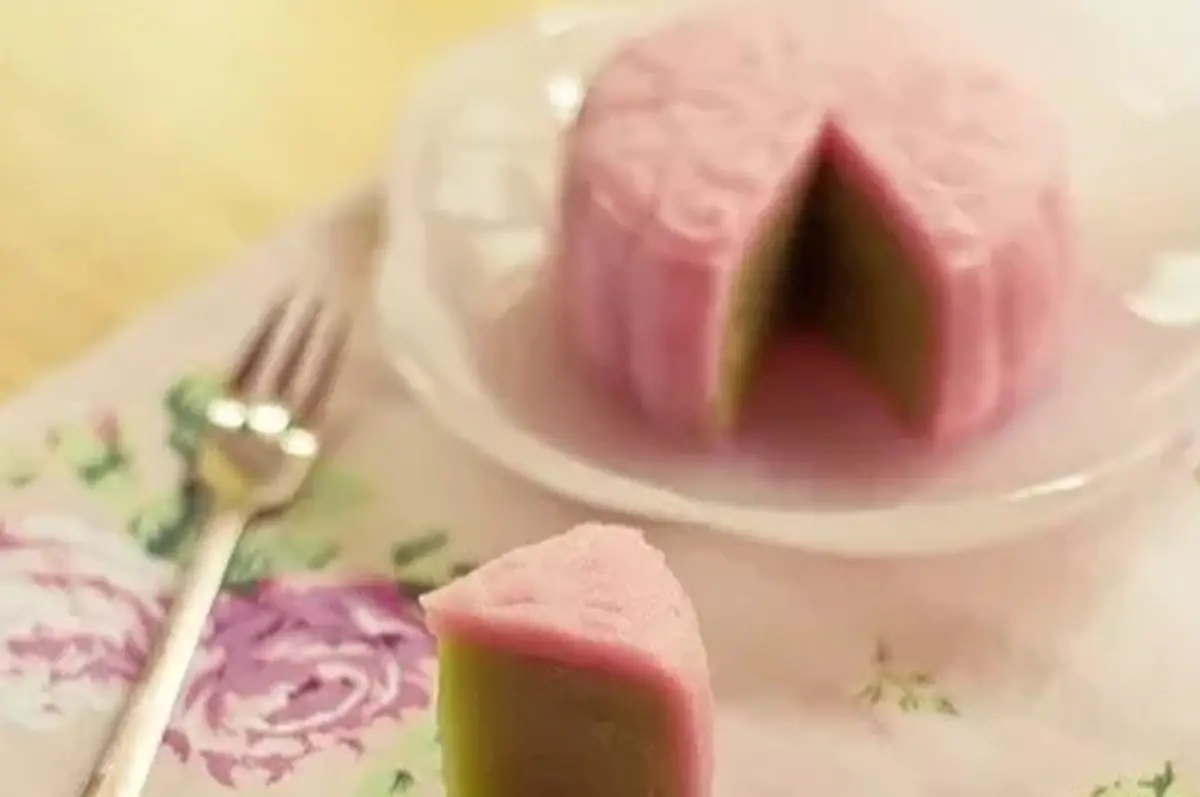
However, you should only consume roses that you have grown yourself to ensure they are free from pesticides. Traditional Chinese medicine believes that rose petals aid digestion, relieve pain, and induce calm. In Yunnan, fresh flowers are commonly used to make flower cakes.
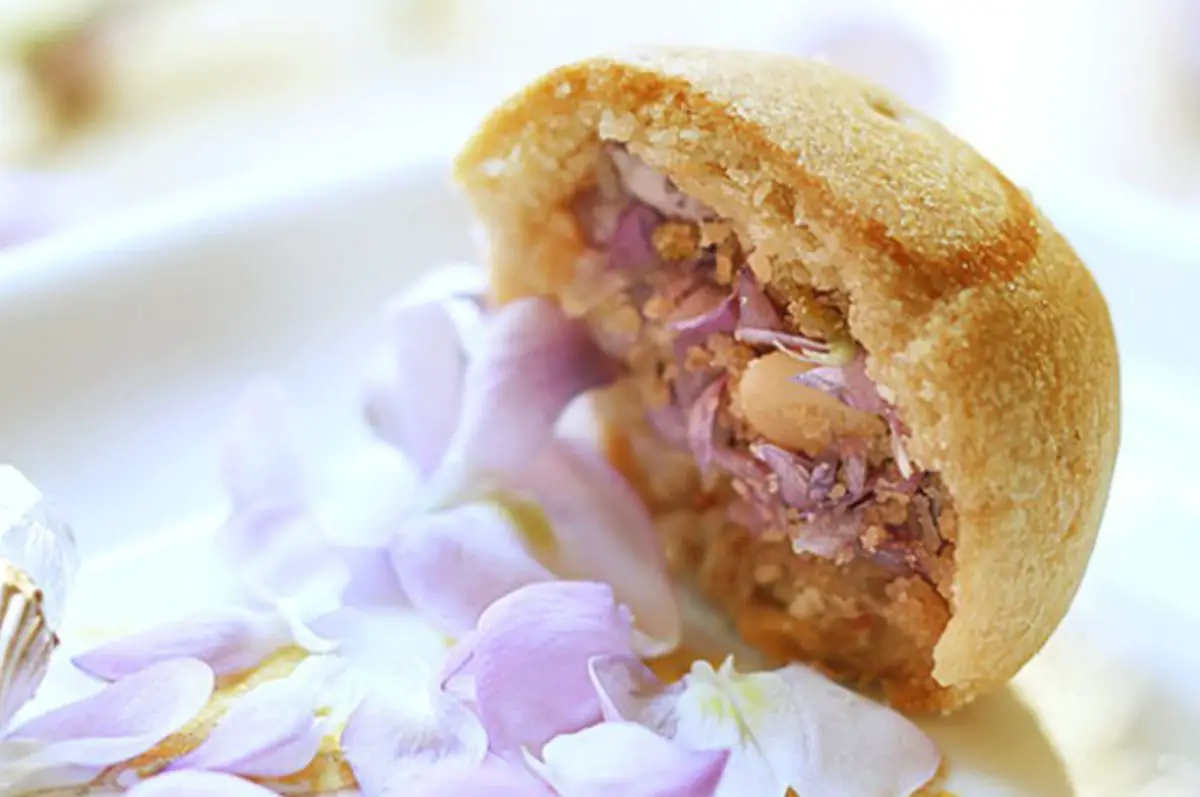
Roses are rich in vitamin C. Their unique scent is perfect for creating essential oils, teas, and desserts. Famous dishes featuring roses include the rose sauce from Beijing’s Miaofeng Mountain, rose dumplings from Suzhou, and rose-filled pies from Yunnan.
They all use the Chinese rose, Rosa rugosa, which is different from roses sold in flower shops. Its sweetness and tenderness make it an excellent culinary ingredient.
2. Pansies
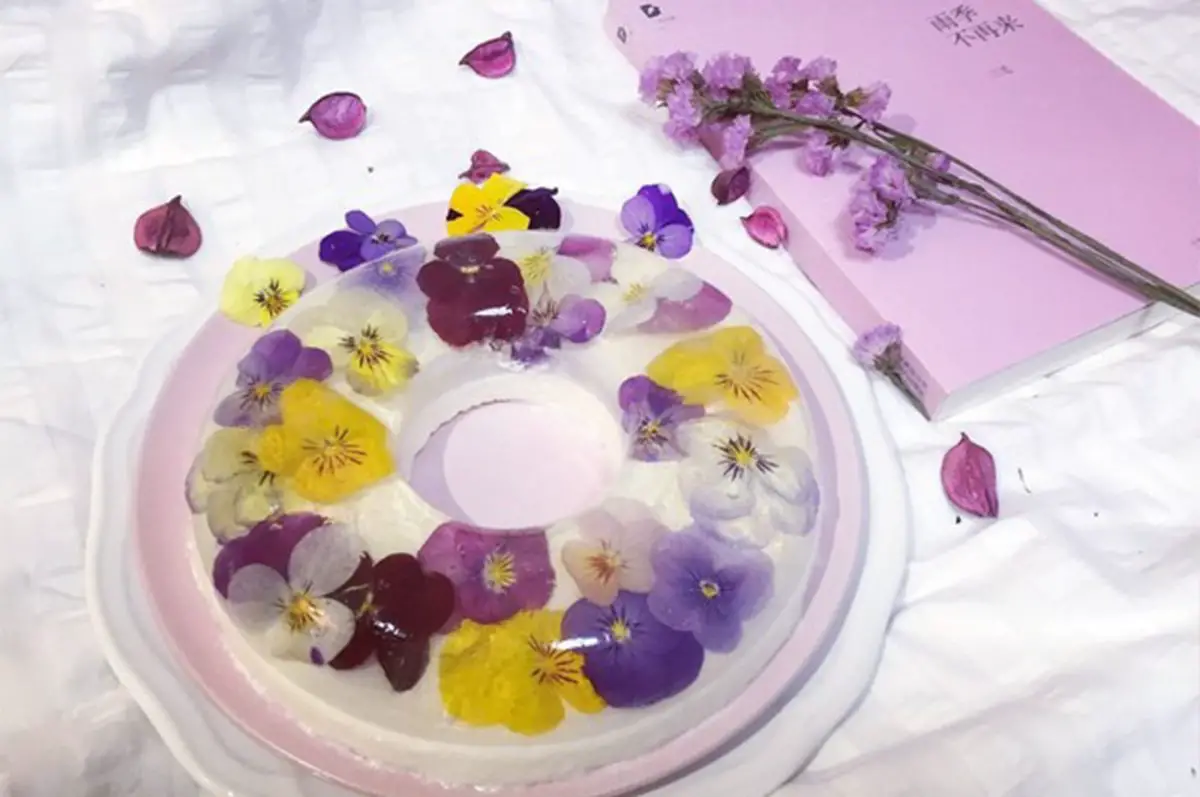
Pansies have been used as food in the West for a long time, often as salad ingredients. While the taste of pansies is mild, eating the whole flower enhances the flavor.
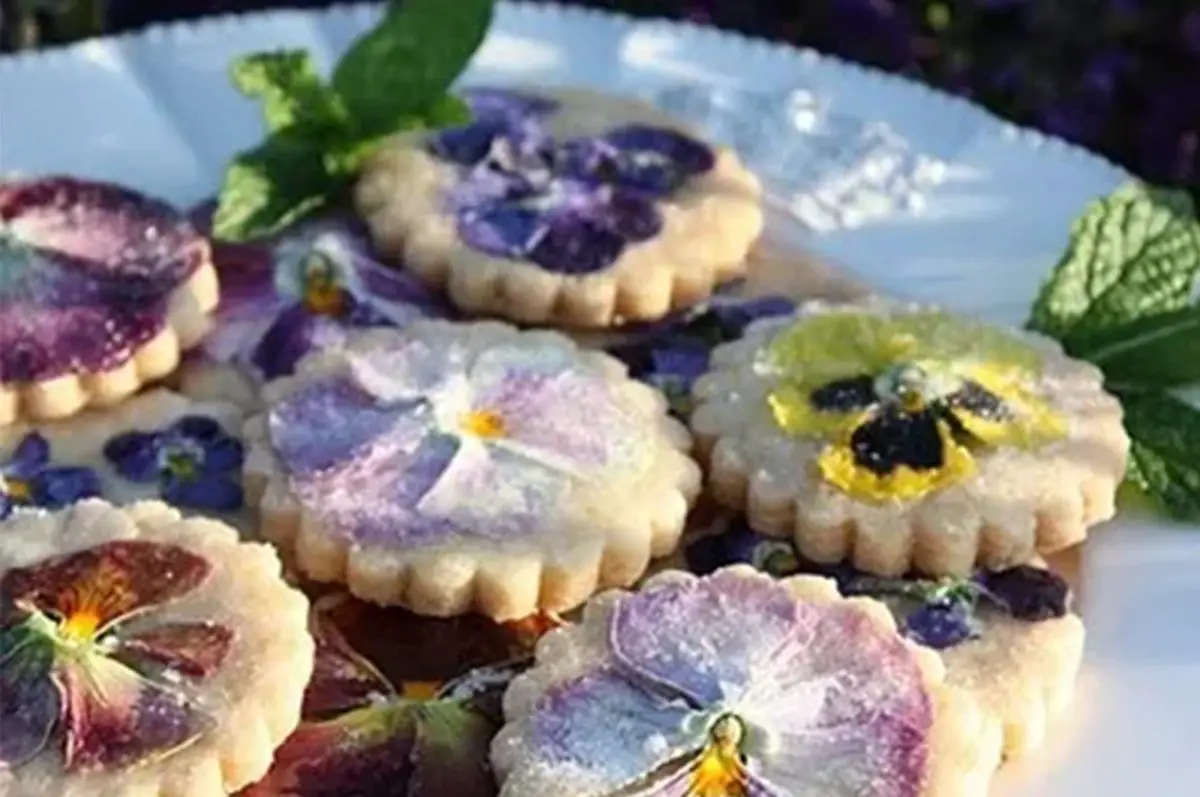
Thanks to their vibrant colors, they make great dessert garnishes or cocktail decorations, and you can even eat the whole flower after enjoying your dessert.
3. Nasturtiums
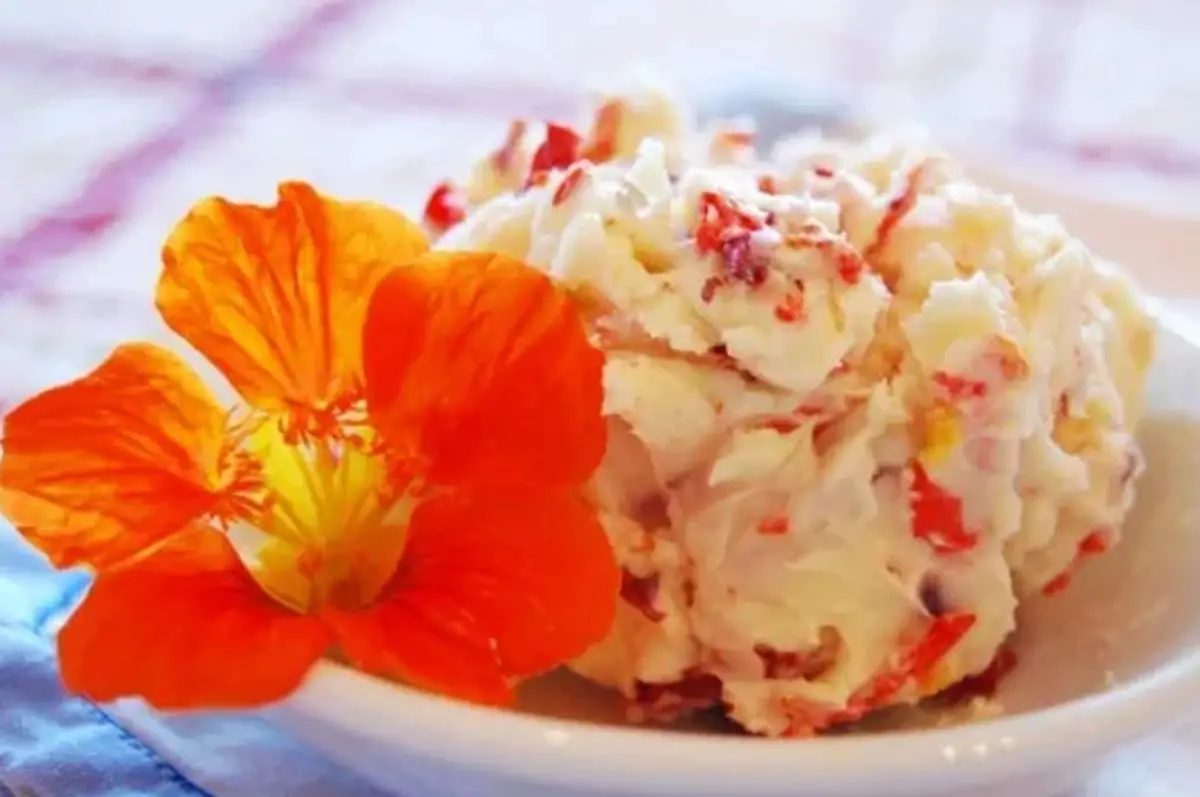
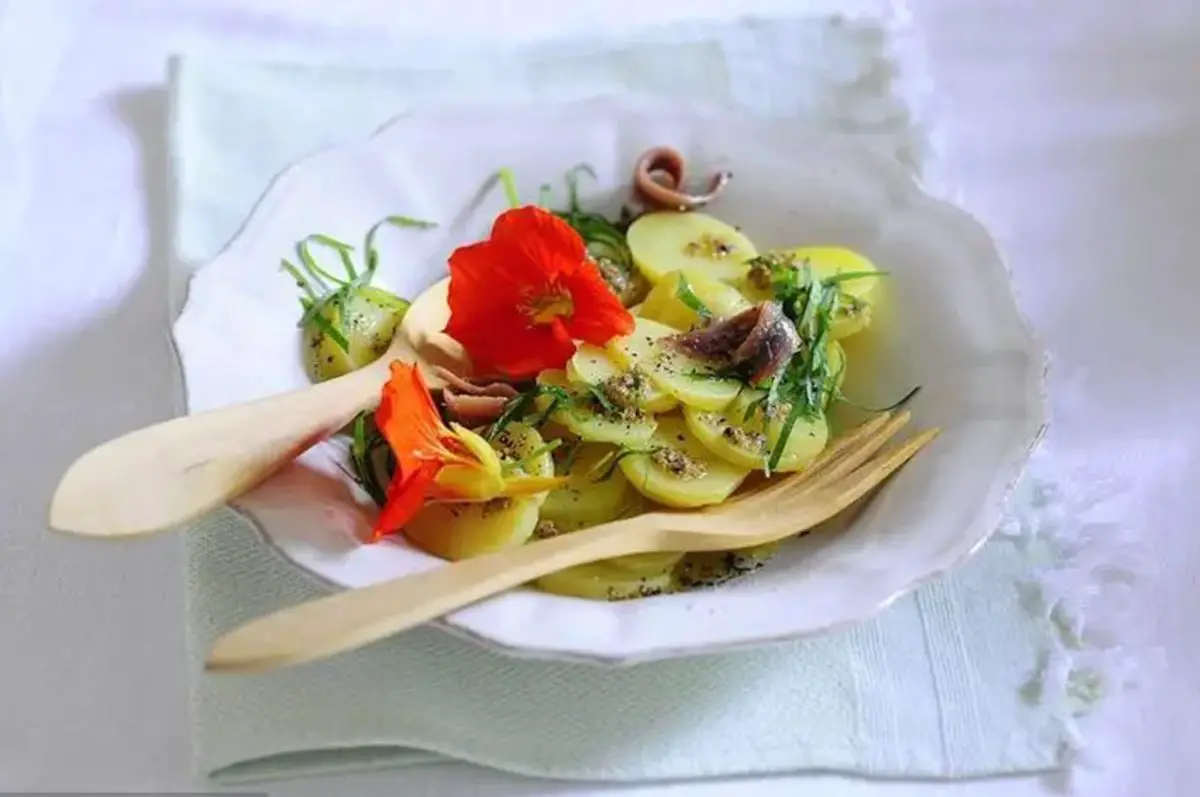
Nasturtiums are common in tropical regions, and all parts of the plant are edible. Their scent is mildly spicy but gentle, making them a great substitute for chili peppers in salads. Nasturtiums are possibly the most popular edible flower because the whole plant can be consumed.
They are generally orange and yellow, and their juicy flowers and leaves have a unique taste, making them a first-rate addition to salads. They’re also excellent for garnishing plates or as stuffing for roast meats.
4. Peonies
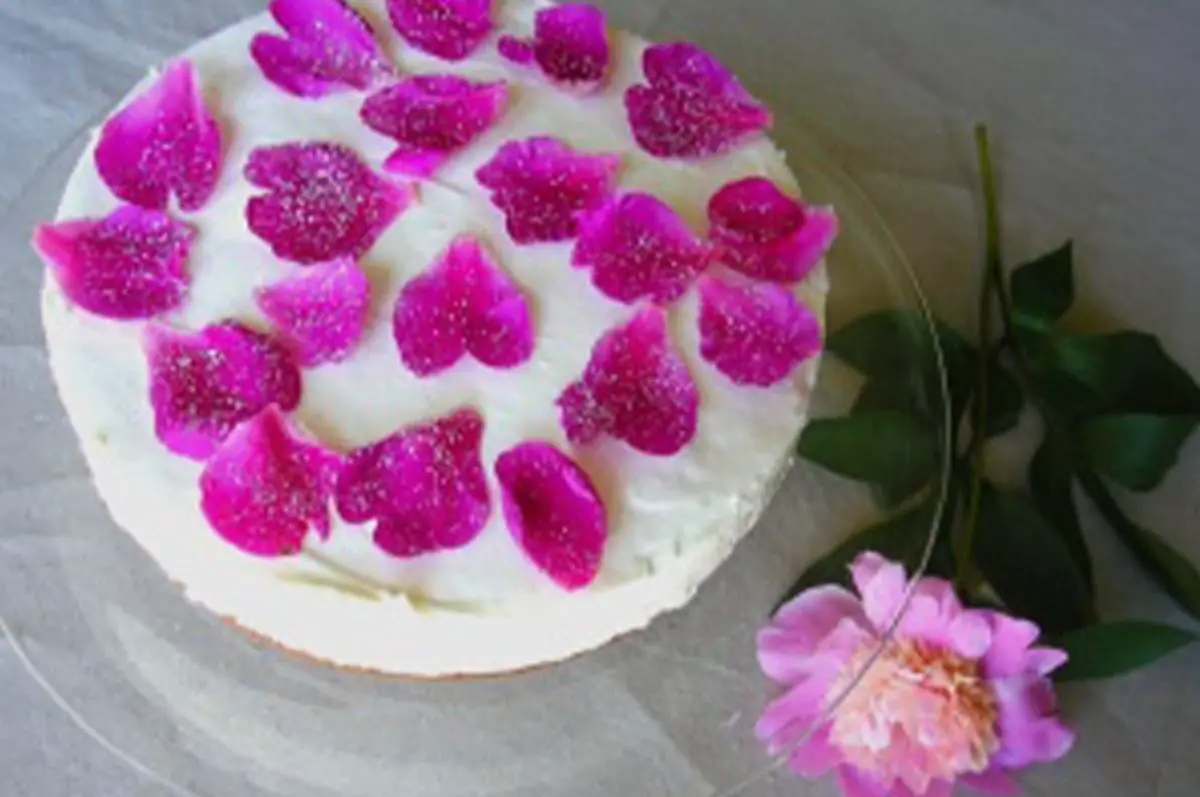
As early as the Ming Dynasty in China, records exist of peonies being used as food. Today, many restaurants still feature dishes highlighting peonies.
Peony petals are rich in protein, fat, starch, sugars, minerals like calcium, phosphorus, and iron, as well as vitamins A, B, C, E. Especially, the free amino acids they contain are easily absorbed by the human body.
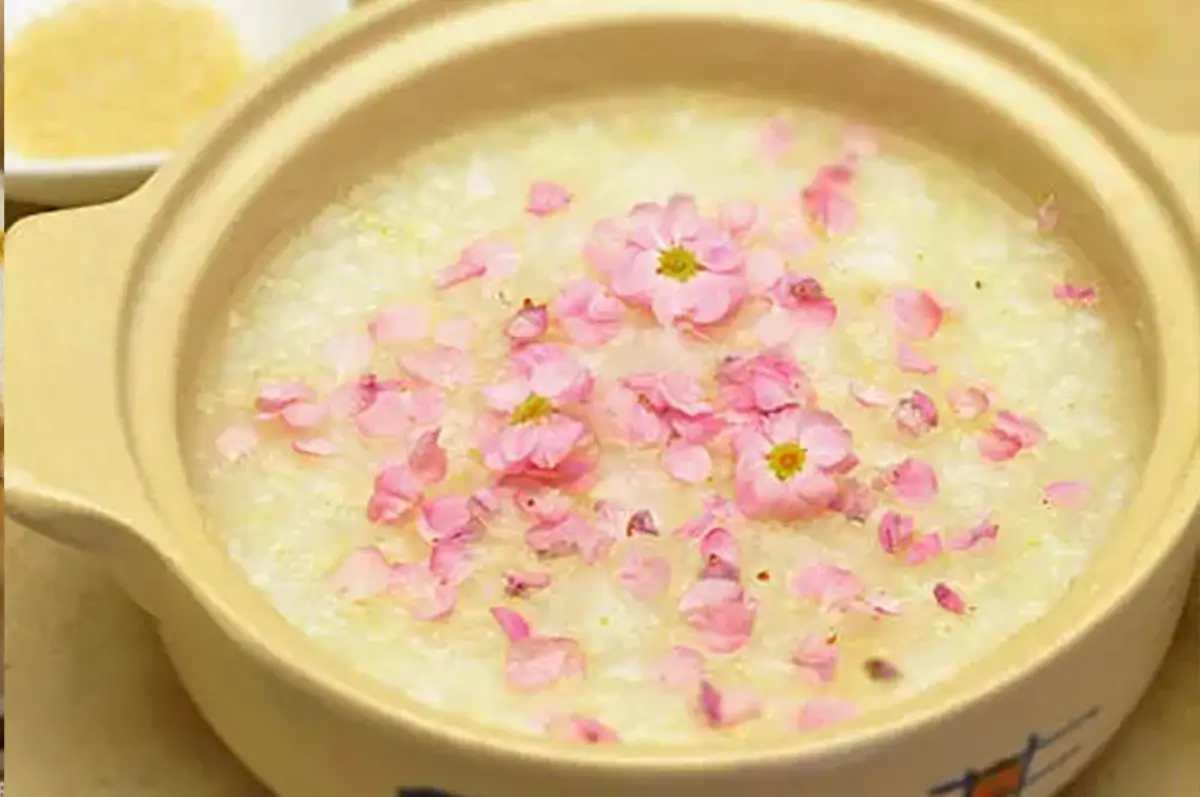
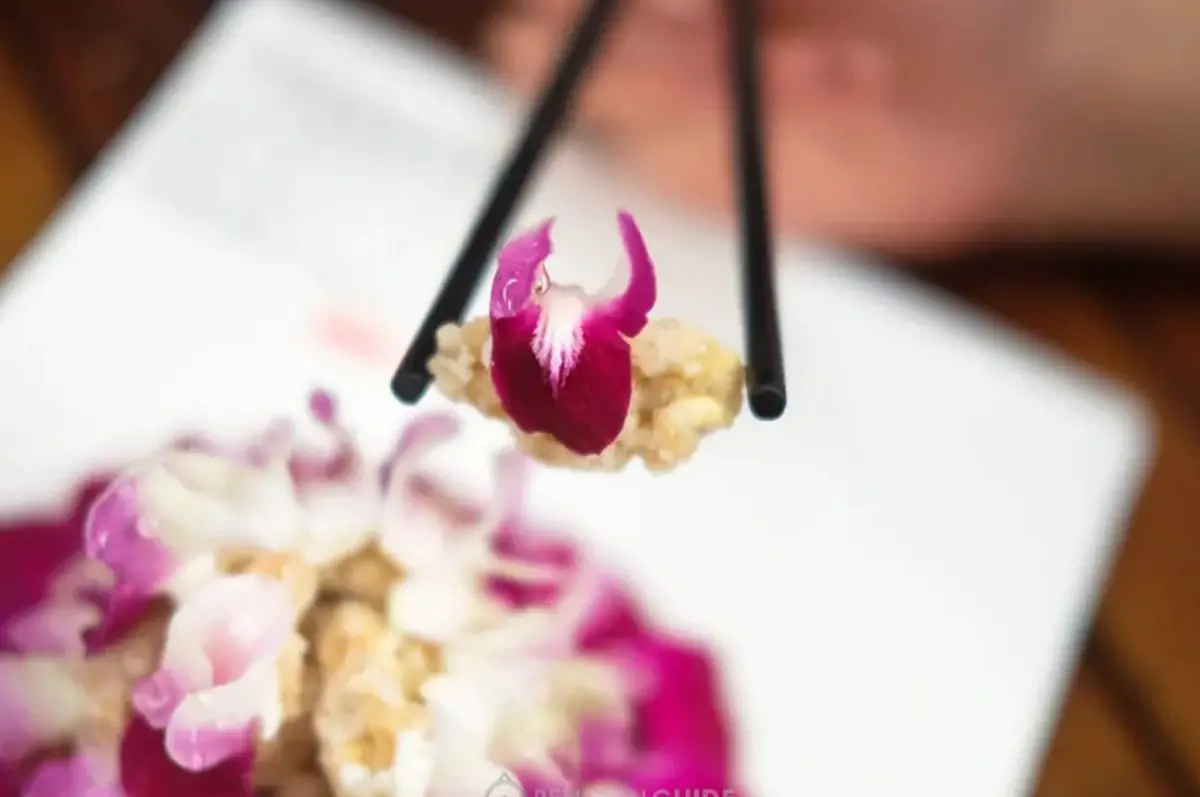
Peony petal porridge: Cook rice porridge, then add 10g of fresh peony petals. After it is cooked, add white sugar according to your taste. Regular consumption of this porridge can help alleviate menstrual disorders and pain in women.
5. Chrysanthemums
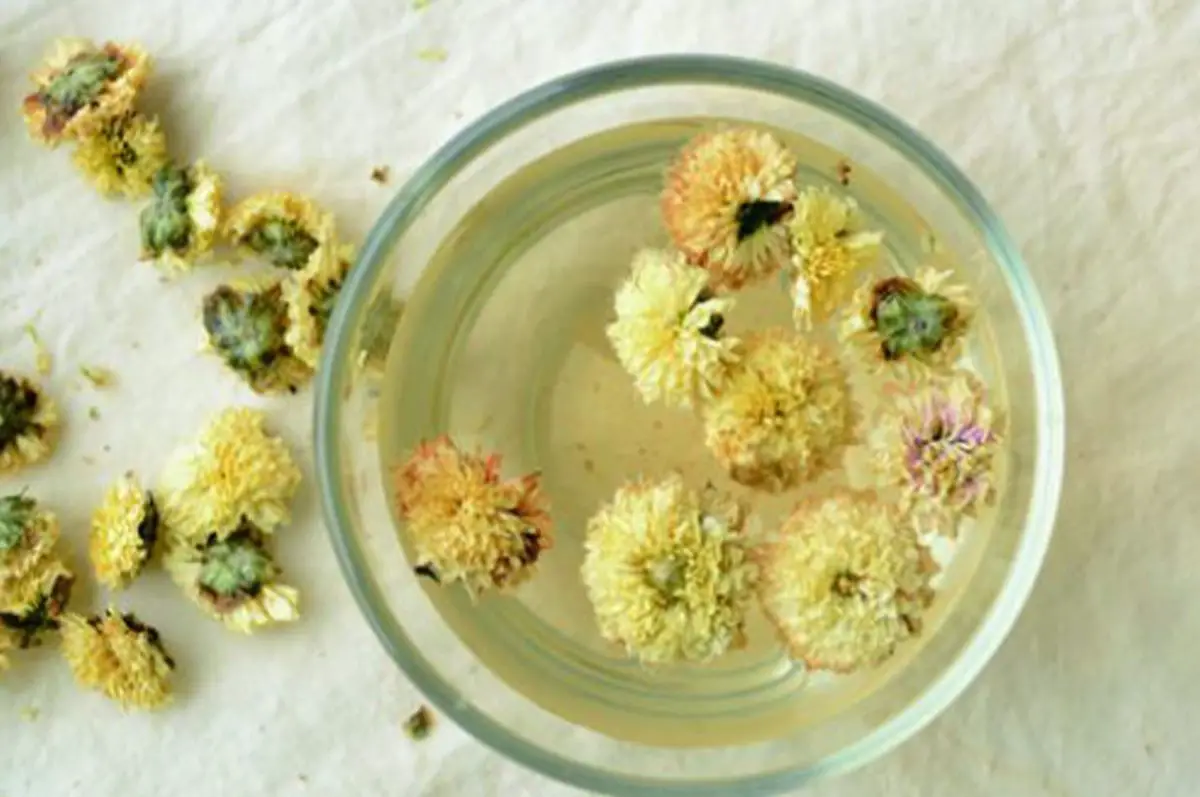
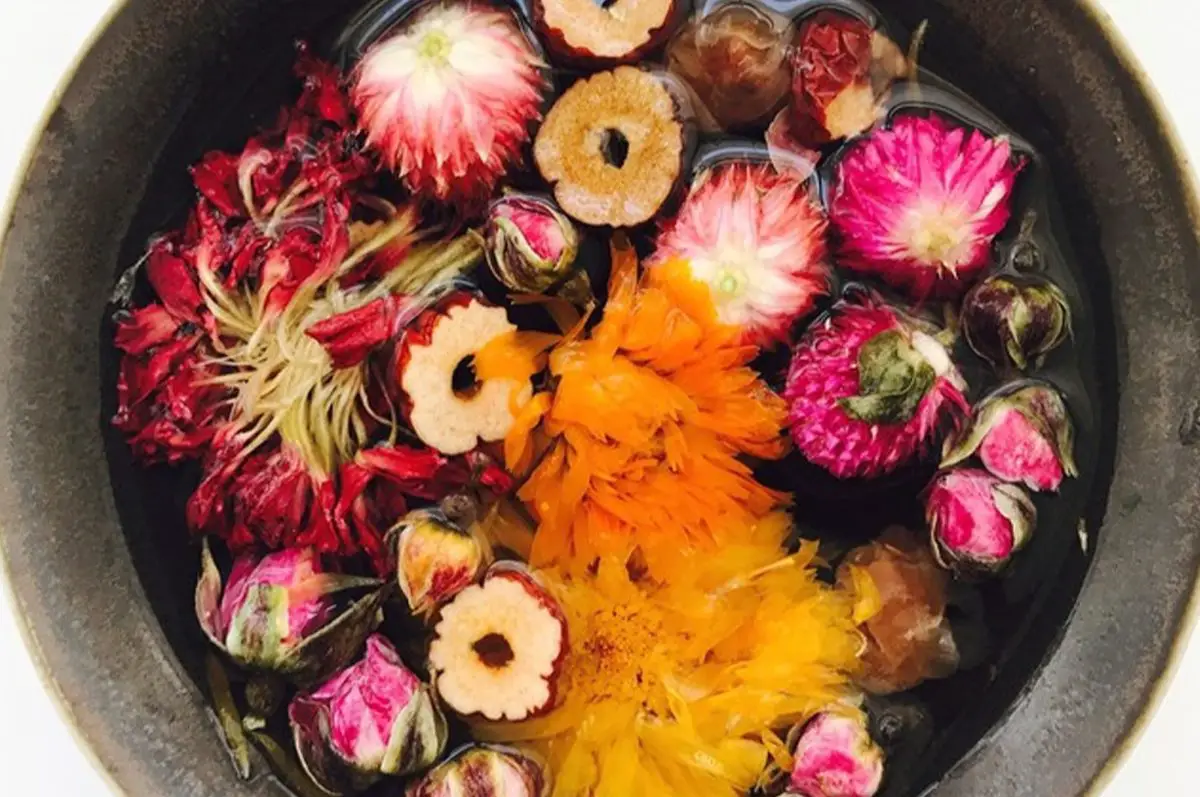
Chrysanthemums are medicinal flowers. Their petals contain various amino acids, vitamins, and trace elements such as iron, zinc, and selenium. However, as they need to retain their shape, they may be overexposed to pesticides, so be sure to choose carefully before making tea.
Varieties of chrysanthemum include Tiaojinju, Hangbaiju, Huaiju, and large Gongju. Apart from being brewed as a tea, they can also be used in dishes.
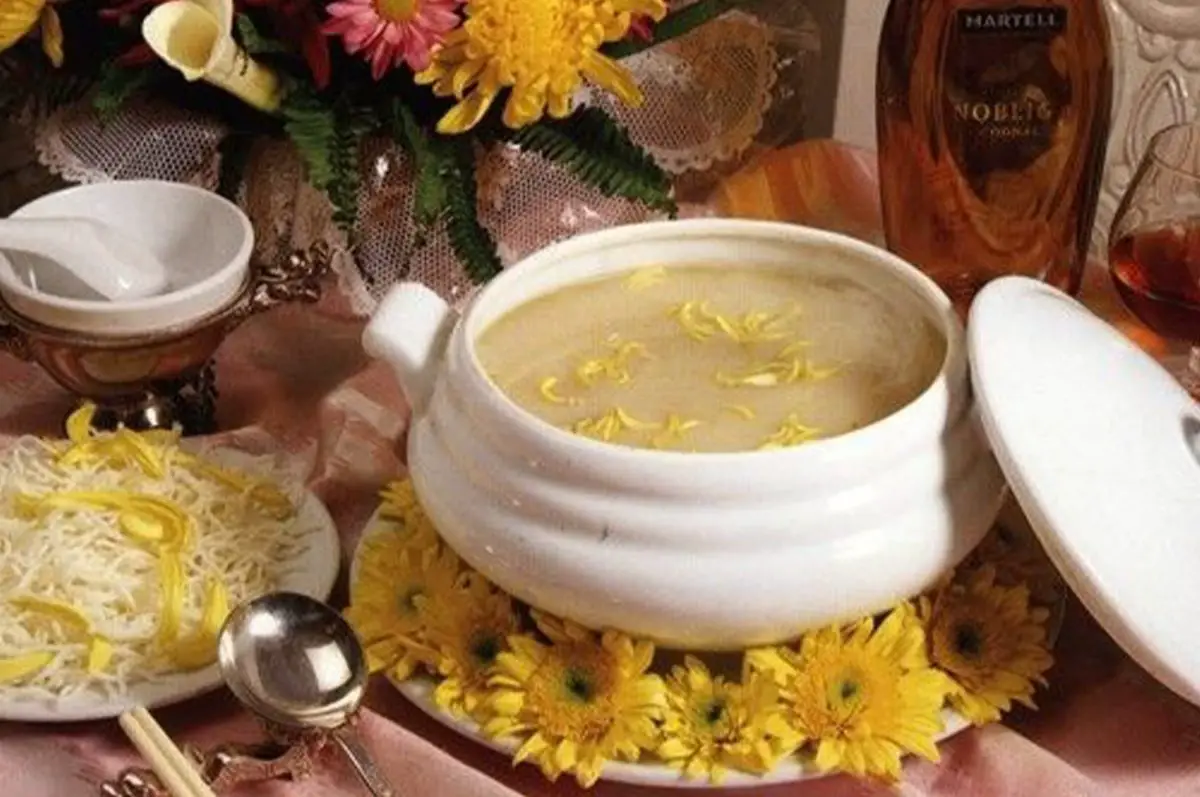
Almost everyone has had chrysanthemum tea to clear heat from the body. Of course, in addition to making tea, there are many delicious ways to cook with chrysanthemums. They can be used in hot pot, porridge, soup, and even made into sweet chrysanthemum honey.
6. Jasmine
Jasmine has a cold nature and a light taste. It’s known for its ability to regulate Qi, relieve depression, dispel filth, and balance the body. It also has excellent anti-inflammatory and detoxifying properties for conditions such as dysentery, abdominal pain, conjunctivitis, and sores.
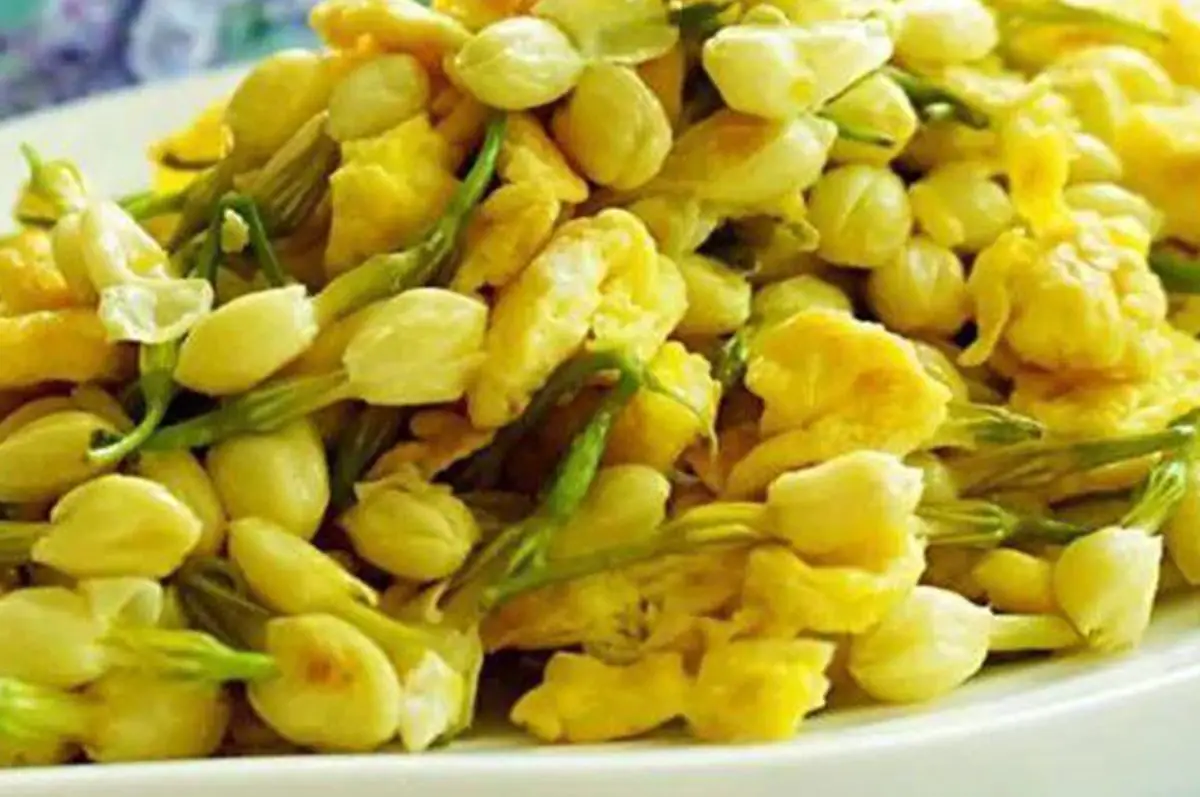
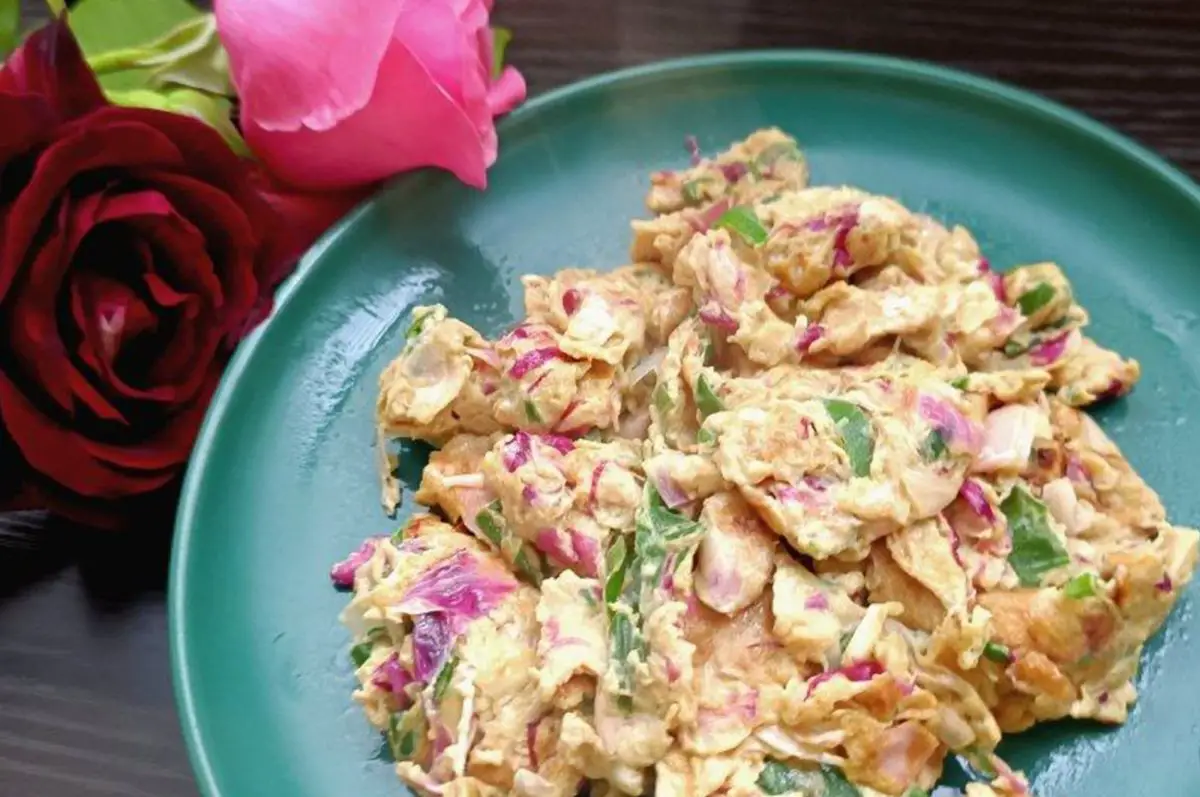
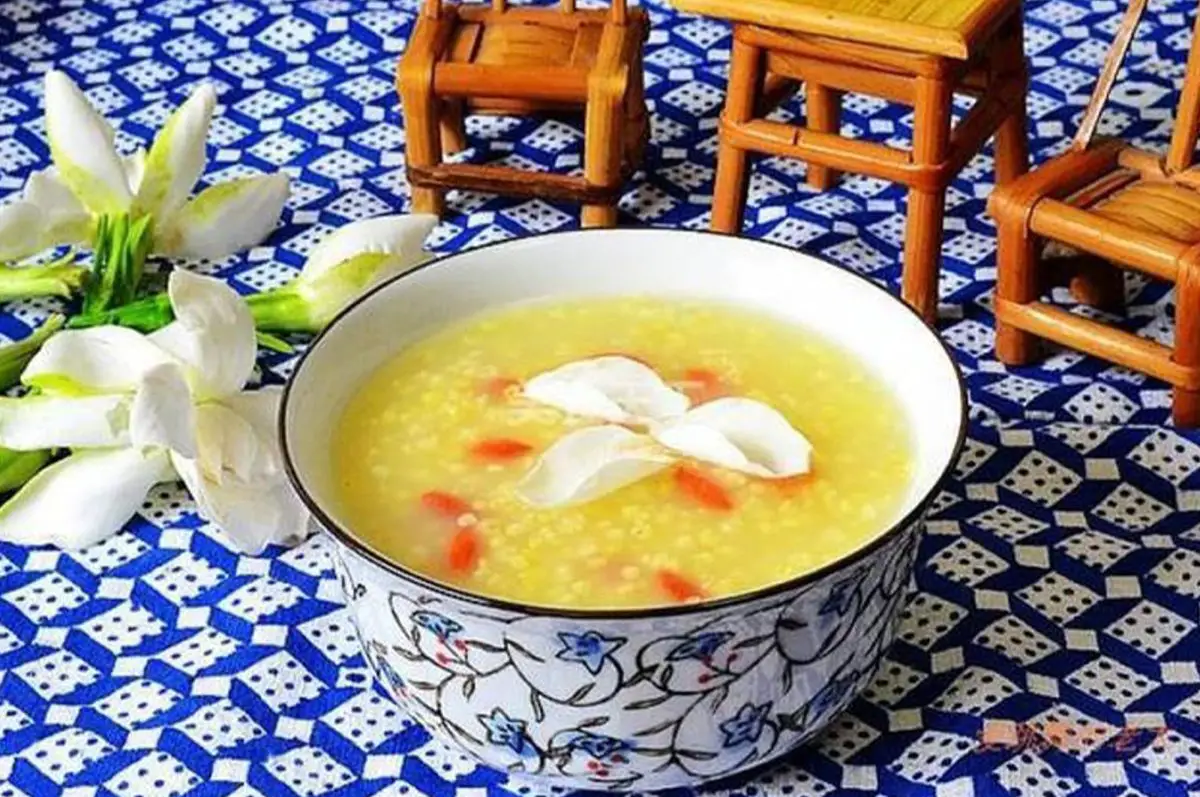
Both the flower and leaves are used in medicine to treat red and swollen eyes and have an expectorant effect for cough. Jasmine scrambled eggs, jasmine winter melon soup, jasmine squid slices with honey beans, goji berry jasmine chicken, jasmine rice porridge, jasmine tofu, and jasmine silver fungus soup are all exquisite dishes.
Jasmine tea helps dispel cold and relieve depression, making it a top tea for spring.
One recommendation for cooking with jasmine is jasmine scrambled eggs, which are incredibly delicious. If your jasmine plant doesn’t bloom much, you can make it into jasmine egg pancakes, which also taste great!
Besides, jasmine tea is so commonplace that brewing tea with jasmine has become second nature!
7. Osmanthus
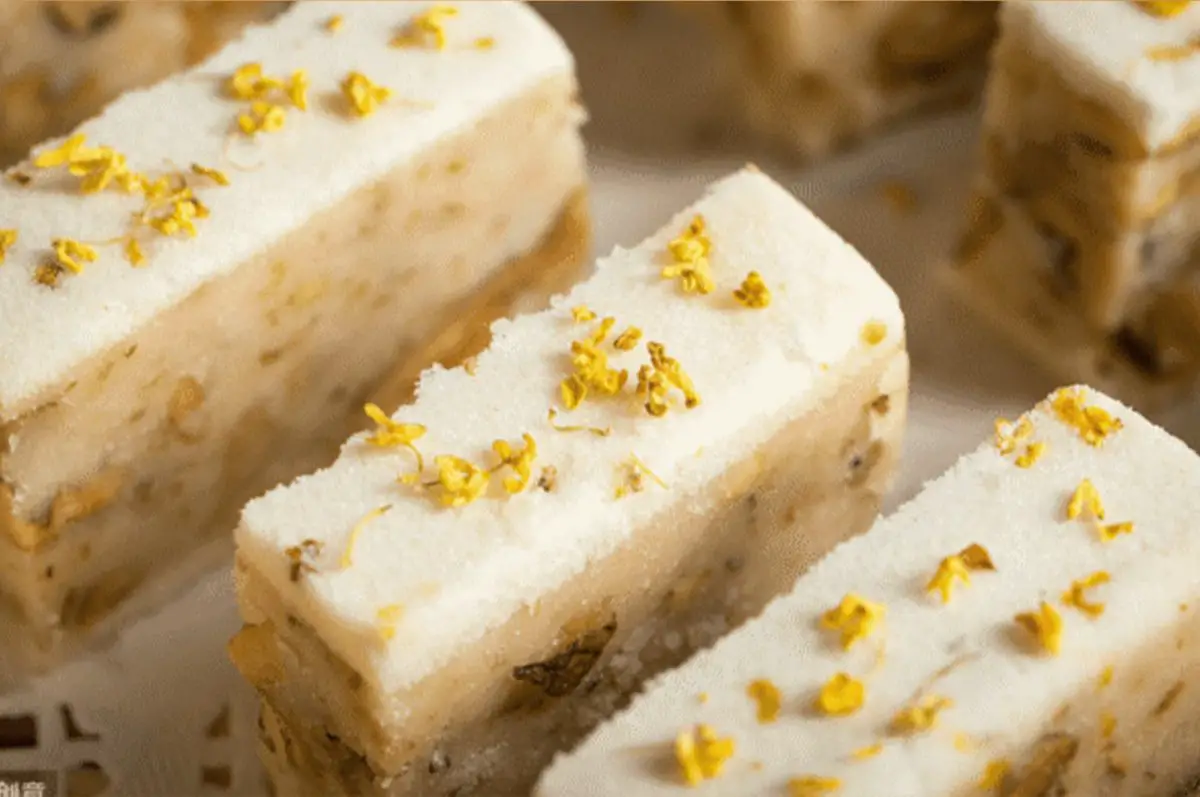
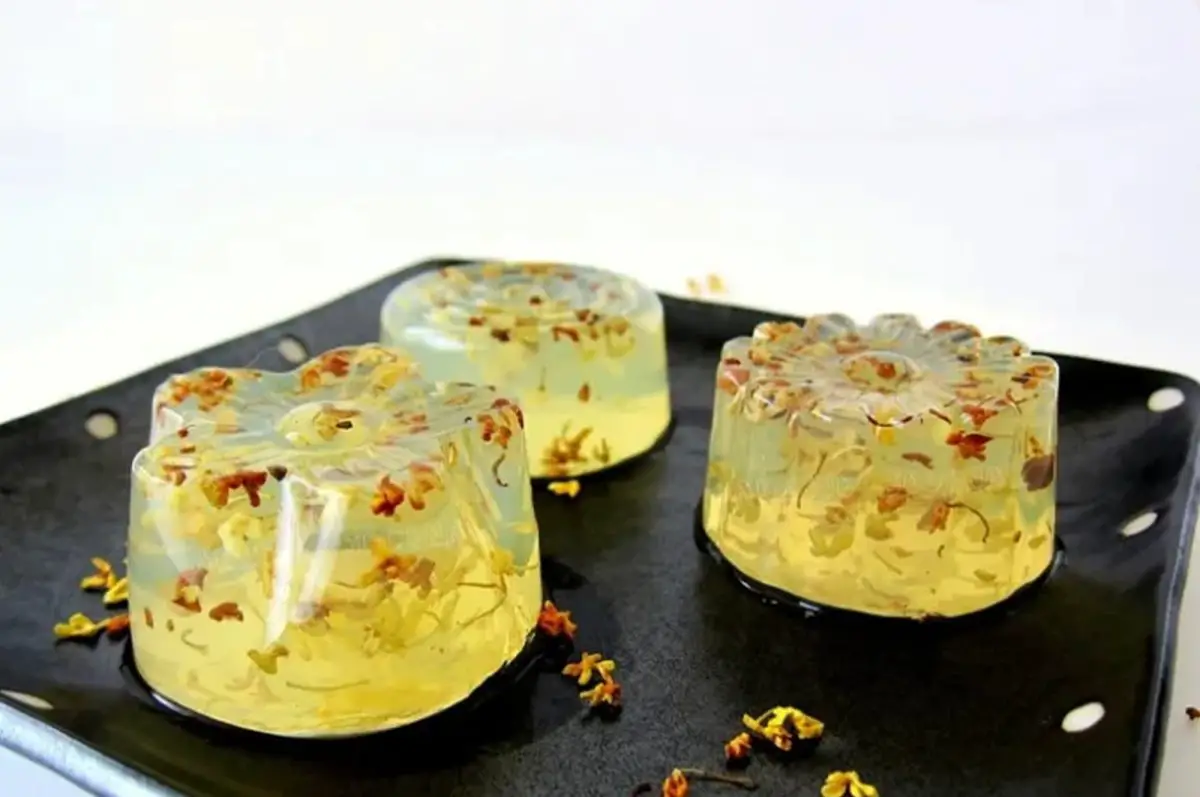
Collecting osmanthus in the autumn, drying it, and making osmanthus honey with honey or putting it into glutinous rice flour to make osmanthus cake are all excellent ideas.
Even sprinkling it on tangyuan (a Chinese dessert made of glutinous rice balls) to give a fragrant and light taste is fantastic.
Moreover, you can make osmanthus sugar, osmanthus cake, osmanthus sweet rice wine dumplings, osmanthus sauce, and osmanthus sticky rice lotus!
8. Plum Blossoms
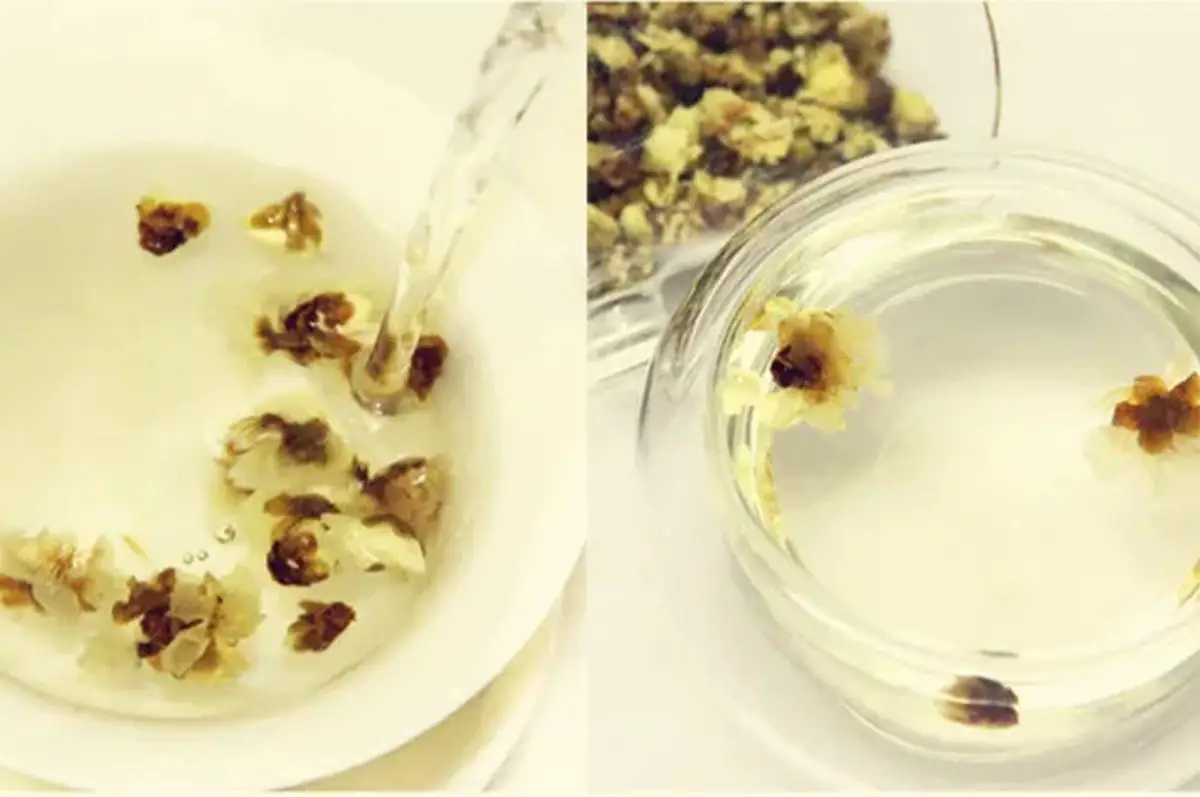
Plum blossom tea might be the most familiar way we consume plum blossoms. The flowers of wax plum, flowering plum, and fruiting plum can all be made into tea. Like many flowers, there are two types of plum blossom tea.
One is directly processing the blossoms into dried flowers, then brewing them with water. The brewed tea’s petals spread out, resembling a blossoming plum, sweet and pleasing to the eye.
Another type is made into flower tea, primarily made from the fragrant wax plum blossoms. After undergoing a scenting process, the aroma of the wax plum blossoms is transferred to green tea or black tea.
When brewed, it has the aftertaste of the tea leaves and the fragrance of the petals, creating a unique taste. Plum blossoms can also be mixed with other flower teas for a beneficial health effect.
9. Hibiscus
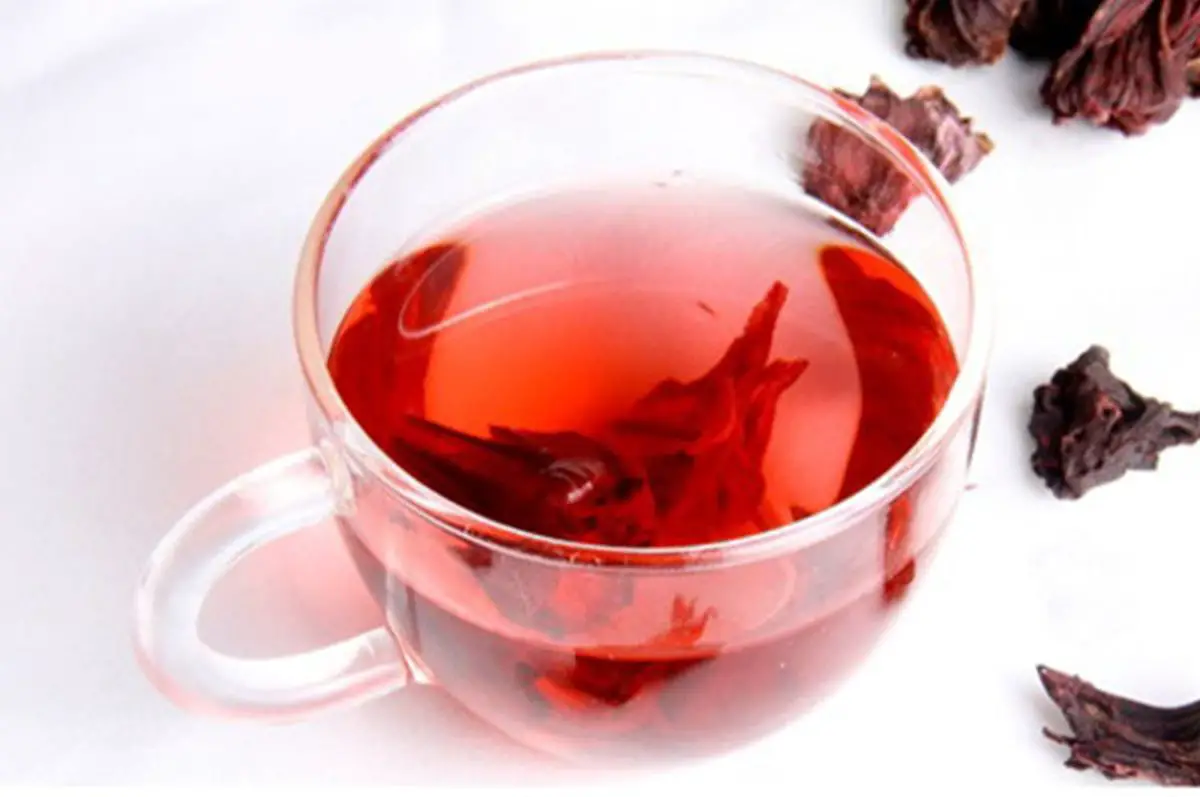
Hibiscus contains plant anthocyanins and natural polyphenols, with a sour and sweet aftertaste. It’s mainly grown in Taipei and Hualien in Taiwan.
The sour hibiscus can substitute for natural fruit vinegar to pickle vegetables. Fresh hibiscus is rare, and it’s mainly produced from October to November.
Hibiscus can be brewed with honey and hot water for drinking. It can also be made into candied fruit for eating. Moreover, the color from hibiscus can be extracted as a food additive for consumption in food.
10. Cherry Blossoms
Fresh cherry blossoms are edible, but not all varieties can be consumed. Cherry blossoms have many species. The most commonly consumed in Japan are double-flowered cherries and Yoshino cherries.
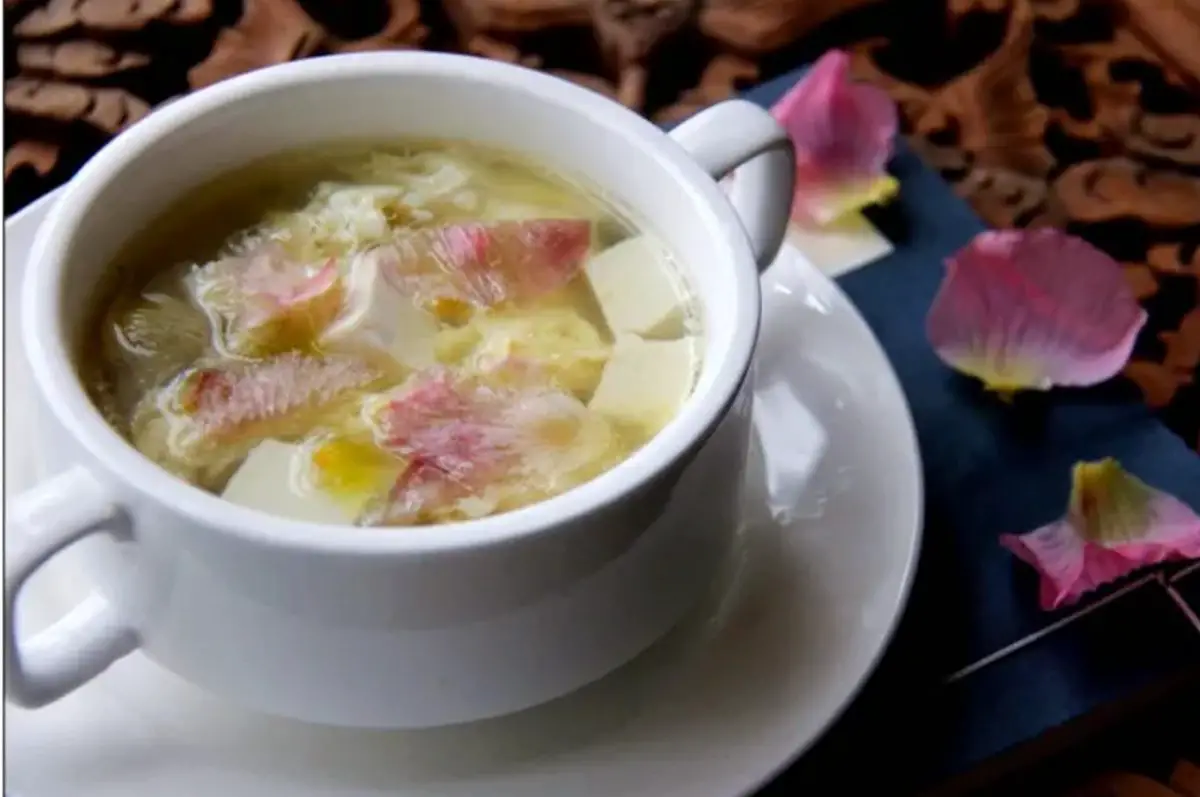
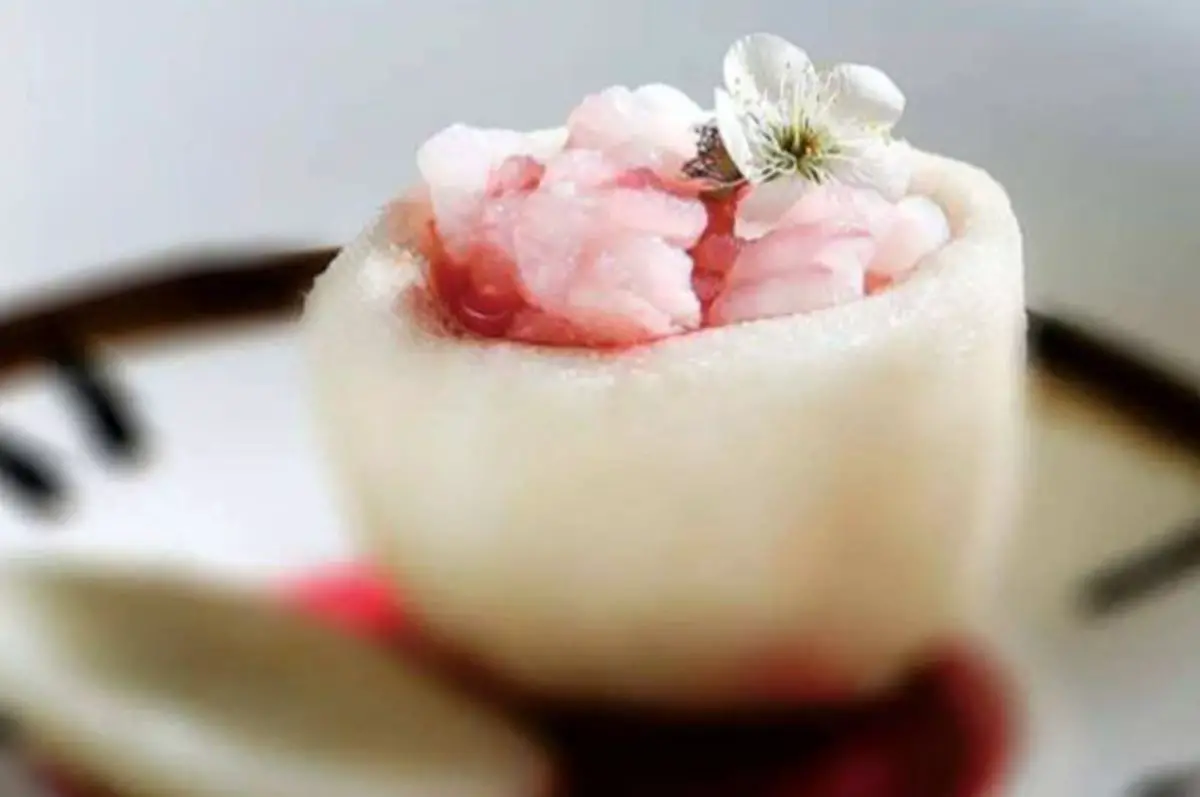
Various ways to enjoy them include salt-pickled cherry blossoms, cherry blossom tea, cherry blossom sushi, cherry blossom cold noodles, cherry blossom ice cream, cherry blossom soup, cherry blossom wine, etc.
Nowadays, many bakeries in China often use cherry blossoms to make cakes, and cherry blossom mousse is a very beautiful mousse cake.
Consuming cherry blossoms can relieve cough and asthma. Cherry blossoms also have excellent pore-tightening and oil-balancing effects, making them an important ingredient in skincare products. They can be brewed as tea or made into cherry blossom jam.
They can also be pickled with salt to make salt-pickled cherry blossoms. In addition, cherry blossoms can be made into cherry blossom honey or cherry blossom jam to accompany bread.
11. Peach Blossoms
Peach blossoms, known as the first flowers of spring, are not only for viewing but also have medicinal value. They have been used as ingredients since ancient times.
Fresh peach blossoms can be made into peach blossom tea, peach blossom wine, peach blossom sauce, peach blossom porridge, etc.
Consumed in moderation, they can nourish the skin, improve blood circulation, and aid digestion.
12. Magnolia Blossoms
Magnolia blossoms are known for their ability to dispel wind, expel pathogens, and clear nasal passages. They are primarily used to treat headaches caused by colds, nasal congestion, sinusitis, runny nose, and purulent nasal discharge.
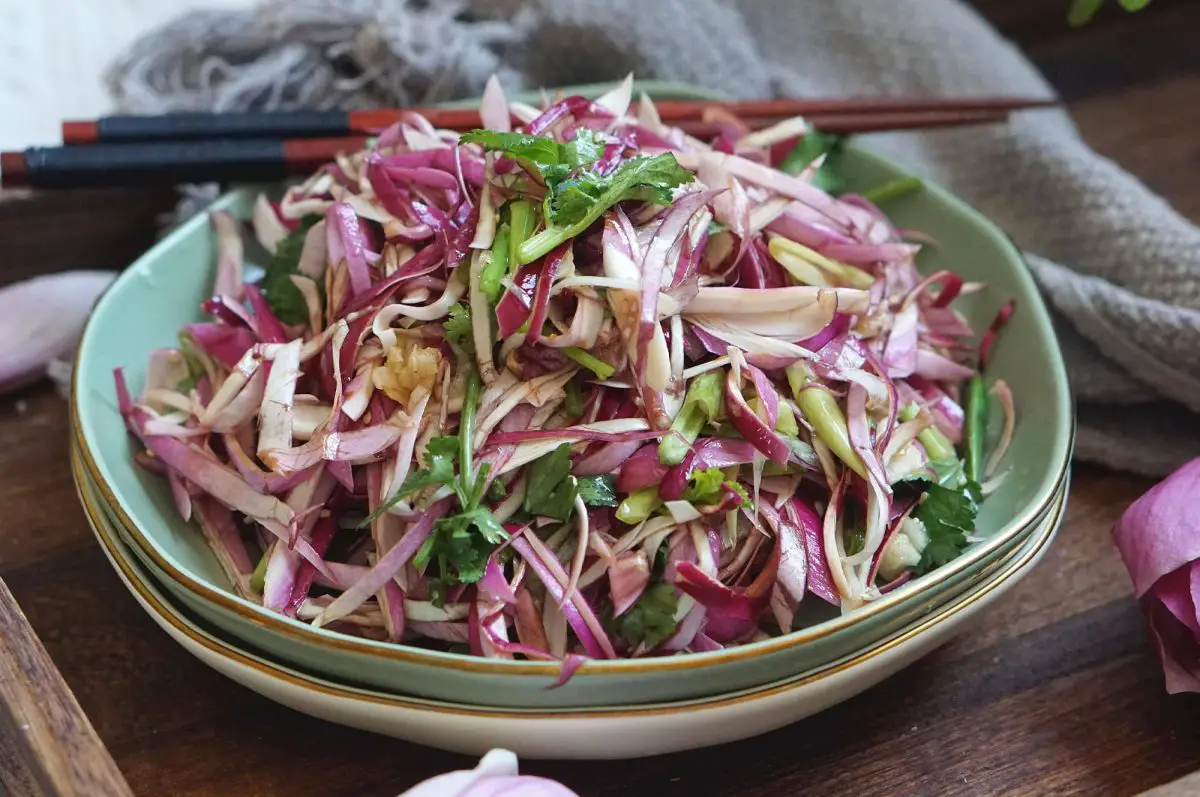
Many people enjoy deep-frying fresh white magnolia petals coated in egg batter. Alternatively, purple magnolia petals can be sliced and served as a refreshing cold dish with various seasonings. The fresh, delicious taste is reminiscent of spring and definitely worth a try.
When consuming magnolia blossoms, it’s better to choose unopened buds, which are tender and taste better. As purple magnolias bloom later, white magnolias may be preferable for consumption.
13. Borage
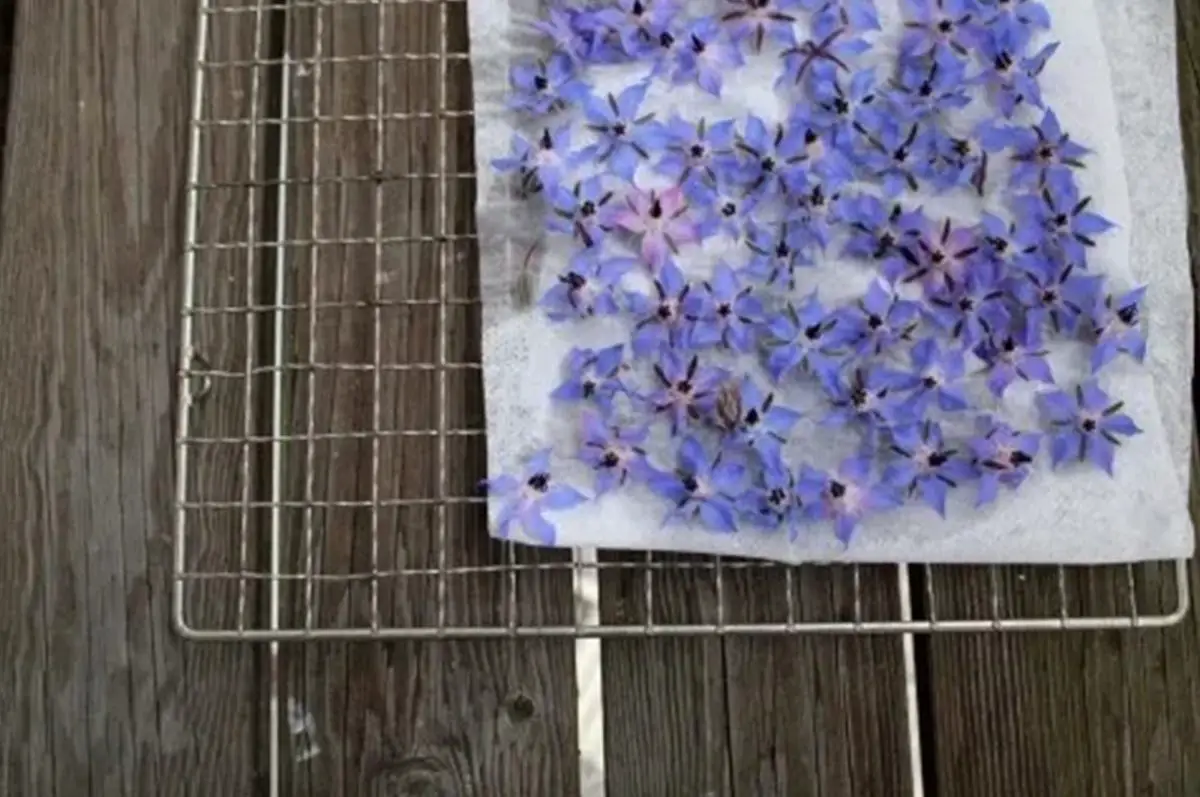
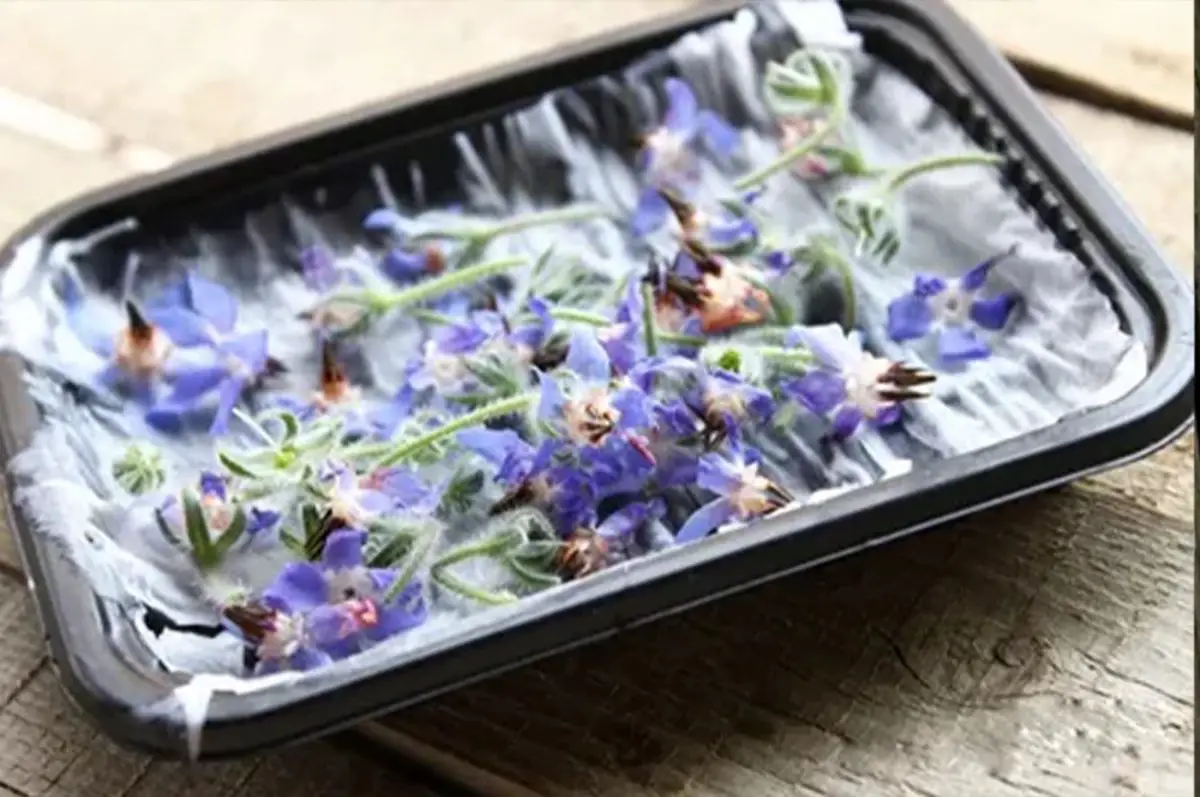
Both the flowers and leaves of borage are edible. The leaves and flowers are good for relieving psychological stress, treating dry cough, promoting lactation, and have analgesic effects. The leaves contain a variety of trace elements such as calcium and potassium.
The furry borage can be used in salads, sauces, and tea drinks.
14. Wisteria
Not only are wisteria flowers edible, but the roots and stems can also be consumed. They are non-toxic and rich in nutritional value. Wisteria flowers contain many volatile oils and nutritional elements such as uronic acid, uronide, dihydrophaseol, and tricosane.
The stems and leaves of wisteria contain osmanthusin 7-glucoside, vitamin C, and apigenin. Wisteria roots contain wisterin, which tastes sweet.
Wisteria can be cooked in a similar manner to locust flowers: it can be steamed, mixed into dishes, or used as a filling for pancakes. But eating wisteria is even more romantic than eating locust flowers. When you take a bite, it feels like the whole spring is permeated with a hazy light purple color, blossoming with fragrance in your mouth.
15. Peony
The rootstock of peony can be used as medicine, and its flowers, when dried, can be used as herbal tea. In traditional Chinese medicine, the root of peony, especially the white peony, is a top-grade product for nourishing yin and replenishing blood.
It is called the “flower of gynecology”, not because of its beautiful flowers, but because of the effectiveness of its root. In clinical use, white peony is often used in the treatment of many women’s diseases.
Peony, a perennial herbaceous plant of the Paeonia family and Paeonia genus, is one of the economic plants that can be used both for viewing and medicinal purposes.
Peonies are slightly cold in nature, bitter and sour in taste, and belong to the liver and spleen meridians. They have the effects of dispelling blood stasis, relieving pain, and beautifying.
16. Locust Flowers
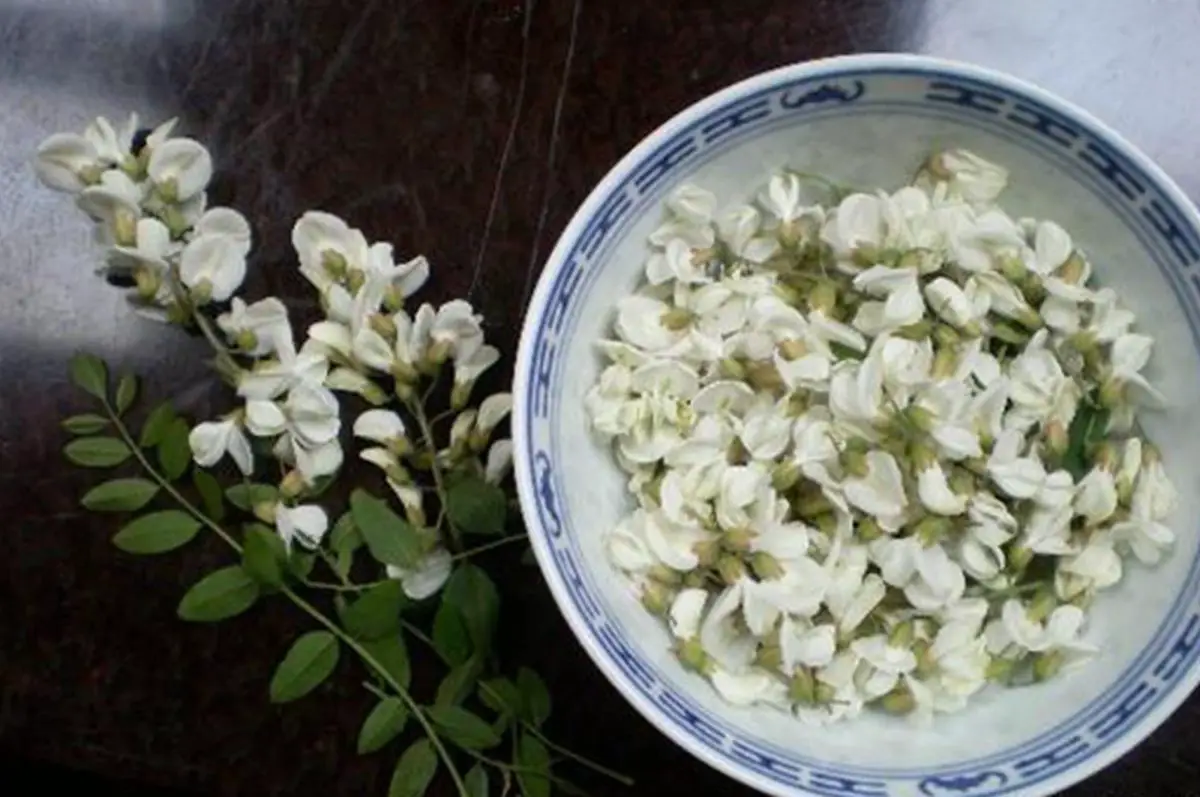
Locust flowers bloom in April and May. Clusters of pure white flowers adorn the branches, filling the air with a delicate, invigorating fragrance.
Locust flowers taste best when they’re about to bloom but haven’t yet; once they’ve fully opened, the taste is less appealing. After removing the stem and keeping only the petals, wash and dry the flowers. They are tender and have a sweet, elegant fragrance.
Locust flowers are often blanched and then simply mixed with salt, oil, and sugar to preserve their natural taste. Of course, such beautiful flowers can also be steamed, used in soup, as dumpling filling, or to make pancakes.
Locust flowers are very versatile. They can be used to make pancakes or rice dishes, steamed, or even eaten fresh as long as sanitary conditions permit.
17. Pomegranate Flowers
The skin of pomegranate flowers has notable antibacterial and astringent effects, which can make intestinal mucosa contract and reduce the secretion of intestinal mucus, hence effectively treating diarrhea and dysentery.
They also have a good inhibitory effect on Shigella and E. coli. Furthermore, the fruit peel of the pomegranate contains alkaline substances, which have deworming effects.
Pomegranate flowers are exceptionally nutritious, containing multiple nutrients that the human body needs. The fruit of the pomegranate contains vitamins C and B, organic acids, sugars, proteins, fats, and minerals such as calcium, phosphorus, and potassium.
The thick flower calyx is often used to stir-fry meat in the southwest region. Red and white pomegranate flowers are edible, with the white ones being preferred.
18. Gardenia
Gardenia flowers can be eaten. They can be served in a cold dish, used to make egg flower soup, or stir-fried.
Their preparation is similar to that of magnolia. Westerners often use them as models to make cream or candied flowers to decorate cakes.
19. Daylily
Daylily petals taste like sweet lettuce and have a nice crunch, making them a good addition to salads. Choose attractive colors to enhance the presentation of the dish.
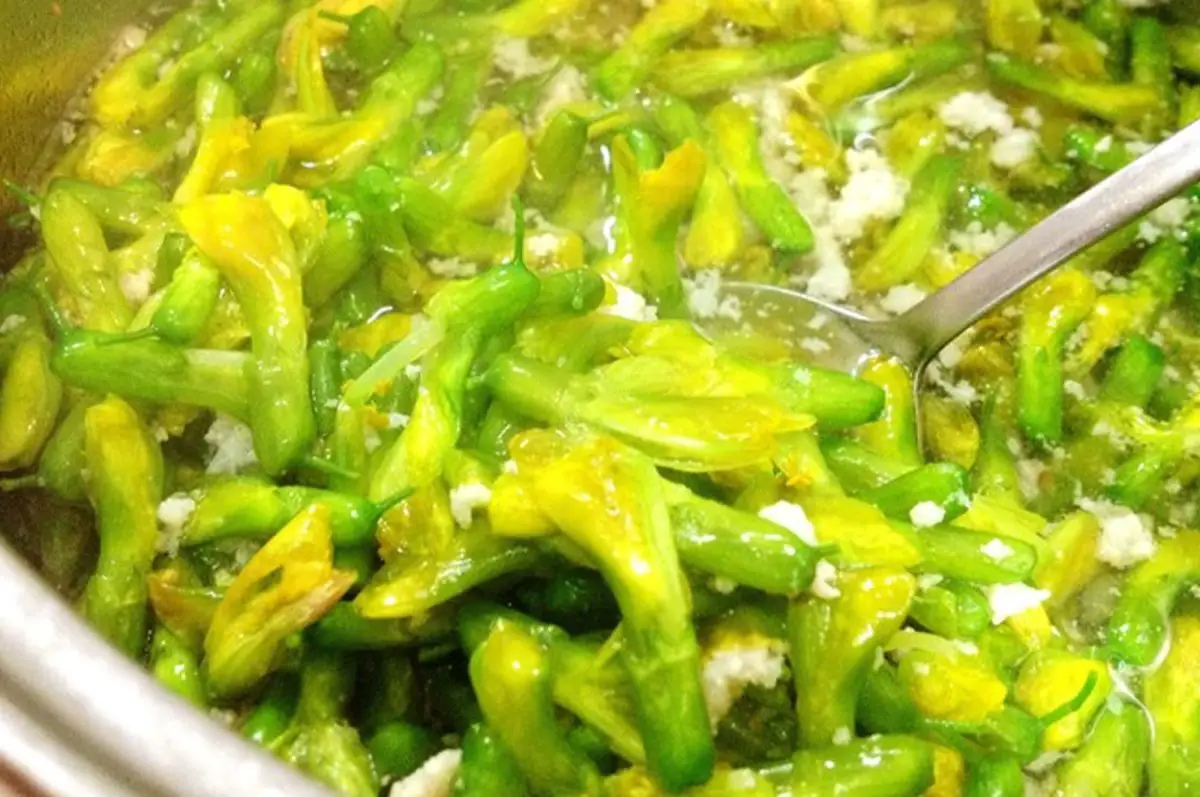
Some people think the taste of daylily petals is similar to asparagus and can be used as a substitute. Others use them as a filling for zucchini flowers (or Italian squash flowers), and they can also be used as a dessert ingredient.
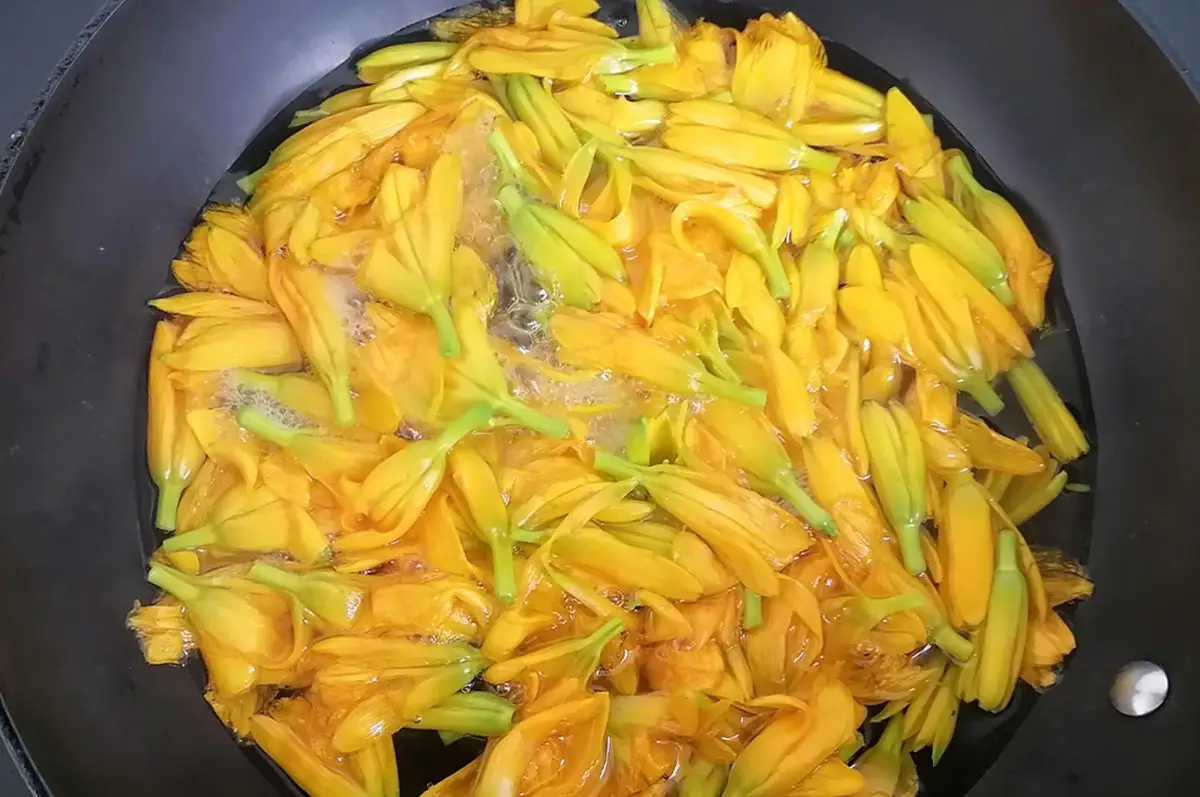
Like yellow flowers, fresh daylilies are toxic and should not be eaten directly. They must be thoroughly blanched before consumption, then they can be served cold or dried for long-term use.
20. Lotus
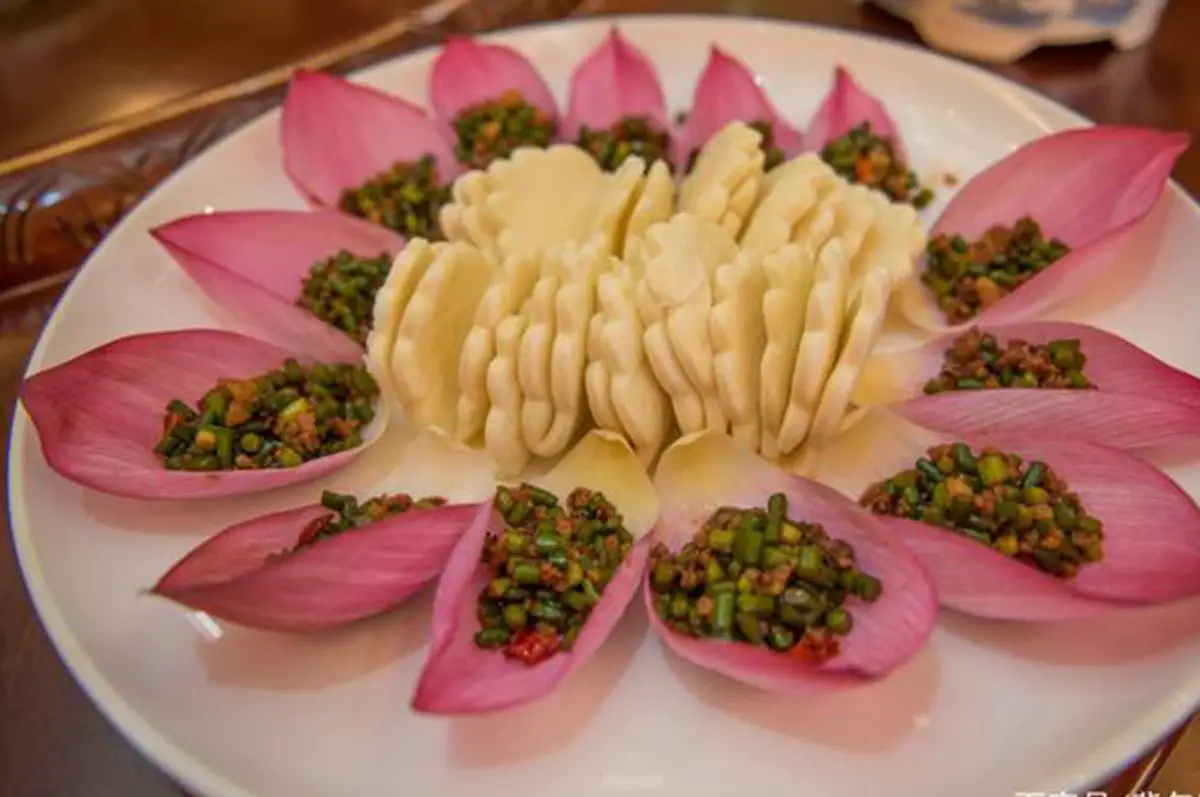
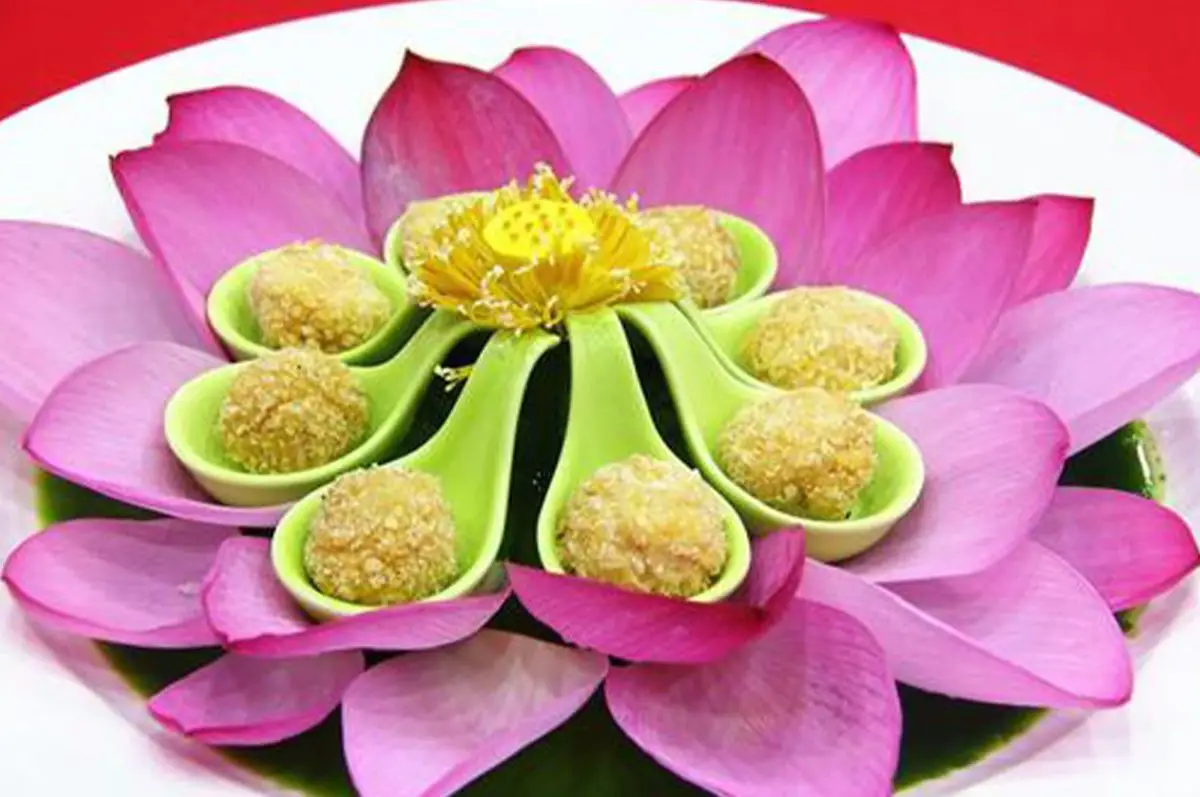
Lotus is edible and has good nutritional value. It has effects of promoting blood circulation, stopping bleeding, eliminating dampness and wind, calming the mind, cooling the blood, relieving heat, and detoxifying.
It can not only be used as a medicinal herb but also be made into a medicinal diet for consumption. The entire lotus plant is edible, from its flowers to its roots, providing numerous health benefits.
21. Hibiscus
Hibiscus flowers can indeed be eaten. They have the effects of cooling the blood, reducing inflammation, and promoting pus discharge, and are suitable for conditions such as boils, breast abscess, lung heat cough, lung abscess, etc.; they can also be used for metrorrhagia caused by heat in the blood, often used in combination with lotus seed shells.
Hibiscus flowers can also be made into soup, which is soft and refreshing. Hibiscus flowers can be made into chicken slices with chicken, cooked with japonica rice to make “Hibiscus Flower Porridge,” or mixed with flour and deep-fried, and then stewed with cartilage.
They can also be cooked with bamboo shoots to make Snow Xiageng, making Hibiscus flowers a very good delicacy. They can also be stir-fried and taste very good.
22. Honeysuckle
Honeysuckle is the dried bud or initial flower of the Caprifoliaceae plant Lonicera, which is a flower of a medicinal and edible plant.
It contains flavonoids, saponins, organic acids, volatile oils, and various trace elements. It has anti-allergic, antibacterial, antiviral, antipyretic, and hypolipidemic pharmacological effects.
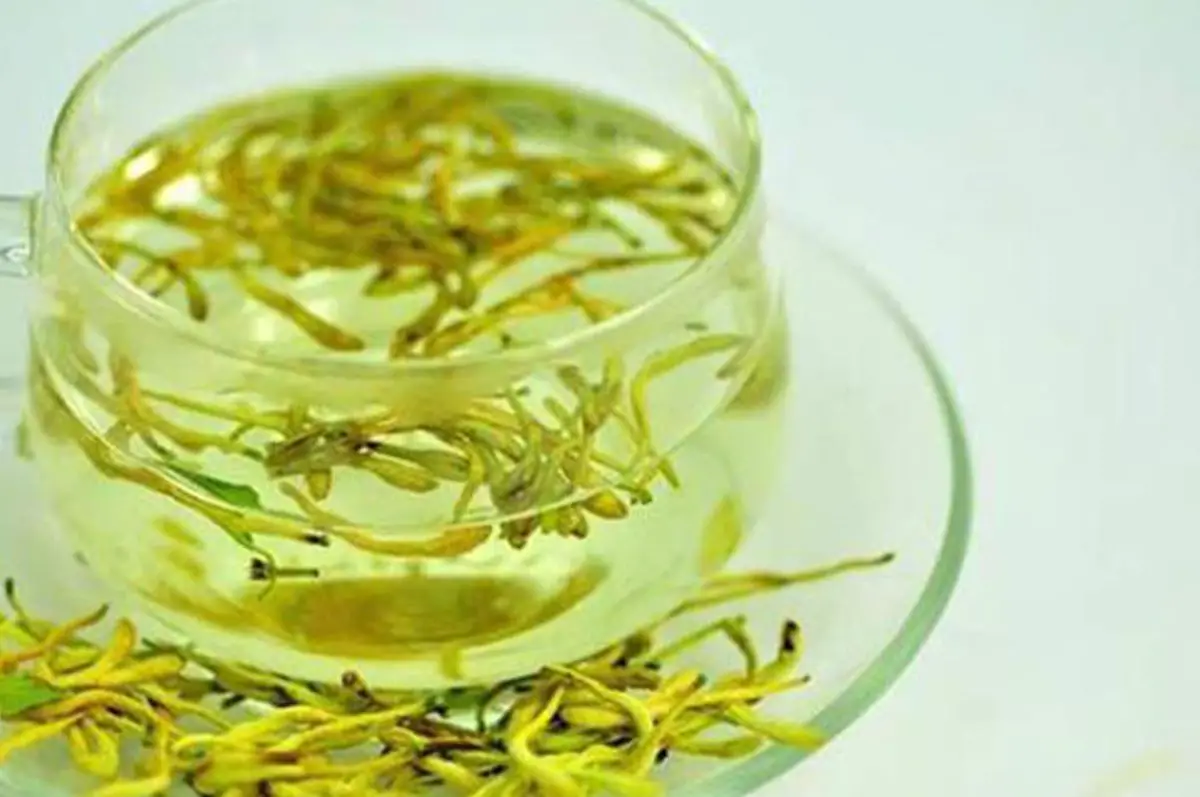
Honeysuckle tea is a common application. The flowers can also be mashed and added to shaved ice or cold drinks. The rich and moving fragrance is refreshing and cool for consumption during summer.
23. Lavender
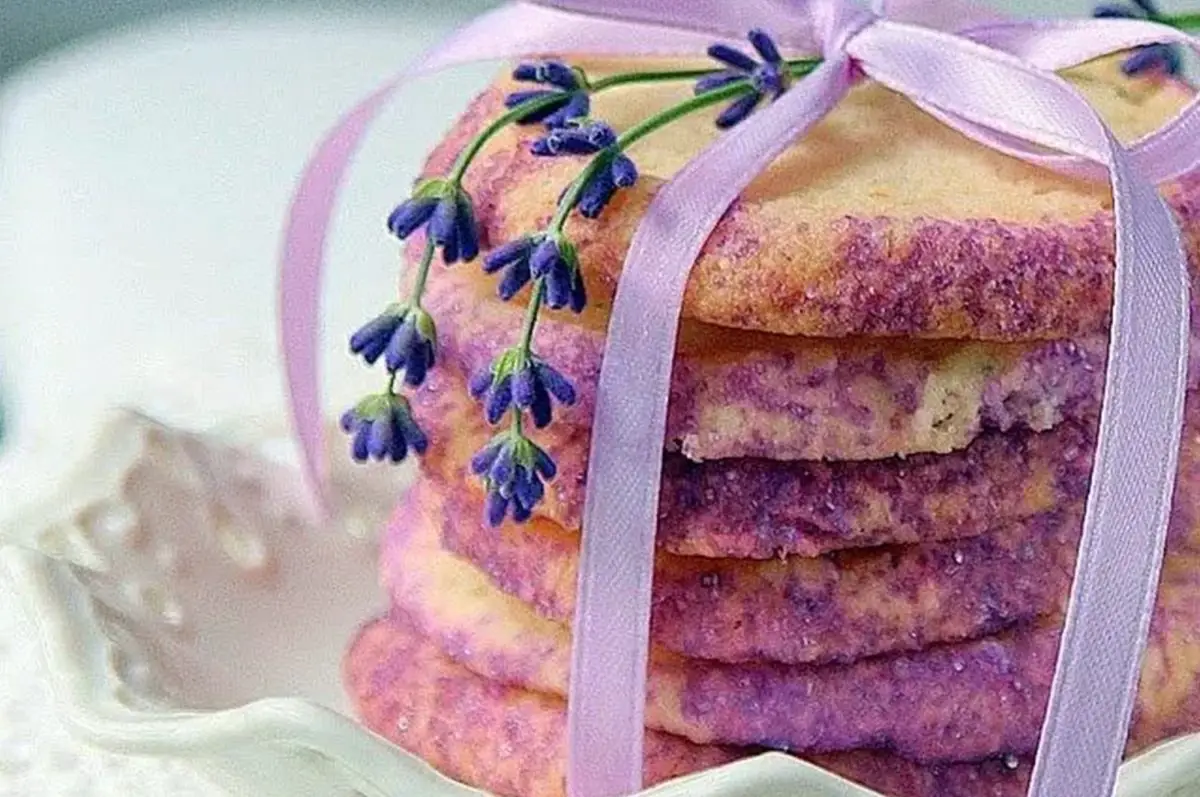
Lavender has a beautiful aroma and is often used in making cookies. Fresh flower branches are also soaked in vinegar to maintain their shape and color, resulting in a fragrant product.
24. Sweet Violets
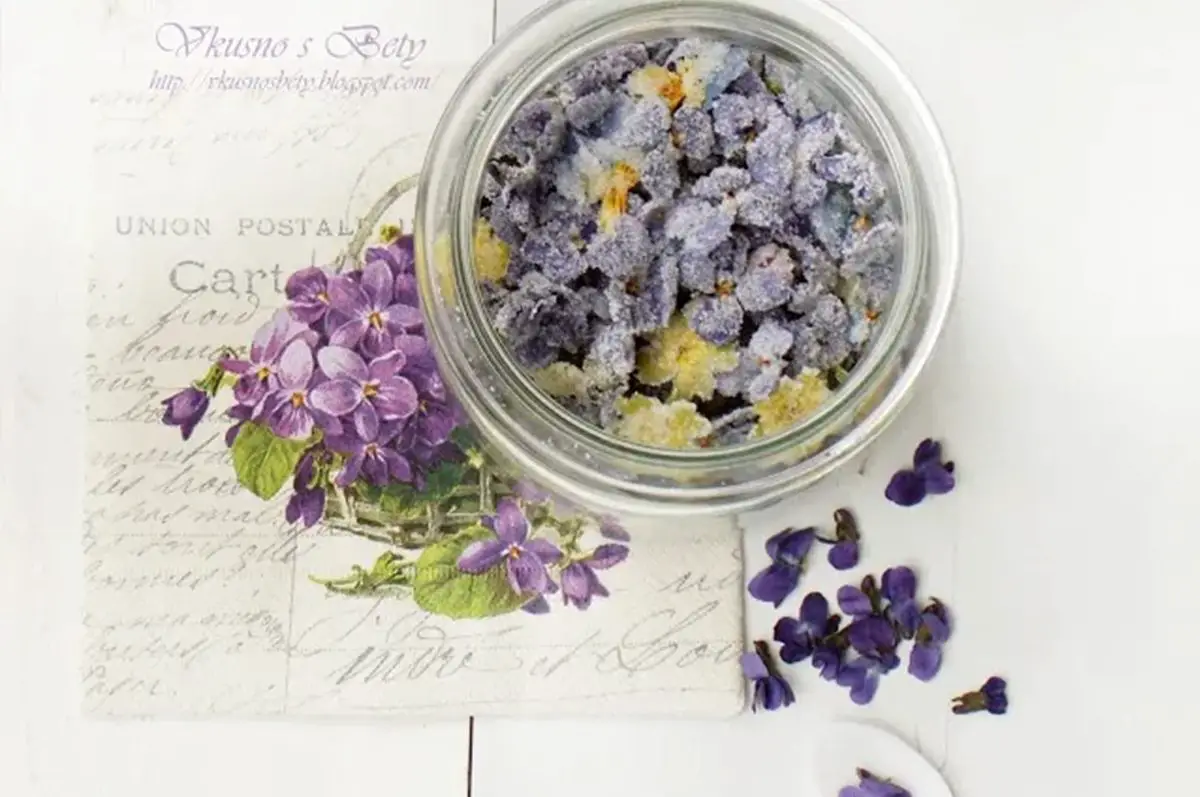
Sweet violets are small, soft, and slightly sweet. They are often used in candying and salads. Candying is the process of coating fresh petals with sugar and whipped egg whites to be used as dessert decorations.
25. Cornflower
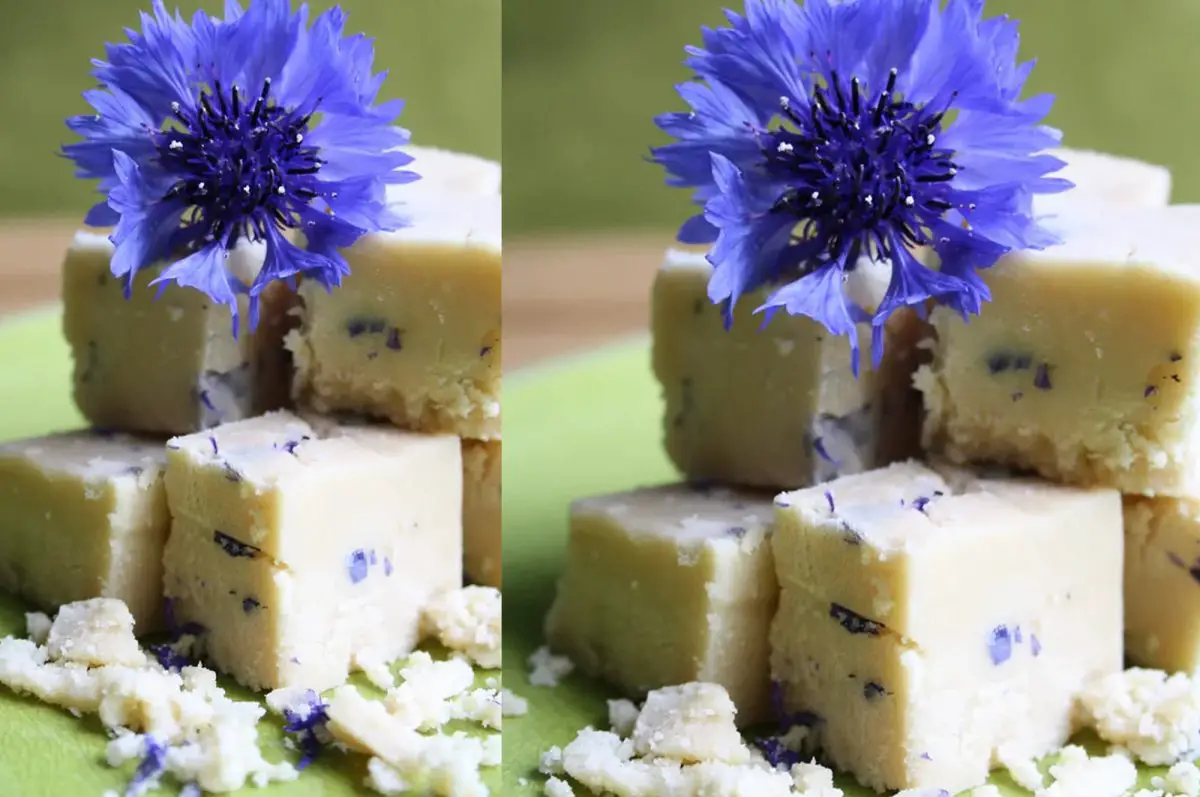
The fresh flowers of cornflowers can be consumed by humans, which can have a diuretic and swelling-reducing effect.
Besides, cornflowers also have the effect of improving vision. The fruit of cornflowers is also an industrial raw material from which a large amount of oil can be extracted for human use.
Cornflower tea can be brewed alone and is suitable to be paired with green tea. Take four teaspoons of cornflower, brew it with boiling water, and you have your tea. The light purple tea can be enhanced with a bit of honey for added flavor.
26. Geranium
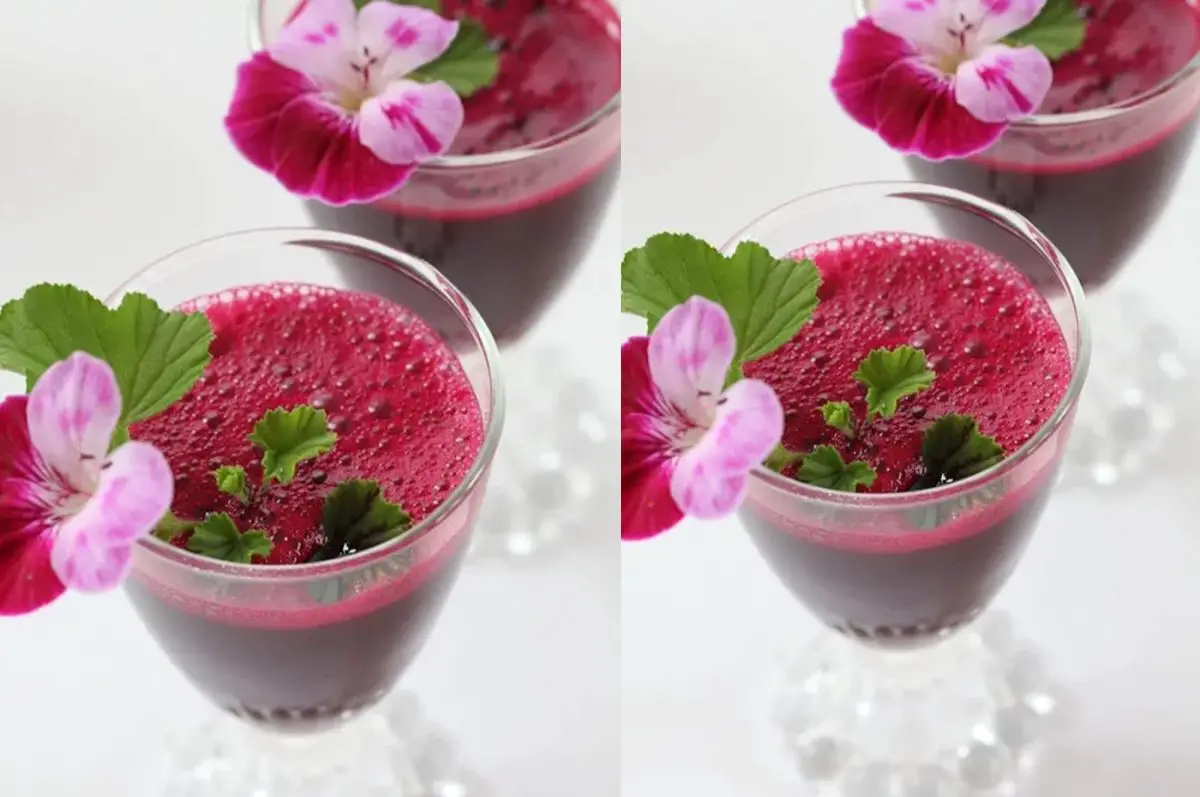
Geranium flowers can be used to make jams and syrups or used in ice cream or baking, and can also be added to vinegar, edible oil, or herbal butter.
The sweet appearance of geraniums makes them perfect for desserts or cocktails. Some varieties contain aromatic essential oils.
27. Chamomile
Chamomile is widely used today and was called Kamai melon in ancient Greece, meaning an apple on the ground. The places where chamomile grows are filled with its scent.
Roman chamomile leaves have a strong apple aroma and bloom from June to August each year. Chamomile is not only a kind of medicine but also a delicacy.
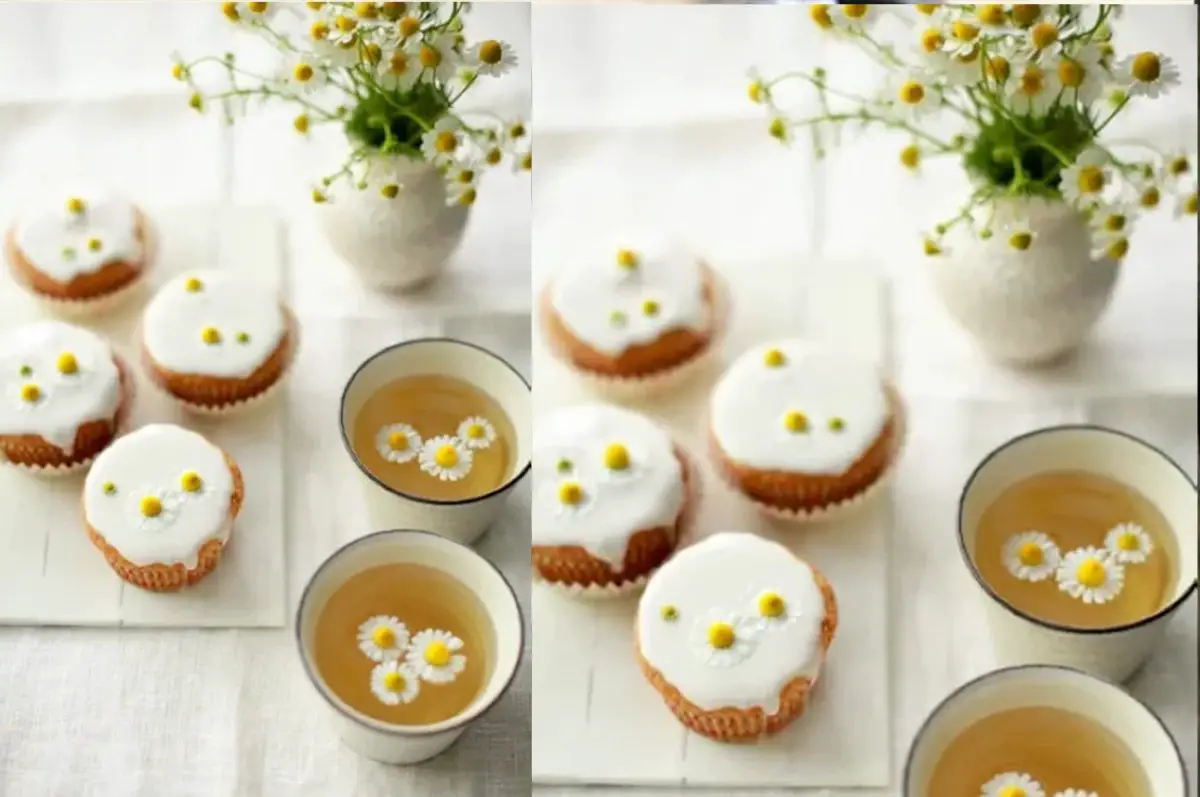
The flowers of chamomile are used to make herbal tea, pastries, etc., which are very fragrant and delicious, and also have soothing and calming effects.
Chamomile is often used to make tea.
28. Clove
In China, the clove used in cooking is not the clove flower, but the chicken tongue spice. However, the wonderful taste of clove is of course very suitable for desserts.
29. Pear Blossoms
Pear blossoms are mainly used to treat diseases such as heat-induced thirst, diabetes, hot cough, phlegm-heat madness, belching, constipation, etc. It is also a characteristic existence for beauty, and it has a good removal effect on human facial spots.
Pear blossoms are rich in vitamins, amino acids, and more than a dozen minerals needed by the human body. They can be stir-fried, cold mixed, and made into soup.
Folk people often pass pear blossoms through boiling oil to remove the bitter taste and eat them with sugar; or steam them with noodles, then add fine salt, sesame oil, and the taste is fresh and pleasant.
30. Squash Blossoms
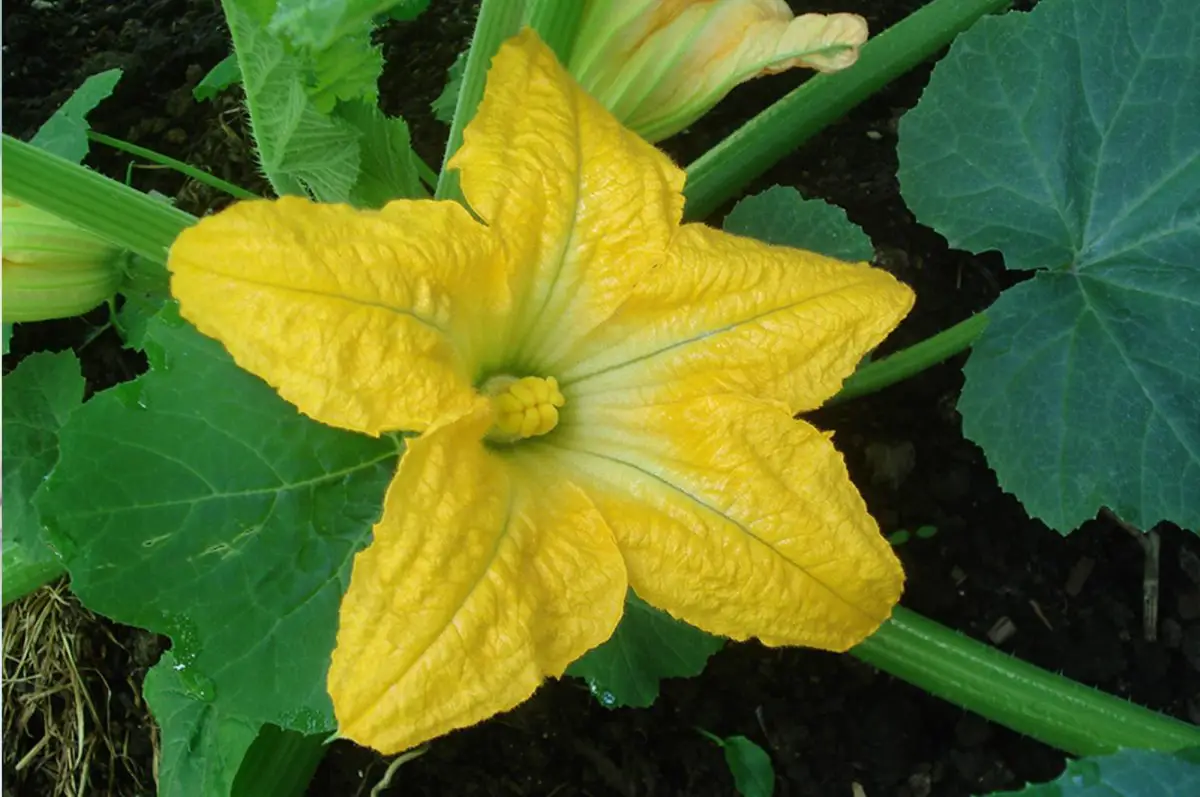
This category includes the sponge gourd flowers I mentioned earlier, as well as pumpkins and zucchinis.
In fact, almost all the flowers of the gourd family are delicious, and you need to try them to know which one suits your palate better.
Some gourd flowers are milder. And these types of flowers need to be eaten immediately after picking, otherwise, they will quickly wilt.
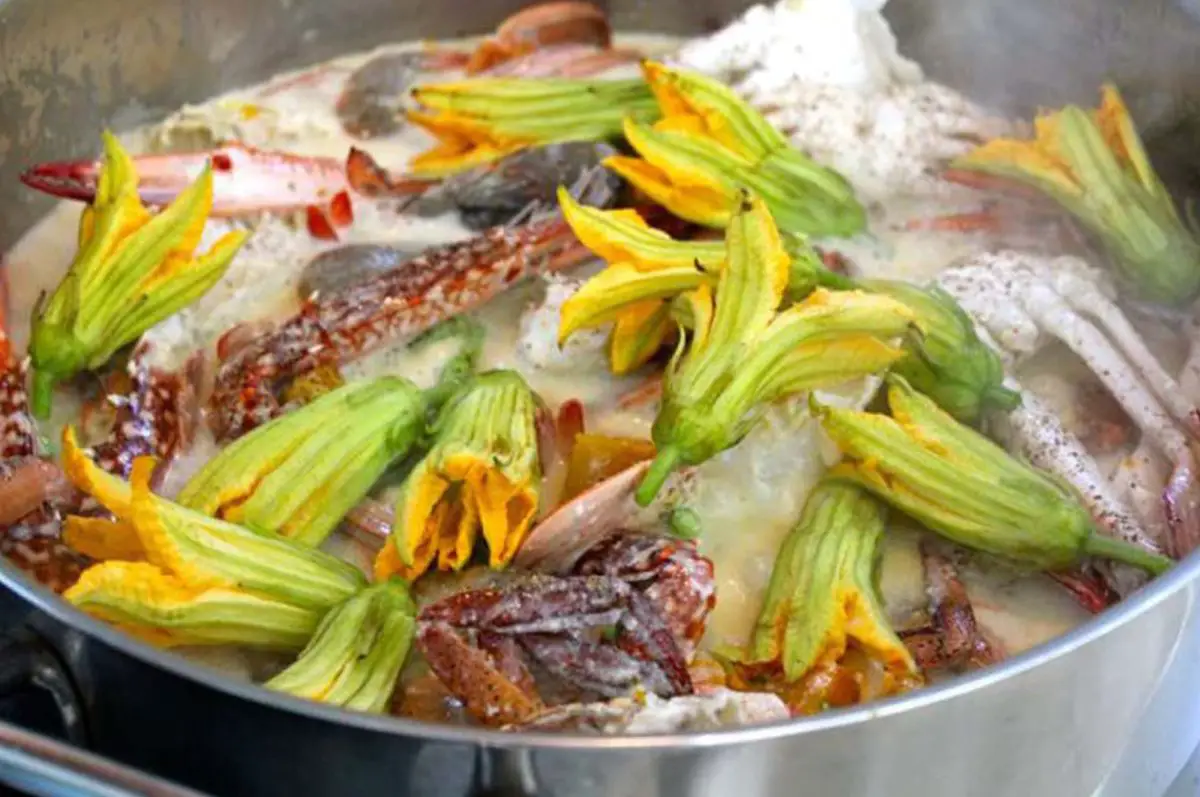
In addition to being fried with eggs, they can also be used as stuffing for cooking meat, suitable for cooking Western soups, pasta, Spanish rice, etc.
There is also a Western dish that uses the blossoms of the squash to stuff other ingredients, namely the stuffed squash blossom.
Because this kind of flower itself is thick, it is very delicious after filling with cheese and other ingredients and then cooking or steaming. If fried, it is even more crisp and refreshing.
However, when picking flowers, you should pick male flowers, not those female flowers with gourds.
31. Onion Flower
The flower of the onion is an umbel, which is white. It consists of hundreds of small flowers, each with 5 stamens, which are crystal clear.
Its flowers can be used as vegetables and for medicinal purposes. Its flower stem is more than 1 meter high, as thick as a finger, and hollow, which is unique. It can be eaten with other ingredients.
32. Forsythia
The most eye-catching start to the flowering season is the forsythia. Don’t look at its bright and cute appearance, in fact, the forsythia tree is full of thorns, and each one takes a lot of effort to pick. Forsythia has many varieties, and the edible one is a kind with small leaves and thorns on the stem, usually only in March and April.
You can occasionally see it in the mountainous areas of Miyun and Mentougou in Beijing, China, but the locals don’t eat it. Forsythia is easy to cook, has a light sweetness, and is a bit like elm money, but the fragrance of the flowers is even better.
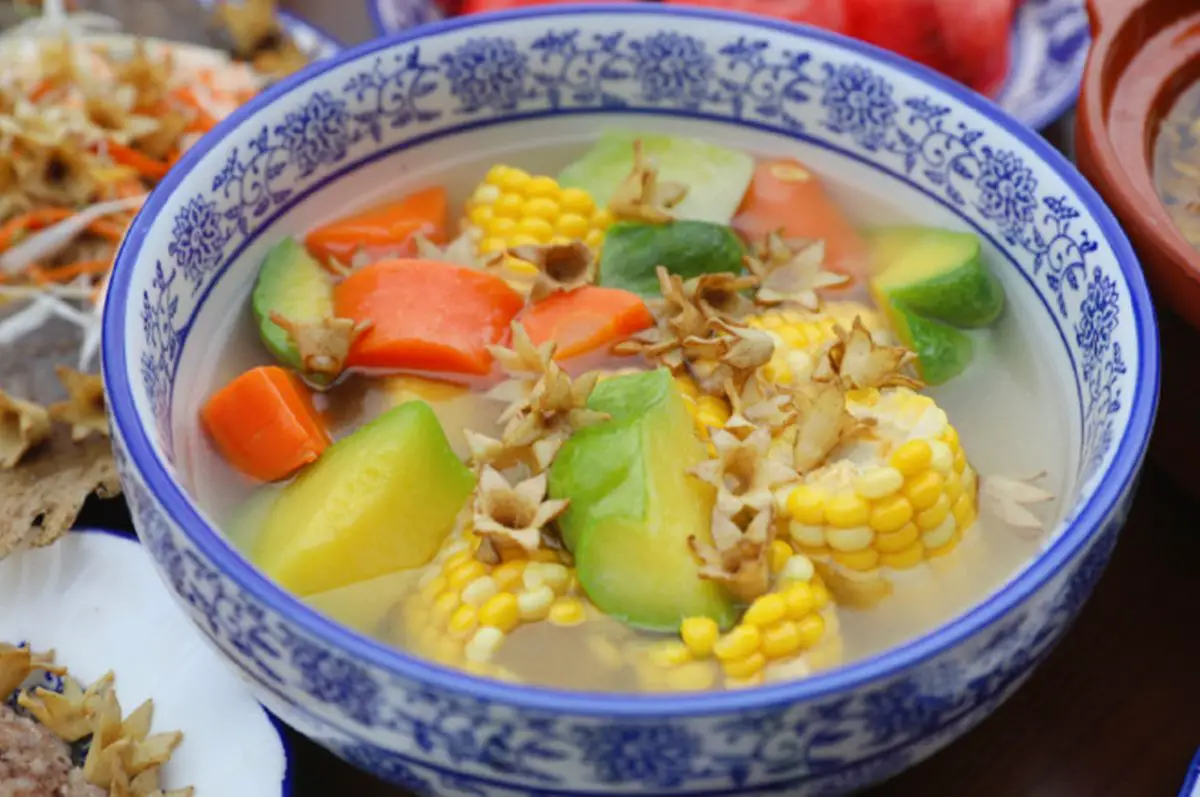
Making soup is the most common way to eat forsythia. In boiling water, you only need to add forsythia and cook for 1 minute, add some salt, and you have a sweet and elegant forsythia soup. Of course, you can also steam or cold mix forsythia… The taste is the fresh and refreshing taste of the flower.
33. Large White Flowers
The cooking method of large white flowers must be simple. The petals are delicate in shape, and excessive processing will lose their soul. Simple ingredients, fast-hand operations, can bring hot and fragrant deliciousness and satisfaction.
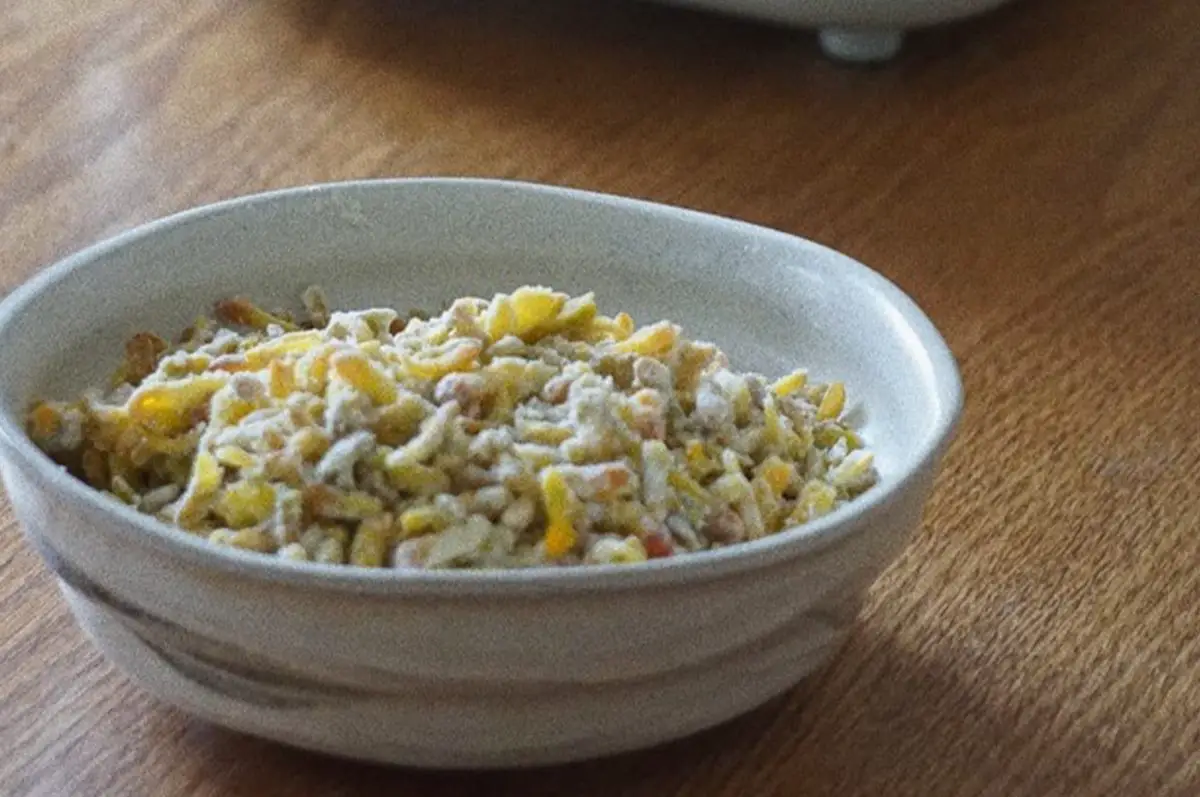
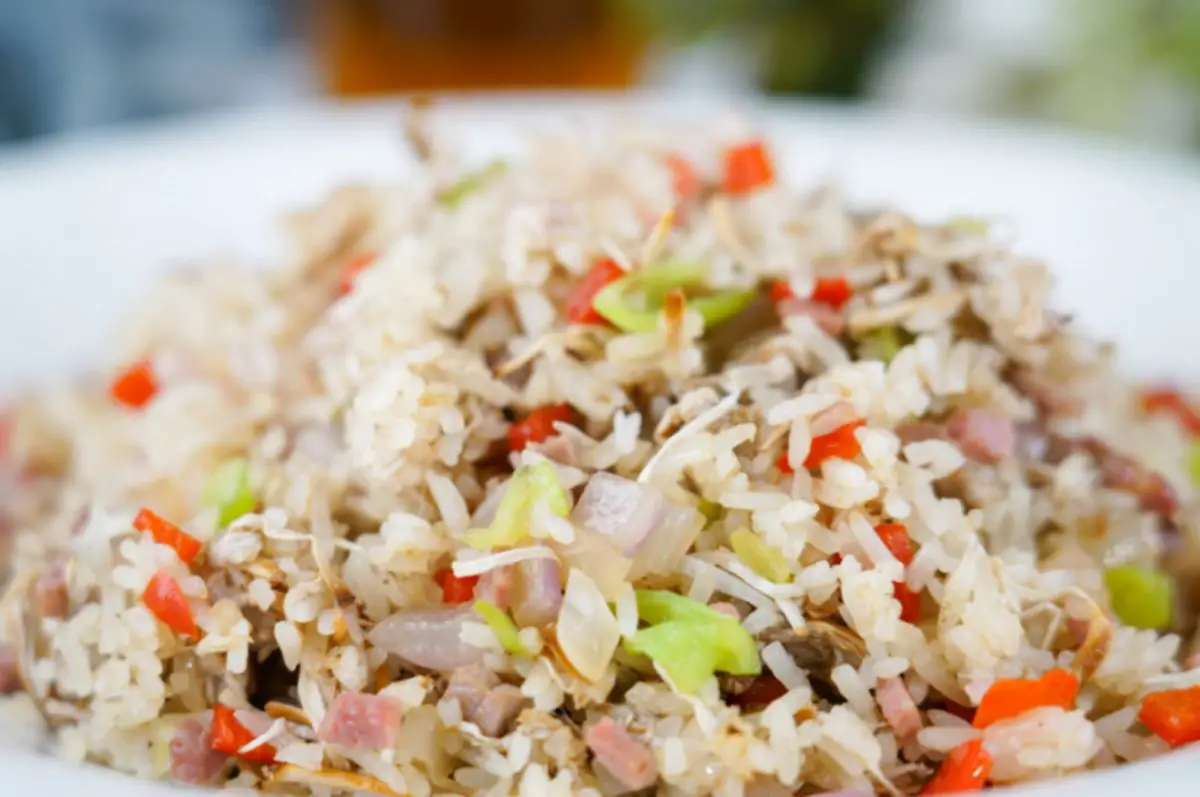
Whether it is a hurried morning or a hungry late night, fried rice is an excellent choice. With the unique large white flowers, you can chew a mouthful of fresh and salty flavor, which is definitely a satisfying meal to soothe your hungry soul.
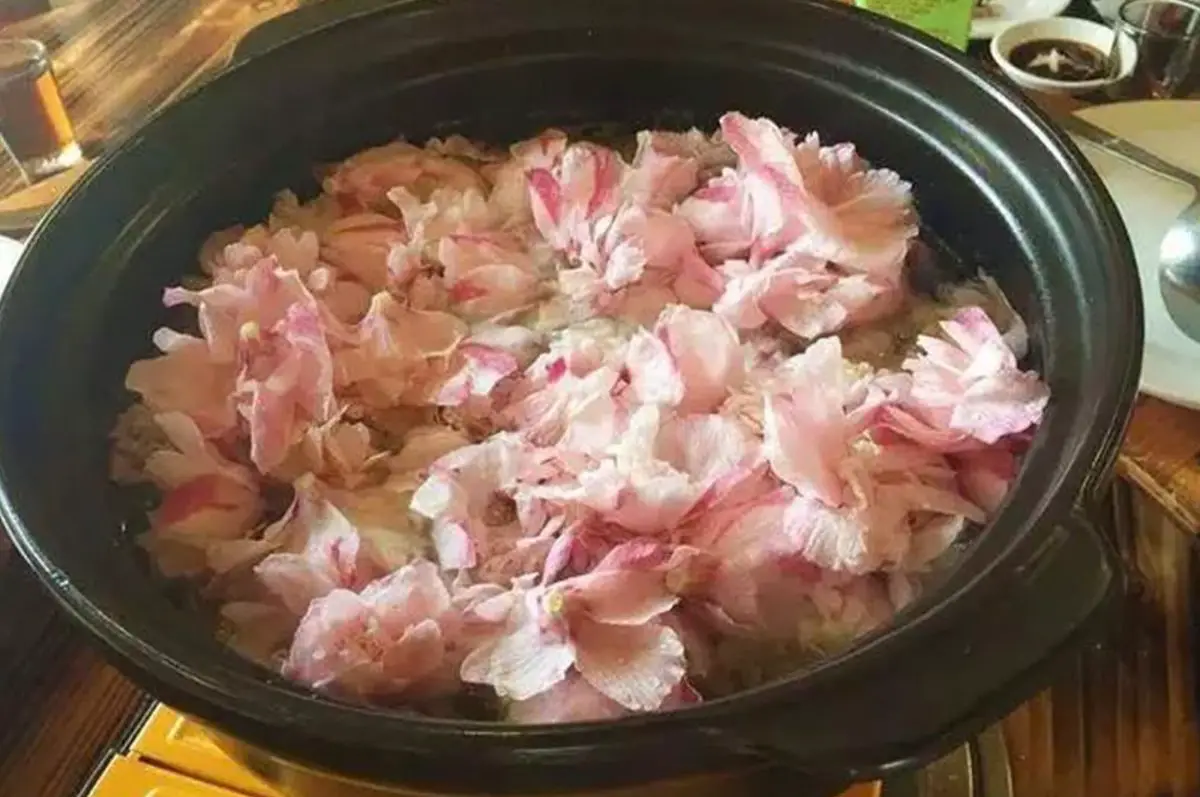
Large white flowers grow on tall trees, are pink and pure, and the taste is elastic beyond your imagination.
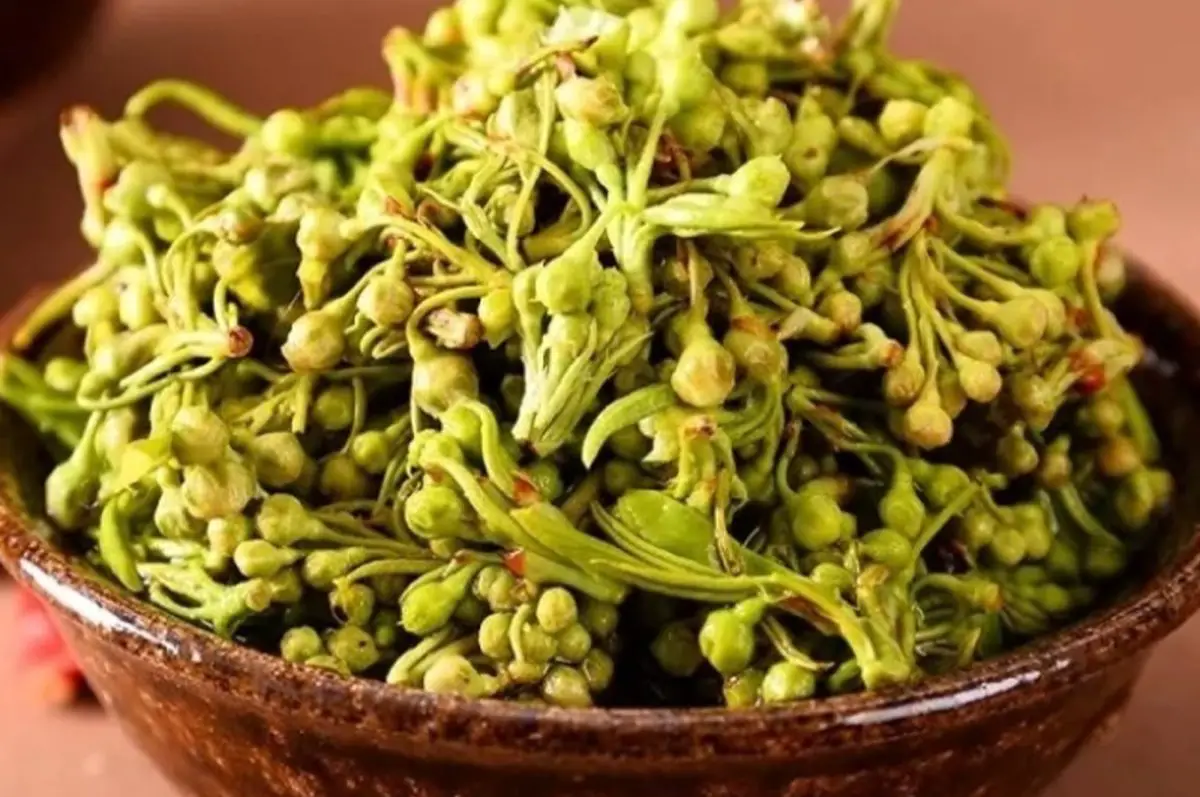
In March and April every year, the slopes of Yunnan will be covered with large white flowers (Rhododendron). The flower buds are pink and tender, and the flower crown is white after blooming.
Take its flowers, remove the flower stems and stamens, boil them in boiling water, soak them in clear water for a few days, change the water frequently, and then you can eat.
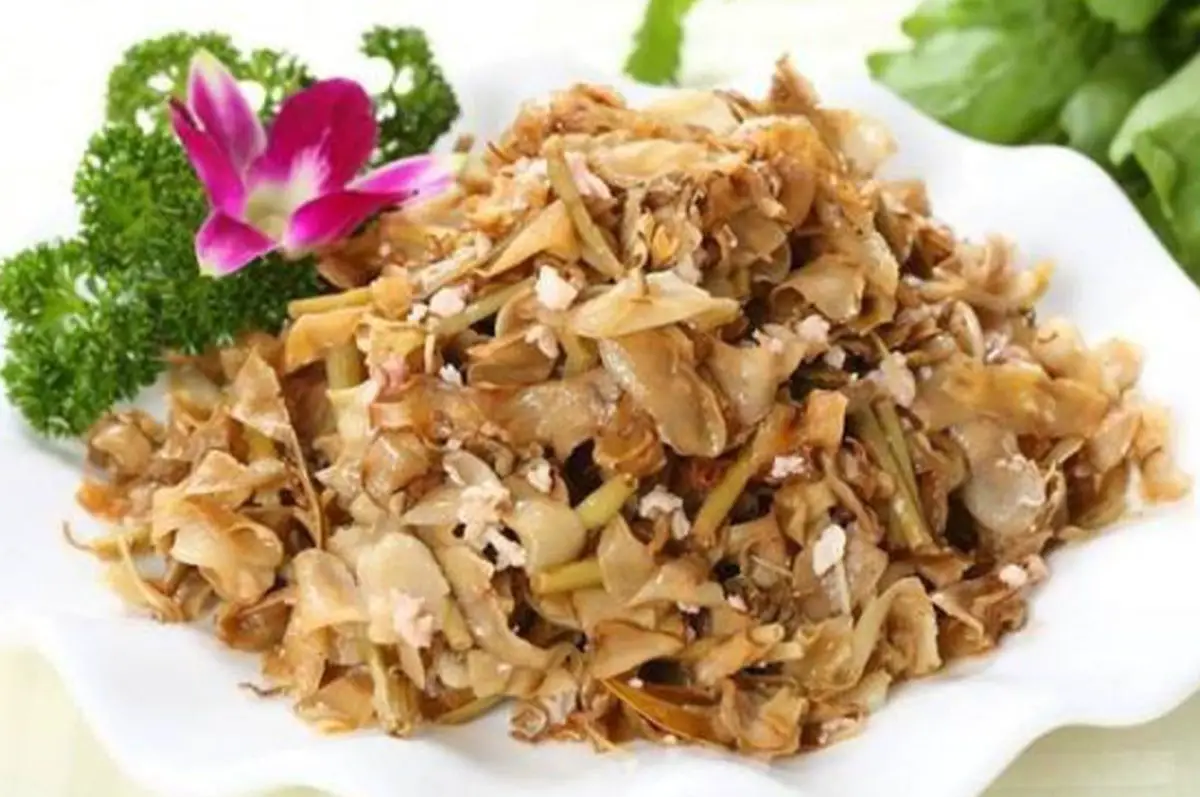
People in Yunnan like to use large white flowers to make bean rice soup. Blanch the large white flowers and squeeze out the water, then fry the broad beans in the pot, add water to boil, add the processed large white flowers and cook for 5 minutes, add salt and black pepper, and it’s done. This flower is full and tough.
After cooking, it is surprisingly crispy, just like a high-end version of enoki mushroom, fresh and juicy, you must try it when you have the chance.
34. Tylan Flower
The Tylan flower, which is only used for plate decoration in high-end restaurants, can actually be eaten! Gorgeous and charming. Among the petals, the representative of deliciousness is Tylan flower.
The petals themselves are large and thick, and they taste like fresh lilies when blanched and eaten directly, crisp and sweet.
I can’t help but sigh, Yunnan’s water and soil are really good! The same variety, the ones grown elsewhere will taste a bit bitter.
It is also very suitable for pairing with crispy small nuts, one soft and one crispy, colliding with a wonderful taste, so beautiful that it is unbearable to eat.
35. Watercress Flower
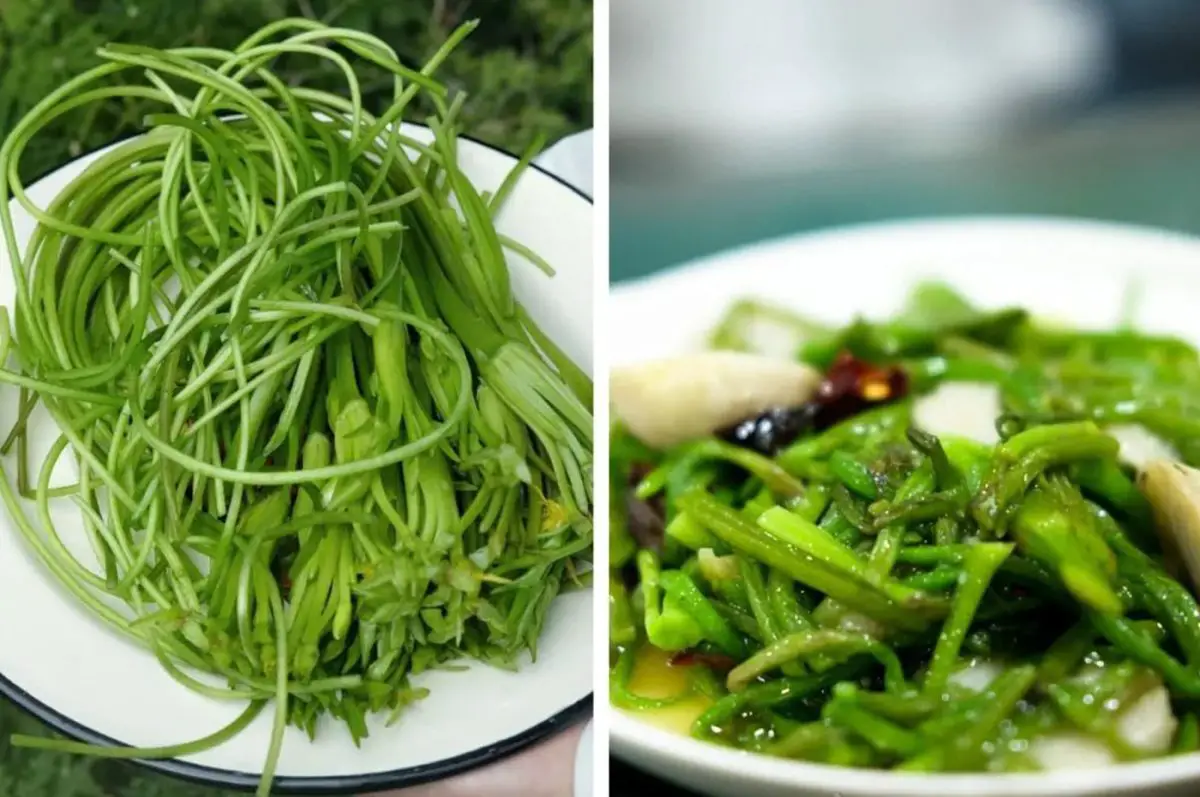
The green and clear watercress flower, when it blooms, the pool is full of white flowers. Because it is extremely sensitive to water pollution, it is a unique landscape that is hard to see outside of Yunnan. People on Lugu Lake in China also call it “Water Yanghua”.
The watercress flower itself does not have a strong flavor, it’s all about the texture, so it is particularly important to match the ingredients. It can be cold mixed, stir-fried, soup, after all, it is an aquatic plant, and it has a slippery feeling when eaten.
36. Saffron
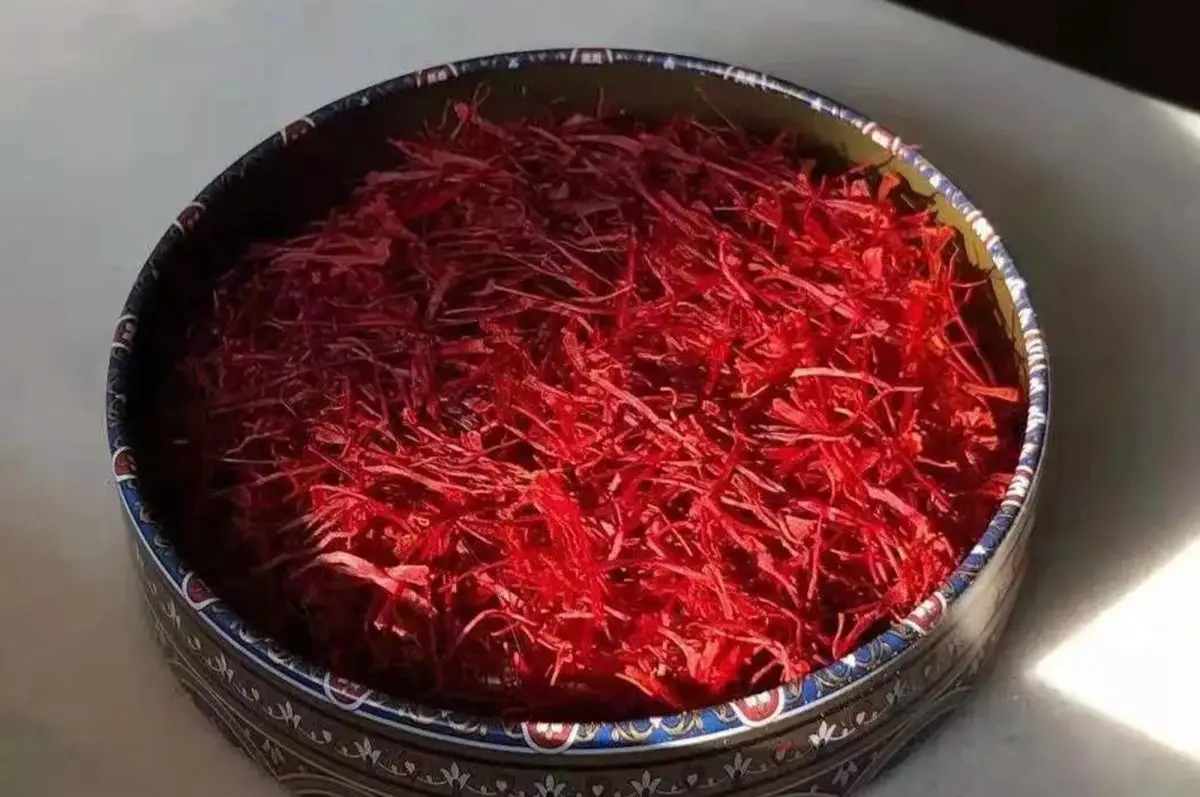
Saffron’s blood-activating and blood-nourishing functions are unparalleled in traditional Chinese medicine. When the qi and blood are active, and the blood and qi are strong, it will make people full of energy and rosy complexion.
People with symptoms such as blood deficiency, physical weakness, irregular menstruation, postpartum blood stasis, amenorrhea, facial spots, pain all over the body, and depression can take it.
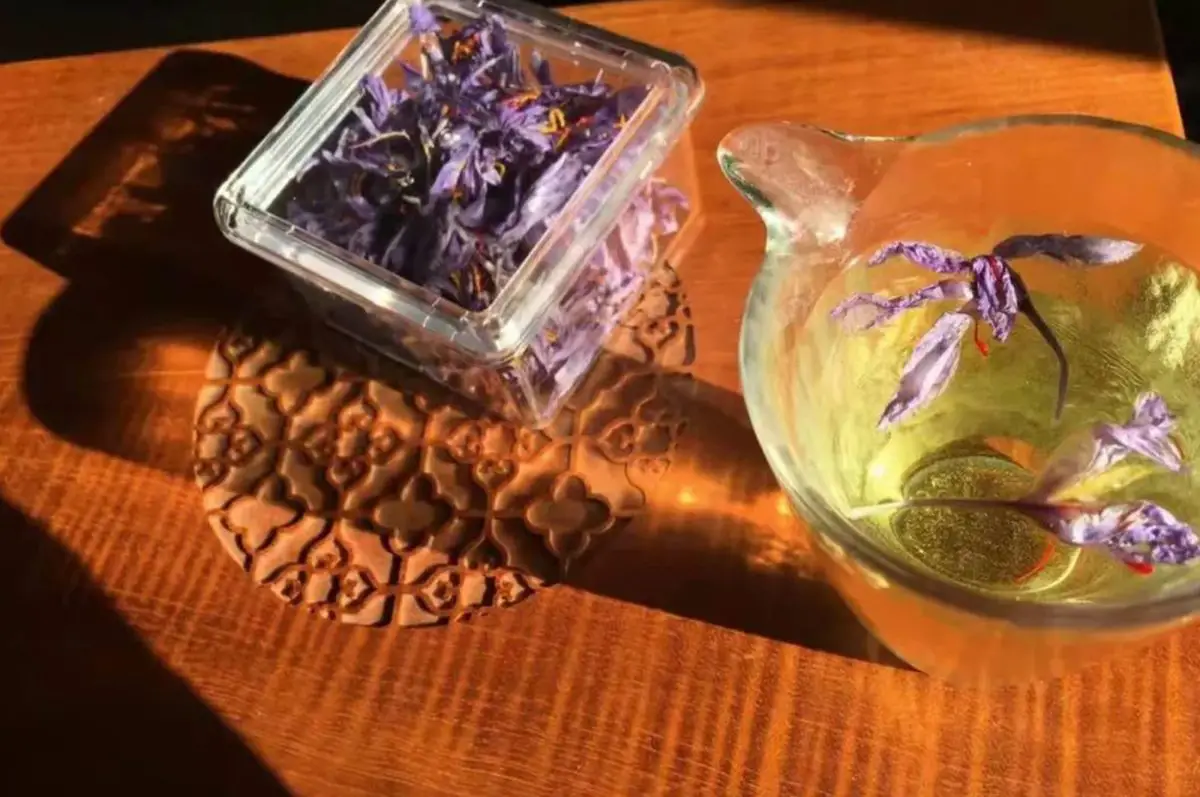
The whole saffron not only has the blood-nourishing effect of traditional stamens, but the abundant flavonoids in the petals are also excellent for antioxidation and beauty, and they are full of fragrance.
Here’s a beauty regimen with saffron and black goji berries, as shared by actress Li Ruotong: 3-5 saffron threads, 10 black goji berries, to invigorate blood circulation, nourish kidneys and fight aging. Some netizens have tried it for a month, and their skin really improved.
37. Bitter Thorn Flower
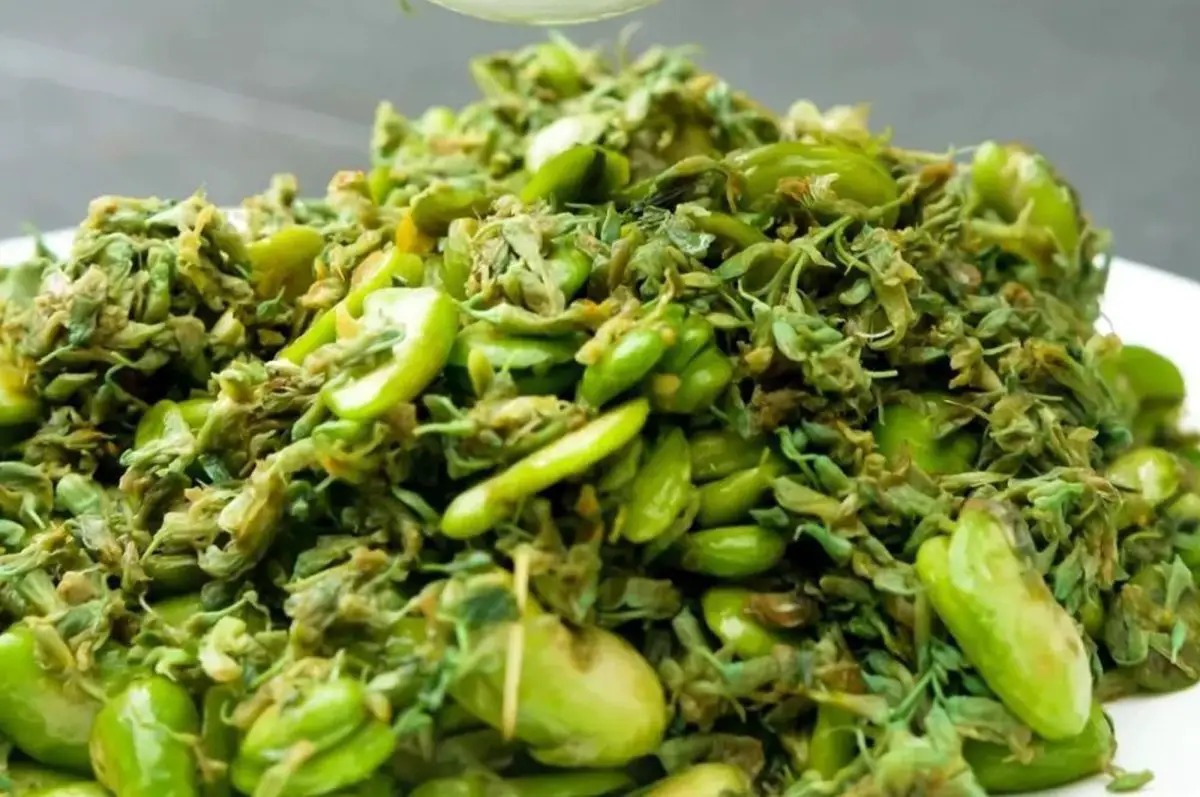
The bitter thorn flower, which grows on vines full of thorns, has a clear and slightly bitter fragrance. People in Yunnan, China love to eat it, but the preparation is almost incredibly complicated: first repeatedly washed, then boiled with water, and afterwards soaked for 2-6 days!
During this time, you have to change the water and rinse it several times, all to remove the bitter taste.
But once it’s cooked, you’ll understand its charm – a freshness with a touch of bright sourness. Native friends say that when they were kids, they would mix the bitter thorn flower with flour to make pancakes and cakes.
Bitter thorn flower is particularly suitable for stir-frying with fava beans of the same season, creating a fresh and lush dish, spreading the fragrance of the mountains.
38. Hawthorn Flower
The texture of the hawthorn flower is magical, it feels like chewing meat when you eat it. If you stir-fry it with pickles or chili, it surprisingly releases a meaty fragrance.
Coupled with a slightly chewy texture, it feels more like eating minced meat in sauce…
39. Banana Flower
When you see the entire banana flower for sale in the supermarket, you realize that this flower can also be eaten. It is a common food in India and Southeast Asia. When eating, you need to peel off the purple outer layers, and the small flowers and creamy heart inside are edible.
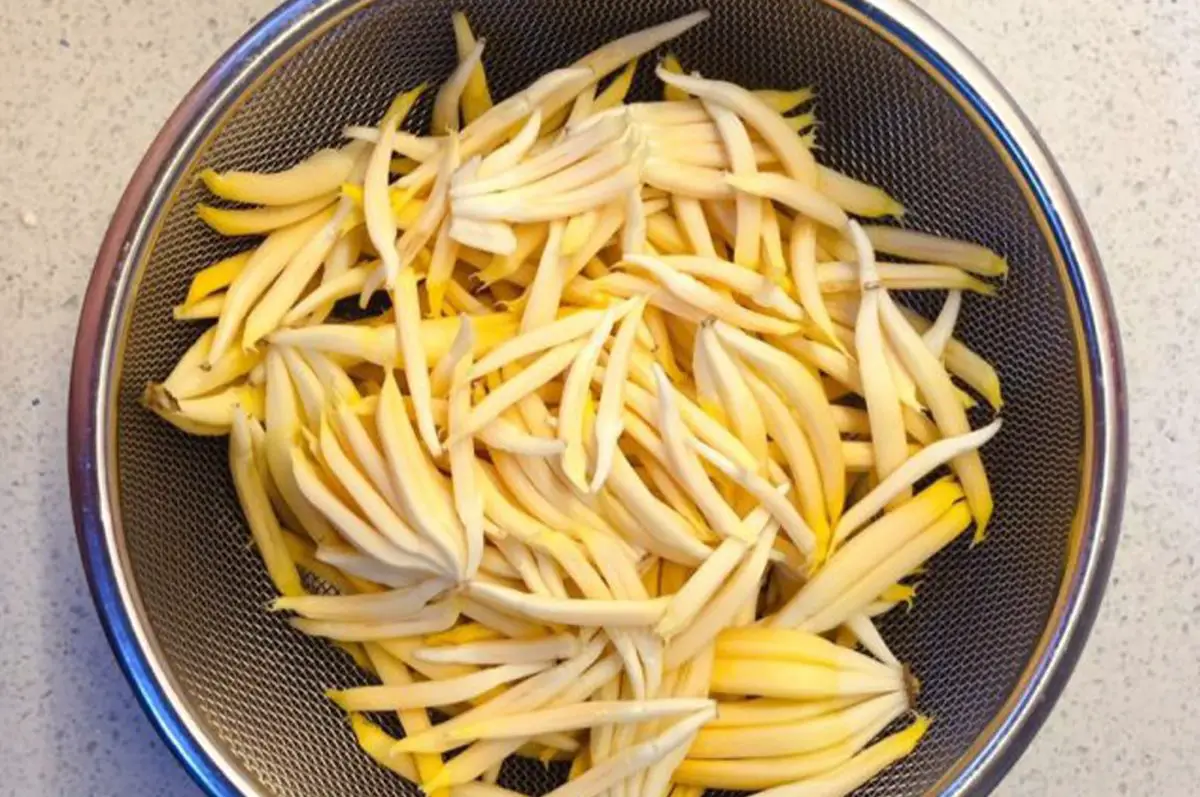
I haven’t eaten it myself, but I know that the slender little flowers inside can be peeled off the seeds, leaving long strips like golden needle vegetables, which can be eaten as a salad or soup.
The innermost flower heart looks like a bamboo shoot, and it can be cut open and steamed, or eaten like broccoli, with a dip, or even fried. In India, it is used to make curry.
40. Violets
Violets look very similar to pansies, with a sweet fragrance and beautiful colors. They are very suitable for salads, or as decorations for plating; they can also be made into ice cubes for cocktails; in addition, they can also be made into jam.
Violets are very suitable for shady places and are easy to grow. In the spring, you can collect many petals.
Share
Facebook
Twitter
LinkedIn
Email
Share is Caring.
Peggie
Founder of FlowersLib
Peggie was once a high school mathematics teacher, but she set aside her chalkboard and textbooks to follow her lifelong passion for flowers. After years of dedication and learning, she not only established a thriving flower shop but also founded this blog, “Flowers Library”. If you have any questions or wish to learn more about flowers, feel free to contact Peggie.
Before you go
You May Also Like
We picked them just for you. Keep reading and learn more!
Introduction to Blood Root Description Blood Root, scientifically known as Sanguinaria canadensis, is a perennial flowering plant native to eastern North America. It belongs to the Papaveraceae family, which includes…
Japanese cherry blossom (sakura) jelly, with a whole cherry blossom encased within, is a visually stunning dessert that showcases the delicate beauty of the flower through crystal-clear jelly. The transparency…
Which Flowers Symbolize Friendship? 1. Roses Roses, with their rich history and diverse symbolism, have captivated gardeners and romantics alike for centuries. These iconic flowers possess a sophisticated color language…
Roses offer significant health benefits and are frequently used in infusions. However, brewing rose tea requires specific techniques. For rose bud tea, use 5-6 buds per brew with water at…
As people say, passionate teachers are like our second parents, and schools are our second homes. Along our journey of growth, teachers have a significant influence on us, and some…
What flowers have medicinal properties? Medicinal flowers are used in medicine for disease prevention and treatment. There are a wide variety of medicinal flowers, each with different medicinal parts. So,…
The chrysanthemum, a flower with a rich history in traditional medicine and culinary applications, possesses a cooling nature and a slightly bitter taste. Its high medicinal value has made it…
With a multitude of varieties and distinct characteristics, herbal flower teas require a clear understanding of their medicinal properties and health benefits for optimal use. So, which flowers can be…
Receiving fresh flowers from your beloved is always a fleeting joy. If you want to preserve them, you can transform them into dried flowers. Let’s learn how to make dried…





 English
  العربية
  Bahasa Indonesia
  Deutsch
  Français
  Italiano
  Nederlands
  Português
  Русский
  日本語
日本語