In China, there is a wide variety of edible flowers, many of which contain more protein than beef or eggs, and more vitamin C than fruit.
So, what flowers can be used in cooking?
This article showcases the top ten flowers with culinary value, recommending the most common edible flowers, including daylilies, osmanthus, locust flowers, chrysanthemums, lilies, magnolias, pumpkin flowers, pomegranate flowers, artichokes, and hibiscus. We hope this can be of help to you.
1. Daylily (Hemerocallis)
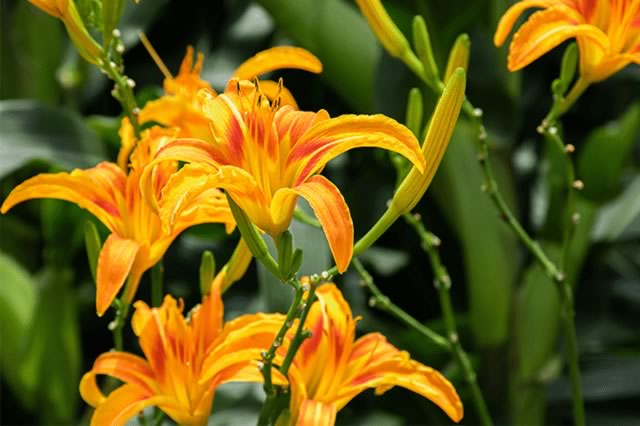
Known by many names such as forget-me-not, golden needles, deer onion, and Sichuan grass flower, daylily is a perennial herb from the lily family. It has a cultivation history of over 3,000 years in China and is appreciated by all for its beauty.
Daylilies sprout leaves from their base, and flowers bloom at the top, with petals slightly curled outward and drooping. They typically bloom in the summer months of May to July, and the most common colors are orange-yellow and orange-red. In southern gardens, courtyards, and mountain valleys, you can often see clusters of daylilies.
Their vibrant green leaves and bright yellow flowers are pleasing to the eye and can help you forget your worries.
2. Osmanthus
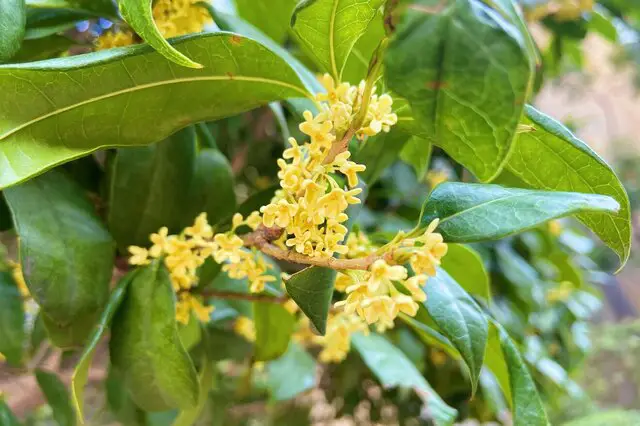
Osmanthus blooms from late September to October, primarily in golden yellow. It is one of China’s traditional top ten flowers, appreciated for its beauty, scent, and practicality.
The fragrance of osmanthus is pure and can carry far, making it unique. Especially in mid-autumn, when osmanthus blooms profusely and the moon is bright, enjoying osmanthus with a glass of wine and its intoxicating fragrance is truly refreshing. Osmanthus has always been a beloved flower in China, and there are numerous poems about it.
The flowers grow between the leaves, with four united petals, and there are many horticultural varieties, such as golden osmanthus, silver osmanthus, red osmanthus, and laurel. Osmanthus is used in food and cosmetics, and it can be used to make cakes, candies, and wine.
3. Locust Flower
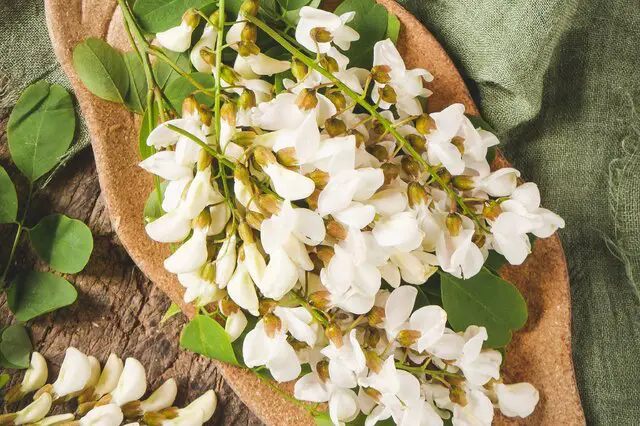
Also known as the black locust flower, it is the blossom of a legume plant. Locust flowers are commonly planted near houses and roadsides and are widely cultivated throughout China, especially in the north, primarily in the Loess Plateau and the North China Plain.
They usually bloom in April or May, with the flowering period lasting about 10-15 days. Locust flowers are aesthetically pleasing; when they bloom, clusters of white flowers cover the branches, and a subtle, elegant fragrance fills the air.
In addition to their ornamental value, locust flowers also have edible and medicinal uses.
4. Chrysanthemum
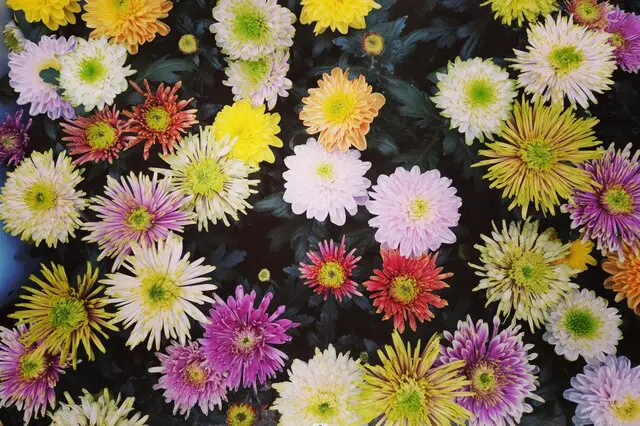
Chrysanthemum, also known as autumn chrysanthemum or pottery chrysanthemum, is a perennial herbaceous plant of the Asteraceae family.
It is one of China’s traditional top ten flowers, one of the four gentlemen among flowers (plum, orchid, bamboo, chrysanthemum), and one of the four major cut flowers in the world (chrysanthemum, rose, carnation, iris).
Chrysanthemums have a wide variety of species, and their colors range from red, yellow, white, orange, purple, pink to dark red. The graceful shape of the chrysanthemum plant, its dignified flowers, prolific bloom, and cool, refreshing character attract many flower enthusiasts, especially during the autumn flowering season.
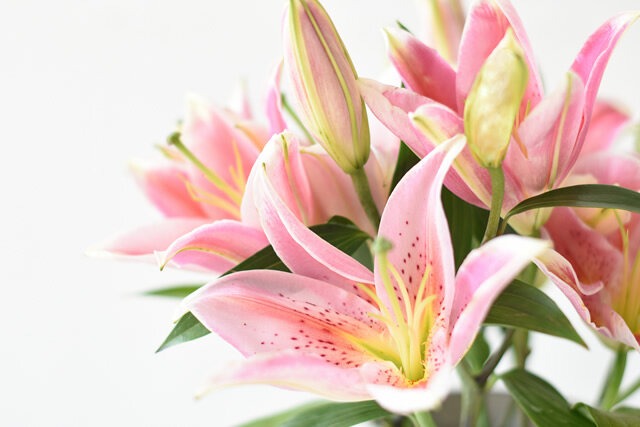
5. Lily
The Lily, also known as Qiangshu, Foreign Leek, Mountain Dan, Upside-down Immortal, and Night-blooming Flower, is a perennial herbaceous bulbous plant of the Lily family and genus.
It is primarily found in the temperate regions of the Northern Hemisphere, including Eastern Asia, Europe, and North America. At least 120 varieties have been discovered globally, with 55 native to China.
The Lily is a health food and common traditional medicine that can be consumed and used medicinally, and it also holds ornamental value. Its fresh flowers contain aromatic oils that can be used as fragrances.
The bulb is rich in starch, making it a precious food and medicinal resource with effects such as moisturizing the lungs to relieve cough, clearing heat, calming the mind, and promoting diuresis.
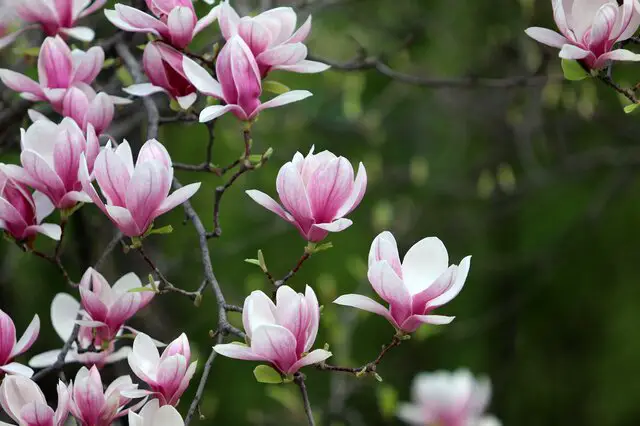
6. Magnolia
Known as Magnolia, or by its aliases Baiyu Magnolia, Spring Blossom, and Magnolia Flower, this deciduous tree from the Magnoliaceae family is a well-known ornamental species in China, renowned both at home and abroad.
The magnolia can reach a height of 25 meters with a trunk diameter of one meter, its branches spreading widely to form a broad crown. The leaves, made of a paper-like substance, are ovate or elliptical.
Its flowers, which bloom before the leaves, are white and bloom in February-March and often again in July-September. The magnolia blossoms bear a striking resemblance to lotus flowers.
When fully open, their petals spread in all directions, illuminating courtyards with their bright white glow. Their intoxicating scent and exquisite beauty make them an ideal choice for enhancing any garden.
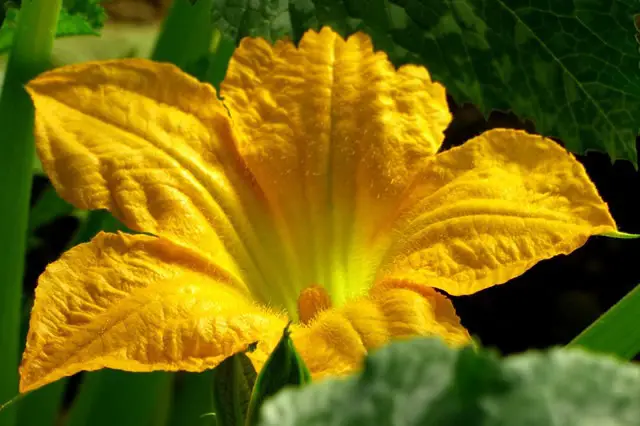
7. Pumpkin Flower
The pumpkin flower is both a vegetable and a medicinal plant. It has properties that can help clear damp-heat, reduce swelling, resolve stasis, prevent cancer, and assist in the treatment of jaundice, dysentery, cough, furuncles, and several inflammatory conditions, including conjunctivitis and mastitis.
It is also often used as a health food. Pumpkin flowers can be used in a variety of delicious dishes, such as twin-flower fried eggs, green pepper stir-fry with pumpkin flowers, raw bitter melon mixed with pumpkin flowers, stuffed pumpkin flowers, deep-fried flower bundles, pumpkin flower cakes, and pumpkin flower and seaweed soup.
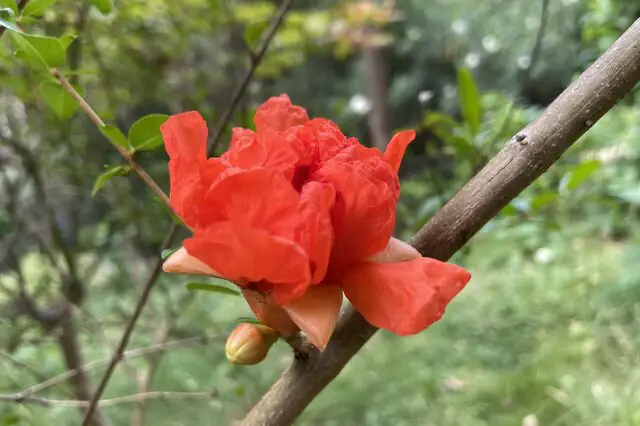
8. Pomegranate Flower
The pomegranate flower, a blossom of the deciduous shrub or small tree known as the pomegranate, originates from the Punicaceae family.
The pomegranate tree has a gray-brown trunk with flaking bark, its young branches are yellow-green and smooth, often quadrangular, with many of the branch ends being thorn-like, and devoid of a terminal bud.
The pomegranate flowers are either solitary or clustered, and are orbicular or ovate, with fresh leaves of a tender green or a bronze color. Multiple flowers bloom at the top of the branch or in the leaf axils, their calyx bell-shaped, fleshy, six-lobed at the tip, and smooth with a waxy surface. The calyx is persistent and bright orange-red. The petals, numbering from five to seven, are red or white, single or double-petaled.
Originating in Central Asia, specifically Iran and Afghanistan, the pomegranate is both ornamental and fruit-bearing. The flowers, fruit, fruit peel, and root can all be used medicinally, having a sour taste and a heat-clearing, blood-stopping effect.
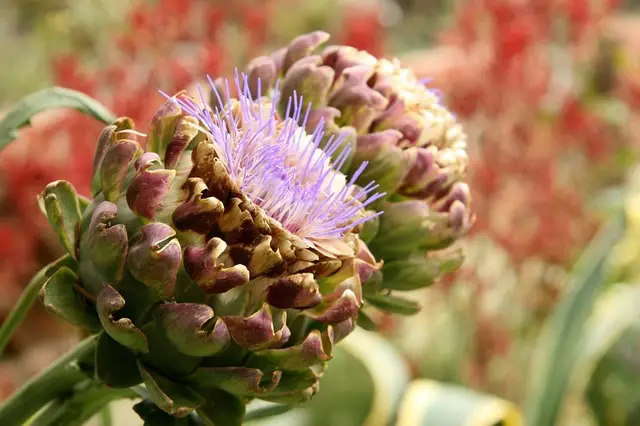
9. Artichoke
The fleshy part of the unripe flower head of the artichoke is a delectable dish. It can be used as an ornamental vegetable, a fragrant vegetable, a flavoring vegetable, and a health vegetable. It can be eaten fresh, where its taste is light, sweet, and juicy, and it can also be blanched in a hot pot.
The texture is somewhat between fresh bamboo shoots and mushrooms, with a walnut-like flavor, making it very tasty. It has the function of quenching thirst and relieving alcohol intoxication. The smaller the artichoke flower head, the more tender it usually is.
After being cooked and dressed with sauce, it can be used in salads or appetizers, canned; it can also be stir-fried with fine meat, olive oil, lemon juice, peppers, garlic, and salt, offering a fresh and crisp taste; it can also be used as a soup ingredient with poultry meat stewed or boiled, providing rich nutrition, liver-clearing, eye-brightening, health and beauty benefits.
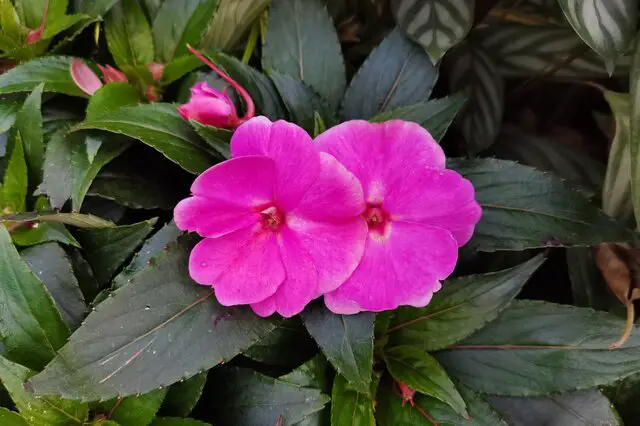
10. Impatiens
Impatiens, also known as Nail Flower, Impatiens Balsamina, or Impatiens balsamina L. in Latin, belongs to the Balsaminaceae family and the Impatiens genus. This annual herbaceous flower is divided into six parts: roots, stem, leaves, flowers, fruit, and seeds.
Named for the resemblance of its flower, wings, tail, and feet to a phoenix, it is also known as the Golden Phoenix Flower. Impatiens have a variety of flower colors, including pink, red, purple, and lilac.
Crushing the petals or leaves and wrapping them around a fingernail with a leaf can dye the nail a vibrant red color. This feature makes them particularly popular among young girls.


 English
  العربية
  Bahasa Indonesia
  Deutsch
  Français
  Italiano
  Nederlands
  Português
  Русский
  日本語
日本語