There are multiple varieties of Camellia chrysantha, a species known for its golden-yellow flowers and valued for both ornamental and medicinal purposes. While the exact number of varieties can be debated among botanists, here are some of the more common and recognized varieties:
1. Camellia nitidissima Chi
Camellia nitidissima Chi, also known as the Golden Camellia or Yellow Camellia, is an evergreen shrub or small tree native to southern China and northern Vietnam. This rare and prized species typically grows to a height of 2-5 meters, with young branches exhibiting a distinctive light reddish-brown color and smooth, glabrous texture.
The foliage of C. nitidissima is characterized by narrow, elongated elliptical to lanceolate leaves. These leaves feature a tapering or acute apex and a broad cuneate or nearly rounded base. The leaf arrangement and shape contribute to the plant’s elegant appearance and help distinguish it from other Camellia species.
One of the most striking features of C. nitidissima is its golden yellow flowers, which appear either solitary or in pairs in the leaf axils or near the branch tips. These blooms measure 3.5-6.5 centimeters in diameter, making them relatively large for the genus. The flowers typically possess 7 to 13 petals, which are notably fleshy and thick with a waxy sheen that enhances their lustrous golden appearance.
The floral structure of C. nitidissima includes a glabrous ovary with three chambers. The styles, numbering three, are completely separate and also devoid of hair. This species has an extended flowering period, blooming from late autumn through early spring (November to April), which adds to its horticultural appeal.
Following flowering, C. nitidissima produces fruits that are flattened spherical or flattened triangular in shape. The seeds within these fruits are densely covered with soft, yellow-brown hairs, an adaptation that may aid in seed dispersal or protection.
In its natural habitat, C. nitidissima thrives in woody valleys on hills at elevations ranging from 50 to 700 meters above sea level. This preference for partially shaded, humid environments should be considered when cultivating the species in garden settings.
The golden hue of C. nitidissima flowers is highly unusual within the Camellia genus, making it a valuable resource for horticultural breeding programs. Its potential as a parent plant for hybrid breeding is significant, particularly in efforts to develop new yellow-flowered tea varieties. This unique genetic trait has sparked considerable interest among botanists, horticulturists, and tea cultivators alike.
Conservation efforts for C. nitidissima are crucial, as its natural populations are threatened by habitat loss and over-collection. The species’ rarity and ornamental value have led to its protected status in China, highlighting the importance of sustainable cultivation and conservation practices to ensure its survival in both wild and cultivated settings.
2. Camellia pubipetala Y. Wanet S. Z. Huang
Camellia pubipetala is an evergreen shrub or small tree, typically reaching heights of 2-7 meters. This species is distinguished by its dense covering of trichomes (plant hairs) on nearly all parts of the plant, a characteristic that sets it apart from other members of the Camellia Chrysantha complex.
Morphology:
Young branches: Densely pubescent with coarse trichomes
Leaves: Covered with soft hairs (pubescent)
Flowers: Golden yellow, comprised of 9-13 petals, also pubescent
Other floral parts: Bracts, sepals, stamens, styles, and ovaries all exhibit pubescence
Flowering period: November to April
Habitat:
Elevation: 190 to 230 meters above sea level
Soil preference: Calcareous (limestone-rich)
Ecosystem: Mixed forests
The unique combination of its golden yellow flowers and ubiquitous pubescence makes Camellia pubipetala highly ornamental and valuable in horticulture. Its flowering period during the winter months adds to its appeal as a garden specimen.
Horticultural significance: This species holds considerable potential in hybrid breeding programs, particularly for developing new yellow-flowered tea cultivars. Its genetic traits for pubescence and flower color could be valuable in creating novel varieties with enhanced ornamental qualities or improved adaptability to certain environmental conditions.
Conservation status: As with many Camellia species native to specific regions, it’s important to consider the conservation status of C. pubipetala. While not explicitly stated in the original text, its limited altitudinal range and specific soil requirements suggest it may have a restricted natural distribution, potentially making it vulnerable to habitat loss or environmental changes.
Cultivation considerations: When cultivating C. pubipetala, gardeners should aim to replicate its natural growing conditions:
Provide well-draining, slightly alkaline soil to mimic its preference for calcareous substrates
Ensure partial shade, as it naturally occurs in mixed forest settings
Maintain consistent moisture, especially during dry periods
Protect from harsh winds, which can damage the pubescent leaves
In conclusion, Camellia pubipetala represents a fascinating species within the Camellia genus, offering both ornamental value and breeding potential. Its unique characteristics make it a worthy subject for further horticultural research and conservation efforts.
3. Camellia leptopetala Chang et S. Y. Liang
Camellia leptopetala is an evergreen shrub that typically reaches a height of 3 meters. This species is characterized by its glabrous young branches and distinctive foliage. The leaves are elongated elliptical in shape, featuring an acuminate apex and a broadly cuneate base, exhibiting the classic Camellia leaf structure.
The most striking feature of this species is its golden yellow flowers, which appear either solitary or in pairs, emerging from the leaf axils or at the branch terminals. These blooms are quite substantial, measuring 5.5-7 centimeters in diameter, making them a prominent visual feature of the plant.
The flower structure is particularly noteworthy. The pedicels are slightly pendulous and glabrous, supporting the large blooms. The corolla comprises 12-15 petals, which are broadly ovate to oval in shape. The species epithet “leptopetala” is derived from the Greek words “lepto” meaning thin or slender, and “petala” referring to petals, aptly describing the remarkably thin texture of the flower petals.
In terms of reproductive structures, the ovary is glabrous, and the plant features three styles that are completely separate and devoid of hair. This configuration is important for taxonomic identification and has implications for the plant’s reproductive strategy.
Camellia leptopetala has a specific blooming period, flowering from December to March of the following year. This winter to early spring flowering habit makes it a valuable ornamental species, providing color and interest during a time when many other plants are dormant.
Ecologically, this species is adapted to specific environmental conditions. It thrives in mixed forests on acidic hillsides at elevations ranging from 250 to 450 meters above sea level. This habitat preference indicates its adaptation to well-drained, slightly acidic soils and moderate altitude environments.
From a horticultural perspective, Camellia leptopetala holds significant potential. It is considered an excellent parent for hybrid breeding programs, particularly for developing new yellow-flowered tea varieties. This attribute is especially valuable in Camellia breeding, as yellow-flowered cultivars are highly sought after in ornamental horticulture.
The combination of its attractive yellow flowers, winter-blooming habit, and breeding potential makes Camellia leptopetala an important species both for conservation efforts and for horticultural development. Its unique characteristics contribute to the rich diversity within the Camellia genus and offer exciting possibilities for future cultivar development in the tea and ornamental plant industries.
4. Camellia parvipetala J. Y. Liang et Z. M. Su
Camellia parvipetala is an evergreen shrub that typically reaches a height of 4 meters. Its young branches are characterized by a smooth, hairless surface with a distinctive purplish-brown coloration. The foliage of this species undergoes a striking transformation as it matures; young leaves emerge with a deep purple-red hue, later developing into broadly ovate or obovate-elliptical shapes. Mature leaves feature an acute apex and a broadly cuneate base, showcasing the plant’s elegant foliar structure.
The flowers of Camellia parvipetala are notably small and delicate, measuring 1.5-2 centimeters in diameter. They display a pale yellow color and are predominantly axillary in their positioning. Each flower consists of 6-8 petals with a thin, almost diaphanous texture, contributing to the species’ name ‘parvipetala,’ which refers to its small petals.
The plant’s reproductive structures are equally distinctive. The ovary is divided into 3-4 locules, complemented by 3-4 styles that are completely separate from one another and devoid of any hair. This camellia species exhibits a winter-blooming habit, with its flowering period extending from November to January of the following year.
Camellia parvipetala demonstrates a preference for specific ecological conditions. It thrives in mixed forest ecosystems situated on acidic hillsides, occupying an altitudinal range of 180 to 900 meters above sea level. This habitat preference underscores the species’ adaptation to particular soil chemistry and climatic conditions typical of its native range.
The unique combination of its compact size, colorful young foliage, delicate flowers, and specific environmental requirements makes Camellia parvipetala a fascinating subject for botanical study and a potential candidate for specialized ornamental cultivation in suitable climates.
5. Camellia micrantha S.Y.Liang et Y.C.Zhong
Camellia micrantha is an evergreen shrub that typically reaches a height of 3 meters. Its young branches are characterized by a light red coloration and are glabrous (hairless). The foliage exhibits an interesting color progression, with young leaves displaying a pale purple-red hue that matures into a deeper green. Mature leaves are elliptical to elongated elliptical in shape, featuring an acute apex and a broadly cuneate (wide wedge-shaped) base.
The flowers of C. micrantha are notable for their delicate coloration, ranging from pale yellow to slightly pinkish. They appear either solitary or in small clusters of 2-3 blooms, emerging from the leaf axils or terminally. Each flower measures 1.5-2.5 centimeters in diameter and consists of 6-8 petals, contributing to its subtle beauty.
The reproductive structures of C. micrantha are distinctive. The ovary is trilocular (3-chambered) and covered with grayish-white, short, soft trichomes (hairs). In contrast, the three styles are completely separate and glabrous, creating an interesting textural contrast within the flower.
Flowering occurs from October to December, making C. micrantha a valuable late-season bloomer in its native habitat. The fruit is a flattened spherical capsule, typically trilocular, with each locule containing 1-2 brown, glabrous seeds.
This species is adapted to specific ecological conditions, thriving in mixed forests on acidic hills at elevations ranging from 190 to 350 meters above sea level. This habitat preference suggests that C. micrantha may require well-draining, acidic soils and partial shade for optimal growth in cultivation.
From a horticultural perspective, C. micrantha holds significant potential as a parent for hybrid breeding programs. Its compact growth habit, attractive foliage, and late-blooming characteristics make it a valuable genetic resource for developing new camellia cultivars with improved ornamental traits or extended flowering periods.
Conservation efforts should consider the specific habitat requirements of C. micrantha, as its restricted altitudinal range may make it vulnerable to climate change or habitat loss. Further research into its ecological relationships and propagation techniques could aid both conservation and horticultural applications of this intriguing camellia species.
6. Camellia microcarpa(Mo et Huang) S. L Mo
6. Camellia microcarpa (Mo et Huang) S. L. Mo
Camellia microcarpa is an evergreen shrub that typically reaches a height of 3 meters. Its young branches are glabrous, a characteristic feature of this species. The foliage exhibits an interesting color transition: young leaves emerge with a striking purplish-red hue, while mature leaves develop into an oval or obovate shape. These mature leaves are characterized by an acuminate apex and a broadly cuneate base, demonstrating the species’ distinctive leaf morphology.
The flowers of C. microcarpa are a delicate pale yellow, appearing either solitarily or in small clusters of 2-3 blooms within the leaf axils. Each flower measures 2.5-3.5 centimeters in diameter, featuring 7-10 petals that are basally connate. This fusion of petals at the base is a notable characteristic of the species. The ovary is trilocular and nearly glabrous, complemented by three entirely separate, glabrous styles. The flowering period extends from November to January, making it a valuable winter-blooming ornamental.
Post-flowering, C. microcarpa produces flattened spherical fruits. These fruits are also trilocular, with each locule containing 1-3 blackish-brown, glabrous seeds. This seed production strategy ensures efficient reproduction and dispersal.
Ecologically, C. microcarpa is adapted to specific environmental conditions. It thrives in mixed forests on acidic hills, typically at elevations ranging from 120 to 250 meters above sea level. This habitat preference indicates its tolerance for acidic soils and its role in mid-elevation forest ecosystems.
From a horticultural perspective, C. microcarpa holds significant potential for breeding programs. Its pale yellow flowers make it a valuable parent for hybrid breeding, particularly in the development of new yellow-flowered tea varieties. This attribute highlights the species’ importance not only in its natural habitat but also in the cultivation and improvement of ornamental and potentially commercial Camellia cultivars.
7. Camellia nitidissima Chi var. longistyla (Mo et Zhong) S. Y. Liang
Camellia nitidissima var. longistyla is an evergreen shrub that typically reaches a height of 3 meters. This distinctive variety exhibits several key differences from the standard Camellia nitidissima, particularly in its floral characteristics and morphology.
The most notable distinguishing feature is the flower shape, which unfurls into an inverted conical bell form. The petals are elongated and elliptical, presenting a lighter hue compared to the typical variety, with a more delicate texture. This subtle variation in petal structure and coloration contributes to the variety’s unique aesthetic appeal.
A crucial identifying trait is the elongated styles that protrude beyond the stamens, occasionally adopting a serpentine configuration. This characteristic not only facilitates easy identification but also has implications for the plant’s reproductive biology and potential for hybridization.
The blooming period of Camellia nitidissima var. longistyla extends from November through April of the subsequent year, offering an extended display of its distinctive flowers. This variety thrives in mixed forest ecosystems on acidic hillsides, typically at elevations ranging from 36 to 250 meters above sea level. Such specific habitat preferences underscore the importance of maintaining these ecosystems for the variety’s conservation.
From a horticultural perspective, Camellia nitidissima var. longistyla holds significant potential as a parent plant in hybrid breeding programs. Its unique floral traits, particularly the yellow flower color, make it a valuable genetic resource for developing new cultivars of yellow-flowered tea varieties. This aspect highlights the variety’s importance not only in biodiversity conservation but also in ornamental horticulture and potentially in the tea industry.
The specific epithet ‘longistyla’ directly references the variety’s long styles, while the varietal name honors the botanists Mo and Zhong, who first described this distinct form. The taxonomic authority, S. Y. Liang, further validates its status as a recognized variety within the Camellia genus.
8. Camellia limonia C. F. Liang et S.L. Mo
Camellia limonia, an evergreen shrub, typically reaches a height of 3 meters. This species is characterized by its glabrous young branches, a trait that distinguishes it from some other Camellia species. The foliage exhibits a striking color transformation: young leaves emerge in an attractive pale purple-red hue before maturing into a rich green.
The mature leaves are elliptical in shape, featuring a distinctive acuminate apex and a broadly cuneate base. This leaf morphology is typical of many Camellia species but helps in identification when combined with other characteristics.
One of the most notable features of Camellia limonia is its lemon-yellow flowers, which are a departure from the more common white or pink blooms found in many Camellia species. These solitary flowers emerge from the leaf axils and measure 1-2 centimeters in diameter, making them relatively small compared to some of their showy Camellia cousins. Each flower comprises 7-8 petals that are nearly circular or elliptical in shape, creating a simple yet elegant appearance.
The floral structure further includes a glabrous, subglobose ovary. The styles, numbering three, are completely separate and also hairless. This characteristic can be important for taxonomic identification.
Camellia limonia has a specific blooming period from October to December, placing it among the autumn and early winter flowering Camellias. This timing can make it a valuable addition to gardens seeking year-round interest.
The fruit of this species is described as a triangularly flattened sphere, containing three chambers. Each chamber houses 1-3 glabrous seeds. This fruit morphology is consistent with many other Camellia species but can vary in size and exact shape.
Ecologically, Camellia limonia demonstrates a preference for specific growing conditions. It is found naturally in mixed forests on limestone hills, thriving in calcareous soils. This habitat preference indicates its adaptation to alkaline soil conditions, which is somewhat unusual for Camellias, as many prefer slightly acidic soils. The species occupies a relatively narrow altitudinal range of 120-300 meters above sea level, suggesting it may be sensitive to factors that change significantly with altitude, such as temperature or humidity.
This species’ unique combination of lemon-yellow flowers, distinctive leaf coloration in youth, and specific habitat preferences make it an interesting subject for both botanical study and potential ornamental use, particularly in regions with similar climatic and soil conditions to its native range.
9. Camellia tunghinensis Chang
Camellia tunghinensis Chang is an evergreen shrub or small tree, reaching heights of 2-5 meters. Its young branches are glabrous, presenting a smooth appearance. The foliage undergoes a striking transformation, with young leaves displaying a vibrant purplish-red hue before maturing into elliptical shapes. These mature leaves feature an acute apex and a broadly cuneate base, showcasing the species’ distinct foliar characteristics.
The flowers are a defining feature of C. tunghinensis, with their captivating yellow coloration. They appear either singly or in pairs, emerging from leaf axils or terminal positions. Each bloom measures 3.5-4 centimeters in diameter, creating a visually striking display against the dark green foliage.
One of the most distinctive aspects of this species is its relatively long, pendulous pedicels, which give the flowers a gracefully drooping appearance. The floral structure comprises 7-10 petals, with their bases fused, contributing to the flower’s cup-like form. The ovary exhibits 3-4 locules and is glabrous. The styles, typically numbering three but occasionally four, are completely free and devoid of hair, adding to the flower’s elegant profile.
C. tunghinensis has a specific blooming period from March to April, coinciding with the early spring season in its native habitat. This timing is crucial for pollinators and contributes to the species’ reproductive success.
The fruit of C. tunghinensis is characterized by its flattened globose shape, containing 3-4 locules. Each locule houses 1-2 brown, glabrous seeds, an important feature for the plant’s propagation and dispersal strategies.
This species has adapted to thrive in mixed forest ecosystems on acidic hillsides, typically at elevations ranging from 180 to 370 meters above sea level. This specific habitat preference underscores the importance of soil chemistry and altitude in the distribution and cultivation of C. tunghinensis.
From a horticultural perspective, C. tunghinensis holds significant potential. Its value in hybrid breeding programs is particularly noteworthy, as it can be utilized as a parent plant to develop new yellow-flowered tea varieties. This aspect highlights the species’ importance not only in its natural ecosystem but also in the realm of ornamental and commercial plant breeding, potentially contributing to the diversification of cultivated Camellia varieties.
10. Camellia achrysantha Change et S. Y. Liang
Camellia achrysantha is an evergreen shrub that typically reaches a height of 3 meters. Its young branches are characterized by a light red hue and are glabrous (hairless). The foliage exhibits an interesting color progression: emerging leaves display a pale purple-red tint, which transitions as they mature.
The mature leaves are elliptical in shape, featuring an apex that tapers to a gradual point (acuminate) and a base that is wedge-shaped (cuneate). The leaf margin is predominantly entire, though occasional, indistinct fine serrations may be observed near the leaf tip. This subtle serration is a distinguishing feature of the species.
The flowers of C. achrysantha are its most striking feature, boasting a vibrant yellow color. They appear solitary, either in the axils of leaves or terminally on branches. Each bloom measures 2.5-4.5 centimeters in diameter, showcasing 10-13 petals. The petals possess a subtle waxy luster, which contributes to the flower’s delicate appearance.
The floral structure is further characterized by a tricarpellary (3-chambered) ovary that is glabrous. The styles, also numbering three, are completely separate from one another and devoid of hair, a trait that can be useful in taxonomic identification.
C. achrysantha has a specific blooming period, flowering from December through March of the following year. This winter-to-early-spring flowering habit makes it a valuable ornamental species for providing color during colder months.
Ecologically, this camellia species shows a preference for mixed forest habitats on limestone hills. It thrives at elevations ranging from 120 to 230 meters above sea level, indicating its adaptation to specific soil conditions and moderate altitudes.
From a horticultural perspective, C. achrysantha holds significant potential. Its yellow flowers make it a prized parent in hybrid breeding programs, particularly for developing new yellow-flowered tea varieties. This attribute is especially valuable given that yellow is a relatively rare color in the Camellia genus, which is dominated by white, pink, and red flowering species.
The combination of its unique yellow flowers, winter blooming period, and limestone habitat preference makes Camellia achrysantha a species of interest for both botanical study and ornamental cultivation. Its use in breeding programs could lead to the development of hardy, yellow-flowered camellias adapted to a wider range of garden conditions.
11. Camellia chrysanthoides Chang
Camellia chrysanthoides Chang is an evergreen shrub that typically reaches a height of 2.5 meters. This species is characterized by its glabrous young branches, which are smooth and free of hair.
The foliage of C. chrysanthoides is notable for its color transition. Young leaves emerge with a striking pale purple-red hue, which gradually changes as the leaves mature. The fully developed leaves are elongated elliptical in shape, showcasing the classic Camellia leaf form.
Flowering occurs from November to December, producing axillary yellow blossoms. These flowers are distinctive, featuring 8-9 petals with bases that are slightly fused, creating a shallow cup-like structure. This petal arrangement is characteristic of many Camellia species but unique in its specific configuration for C. chrysanthoides.
The reproductive structures of the plant are also noteworthy. The ovary is glabrous, continuing the hairless theme seen in the young branches. The flower has three styles, which are completely separate from one another, a feature that can be important for taxonomic identification.
Post-flowering, the plant produces a fruit that is flattened triangular spherical in shape and hairless. This fruit is divided into three chambers, each potentially containing 1-2 brown seeds. This seed count and color are typical for many Camellia species but can vary based on pollination success and environmental conditions.
C. chrysanthoides has specific habitat preferences, thriving in mixed forests on acidic hills. It is typically found at elevations ranging from 100 to 250 meters above sea level. This relatively narrow altitude range suggests that the species may be sensitive to certain environmental factors such as temperature, humidity, or soil composition that are optimal within this elevation band.
The species name ‘chrysanthoides’ likely refers to the yellow color of the flowers, which may resemble those of some Chrysanthemum species, although the two genera are not closely related. This Camellia species, like many of its relatives, is likely to prefer well-draining, acidic soils and partial shade, conditions common in its natural mixed forest habitat.
12. Camellia impressinervis Chang et S. Y. Liang
Camellia impressinervis is an evergreen shrub or small tree, typically reaching heights of 3-6 meters. This species is characterized by its distinctive leaf venation, which gives rise to its common name “concave vein camellia.”
Morphology:
Young branches: Covered in coarse hairs
Mature branches: Glabrous (hairless)
Leaves: Elliptical to elongated elliptical • Apex: Gradually acuminate (tapering to a point) • Base: Subrotund (nearly circular) • Venation: Numerous, deeply impressed on the adaxial (upper) surface, creating a distinctive concave appearance
Flowers:
Color: Pale yellow
Arrangement: Solitary or in pairs, axillary or terminal
Size: 3.8-8 cm in diameter
Petals: 9-12, glabrous
Ovary: Trilocular (3-chambered), glabrous
Styles: 3, completely separate, glabrous
Phenology:
Flowering period: December to March
Fruit:
Shape: Oblate (flattened spherical)
Surface: Glabrous
Habitat and Distribution:
Ecosystem: Limestone hills
Soil preference: Calcareous
Altitude range: 130-480 meters above sea level
Horticultural Significance: Camellia impressinervis is highly valued in breeding programs, particularly for its potential to introduce yellow flower color into new tea cultivars. Its adaptability to calcareous soils also makes it an interesting subject for gardens with alkaline conditions, where many other Camellia species might struggle.
Conservation Status: While not explicitly stated in the original text, it’s worth noting that many Camellia species with restricted habitats face conservation challenges due to habitat loss and climate change. Further research into the population status and distribution of C. impressinervis would be valuable for conservation efforts.
13. Camellia euphlebia Merr.et Sealy
Camellia euphlebia, commonly known as the “prominent vein” tea, is an evergreen shrub or small tree reaching heights of 2-5 meters. This species is distinguished by its striking foliage and vibrant yellow flowers.
The young branches exhibit a smooth, reddish-brown bark. New leaf growth emerges in an eye-catching reddish-purple hue, maturing into elliptical or elongated elliptical leaves. The mature foliage is characterized by its prominent venation, which gives rise to the plant’s common name.
Flowers are axillary and solitary, measuring 3-5.5 centimeters in diameter. The deep yellow blooms feature 7-9 petals with a distinctive waxy luster, creating a captivating display. Flowering occurs from November to January, providing winter interest in the landscape.
The floral structure includes a glabrous, tri-locular ovary topped by three completely separate, hairless styles. Post-flowering, the plant produces relatively large, spherical fruits. These capsules are typically tri-locular, with each chamber containing 1-3 glabrous seeds in shades of blackish-brown or brown.
Camellia euphlebia is naturally found in mixed forests within hilly valleys, thriving at elevations between 150 to 480 meters. This habitat preference indicates its adaptability to partial shade and well-draining, slightly acidic soils typical of forest understories.
In horticulture, this species holds significant value for hybrid breeding programs. Its desirable traits, particularly the unusual yellow flower color, make it an excellent parent for developing new yellow-flowered tea varieties. This potential for breeding underscores the importance of Camellia euphlebia in expanding the genetic diversity and ornamental appeal of cultivated camellias.
For cultivation, provide partial shade, well-draining acidic soil, and protection from harsh winds. Regular pruning after flowering will help maintain shape and promote vigorous growth. Like many camellias, it benefits from consistent moisture and high humidity, making it well-suited for temperate to subtropical gardens with adequate rainfall or irrigation.
14. Camellia xiashiensis S. Y. Liang et C. Z. Deng
Camellia xiashiensis is an evergreen shrub that reaches a height of up to 4 meters. This species is characterized by its reddish-brown, glabrous young branches. The young leaves exhibit a distinctive pale red coloration and are also glabrous. As the leaves mature, they develop an elliptical or elongated obovate shape, featuring a gradually tapering, caudate apex and a broadly cuneate base.
The flowers of C. xiashiensis are a striking yellow color, appearing either solitary or in clusters of 2-3 in the leaf axils or at branch terminals. These blooms measure 1.5-3 centimeters in diameter and comprise 7-8 petals that are suborbicular to elliptical in shape.
The floral structure includes a glabrous, trilocular ovary. The styles, numbering three, are completely free and glabrous. This species has a specific flowering period, blooming from November to December.
The fruit of C. xiashiensis is characterized by its flattened globose shape and glabrous surface.
Ecologically, this camellia species is adapted to grow in mixed forests on acidic hillsides. It typically occurs at elevations ranging from 150 to 250 meters above sea level.
This species, like many other camellias, prefers well-draining, slightly acidic soil and partial shade. Its compact growth habit and attractive yellow flowers make it a potentially valuable ornamental plant for suitable climates, though it may require protection from extreme cold or direct afternoon sun in some regions.
15. Camelliagrandis (Lianget Mo) Chang et S. Y. Liang
Camellia grandis is an evergreen shrub that can reach heights of up to 4 meters. This species is characterized by its glabrous young branches, which are smooth and free of hair.
Foliage: The leaves exhibit an interesting color transition. Young leaves display a striking pale purple-red hue, which adds ornamental value to the plant. As the leaves mature, they develop into a broadly elongated elliptical shape. The leaf apex is obtuse (bluntly pointed), while the base is nearly rounded. This leaf morphology is typical of many Camellia species.
Flowers: The blossoms of Camellia grandis are notable for their yellow color, which is somewhat unusual in the Camellia genus, where white, pink, and red flowers are more common. The flowers measure 2-5 centimeters in diameter, making them medium-sized for the genus. Each flower consists of 11-13 petals, an important taxonomic feature. A distinctive characteristic is the presence of grayish short hairs on the inner surface of the petals, which may serve to attract pollinators or protect the reproductive parts of the flower.
Reproductive structures: The ovary is glabrous (hairless), and the styles are divided into 3-4 segments, which is typical for Camellia species. The flowering period extends from November to January, making it a valuable winter-blooming ornamental plant.
Fruit: After fertilization, the plant produces nearly spherical fruits, though more specific details about the fruit size or characteristics are not provided.
Habitat: Camellia grandis has adapted to specific ecological conditions. It thrives on limestone hills with calcareous soil, indicating a preference for alkaline growing conditions. The species is found at elevations ranging from 240 to 350 meters above sea level, suggesting it is a low to mid-altitude plant.
Horticultural significance: This species holds potential for hybrid breeding programs. Its unique characteristics, such as yellow flowers and purple-red young leaves, make it an attractive candidate for developing new Camellia cultivars with diverse traits.
Conservation status: While not explicitly stated, the specific habitat requirements and limited altitude range suggest that Camellia grandis may have a restricted distribution. Further research into its population status and distribution would be valuable for conservation efforts.
16. Camellia long-zhouensis J. Y. Luo
An evergreen shrub, Camellia long-zhouensis can reach a height of 4 meters, featuring smooth branches that contribute to its elegant appearance. The foliage exhibits a striking color progression, with young leaves displaying a vibrant purplish-red hue before maturing into elongated oval-shaped leaves. These mature leaves are characterized by their gradually pointed tips and bases that range from wedge-shaped to nearly round, showcasing the species’ distinctive leaf morphology.
The flowers of C. long-zhouensis are particularly noteworthy, boasting a rich golden yellow color that stands out in its native habitat. These solitary blooms emerge from either axillary or terminal positions on the plant, measuring 1.5-4 centimeters in diameter. Each flower comprises 9 petals, which vary in shape from nearly round to elongated, adding to the visual interest of the bloom.
The reproductive structures of this camellia species are equally intriguing. The ovary is divided into 3 chambers and is covered with a layer of grayish-white soft hairs, providing both functional and aesthetic qualities. The plant features 3 separate styles, a characteristic that can be significant for taxonomic identification and breeding purposes.
C. long-zhouensis exhibits a prolonged flowering period, blooming from October through January of the following year. This extended blooming season enhances its value as an ornamental plant and potential breeding stock.
The species demonstrates a preference for specific environmental conditions, thriving in mixed forests on calcareous soil at elevations ranging from 230 to 350 meters above sea level. This habitat preference indicates its adaptation to alkaline soil conditions, which is relatively uncommon among camellias and could be a valuable trait for cultivation and breeding programs.
Given its unique characteristics, including its golden yellow flowers and tolerance for calcareous soils, Camellia long-zhouensis holds significant potential as a parent plant in hybrid breeding programs. These traits could be incorporated into new camellia varieties, potentially expanding the range of colors and environmental tolerances in cultivated camellias.
For horticulturists and plant enthusiasts, C. long-zhouensis offers an exciting addition to camellia collections, particularly for those interested in species with unusual flower colors or adaptations to specific soil types. Its cultivation could be especially rewarding in regions with alkaline soils where other camellia species might struggle to thrive.
17. Camellia wumingensis S. Y. Liang et C. R. Fu
Camellia wumingensis is an evergreen shrub native to China, reaching heights of up to 3 meters. This species is characterized by its smooth, dark red young branches and distinctive leaf coloration. Young leaves exhibit a reddish-brown hue, while mature leaves are elliptical to oblong-elliptical, with an acuminate apex and a broadly cuneate base.
The flowers are a striking golden yellow, typically solitary, and emerge from axillary or terminal positions. They measure 3.5-4.5 centimeters in diameter, featuring 8-10 petals that are broadly ovate to obovate in shape. The floral structure includes a glabrous, 3-locular ovary and a style that is 3-lobed at the apex, with a fused and glabrous base. Flowering occurs from November to January, making it a valuable winter-blooming species.
The fruit is a flattened spherical capsule, glabrous, and 3-locular. This species thrives in evergreen broad-leaved forests on calcareous soils at elevations ranging from 190 to 370 meters above sea level. This specific habitat preference indicates its adaptation to limestone-rich environments, which is relatively uncommon among Camellia species.
Camellia wumingensis holds significant potential in horticultural breeding programs, particularly as a parent for developing new yellow-flowered tea varieties. Its golden yellow flowers are a prized trait in Camellia breeding, as yellow is a relatively rare color in the genus. This species can contribute to expanding the color palette in ornamental Camellias and potentially introduce desirable traits such as winter hardiness or unique growth habits into cultivated varieties.
The species’ limited altitudinal range and specific soil requirements suggest that it may have specialized adaptations, which could be valuable for developing more resilient cultivars. However, these same factors may also indicate that C. wumingensis requires particular care when cultivated outside its natural habitat, especially regarding soil pH and drainage.
For gardeners and horticulturists interested in growing this species, providing a well-draining, slightly alkaline soil mix and protecting it from extreme cold would be advisable. Its winter-blooming nature makes it an excellent choice for adding color to gardens during the colder months, particularly in regions with mild winters.
18. Camellia longruiensis S.Y. Liange et X. J. Deng
Camellia longruiensis is a dense evergreen shrub or small tree, attaining a height of 4-5 meters, characterized by smooth young branches. The foliage exhibits a distinctive developmental progression, with young leaves displaying a glabrous, bluish-gray hue. As the leaves mature, they develop into thin, ovate structures with acuminate apices and bases that are either rounded or broadly cuneate.
The flowers are a hallmark feature of this species, presenting a pale yellow coloration and measuring 3.5-6.5 centimeters in diameter. They emerge either solitarily or in clusters of 2-3, positioned axillarily or terminally on the branches. Each flower comprises 11-15 petals, adorned with purple-red or rose-colored blotches at their bases. These blotches exhibit an intriguing color gradient, appearing darker on the outer surface and lighter on the inner face, significantly enhancing the ornamental value of the plant.
The floral structure is further characterized by a glabrous, subglobose ovary. The gynoecium consists of 3-4 styles that are completely separate and glabrous, a feature that distinguishes it from some other Camellia species. The flowering period extends from September to December, providing an extended display of blooms.
Post-flowering, the plant produces capsular fruits that are oblate-globose in shape and glabrous in texture. This species demonstrates a preference for mixed forest habitats, particularly thriving on calcareous soils at elevations ranging from 230 to 350 meters above sea level.
Camellia longruiensis holds significant potential in horticultural breeding programs. Its unique floral characteristics, especially the pale yellow petals with contrasting basal blotches, make it an excellent parent for hybrid cultivation. This species offers promising opportunities for developing new cultivars of yellow, double-flowered camellias, which are highly sought after in ornamental horticulture.
The specific epithet ‘longruiensis’ likely refers to the geographic origin of this species, though further research into its discovery and nomenclature could provide additional context. As with many Camellia species, conservation efforts and further study of its ecological role and potential medicinal properties could yield valuable insights for both botanical science and practical applications.
19. Camellia pingguoensis D. Fang
An evergreen shrub, reaching a height of 3 meters, with smooth branches. The young foliage emerges in a striking dark red hue, while mature leaves are ovate to oblong-ovate, measuring 5-8 cm long and 2-3.5 cm wide. The leaf apex is acuminate, and the base is broadly cuneate. The leaf margin is finely serrated, and the surface is glossy dark green.
The flowers are pale yellow and solitary, borne in the leaf axils or terminally, with a diameter of 1.5-2.5 centimeters. Each flower typically has 5-8 petals, which are suborbicular to ovate, and connate at the base. The petals have a delicate, slightly wavy texture. The ovary is subglobose, glabrous, and contains 3 locules.
The plant features 3 distinct styles, which are glabrous and free to the base. Flowering occurs from October to January of the following year, with peak blooming usually in late autumn. The fruits are spherical capsules, glabrous, and approximately 1-1.5 cm in diameter.
Camellia pingguoensis is naturally found in evergreen broad-leaved forests on calcareous soil at elevations ranging from 250 to 350 meters above sea level. It is endemic to Guangxi Province, China, specifically in the Pingguo County area, from which it derives its species name.
The flowers of this species emit a subtle, sweet fragrance when they first bloom, adding to its ornamental value. This characteristic, combined with its unusual yellow flowers for a Camellia species, makes it highly prized in horticultural circles. It is particularly valued as a parent plant in hybrid breeding programs, where it is used to introduce fragrance and yellow flower color into new tea cultivars.
In cultivation, C. pingguoensis prefers well-drained, slightly acidic soil rich in organic matter. It thrives in partial shade to full sun exposure, depending on the climate. Regular pruning after flowering helps maintain its shape and promote vigorous growth. This species shows moderate cold hardiness and is suitable for cultivation in USDA zones 8-10.
20. Camellia pingguoensis D. Fang var. terminalis (Liang et Su) S. Y. Liang
An evergreen shrub, reaching a height of 2 meters, with smooth, glabrous branches. The young leaves exhibit a distinctive pale purplish-red coloration, while mature leaves are elliptical or obovate-elliptical, 6-10 cm long and 2.5-4 cm wide, with an acuminate apex and a broadly cuneate base. The leaf margins are finely serrated, and the surface is glossy dark green above and paler beneath.
The flowers are solitary and terminal, giving rise to its common name “Terminal Golden Camellia.” They are a striking golden yellow color, measuring 5-7 cm in diameter. The flower stalks (pedicels) are robust, 4-4.5 centimeters long, bearing 2-3 persistent bracteoles.
The floral structure consists of 7-9 petals, which are obovate and connate at the base, creating a short corolla tube. The numerous stamens are arranged in 4-5 whorls, with the outer whorl adhered to the base of the petals. The ovary is nearly spherical, densely pubescent, and contains 3 locules. The style is 1.5-2 cm long, divided into 3 shallow lobes at the apex, with the base fused and glabrous.
Flowering occurs from October to November, coinciding with the cooler autumn temperatures. The fruits are flattened triangular spherical capsules, 2-2.5 cm in diameter, glabrous, and dehisce along three sutures when mature.
This variety thrives in mixed broadleaf-evergreen forests on calcareous soils at elevations ranging from 130 to 450 meters above sea level. It is endemic to specific regions in southern China, particularly in Guangxi Province. The species is valued for its ornamental qualities and potential in breeding programs for developing new cultivars with desirable floral characteristics.
Conservation efforts are crucial for this variety due to its limited distribution and the ongoing threats to its natural habitat from deforestation and land-use changes. Further research into its ecological requirements and propagation techniques could aid in both ex-situ and in-situ conservation strategies.
21. Camellia ptilosperma S. Y. Liang et Q. D. Chen
An evergreen shrub, Camellia ptilosperma can reach a height of 4 meters, characterized by reddish-brown, glabrous young branches. The juvenile foliage exhibits a striking purplish-red hue and is glabrous, while mature leaves are elliptical to oblong-elliptical, with an acuminate apex and a broadly cuneate base.
The flowers are solitary or paired, axillary or terminal. Flower buds are purplish-red to light red, transforming to yellow with purple maculations upon opening, measuring 3.5-4.5 centimeters in diameter. The corolla consists of 8-12 petals, which are elliptical to obovate in shape. The ovary is subglobose and glabrous, crowned by three distinct, glabrous styles.
This species exhibits an extended flowering period, commencing in May with peak blooming in July-August. A small number of flowers continue to emerge from September through April of the following year, earning it the moniker “Four Seasons Golden Camellia.”
The fruit is a trigonous, flattened-globose capsule. Seeds are blackish-brown and densely covered with soft trichomes. Camellia ptilosperma is found naturally in mixed forests on calcareous soils at elevations of 190-230 meters.
This camellia species holds significant potential for hybrid breeding programs, particularly for developing new cultivars of yellow-flowered camellias with extended or year-round blooming periods. Its unique flowering characteristics and adaptability to alkaline soils make it a valuable genetic resource for camellia cultivation and improvement.
22. Camellia longgangensis C.F.Lianget S.L.Mo
Camellia longgangensis is an evergreen small tree, attaining a height of up to 6 meters, characterized by its smooth branches. The young foliage exhibits a distinctive pale purplish-red hue, while mature leaves are oblong-elliptical, featuring an acuminate apex and a broadly cuneate base.
The flowers are solitary and yellow, appearing terminally on branches or in leaf axils, measuring 2-4 centimeters in diameter. Each flower comprises 11-13 petals that are ovate and membranous in texture. The ovary is glabrous and subglobose, topped by three distinct, glabrous styles.
Flowering occurs from September to December, followed by the development of fruits. These fruits are capsules, nearly trigonous-oblate in shape and glabrous.
This species thrives in mixed forests on calcareous soils at elevations ranging from 150 to 290 meters above sea level. C. longgangensis holds significant potential in horticultural applications, particularly as a valuable genetic resource for hybrid breeding programs. Its yellow flowers make it especially promising for developing new cultivars of yellow-flowered camellias, expanding the color palette in ornamental Camellia varieties.
The adaptation of C. longgangensis to calcareous soils is noteworthy, as many Camellia species prefer acidic conditions. This trait could be valuable for breeding camellias with broader soil tolerance. Additionally, its compact growth habit makes it suitable for smaller garden spaces or as a specimen plant in larger landscapes.
For cultivation, this species would likely benefit from well-draining, slightly alkaline to neutral soil, partial shade, and protection from harsh winds. Regular pruning after flowering can help maintain its shape and encourage dense growth. As with many Camellias, mulching and adequate watering during dry periods are recommended to ensure optimal growth and flowering.
23. Camellia parvifolia S.Y. Liaog et F. F. Li
An evergreen shrub, Camellia parvifolia reaches a height of up to 2 meters, characterized by pale red, glabrous young branches. This species is distinguished from other golden camellia species by its notably smaller, narrow lanceolate leaves. The leaf margins exhibit inconspicuous, fine serrations, and the leaves possess fewer secondary veins, typically 4-6 pairs.
The flowers are solitary and axillary, displaying a delicate pale yellow hue. They measure 1.5-2 centimeters in diameter and comprise 5-7 petals adorned with pale purplish-red blotches, adding a subtle yet distinctive visual element. The ovary is glabrous, and the plant features 3 separate, glabrous styles.
C. parvifolia’s flowering period extends from October to December, aligning with the autumn and early winter seasons. The fruits are remarkably small, nearly spherical capsules, supported by a glabrous fruit stalk measuring 1.3 centimeters in length.
This species demonstrates a preference for specific ecological conditions, thriving in mixed forests on calcareous soil at elevations ranging from 150 to 230 meters above sea level. This habitat preference underscores the plant’s adaptation to alkaline soil conditions and its role in the biodiversity of subtropical forest ecosystems.
The unique characteristics of C. parvifolia, particularly its diminutive leaves and flowers, make it an intriguing subject for botanical study and a potential candidate for ornamental cultivation in suitable environments. Its adaptation to calcareous soils also suggests potential applications in landscaping projects on lime-rich substrates.
24. Camellia fusuiensis S. Y.Liang et X. J. Dong
Camellia fusuiensis is an evergreen shrub native to southern China, specifically discovered in Fusui County, Guangxi Province. This species can reach a height of up to 3 meters, featuring distinctive pale purplish-red young branches that add an ornamental quality to its appearance.
The foliage of C. fusuiensis undergoes a noticeable transformation as it matures. Young leaves emerge with a delicate pale red hue, gradually transitioning to their adult form. Mature leaves are elliptical in shape, characterized by an acute apex and a broad, wedge-shaped base. This leaf morphology is typical of many Camellia species and contributes to the plant’s overall aesthetic appeal.
Flowering occurs from October to December, making C. fusuiensis a valuable late-season bloomer in the garden. The flowers are notably yellow, a color less common in cultivated Camellias, which often feature pink, red, or white blooms.
These flowers measure 1.5-3.5 centimeters in diameter and typically appear solitary, although they may occasionally form clusters of two. They can be found both at the branch terminals and in the leaf axils, providing a scattered bloom effect throughout the shrub.
Each flower consists of 8-9 nearly round petals, creating a simple yet elegant floral structure. The ovary is almost spherical and glabrous (hairless), a characteristic that extends to the three separate styles, which are also devoid of hair. This smooth texture of the reproductive parts is noteworthy in botanical identification.
Following the flowering period, C. fusuiensis produces fruit in the form of triangular spherical capsules. Like the ovary and styles, these capsules are also glabrous, maintaining the smooth texture seen in other parts of the plant.
This species demonstrates a specific habitat preference, thriving in mixed forests on calcareous soils. It is typically found at elevations ranging from 120 to 230 meters above sea level. This affinity for calcium-rich soils is an important consideration for cultivation, as it indicates the plant’s potential sensitivity to soil pH and nutrient composition.
The discovery and classification of Camellia fusuiensis contribute to our understanding of the rich biodiversity within the Camellia genus. Its unique characteristics, particularly its yellow flowers and late blooming period, make it a potentially valuable species for horticultural use, especially in regions with similar climatic conditions to its native habitat.
25. Camellia tianeensis S. Y. Loang et Y. T. Luo
Camellia tianeensis is an evergreen shrub that reaches a height of up to 2 meters. Its young branches are glabrous and exhibit a distinctive pale purplish-red coloration. The foliage presents an interesting developmental progression, with young leaves displaying a vivid purplish-red hue before maturing into elliptical leaves characterized by an acuminate apex and a cuneate base.
This species produces solitary flowers that emerge from the leaf axils or terminate the branches. The flower buds are purplish-red, creating a striking contrast when they open to reveal yellow blossoms. Each flower comprises 7-12 suborbicular petals, contributing to their elegant appearance. The ovary is glabrous, and the plant features three distinct, glabrous styles.
C. tianeensis has a flowering period that extends from February to April, coinciding with the late winter to early spring season in its native habitat. The fruits develop into trigonous-oblate capsules, while the seeds are densely covered with blackish-brown pubescence, an adaptation that may aid in seed dispersal or protection.
This camellia species demonstrates a preference for mixed forest ecosystems growing on calcareous soils, thriving at elevations ranging from 350 to 450 meters above sea level. This specific habitat requirement underscores the importance of limestone-rich environments for its natural distribution and conservation.
The unique combination of purplish-red young growth, yellow flowers, and its affinity for calcareous soils makes C. tianeensis a notable species within the Camellia genus, both for its ornamental potential and its ecological significance in limestone forest ecosystems.
26. Camellia flavida Chang
An evergreen shrub, Camellia flavida Chang reaches a height of up to 3 meters. Its young branches are distinctively purple-red and glabrous. The foliage exhibits an interesting color transition, with young leaves displaying a pale purplish-red hue before maturing.
Mature leaves are elliptical to elongated elliptical in shape, characterized by a short, acuminate apex and a broadly cuneate to cuneate base. The leaf structure contributes to the plant’s overall aesthetic and its adaptation to its native environment.
The flowers are a defining feature of this Camellia species, boasting a delicate light yellow color. They appear either terminally or in the leaf axils, measuring 1.5-2 centimeters in diameter. Each flower comprises 8 petals, which are obovate and glabrous, contributing to the plant’s elegant appearance.
The floral structure further includes a subglobose, glabrous ovary, topped by 3 distinct, glabrous styles. This arrangement is typical of the Camellia genus and plays a crucial role in the plant’s reproductive process.
Camellia flavida Chang flowers from October to December, adding a splash of color to its habitat during the cooler months. Following the flowering period, the plant produces spherical capsules as fruits. These capsules are typically monospermous (containing a single seed) and brown in color, serving as a means of propagation for the species.
This species demonstrates a preference for specific environmental conditions. It primarily thrives in mixed forests growing on calcareous soils, at elevations ranging from 120 to 350 meters above sea level. This habitat preference indicates the plant’s adaptation to alkaline soil conditions and its role in the biodiversity of mid-elevation forest ecosystems.
The unique characteristics of Camellia flavida Chang, including its attractive flowers, interesting leaf coloration, and specific habitat requirements, make it a noteworthy species for both botanical study and potential ornamental use in suitable climates and landscapes.
27. Camellia favida Chang var. polypetala (Li et He)S. Y. Lang
27. Camellia favida Chang var. polypetala (Li et He) S. Y. Lang
An evergreen shrub, reaching a height of 3 meters. This variety is distinct from the typical Camellia favida (Light Yellow Golden Camellia) primarily due to its increased petal count, ranging from 23 to 30. The flowers exhibit a striking bicolor pattern, with 9-10 outer petals displaying a vibrant red hue, while 14-20 inner petals showcase a delicate light yellow coloration.
The petals are characterized by their elongated oval or strip-like shape. Notably, the inner petals surpass the outer ones in length, creating a layered effect that significantly enhances its ornamental appeal. This unique floral structure contributes to its popularity in horticultural circles.
Flowering occurs from October to March, providing extended visual interest during the cooler months. The plant thrives in mixed forest ecosystems, particularly on calcareous soils at elevations between 100-250 meters above sea level. This specific soil preference indicates its adaptation to alkaline conditions, which is relatively uncommon among camellias.
From a horticultural perspective, Camellia favida var. polypetala holds considerable value as a parent plant in hybrid breeding programs. Its distinctive petal arrangement and bicolor flowering make it an excellent candidate for developing new cultivars of multi-colored, double-flowered ornamental camellias or even novel tea varieties with enhanced aesthetic qualities.
The combination of its unique floral characteristics, extended blooming period, and potential for breeding applications renders this variety a significant asset in both ornamental horticulture and camellia cultivation research.
28. Camellia multipetala S. Y. Liang et C. Z. Deng
Camellia multipetala is an evergreen small tree, reaching heights of up to 5 meters. Its young branches are reddish-brown and glabrous. The juvenile foliage exhibits a pale purplish-red hue, while mature leaves are elliptical to oblong-elliptical, featuring a gradually acuminate, caudate apex and a subrounded base.
The flowers are pale yellow, typically solitary, and borne terminally or in leaf axils. They measure 3.5-5 centimeters in diameter. A distinctive characteristic of this species is its multipetalous nature, with flowers bearing 11-17 petals, occasionally up to 19. These petals are notably thin and lack the waxy luster common in many Camellia species.
The ovary is subglobose and glabrous, usually tricarpellary, though occasionally tetracarpellary. The styles, typically three (sometimes four), are completely free and glabrous. Flowering occurs from February to March.
Fruits are oblate-globose capsules, glabrous, containing 1-2 seeds per locule. This species primarily inhabits mixed forests on calcareous soils at elevations between 150-250 meters.
Camellia multipetala holds significant horticultural value as a parent for hybrid breeding programs. Its unique floral characteristics, particularly the high petal count and pale yellow coloration, make it an excellent candidate for developing new cultivars of double-flowered yellow camellias.
The species’ adaptation to calcareous soils is noteworthy, as many Camellia species prefer acidic conditions. This trait could be valuable in breeding programs aimed at developing more alkaline-tolerant cultivars. Additionally, its early flowering period (February to March) could be useful in extending the blooming season of hybrid offspring.
From a conservation perspective, the limited altitudinal range and specific soil requirements of C. multipetala suggest it may be vulnerable to habitat changes. Further research into its population dynamics and distribution would be beneficial for developing appropriate conservation strategies.
29. Camellia multipetala Lianget Deng var. patens (Liang et Mo)S.Y. Liang
An evergreen shrub, reaching a height of 3 meters. This variety, known as the “Straight Vein Multi-petal Golden Camellia,” shares many characteristics with the original Multi-petal Golden Camellia (Camellia multipetala), but possesses distinctive features that set it apart.
Key distinguishing characteristics:
Styles: The most notable difference is in the floral morphology. This variety exhibits longer styles, with typically two styles extending to 2-2.5 centimeters in length. This feature is significant in camellia taxonomy and can affect pollination and reproductive strategies.
Leaf venation: The leaves have fewer lateral veins compared to the typical form. These veins emerge from the midrib at a wider angle, often approaching perpendicular. This unique venation pattern gives rise to its common name and is a key identifier for this variety.
Habitat and distribution:
Altitude: Primarily found at elevations between 130-250 meters above sea level.
Soil preference: Thrives in calcareous soils, indicating an adaptation to alkaline conditions rich in calcium carbonate.
Ecosystem: Predominantly inhabits mixed forests, suggesting it coexists with various other tree and shrub species.
Phenology:
Flowering period: Blooms from February to March, aligning with early spring in its native range.
Taxonomic note: The variety name “patens” likely refers to the spreading or open nature of its leaf venation or floral parts, further emphasizing its distinct characteristics from the typical form of Camellia multipetala.
Conservation implications: Given its specific habitat requirements and limited altitudinal range, this variety may be vulnerable to habitat loss or climate change. Further research into its population dynamics and distribution would be valuable for conservation efforts.
This variety of Camellia multipetala represents the rich diversity within the Camellia genus and highlights the importance of recognizing and preserving intraspecific variation in plant populations.
30. Camellia szechuanensis S.Y.Liang et Y.C.Yang
An evergreen shrub or small tree, typically reaching a height of 3-4 meters, with glabrous young branches. The emerging leaves display a striking light red coloration, while mature leaves are oblong-elliptical, measuring 6-10 cm long and 2-3.5 cm wide. The leaf apex is acuminate or acute, and the base is broadly cuneate. The leaf margin is finely serrated, and the surface is leathery with a dark green, glossy appearance.
The flowers are a vibrant golden yellow, solitary or in pairs, emerging from leaf axils or at branch terminals. They measure 3-4 centimeters in diameter, with 7-8 petals that are broadly obovate and slightly notched at the apex. The numerous stamens are arranged in 3-4 whorls, with golden filaments that complement the petals.
Flowering occurs from late September to early November, making it a valuable late-blooming species in the Camellia genus. The fruit is a globose capsule, approximately 2 cm in diameter, containing 2-3 brown seeds.
Camellia szechuanensis is endemic to China, primarily found in the Sichuan province, hence its specific epithet. It thrives in mixed evergreen forests on valley slopes and ravines at elevations ranging from 500 to 1200 meters. This species prefers well-drained, acidic soils rich in organic matter and partial shade conditions.
Due to its attractive yellow flowers and late blooming period, C. szechuanensis has potential as an ornamental plant in suitable climates. It also contributes to the biodiversity of its native habitats and may have value in future breeding programs for developing new Camellia cultivars.
31. Camellia fascicularis Chang
Camellia fascicularis Chang is an evergreen shrub or small tree, typically growing to a height of 2-3 meters. This species is characterized by its smooth, purplish-brown young branches, which contribute to its ornamental value even when not in bloom.
While sharing similarities with Camellia reticulata, C. fascicularis possesses several distinctive features:
Flowers: The petals are notably thinner compared to C. reticulata.
Stamens: The outer stamens are fused at the base, creating a unique structural arrangement.
Calyx: The inner surface of the calyx is covered with white hairs, adding a subtle textural element.
Flowering period: This camellia species blooms from October to December, providing late-season color in suitable climates.
Fruit: The fruit is a large, spherical capsule divided into three compartments. Each compartment contains 1-4 blackish-brown seeds, which are easily identifiable due to their covering of brownish hairs. This seed characteristic is particularly useful for identification and propagation purposes.
Habitat preferences:
Elevation: Primarily found at altitudes between 360-485 meters above sea level.
Soil: Shows a preference for calcareous soils, indicating an adaptation to alkaline conditions.
Environment: Thrives in mixed forest ecosystems, suggesting it may benefit from partial shade and the diverse microclimate provided by surrounding vegetation.
Conservation and cultivation considerations: Given its specific habitat requirements, C. fascicularis may be sensitive to changes in soil pH and forest composition. When cultivating this species, it’s essential to mimic its natural growing conditions, paying particular attention to soil type and providing appropriate companion plantings to create a suitable microclimate.
This camellia species offers potential for ornamental use in appropriate climates, particularly in gardens or landscapes seeking to showcase plants with interesting structural features and late-season blooms. Its unique seed characteristics also make it an intriguing subject for botanical study and conservation efforts.
32. Camellia liberofilamenta Chang et C. H. Yang
Camellia liberofilamenta is an evergreen shrub native to China, typically reaching a height of 2-3 meters. This species is notable for its smooth young branches and distinctive leaf coloration. The young leaves exhibit a striking purplish-red hue, which transitions to a mature elliptical shape. These mature leaves are characterized by a gradually tapering, acuminate apex forming a caudate (tail-like) tip, and a broadly cuneate (wide wedge-shaped) base.
The flowers of C. liberofilamenta are a standout feature, prized for their delicate fragrance and rich yellow color. They appear either solitary or in pairs, emerging from the leaf axils or at branch terminals. Each bloom measures 4-4.5 centimeters in diameter and comprises 7-8 petals, creating a visually appealing display. The flowering period extends from October to December, providing late-season interest in the garden.
The plant’s reproductive structures exhibit unique characteristics. The ovary displays a distinctive pattern of smooth texture on its lower half, while the upper portion is covered with fine white hairs. The stigma, an essential part of the female reproductive system, is tri-lobed at its apex, facilitating efficient pollination.
Post-flowering, C. liberofilamenta produces flattened spherical capsules as fruit. The seeds within these capsules are adorned with long hairs, an adaptation that may aid in wind dispersal.
This camellia species demonstrates a preference for specific ecological conditions, thriving in sandstone valleys at an elevation of approximately 660 meters. This habitat preference underscores the importance of replicating similar conditions in cultivation to ensure optimal growth.
C. liberofilamenta holds significant value in horticultural breeding programs. It serves as a parent plant in hybridization efforts, particularly in the development of fragrant yellow tea varieties. This attribute makes it a valuable genetic resource for both ornamental and commercial tea cultivation.
For gardeners and horticulturists, C. liberofilamenta offers multiple points of interest throughout the year, from its colorful young foliage to its fragrant late-season blooms. Its compact size makes it suitable for smaller gardens or as a featured specimen in larger landscapes. When cultivating this species, attention should be paid to replicating its native soil conditions and providing adequate drainage to mimic its natural sandstone valley habitat.
33. Camellia bobaiensis S. Y. Lisng et J.J.Wang
Camellia bobaiensis is an evergreen shrub, typically reaching a height of 1.7-2 meters. This species is characterized by its reddish-brown, smooth young branches, which contribute to its ornamental value even when not in bloom.
The leaves are distinctive, featuring an elongated elliptical shape with a gradually tapering, pointed apex and a broad, wedge-shaped base. This leaf morphology is characteristic of many Camellia species and aids in efficient water runoff and light capture.
The flowers are a delicate pale yellow, a relatively uncommon color in the Camellia genus, which often features white, pink, or red blooms. Each flower measures 3-3.5 centimeters in diameter, making them medium-sized for the genus. The blooms appear either singly or in pairs, positioned in the leaf axils or at the branch tips. Each flower comprises 7-8 petals that are nearly round or oval in shape, creating a simple yet elegant floral structure.
One of the distinguishing features of C. bobaiensis is its smooth ovary, which sets it apart from some other Camellia species with pubescent ovaries. The stigma is shallowly three-lobed at the apex, with a fused and smooth base, a characteristic that can be important for taxonomic identification.
This species has a specific flowering period, blooming from October to November. This autumn flowering habit makes it valuable for providing color and interest in gardens during a season when many other plants have finished blooming.
C. bobaiensis demonstrates a preference for acidic soils and is primarily found growing in mixed forests at elevations between 150-250 meters. This habitat preference indicates that it may require well-draining, humus-rich soil and partial shade for optimal growth in cultivation.
It’s worth noting that the fruit of this species has not been observed or described in the available literature. This could be due to various factors, including limited study of the species in its natural habitat or potential issues with fruit set.
For cultivation, gardeners should aim to replicate its natural growing conditions, providing acidic soil, protection from strong direct sunlight, and adequate moisture. Like many Camellias, it would likely benefit from regular mulching to maintain soil moisture and acidity. Its compact size makes it suitable for smaller gardens or as an understory shrub in woodland settings.
34. Camellia aurea Chang
Camellia aurea Chang is an evergreen shrub characterized by its smooth young branches and distinctive golden yellow flowers. This species, native to parts of Vietnam, exhibits several notable features:
Foliage:
Leaves: Elongated oval-shaped (elliptic-oblong)
Leaf apex: Acuminate (sharply pointed)
Leaf base: Broadly cuneate to nearly rounded
Arrangement: Alternate
Flowers:
Color: Golden yellow
Arrangement: Solitary, axillary
Petals: 9-10
Petal shape: Elliptic to oblong
Petal attachment: Connate at the base
Reproductive structures:
Ovary: 5-locular (five chambers)
Ovary surface: Glabrous (smooth)
Stigma: Composed of 5 separate, glabrous styles
Fruit: Not observed in available specimens
Distribution:
Primary locations: Yubeng County, Gaoping Province
General range: Northern regions of Vietnam
Camellia aurea is particularly notable for its golden yellow flowers, which are unusual within the Camellia genus, as most species produce white, pink, or red blooms. This unique coloration makes it a prized specimen for camellia enthusiasts and collectors.
The species’ limited distribution in northern Vietnam suggests it may have specific environmental requirements or adaptations to local conditions. As with many Camellia species, C. aurea likely prefers acidic, well-draining soils and partial shade, though specific cultivation requirements may vary.
Further research into its ecology, phenology, and potential horticultural applications could provide valuable insights into this distinctive Camellia species.
35. Camellia aurea Chang var. quinqueloculosa
Camellia aurea Chang var. quinqueloculosa is a rare and critically endangered evergreen shrub, distinguished by its unique five-chambered ovary. This variety can reach heights of up to 4 meters, showcasing its potential as a striking ornamental plant in appropriate settings.
The young branches of this camellia exhibit a smooth texture with a light red coloration, contributing to its aesthetic appeal. The foliage undergoes a notable transformation as it matures; young leaves display a pale purplish-red hue, while mature leaves develop into an elliptical shape with distinctive features. These include a gradually tapering, caudate (tail-like) apex and a broadly cuneate (wide wedge-shaped) base, characteristics that aid in species identification.
The solitary flowers are a standout feature, boasting a rich golden yellow color. They emerge from the leaf axils or at branch tips, typically bearing 12-14 elliptical petals. This floral display occurs from February to March, making it an early spring bloomer in its native habitat.
One of the most significant botanical features of this variety is its pentalocular (five-chambered) ovary, which is glabrous (smooth). The stigma usually comprises five separate, smooth styles, though occasionally only four may be present. This pentalocular characteristic is unique among Chinese Camellia species, setting it apart taxonomically and potentially offering valuable genetic traits for hybridization programs.
The fruit develops into a flattened spherical capsule, measuring 3-4 millimeters in diameter. This compact fruit size is typical of many Camellia species but may present challenges for natural seed dispersal and regeneration.
Ecologically, Camellia aurea var. quinqueloculosa is adapted to specific environmental conditions. It thrives in mixed forests on limestone mountains, typically at elevations ranging from 120 to 260 meters above sea level. This narrow ecological niche contributes to its rarity and vulnerability to habitat loss.
The scarcity of this variety, combined with its unique characteristics and ornamental value, makes it a priority for conservation efforts. Its potential for extinction underscores the urgent need for protective measures and possibly ex situ conservation strategies. Additionally, its distinctive features make it a valuable genetic resource for camellia breeding programs, potentially contributing to the development of new cultivars with enhanced ornamental traits or improved adaptability.
In conclusion, Camellia aurea Chang var. quinqueloculosa represents a botanical treasure, combining rarity, unique morphological features, and ornamental appeal. Its conservation is crucial not only for maintaining biodiversity but also for preserving a valuable genetic resource for future horticultural and scientific endeavors.
36. Camellia flava (Pitard) Sealy
Camellia flava is an evergreen shrub or small tree, typically reaching heights of 2-5 meters. This species is characterized by its distinctive golden yellow flowers, a rarity among camellias, which are more commonly known for their white, pink, or red blooms.
Morphology:
Habit: Evergreen shrub to small tree
Height: 2-5 meters
Branches: Young branches are purplish-brown and glabrous
Foliage:
Shape: Ovoid-elongated (ovate-oblong)
Apex: Acuminate (sharply pointed)
Base: Rounded or slightly cordate (heart-shaped)
Texture: Likely coriaceous, as typical of camellias
Flowers:
Color: Golden yellow
Arrangement: Solitary, terminal
Petals: 10-13, obovate (inverted-ovate)
Petal surface: Pubescent (covered in fine hairs)
Peduncle: Present (flowers are stalked)
Reproductive structures:
Ovary: Five-loculed, covered with yellow trichomes
Stigma: Consists of five separate styles, pubescent
Fruit: Not observed in the available description
Habitat and Distribution:
Geographic range: Northern Vietnam, notably in Cao Bang Province (formerly Gaoping)
Ecosystem: Mixed forests on limestone mountains
Elevation: 250-600 meters above sea level
This species is notable for its adaptation to limestone substrates, which is less common among camellias. The golden yellow flowers make it a potentially valuable ornamental plant, though its cultivation requirements may be specific due to its limestone habitat preference.
The lack of fruit observation in the description suggests that further research may be needed to fully understand its reproductive cycle and potential for propagation. As with many species found in limited geographical areas, conservation efforts may be important to ensure the survival of Camellia flava, especially given the often fragile nature of limestone forest ecosystems.
37. Camellia tonkinensis (Pitard) Cohen Stuart
Camellia tonkinensis is an evergreen shrub or small tree native to northern Vietnam. This species is characterized by its smooth, purplish-brown young branches and distinctive golden yellow flowers.
Foliage: The leaves are elongated oval or elliptical in shape, featuring a sharply pointed apex (acuminate) and a rounded or subrounded base. The leaf arrangement is alternate, typical of the Camellia genus. The leaves are likely leathery in texture (coriaceous), a common trait in camellias, though this should be confirmed.
Flowers: The blossoms are solitary and terminal, meaning they appear individually at the tips of the branches. Their golden yellow color is quite unusual for camellias, making C. tonkinensis stand out among its relatives. The flowers are likely cup-shaped, as is common in the genus.
Reproductive structures:
Ovary: Trilocular (three-chambered), densely covered with yellowish pubescence.
Stigma: Comprises three separate styles, also covered with yellowish hairs. This structure is likely to be trifid or tripartite at the apex.
Fruit: A flattened spherical capsule, measuring 2-2.8 cm in diameter. The capsule is three-chambered, dehiscent (splits open at maturity).
Seeds: Each chamber contains one nearly spherical seed, chestnut-brown in color. The seeds likely have a high oil content, as is typical for camellias.
Distribution and habitat: Camellia tonkinensis is primarily found in the vicinity of Hanoi and other areas of northern Vietnam. It grows naturally in mixed forests, suggesting it may prefer partially shaded conditions and well-draining, slightly acidic soils typical of its native habitat.
Taxonomic note: The species was first described by Pitard but later recombined by Cohen Stuart, as indicated by the author citation.
Conservation status: Information on its conservation status is not provided, but given its limited distribution, it may face threats from habitat loss or degradation.
Potential uses: While not specified, many Camellia species have ornamental value or are used for tea production. Further research into the specific properties and potential applications of C. tonkinensis could be valuable.
Share
Facebook
Twitter
LinkedIn
Email
Share is Caring.
Peggie
Founder of FlowersLib
Peggie was once a high school mathematics teacher, but she set aside her chalkboard and textbooks to follow her lifelong passion for flowers. After years of dedication and learning, she not only established a thriving flower shop but also founded this blog, “Flowers Library”. If you have any questions or wish to learn more about flowers, feel free to contact Peggie.
Before you go
You May Also Like
We picked them just for you. Keep reading and learn more!
Jasmine, a beloved ornamental flower, has captivated gardeners and enthusiasts for centuries. Originally native to tropical and subtropical regions of Asia, particularly Persia (modern-day Iran), jasmine was introduced to many…
1. Multiflora Wisteria (Wisteria floribunda) Wisteria floribunda, commonly known as Japanese Wisteria or Multiflora Wisteria, is indeed a top recommendation among the beautiful wisteria varieties. This stunning species stands out…
In traditional Chinese culture, the lotus (Nelumbo nucifera) symbolizes purity, nobility, harmony, love, marital bliss, prosperity, and spiritual enlightenment, making it one of the most revered and auspicious plants. Its…
Roses are indeed among the most cherished and iconic flowers in the world, with a rich history spanning millennia. Their beauty and diversity have captivated gardeners, artists, and flower enthusiasts…
The Lily, also known as Lilium, is a perennial herbaceous bulbous plant belonging to the Liliaceae family. It is primarily distributed in the temperate regions of the Northern Hemisphere, with…
Lavandula lanata, commonly known as Woolly Lavender, is a distinctive and captivating lavender species native to the mountainous regions of southern Spain. This semi-hardy, aromatic plant is characterized by its…
The Coreopsis grandiflora, commonly known as Large-flowered Tickseed, is a perennial herb belonging to the Asteraceae family. This vibrant and resilient plant has gained popularity in gardens worldwide due to…
Rudbeckia hirta, commonly known as Black-eyed Susan, is a striking member of the Asteraceae family. This biennial or short-lived perennial herb is characterized by its vibrant daisy-like flowers featuring a…
Cherry Blossom, known as Sakura in Japan, encompasses several species within the Prunus genus of the Rosaceae family. With over 300 cultivars, Cherry Blossoms typically bloom in spring, often concurrently…

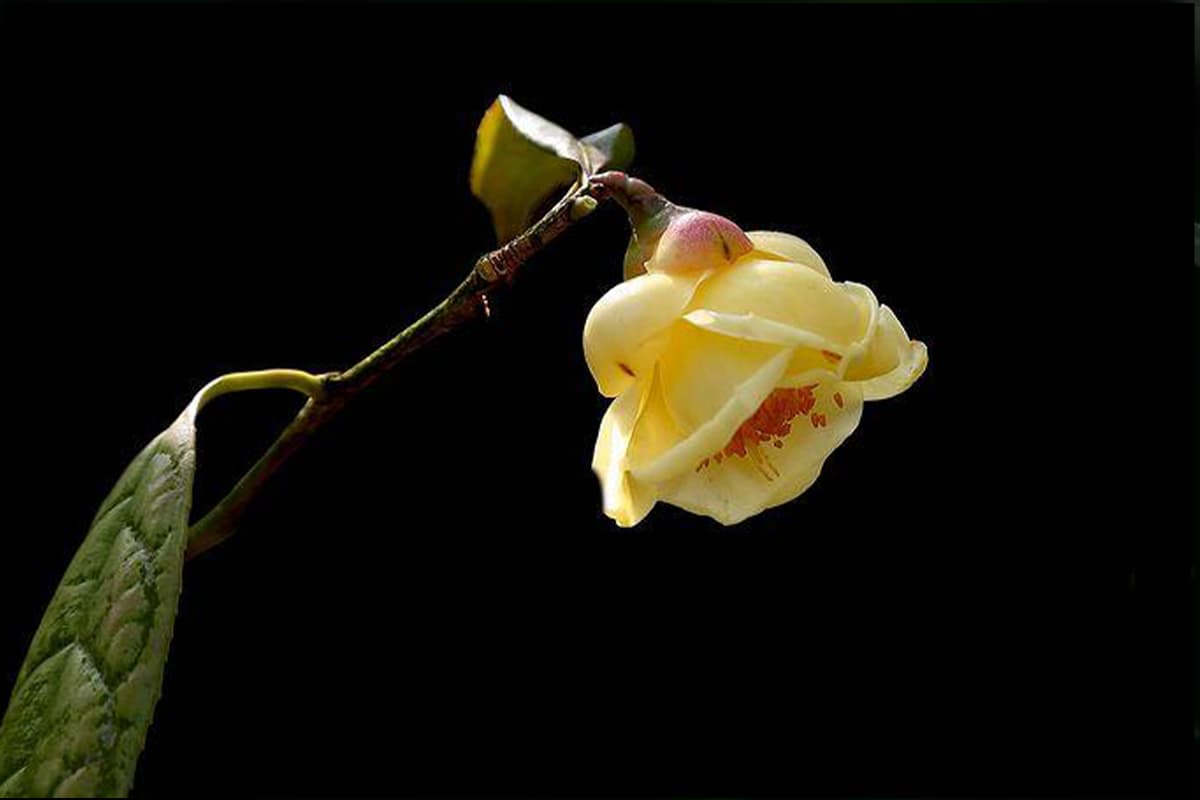

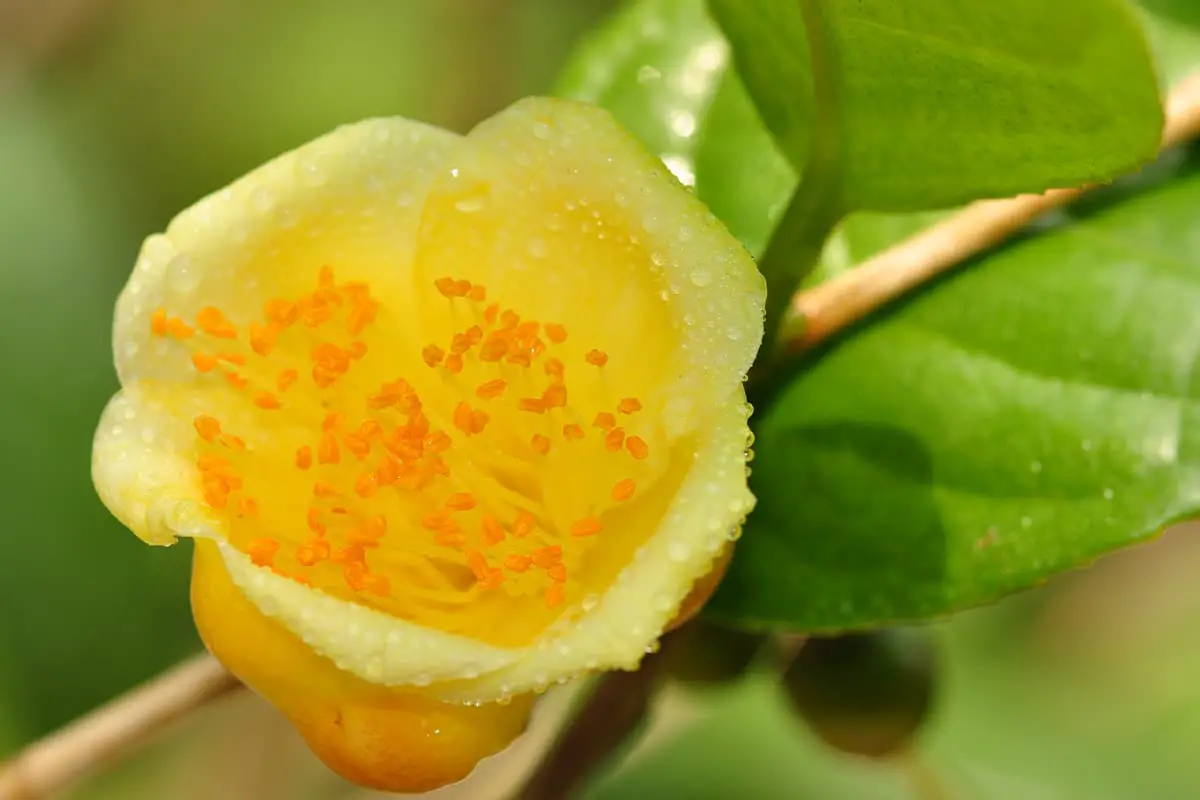


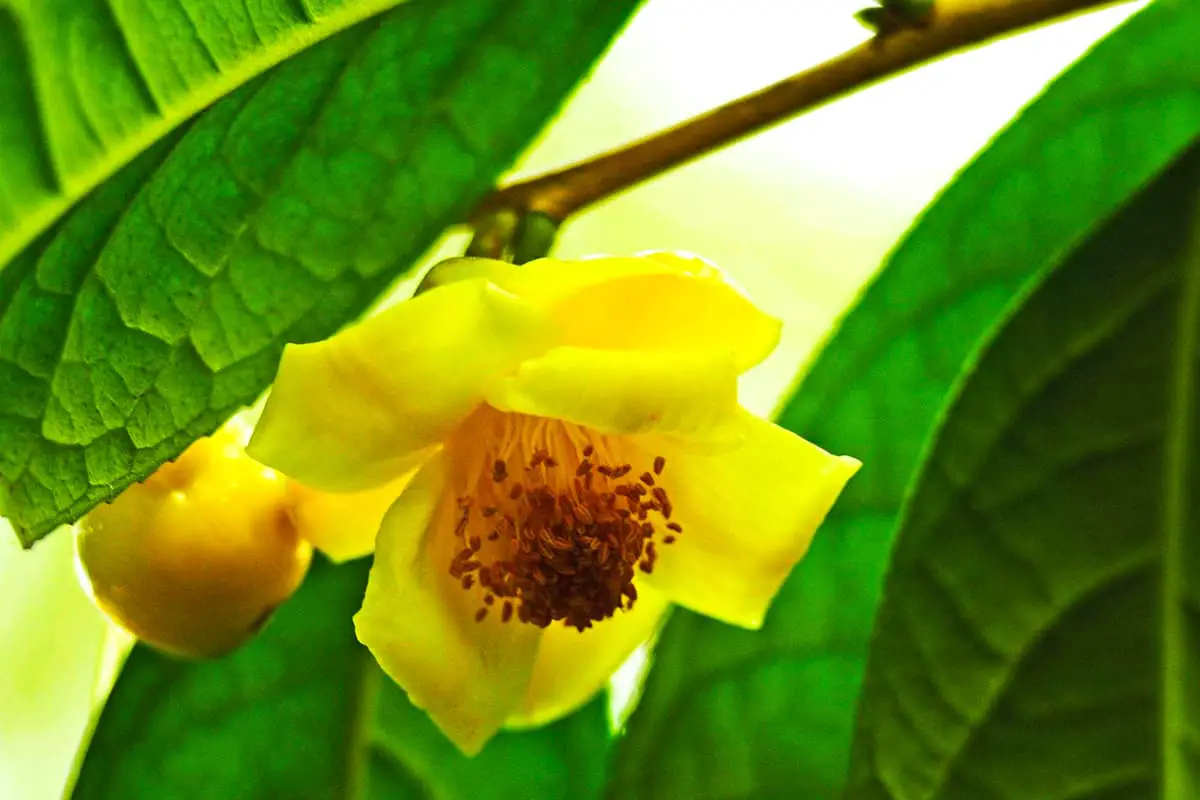
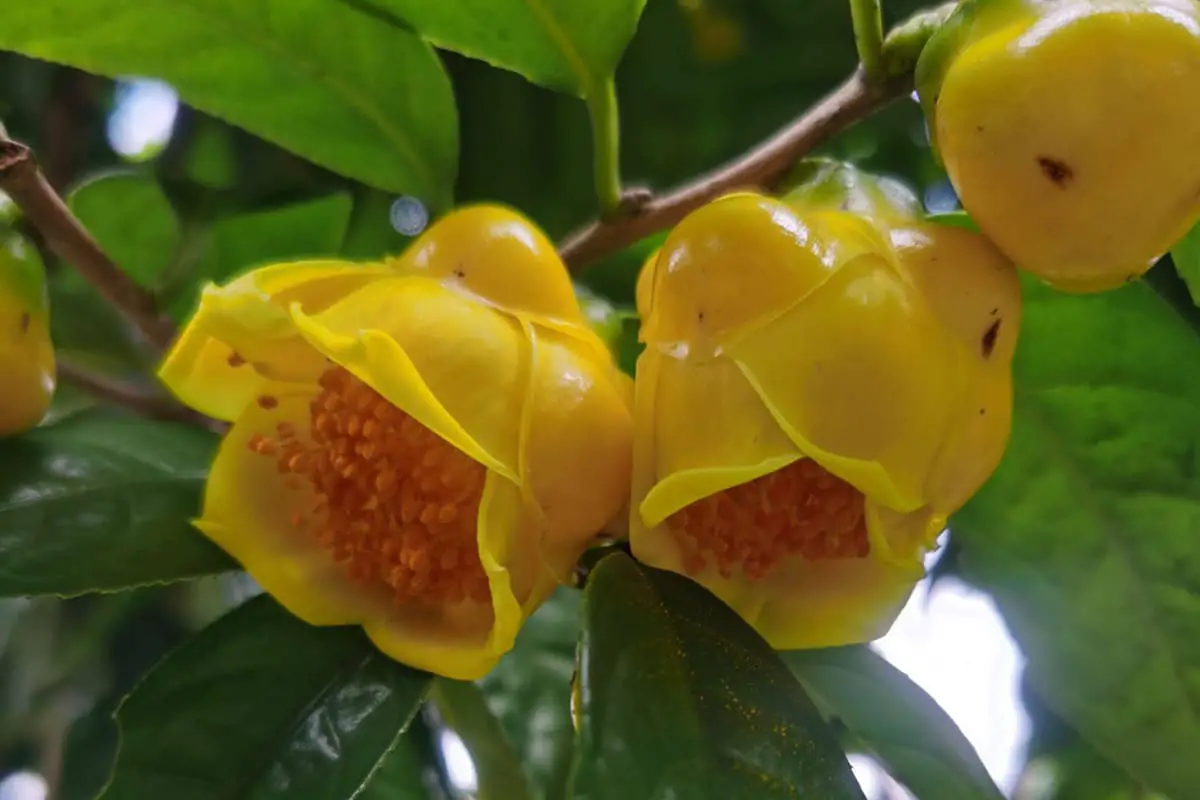

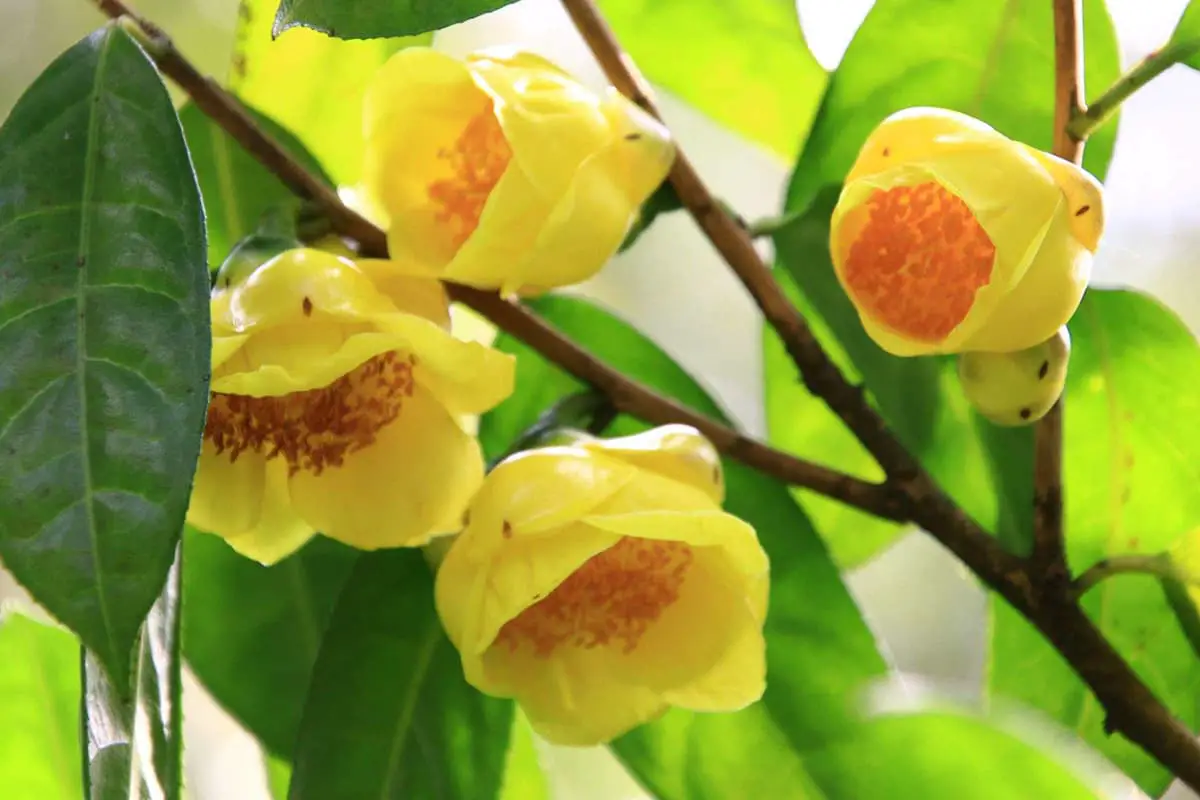

 English
  العربية
  Bahasa Indonesia
  Deutsch
  Français
  Italiano
  Nederlands
  Português
  Русский
  日本語
日本語