Tokyo cherry blossoms are deciduous trees of the Malvaceae family and Rosales order. They are native to Japan and are cultivated in various locations around the world, including cities like Beijing, Xi’an, and Qingdao in China.
They have dense flowering with pink-colored flowers and can be planted individually or in groups in gardens, parks, lawns, lakesides, residential areas, and other locations. There are many horticultural varieties available for ornamental purposes.
1. Morphological characteristics of Tokyo cherry blossoms
Compared to the former, Tokyo cherry blossoms are generally taller, reaching a height of up to 16 meters. The bark is light purplish-brown, and the young branches are green with sparse soft hairs.
The leaf shape of Tokyo cherry blossoms is elliptical-ovate or inverted ovate, larger than the former, measuring about 5-12 centimeters in length and 2.5-7 centimeters in width. The stipules are lanceolate in shape.
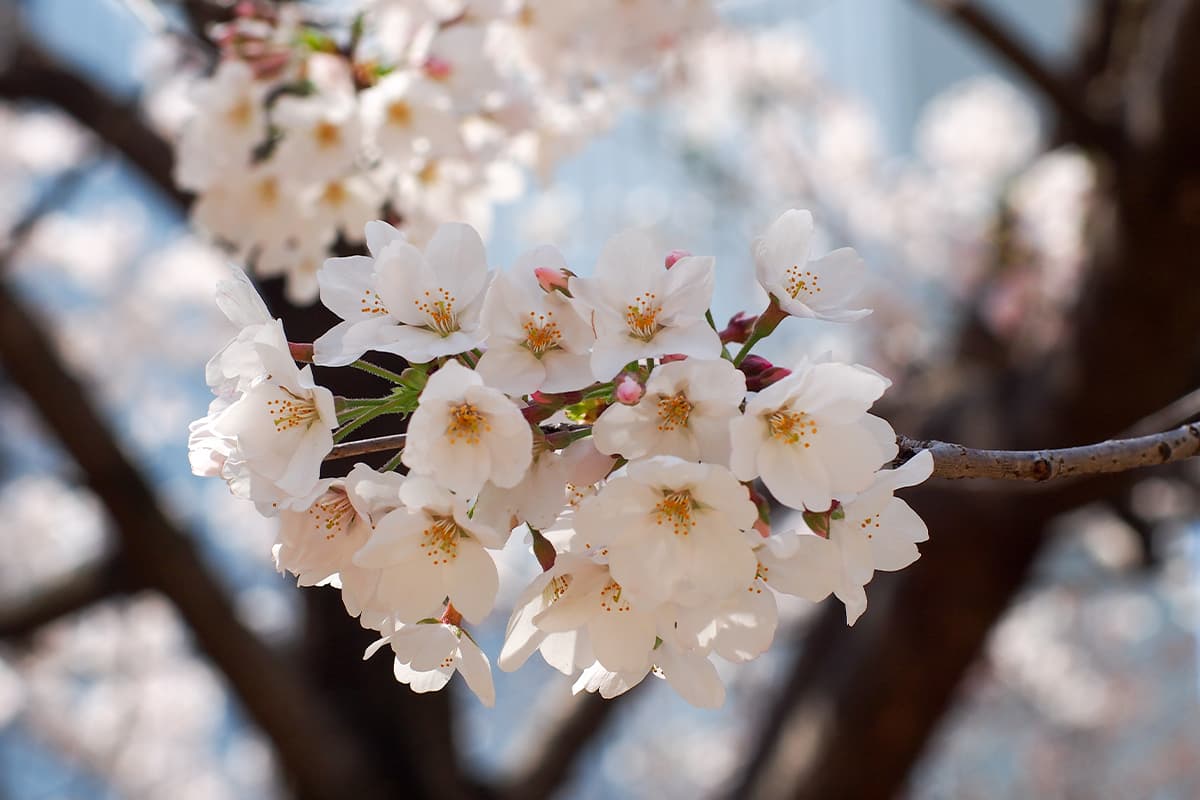
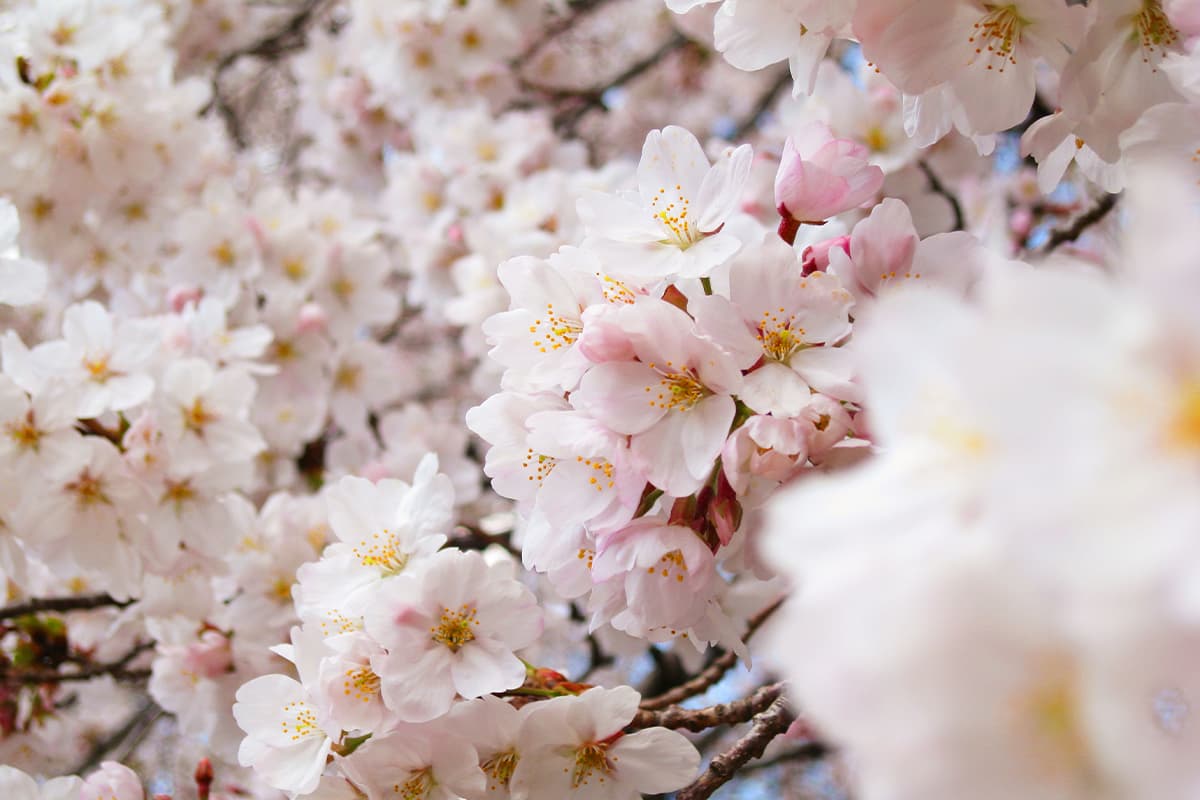
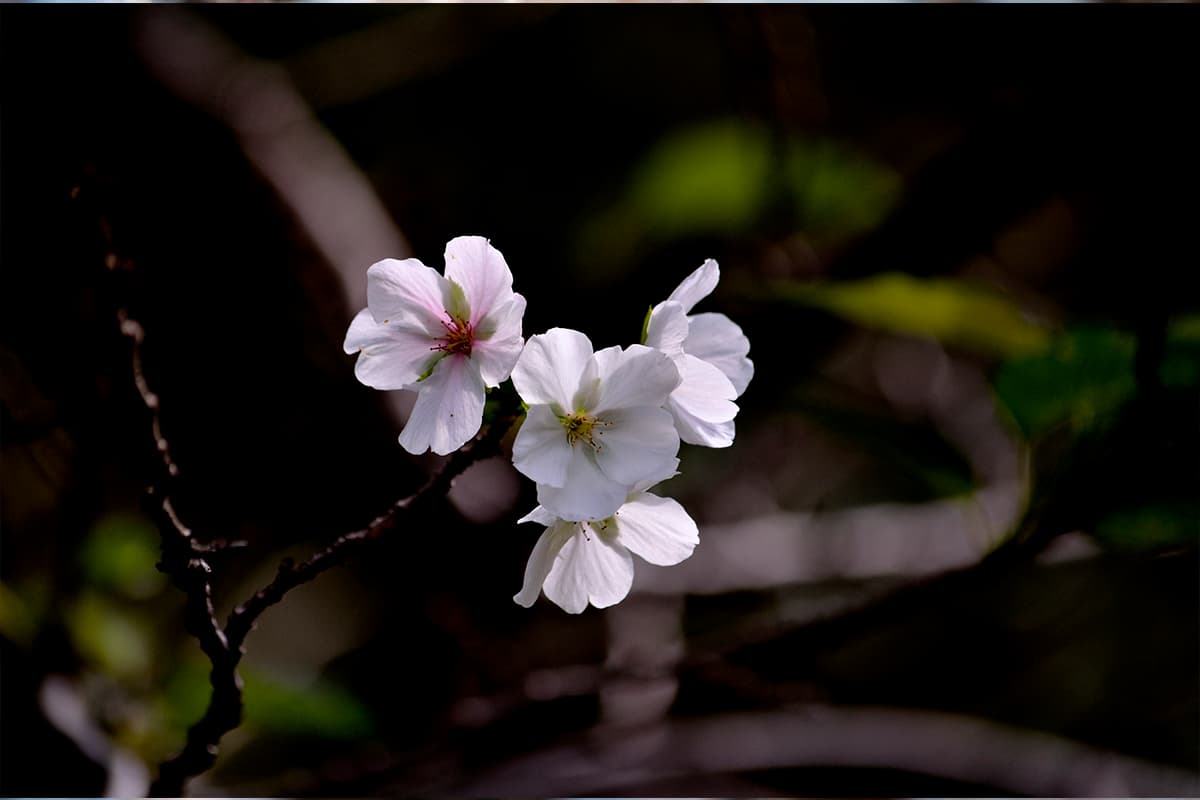
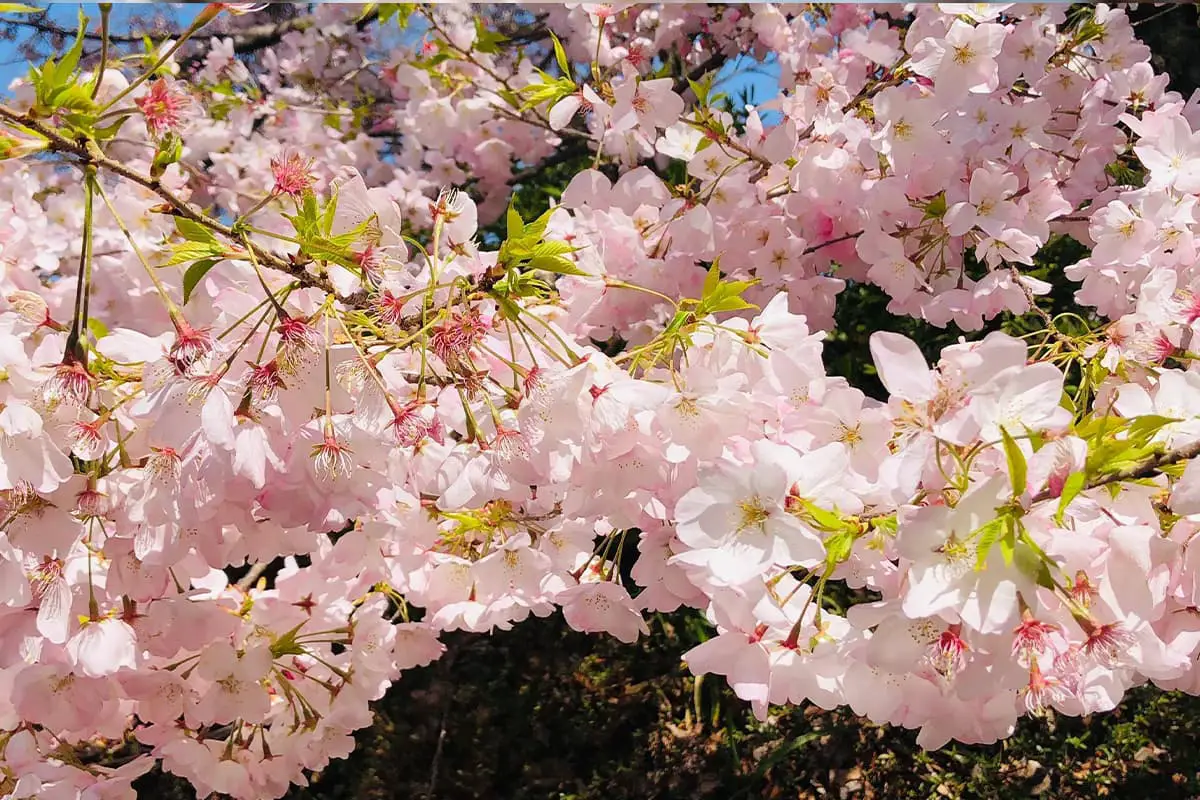
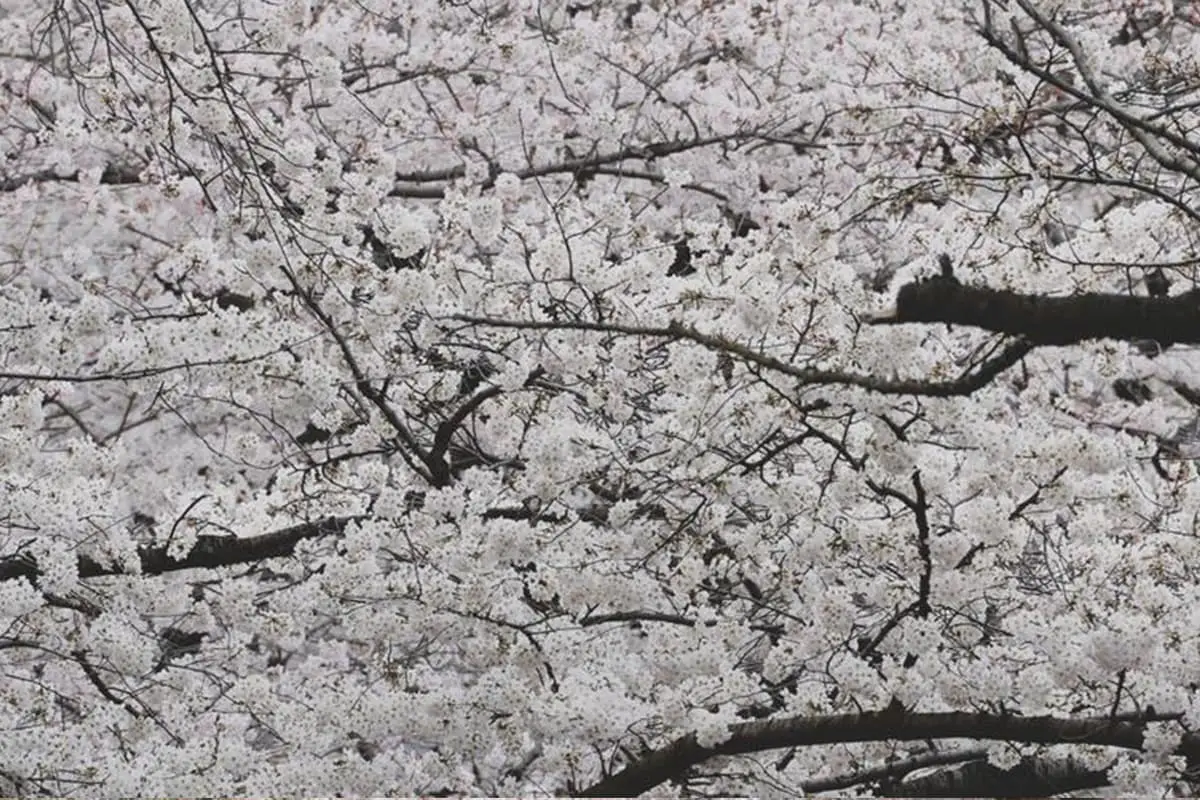
The flowers of Tokyo cherry blossoms are arranged in umbrella-shaped inflorescences. The bracts are reddish-brown, and the petals are inverted ovate, with only pink coloration.
2. Growing habits of Tokyo cherry blossoms
The root system of Tokyo cherry blossoms is relatively shallow, and loose, well-draining sandy loam soil is most suitable for their growth.
Water: They require a significant amount of water. When watering, it is important to ensure thorough watering without creating waterlogging.
Nutrients: Acidic fertilizers are preferred for fertilization, as they provide sufficient nutrients for vigorous growth.
Light: While they require ample sunlight for better growth, they should not be exposed to direct intense sunlight.
3. Blooming period of Tokyo cherry blossoms
Cherry blossoms are the national flower of Japan, and in Japan, the cherry blossom season is celebrated during the period from March 15th to April 15th.
In reality, their blooming period typically lasts only 3-5 days. They choose to wither at their most splendid moment, embodying the spirit of cherry blossoms and representing the Japanese fascination with them.
4. Care Tips for Tokyo Cherry Blossoms
Soil: Choose loose, well-draining sandy loam soil for planting. Since the root system is relatively shallow, sandy loam soil is more suitable for their growth.
Water: Tokyo cherry blossoms are water-loving plants and have high water requirements. They need to be watered frequently, ensuring thorough watering without waterlogging.
Nutrients: Use acidic fertilizers for fertilization. Fertilize the plants twice, preferably in winter and after the flowers have fallen. Spread well-rotted fertilizer evenly around the plants or dissolve it in water for better nutrient absorption.
Light: Tokyo cherry blossoms prefer moderate sunlight with ample exposure. Sufficient light promotes faster and healthier growth. However, they should not be exposed to direct intense sunlight, as it can cause sunburn.
5. Cultivation Tips for Tokyo Cherry Blossoms
Pruning: After planting, remove withered branches, tangled branches, and branches affected by pests and diseases through pruning. Dispose of the pruned branches properly to avoid infecting other healthy branches. Pruning ensures better light penetration and air circulation for vigorous growth.
Propagation: Propagation is often done through grafting, which has a higher success rate. Grafting is typically done in late March or late August. Insert the branch into the rootstock and cover it with a thin film for insulation.
6. Symbolism of Tokyo Cherry Blossoms
Meaning: Cherry blossoms symbolize passion, happiness, nobility, purity, and detachment.
Legend: According to legend, cherry blossoms were originally white. It is said that a brave warrior committed seppuku (ritual suicide by disembowelment) under his beloved cherry blossom tree, believing that he had reached his most glorious moment and chose to end his life.
As a result, the blood flowed like a river, and the cherry blossoms turned red. Therefore, the more red the petals, the more it signifies the presence of lost souls.
Share
Facebook
Twitter
LinkedIn
Email
Share is Caring.
Peggie
Founder of FlowersLib
Peggie was once a high school mathematics teacher, but she set aside her chalkboard and textbooks to follow her lifelong passion for flowers. After years of dedication and learning, she not only established a thriving flower shop but also founded this blog, “Flowers Library”. If you have any questions or wish to learn more about flowers, feel free to contact Peggie.
Before you go
You May Also Like
We picked them just for you. Keep reading and learn more!
Cherry Blossom, known as Sakura in Japan, encompasses several species within the Prunus genus of the Rosaceae family. With over 300 cultivars, Cherry Blossoms typically bloom in spring, often concurrently…
Tokyo Cerasus yedoensis is a deciduous tree that can grow to a height of 4-16 meters. It has gray bark, with light purple-brown twigs that are hairless. The young branches…
Currently, Japan has officially announced cherry blossom viewing information across the country. It is expected that in mid-March, people will be able to admire the most beautiful flowers in the…
Turtle Head Isle Turtle Head Isle, with its picturesque landscape and natural beauty, is the essence of Tai Lake’s scenery. Known as the “numero uno attraction of Tai Lake and…
1. Yoshino Mountain Yoshino Mountain in Nara Prefecture, Japan, is renowned for its cherry blossoms and is widely recognized as the most beautiful cherry blossom spot in Japan, consistently ranking…
What is Yoshino Cherry? The Yoshino Cherry (scientific name: Prunus × yedoensis), also known as Tokyo Cherry Blossom, Japanese Cherry Blossom, and Yoshino Sakura, is a horticultural variety of cherry…
The Large-Leaf Early Cherry, also known as the Japanese Early Cherry, is a sight to behold during its peak blooming season. Its vibrant and plentiful blossoms create a spectacular display,…
The Bellflower Cherry, also known as the Fujian Mountain Cherry Blossom, is indigenous to regions like Zhejiang, Fujian, Taiwan, Guangdong, and Guangxi, among others. It is one of the most…
Gyoiko, a member of the Rosaceae and Prunus genus, is a rare variety of cherry blossom known for its green flowers. Its floral symbolism embodies wisdom, refinement, and elegance. As…


 English
  العربية
  Bahasa Indonesia
  Deutsch
  Français
  Italiano
  Nederlands
  Português
  Русский
  日本語
日本語