600+ Types of Flowers A To Z (With Names and Pictures)
Types Of Flowers By Names (A-Z) Types Of Flowers By Color Types Of Flowers By Season Types Of Flowers By Blooming Time 600+ Types of Flowers No. Flower Name No.…

The fleshy part of the immature flower head of the Cynara scolymus is a delicious delicacy. It can be used as an ornamental vegetable, aromatic vegetable, seasoning vegetable, health vegetable, and can also be eaten fresh with a clear, sweet, and moist taste.
It can also be used for hot pot dipping. Its taste is similar to that of fresh bamboo shoots and mushrooms, with a taste of walnuts, which is quite delicious. It has the effect of quenching thirst and relieving alcohol.
The smaller artichoke flower heads are usually the most tender. After cooking, pour the sauce for eating or make a salad or appetizer, canned; it can also be stir-fried with fine meat, olive oil, lemon juice, chili, garlic, and salt and other seasoning ingredients, the taste is fresh and refreshing; it can also be used as soup material with poultry meat stew, casserole, rich in nutrition, clear liver and eyes, fitness and beauty.
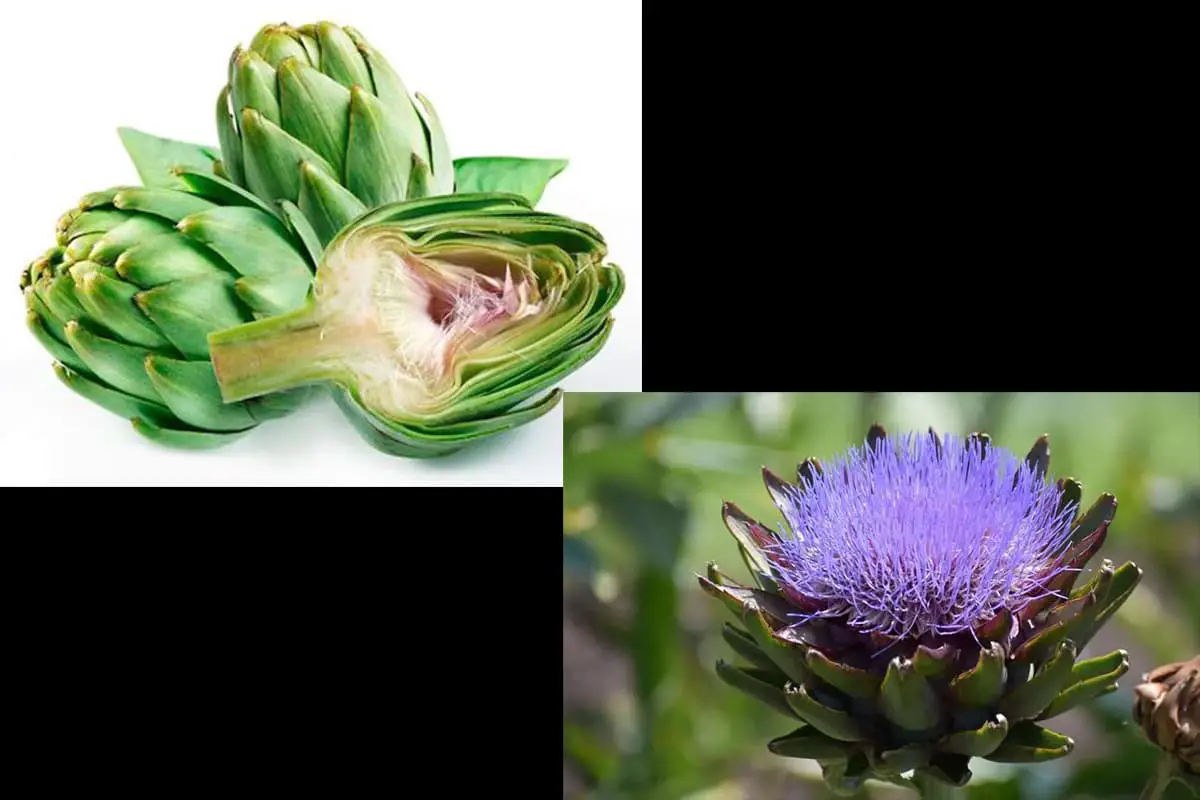
The artichoke originated in the western and central Mediterranean, and was already in the eastern Mediterranean in ancient times. At that time, its tender leaves were eaten, not the immature flower heads.
The type of its flower for food was first recorded in Italy around 1400. Artichokes are widely grown in California, France, Spain, Belgium, the Mediterranean countries, and other areas with fertile soil, mild and humid climate.
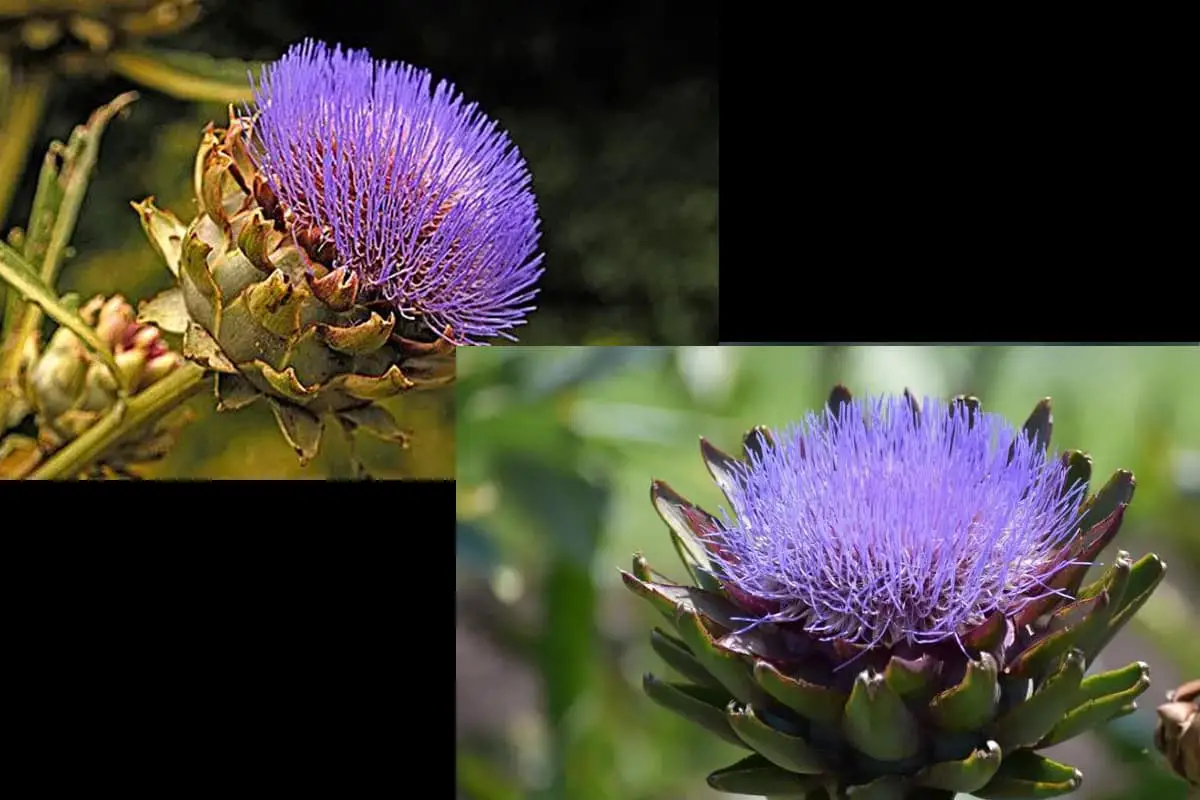
The root system is developed. The mature plants are about 1.2m tall. The pinnately divided leaves are large and thick, densely covered with villi, and have many branches.
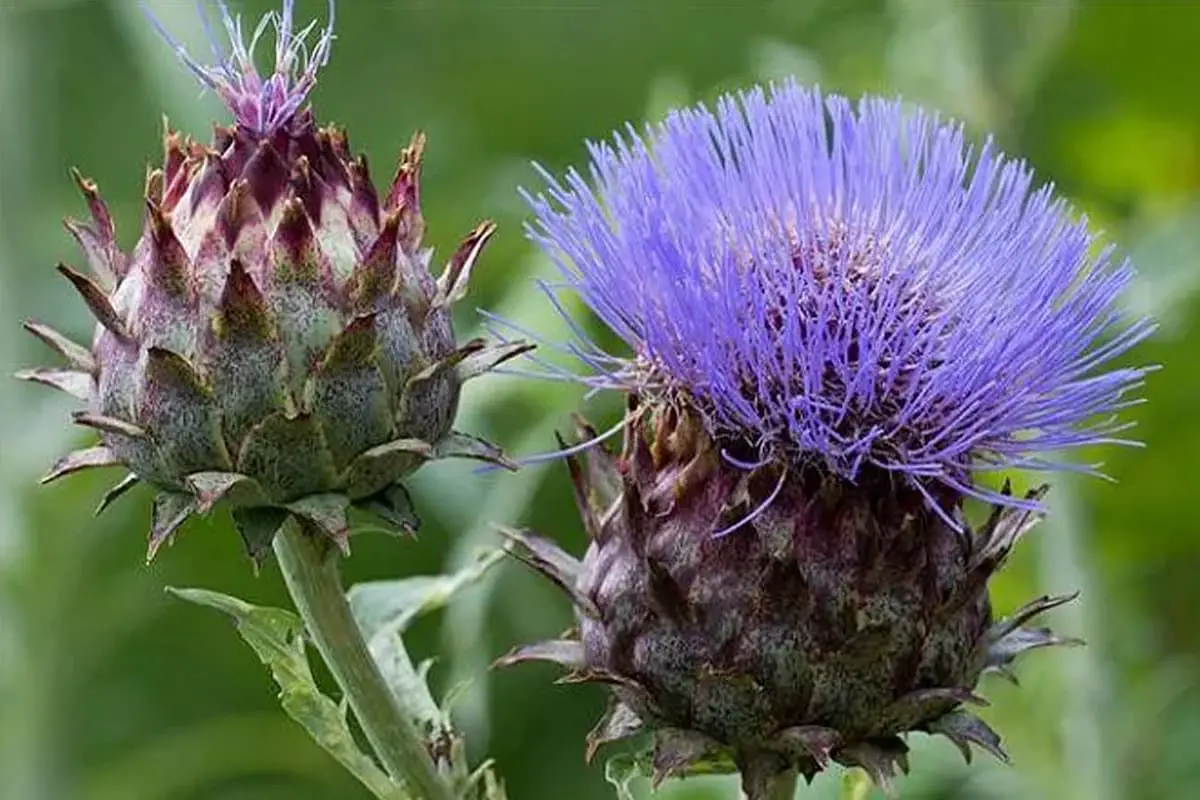
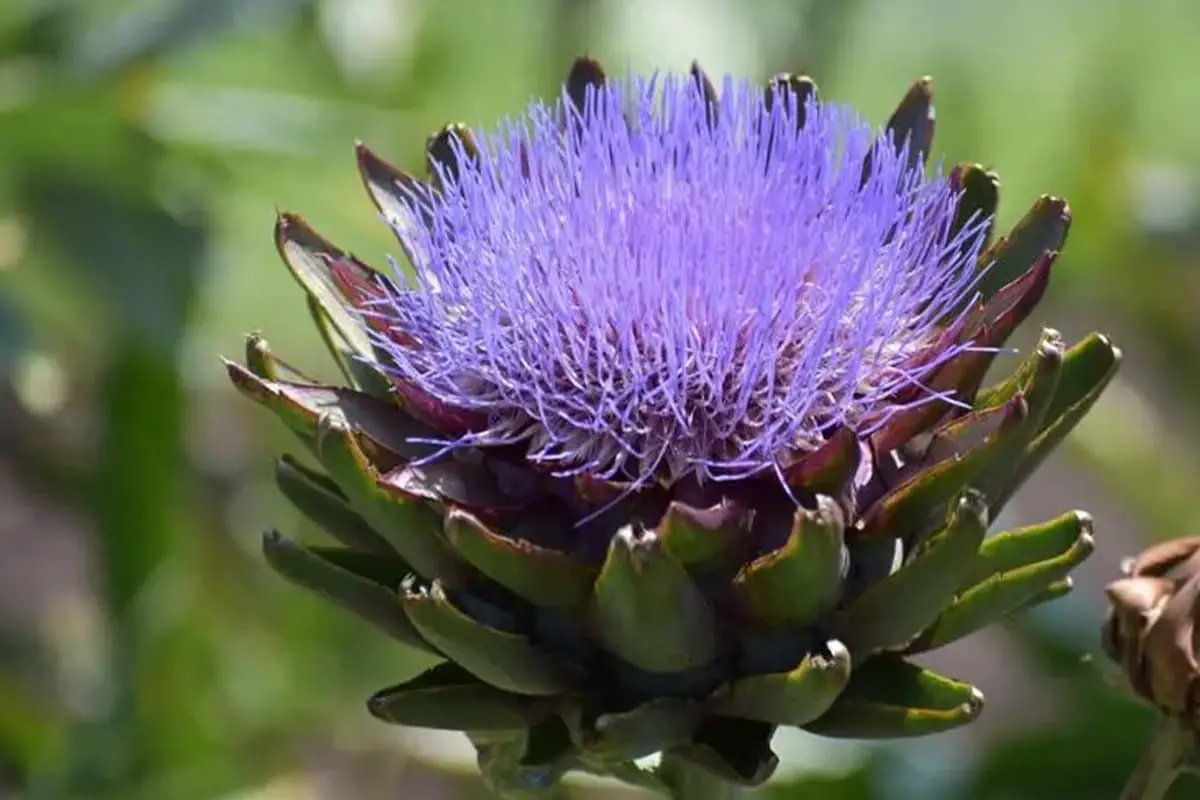
Tender flower buds grow at the end of the branches between June and July, and the main stem buds are the largest, known as king buds. Each plant generally has 3-8 flower buds, which are purplish-green.
About 40% of the inner bracts are tender, and a flower bud can eat about 15-50g. The seeds are like wheat seeds, flat-oval, and wheat-colored, with a thousand-grain weight of about 44g.
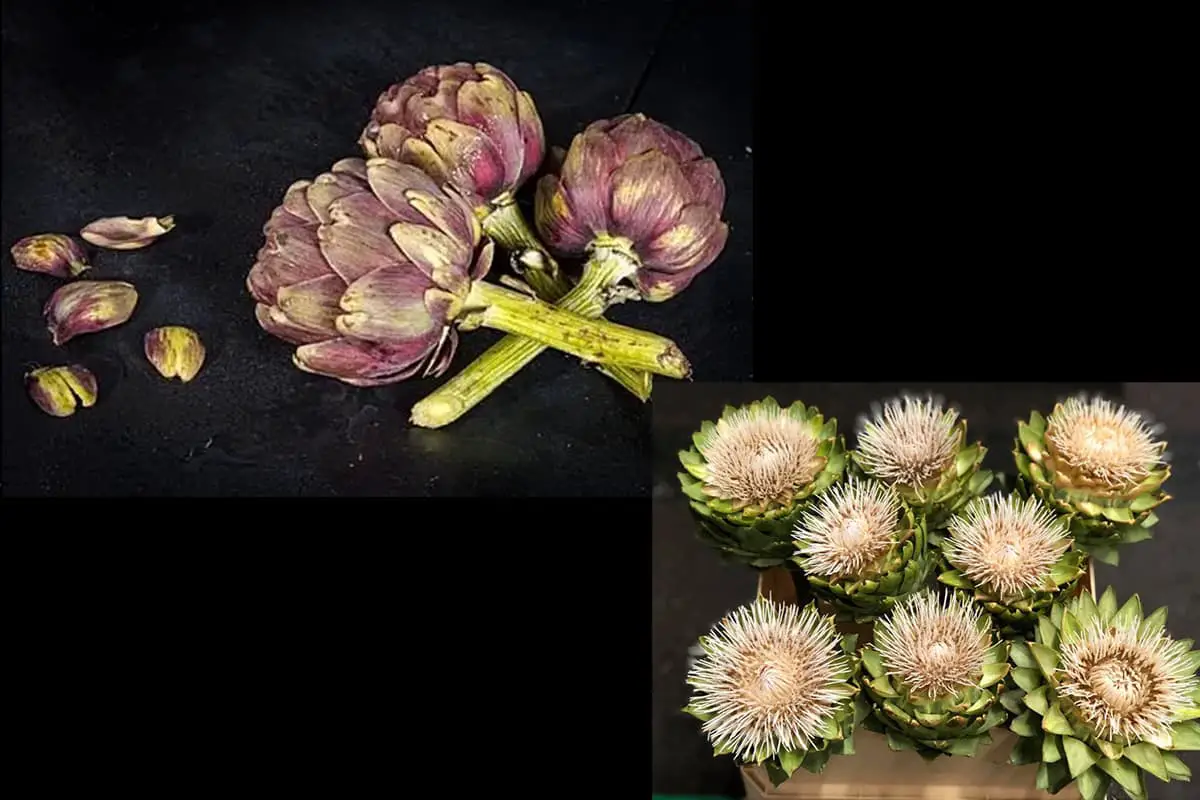
Artichokes like cool climates, are moist, can withstand short-term light frost, and do not tolerate dry heat. They like loose, well-drained loamy soil or clay loam.
The above-ground part of the artichoke dies after flowering each year, and new shoots sprout in the spring of the following year, growing into a rosette of basal leaves, which can reach up to 1 meter (more than 3 feet) in length, deeply divided, and covered with villi.
Afterwards, it sends out strong and branching flower stems, the flowers are light purple. Generally, the yield of 2 to 3 years old is higher. After 4 to 8 years, the rosette leaves are squeezed into a ball, the inflorescence becomes smaller, and the quality also decreases.
Therefore, most of the artificially cultivated ones are propagated and updated after 4 years. It requires plenty of sunshine, especially when it is flowering, the weather is clear, and the flower stems and buds are thick and many.
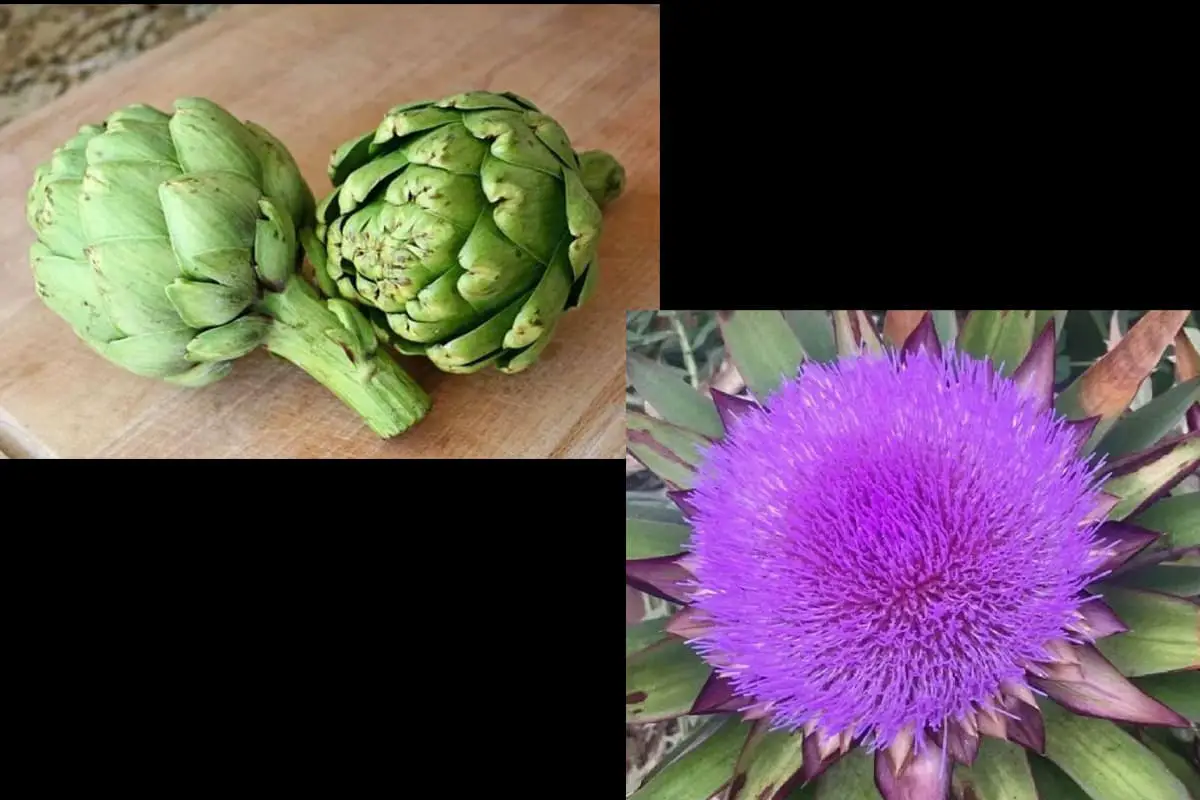
Artichokes prefer climates with warm winters and cool summers. The germination temperature of the seeds is about 20℃, the most suitable growth temperature of the plant is 13-20℃, the growth is inhibited above 34℃, and it stops growing below 3℃, and can withstand temporary low temperatures of -2℃, and the stem and leaves wilt below -7℃.
The bud formation period is suitable for a temperature of 16-24℃; it is suitable for planting in loose, fertile, well-drained loam or light loam.
It requires a large amount of fertilizer, and it is advisable to apply nitrogen, phosphorus, potassium, and trace elements in combination; the bud formation period is a critical period of water, it cannot lack water, it cannot withstand waterlogging throughout the growth period, it cannot water too much, and the water in the ridge ditch after rain is easy to cause root rot; It requires strong light conditions, especially during the period of flowering, sufficient sunshine can form large and thick leaves, strong and numerous flower stems, and many buds.
Choose a vigorous adult plant and dig it out in mid-October. Cut off the large tillers with more than five leaves and plant them in a trench 1.5m deep as a temporary measure. Cover with soil and a straw mat for insulation, maintaining a temperature of 2-3℃ in the trench.
In the warm areas south of the Yangtze River, you can plant directly in the fall, but ensure each plant has a certain amount of roots. Cut off the small seedlings with less than five leaves and plant them in the seedbed of a sunlight greenhouse.
The spacing between plants and rows is 15cmx15cm. Timely hoeing, watering and top dressing are necessary, maintaining a room temperature of 15-20℃, and about 10℃ at night. Plant in the next spring when the leaves have grown to more than five.
Korean thistle can be sown in spring and autumn. Sow in mid to late March in spring, and in mid-September in autumn. For a field of 667 square meters, 600-800 seeds are needed.
Since the seed coat is thick and hard, first soak the seeds in 55℃ water for 30 minutes, constantly stirring the seeds with a wooden stick. When the water cools to room temperature, soak for another 12-16 hours.
After rinsing with clean water, wrap in damp cotton cloth and put in a 20℃ condition for germination. Sow when the seeds start sprouting. Use 72-hole plastic seedling trays or 6cmx6cm nutritional bowls for seedlings, with turf and vermiculite as the substrate.
The seedling temperature is 18-20℃, water as little as possible, and apply appropriate top dressing and foliar fertilization after two leaves appear. The seedlings can be planted when they are 40-45 days old and have 5-7 true leaves. Note that the characteristics of seedlings propagated by seeds may differ from the parent plant.
Artichoke is rich in nutrients. In every 100 grams of edible part, it contains 80.5 grams of water, 0.2 grams of fat, 2.8 grams of protein, 9.9 grams of carbohydrates, 160mg of vitamin A, 8mg of vitamin C, 51 milligrams of calcium, 69 milligrams of phosphorus, and 1.5 milligrams of iron.
It also contains beneficial substances such as cynarine, aspartic acid, and flavonoid compounds. Among the therapeutic ingredients contained in artichoke, cynarin is the most well-known; it is a derivative of quinic acid.
Cynarin can: improve liver vitality, promote the elimination of toxins in the liver (such as ammonia produced by protein digestion), promote liver cell regeneration, increase bile secretion and fat digestion (regulating body cholesterol).
Other therapeutic ingredients contained in artichoke include: flavonoids (Luteolin, Cynaosid, Scdymosin etc.) and bitter substances (Sesquiterpenlacton, 50% of which is Cynaropikrin).
These therapeutic substances all assist cynarin in protecting the liver and promoting liver detoxification. Flavonoid compounds have beneficial physiological effects. They are quite effective against malignant cells and can alleviate capillary purpura.
Regular consumption of artichoke can treat chronic hepatitis, lower cholesterol, treat indigestion, improve gastrointestinal function, increase bile secretion, and alleviate constipation, diarrhea, nausea, vomiting, etc. It stimulates bile secretion and can prevent arteriosclerosis and protect the heart.
The fleshy part of the immature capitulum of artichoke is a delicious dish. It can be used as an ornamental vegetable, aromatic vegetable, condiment vegetable, and health vegetable. It can also be eaten fresh, with a sweet and juicy taste, or used in hot pot dishes.
It tastes like a mix of fresh bamboo shoots and mushrooms, with a walnut-like fragrance, which is quite delicious. It has the effect of relieving thirst and hangovers.
The smaller flower heads of artichoke are usually the most tender. They can be cooked with sauce, made into salads or appetizers, or canned. They can also be stir-fried with fine meat, olive oil, lemon juice, chili peppers, garlic, and salt for a fresh and crisp taste.
They can also be used as soup ingredients, stewed with poultry, which is nutritionally rich, clears the liver and improves vision, and is good for health and beauty. For women, eating artichoke helps protect the skin and make the face radiant.
In addition to the edible flower buds inside the artichoke flower ball, the petals wrapped outside the flower buds can also be fully utilized.
The outer coarse fiber petals can be dried and soaked in wine, or made into artichoke tea to drink. It has a special floral fragrance, a refreshing taste, and a lasting sweetness, making it a unique and floral “artichoke tea”.
The leaves can also be boiled or served as a cold dish.
It can also be used as a side dish or container for Western desserts.

Peggie was once a high school mathematics teacher, but she set aside her chalkboard and textbooks to follow her lifelong passion for flowers. After years of dedication and learning, she not only established a thriving flower shop but also founded this blog, “Flowers Library”. If you have any questions or wish to learn more about flowers, feel free to contact Peggie.
 English
  العربية
  Bahasa Indonesia
  Deutsch
  Français
  Italiano
  Nederlands
  Português
  Русский
  日本語
日本語