600+ Types of Flowers A To Z (With Names and Pictures)
Types Of Flowers By Names (A-Z) Types Of Flowers By Color Types Of Flowers By Season Types Of Flowers By Blooming Time 600+ Types of Flowers No. Flower Name No.…

Kumquat, also known as Citrus japonica, is an evergreen shrub from the Rutaceae family. The tree typically grows less than 3 meters tall. Its leaves are thick and ovate-lanceolate or oblong-elliptical in shape, with a slightly pointed or blunt tip and a broad wedge-shaped or almost round base.
The petiole can reach up to 1.2 cm in length and the leaves have very narrow wings. The plant bears either single flowers or clusters of 2-3 flowers; the pedicel is 3-5 mm long; the ovary is elliptical, and the style is slender, usually 1.5 times the length of the ovary, with a slightly enlarged stigma.
The fruit is elliptical or ovate-elliptical in shape, ranging in color from orange-yellow to orange-red, and the skin is sweet; the seeds are ovate, with green cotyledons and embryo, and usually have a single embryo but occasionally contain multiples. The flowering period is from March to May, and the fruiting period is from October to December.
Kumquat, when mixed with licorice as a flavoring, can be made into preserved fruit. The fruit of the kumquat is rich in vitamin C and kumquat glycosides, which can help maintain cardiovascular function and prevent diseases such as arteriosclerosis and hypertension.

The tree grows to less than 3 meters tall with thorny branches. The leaves are thick and dark green, ovate-lanceolate or oblong-elliptical in shape, 5-11 cm long and 2-4 cm wide with a slightly pointed or blunt tip and a broad wedge-shaped or almost round base.
The petiole can reach up to 1.2 cm in length and the leaves have very narrow wings. The plant bears either single flowers or clusters of 2-3 flowers. The pedicel is 3-5 mm long. The calyx has 4-5 lobes. There are 5 petals, each 6-8 mm long, and 20-25 stamens.
The ovary is elliptical, and the style is slender, usually 1.5 times the length of the ovary, with a slightly enlarged stigma. The fruit is elliptical or ovate-elliptical in shape, 2-3.5 cm long, ranging in color from orange-yellow to orange-red, and the skin is sweet, about 2 mm thick, with slightly protruding oil cells.
The pulp is sour and contains 2-5 seeds. The seeds are ovate, pointed at the end, with green cotyledons and embryo. They usually have a single embryo but occasionally contain multiples.
The flowering period is from March to May, and the fruiting period is from October to December. Potted plants often flower multiple times, and farmers tend to keep their flowering period in July and August, so the fruit matures by the eve of the Spring Festival.
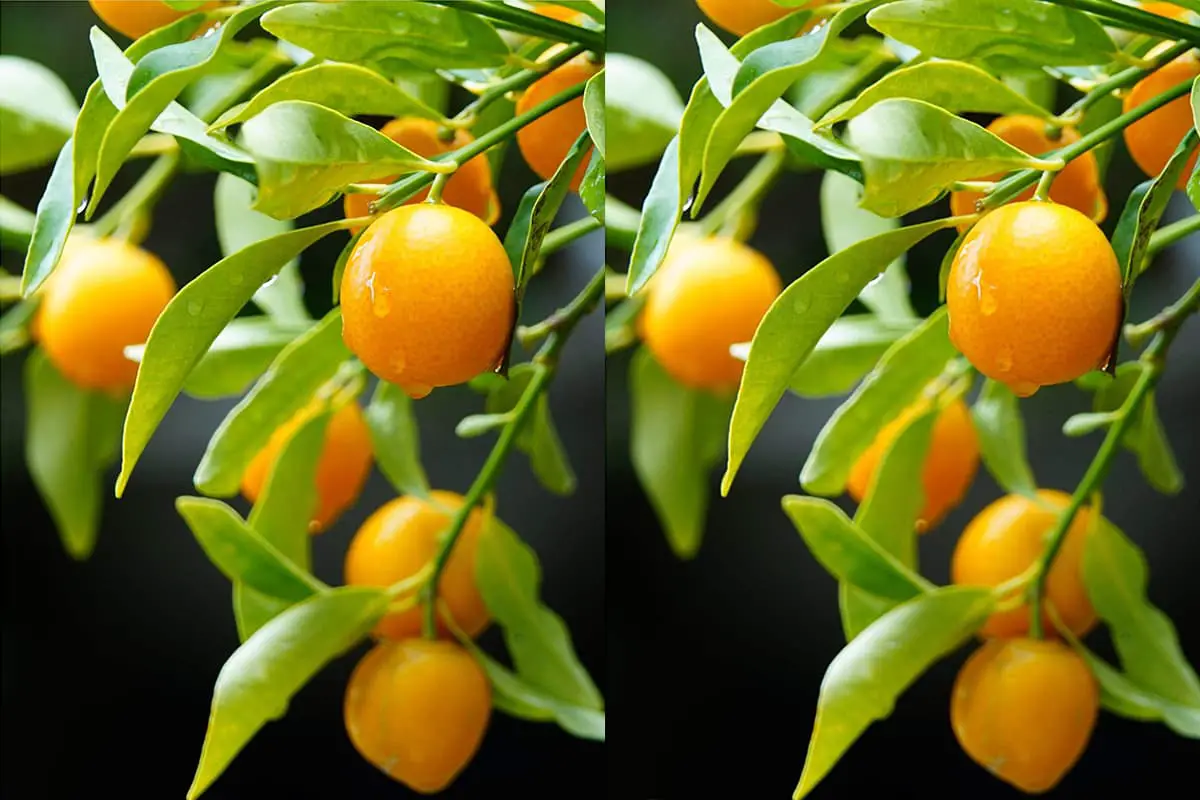
Kumquats prefer warm and humid conditions. They are flood-intolerant, light-loving, but can’t tolerate strong light, slightly cold-resistant, and drought-intolerant.
They are cultivated in both the northern and southern parts of the country. They require humus-rich, loose, fertile, and well-drained neutral cultivation soil; they won’t grow well if the soil is too acidic.
During the summer, they need to be kept under a shading shed, particularly to avoid direct exposure to strong noon sunlight. They can be exposed to sunlight before 9 AM and after 5 PM.
In early autumn, it is also necessary to block 30% of the sunlight. By late autumn and winter, they should be placed indoors in a sunny spot to get enough sunlight. When the temperature drops below 10°C in late autumn, they should be promptly moved indoors.
The indoor winter temperature should ideally be kept between 6-12°C. Temperatures below this can cause frost damage, while higher temperatures may disturb the plants’ dormancy and hinder flowering and fruiting in the following year.
After Qingming Festival in spring, you can gradually open the windows to ventilate and let them slowly adapt to the outdoor temperature. They can be moved outdoors after the Guyu Festival.
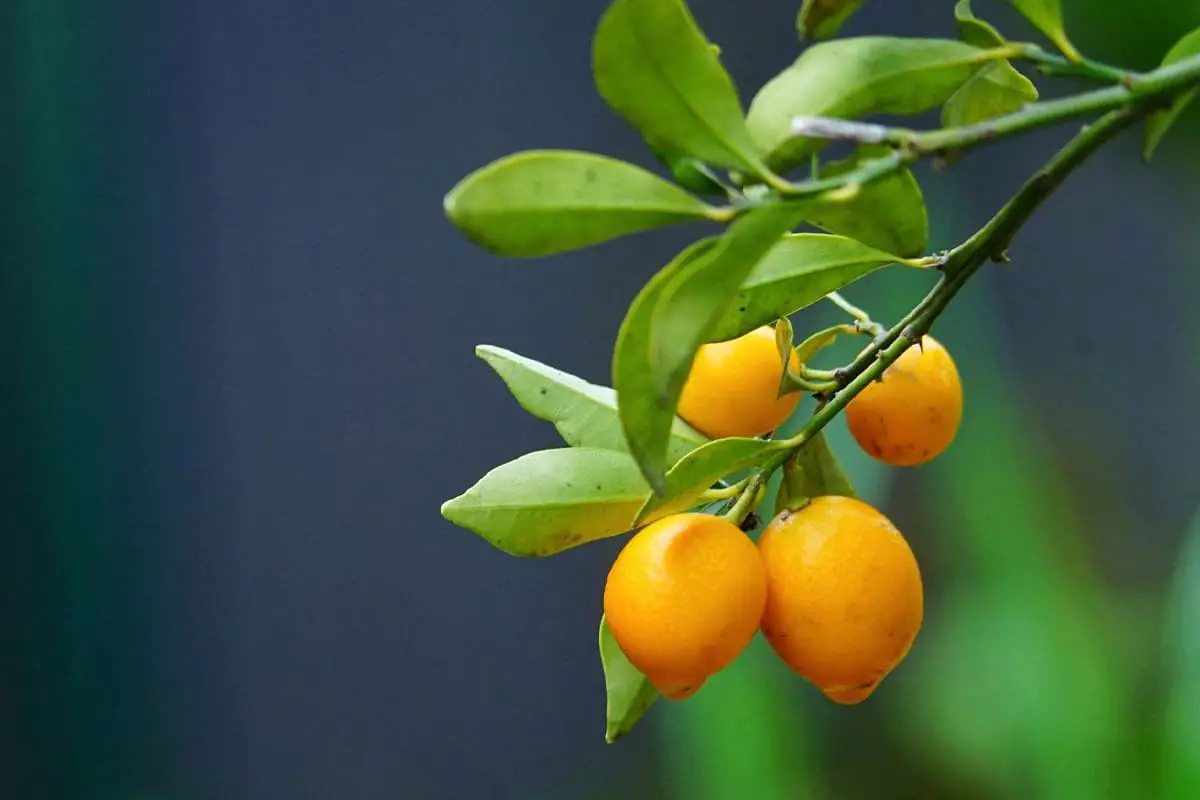
The kumquat is typically propagated through grafting, using seedlings of other citrus plants as rootstocks, and choosing robust one-year-old spring shoots as scions. The scions, with leaves removed but petioles retained, should be used as soon as they’re cut.
In April to May, grafting is carried out using the cleft grafting method; budding is done from June to September, and side grafting in April. During grafting, it’s important to remove root sprouts from the rootstock seedlings. The graft union heals within 45 to 60 days.
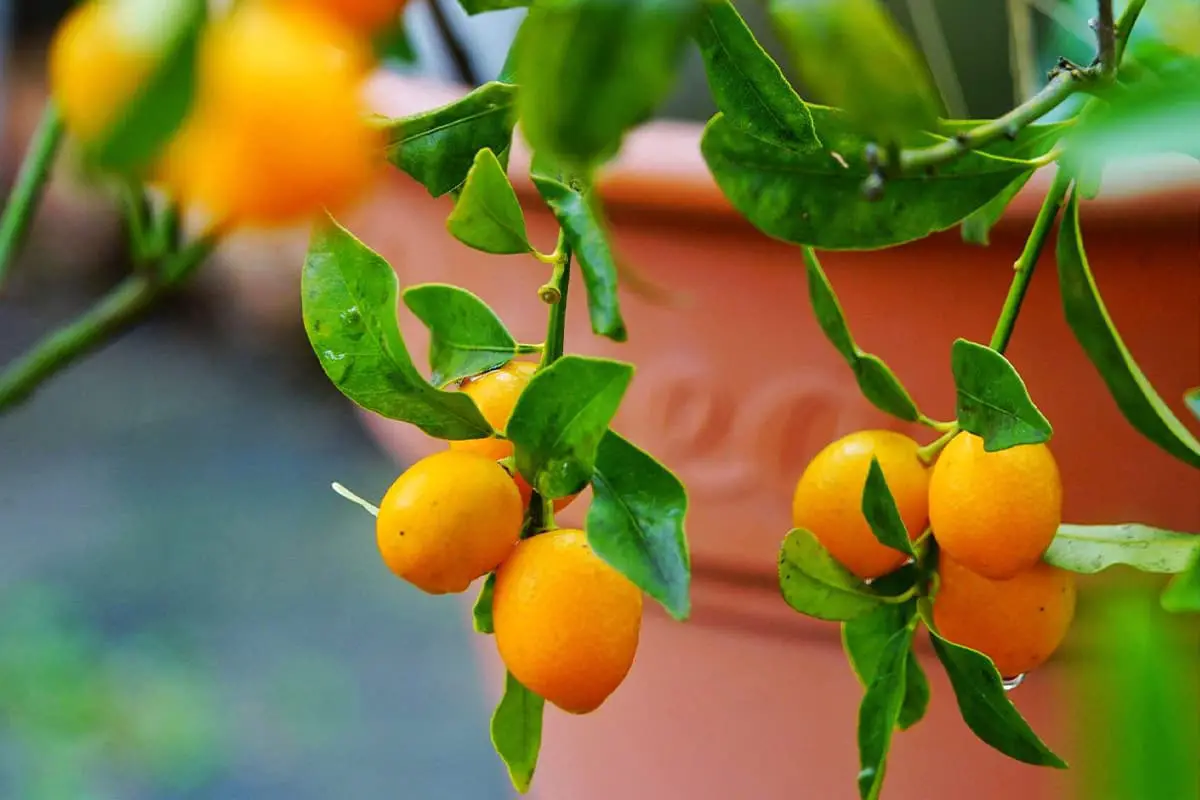
The kumquat can be planted after the autumn shoots have matured and before the spring shoots sprout, with October being generally considered the best time. Planting during this period allows for rapid root growth and early sprouting of spring shoots, which accelerates the growth of the saplings.
When planting, choose healthy, robust seedlings with well-developed root systems. Pay attention to protecting the roots when uprooting. Wrap the roots in yellow clay, and trim any damaged parts of the root system to smooth the wound.
Planting is best done on windless, overcast, or cloudy days. After planting, backfill soil up to 80%, then gently lift the seedling to allow fine soil to enter the root system and make tight contact with the roots.
Continue backfilling to the root collar, make a rounded tree saucer, and water thoroughly to settle the soil and make it closely contact with the roots. Water again the next day, and afterwards according to weather conditions.
Half a month later, apply a fertilizer of matured human manure and urine mixed with 0.2% urea. Cover the tree saucer with grass to retain moisture and maintain soil temperature.
The planting depth should not be too deep or too shallow; it should be such that the graft union of the seedling is 10-15 cm above the surface. When backfilling, use fine soil as much as possible to compact the soil.
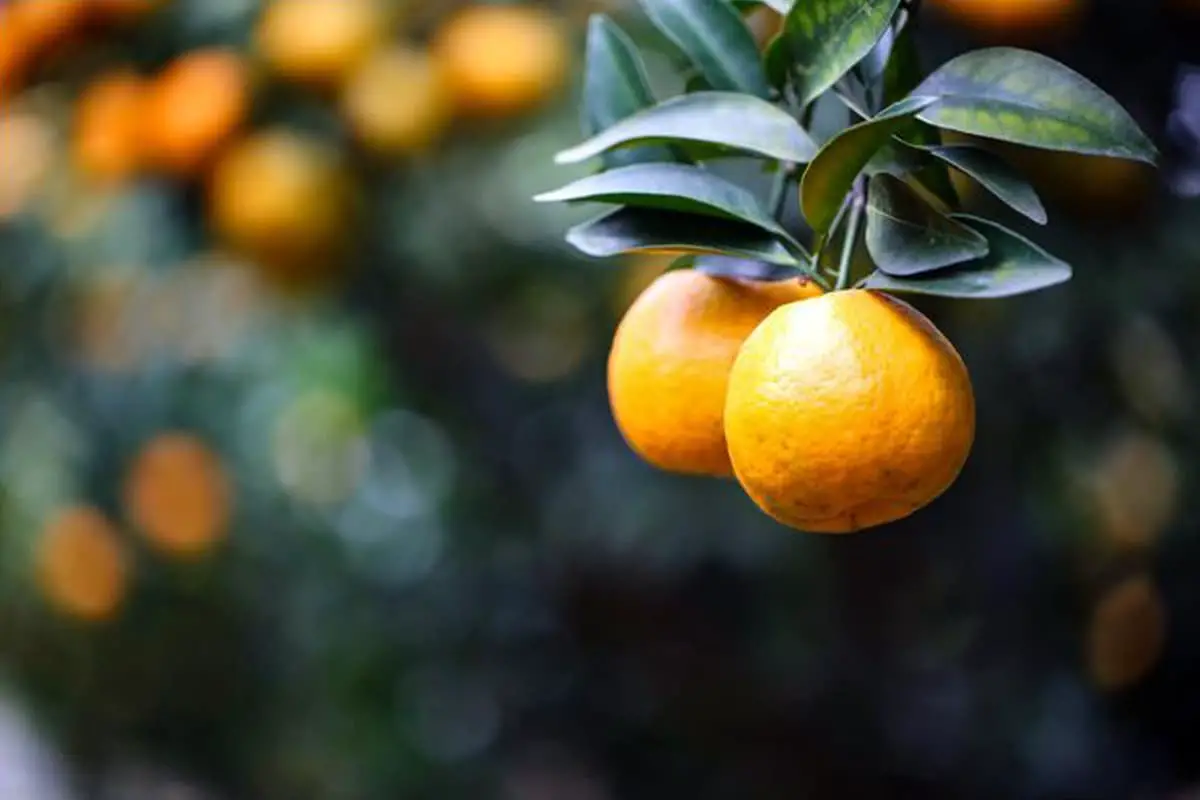
Diligent management after planting can increase the survival rate of kumquat seedlings. The most important measure is managing the fertilizer and water after planting, which includes:
Fertilization of Young Trees
Young kumquat trees refer to those that are 1-2 years old and have not yet entered the fruit-bearing stage, which is their nutritional growth period.
The primary purpose of fertilization at this stage is to provide sufficient nutrients for the growth and development of the young tree, promote the growth of strong branches, and help it quickly form a high-yield crown, laying the foundation for early and abundant fruit production.
Therefore, the fertilization of young trees should mainly consist of nitrogen fertilizer, supplemented with phosphorus and potassium fertilizers, along with deep plowing to improve soil condition, and the application of green manure and barnyard manure.
Fertilization Management of Mature Fruit-Bearing Trees
After kumquat trees enter their peak fruiting period, they require a large amount of fertilizer to maintain high yields. Insufficient fertilization at this stage can greatly affect the yield and tree vigor.
Kumquats differ from other citrus fruits in that they bloom 3-4 times a year, with flowers and fruit growing on the same tree. Therefore, the fertilization of mature kumquat trees should be adjusted according to these characteristics.
Before the grafted kumquat seedlings produce fruit, the canopy should be pruned and arranged into a round or pagoda shape.
Establishing the Trunk and Shaping
For saplings that have not been properly shaped before leaving the nursery, within 1-2 years after planting, depending on the specific conditions, the trunk should be pruned at a height of 30-35 cm before the spring shoots sprout.
Select appropriately positioned, evenly distributed, and robust 4-5 branches as main branches and remove the rest. In late May, when the branches grow to 10-15 cm, perform the second topping; the third topping should be done from late July to early August.
Correcting Tree Shape with Branch Pulling
For young trees with an incorrect tree shape or main branch position, use the method of hanging stones or pulling ropes to adjust the position, so that the main branches are evenly distributed and the canopy is round and neat.
Bud Wiping and Branch Releasing
Kumquats have strong budding and branching capabilities, so in production, the method of wiping one bud to promote multiple buds is often used to cultivate the canopy and establish a good branch sequence.
At the same time, by wiping buds, the branches will grow neatly, which is convenient for preventing diseases and pests such as leaf miners. Depending on climatic conditions, for 1-2-year-old grafted kumquats, it is best to release spring, duplicate, and autumn shoots three times.
The specific method is to wipe off sporadically sprouting buds before each shoot release, and keep wiping until 80%-90% of the plants in the garden have buds and 70% of the base branches of a single plant have multiple buds sprouting.
After the shoot is released, when the shoot grows to 2-3 cm, timely thinning of the buds and adjustment of the branches should be done.
Trimming Overgrown Branches
Grafted kumquat seedlings are prone to overgrowing branches, which should be promptly trimmed to inhibit vegetative growth, promote reproductive growth, and strive for early entry into the fruiting period.
Before the rainy season in early October, cover the canopy with a 6-8 meter wide shed film, supported by bamboo and wood, and secure it tightly with ropes on all sides. This prevents pollution and fruit cracking.
Starting from November, harvest and sell the fruit, implementing a graded harvesting method, picking the ripe fruit first. Keeping the fruit on the tree for freshness can delay the harvest until February of the second year.
Renovating low-yield kumquat orchards is the most effective way to quickly increase kumquat yield and improve kumquat quality.
Soil Environment
Digging holes, applying heavy fertilizer, turning the garden soil deeply, maturing the soil, and improving the kumquat tree’s soil environment.
Fertilizer and Water Management
Increase investment, strengthen fertilizer and water management, restore tree vigor, and promote balanced development of vegetative and reproductive growth.
The key to fertilizing for the renovation of kumquat seedlings is to apply fertilizer timely according to the kumquat phenological period, mainly organic fertilizer, assisted by nitrogen fertilizer, and reasonable combination of nitrogen, phosphorus, and potassium.
Pruning the Tree
Depending on the orchard’s growth, heavily prune the seedlings 7-10 days before the spring shoots sprout, cutting off diseased branches, old branches, overlapping branches, overgrown branches, and crossed branches, then gather and burn the cut branches.
There are eight common diseases that affect the kumquat plant: fruit cracking, canker disease, anthracnose, oozing disease, sooty mold, lichen moss disease, powdery mildew, and ulcer disease.
Ulcer Disease
Ulcer disease affects the leaves, twigs, and fruit, causing the plant to lose its leaves and fruit. Initial symptoms include small yellow spots on the back of the leaves, which gradually enlarge into near-circular shapes.
The affected areas elevate, become rough and woody, with a slit in the center. Eventually, they turn gray-brown and ulcerated, surrounded by a yellow halo. Severe cases cause leaf drop.
The bacteria that cause ulcer disease spread through wind and rain, and the disease is most severe at temperatures between 20 to 30°C in humid climates.
Treatment Methods:
Anthracnose
Anthracnose affects leaves, twigs, and fruit, causing twig blight and fruit drop in severe cases. Seedlings can lose leaves or the whole plant may wither. This disease is common in kumquat orchards.
Treatment Methods:
There are 23 common pests that affect the kumquat plant: red spider mite, inchworm, brown longhorn beetle, starry sky longhorn beetle, leaf miner moth, teabag moth, small bag lady, citrus bug, snail, sugar loaf borer, brown garden looper, pear garden looper, brown soft looper, powder looper, twig borer, swallowtail butterfly, arrowhead scale, red wax scale, thorn moth, yellow spider mite, malignant leaf insect, long-nosed bug, large green bug, and gall midge.
Longhorn Beetle
Treatment Methods:
Inchworm
Treatment Method: After the larvae have pupated, manually dig out the pupae around the trunk and spray a solution of 800-times diluted 90% chlorpyrifos or 1000-times diluted diazinon to kill the early instar larvae.
Leaf Miner Moth
Treatment Method: Use a 1000-times diluted solution of 90% chlorpyrifos or a 5000-times diluted solution of cypermethrin to spray and kill the pests.
Red Spider Mite
Treatment Methods:
Gall Midge
Treatment Method: The method of application is the same as for red spider mite and leaf miner moth.
Skilled cultivators can grow each plant to yield more than 300 fruits.
Some varieties have a slightly sour skin, making them less flavorful than kumquats but high in vitamin C. They can be salted or candied with licorice as a seasoning to make refreshing snacks.
Nutritional Value
Kumquats are rich in vitamin A, which can prevent pigment precipitation, enhance skin luster and elasticity, slow down aging, and avoid skin slackening and wrinkles.
They can also prevent diseases of civilization, such as vascular lesions and cancer, and can regulate qi, stop coughing, strengthen the stomach, resolve phlegm, and prevent asthma and bronchitis.
Kumquats also contain vitamin P, an important nutrient for maintaining vascular health, which can strengthen microvascular elasticity and can be used as an auxiliary food for hypertension, arteriosclerosis, and heart disease.
Kumquat fruits are rich in vitamin C, kumquat glycosides, and other elements, which play a role in maintaining cardiovascular function and preventing arteriosclerosis, hypertension, and other diseases.
As a dietary supplement, kumquat preserves can stimulate appetite, and drinking kumquat juice can quench thirst. Drinking kumquat juice with added carrot juice and pear juice can relieve coughing.
One of the features of kumquats is that both the peel and the flesh are edible. After chewing, you will feel your throat moisturized and your mouth filled with a fresh fragrance.
80% of the vitamin C in kumquats is concentrated in the peel, which contains as much as 200 milligrams per 100 grams. In addition to being eaten fresh, kumquats can also be used to make tea.
They are often processed into sugar kumquat cakes, licorice kumquat cakes, jams, citrus peel wine, kumquat juice, etc. The peel can also be used to extract aromatic oil.
Medicinal Value
Characteristics: Sour and sweet in taste, warm in nature, non-toxic.
Main Uses: It lowers qi, relieves the diaphragm, quenches thirst, relieves alcohol intoxication, and dispels odors. The effect of the peel is better.
Effects: Regulates qi, relieves depression, resolves phlegm, quenches thirst, aids digestion, and sobers up. Kumquats can enhance the body’s ability to resist cold, prevent colds, and lower blood lipids. It is suitable for those with chest tightness, loss of appetite, food injury fullness, and alcohol intoxication thirst; suitable for those with acute or chronic bronchitis, hepatitis, cholecystitis, hypertension, and arteriosclerosis.
80% of the vitamin C in kumquats is stored in the peel, which is very effective for the detoxification function of the liver, the maintenance of the eyes, and the health of the immune system. Moreover, the peel of the kumquat is sweeter than the flesh.

Peggie was once a high school mathematics teacher, but she set aside her chalkboard and textbooks to follow her lifelong passion for flowers. After years of dedication and learning, she not only established a thriving flower shop but also founded this blog, “Flowers Library”. If you have any questions or wish to learn more about flowers, feel free to contact Peggie.
 English
  العربية
  Bahasa Indonesia
  Deutsch
  Français
  Italiano
  Nederlands
  Português
  Русский
  日本語
日本語