Chrysanthemums have the ability to dissipate wind and clear heat, detoxify and brighten the eyes, while goji berries are known for nourishing yin and replenishing blood, as well as enhancing vision.
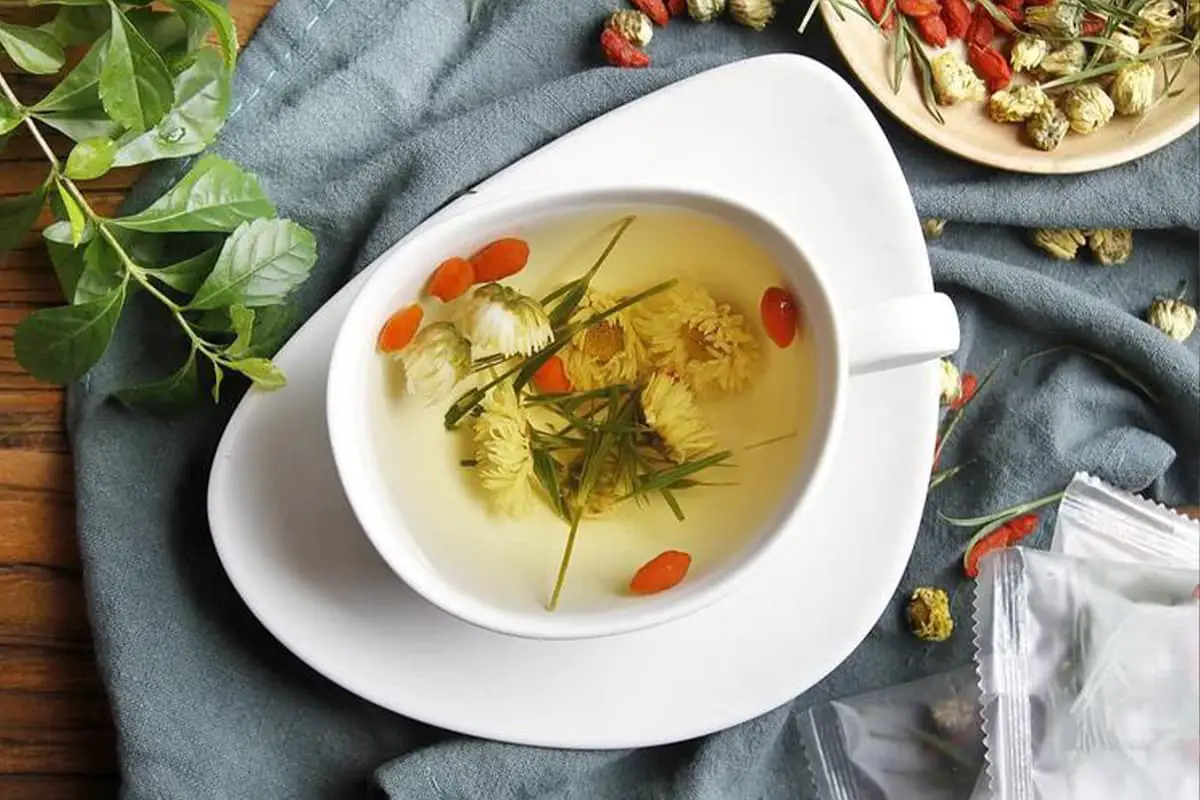
Can chrysanthemums and goji berries be steeped together? What are the benefits of drinking tea made from chrysanthemum and goji berries? It is indeed possible to steep goji berries and chrysanthemums together as they form a beneficial combination.
Together, they can help prevent and assist in the treatment of various eye diseases, and are also beneficial for conditions like diabetes, hypertension, and coronary heart disease.
Chrysanthemums and goji berries can be steeped together; chrysanthemums are known for their ability to brighten the eyes and reduce heat, while goji berries are beneficial for nourishing yin and replenishing the kidneys. A combination of the two creates a perfect blend. Both herbs are effective in relieving eye fatigue and blurred vision.
When combined, they provide a balance of clearing and replenishing, offering noticeable protection for the eyes. Chrysanthemums can expand the coronary blood flow, which can inhibit cholesterol in the liver.
Goji berries are often used to treat liver and kidney yang, yin deficiency, weak waist and knees, and blurred vision. These two herbs have no contraindications when used together and can complement each other for better results.
The benefits of drinking tea made with chrysanthemum and goji berries include:
- Liver cleansing and vision improvement: Both goji berries and chrysanthemums are well-known herbs with certain liver-cleansing and vision-improving effects. Some people also add a suitable amount of red dates to goji and chrysanthemum tea due to the blood-nourishing effects of red dates, which are particularly suitable for women with insufficient qi and blood.
- Lowering blood pressure and lipids: Both goji berries and chrysanthemums can reduce cholesterol and triglyceride levels in the blood, which has a certain dilating and blood pressure-lowering effect on blood vessels. Therefore, goji and chrysanthemum tea can have therapeutic effects on reducing blood lipids and blood pressure (it is not suitable for patients with high blood sugar to add rock sugar for flavor).
- Beauty and skin nourishment: The famous Ming Dynasty medical expert, Zhang Jingyue, used chrysanthemums to treat freckles, and modern medical research has also confirmed that goji berries can enhance the skin’s ability to absorb nutrients and have certain whitening effects. When used together with chrysanthemums, they can have beauty and skin nourishing effects.
How to steep chrysanthemums and goji berries:
- Steep 10g of goji berries and 3g of chrysanthemums together with boiling water, add a suitable amount of rock sugar for flavor (those with a hot body should not add rock sugar, otherwise it will weaken the cooling effect of the tea drink), and it can be consumed after 10 minutes.
- Steep 10 to 15 grams of goji berries and 6 to 8 chrysanthemums in boiling water. Ningxia goji berries are the best. Chrysanthemums can be Hangzhou white chrysanthemums and Huangshan chrysanthemums. Of course, the amount can be adjusted according to individual constitution. People with weaker constitutions can add more goji berries. For those who are prone to getting heaty, it is recommended to add more chrysanthemums.
Precautions for consuming goji berry and chrysanthemum tea:
- Patients with yang deficiency should use caution as consuming too much goji and chrysanthemum tea can lead to further yang deficiency.
- Those with a spleen-stomach deficiency or who are prone to diarrhea should not consume goji and chrysanthemum tea as it may exacerbate symptoms.
- As goji berries have a certain warming effect, it is not recommended for those with a cold, fever, or inflammation to consume goji and chrysanthemum tea.
- Overconsumption of goji berries can lead to dry body and nosebleeds, similar to the effects of excessive intake of ginseng. The same goes for tea, do not drink goji and chrysanthemum tea all day. Although no adverse reactions from drinking goji and chrysanthemum tea have been reported, those with a cold or inflammation should consume less goji berries as it may not be beneficial for recovery.


 English
  العربية
  Bahasa Indonesia
  Deutsch
  Français
  Italiano
  Nederlands
  Português
  Русский
  日本語
日本語