600+ Types of Flowers A To Z (With Names and Pictures)
Types Of Flowers By Names (A-Z) Types Of Flowers By Color Types Of Flowers By Season Types Of Flowers By Blooming Time 600+ Types of Flowers No. Flower Name No.…

The Helianthus annuus, is native to North America and has a strong adaptability to temperature, making it a crop that thrives both in warmth and cold. It is cultivated in countries worldwide.
The plant stands tall and robust, with a height between 70 to 85 centimeters and a flower diameter of 10 to 12 centimeters. When in full bloom, it boasts a brilliant yellow and cream color, sometimes even a combination of red and yellow.
The petals transition from a rice yellow to a brownish-red, with a black disc in the center. Compared to the standard golden sunflower, its hues have a unique charm.
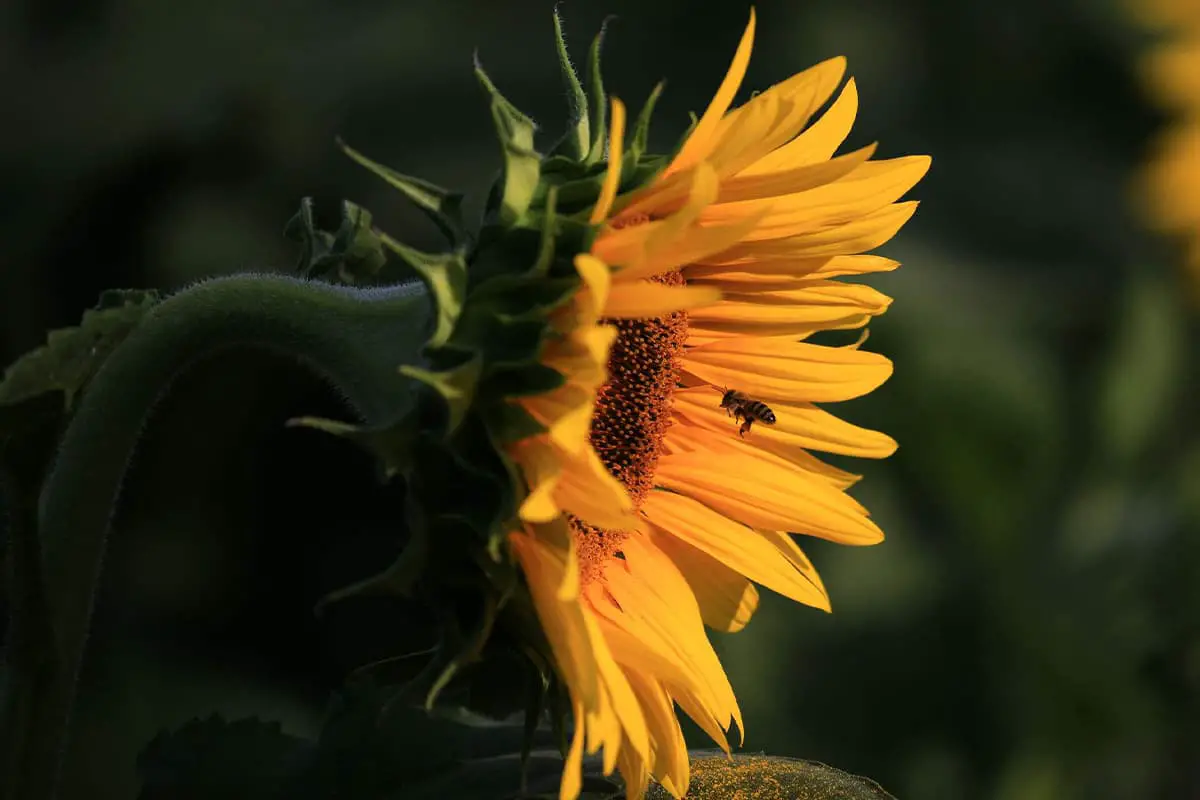
This annual plant grows tall, with a sturdy and erect stem that reaches 1 to 3 meters. The stem is covered in white, coarse fur and is either unbranched or sometimes branches at the top.
The leaves are opposite, heart-shaped or oval, with pointed or tapered tips. There are three basal veins, with coarsely serrated edges. Both surfaces are covered in short, rough hair, and there is a long petiole.
The head inflorescence is extremely large, with a diameter of about 10 to 30 centimeters. It grows singly at the end of the stem or branch, often drooping downwards.
Its features include: it is the main variety in Taiwan’s flower market and the most cultivated in this farm. It has a long flowering period, long vase life, and is pollen-free. It is also the most commonly used flower for graduation ceremonies.
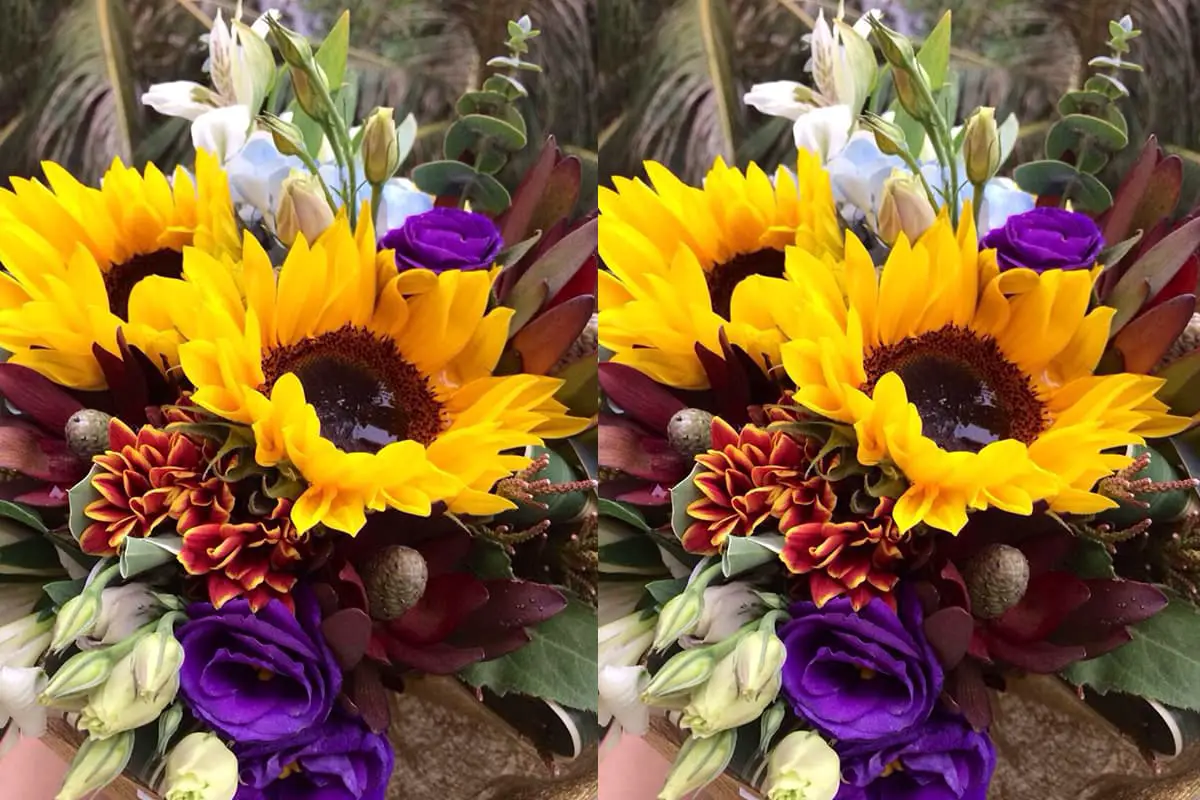
Native to North America, it is cultivated worldwide. While it originated in the tropics, it has a strong adaptability to temperature, making it a crop that thrives both in warmth and cold. Sunflower seeds are highly resistant to low temperatures.
When the soil temperature is stable and above 2 degrees Celsius, the seeds begin to sprout. At 4-5 degrees Celsius, the seeds can germinate and root. When the soil temperature reaches 8-10 degrees Celsius, it meets the needs of seed germination and seedling emergence.
The optimum temperature for germination is between 31-37 degrees Celsius, with the highest being 38-44 degrees Celsius.
As long as the temperature during the entire growth process is not below 10 degrees Celsius, the sunflower can grow normally. Within the suitable temperature range, the higher the temperature, the faster the development.
The optimal growing temperature is between 20-30℃, and it can withstand environments with high temperatures of up to 38℃. The plant prefers moist soil, does not tolerate flooding, and is a fibrous-root plant with shallow roots.
It is resistant to wind, so the cultivation area should be well-drained and loose, fertile soil is best. If it contains a large amount of organic matter, the plant will thrive with developed roots that are not prone to lodging.
During the growing period, it requires more fertilizer. It is best to apply organic fertilizer during the seedling stage, which not only increases the plant’s resistance but also promotes green food.
Before the appearance of the flower disc, nitrogen fertilizer should be emphasized, and after that, the application of phosphorus and potassium fertilizer should be focused on, so that the sunflower can grow strong and upright without lodging.
The cultivation site should be chosen to avoid the main wind channel to prevent the wind from knocking down the plants. Do not plant too densely.
For plants about 3 meters tall, the plant spacing should be more than 1.5 meters, and for plants less than 2 meters tall, about 1.0 meter is appropriate.
Sunflowers can be used to soothe the liver, expel wind, clear damp-heat, and relieve stagnant qi. The entire plant is medicinal, including its seeds, flower disc, stems, leaves, piths, roots, and flowers.
The seed oil can be used as a base for ointments, the stem pith as a diuretic and anti-inflammatory agent, and the leaves and petals as a bitter stomachic. The flower disc (receptacle) has a blood pressure-lowering effect.
Sunflower seeds are sweet and neutral in nature, beneficial to the large intestine, and have the effect of expelling parasites and stopping diarrhea. They contain over 50% fat, with linoleic acid accounting for 70%.
In addition, they also contain phospholipids and have a good lipid-lowering effect. They can prevent acute hyperlipidemia and chronic hypercholesterolemia in experimental animals.
The oil in sunflower seeds, especially the linoleic acid part, can inhibit the formation of experimental blood clots. Sunflower seeds and oil also have the effect of moisturizing the skin and hair.
However, roasted sunflower seeds are warm and dry in nature, and overconsumption can easily lead to symptoms of “fire” such as dry mouth, mouth sores, and toothache, so caution is advised.
Sunflowers have a strong resistance to metal pollutants. The accumulation at the roots, which can absorb harmful pollutants, is the main reason.
The large flower disc and golden petals go deep into the soil, and the roots can absorb pollutants into the stems of the sunflower, storing heavy metals inside, transferring heavy metals “from bottom to top,” and reducing the content of heavy metals in the soil.

Peggie was once a high school mathematics teacher, but she set aside her chalkboard and textbooks to follow her lifelong passion for flowers. After years of dedication and learning, she not only established a thriving flower shop but also founded this blog, “Flowers Library”. If you have any questions or wish to learn more about flowers, feel free to contact Peggie.
 English
  العربية
  Bahasa Indonesia
  Deutsch
  Français
  Italiano
  Nederlands
  Português
  Русский
  日本語
日本語