600+ Types of Flowers A To Z (With Names and Pictures)
Types Of Flowers By Names (A-Z) Types Of Flowers By Color Types Of Flowers By Season Types Of Flowers By Blooming Time 600+ Types of Flowers No. Flower Name No.…

The Nymphaea alba, also known as the European White Water Lily, is a species of water lily plant native to Europe.
It is a perennial herbaceous plant with nearly round, papery leaves that have a deep curve at the base, sharp lobes that are almost parallel or spreading, and a margin that is either entire or wavy.
Its stem is a creeping rhizome, and the length of the flower stalk is similar to that of the leaf stalk. The sepal is lanceolate and either falls off or rots after flowering, with 20 to 25 petals that are white, ovate-oblong, and slightly longer than the sepals.
The receptacle is cylindrical; the fruit is a berry, flat to hemispherical, and 2.5 to 3 cm long. The seeds are elliptical and about 2 to 3 cm long. It grows in ponds, with a blooming period from June to August and a fruiting period from August to October.
The water lily’s rhizome is rich in starch and can be used for food or brewing. The entire plant is suitable as a green manure, and its rhizome can be used for food or medicine.
It is used as a tonic and astringent, and can help treat nephritis. The water lily is a beautiful ornamental plant with both beautiful flowers and leaves.
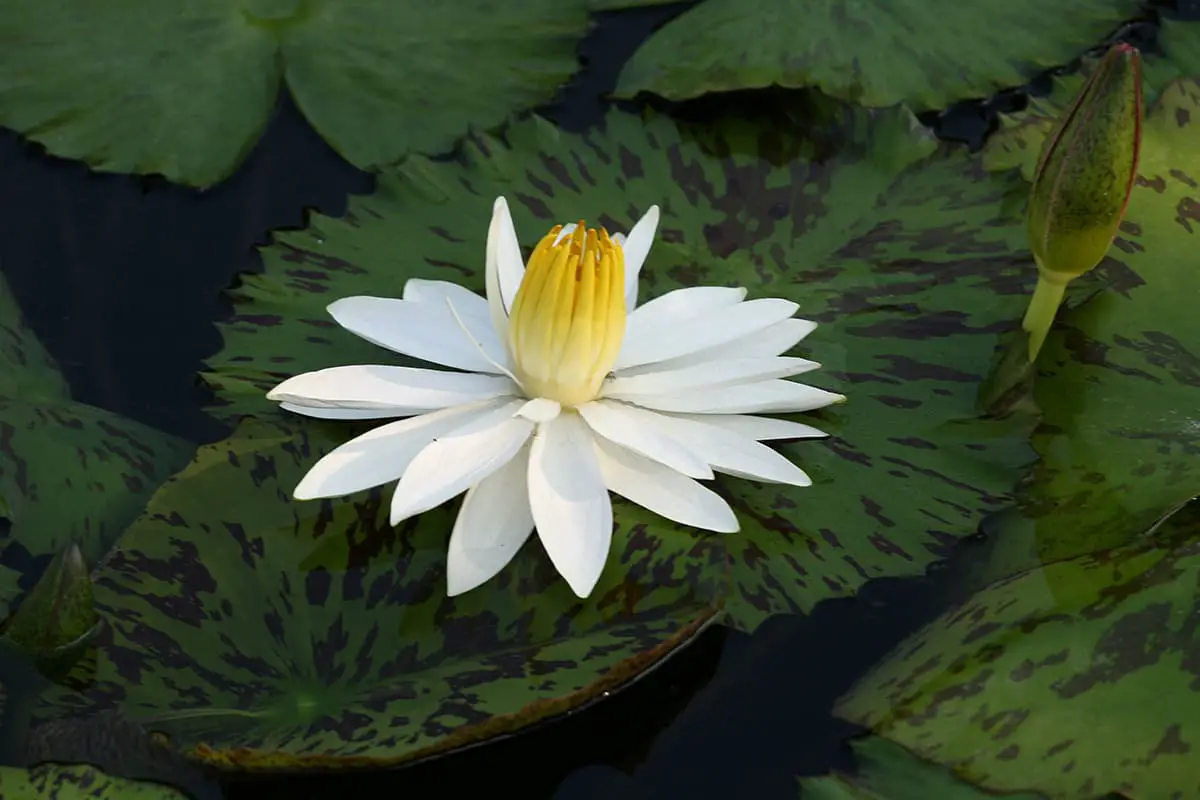
The White Water Lily is a perennial aquatic herbaceous plant; its rhizome is creeping; the leaves are papery, nearly round, with a diameter of 10-25 cm, with a deep curve at the base, sharp lobes, almost parallel or spreading, entire or wavy, hairless on both sides, with small dots; the leaf stalk can reach 50 cm in length.
The flower is 10-20 cm in diameter, fragrant; the flower stalk is slightly the same length as the leaf stalk; the sepal is lanceolate, 3-5 cm long, falls off or rots after flowering; there are 20-25 petals, white, ovate-oblong, 3-5.5 cm long, slightly longer than the sepals; the receptacle is cylindrical; the anther does not elongate at the tip, the pollen grains are wrinkled and have papillae; the column head has 14-20 radiating lines, flat.
The berry is flat to hemispherical, 2.5-3 cm long; the seeds are elliptical, 2-3 cm long. The flowering period is from June to August, and the fruiting period is from August to October.
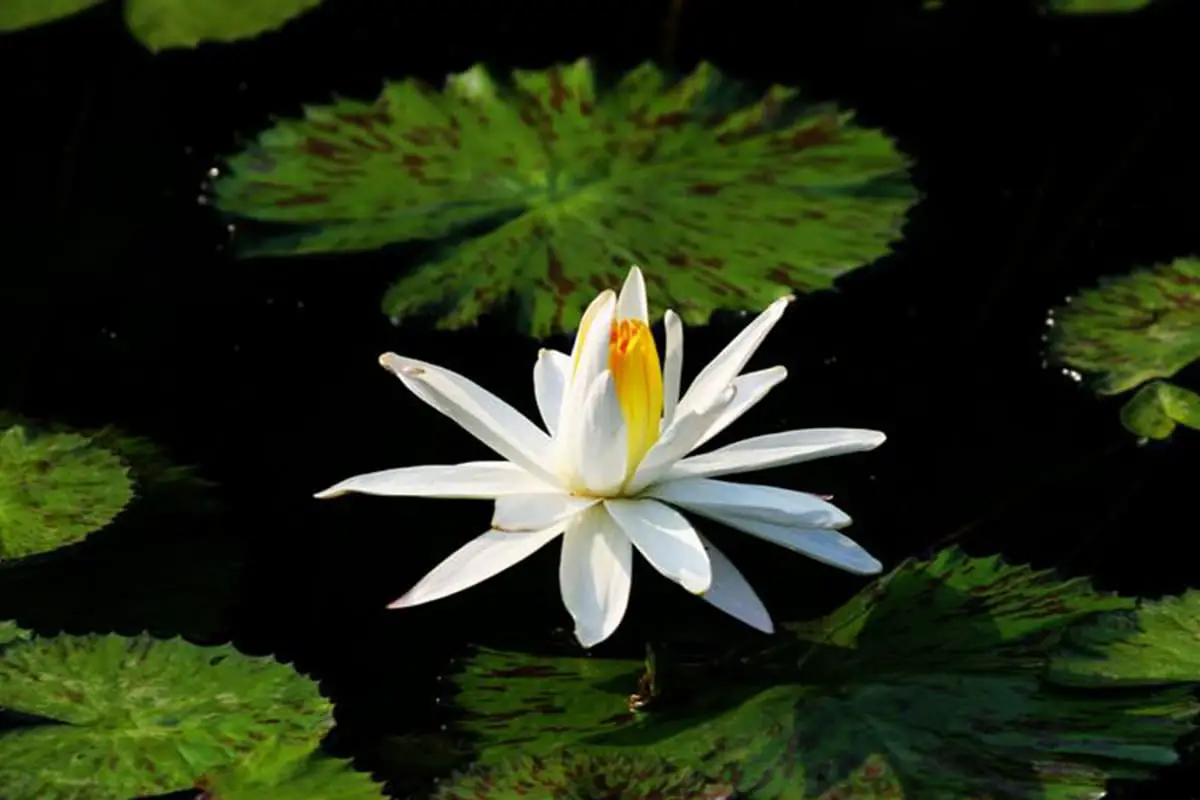
Water lilies thrive in bright light and well-ventilated areas. They can bloom in ponds near the shore with tree sprouts, but their growth is weaker. They do not have strict soil requirements, but grow normally in soils with pH levels between 6-8, preferably rich in organic matter.
During the growing season, the depth of the pond water should not exceed 80 cm. From March to April, they sprout and grow leaves, and from May to August, they bloom consecutively.
Each flower blooms for 2-5 days, opening during the day and closing at night. After blooming, they bear fruit. From October to November, the stems and leaves wilt. They sprout again in the spring of the following year.
In the Yangtze River basin, they sprout from late March to early April, bud from late April to early May, blossom from June to August, turn yellow from October to November, and enter dormancy after November. They are commonly cultivated in ponds and lakes, including those in parks.
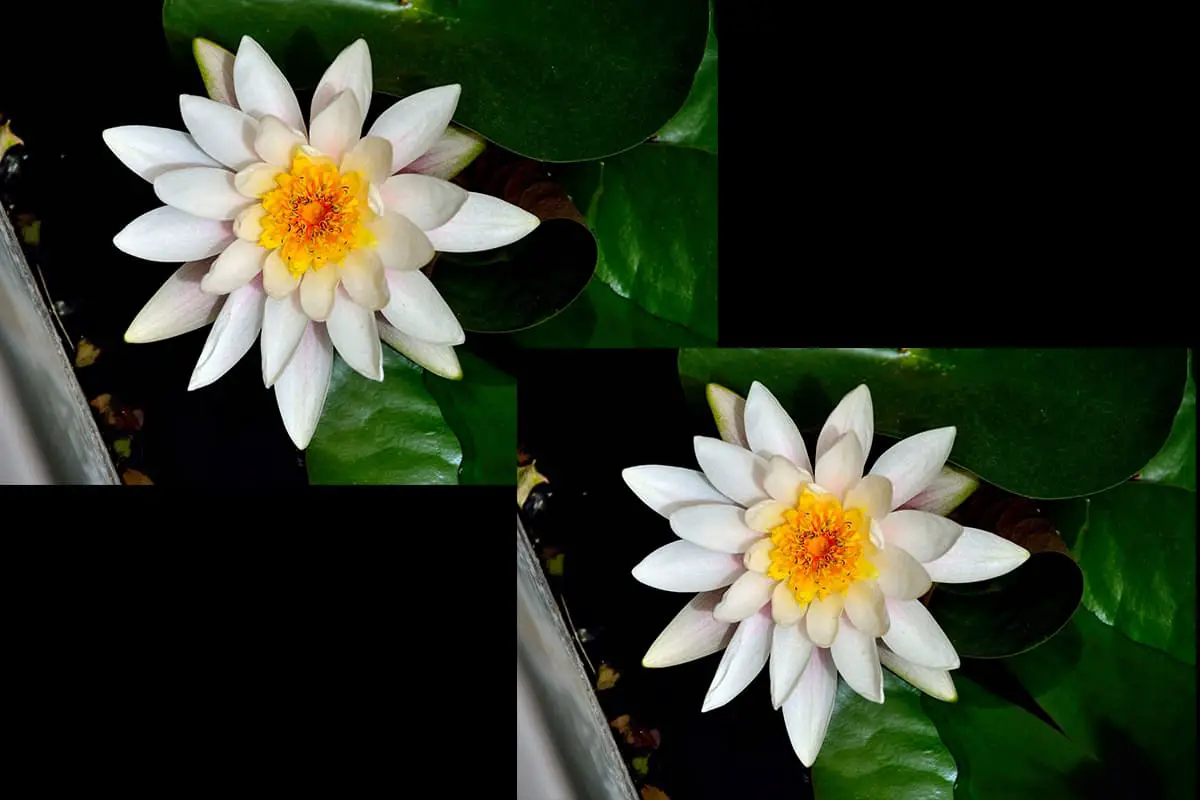
Water lilies have been used in gardens since the Han Dynasty in China, over 2000 years ago. In the 16th century, Italy used them as a main component of water landscapes.
Since water lily roots can absorb toxic substances such as mercury, lead, and phenol from the water, and filter out microbes, they are valuable plants for purifying water bodies. They are highly regarded in urban water purification, greening, and beautification projects.
Water lilies are beautiful ornamental plants with both attractive flowers and leaves. Ancient Greece and Rome initially worshipped them as offerings to goddesses. In the 16th century, Italian parks often used them to decorate fountains or accentuate hall vistas.
Today, they are commonly used for water landscape themes in European and American gardens. In China, they were used in private gardens during the Han Dynasty, such as the five-colored water lily pond in the garden of Marquis Bo Luohuoguang.
Ancient Egypt cultivated water lilies over 2000 years ago, viewing them as a symbol of the sun and considering them sacred flowers.
The rhizomes of water lilies are rich in starch and can be eaten or used to brew alcohol. The whole plant is suitable for green manure, and its rhizomes can be eaten or used medicinally. The rhizomes can also be used as tonics and astringents, and can be used to treat nephritis.
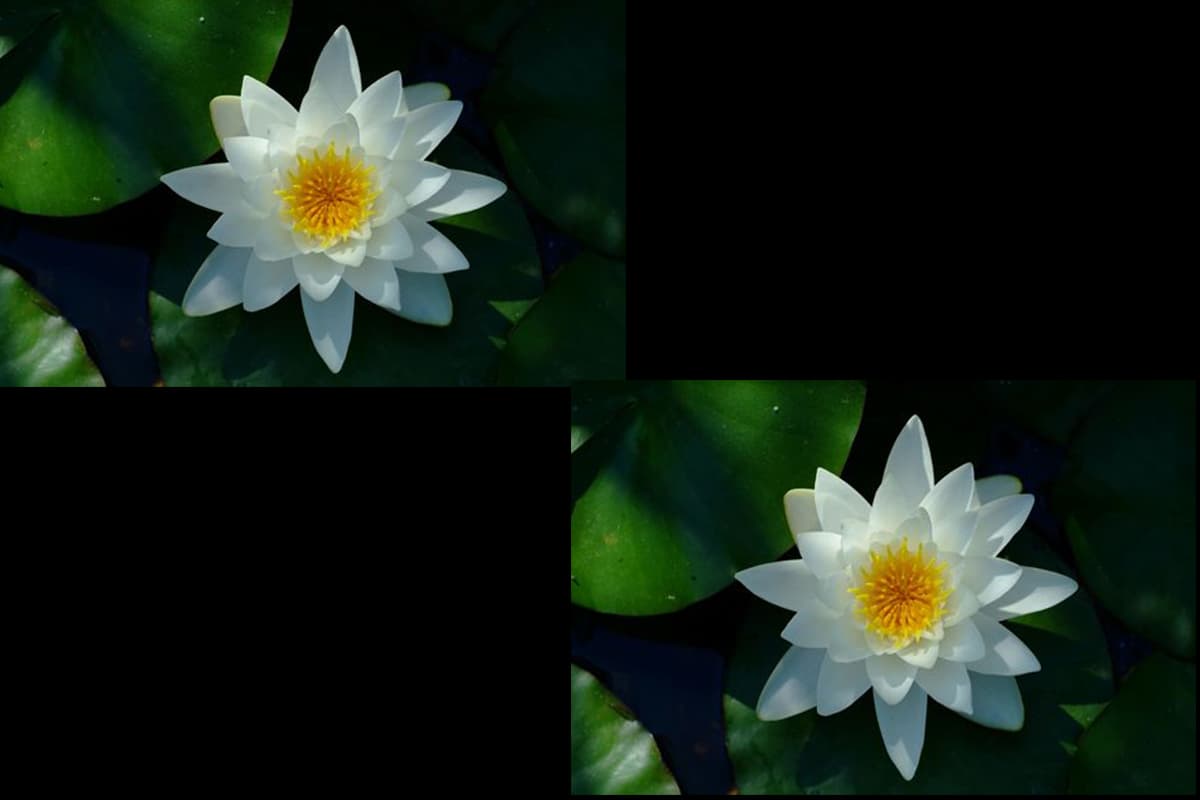
The main propagation method for water lilies is division. In the spring, between March and April, when the buds just begin to sprout, the rhizomes are dug up and divided into several pieces with a sharp knife.
The rhizomes should have at least two substantial buds, and are planted in the river mud in the pond or barrel.
For seed propagation, black, oval, full seeds are sealed in clear water for storage until they are sown in the spring of the next year. They are soaked in water between 25 and 30 degrees Celsius to germinate, with the water changed daily.
After two weeks, they will germinate. When the seedlings grow to 3-4 cm, they can be planted in the pond, ensuring sufficient water depth.

Peggie was once a high school mathematics teacher, but she set aside her chalkboard and textbooks to follow her lifelong passion for flowers. After years of dedication and learning, she not only established a thriving flower shop but also founded this blog, “Flowers Library”. If you have any questions or wish to learn more about flowers, feel free to contact Peggie.
 English
 العربية
 Bahasa Indonesia
 Deutsch
 Français
 Italiano
 Nederlands
 Português
 Русский
 日本語