The Iris germanica is a perennial herb. It has a robust and thick rhizome, often branching, flattened and round, slanting, with ring patterns, and is yellow-brown in color. Its fibrous roots are fleshy and yellowish-white.
The leaves stand erect or are slightly curved, light green, gray-green, or dark green, often covered with white powder, and are sword-shaped. The flower stem is smooth, yellow-green, 60-100 cm tall, with 1-3 side branches in the upper part, and 1-3 stem leaves in the middle and lower parts.
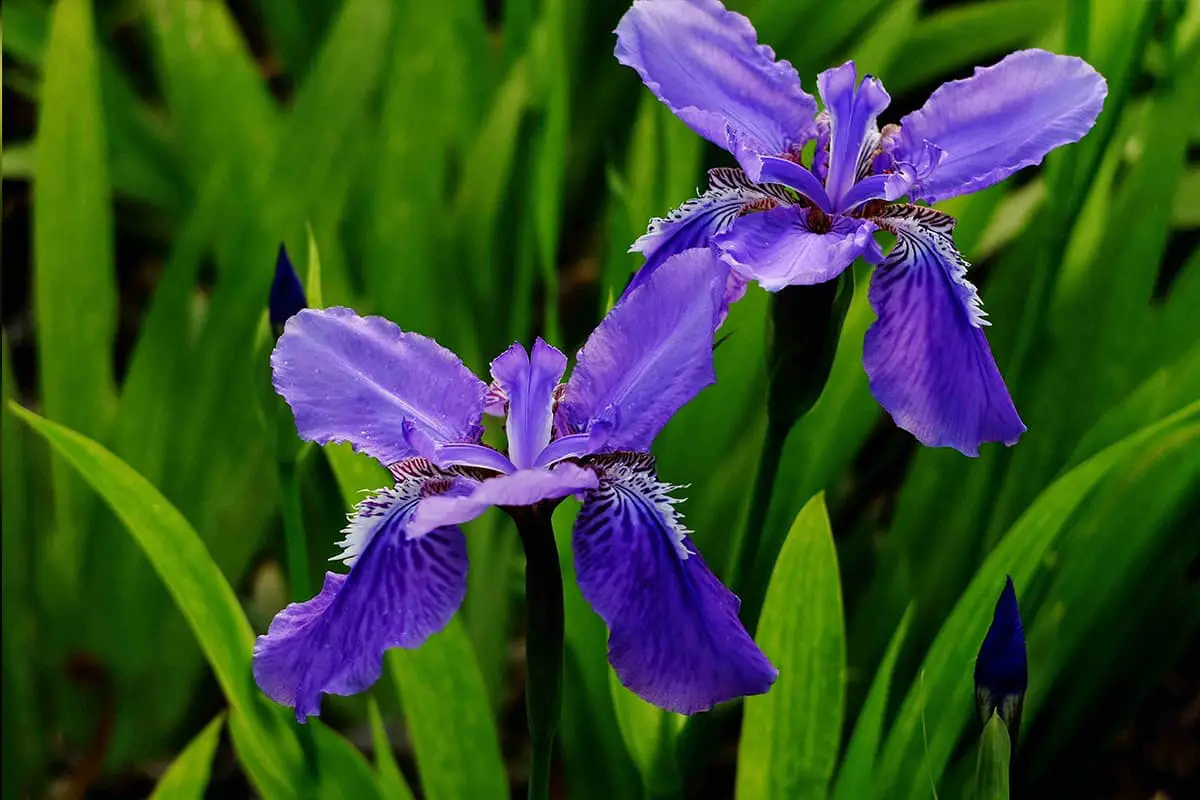
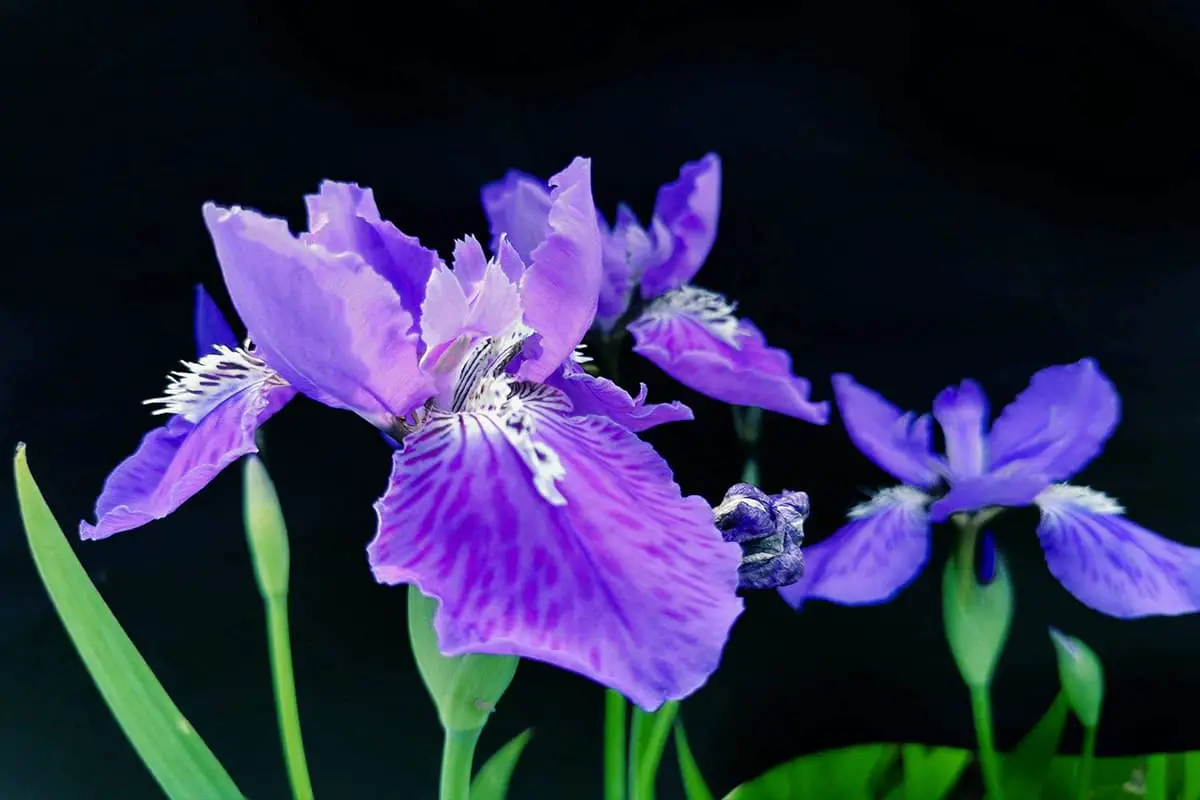
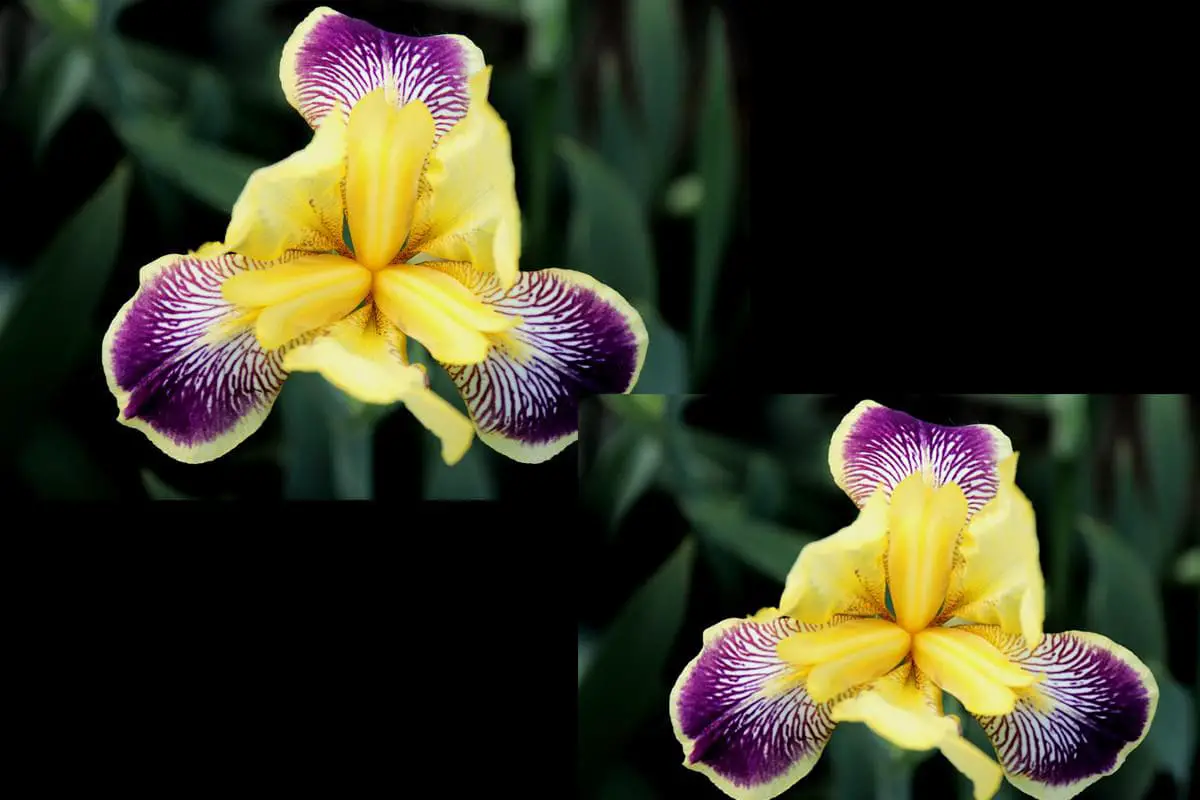
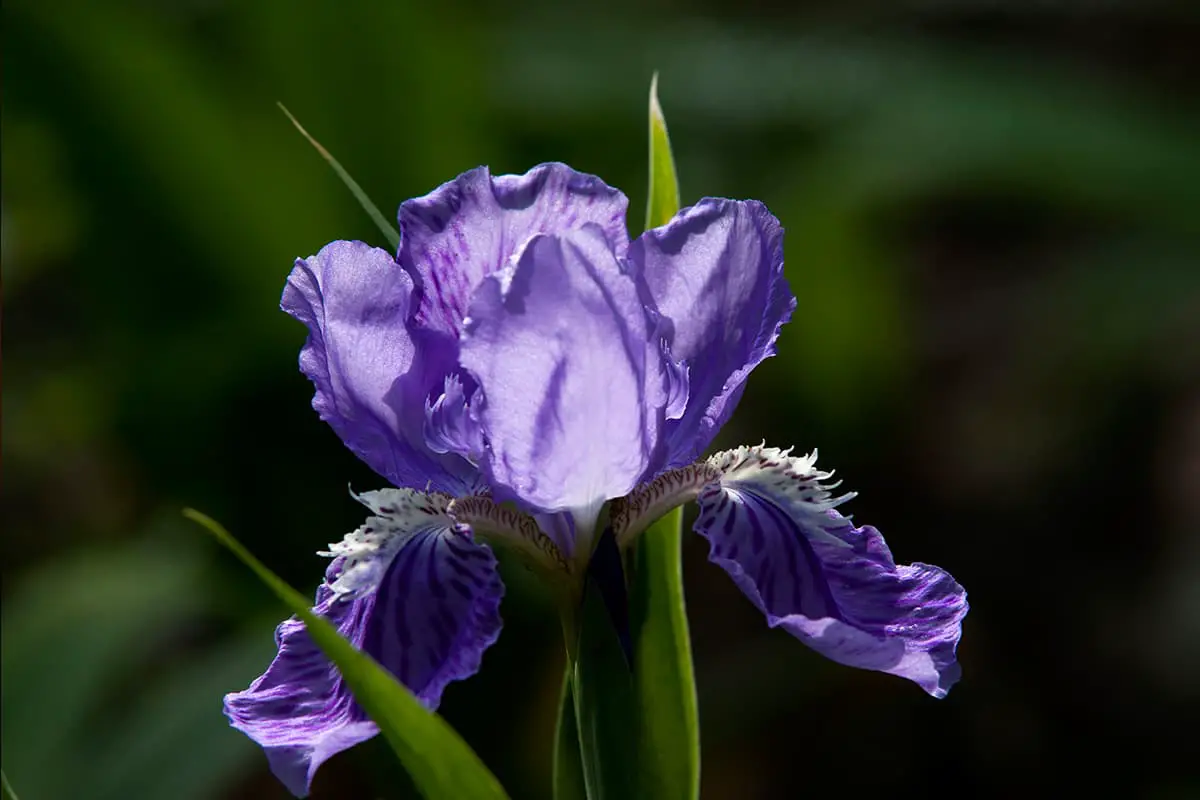
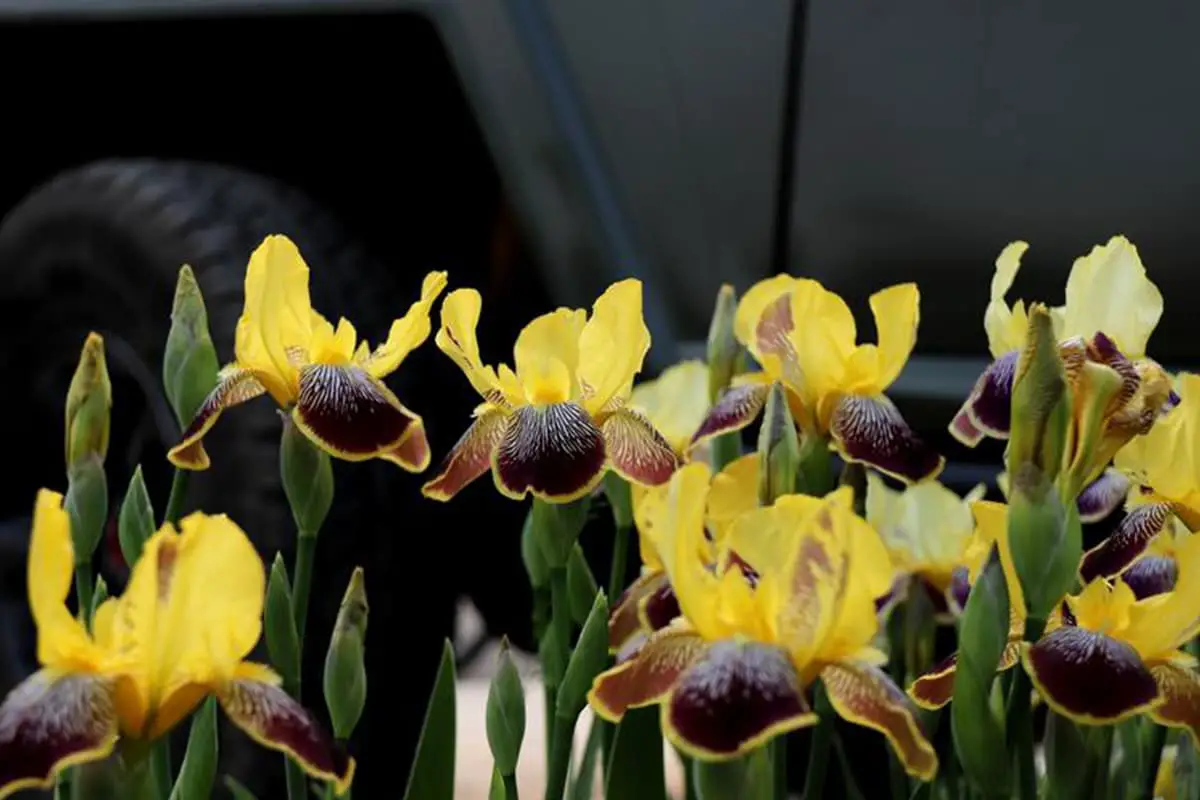
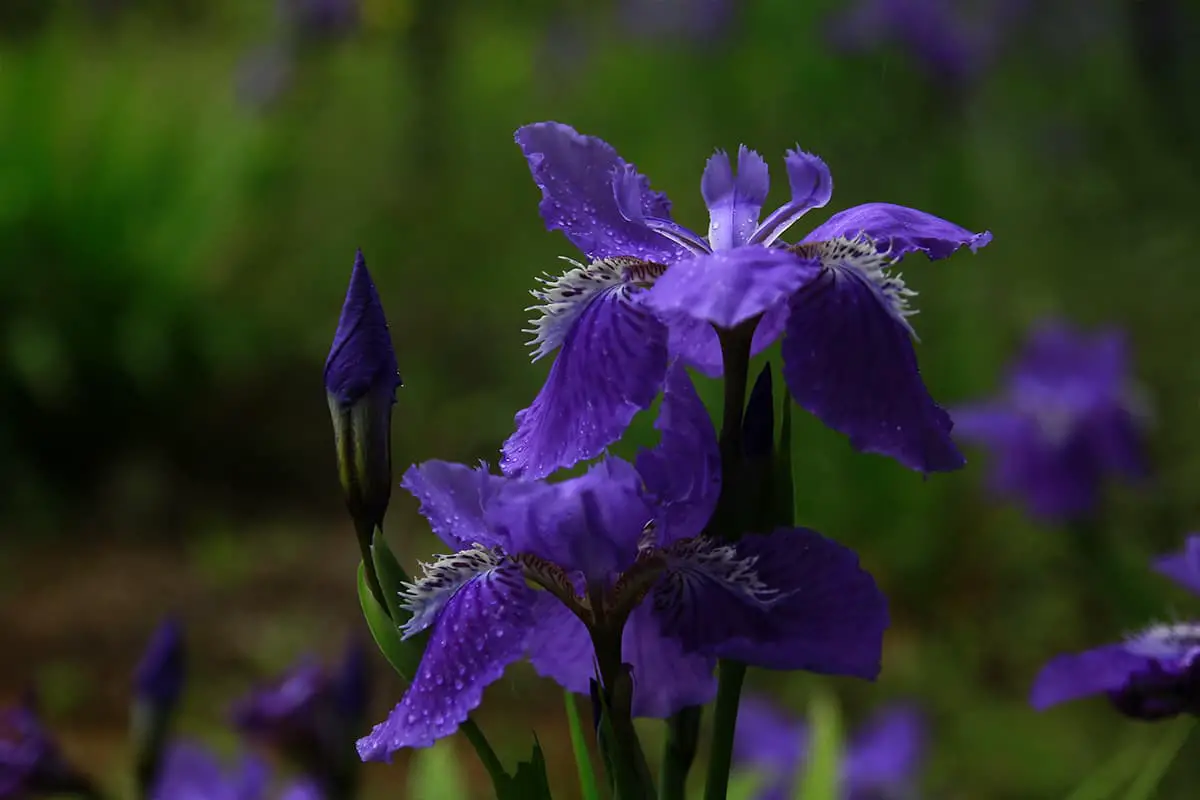
There are 3 bracts, each containing 1-2 flowers. The flowers are large, colorful, with a diameter of up to 12 cm. The color of the flowers varies according to the cultivated variety, mainly light purple, blue-purple, dark purple, or white, and they are fragrant.
The perianth tube is trumpet-shaped, about 2 cm long. The outer perianth segments are elliptical or ovate, drooping at the top, and clawed at the base. The inner perianth segments are ovate or round, about 5 cm long and wide, erect, arching in at the top, with a wide midrib and a protruding exterior.
The seed pod is three-angled cylindrical, blunt at the top, and splits into three sections from the top when mature. The seeds are pear-shaped, yellow-brown, with wrinkles on the surface, and have a yellowish-white appendage at the top.
The flowering period is April to May, and the fruiting period is June to August.
I. Morphological Characteristics
The German Iris is a perennial herbaceous plant. Its rhizome is robust and thick, often branching, flattened and round, slanting, with ring patterns, and is yellow-brown in color. Its fibrous roots are fleshy and yellowish-white.
The leaves stand erect or are slightly curved, light green, gray-green, or dark green, often covered with white powder, and are sword-shaped. They are 20-50 cm long, 2-4 cm wide, gradually tapering at the top, sheathing at the base, often reddish-brown, and without a distinct midrib.
The flower stem is smooth, yellow-green, 60-100 cm tall, with 1-3 side branches in the upper part, and 1-3 stem leaves in the middle and lower parts.
The 3 bracts are grassy, green, membranous at the edges, sometimes slightly purplish-red, ovate or broad-ovate, 2-5 cm long, 2-3 cm wide, each containing 1-2 flowers. The flowers are large, colorful, with a diameter of up to 12 cm.
The color of the flowers varies according to the cultivated variety, mainly light purple, blue-purple, dark purple, or white, and they are fragrant. The perianth tube is trumpet-shaped, about 2 cm long.
The outer perianth segments are elliptical or ovate, 6-7.5 cm long, 4-4.5 cm wide, and drooping at the top. The inner perianth segments are ovate or round, about 5 cm long and wide, erect, arching in at the top, with a wide midrib and a protruding exterior.
The stamens are 2.5-2.8 cm long, with milky white anthers. The pistil branches are light blue, blue-purple, or white, about 5 cm long, about 1.8 cm wide, with wide triangular or semicircular top segments, serrated, and the ovary is spindle-shaped, about 3 cm long, with a diameter of about 5 mm.
The seed pod is three-angled cylindrical, 4-5 cm long, blunt at the top, and splits into three sections from the top when mature. The seeds are pear-shaped, yellow-brown, with wrinkles on the surface, and have a yellowish-white appendage at the top.
The flowering period is April to May, and the fruiting period is June to August.
II. Growth Environment
The German Iris is native to Europe. It is commonly cultivated in gardens throughout China. There are many varieties of this famous flower.
III. Growth and Propagation
The German Iris rarely produces seeds. Besides the propagation techniques used in hybrid breeding research, the industry mainly uses division of rhizomes and tissue culture methods.
Rhizome Division
The best time to divide is within 1-2 weeks after spring bloom or in early autumn. Before division, remove spent flowers, and trim back the foliage to 1/2 to 2/3 to reduce water loss in the new divisions.
Each new rhizome piece should retain one group of buds with vigorous new roots below it. Remove old residual roots at the stem end, and trim the above-ground fan-shaped leaves into an inverted V shape, retaining 1/3 to 1/2 to facilitate new root growth.
For thick-stemmed varieties, dip the cut surface in wood ash or sulfur powder, let it dry slightly before planting to prevent bacterial infection.
Due to the significant differences in climate conditions in different regions, the division season and timing should be based on the growth and development rules of the iris.
Especially within 2-3 weeks after the plant division and before rooting, control watering and avoid the rainy season to prevent bacterial infection through wounds created during division, which can cause root rot. In the first 2-3 years, the new divisions grow vigorously and bloom more.
Tissue Culture
In early spring, move the field-grown plants with soil to pots and cultivate them in a greenhouse, avoiding watering from the top (to prevent material contamination).
When the flower stalks are about 15-20 cm long and the buds have not yet opened, cut the buds with a part of the flower stalk as an explant. Place the material in a beaker, add a few drops of detergent, rinse with water, and repeat once.
Rinse with tap water until there are basically no bubbles. Then, under a clean bench, soak the material in 70% alcohol for 15-30 seconds. After pouring out the alcohol, place the material in a sterile cup and disinfect with 0.1% mercury for 5 minutes, then rinse with sterile water 5 times.
Place the clean explants on a 1/2MS+BA 1.0+NAA 1.0+CH 500mg/L (hydrolyzed casein)+sugar 3g/L+agar 0.7g/L medium to induce bud differentiation; put them on MS+BA2.0+N 0.5+PP333 0.5+sugar 3g/L+agar 0.7g/L medium for proliferation; and place them on 1/2MS+IBA 1.0+sugar 3g/L+agar 0.65g/L medium to induce rooting.
The tissue-cultured seedlings should be removed from the bottle in spring or after the beginning of autumn. When the roots of the tissue-cultured seedlings grow to 2cm, they can be removed from the bottle, but they should be hardened off for one week before.
The cultivation substrate is a mix of peat soil, garden soil, and sand in equal proportions, and soil sterilization should be performed. After growing for a complete growth cycle, the tissue-cultured seedlings can bloom in early spring of the second year.


 English
  العربية
  Bahasa Indonesia
  Deutsch
  Français
  Italiano
  Nederlands
  Português
  Русский
  日本語
日本語