The gardenia, with its pure white blossoms, abundant fragrance, evergreen leaves, dense foliage, and diverse leaf shapes, holds considerable aesthetic appeal and has always been beloved. But what variety of gardenia is the most attractive?
I have compiled a list of the top ten most beautiful gardenia varieties for you, including the Large-flowered Gardenia, Sea Gardenia, Flower Leaf Gardenia, Small Leaf Gardenia, Sparrow Tongue Gardenia, Mountain Yellow Gardenia, and Narrow Leaf Gardenia, among others.
Let’s explore these together.
1. Large-flowered Gardenia
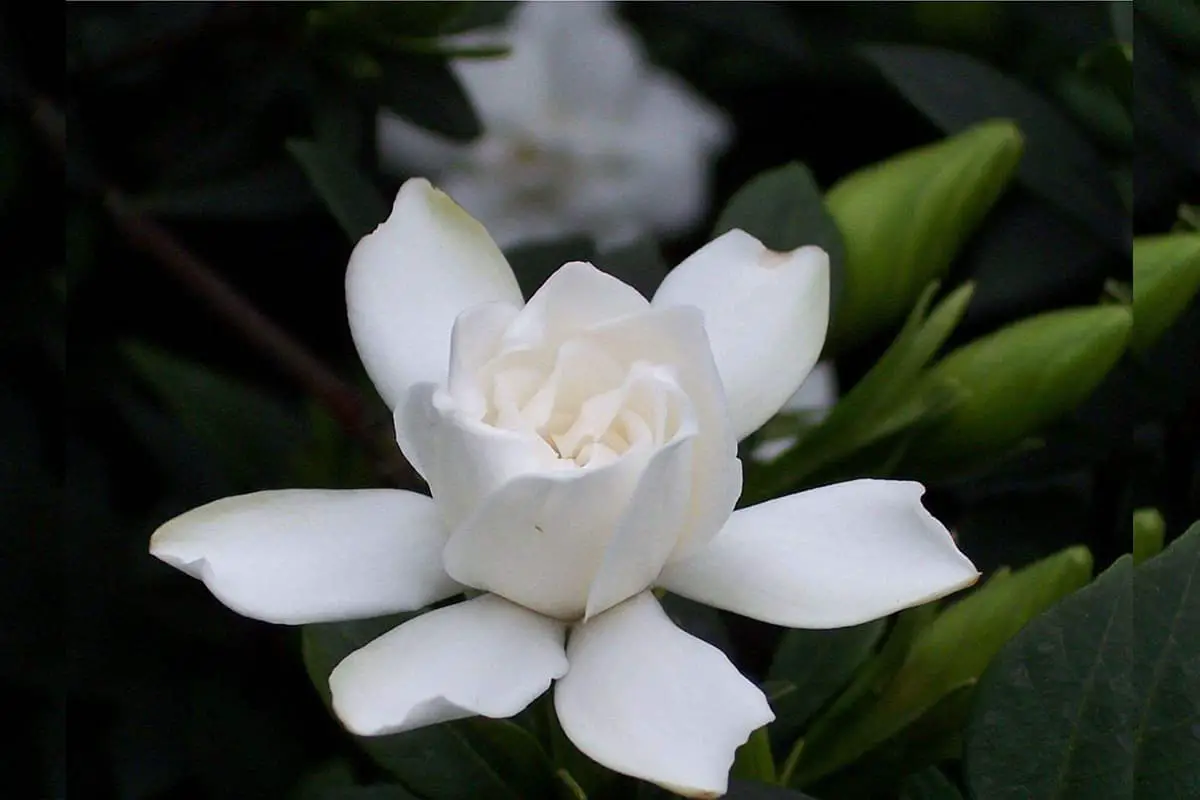
The Large-flowered Gardenia, also known as the Large Leaf or Peony Gardenia, is a must-have recommendation for beautiful and fragrant gardenias. Its large, oval-shaped leaves and enormous, heavily scented flowers make it very appealing. The plant grows tall, ideal for cultivation as an ornamental plant, or for extracting fragrance or making tea.
Its blossoms can be used as a tea fragrance, and its fruits have anti-inflammatory and heat-clearing effects. It mainly blooms in May and June, but with proper care, it can re-bloom between September and October. The optimal growing temperature is between 15 and 35 degrees Celsius, and each bloom can last for about five to six days, with a full flowering period of around a month.
2. Sea Gardenia
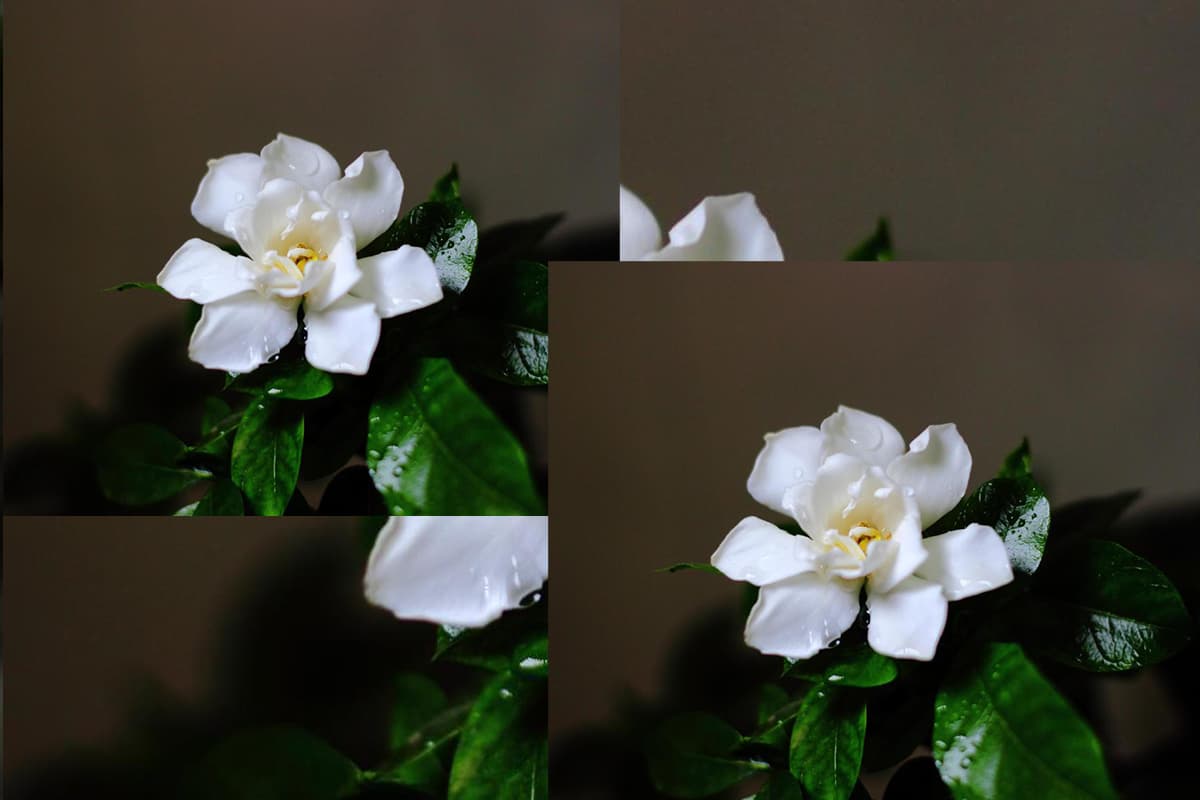
In my opinion, the most beautiful gardenia is the Sea Gardenia, also known as the Four Seasons Gardenia. This variety is a dwarf shrub, with branches often growing horizontally. Its leaves are narrower and smaller than the typical gardenia, and are lanceolate or ovate, narrowing at the base.
Under normal management, it can bloom throughout the year, offering fragrant flowers that are pure and jade-like in color, especially charming when set against its green leaves. The Sea Gardenia is an important plant for indoor pot decoration and a crucial aromatic plant for landscape gardening.
3. Flower Leaf Gardenia
Also known as the Variegated Leaf Gardenia, the Flower Leaf Gardenia is one of the most fragrant gardenia varieties. Its biggest difference from other gardenia varieties lies in its leaves, which bear unique patterns.
Unlike the typical green leaves of other gardenia types, its leaves look like flowers of intermingling yellow and green from afar. It brings together the best of both worlds: beauty in both flowers and leaves, and a pleasant scent. When used in landscape gardening, it can be planted alone, in clusters, or in mass, shaped into a spherical plant or a hedge, and can also be grown in pots for decoration.
4. Small Leaf Gardenia
The Small Leaf Gardenia is a promising choice when considering gardenia varieties. Its flowers and leaves stay evergreen throughout the year, with an elegant fragrance. Its green leaves and white flowers are especially fresh and charming. The Small Leaf Gardenia is quite a prolific bloomer, thriving at temperatures between 15 and 25 degrees Celsius.
With sufficient sunlight, it can bloom throughout the year. In many places in the south, it is effortless to grow gardenias due to the ideal light, temperature, and humidity conditions, growing easily into two to three-meter tall gardenia trees. The blossoms fill the house with fragrance and appear fairy-like in their beauty. It also has a higher survival rate than the Large Leaf Gardenia.
5. Sparrow Tongue Gardenia
Also known as the Water Gardenia, the Sparrow Tongue Gardenia is a vital variety in the world of gardenias. This variety can grow up to 2 meters tall, with light yellow roots, multiple branches, a smooth plant body, and soft hairs on the branch tips.
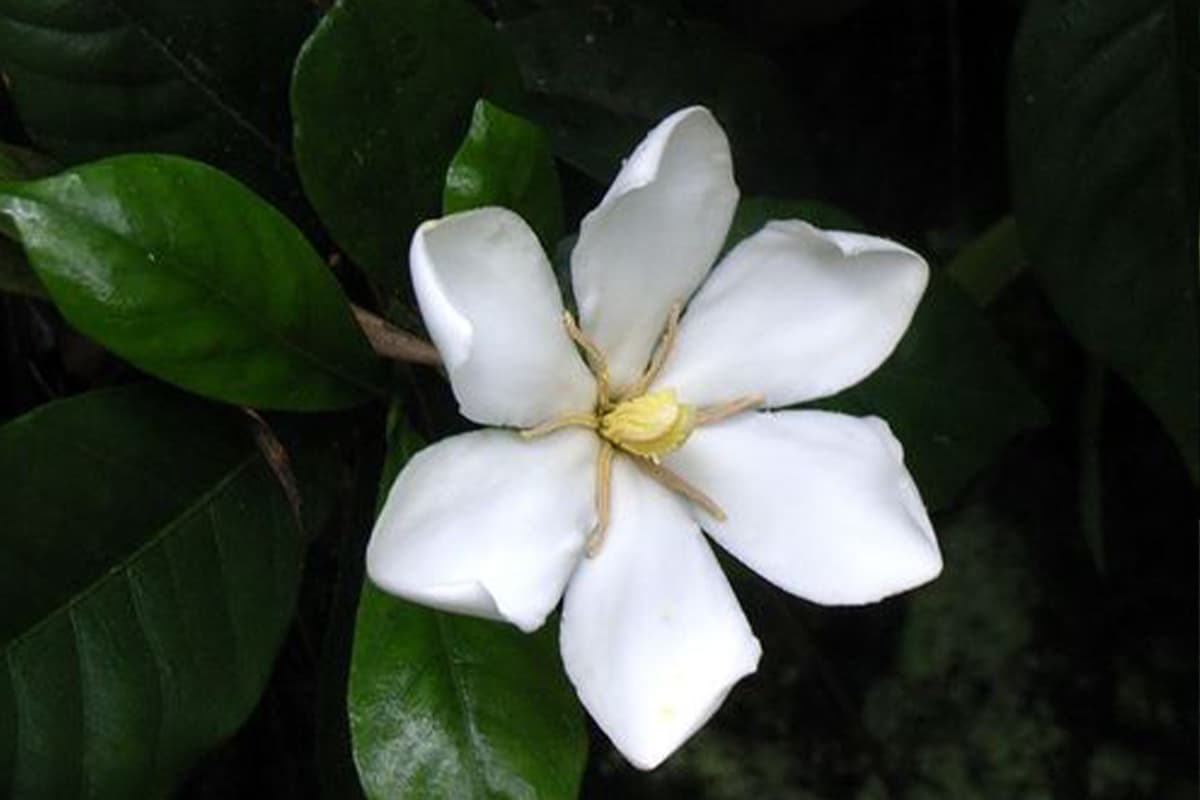
The flowers it produces are quite large, but with fewer petals, usually just five to six, which significantly distinguishes it from other varieties. It serves as a good source of natural pigments, providing heat-clearing, blood-cooling, sedative, pain-relieving, and dampness-dispersing effects. It has a wide range of uses, can serve as a hedge in gardens, and blooms all year round.
6. Mountain Yellow Gardenia
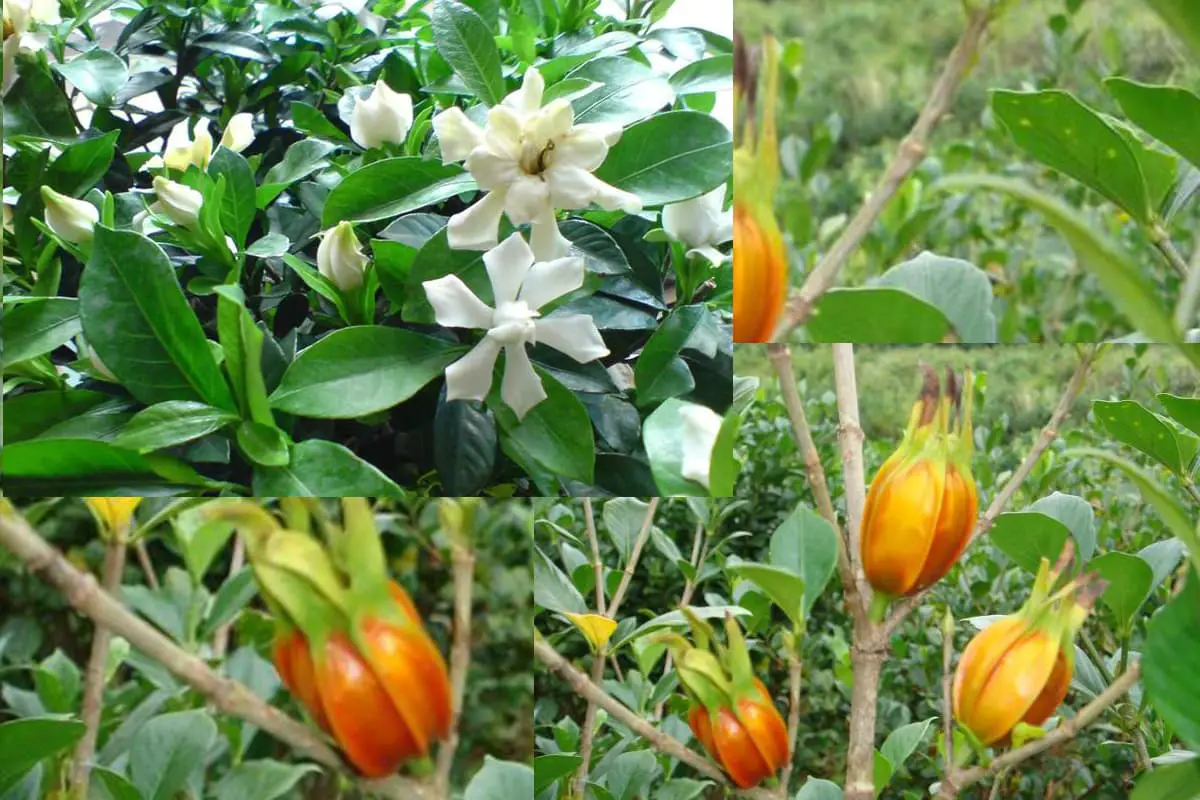
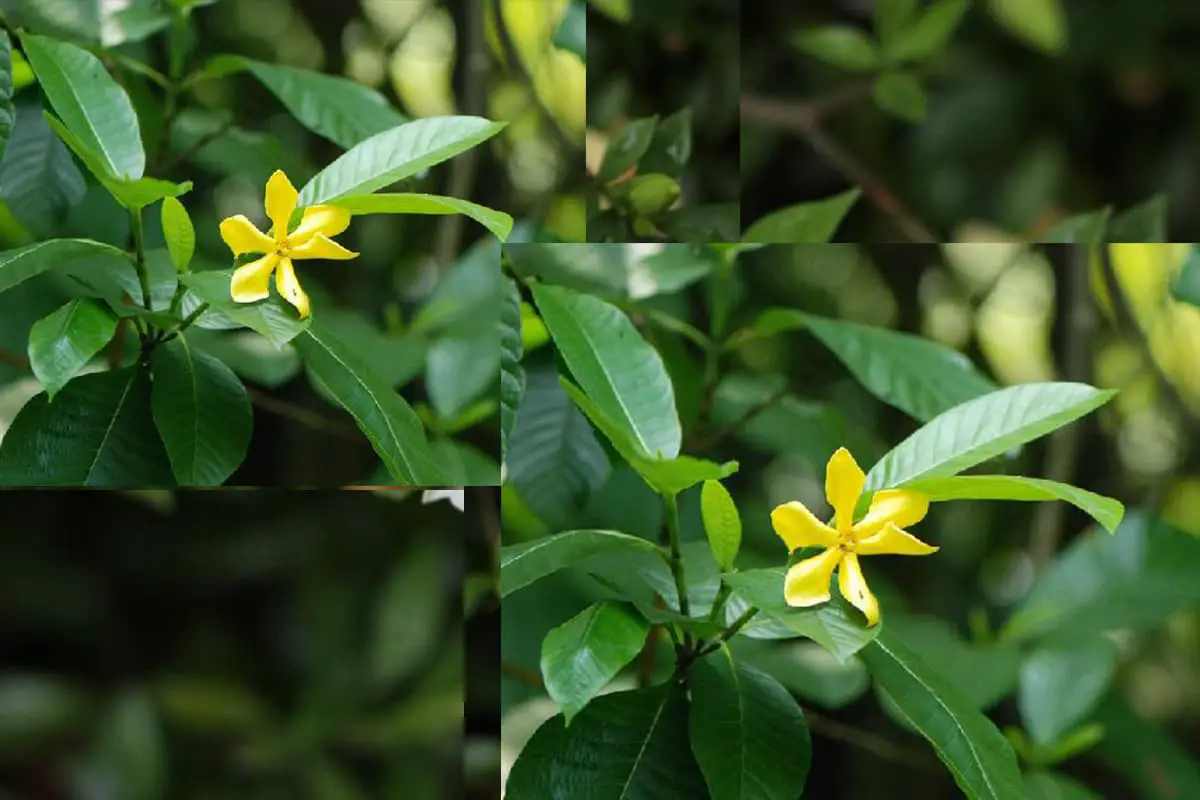
Also known as Mountain Gardenia and Yellow Gardenia, the Mountain Yellow Gardenia is a wild variety of gardenia with smaller leaves compared to the Big-leaf Gardenia. Its flowers consist of six single petals, emitting a refreshing fragrance. Once dried, they can be used as aromatic ingredients for flower tea, making this variety well-liked in horticulture.
As the flowers wilt, they gradually turn a milky yellow, making it one of China’s typical fragrant plants. Come autumn, it bears orange fruit. This robust variety is a beautiful ornamental plant often found in parks, gardens, and campuses. It is suitable for pot planting, bonsai, hedging, and open-air cultivation in gardens.
7. Narrow-Leaf Gardenia
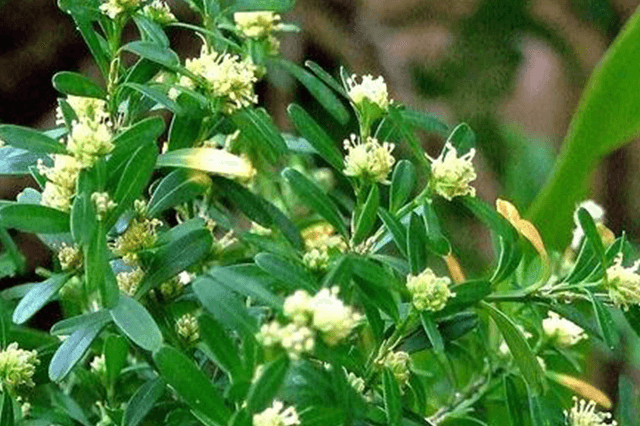
The Narrow-Leaf Gardenia, a Rubiaceae shrub, has thin, leather-like leaves that are narrow lanceolate or linear-lanceolate. Their tips are gradually pointed but often blunt, and the base often extends downward. Its flowers, which bloom singly, are fragrant with a white corolla shaped like a high-footed dish.
The corolla tube has 5 to 8 sections, with ovate to elliptic petals that reflex outward when in full bloom. Its fruit is cylindrical, with vertical ridges that are sometimes indistinct, maturing to a yellow or orange-red color. The enlarged persistent sepals are located at the top.
The fruit and root are used for medicinal purposes, with cooling, heat-purging, and detoxifying properties. Its elegant shape and beautiful flowers make it ideal for bonsai planting.
8. White Toad Lily
Originating from China and Japan, the White Toad Lily is cultivated in provinces south of central China and is commonly seen in larger cities. In Northeastern, Northern, and Northwestern China, it is only grown as an indoor potted plant.
The White Toad Lily prefers loosely fertile, well-draining, slightly sticky, acidic soil, making it a typical acidic plant. Its young branches are often short-haired, with leaves growing in pairs, and occasionally in whorls of three. Its leaf shape varies, usually being lanceolate to elliptical.
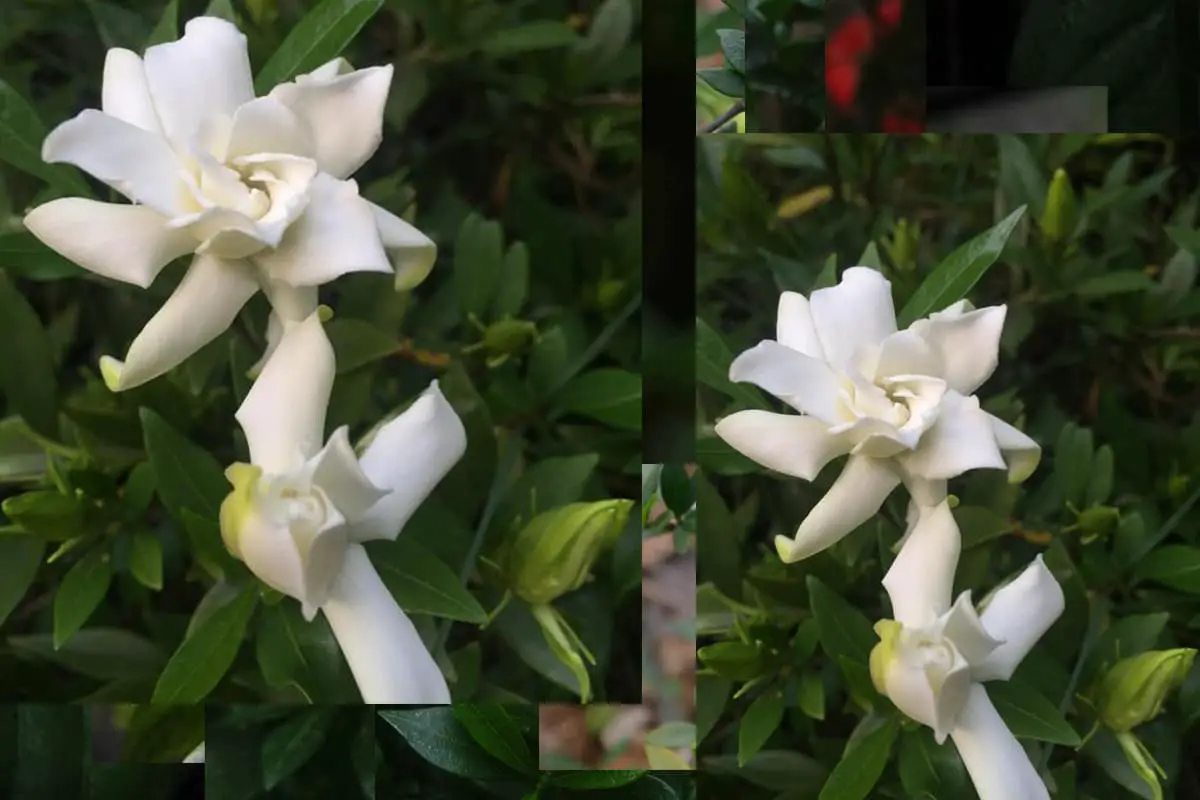
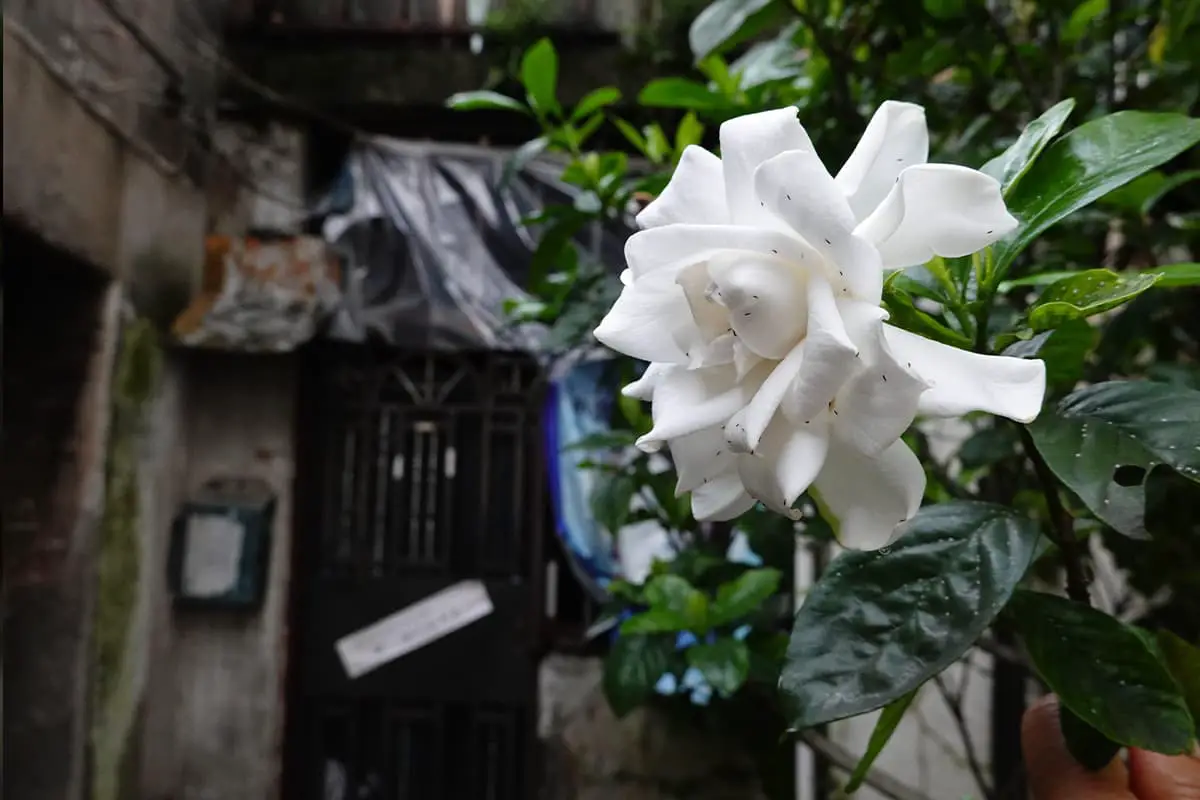
The flowers are fragrant, usually blooming singly at the branch tip, with a white or milky yellow corolla. The flowering period is from March to July, with the fruiting period from May to February of the following year. This variety, known for its large, beautiful, double-petaled flowers, is often cultivated for ornamental purposes.
9. Large Yellow Gardenia
The Large Yellow Gardenia is found in Thailand, Laos, and Yunnan, China, growing on slopes, near villages, or in riverside forests at altitudes of 700-1600 meters. This variety is characterized by dense foliage and white, fragrant flowers that can be used for scenting tea and extracting edible essences.
The fruit is drum-shaped with ridges, maturing into a yellow or slightly red color. It is an indispensable herb in human and animal diseases and a quality source for extracting edible yellow and blue pigments. Natural pigments extracted from Large Yellow Gardenia fruit are used as additives in the food and pharmaceutical industries, serving as substitutes for synthetic chemical colorants.
10. Spoon-Leaf Gardenia
The Spoon-Leaf Gardenia, a Rubiaceae plant, is native to Hainan’s Yaxian and Dongfang, found in riverside forests or shrubs on slopes or valleys, but it is quite rare. Its flowers bloom singly at the tops of side branches, with no or nearly no pedicel.
The calyx tube is inversely conical, ribbed, 7-8 mm long, slightly pilose, with a tube-shaped limb, split into 6 sections at the top. The corolla tube is 1.3-1.5 cm long, gradually widening from the base, glabrous on the outside, split into 6 sections at the top, with elliptical segments, 1.5 cm long, blunt at the top.
There are 6 stamens attached at the throat, protruding, without filaments, the anthers are elliptical, 1 cm long. The column and stigma reach a length of 1 cm, and the column is robust.
Share
Facebook
Twitter
LinkedIn
Email
Share is Caring.
Peggie
Founder of FlowersLib
Peggie was once a high school mathematics teacher, but she set aside her chalkboard and textbooks to follow her lifelong passion for flowers. After years of dedication and learning, she not only established a thriving flower shop but also founded this blog, “Flowers Library”. If you have any questions or wish to learn more about flowers, feel free to contact Peggie.
Before you go
You May Also Like
We picked them just for you. Keep reading and learn more!
Jasmine, a beloved ornamental flower, has captivated gardeners and enthusiasts for centuries. Originally native to tropical and subtropical regions of Asia, particularly Persia (modern-day Iran), jasmine was introduced to many…
1. Multiflora Wisteria (Wisteria floribunda) Wisteria floribunda, commonly known as Japanese Wisteria or Multiflora Wisteria, is indeed a top recommendation among the beautiful wisteria varieties. This stunning species stands out…
Carnations, with over 2,000 years of cultivation history in Europe, are among the most widely used flowers in the world. Their popularity stems from their long-lasting blooms, diverse color range,…
The plum blossom, revered as the foremost among China’s top ten famous flowers, embodies the virtues of nobility, resilience, and humility in traditional Chinese culture. Its ability to bloom in…
In traditional Chinese culture, the lotus (Nelumbo nucifera) symbolizes purity, nobility, harmony, love, marital bliss, prosperity, and spiritual enlightenment, making it one of the most revered and auspicious plants. Its…
Roses are indeed among the most cherished and iconic flowers in the world, with a rich history spanning millennia. Their beauty and diversity have captivated gardeners, artists, and flower enthusiasts…
Determining the exact number of osmanthus varieties is indeed challenging, given the complex taxonomy and numerous cultivars within the genus Osmanthus. The four major lineages you mentioned – Gold Osmanthus,…
Tulips, with their elegant and refined beauty, are like nobility among the myriad of spring blossoms. Since as early as the 17th century, they have graced the royal gardens of…
The Begonia is renowned as the “banquet of the nation,” commonly used for urban greening and beautification. It’s also a popular choice for creating bonsai, and its cut branches can…




 English
  العربية
  Bahasa Indonesia
  Deutsch
  Français
  Italiano
  Nederlands
  Português
  Русский
  日本語
日本語