600+ Types of Flowers A To Z (With Names and Pictures)
Types Of Flowers By Names (A-Z) Types Of Flowers By Color Types Of Flowers By Season Types Of Flowers By Blooming Time 600+ Types of Flowers No. Flower Name No.…

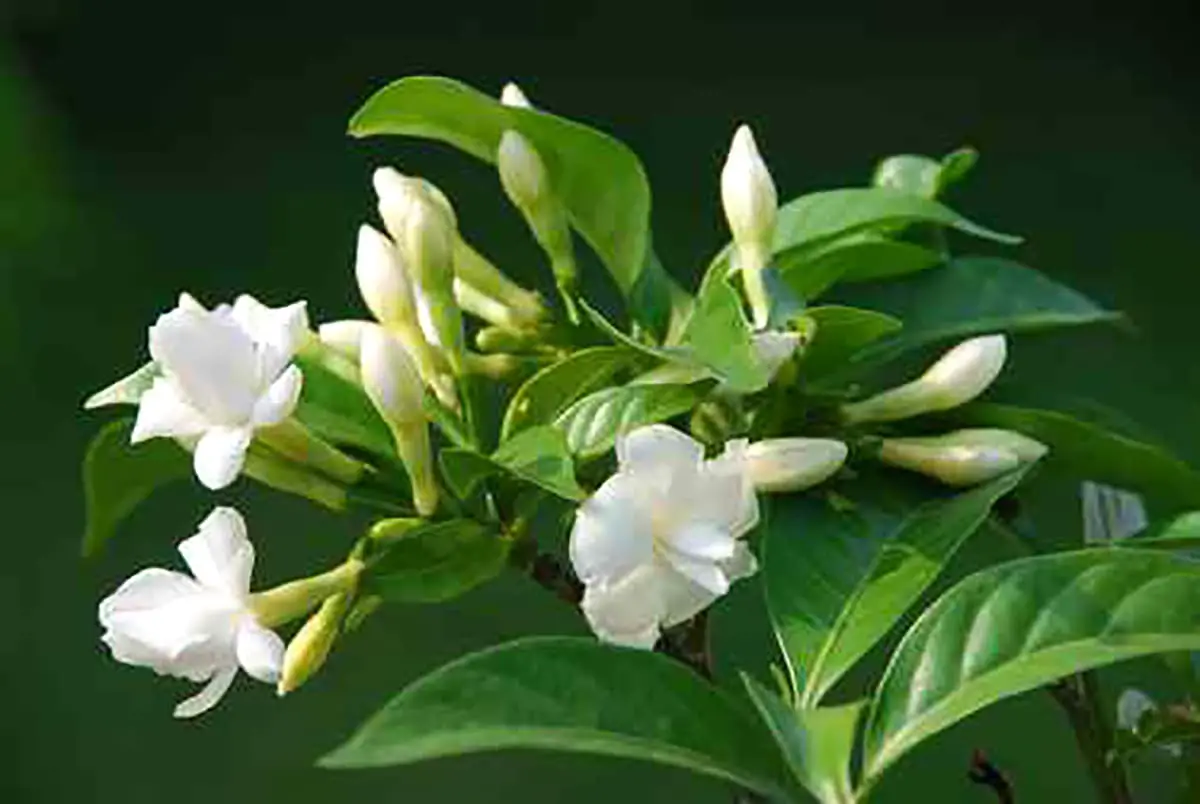
The Gardenia, part of the Rubiaceae family, is an evergreen shrub. Its dense branches and leaves stay green all year round. The fragrant flowers make it an important ornamental plant for balconies and courtyards. Besides its ornamental value, its flowers, fruits, roots, and leaves are all used in traditional medicine.
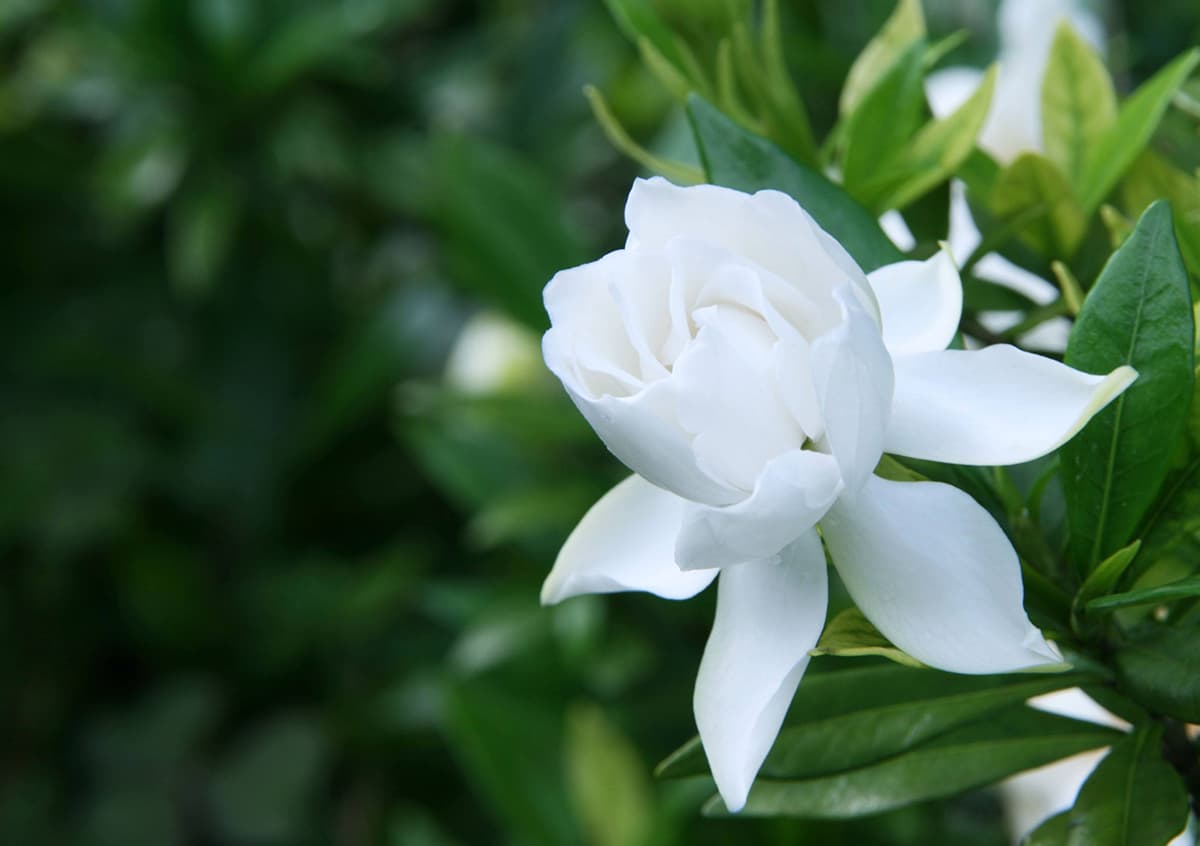
The Gardenia is a shrub in the Rubiaceae family. Its young branches are often covered in short hair, with cylindrical, gray stems. Its leaves are elliptical to lanceolate or ovate-elliptic. Its fragrant flowers bloom individually at the top of the branches.
The fruit is ovate, nearly spherical, or elliptical, and yellow or orange-red. It has many nearly round, slightly angled seeds. The plant blooms from March to July, with the fruiting period extending from May of the current year to February of the next.
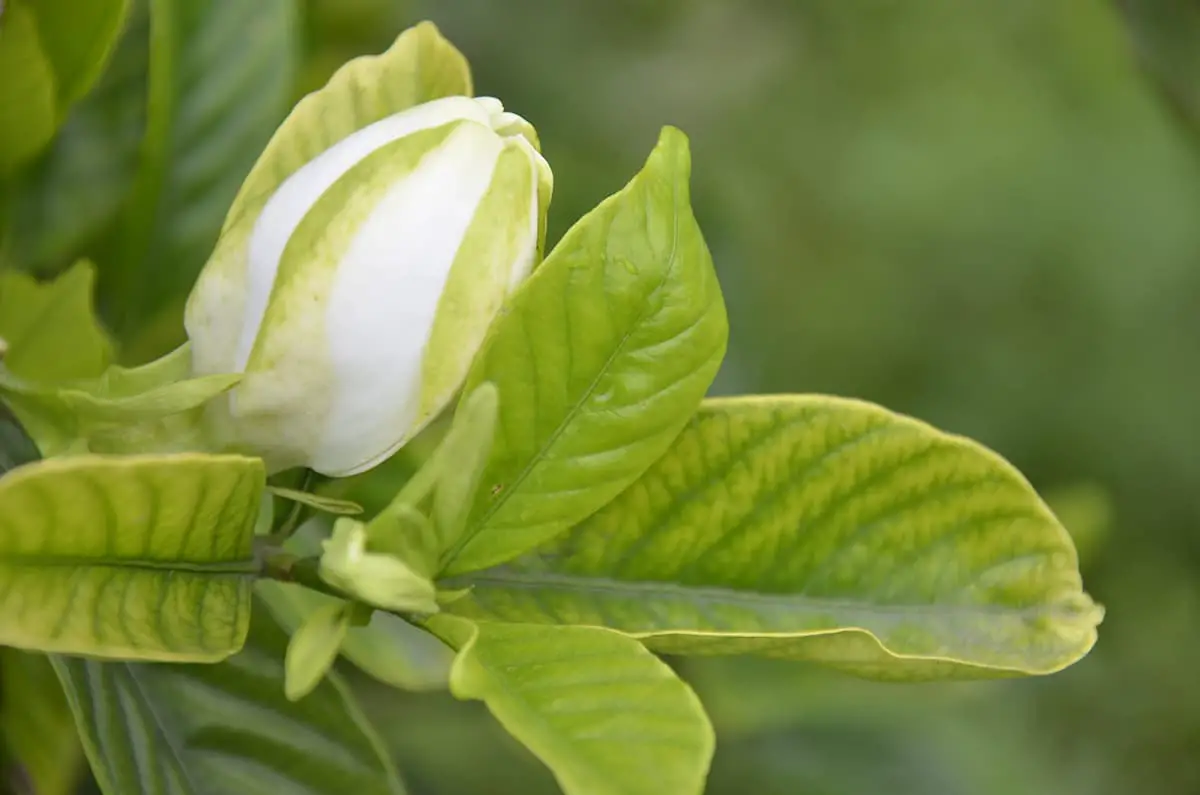
The Gardenia is native to China and can be found in Shandong, Jiangsu, Anhui, Zhejiang, Jiangxi, Fujian, Taiwan, Hubei, Hunan, Guangdong, Hong Kong, Guangxi, Hainan, Sichuan, Guizhou, and Yunnan, as well as cultivated in Hebei, Shaanxi, and Gansu.
It grows in open fields, hills, valleys, slopes, and stream-side thickets or forests at altitudes of 10-1500 meters. It’s also found in Japan, Korea, Vietnam, Laos, Cambodia, India, Nepal, Pakistan, the Pacific Islands, and North America, both in the wild and cultivated.
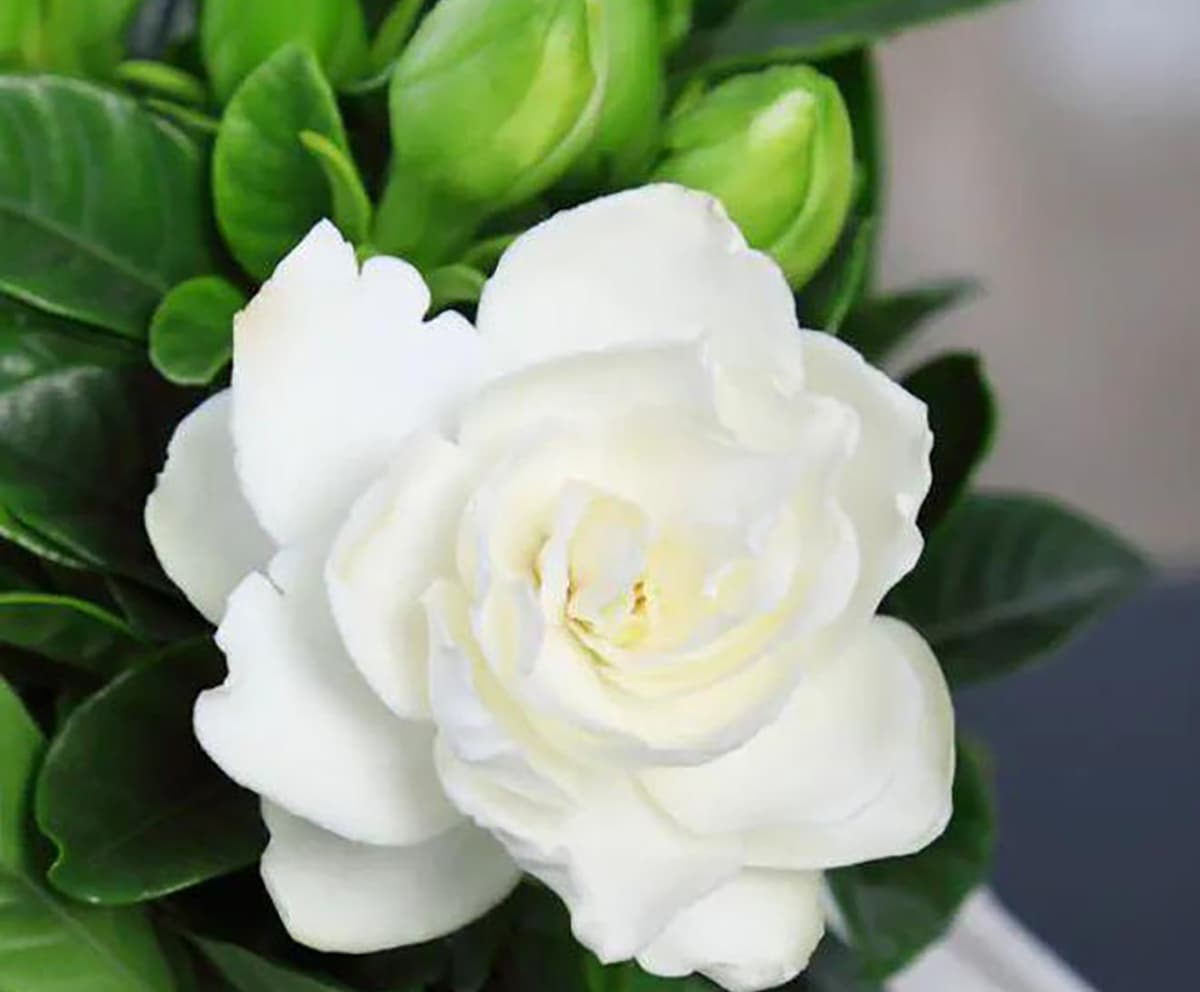
The Gardenia prefers warm, moist climates, is somewhat drought-resistant, and dislikes waterlogged conditions. It thrives in loose, fertile, well-drained, slightly acidic soil. The plant requires shade when it is a seedling, with an ideal shade rate of 30% for healthy growth. Once it begins fruiting, however, it prefers ample sunlight.
The Gardenia’s rich, fragrant scent has long been beloved by the public. However, its overall appearance can be seen as plain and monotonous. Although its scent is delightful, its visual appeal lacks variety.
As a result, ancient horticulturists, through diligent work and directed cultivation, have bred many double-flowered variants. Common varieties include the Large-Flowered Gardenia, Elliptic-Leaf Gardenia, Narrow-Leaf Gardenia, and Variegated-Leaf Gardenia.
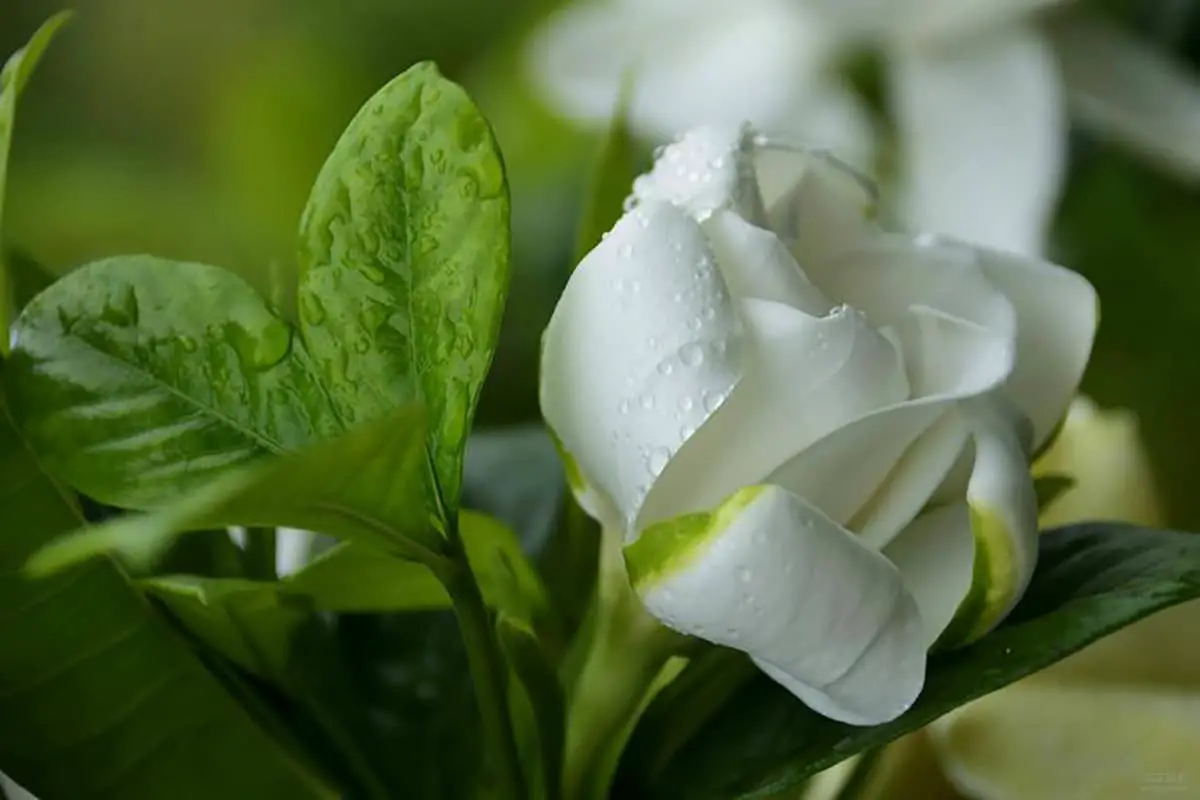
The propagation methods for Gardenias include seeding, cutting, transplanting, and water insertion.
Seeding: The seeding periods are in spring and autumn, with spring being preferable. From early to late February (start of spring to the start of rain), select full, deep red fruits, extract the seeds, rub them apart in water, and retrieve the sunken seeds, dry them off.
Mix them with fine soil or wood ash, sow them in rows in the ridge trench, cover with fine soil, and then cover with rice straw. After germination, remove the straw and regularly weed. If the seedlings are too dense, gradually thin them out to maintain a plant spacing of 10-13cm.
The seedlings can be transplanted after 1-2 years when they reach a height of over 30cm.
Cutting: The cutting periods are in late September to late October in the fall and mid to late February in the spring. Cut off branches that have grown for 2-3 years and trim them into cuttings 17-20cm long. Insert the cuttings at a slight angle, leaving one node above ground. They can be transplanted about a year later.
Transplanting: Transplant between February and March, maintaining a plant spacing of 1.2-2m, and prepare holes 50cm in diameter and 30cm deep. Mix 10kg of compost with fine soil to create a base fertilizer. Plant one seedling per hole.

Water Insertion: Although there are various ways to propagate Gardenias, the most convenient and quickest method is water insertion. First, find a piece of foam board and drill holes in it. Cut off the semi-mature branches of the current year’s growth and insert them into the holes in the foam board. Then place the foam board in a bucket filled with water.
Position the bucket in an environment that shades the cuttings on the foam board but allows sunlight to shine on the bucket. Keep the water temperature between 18°C-25°C, and the Gardenia will grow over 3cm of roots within a week. This method of propagating Gardenias has a survival rate of 100%.
Ancient Dye
The fruit of the Gardenia contains ketone substances like gardenin and crocin. The substance used for yellow dyeing is crocetin.
The depth of yellow dyeing with Gardenia can be controlled by acidity, with more vinegar added to achieve a deeper yellow. The soaking solution from the Gardenia can directly dye textiles into a vibrant yellow color, and the process is simple.
Medicinal Value
Gardenia has the effect of clearing heat, relieving irritability, promoting diuresis, cooling blood, and detoxifying. It can treat symptoms such as eye heat and redness, excessive heat in the chest, heart, and intestines, and stomach heat.
Ornamental Value
Gardenia, when used as a bonsai plant, is referred to as “Water Cross Branch.” In the South, Gardenia’s spring buds are beautifully green, and its summer flowers are pure and fragrant. With large, beautiful, fragrant flowers, it’s widely planted in gardens for ornamental purposes, making it a beautiful ornamental plant.
Edible Value
Gardenia flowers can be used to make tea. They can also be mixed with flour and oil to make pastries.
The Gardenia also carries beautiful symbolism, representing joy, strength, lifelong protection, and eternal love.

Peggie was once a high school mathematics teacher, but she set aside her chalkboard and textbooks to follow her lifelong passion for flowers. After years of dedication and learning, she not only established a thriving flower shop but also founded this blog, “Flowers Library”. If you have any questions or wish to learn more about flowers, feel free to contact Peggie.
 English
 العربية
 Bahasa Indonesia
 Deutsch
 Français
 Italiano
 Nederlands
 Português
 Русский
 日本語