600+ Types of Flowers A To Z (With Names and Pictures)
Types Of Flowers By Names (A-Z) Types Of Flowers By Color Types Of Flowers By Season Types Of Flowers By Blooming Time 600+ Types of Flowers No. Flower Name No.…

Hydrangea, also known as Eight Immortals Flower or Purple Sunflower, blooms from June to August. I remember the first time I saw a friend posting a picture of hydrangeas on social media, and I was instantly captivated by their beautiful clusters of flowers. They gave me a sense of enchantment and a warm feeling of love and fulfillment.
I even imagined someone holding a bouquet of white bridal hydrangeas, dressed sharply in a suit, proposing to me. Hahaha, you can imagine it. After that, I couldn’t resist searching and collecting information about buying hydrangeas online.
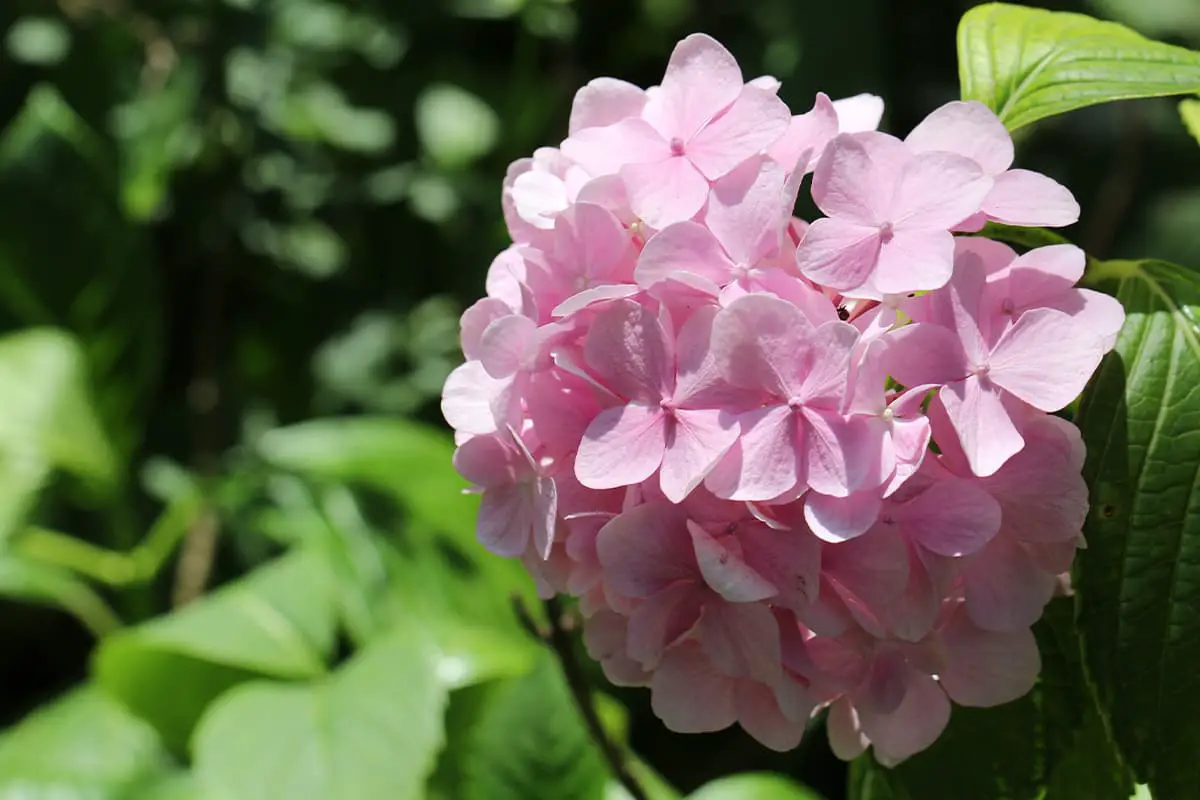
Hydrangea is a common ornamental flower in gardening. The colors of the flowers usually include shades of red, blue, and purple. The flower color can change due to the acidity or alkalinity of the environment, making it a natural pH indicator.
In acidic soil, the flowers tend to be bluish, while in neutral to alkaline soil, they lean towards red. They bloom in summer, from May to August, and are also commonly used for making dried flowers.
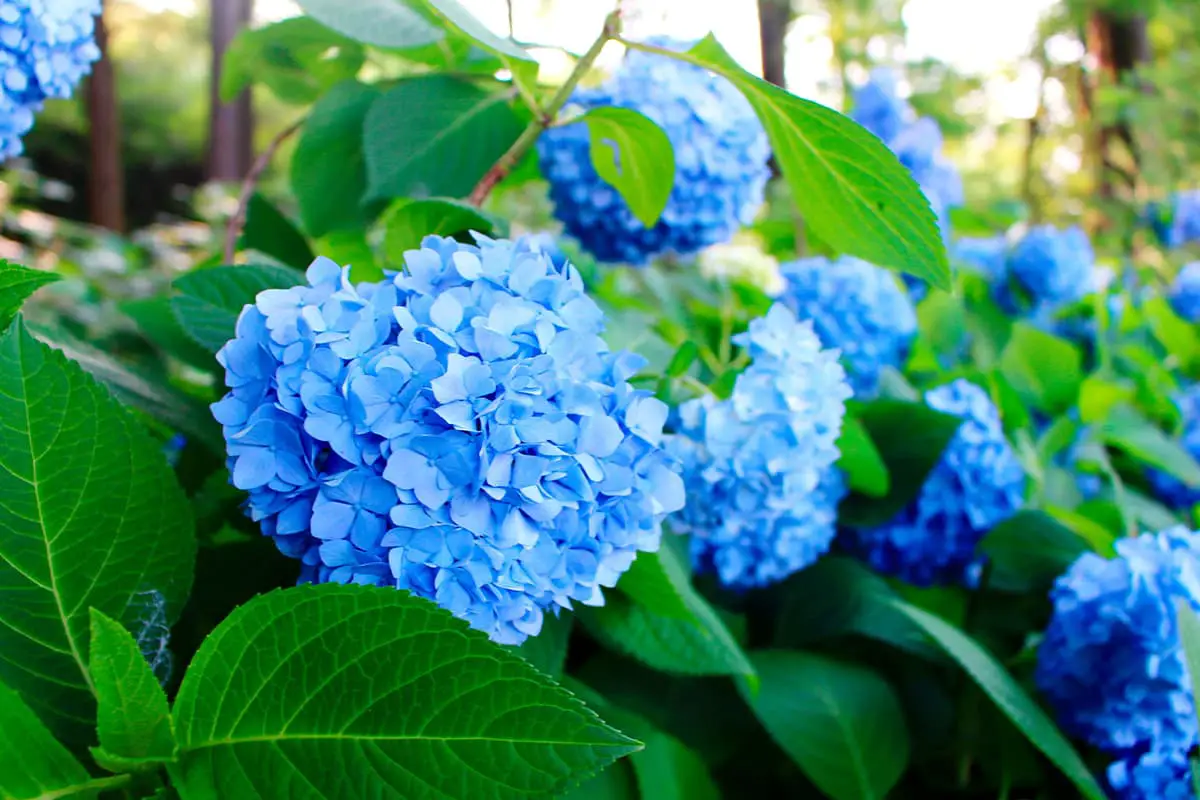
Hydrangea, also known as Pincushion Flower, Eight Immortals Flower, Grass Hydrangea, or Purple Sunflower , is a plant species in the Hydrangea genus of the Hydrangeaceae family.
Hydrangea is a shrub belonging to the Hydrangeaceae family and the Hydrangea genus. It can reach a height of 1 to 4 meters, with sturdy branches that are cylindrical in shape.
The leaves of hydrangea are papery or leathery, with a reverse-ovate or broadly elliptic shape. The inflorescence is an umbel-like corymb, forming a nearly spherical cluster of flowers. The flower colors can range from pink, light blue, to white, with petals that are elongated oval in shape.
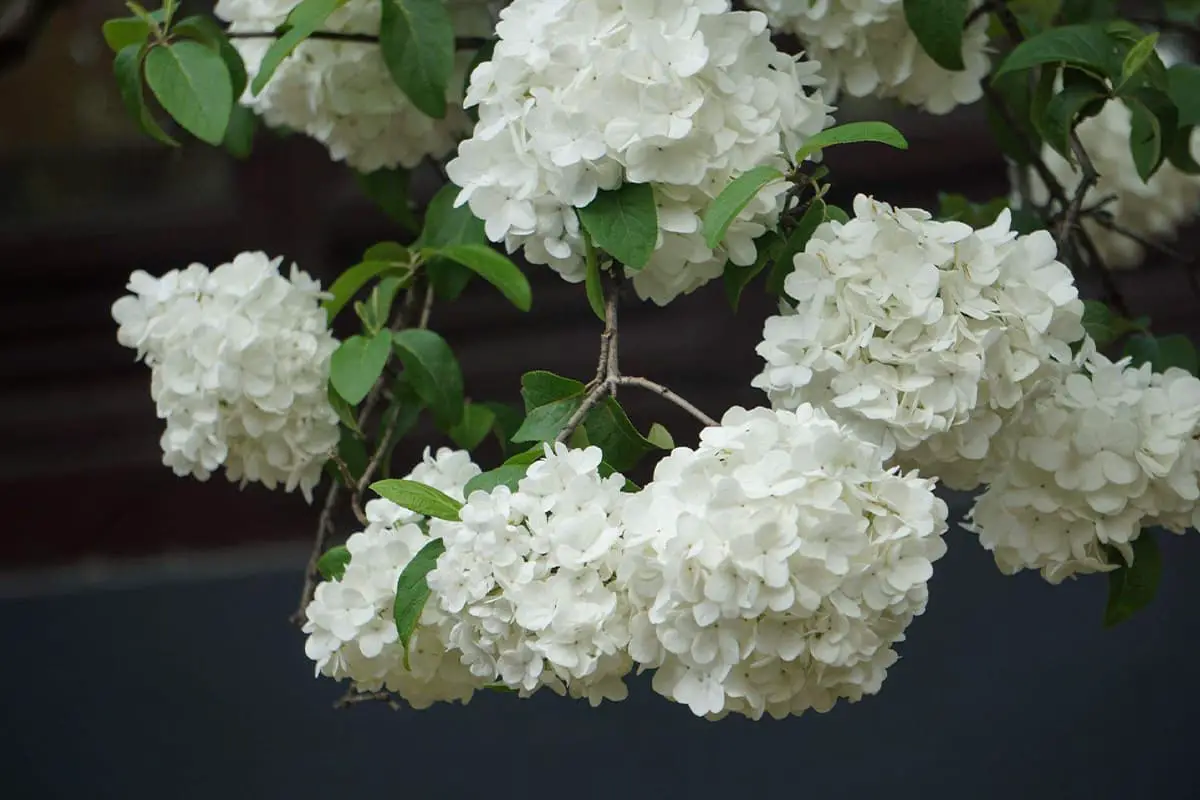
Hydrangeas are native to China and Japan. They prefer warm, humid, and semi-shaded environments. The optimal temperature for hydrangea growth is between 18-28°C, with a minimum winter temperature of 5°C. Flower bud differentiation requires a temperature of 5-7°C for 6-8 weeks, while a temperature of 20°C promotes flowering.
After flowering, maintaining a temperature of 16°C can prolong the flowering period. However, high temperatures can cause the flowers to fade quickly.
Hydrangeas should be grown in well-drained soil that is kept moist but not overly watered. During the rainy season, proper drainage should be ensured to prevent waterlogging and root rot. For indoor potted hydrangeas in winter, slightly drier conditions are preferable to avoid leaf decay caused by excessive moisture.
Hydrangeas are short-day plants and require at least 10 hours of darkness each day for about 45-50 days to form flower buds. It is recommended to avoid direct sunlight during cultivation, with 60%-70% shade being ideal.
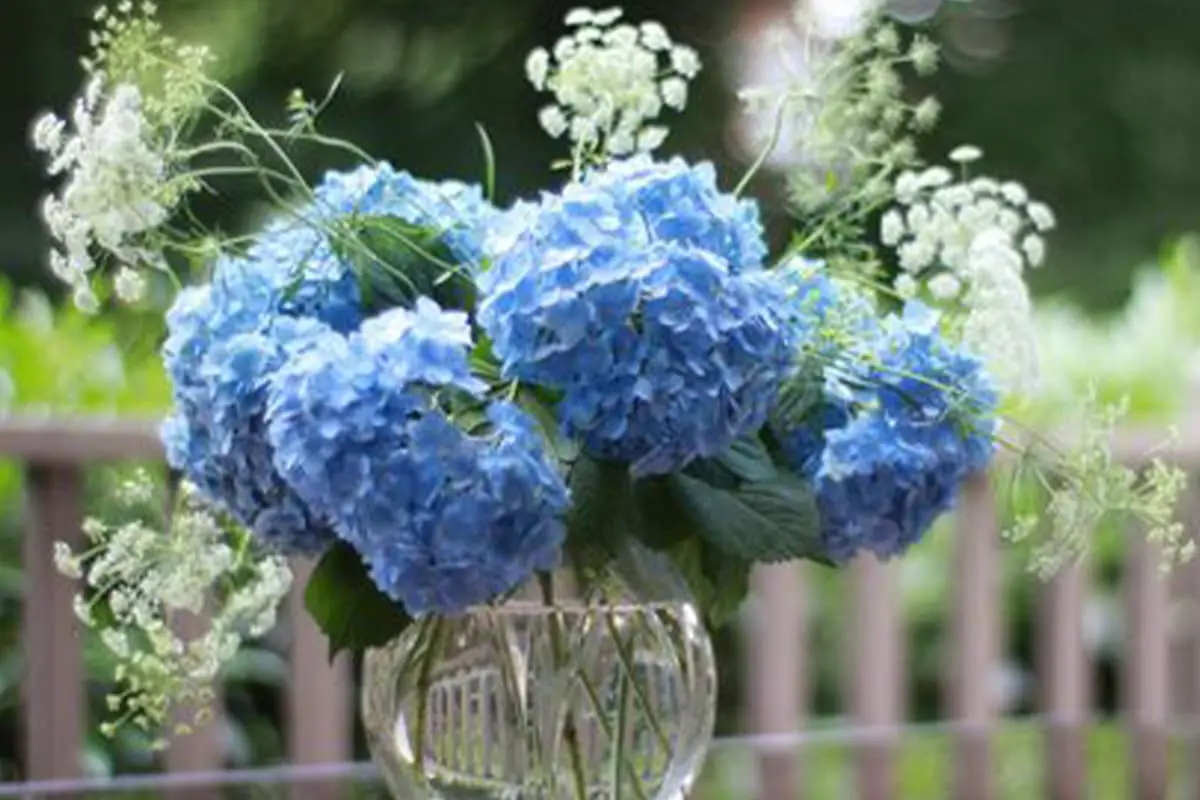
Loose, fertile, and well-drained sandy loam soil is preferred for hydrangeas. However, changes in soil pH can greatly affect the color of the flowers. To deepen the blue color, aluminum sulfate can be applied during the bud formation period. To maintain a pink color, lime can be applied to the soil.
Hydrangea can be found in the wild or cultivated. It grows in valleys, beside streams, or in sparse forests on mountaintops, at elevations ranging from 380 to 1700 meters. It is native to various provinces and regions in China, including Shandong, Jiangsu, Anhui, Zhejiang, Fujian, Henan, Hubei, Hunan, Guangdong, along with coastal islands, Guangxi, Sichuan, Guizhou, Yunnan, and others. It is also found in Japan and North Korea.
Hydrangea is originally from Japan and the Sichuan province of China. It was introduced to England in 1736. In Europe, it is commonly cultivated in the Netherlands, Germany, and France. Different varieties of hydrangeas, such as those in red, blue, and purple colors, can be seen in flower shops.
They are also planted in small gardens and in front of buildings. The German company Lanp Jungpflanzen and the Dutch company Van Veen are world-renowned producers of hydrangeas and are major contributors to the breeding and production of new hydrangea varieties.

Additionally, the company Van der Starre from the Netherlands and Agasaimura from Israel are also major producers of hydrangeas.
In Asia, Japan is a major producer of hydrangeas, and a wide variety of hydrangea cultivars can be found in horticultural stores. Many new and exotic varieties with unique flower colors are available, but they tend to be expensive and are primarily used for home potted ornamental purposes.
Hydrangea varieties include white hydrangea, pink hydrangea, purple hydrangea, and blue hydrangea, among others.
The language of hydrangea is associated with “hope, loyalty, eternity, fulfillment, and reunion.”
White hydrangea: White hydrangeas symbolize hope and represent brightness. They are suitable for giving to friends who are going through difficult times, to encourage them to move forward bravely.
Pink hydrangea: Pink hydrangeas symbolize romance and fulfillment, representing a longing for a beautiful life.
Blue hydrangea: Blue hydrangeas represent fickleness and betrayal, so they are not suitable for gifting to others.
Purple hydrangea: Purple hydrangeas symbolize eternity and reunion. They can be used in a family setting and can also be used to describe love.
Hydrangeas can be propagated through division, layering, and cutting.
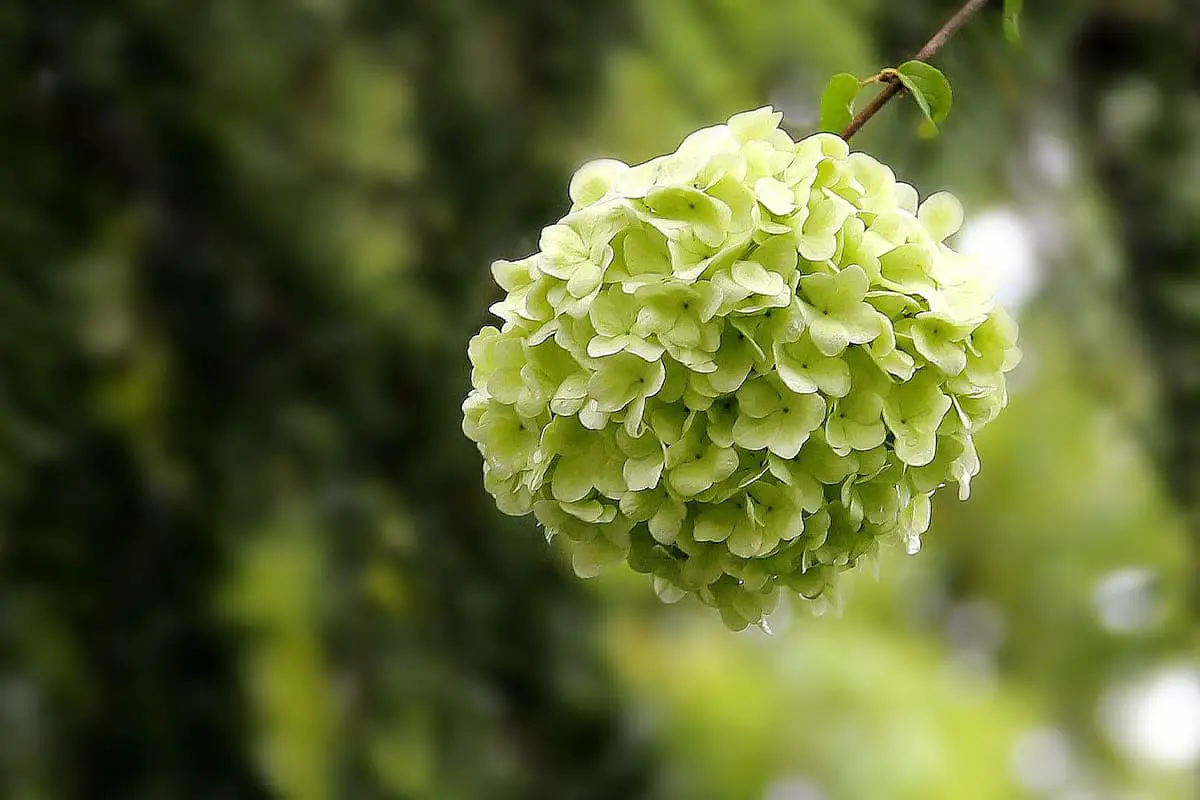
This method is best carried out before the emergence of new shoots in early spring. Separate the rooted branches from the mother plant and directly plant them in pots. Avoid overwatering and provide partial shade for maintenance. Once new shoots emerge, transfer them to normal care.
This method is done when the buds begin to sprout. After 30 days, roots will form, and in the following spring, the new plant can be separated from the mother plant and transplanted, and it will be able to bloom in the same year.
Cuttings are taken during the rainy season. Take 20-centimeter-long tender shoots, remove the lower leaves, and insert them into a suitable temperature of 13-18°C. Rooting will occur after approximately 15 days.
Using dormant buds as explants, after routine disinfection, they are inoculated onto an MS medium supplemented with 0.8 mg/L benzylaminopurine and 2 mg/L indole-3-butyric acid. Indeterminate shoots are cultivated. When the seedlings reach a height of 2-3 centimeters, they can be transferred to a 1/2 MS medium supplemented with 2.0 mg/L indole-3-butyric acid to grow into complete young plants.
Care Key Points: Partial shade with moist conditions, good ventilation and sunlight, pruning.
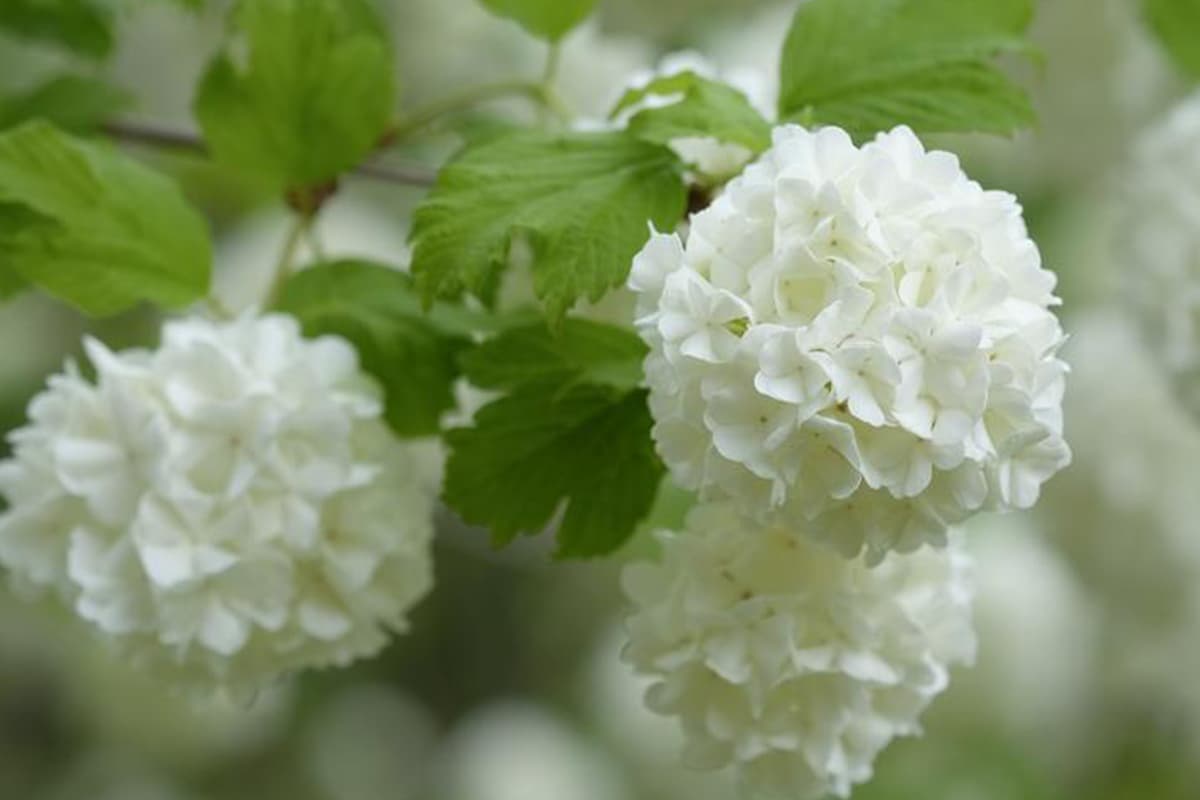
Hydrangeas bloom in clusters, enchanting flower enthusiasts. It’s hard for flower lovers to resist the urge to pick them and enjoy their beauty indoors. As cut flowers, hydrangeas can last quite a long time if properly cared for.

Peggie was once a high school mathematics teacher, but she set aside her chalkboard and textbooks to follow her lifelong passion for flowers. After years of dedication and learning, she not only established a thriving flower shop but also founded this blog, “Flowers Library”. If you have any questions or wish to learn more about flowers, feel free to contact Peggie.
 English
  العربية
  Bahasa Indonesia
  Deutsch
  Français
  Italiano
  Nederlands
  Português
  Русский
  日本語
日本語