The Nature of Rose Tea: Who Should Avoid it?
Is rose tea cool or warm in nature? Rose tea is a favorite among many women due to its gentle nature and beneficial properties such as nourishing the skin, regulating…

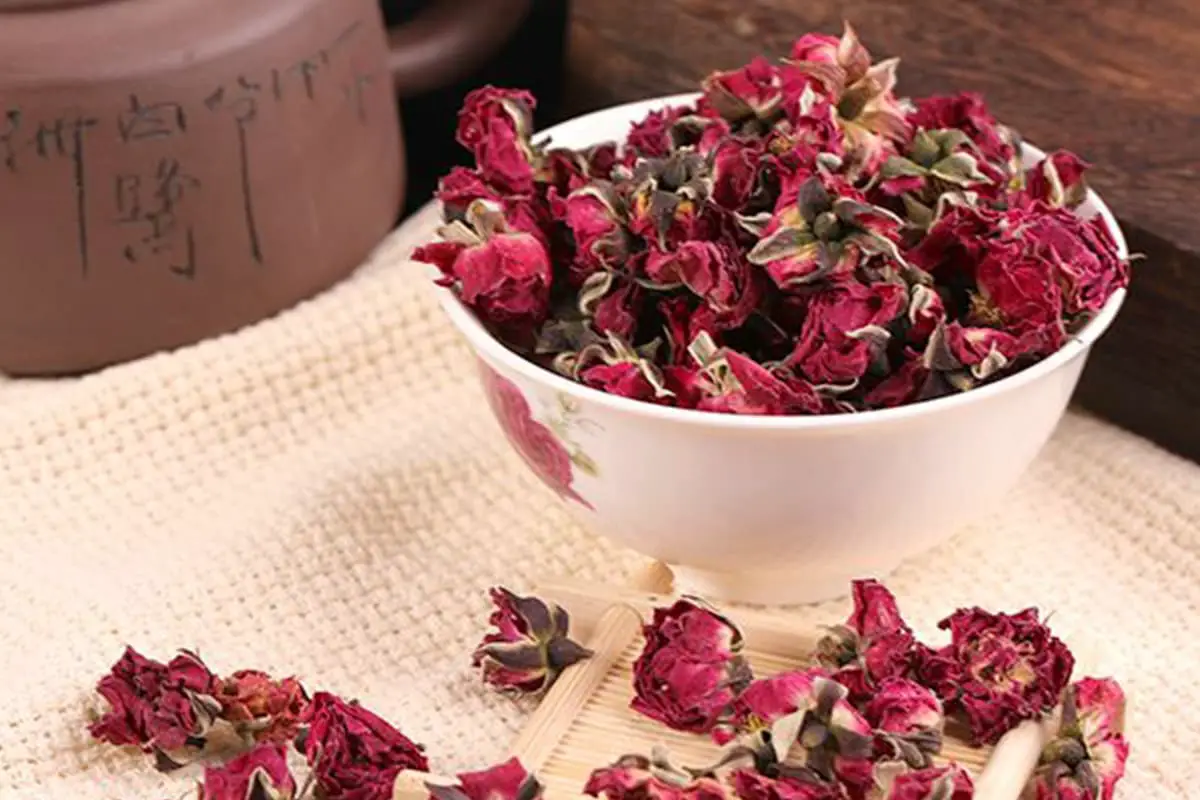
Rose tea, made from fresh roses, is a type of floral tea known for its ability to alleviate stress, promote blood circulation, and enhance skin beauty.
However, it’s not recommended for women during menstruation or pregnancy. Sweet and fragrant, with a rich aroma and pleasant taste, rose tea is relatively simple to prepare.
For those who wish to DIY, unopened roses can be picked, cleaned, and dried at a low temperature for use. Of course, if you prefer convenience, pre-made rose tea is readily available. So, how do you choose the right rose tea? Let’s delve into more information about rose tea!
Rose tea is a type of floral tea made from fresh roses.
Is Rose Tea Hot or Cold?
Rose tea is considered warm. Traditional Chinese medicine believes that roses have a sweet and slightly bitter taste and warm properties. They are known for their ability to soothe the mood, promote blood circulation, and relieve menstrual pain.
Is the Rose Bud or Rose Petal Better for Tea?
Fragrance: The aroma of the petals is slightly stronger than that of the bud.
Long-lasting Fragrance: Brewing tests have proven that the fragrance of petals lasts longer than that of buds.
Durability: Petals offer better value for money and longevity.
Nutritional Value: The nutritional value of rose petals is also higher than that of rose buds.
Differences between Rose Tea and Rosehip Tea
Effects: Rosehip tea promotes blood circulation, treats lung deficiency, and reduces swelling and detoxification. Rose tea can eliminate fatigue and improve hormonal imbalance.
Components: Rosehip tea contains quercetin, bitter compounds, tannins, fatty oils, hibiscus acid, red pigments, yellow pigments, waxes, and β-carotene. Roses are rich in vitamins A, C, B, E, K, and tannic acid.
Petals: Rose petals have tiny fuzz on their surface, while rosehips do not.
Aroma: If you smell a fragrance, it’s likely from rose petals, as rosehips are not aromatic.
Taste: If the water has a faint sweetness, it’s likely rose tea, as rosehip tea is tasteless.
Emotional Relief
Rose tea can alleviate emotional distress and nourish the heart and blood vessels. Regular consumption of rose tea can have a calming effect.
Blood Activation and Stasis Removal
Rose tea can help regulate women’s physiological issues such as painful menstruation and menstrual irregularities.
Liver Soothing and Fire Reducing
If you often feel irritable and have symptoms such as red eyes, dry mouth, and constipation, these are signs of excessive internal heat. Drinking rose tea can help alleviate this condition.
Qi Regulation and Blood Nourishment
Rose tea inherently has the effect of regulating Qi and nourishing blood. Drinking it in moderation over the long term can bring significant improvements.
Beauty and Anti-aging
Long-term consumption of rose tea can nourish the skin, improve skin conditions, and reduce blemishes, leading to a better complexion.
Strengthens Constitution
Regular consumption of rose tea can relax the mind and relieve physical fatigue. It is especially effective in enhancing the constitution and promoting blood circulation and stasis removal.
What can’t be brewed with roses?
Roses should not be brewed with tea leaves, as the high content of tannic acid in tea leaves can impact the effects of roses, particularly diminishing their ability to soothe the liver and relieve depression.
Can rose tea be drunk daily?
No, rose tea is of a warm nature. If people with a hot body constitution drink rose tea daily, it could easily cause fever or inflammation. Drinking rose tea 3-4 times a week should suffice.
Furthermore, I would like to remind you that daily or excessive long-term consumption can easily lead to problems in the body’s circulation of qi and blood, thus affecting health.
Who should not drink rose tea?
Method of Making Rose Tea
Picking: Choose fresh and tender flower buds for picking.
Cleaning: Rinse the rose petals thoroughly with clean water.
Low-temperature drying: Spread the roses evenly on a breathable plate or sieve. Once the moisture is completely dried, store them in a covered jar.
Look at the shape: High-quality rose tea has a uniform color and is ideally intact.
Weigh it: Premium rose tea appears dense and heavy. Also, ensure there are no stems or fragments in the tea.
Observe the color: The color of superior rose tea is dark red, it looks somewhat withered, which may not be appealing to everyone.
Smell the aroma: The fragrance of natural rose tea gradually evaporates and fades away until there is no smell left.
Look at the tea soup: The color of the tea soup from natural rose tea is pale yellow. The color fades faster with increasing water temperature.

Peggie was once a high school mathematics teacher, but she set aside her chalkboard and textbooks to follow her lifelong passion for flowers. After years of dedication and learning, she not only established a thriving flower shop but also founded this blog, “Flowers Library”. If you have any questions or wish to learn more about flowers, feel free to contact Peggie.
 English
  العربية
  Bahasa Indonesia
  Deutsch
  Français
  Italiano
  Nederlands
  Português
  Русский
  日本語
日本語