600+ Types of Flowers A To Z (With Names and Pictures)
Types Of Flowers By Names (A-Z) Types Of Flowers By Color Types Of Flowers By Season Types Of Flowers By Blooming Time 600+ Types of Flowers No. Flower Name No.…

The Gomphrena globosa, also known as globe amaranth, bachelor button, or fireball, is an annual erect herb that grows from 20 to 60 cm tall and blooms from June to September.
The flowers are brightly colored and glossy, and they remain unchanged for a long time after drying, hence the name globe amaranth, which translates to “thousand-day red”. This plant loves sunlight, can withstand dry heat, and is very robust.
It originated in the tropics of America and is a common flower in tropical and subtropical regions. It is widely distributed in most areas of China, not only has great medicinal value, but also is an ideal ingredient for herbal tea that clears heat, detoxifies, and promotes health.
In ancient times, the globe amaranth was seen as a symbol of sincere friendship, and many wonderful stories about it have been widely circulated.
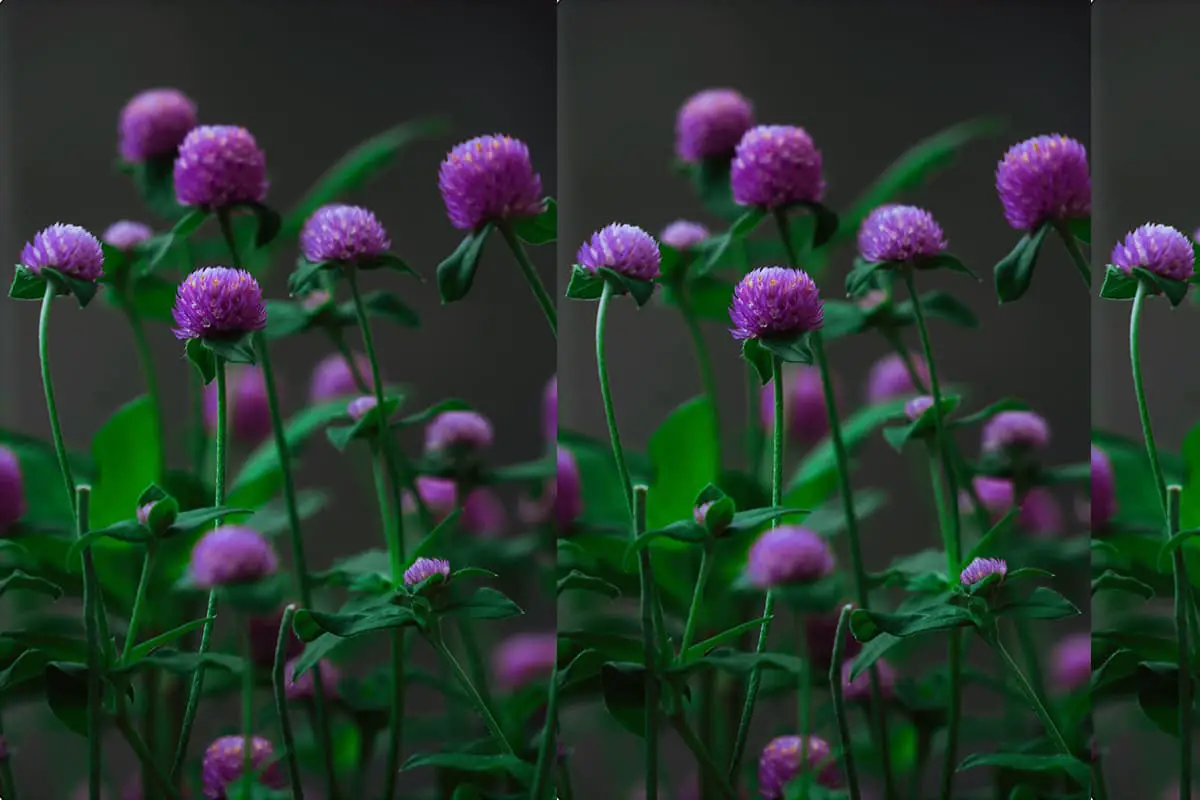
The globe amaranth is an annual erect herb, 20-60 cm tall, with a sturdy stem that branches out. The branches are somewhat quadrangular and covered with grey rough hair, which is denser in younger plants.
The stem slightly swells at the nodes. The leaves are papery, oblong, or rectangular inverted egg-shaped, 3.5 – 13 cm long, 1.5 – 5 cm wide, tapering at the base, wavy at the edges, and have small spots, white long soft hairs, and edge hairs on both sides. The leaf stalks are 1-1.5 cm long and have grey long soft hairs.
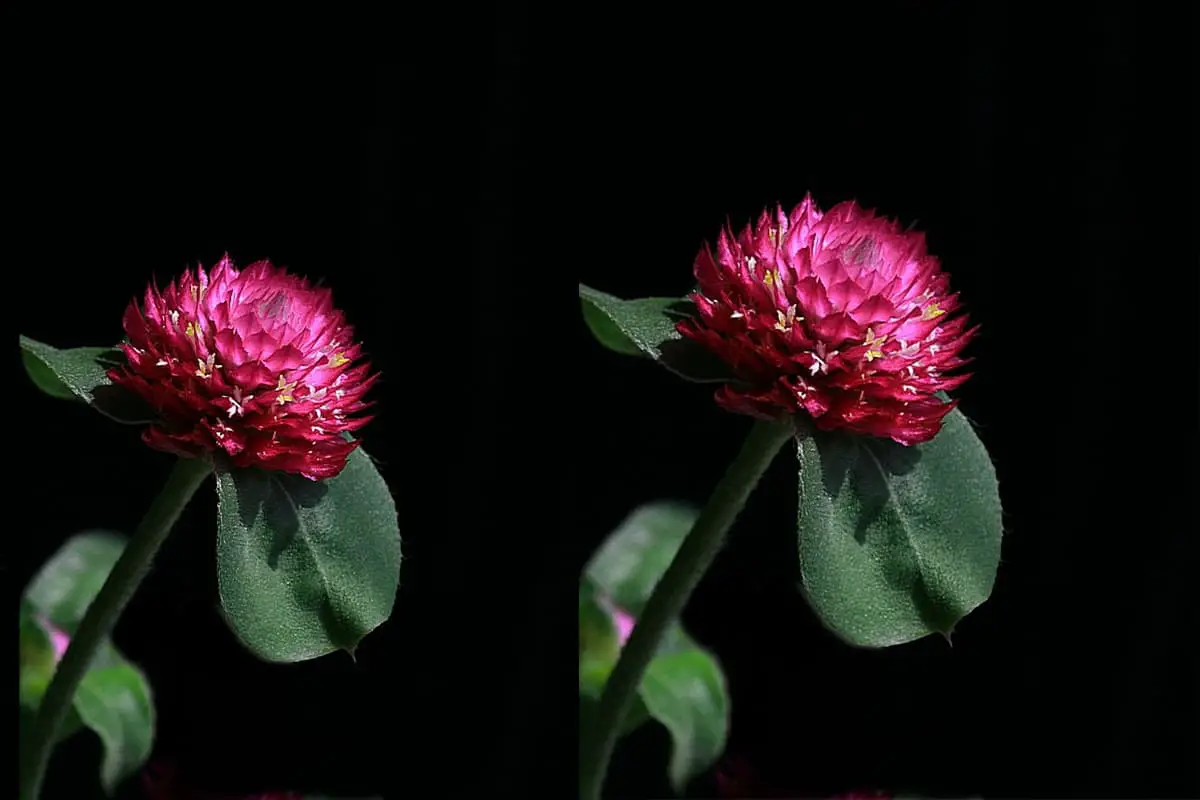
The flowers are numerous, densely packed, and form terminal ball-shaped or rectangular head-like inflorescences, either singularly or in groups of 2-3. They are usually purple-red, sometimes pale purple, or white, with a diameter of 2-2.5 cm.
The involucre consists of two green opposite leaf-like bracts, egg-shaped or heart-shaped, 1-1.5 cm long, with grey long soft hairs on both sides. The corolla does not harden after flowering. The stamens are fused into a tube, with five shallow lobes at the top.
The anthers are born on the inside of the lobes and protrude slightly. The pistil is rod-shaped, shorter than the stamen tube, and the stigma is forked.
The pericarp is nearly spherical, with a diameter of 2-2.5 mm. The seeds are kidney-shaped, brown, and shiny. The flowering and fruiting period is from June to September.
Globe amaranth is not demanding on the environment, loves sunlight, is robust, early-blooming, resistant to dry heat and drought, intolerant of cold, dislikes waterlogging, and prefers loose, fertile soil.
Its optimal growth temperature is 20-25 degrees Celsius, but it can also grow well between 35-40 degrees Celsius. In winter, when temperatures fall below 10 degrees Celsius, the plant’s growth declines or it suffers from frost damage.
It is robust, withstands pruning, and can sprout new branches and continue flowering after being pruned post-flowering. The flowering period is from July to October.
Globe amaranth is native to tropical America and is a common flower in tropical and subtropical regions. It is widely cultivated south of the Yangtze River in China.
Aside from using decomposed chicken manure as base fertilizer during planting, a thin liquid fertilizer rich in phosphorus and potassium should be applied every half a month during the vigorous growth stage.
Gomphrena globosa, or Globe Amaranth, prefers a slightly moist, dry soil environment and is drought-resistant. Therefore, after the seedlings sprout new leaves, watering should be appropriately controlled. Once the flower buds differentiate, the amount of watering should increase to benefit normal flower growth.
Gomphrena globosa loves an environment with sufficient sunlight. During cultivation, the plant should receive no less than four hours of direct sunlight daily. The cultivation location should not be too hidden, or else the plant will grow slowly and the flower color will be dull.
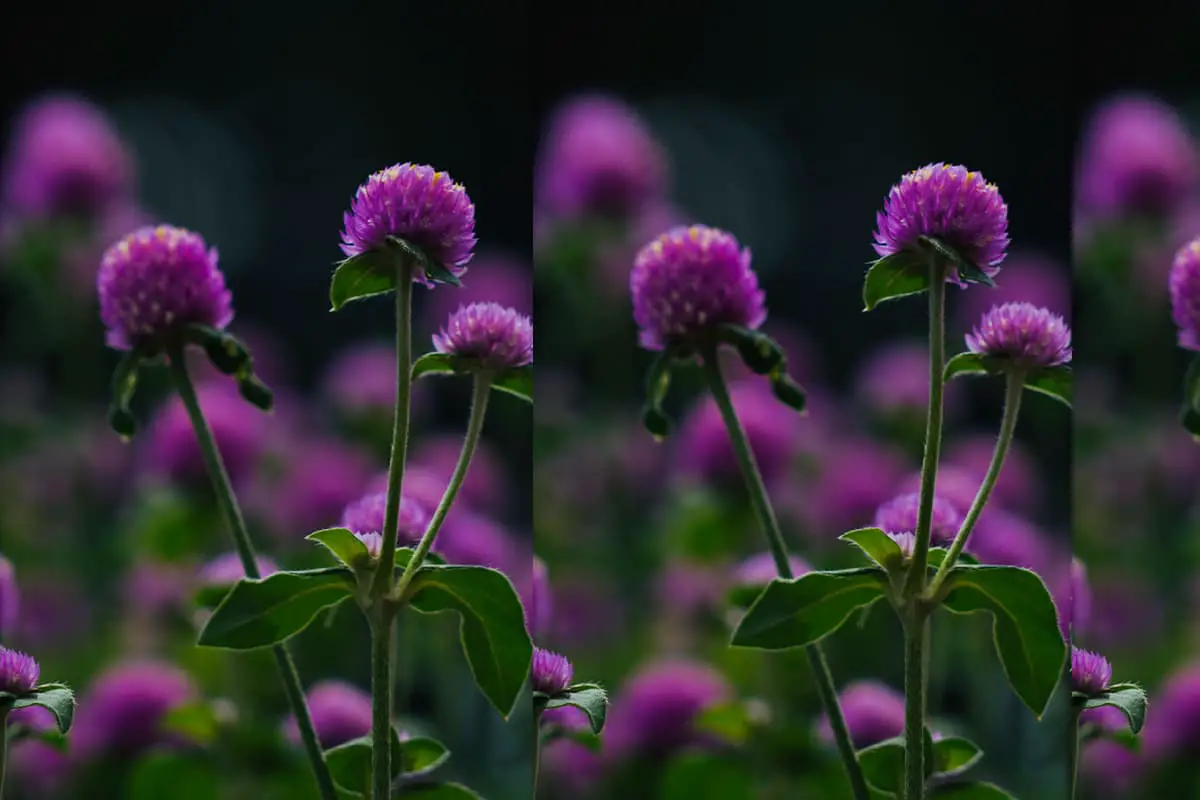
When the seedling height reaches 15cm, pinch the heart once to promote branching. Afterward, decide whether to pinch the heart a second time based on the growth situation.
During pruning, make sure to shape the plant into a round form to enhance the ornamental value of the Globe Amaranth. After the plant takes shape, pinching the branches can effectively control the flowering period.
Flower Management
After the flowers bloom, simply maintain a slightly moist soil condition. Be careful not to spray water on the flowers, stop applying fertilizer, and maintain normal sunlight. After flowering, timely pruning should be done to facilitate new branching and flowering.
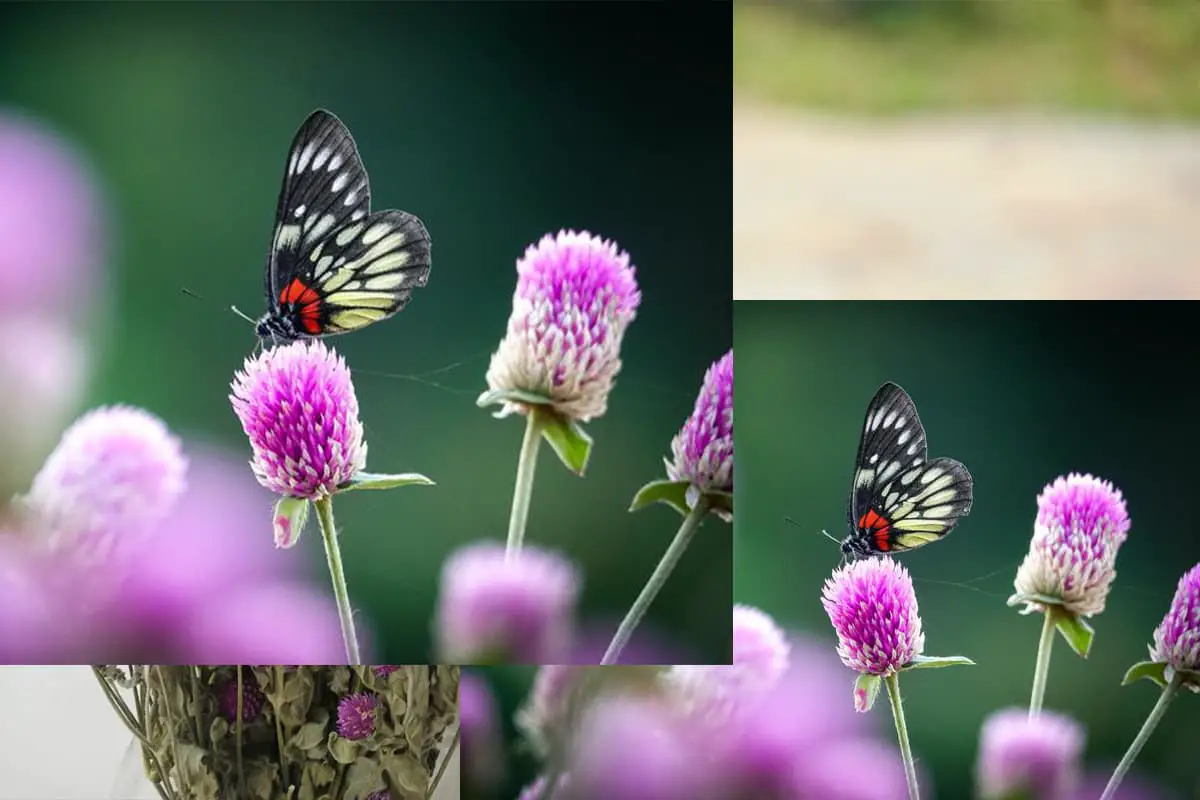
Collect seeds in September-October, sow in April-May, and plant in June. Globe Amaranth seedlings grow slowly. They should be sown in outdoor seedbeds in April-May. The optimal temperature for sowing is between 20℃-25℃.
Due to the fluffy seeds, germination is slow. To speed it up, germination treatment should be done before sowing.
Before sowing, the seeds can be soaked in warm water for a day or cold water for two days. Then, squeeze out the water, let them dry a bit, and mix them with wood ash or fine sand, about 2-3 times the amount of the seeds.
This will loosen them up and make sowing easier. The seeds are quite large, with about 400 seeds per gram. Ordinary sowing land should be used, and the nursery should ideally be in a sandy loam plot with ample sunlight, high groundwater level, good drainage, and loose fertile soil.
After sowing, cover the soil lightly and control the temperature between 20℃-25℃. Germination should occur in about 10-15 days. After the seedlings have sprouted, thin them out so they have enough space to grow without overshadowing each other.
After thinning, water with a 1000 times diluted urea solution. After fertilizing, spray the leaves promptly to prevent fertilizer from burning the seedlings.
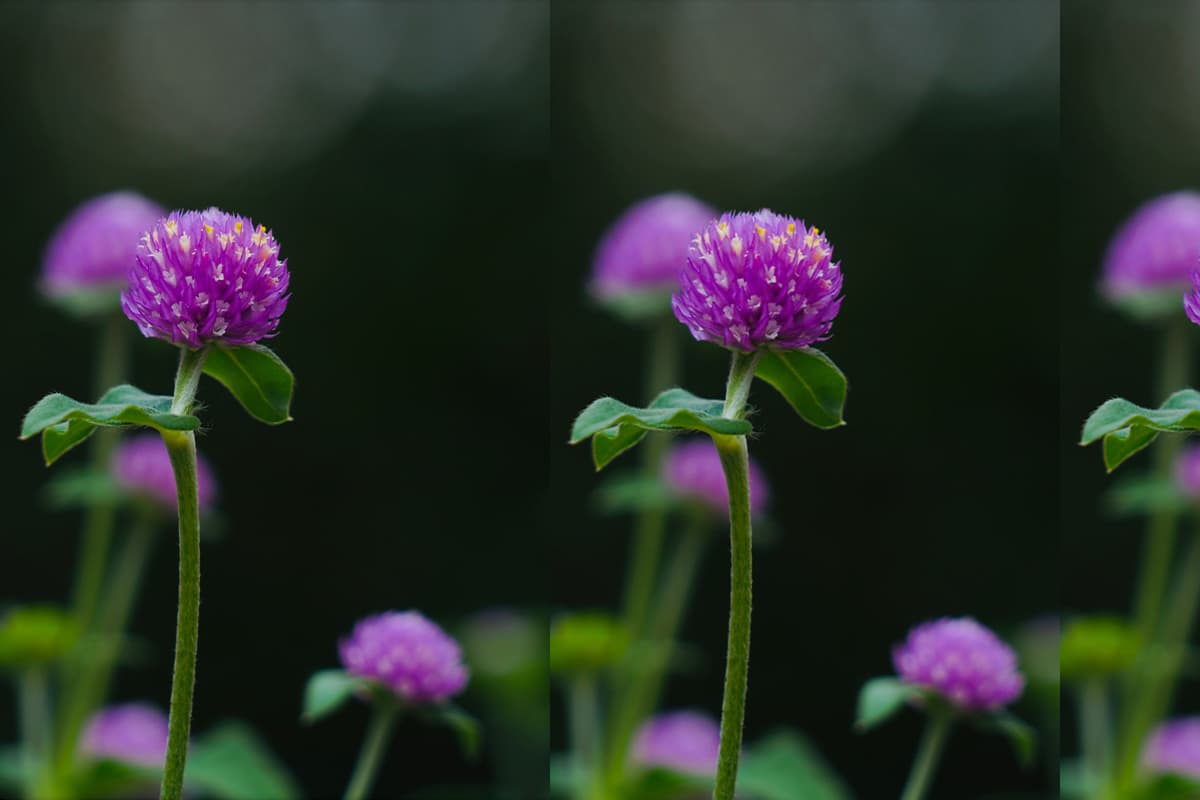
In June-July, cut healthy shoots about 3-6 cm long, or about 3-4 nodes. Cut off the leaves between the nodes that will be inserted into the soil to reduce leaf water evaporation.
Insert the cuttings into a sand bed and control the temperature between 20℃-25℃. About 18-20 days after planting, the cuttings can be transplanted to pots. If the temperature drops below 20℃, the rooting time will be delayed by 5-7 days.

Ornamental Value
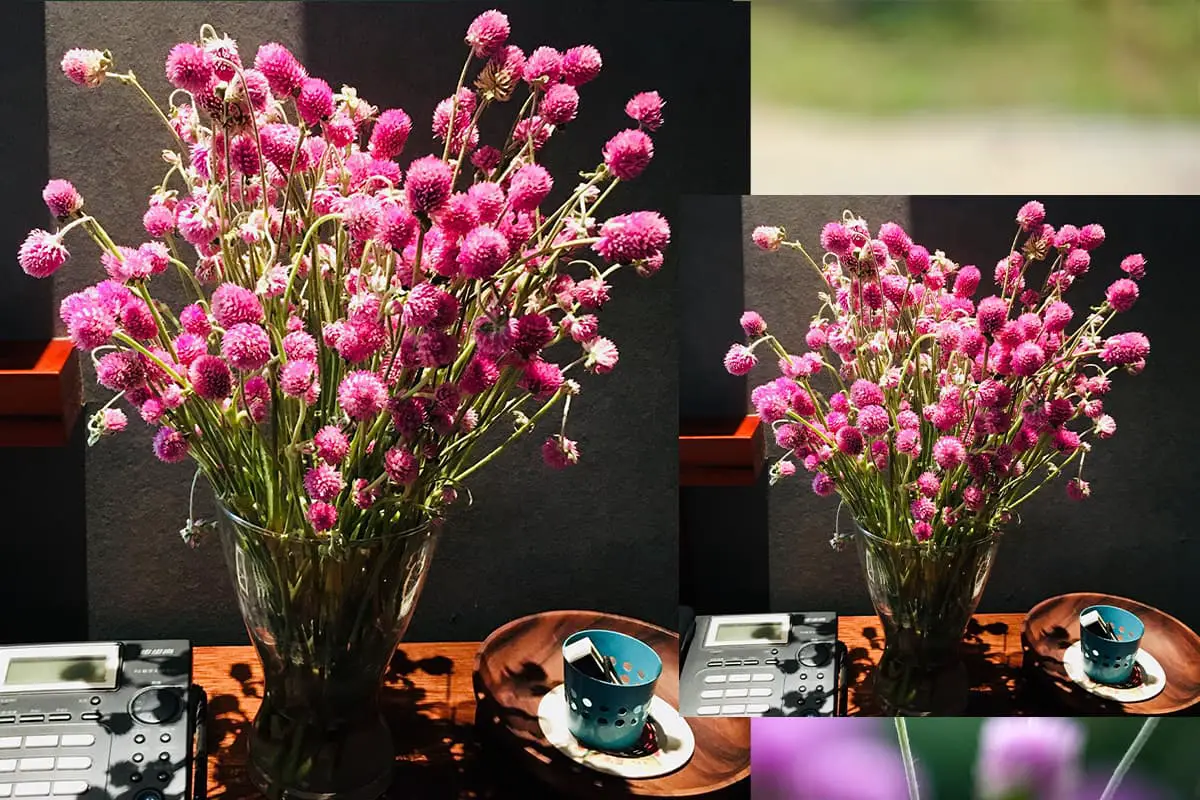
The Gomphrena globosa, or Globe Amaranth, has a long blooming period and vibrant colors, making it an excellent garden ornamental plant. It is a common choice for flower beds and landscapes, as its flowers do not fall after blooming, keeping their color and vibrancy.
It is cultivated in provinces across China, primarily for ornamental purposes. Its long-lasting inflorescences are not only used for flower beds and potted landscapes, but they also serve as decorative elements for floral wreaths and baskets.
Medicinal Value
Characteristics: It is neutral in nature and sweet in taste.
Pharmacological Effects: Its saponins and brass components can help to expectorate phlegm.
Functions: The inflorescences are used in medicine for their cough suppressing, phlegm expectorating, asthma relieving, liver soothing, and eye brightening effects. They are commonly used to treat bronchial asthma, acute and chronic bronchitis, whooping cough, and pulmonary tuberculosis with hemoptysis.
Floral Language: Undying Love
The lovely purple, pink, and white “flowers” that people commonly see are actually small bracts. The real flowers are very small and are hidden in the middle of the bracts, making them very inconspicuous.
The bracts maintain their color even when dried, hence the flower’s name, Globe Amaranth. The floral language also originates from this characteristic of not easily fading.

Peggie was once a high school mathematics teacher, but she set aside her chalkboard and textbooks to follow her lifelong passion for flowers. After years of dedication and learning, she not only established a thriving flower shop but also founded this blog, “Flowers Library”. If you have any questions or wish to learn more about flowers, feel free to contact Peggie.
 English
  العربية
  Bahasa Indonesia
  Deutsch
  Français
  Italiano
  Nederlands
  Português
  Русский
  日本語
日本語