20 Best Flowers to Grow in the Winter
As the weather is getting colder, many plant enthusiasts are asking, “What kind of flowers should we keep at home during the cold season?” Why not fill the house with…

The blooming period of the lotus flower generally falls between June and September, blossoming in the morning and closing by evening. Each lotus flower grows singularly at the top of its stem, with numerous petals nested within the floral receptacle.
These petals can be red, pink, white, purple, or even variegated or edged. The nut of the lotus is elliptical in shape, while the seeds are ovate. The fruit ripens from September to October.
The blooming process of the lotus flower is divided into three stages: budding, blooming, and wilting, which is largely influenced by the temperature.
Due to geographical and temperature differences, lotus flowers in lower latitudes and altitudes tend to bloom earlier and longer than those in higher latitudes and altitudes.
The best time to appreciate the lotus flower is between 6 and 8 in the morning, when the flower is most vibrant. To ensure successful pollination for propagation, a lotus flower generally blooms for two days.
On the first day, the flower blossoms in the morning, and by around noon, the petals close back into a bud. The following morning, the previously closed pistil continues to open, and by noon, the petals fall off, leaving behind the pollinated pod to mature slowly on the stem.
Therefore, the most picturesque scene in a lotus pond can be observed in the morning: freshly budding flowers, like young girls, shyly opening their petals, while the flowers that bloomed the previous day, akin to mature women, eagerly unfold their petals and display their beauty to the fullest, providing photographers with an array of choices.
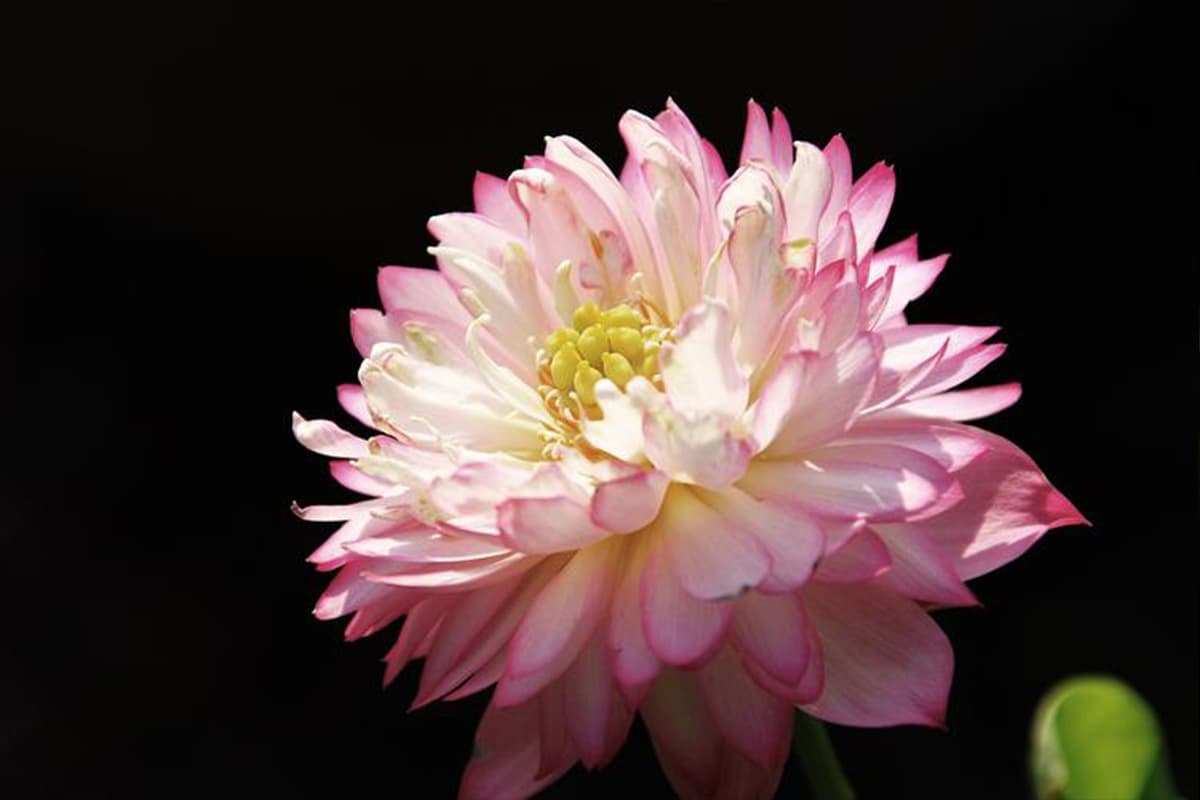
By the afternoon, most of the previously blooming flowers have turned back into buds, leaving behind only wilted flowers and lotus pods, and few blooming flowers. Hence, it is difficult to capture the true charm of the lotus flower in the afternoon.
Peggie was once a high school mathematics teacher, but she set aside her chalkboard and textbooks to follow her lifelong passion for flowers. After years of dedication and learning, she not only established a thriving flower shop but also founded this blog, “Flowers Library”. If you have any questions or wish to learn more about flowers, feel free to contact Peggie.
 English
  العربية
  Bahasa Indonesia
  Deutsch
  Français
  Italiano
  Nederlands
  Português
  Русский
  日本語
日本語