120 Flowers Suitable for Home Cultivation
What kind of plants should you grow at home? In fact, there are many flowers suitable for home cultivation. Today, I’ve compiled a list of 128 flowers that can be…

As the weather is getting colder, many plant enthusiasts are asking, “What kind of flowers should we keep at home during the cold season?”
Why not fill the house with beautiful flowering plants instead of just green ones? So here are 20 of the most gorgeous flowering plants we’ve compiled for you!
The key point is, these 15 types of flowering plants bloom in winter and have long flowering periods, some can even last until next year’s Spring Festival!
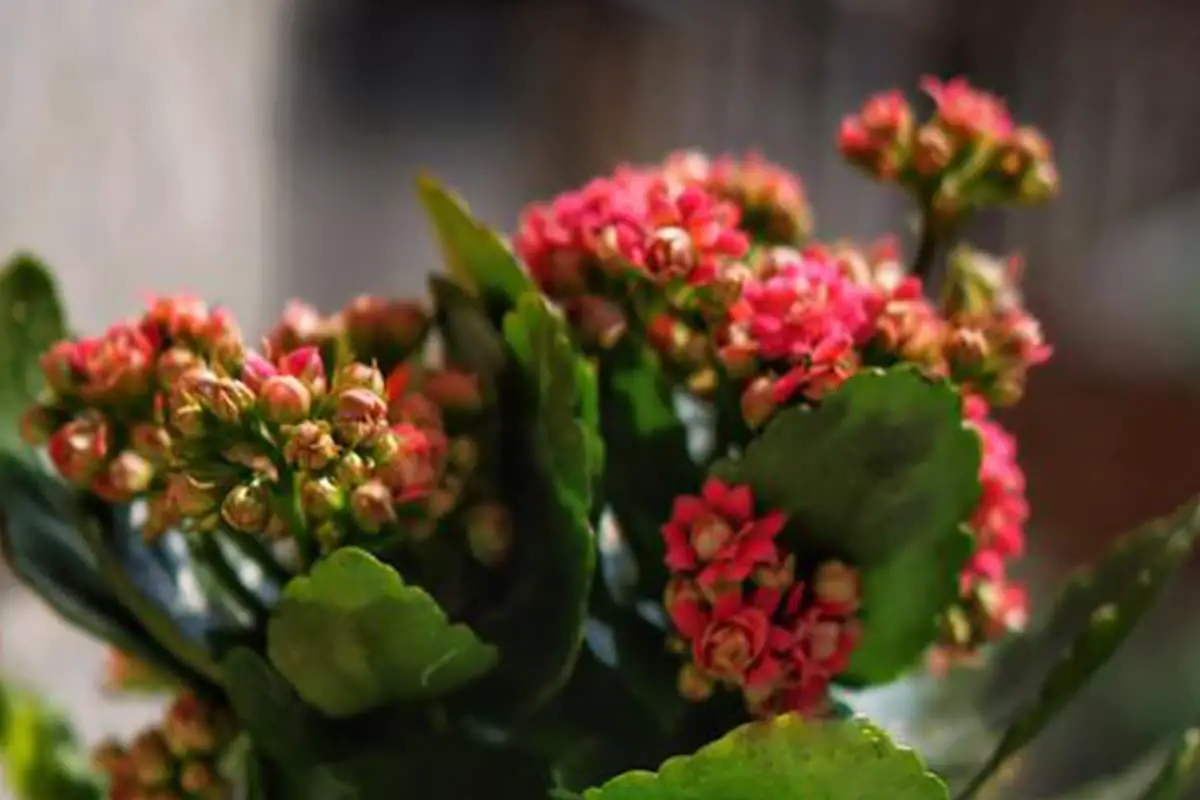
The Christmas cactus, also known as the holiday cactus, dwarf kalanchoe, longevity star flower, family joy flower, or garland flower, is a perennial succulent.
It’s a petite and compact plant, with lush green leaves and densely packed flowers, making it a perfect fit for your windowsill, desk, or countertop. It thrives in a warm, slightly moist, and sunlit environment. Indoor temperature in winter should be 12-15℃.
Additionally, the Christmas cactus is a short-day plant and is sensitive to the light cycle.
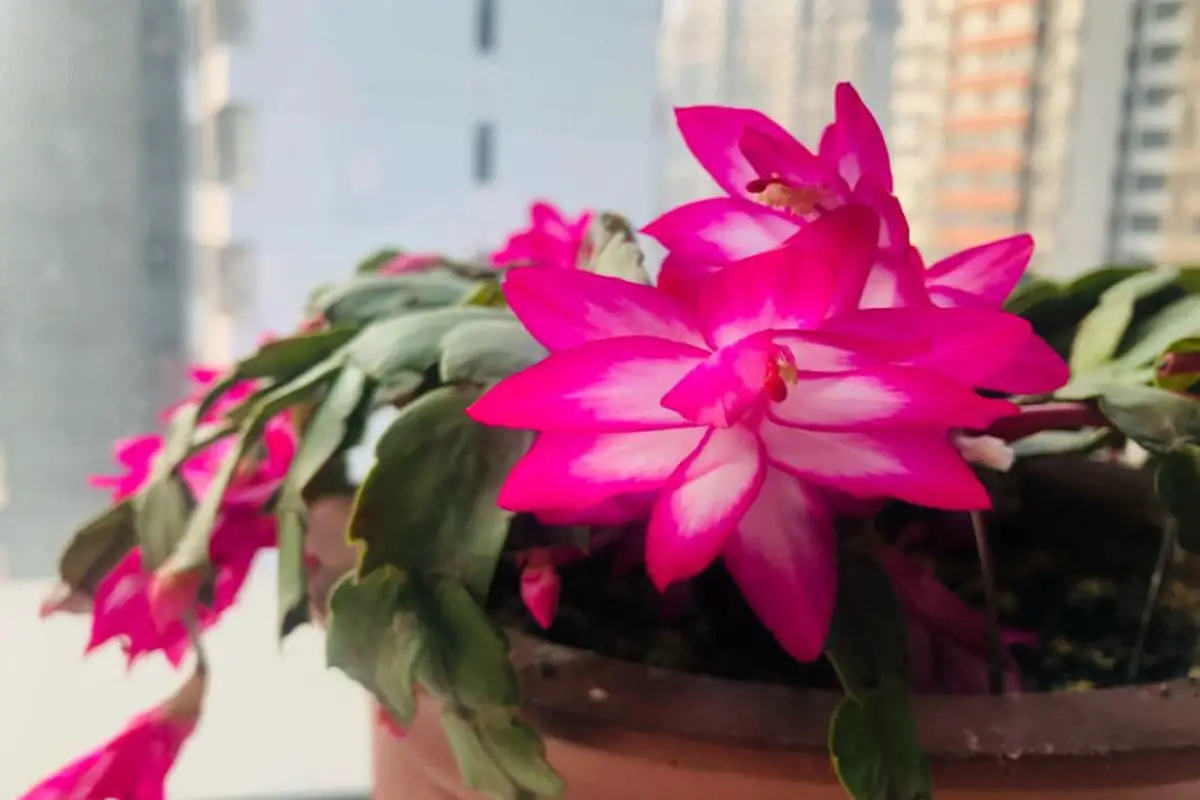
The Christmas orchid, symbolizing good luck and fortune reversal, prefers cool and warm environments. It can withstand drought, but dislikes the high heat of summer, and it can also tolerate shade.
Some might say that the Christmas orchid grows best at around 20℃, which may seem unsuitable for winter, but don’t forget – there’s always heating in winter.

The Dahlia has a long blooming period and plenty of flowers. Also known as the Dali flower, Indian peony, Oriental chrysanthemum, big beautiful chrysanthemum, Mexican aster, or sweet potato flower, it blooms most abundantly after autumn.
It likes cool weather and isn’t strict about temperature requirements. It can grow anywhere between 8-35℃, and it’s suitable to cultivate in loose, well-drained, fertile sandy soil.

The Crown Daisy, one of the main ornamental plants in winter and spring, symbolizes joy, happiness, family delight, and prosperity.
It enjoys a warm, moist, and well-ventilated environment, with an optimal temperature around 10℃.
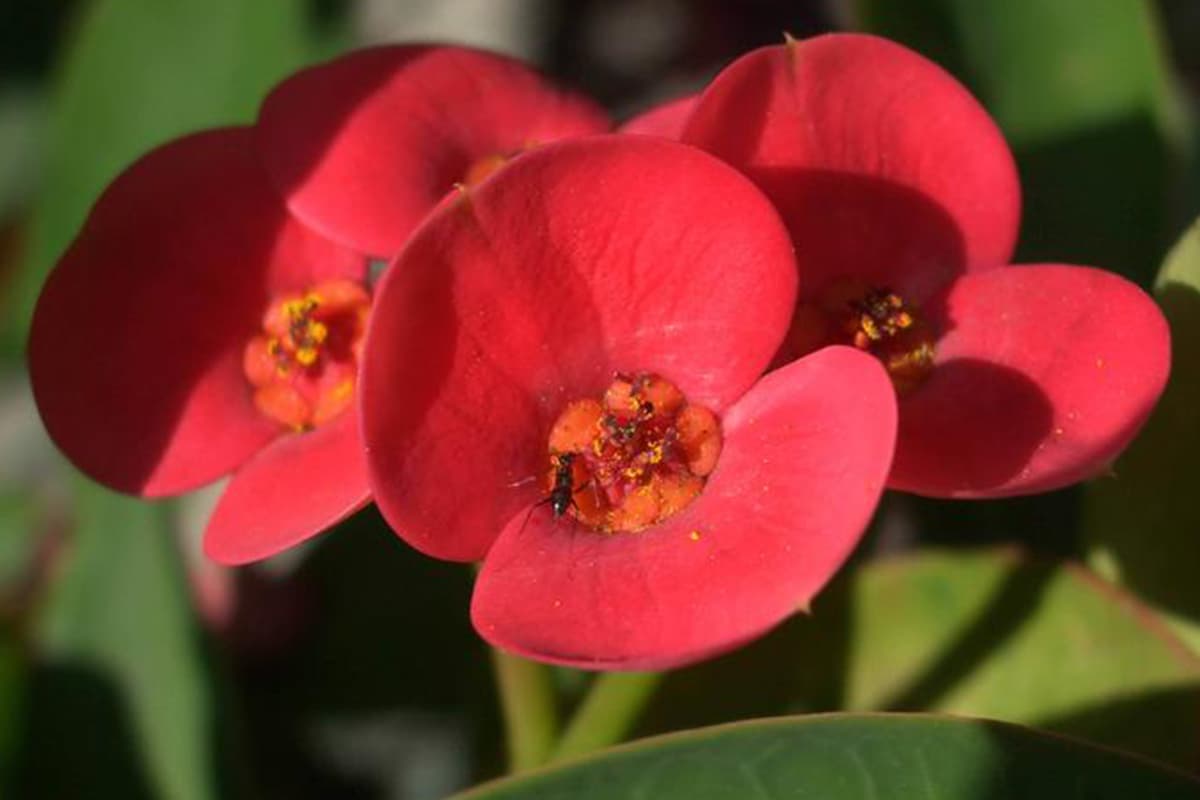
The Pyracantha, also known as firethorn, Kirin thorn, or Kirin flower, is easy to cultivate and has a long flowering period.
It enjoys a warm, moist environment with plenty of sunshine. Loose, well-drained leafy soil suits it best.

Celosia, also known as cock’s comb, aged red, reed cock’s comb, pen cock’s comb, small head cock’s comb, or phoenix tail cock’s comb, thrives in sunlight, humidity, and heat, but can’t withstand frost.
It prefers loose, fertile, and well-drained soil, and doesn’t tolerate barren conditions.

Marigold, also known as pot marigold, calendula, golden bowl, everlasting chrysanthemum, hangover flower, perennial flower, or gold cup, requires abundant light or slight shade. It prefers loose, well-drained, and moderately fertile soil.
It has some drought resistance and likes growing in mild, cool climates. It doesn’t tolerate heat but can withstand cold.

Begonia, also commonly referred to as rose begonia or autumn begonia, comes in rich colors, including red, orange, yellow, and white.
Its large, vibrant flowers make it an excellent choice for beautifying indoor environments in winter. It thrives in warm, moist, and semi-shaded environments.

The bottlebrush is named for its resemblance to a firecracker. It can be placed at the entrance of courtyards, open-air restaurants, or in flower sheds, serving as overhead and surrounding greenery.
It enjoys a sunny environment and fertile, moist, acidic soil.

Camellias, a traditional ornamental flower in China, come in numerous varieties. They have a long blooming period, from October to May of the following year, with the peak flowering season usually between January and March.
They prefer wind-sheltered, sunny locations, high and dry terrain, air circulation, warm and humid conditions, well-drained and loose fertile sandy loam, clay, or humus soil.

The daffodil needs no introduction, as it is a staple in many homes around Chinese New Year, symbolizing beautiful reunions.
It also has many other names such as the water nymph, golden cup and silver stand, fragrant fairy, jade bell, golden and silver stand, and heaven’s garlic.
It loves light, water, and fertilizers, and thrives in warm, humid climatic conditions, with fertile sandy soil. It can also be hydroponically grown.
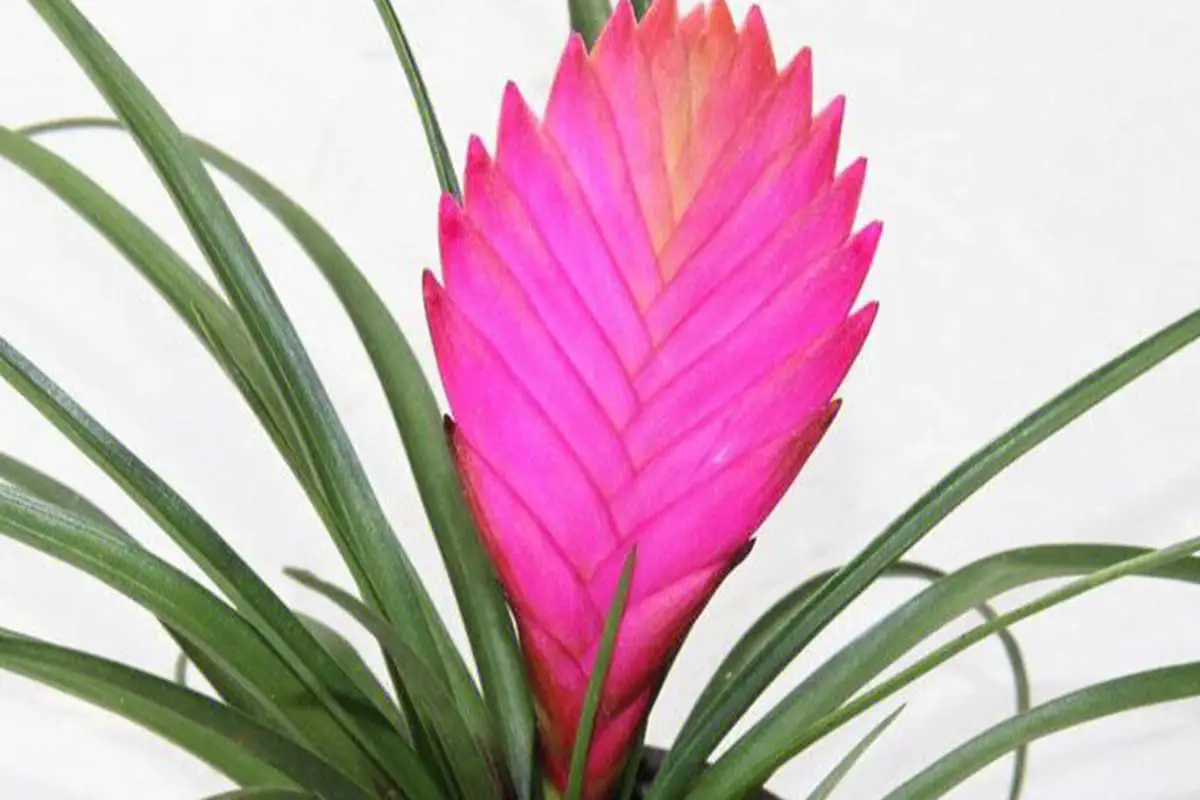
Bromeliad, also known as purple stem pineapple or blue bromeliad, is an ornamental plant in the Bromeliaceae family. It is pretty and has a long blooming period, and can withstand shade, making it an excellent choice for home cultivation and room beautification.
The suitable growth temperature is 15-18°C in winter. It prefers neutral or slightly acidic sandy loam mixed with leaf mold or peat soil.
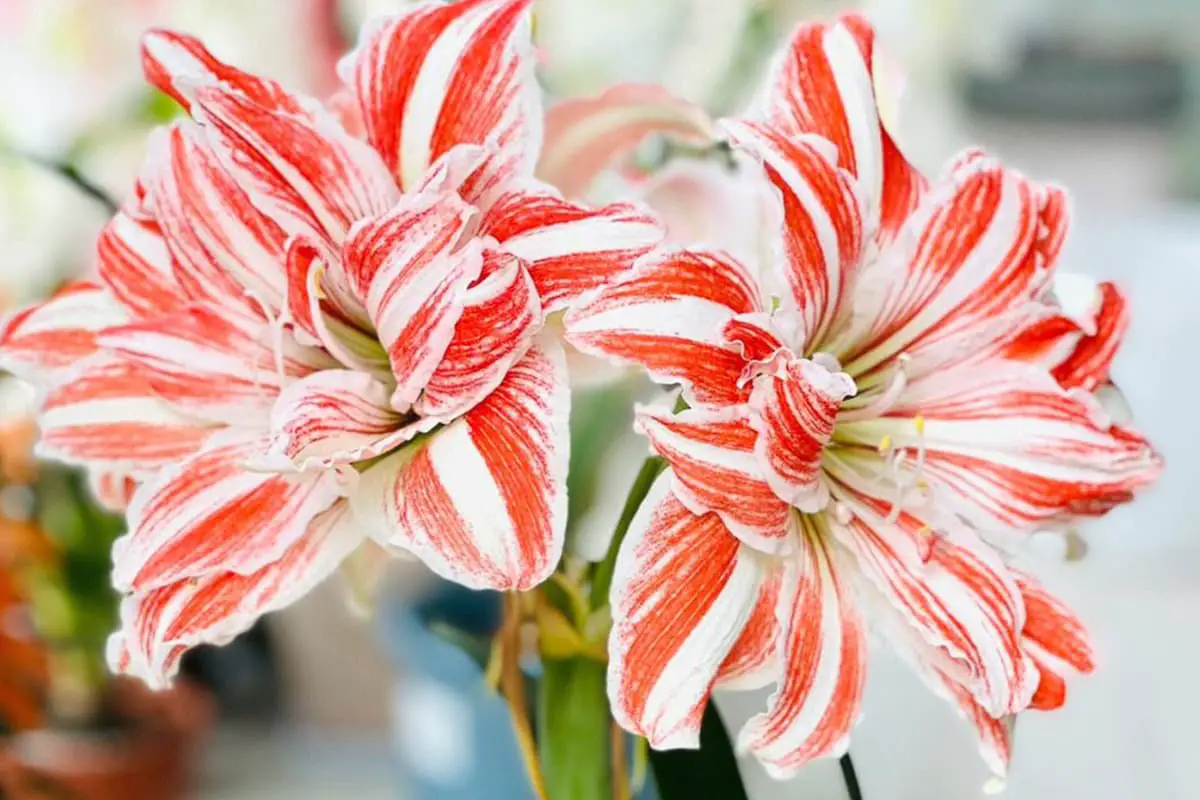
Amaryllis, suitable for potting and decorating rooms, living rooms, corridors, and hallways. Other names include red pillar, solitary orchid, helmet orchid, hundred lotus, cannon at four doors; a perennial herb of the Amaryllidaceae family.
It likes warm, humid climates, with an optimal growth temperature of 18-25°C. It requires loose, fertile sandy loam soil.
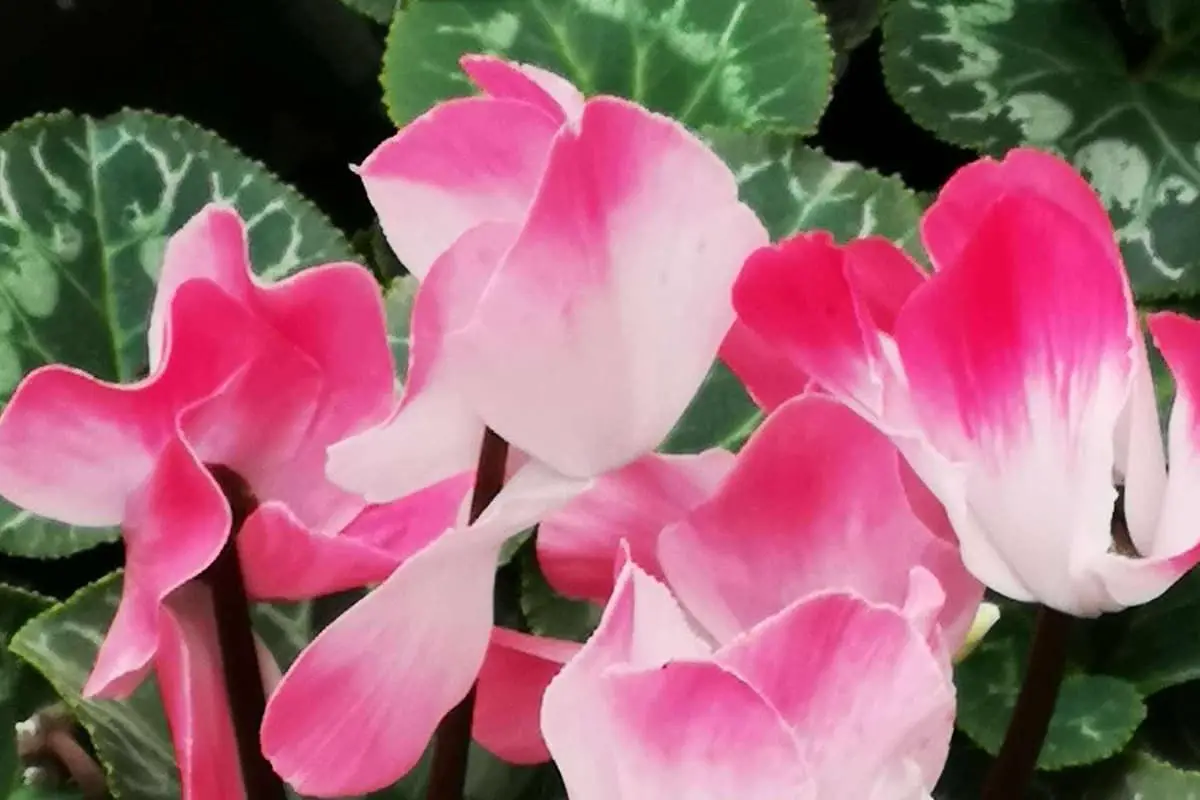
Cyclamen is cold-resistant, and can withstand temperatures as low as 0°C without freezing. It prefers warmth, dislikes heat, and grows best in cool environments and fertile sandy loam rich in humus.
Other names include rabbit ear flower, bunny flower, first-rate crown, bonfire flower, turned petal lotus; a perennial herb, suitable for indoor decoration, especially perfect for adorning sunlit shelves and desks at home.

Clematis, also known as clematis peony, wild passionfruit, golden package silver, Akebia, wild passionfruit, and thunder god vine.
Often referred to as the “queen of vine flowers,” its flower language is nobility and a beautiful heart. It prefers fertile, well-drained alkaline loam soil, dislikes waterlogging, and has strong cold resistance, able to withstand temperatures as low as -20°C.
Many evergreen clematises can withstand temperatures as low as -12°C, while deciduous clematis can generally withstand temperatures around -25°C.

Peonies are extremely cold-resistant and can be grown in areas where the minimum temperature is below 5°C for more than 40 days.
They can be overwintered in the open air in northern provinces. The peony is rich and beautiful in appearance, and when planted together with the peony, it can extend the viewing period.
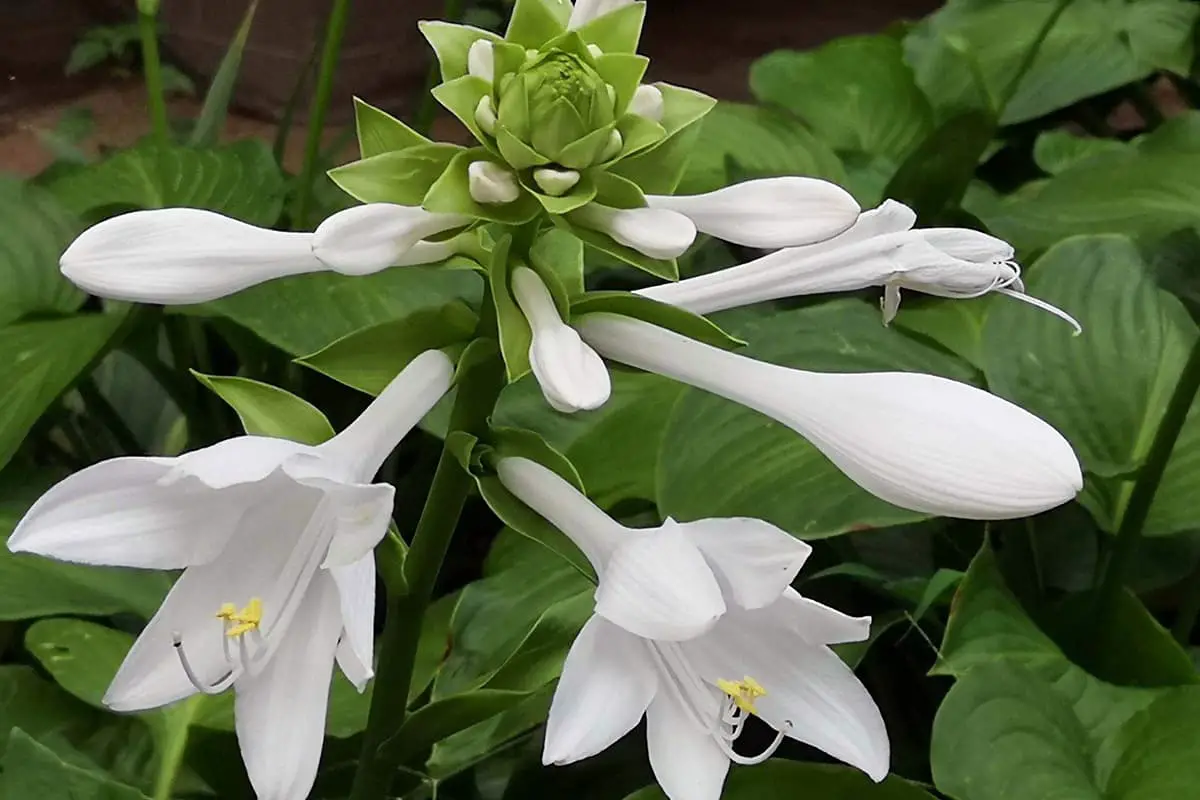
Hosta is a typical shade-loving plant that is extremely cold-resistant and can overwinter outdoors in most areas.
The flowers of Hosta are as beautiful as jade, but the most beautiful part is its leaves. Different varieties have different colors, but they are all beautiful.
They can be used as ground cover plants, ornamental potted plants, or cut flowers, etc.

Roses have many varieties and diverse forms, including many cold-resistant varieties, such as “Longsha Baojin,” “Golden Celebration,” “Graham Thomas,” etc., which can be planted in the colder northern regions.
They can be used as columns, walls, fences, arches, etc., adding color to the garden.
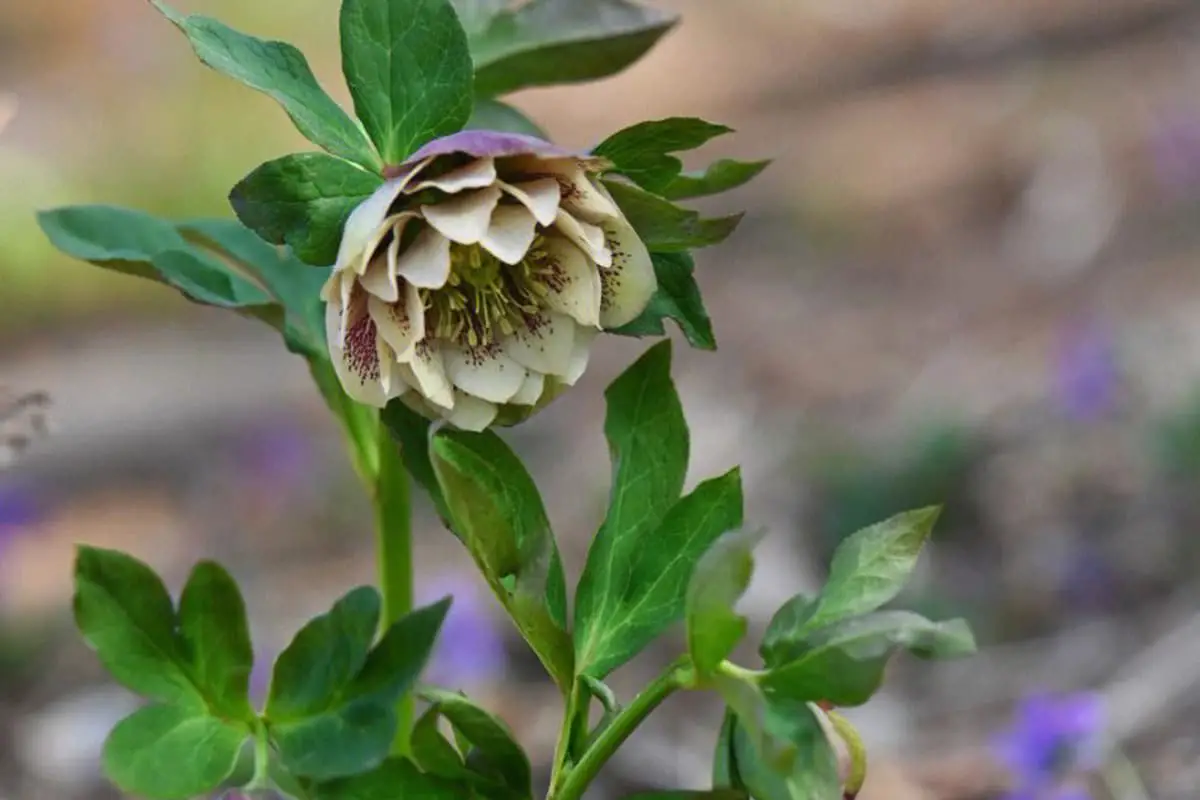
Hellebores are extremely cold-resistant and are precious ornamental plants in winter gardens. They are very suitable for planting in the north (except for extremely cold areas).
Their flowering period is from December to March. When they bloom against the snow, they are especially moving.

The Hibiscus has large, brightly colored flowers that are pleasing to the eye. Many of its varieties are very cold-resistant, such as “Midnight Miracle,” “Crazy War God,” “Tie-dye,” etc.
They have strong adaptability and can withstand temperatures as low as -25°C, but bare-rooted ones need to be protected from overwintering in their first year.
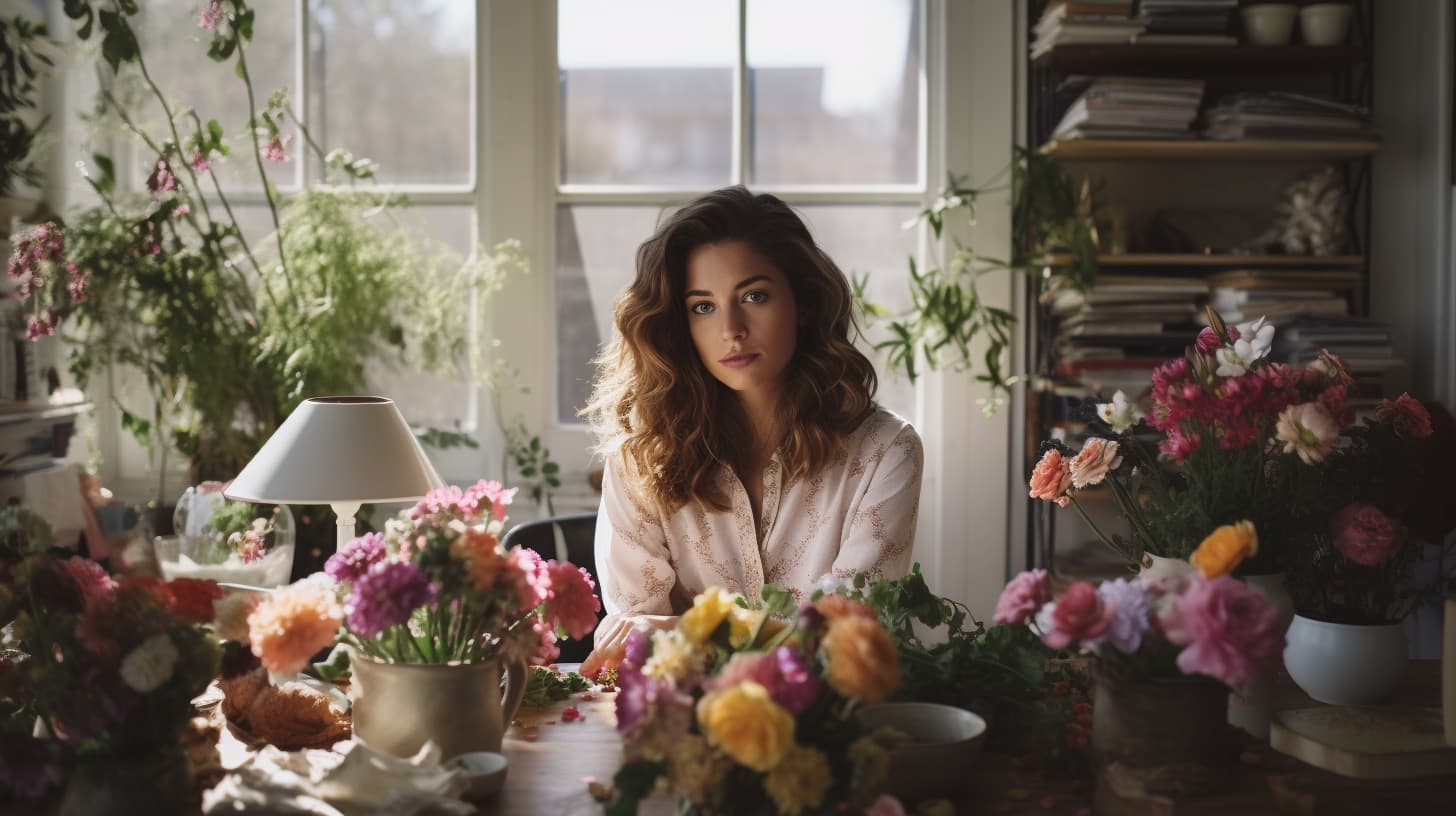
Peggie was once a high school mathematics teacher, but she set aside her chalkboard and textbooks to follow her lifelong passion for flowers. After years of dedication and learning, she not only established a thriving flower shop but also founded this blog, “Flowers Library”. If you have any questions or wish to learn more about flowers, feel free to contact Peggie.
 English
  العربية
  Bahasa Indonesia
  Deutsch
  Français
  Italiano
  Nederlands
  Português
  Русский
  日本語
日本語