600+ Types of Flowers A To Z (With Names and Pictures)
Types Of Flowers By Names (A-Z) Types Of Flowers By Color Types Of Flowers By Season Types Of Flowers By Blooming Time 600+ Types of Flowers No. Flower Name No.…

Tulip is a type of flowering plant.
Tulip (Tulipa gesneriana L.) is a herbaceous plant belonging to the family Liliaceae. The bulb of the tulip is ovoid in shape, with papery skin and sparse hairs on the inner surface at the top and base. The leaves are strap-shaped or lanceolate. The flowers are solitary and terminal, large and colorful.
The petals can be red or mixed with white and yellow. The stamens are without hairs, and there is no style, with the stigma forming a crest-like structure. Tulips bloom from April to May. The name “Garden Tulip” is derived from its flower’s resemblance to a lotus and its original distribution along the Mediterranean coast.
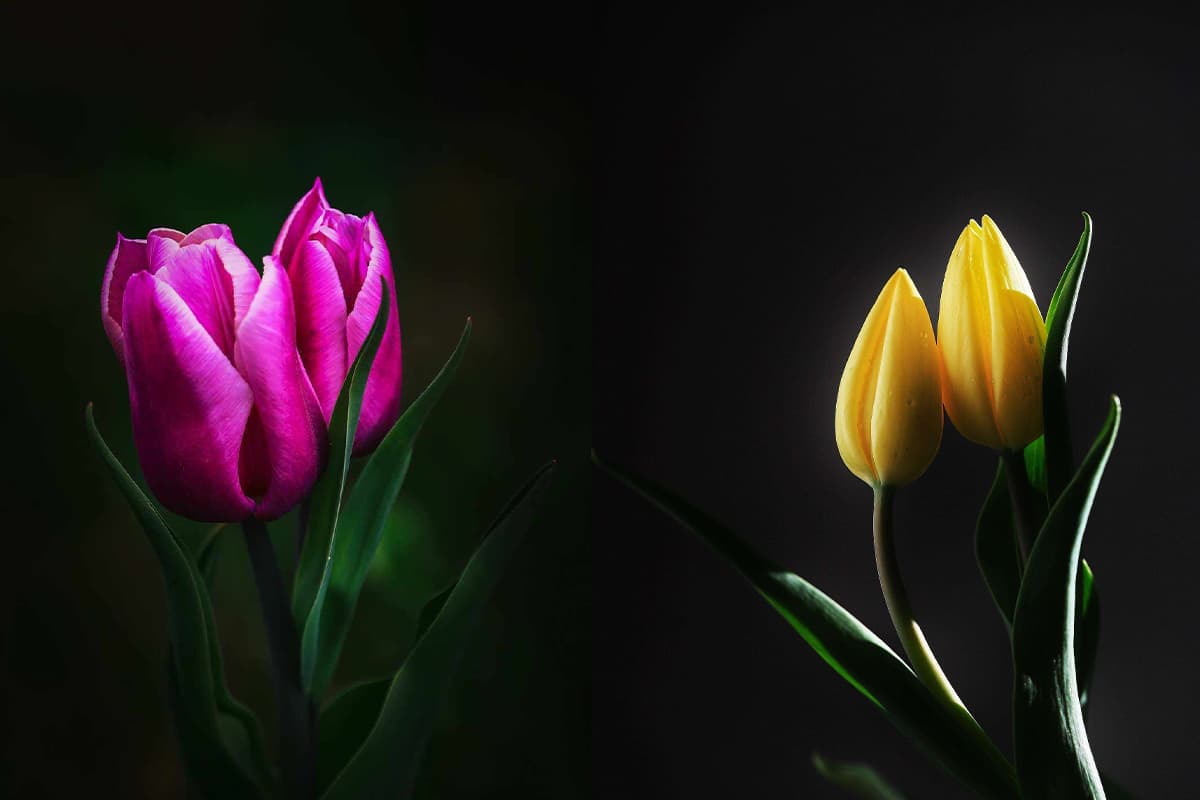
Tulips are native to the Mediterranean coast, mountainous regions of Turkey, Xinjiang in China, and are now cultivated throughout China. Tulips are long-day flowering plants and prefer sunny, wind-protected environments with warm and moist winters and cool and dry summers. They thrive in well-drained, loose, and fertile sandy soil with slightly acidic conditions.
Tulips are commonly propagated through bulb division, mainly by separating small bulbs. They can also be sown directly in the ground in autumn and will sprout the following year.
Tulip flowers are believed to dispel bad qi and the roots are known for their calming properties. Tulips are highly valued as ornamental flowers worldwide. With their lotus-like appearance, diverse colors, and vibrant beauty, they are popular spring bulb flowers.
Short and stout varieties are suitable for planting in spring flower beds, creating a striking and eye-catching display. Tulips are the national flower of the Netherlands, and during late spring, the Dutch countryside blooms with tulips, prompting various celebrations to honor the bountiful tulip harvest.
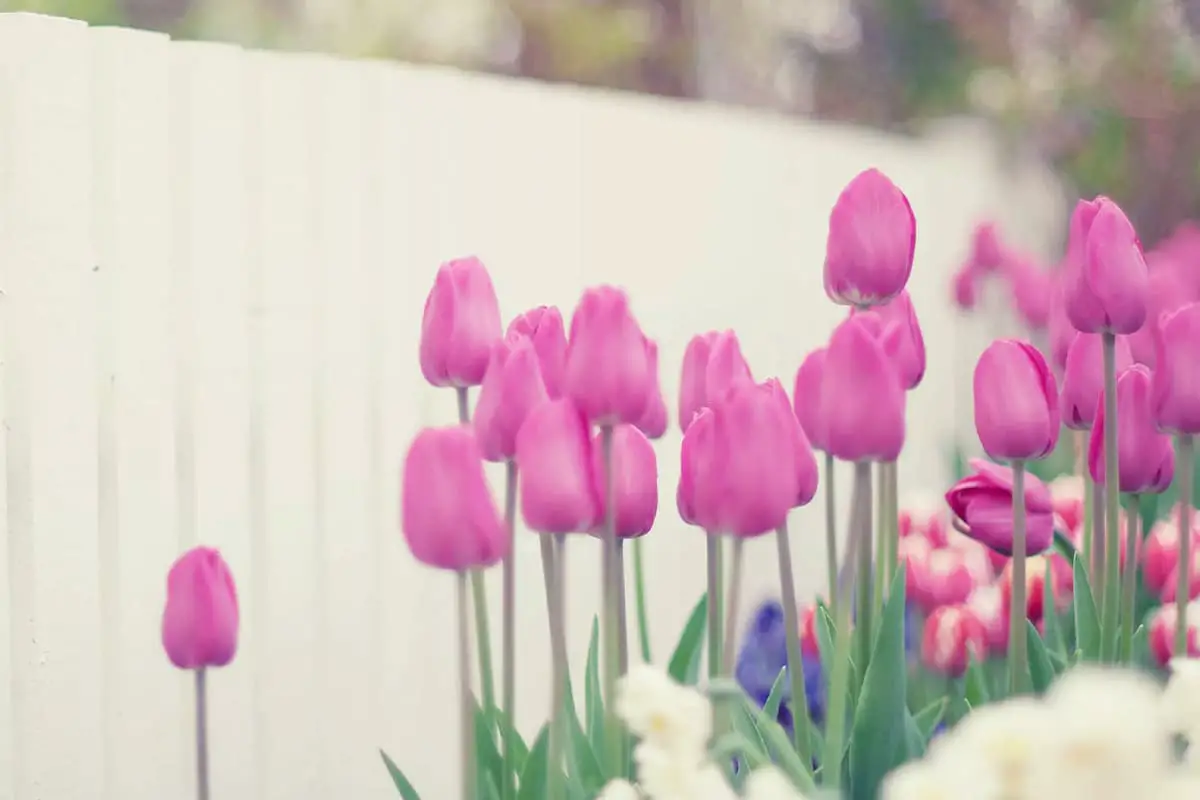
Tulips are perennial herbaceous plants that range in height from 15 to 60 centimeters. They have underground fleshy layer-like bulbs that are flattened-conical in shape, with 2 to 5 fleshy scales covered by a pale yellow to brownish membrane.
Stem:
The stem of tulips is smooth and covered with a white powder-like substance.
Leaves:
Tulips have 3 to 5 leaves that are strap-shaped to lanceolate, with entire and wavy margins. The base of the plant has 2 to 3 larger leaves that are broadly ovate, while the remaining leaves on the stem are longer and lanceolate in shape, and smaller in size.
Flowers:
The flowers of tulips are solitary and terminal on the stem. They are large and upright, with a cup-shaped appearance. The six perianth segments are separate and open during the daytime, closing in the evening or during cloudy and rainy weather.
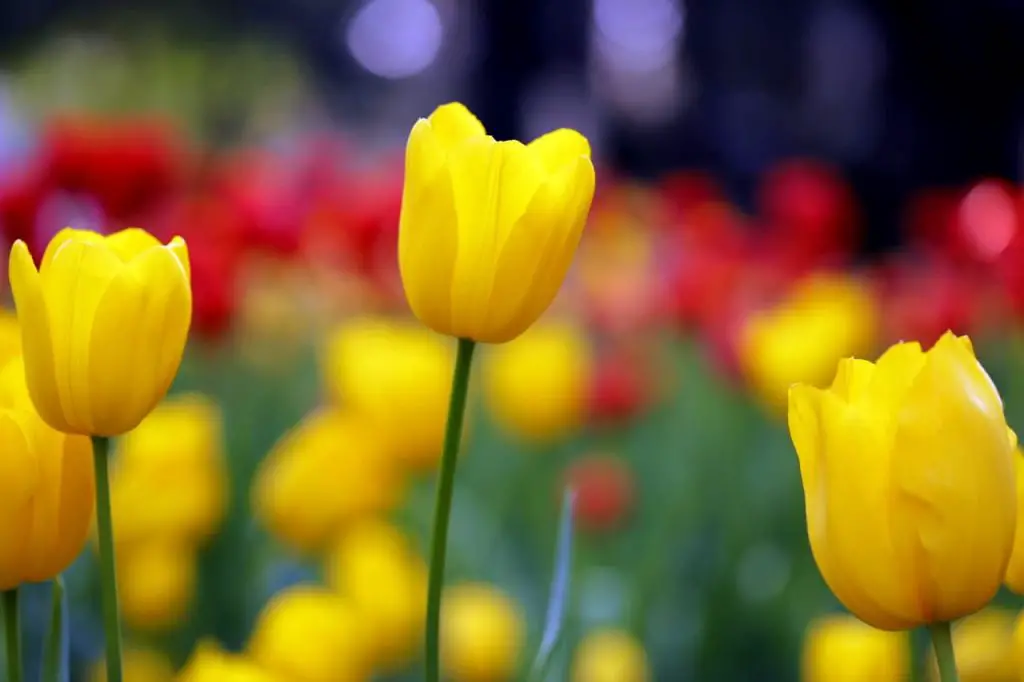
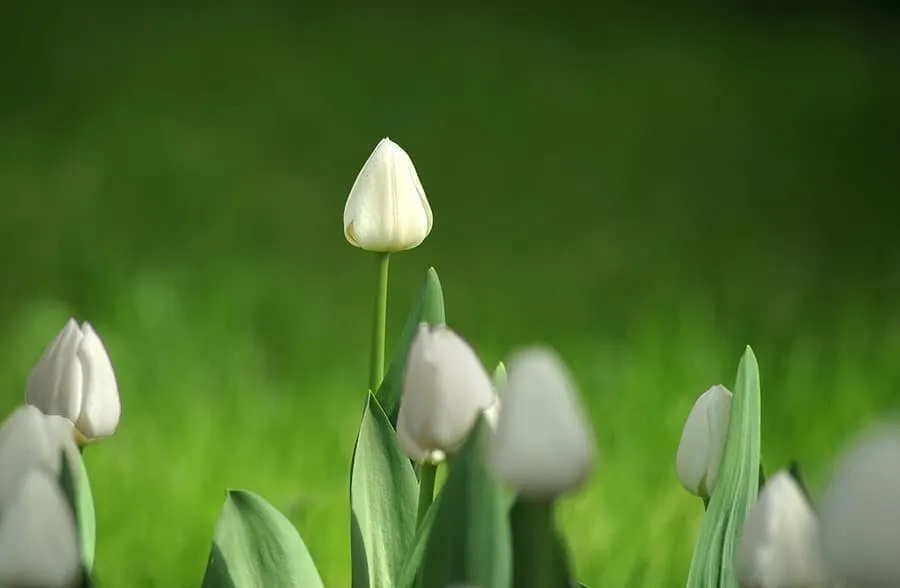
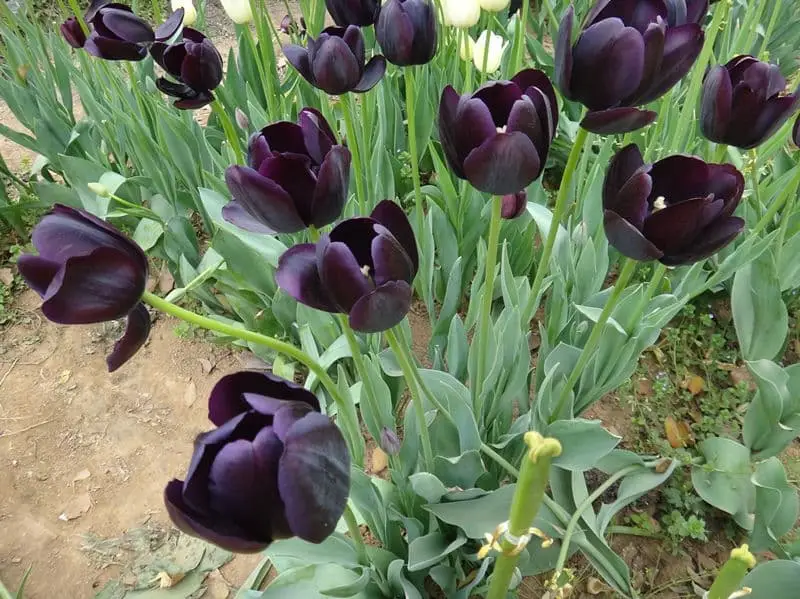
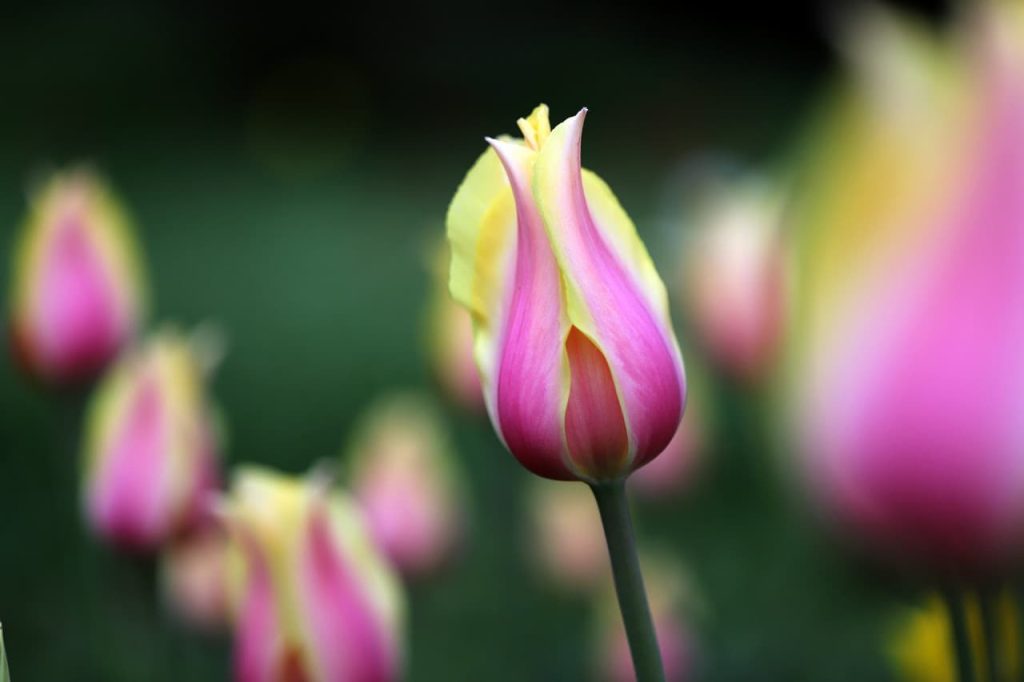
Tulip flowers come in various colors, including white, yellow, orange, red, purple, and multi-colored. There are also double-flowered varieties. The flowers are approximately 5 to 7 centimeters long and 2 to 4 centimeters wide.
Natural flowering period:
Tulips typically bloom from April to May. They have six stamens of equal length with hairless filaments, and no style. The stigma enlarges and forms a crested structure. There is one pistil, and the ovary develops into a three-chambered capsule containing 200 to 300 flattened seeds.
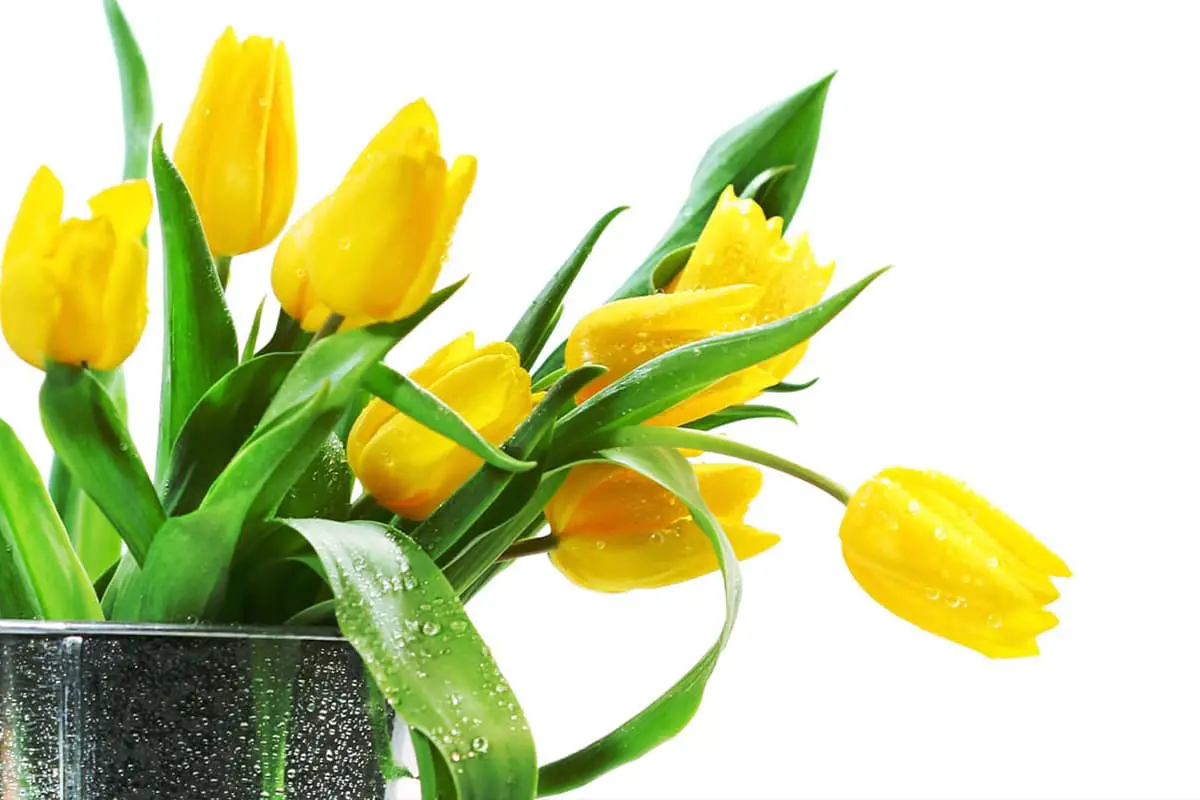
As of 2018, there are over 8,000 cultivated varieties of tulips worldwide. These varieties have been developed through hybridization of various wild tulip species originating from Portugal, the Mediterranean, Greece, Iran, and other regions. The following table lists some common cultivated cut flower varieties of tulips in China.
| Variety | Flower Color | Variety | Flower Color |
|---|---|---|---|
| Abba | Red, Double | Angelique | Pink |
| Apeldoorn | Red | Apricot Beauty | Pink |
| Abra | Red with Yellow Edges | Christmas Marvel | Deep Pink |
| Ilede France | Bright Red | Primavera | Pink |
| Capri | Red | Wonder Fut | Pink |
| Merry Christmas | Red | Pink Trophy | Pink |
| Henry Dunant | Red | Up Star | Pink |
| Rococo | Red, Fringed | First Lady | Purple |
| Dir Fanouoote | Red | Negrita | Purple |
| Prominence | Red | Purple Star | Purple |
| Parade | Red | Recreado | Deep Purple |
| Attile | Purple | Purple Prince | Purple |
| Bellone | Yellow | Drange Wonder | Orange-Purple |
| Golden Age | Yellow | Golden Apeldoorn | Yellow |
| Tommy | Orange | Flaming Parrot | Yellow with Red Edges |
| Goldentarset | Yellow | Arabian Mystery | Purple with White Edges |
Temperature:
Tulips have strong cold resistance and can tolerate temperatures as low as -35°C during the winter dormancy period.
However, they can also be grown in regions with minimum winter temperatures of 9°C. Temperatures below 9°C for more than 16 weeks can break the dormancy of the bulbs and promote normal growth and development. The optimal temperature for germination is around 9-13°C, and growth and flowering occur best at temperatures between 15-20°C.
Temperatures above 20°C can lead to elongated leaves. The temperature of around 20°C is suitable for bulb formation, and the temperature during flower bud differentiation should be around 20-30°C. Temperatures above 30°C can inhibit flower bud differentiation, although different varieties may have slightly different temperature requirements.
Light:
Tulips are neutral-day plants and are not very sensitive to day length. They prefer bright light but can tolerate partial shade. However, if the light intensity is too low, photosynthesis may be reduced, leading to poor growth.
Water:
Tulips are neither drought-tolerant nor tolerant of excessive moisture. Overly wet soil with poor drainage can lead to gray mold disease, while excessive dryness after planting can cause early shrinkage of flower buds, resulting in blind flowers.
Soil:
Tulips prefer sandy loam soil that is rich in organic matter, fertile, and well-drained. They do not perform well in heavy clay soils. The optimal pH range is 6.0-7.0.
The original habitat of tulips is in Xinjiang, China. Tulips were initially brought to Turkey by a missionary from Xinjiang and later introduced to Europe. In the mid-17th century, they became popular in Belgium, the Netherlands, and England. In the 19th century, tulips were introduced to Shanghai, China, and in the early 20th century, they were also introduced and cultivated in Nanjing, Lushan, and other places. Tulips have been introduced and cultivated in various regions throughout China.
Tulips are autumn-planted bulbous flowers that bloom in spring and go dormant in summer. They are perennial plants, and their growth and development can be divided into five stages.
Regeneration of New Bulbs
The flowering bulbs of tulips have a lifespan of one year. After flowering, the mother bulb withers and produces 1-2 new bulbs and 2-6 daughter bulbs.
If the newly formed bulbs are well-developed, they can be directly used as flowering bulbs. However, sometimes, due to the scarcity of remaining leaves after cutting the flowers or hot weather conditions, these bulbs cannot undergo sufficient photosynthesis to provide the necessary nutrients for bulb growth and development.
As a result, the new bulbs deteriorate over time and cannot be used directly as cut flowers. These bulbs can be discarded or planted in the ground for one year to rejuvenate before being used as cut flowers. The cultivation management methods are the same as those for daughter bulb propagation, but if flower buds appear, they should be removed promptly.
Daughter Bulb Propagation
Daughter bulbs with a diameter of less than 10 centimeters should continue to be planted for 1-2 years to allow them to grow into bulbs with a diameter greater than 10 centimeters. Daughter bulbs also have a dormancy period at low temperatures, so they need to undergo cold storage treatment and strict bulb disinfection before planting.
The soil preparation, soil disinfection, and field management techniques are similar to those used for propagating daughter bulbs of iris. The difference is that tulip daughter bulbs need to be planted in autumn. In the Shenyang region, planting generally takes place in mid-September, but it can be earlier in colder regions or slightly delayed in warmer regions.
Planting should not be done too early as the leaves are susceptible to frost damage before winter, and planting too late can lead to insufficient root growth, reducing cold resistance and affecting growth in the following spring, which is not conducive to bulb enlargement. Typically, the best time to plant is about a month before the local temperature drops to 5°C.
In addition, there are several issues to consider when propagating daughter bulbs: Harvest the bulbs promptly when the aboveground stems and leaves wither in summer. It is best to choose sunny and dry weather for this operation.
At this time, the outer layer of soil will naturally fall off from the harvested daughter bulbs, and clean and dry bulbs are less prone to diseases during the storage period.
Furthermore, when digging and drying the bulbs, care should be taken to prevent damage and avoid rubbing off the membranous skin. Excessive exposure to sunlight can also cause the bulb scales to crack, so it is advisable to provide shade for the bulbs during midday. Bulbs with cracked skin are highly susceptible to diseases during the storage period.
Some tulips are capable of producing seeds, and if successful, the yield can be substantial, with 200-300 seeds per capsule. Tulips can be propagated in large quantities through seed propagation. Additionally, hybridization for the development of new varieties also relies on seed propagation.
Approximately 30 days after pollination, the seeds mature. It is crucial to monitor them closely. When the capsule skin turns yellow and slightly dry, the entire fruit should be collected.
Delaying the collection can cause the capsule to split, and the seeds will be lost on the ground. Tulip seeds have a dormancy period and should be stored at temperatures below 9°C for 7-9 weeks before sowing to facilitate germination.
Generally, direct sowing in open ground during autumn is preferred. The seeds will germinate and emerge from the soil after winter, and by June, the underground portion will have formed bulbs. After a period of dormancy, the bulbs can be dug up and stored, and then planted in autumn. It takes 3-5 years from seed sowing for the bulbs to bloom.
Although there have been breakthroughs in tulip tissue culture, it has not been widely used in production. Explants selected for tissue culture are scales or buds from bulbs that have undergone high-temperature treatment and a subsequent low-temperature dormancy period of 6-10 weeks.
The induction medium consists of MS basal medium supplemented with 1 mg/L benzyladenine (BA) and 500 mg/L casein hydrolysate (CH). The subculture medium is MS basal medium supplemented with 1 mg/L BA, 0.5 mg/L gibberellic acid (GA3), and 500 mg/L CH. The rooting medium is 1/2 MS basal medium supplemented with 1 mg/L naphthaleneacetic acid (NAA).
The base of stored bulbs should be punctured or cut with a cross-shaped incision, reaching a depth of 1-2 centimeters. A layer of sulfur powder or charcoal should be applied for preservation. The bulbs should be inverted on indoor racks. By autumn, 10-30 daughter bulbs can emerge from the wound site. After 2-3 years of cultivation, they will develop into flowering bulbs.
Choice of Planting Location
Tulips are not very sensitive to light and can be cultivated in a greenhouse. The greenhouse should have climate control and temperature heating systems. They can also be grown in the soil, as it provides good water retention and ventilation, which facilitates root growth. Favorable soil conditions can also help suppress the occurrence of many soil-borne diseases.
Removing Seed Coats
For cut flower cultivation, smooth and undamaged bulbs without structural damage, diseases, or pests should be selected. If the outer coat of the bulb peels off like a rolling ball, it means that the outer layer covering the roots has been removed.
Care should be taken to extract the coat before planting, but it is not necessary to remove the entire outer coat. It is advisable to preserve as much of the skin as possible to prevent damage to other parts.
Planting
The planting density of the plants depends on the species characteristics, bulb size, and sowing time. For peeled bulbs, it is essential to expose the bulb during planting. Immediate watering is necessary after planting to prevent drying out and dehydration. Planting an undyed bulb stem 2-4 centimeters deep at the top of the bulb can promote root formation.
During planting, the topsoil should be loose, and the bulb should be gently inserted into the soil. Improper planting may damage the root primordium, inevitably causing harm. For seed planting, a layer of coarse peat can be applied to prevent soil structure damage during watering.
Greenhouse Climate Control
Temperature: In the first 2-4 weeks after planting, it is recommended to withhold watering to prevent the onset of soft rot disease. To maintain soil temperature below 10°C, especially during the early sowing period in October and November, it may be challenging. If the soil temperature in the greenhouse exceeds 17°C, it is advisable to delay sowing by 1-2 weeks.
To achieve temperature reduction, the soil should be loosened before sowing and covered afterward to prevent exposure to direct sunlight. Additional shading or covering structures can be used, but ventilation is necessary. Furthermore, watering the greenhouse soil with cold water before and after planting is beneficial.
Relative Humidity: Excessive relative humidity in the greenhouse can hinder plant transpiration, leading to stunted growth and even rotting and wilting of leaves, stems, and flowers. It also increases the risk of Botrytis cinerea infection and disease in young seedlings.
The relative humidity should be maintained below 80%, and this can be achieved by providing adequate ventilation in the greenhouse.
Horizontal installation of fans can help facilitate evaporation, especially if there are many tulip leaves. During winter production, ensuring proper ventilation in the greenhouse is particularly important.
Ventilation: Good ventilation is crucial as it helps lower air humidity and temperature while removing harmful gases.
Watering
Prior to planting, it is necessary to water the soil to reduce its temperature. Place the bulbs in moist soil, and provide appropriate watering during the seedling stage. After sowing the seeds, ensure that the soil has sufficient moisture from top to bottom, including the spray area.
Placing small bottles in different parts of the greenhouse and checking the water levels is the simplest method. When implementing an irrigation system, it is recommended to use a minimal amount of water, such as drip irrigation being preferable to sprinkler irrigation.
Throughout the cultivation process, watering should be adjusted based on actual production conditions. Watering needs to be carefully controlled, and as the harvest period approaches, water-saving cultivation practices should be employed.
Soil Preparation:
For potted cultivation, use soil that is rich in organic matter and has good drainage, such as sandy soil or garden soil amended with charcoal and fine sand. An ideal potting mix ratio is ROHM4.5: Household peat moss 4.5: Ash 1, or Ploughed loam no. 5: Peat moss (household) 5. Prior to planting the bulbs, it is necessary to sterilize the potting soil.
If the temperature remains below 12°C, cover the soil with a layer of 1-2 centimeters after planting 3 bulbs or 1 bulb, water it, and place it in a shady location.
Once the roots have developed well (approximately two weeks), it can be moved to a greenhouse or provided with a protective dome for insulation. Pay attention to drainage in the potting soil to prevent waterlogging during rainy days.
Temperature and Humidity Management:
Maintaining appropriate temperature and humidity levels is crucial for potted tulips in a greenhouse. Low temperatures can delay flowering, while high temperatures can result in weak stems, increased sprouting, and reduced chances of flowering.
Relative humidity should be kept below 80% to minimize damage from Botrytis fungus and prevent blind flowers or lodging. It is recommended to control the temperature between 15-18°C and avoid exceeding 80% relative humidity.
Using fans can promote plant transpiration and growth, and shading techniques can also be employed. Tulip bulbs are highly sensitive to drought, so watering in the early morning and evening is necessary, with a frequency of 3-4 times per week.
The amount of watering should be adjusted based on climate, ventilation, diversity, and soil type. During winter, when the temperature drops below 5°C, double-layered film cultivation or the use of heating devices can be implemented.
Maintenance:
Fertilizer Management: Tulips are sensitive to fertilizer, and inadequate nutrients can result in poor growth, low quality, fewer leaves, short stems, and small flowers.
Applying a mixture of phosphorus and potassium fertilizers can significantly promote the development of small flowers and bulbs. Mixing nitrogen and potassium can increase the number of medium-sized bulbs.
Water Management: Regular watering is essential during the growth of tulips. However, improper watering can cause issues. If the soil is loose, excessive water may overflow. If the soil becomes compacted, it is necessary to avoid excessive watering to prevent water accumulation, which can lead to stem rot.
Harvesting and Storage of Tulip Bulbs
The optimal time for harvesting is when the aboveground parts have completely withered. Care must be taken not to damage the bulbs during digging. After excavation, the mother bulbs and daughter bulbs should be dried for 2-3 days before separating and grading them by size.
Generally, they are divided into five grades, with grades one and two being commercial bulbs with a diameter of approximately 10-12 centimeters. Bulbs below grade three are used for propagation. After grading, soak the bulbs in a 0.2% solution of fungicide for 10 minutes, then remove and allow them to air-dry.
When packing, use ventilated bamboo baskets and arrange the bulbs in layers according to the size of the basket, leaving approximately 11 centimeters of space at the top. Store the baskets in a cold storage facility.
Planting
Tulips should not be planted in the same plot every year. It is best to use a crop rotation system with three different plots, allowing for planting rotation each year. The soil should be deeply tilled, and organic and compound fertilizers should be mixed into the soil during cultivation. The planting and propagation methods are the same.
Fertilizer and Water Management
Watering should be done before winter but not excessively. During winter, if there is ample rainfall or snow, there is no need for additional watering. In case of drought, water sparingly a few times, but avoid waterlogging. If there are seedlings emerging before winter, cover them with straw for overwintering, while those that haven’t emerged do not require cover.
Fertilization should be done once all the seedlings have emerged in the following year. Apply compound fertilizer when flower buds appear and perform foliar fertilization before flowering. The soil should be kept consistently moist during watering, but avoid alternating between excessively wet and dry conditions.
Tulips are highly esteemed and symbolize nobility and good fortune. They are among the most popular early spring flowers and are essential for the Spring Festival.
Therefore, it is necessary to employ forced cultivation techniques to adjust the flowering period of tulips to meet people’s demand. Box cultivation in greenhouses or plastic tunnels can be used, and the position of the planting boxes can be adjusted based on temperature and humidity to achieve forced cultivation.
Variety Selection
Generally, grade one and grade two bulbs with a diameter of 11 centimeters are preferred.
Bulb Treatment
Temperature is the primary factor for advancing or delaying the flowering period of tulips. Since there is a high demand during the New Year and Spring Festival, low-temperature treatment is required to break their dormancy before planting. There are typically two methods of low-temperature treatment:
This method involves delaying the flowering of tulips. In this approach, tulip bulbs are planted in the boxes in November of the same year. They are allowed to root under 9°C for 15 to 30 days and then transferred to a cold storage facility at -1.8°C for storage. This technique effectively delays the flowering time of tulips.
Disinfection:
Apart from maintaining dry conditions, it is necessary to disinfect the storage area of the bulbs (including all containers, warehouses, utensils, etc.) annually to kill any residual pathogenic spores.
During the sowing and harvesting periods, strict disinfection of the bulbs is essential to eliminate pathogens on the scales. Careful selection and thorough destruction of diseased plants and bulbs during the planting, growth, and storage periods should be practiced to prevent the spread of diseases.
Preventive Measures:
Gray Mold (Botrytis): This disease affects tulip leaves, flower buds, and scales. It is characterized by the appearance of a grayish wax layer and yellow spots on the edges of the infected parts, gradually spreading and causing stunted growth or wilting of the plants.
Prevention measures include storing the bulbs in a dry and well-ventilated area and disinfecting them with a 0.2-0.6% sterile water solution for 30-60 minutes before planting.
Penicillium: This disease is more likely to occur when tulip bulbs are stored in poorly ventilated areas with high humidity. It is important to maintain good ventilation and low temperature conditions during bulb storage. The bulbs should be carefully disinfected and soaked in a sterile water solution before sowing.
Rot: Rotting of bulbs is characterized by a color change from white to gray or red inside the bulbs, the formation of fungal cores between the outer scales, and the gradual drying and decay of the bulbs.
Excessive moisture in the soil during bulb harvesting can lead to bacterial infection and rotting of the bulbs. Proper preventive measures include ensuring good ventilation and avoiding excessive moisture.
It is important to regularly inspect the plants for any signs of disease or pests and take appropriate measures such as removing infected parts, applying fungicides or pesticides as needed, and maintaining proper cultural practices to prevent the occurrence and spread of diseases and pests.
Medicinal Value:
Tulips have bitter and dry properties when used in traditional medicine. The flowers are believed to help alleviate abdominal discomfort, while the roots are known for their calming effects.
Tulips also exhibit antibacterial properties against Staphylococcus aureus. The alcoholic extract of stems and leaves has antibacterial properties as well, containing various amino acids. Tulip pollen contains n-alkanes and iso-alkanes.
Ornamental Value:
Tulips are highly regarded as ornamental flowers worldwide. With their diverse range of colors and lush, vibrant blooms, they are a prominent choice for spring bulb flowers. Short and stout varieties are ideal for spring flower beds, adding a vivid splash of color.
Tall-stemmed varieties are suitable for cut flowers or landscape arrangements and can be planted in clusters along the edges of lawns. Medium and short varieties are well-suited for potting, embellishing courtyards, indoor spaces, and as cut flowers.
Tulips are widely used in garden settings, including flowerbeds, courtyards, and landscape features. In southern China’s parks, tulips are often used in large quantities to adorn flower ponds and various geometric landscapes.
The mild colors of tulips make them versatile for pairing with other flowers, and their plant height is suitable for landscape design, leading to their widespread application in Chinese gardens.
Dutch Tulip, Garden Tulip, Tulipa, Holland Flower.
Tulips are native to mountainous regions and prefer a climate with cold and wet winters and hot and dry summers.
They go through a summer dormancy period and root and sprout new buds during the winter. However, the buds do not emerge above the ground and the plant forms branches and leaves after winter.
Tulips bloom in March or April each year, with an optimal temperature range of 15 to 20°C.
Tulips thrive in bright, well-lit environments and should be protected from strong winds. They have strong cold tolerance and can withstand temperatures as low as -14°C, while snow cover in winter can provide insulation for overwintering. However, they are not tolerant of hot weather.
Tulips require loose, fertile, and acidic sandy soil.
National Flower: Tulips are the national flowers of countries such as the Netherlands, New Zealand, Iran, Turkey, Afghanistan, and Turkmenistan.
Language of Flowers:
Tulip – Love, thoughtfulness, elegance, wealth, capability, intelligence, kindness.
Purple Tulip – Endless love, deep affection.
White Tulip – Pure and noble love.
Pink Tulip – Everlasting love.
Red Tulip – Declaration of love, joy, passionate love.
Yellow Tulip – Bright and cheerful.
Black Tulip – Mystery, nobility, unique leadership, the crown of honor.
Bicolor Tulip – You are beautiful, joyous encounter.
Feathered Tulip – Tender affection.

Peggie was once a high school mathematics teacher, but she set aside her chalkboard and textbooks to follow her lifelong passion for flowers. After years of dedication and learning, she not only established a thriving flower shop but also founded this blog, “Flowers Library”. If you have any questions or wish to learn more about flowers, feel free to contact Peggie.
 English
  العربية
  Bahasa Indonesia
  Deutsch
  Français
  Italiano
  Nederlands
  Português
  Русский
  日本語
日本語