600+ Types of Flowers A To Z (With Names and Pictures)
Types Of Flowers By Names (A-Z) Types Of Flowers By Color Types Of Flowers By Season Types Of Flowers By Blooming Time 600+ Types of Flowers No. Flower Name No.…

Roses are among the most famous and popular types of flowers. They have been highly regarded for centuries. Historical evidence suggests that they originated in China approximately 5,000 years ago and have played a role in history ever since.
Whether it be the ancient Greeks, Romans, Christians, Freemasons, or others, roses have always been an enduring symbol of love, beauty, and equality. While each color may convey a slightly different message of love, beauty, and balance, the primary message remains love.
As an economic crop, roses are primarily cultivated for their flowers, which are used in food and the extraction of rose oil for various industries such as cosmetics, food, and fine chemicals.
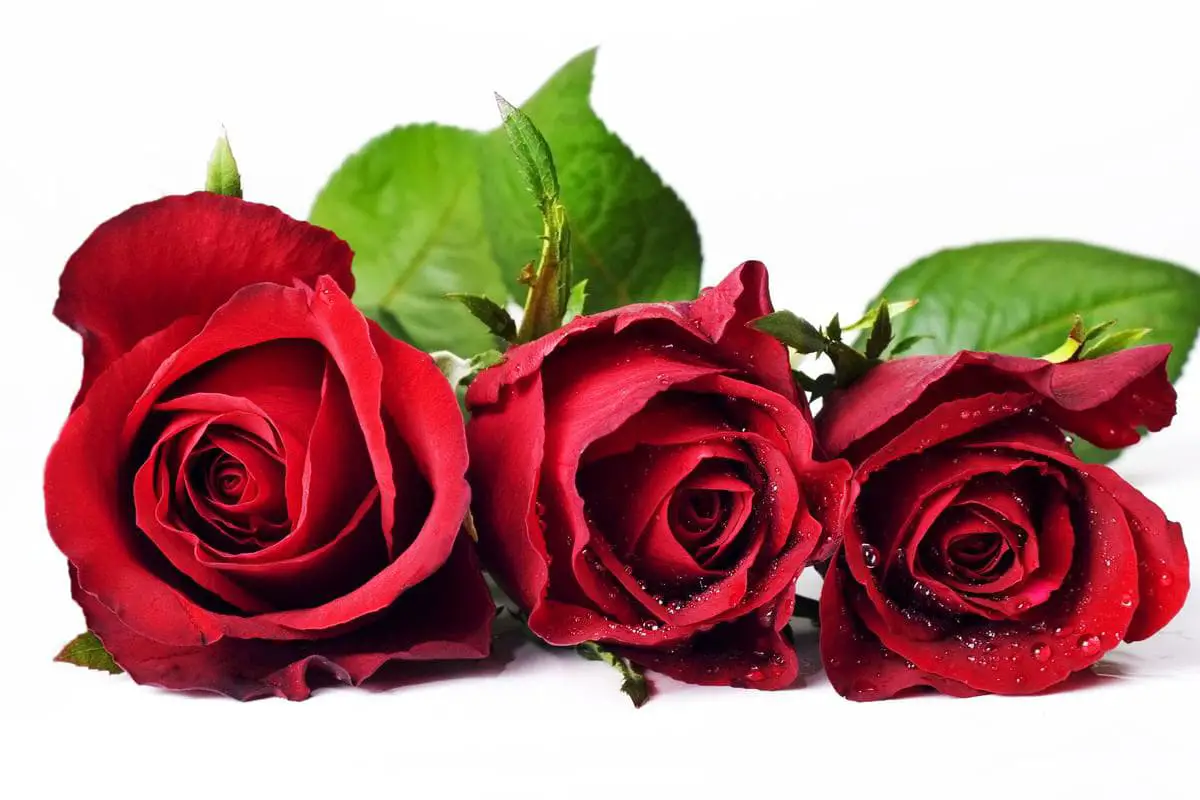
Roses are the national flowers of 14 countries, including the United Kingdom and the United States. In common usage, “rose” has become a general term for various species of the genus Rosa. In fact, hybrid roses are also produced through the hybridization and cultivation of different species within the Rosa genus.
These plants are erect, sprawling, or climbing shrubs, most of which are covered with thorns, prickles, or bristles, although some may be thornless. They can have hairy or smooth stems, and glandular hairs may or may not be present.
The leaves are alternate, usually odd-pinnate compound, but occasionally simple; the leaflets have serrated edges. Stipules can be adnate or borne on the petiole, or occasionally absent. The branches are relatively weak, often drooping, and densely armed with thorns. Roses typically bloom once a year.
Roses have solitary or umbellate inflorescences, occasionally compound umbels or corymbs. The calyx tube (hypanthium) varies from spherical, urn-shaped, to cup-shaped with a contracted neck. The calyx consists of five, rarely four, spreading sepals that are imbricate or occasionally pinnately divided.
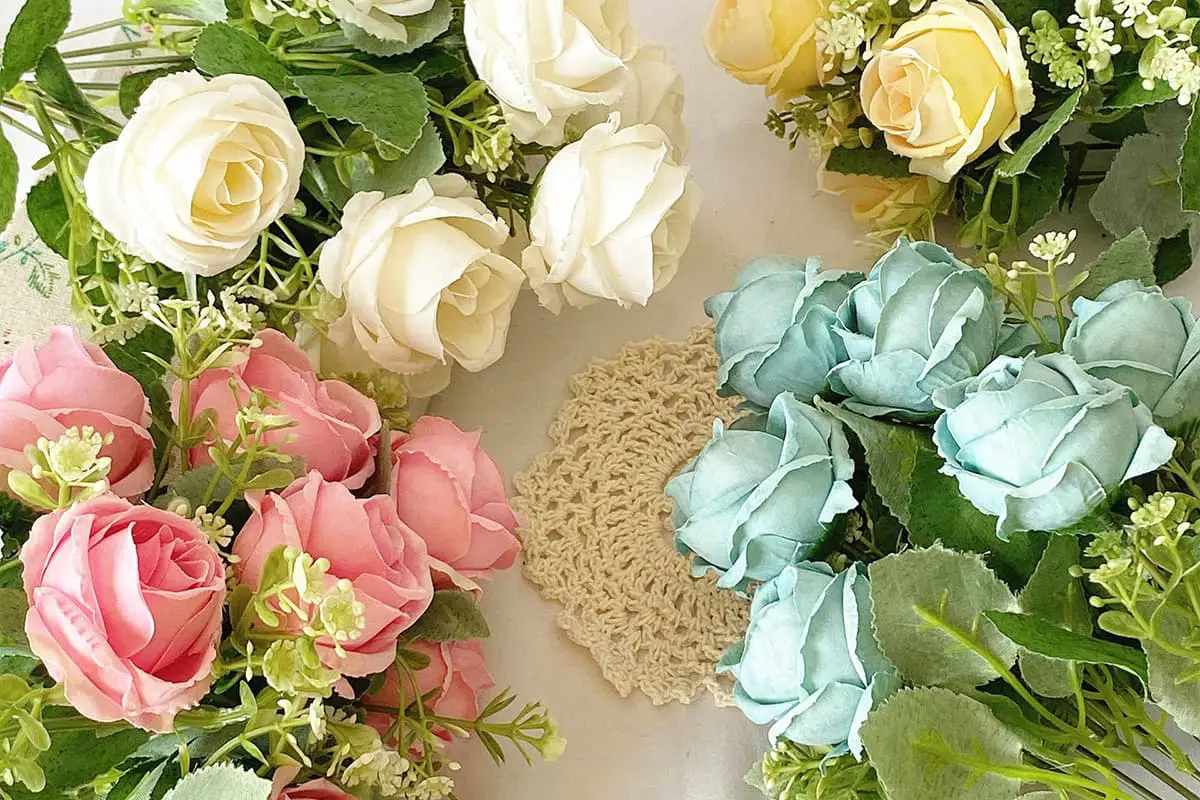
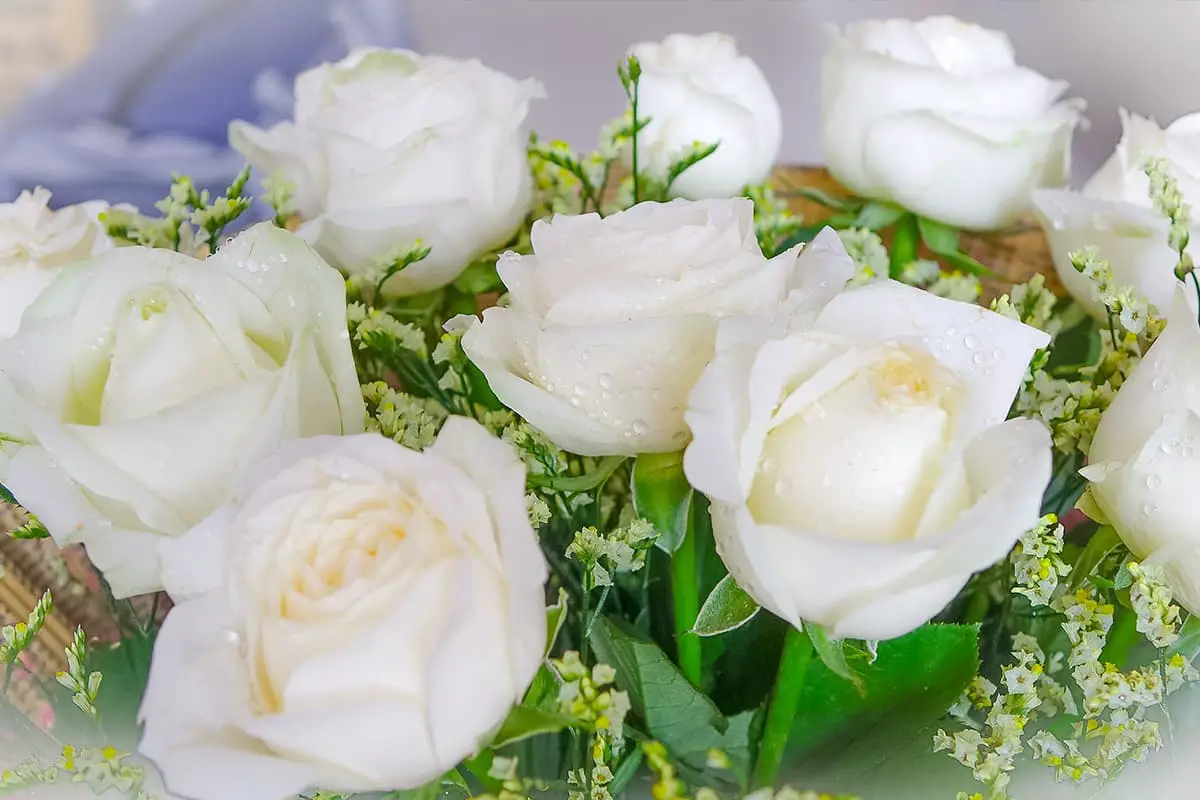
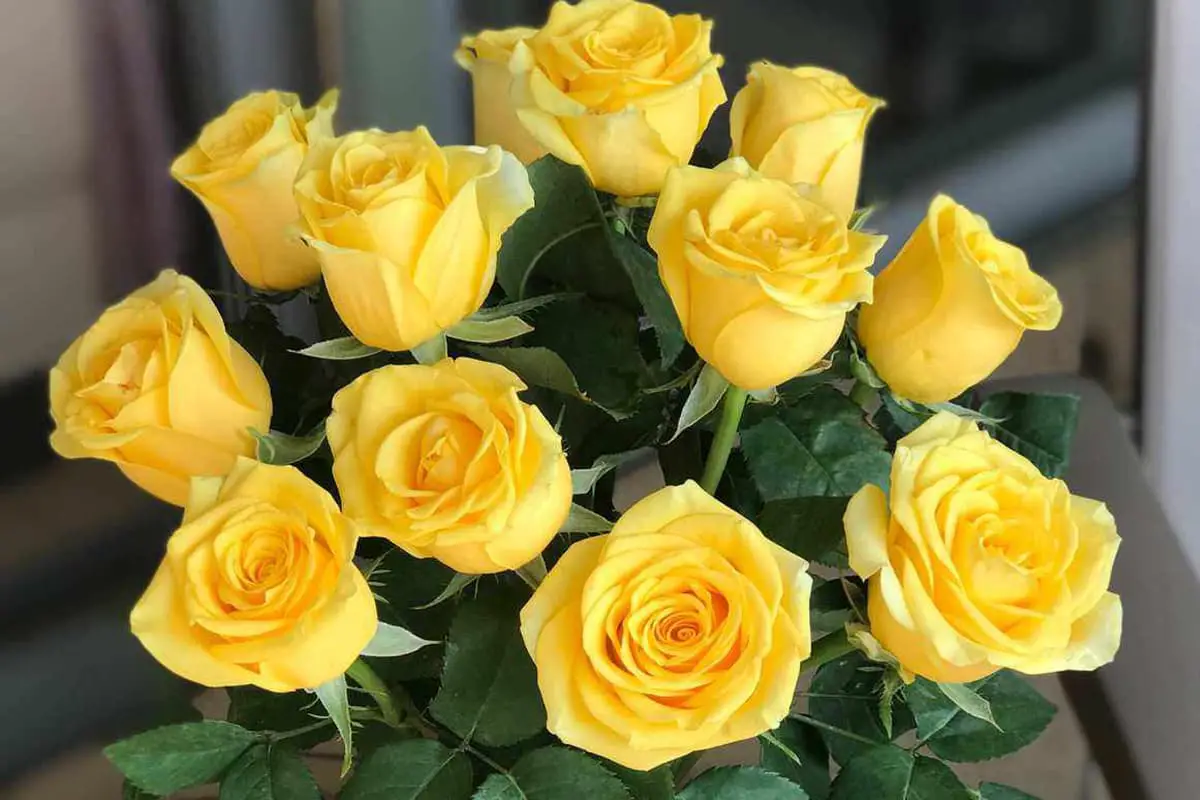
The petals of roses are five, rarely four, spreading and imbricate, ranging in color from white, yellow, pink to red. The floral disk surrounds the mouth of the calyx tube. The numerous stamens are arranged in several whorls and are borne around the floral disk.
The carpels are usually numerous, occasionally few, borne inside the calyx tube, sessile or rarely stalked, distinct or partially fused at the upper part. The ovules are solitary and pendulous.
The fruits of roses are woody achenes, mostly borne inside the fleshy hypanthium, forming rose hips. The seeds are pendulous. All roses have a rounded receptacle that is symmetrical on its frontal and vertical axis. The shape of rose petals can range from pointed cone-shaped to tear-shaped. Some petals spread out horizontally, while others curl or turn upward at the edges.
Roses come in a variety of colors, and within each color, there is a wide range of shades. The petals can be bicolored or tricolored and bloom in almost all colors except for blue and black.
Roses thrive in areas with abundant sunlight and can tolerate cold and drought conditions. They prefer well-drained, loose, and fertile loam or sandy soil, while they do not grow well in heavy clay soil, resulting in poor flowering. It is recommended to plant them in well-ventilated areas, away from walls, to prevent sunlight reflection that could scorch the flower buds and affect blooming.
Roses are photophilous plants, meaning they develop deeper color and stronger fragrance with ample sunlight. During the growing season, if the sunlight exposure is less than 8 hours, the plants will elongate but fail to produce flowers.
Roses are not extremely demanding in terms of humidity levels. However, in low temperatures and high humidity, rust and powdery mildew diseases may occur.
During the flowering season, a certain level of humidity in the air is desirable, while high temperatures and dry conditions can reduce oil production. Roses are not highly sensitive to soil pH, as they can grow well in slightly acidic to slightly alkaline soils.
In regions where roses experience winter snow cover, they can withstand temperatures as low as -38°C to -40°C. In areas without snow cover, they can tolerate temperatures as low as -25°C to -30°C, but they are not resistant to dry winds in early spring.
In regions where the soil has not thawed yet and strong winds blow, the branches can dry out. However, if the soil has thawed and the roots continue to supply water and nutrients to the stems, the wind cannot cause severe damage. In areas with a drought index greater than 4, irrigation is necessary for proper development of roses.
Roses can be propagated mainly through division and cutting.
Roses are believed to invigorate blood circulation and regulate qi. They have medicinal properties and can be used to treat ailments such as rheumatism, liver and stomach pain, abdominal distension, and menstrual irregularities.
Rose petals can be used in pastries, rose wine, rose syrup, and can be dried for making tea. The fruits contain rich vitamin C, malic acid, and carotene. Fresh flowers can be steamed to extract fragrant oil for culinary and cosmetic purposes. The beautiful rose flowers have high ornamental value and can be used for landscaping in gardens.
Ornamental Use
Roses are regarded as one of the most popular and widely cultivated ornamental plants. They can be found almost everywhere, from balconies and backyards of ordinary people to the world’s most famous royal gardens.
Medicinal Use
Roses contain over 300 chemical compounds, including aromatic alcohols, aldehydes, fatty acids, phenols, essential oils, and fats. Consuming rose products is believed to invigorate the liver, regulate the stomach, promote blood circulation, and enhance beauty.
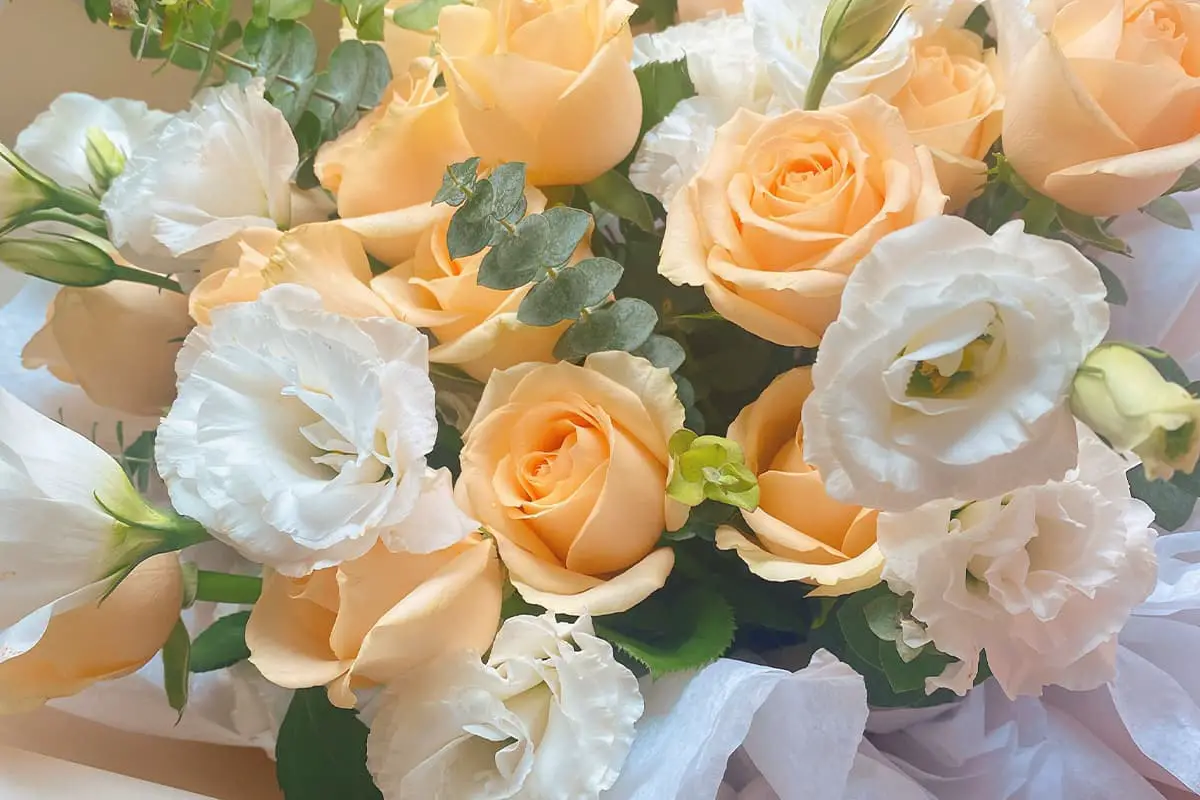
The initial blossoms and roots of roses can be used as medicine to regulate qi, promote blood circulation, and alleviate various conditions such as menstrual disorders, injuries, liver and stomach pain, and breast swelling and pain.
Nutritional Value
Rose flowers contain various trace elements and are particularly high in vitamin C. They can be used to make various delicacies, such as rose sugar, rose cake, rose tea, rose wine, rose pickles, and rose paste. In some European regions, roses can be consumed directly, and rose roots can be cooked and used for brewing wine.
Mature rose fruits contain abundant vitamin A, B, C, as well as more than ten kinds of amino acids, soluble sugars, and alkaloids.
Among them, rose fruits are particularly rich in vitamin C, with over 2000mg per 100g, earning them the title of “King of Vitamin C.” They also contain protein, fat, carbohydrates, calcium, phosphorus, potassium, iron, magnesium, etc. The protein content is 8.5%, fat is 4.7%, soluble sugar is 1.2%, and carbohydrates account for 68%.
Rose residues do not contain any harmful elements. They contain 18.33% to 23.66% glucose and 21.75% to 22.63% starch. They also have abundant amino acids, with a total content of up to 10.9%.
Rose red pigment can be extracted from the distillation residues of rose oil and used as a food coloring. The nutritional components are not destroyed when using red rose flowers as a red pigment for acidic foods. Additionally, soy sauce can be produced using rose residues.
Fragrance Use

Roses are aromatic plants, and rose oil extracted from rose flowers is highly prized in the international market. The price of 1 kilogram of rose oil is equivalent to 1.25 kilograms of gold, earning it the nickname “liquid gold.”
Certain special aromatic varieties, such as Chinese roses and Bulgarian Damask roses, are specifically cultivated for the extraction of expensive rose oil or for making candied roses.
Rose oil is pure and has a delightful fragrance. It has always been an irreplaceable ingredient in the world’s perfume and cosmetics industry, especially in Europe.
Rose water, extracted from waste rose oil without any additives or chemical substances, is a pure natural skincare product with excellent anti-aging and anti-itching effects. In addition, the root bark of roses can be used as a yellow dye for silk and other materials.
Roses are the most famous and beloved flowers of all. For centuries, roses have been highly esteemed. Whether it’s the Chinese, ancient Greeks, Romans, Christians, Freemasons, or others, the rose has always been an eternal symbol of love, beauty, and peace. While each color conveys love, beauty, and peace in slightly different ways, the main message remains love.
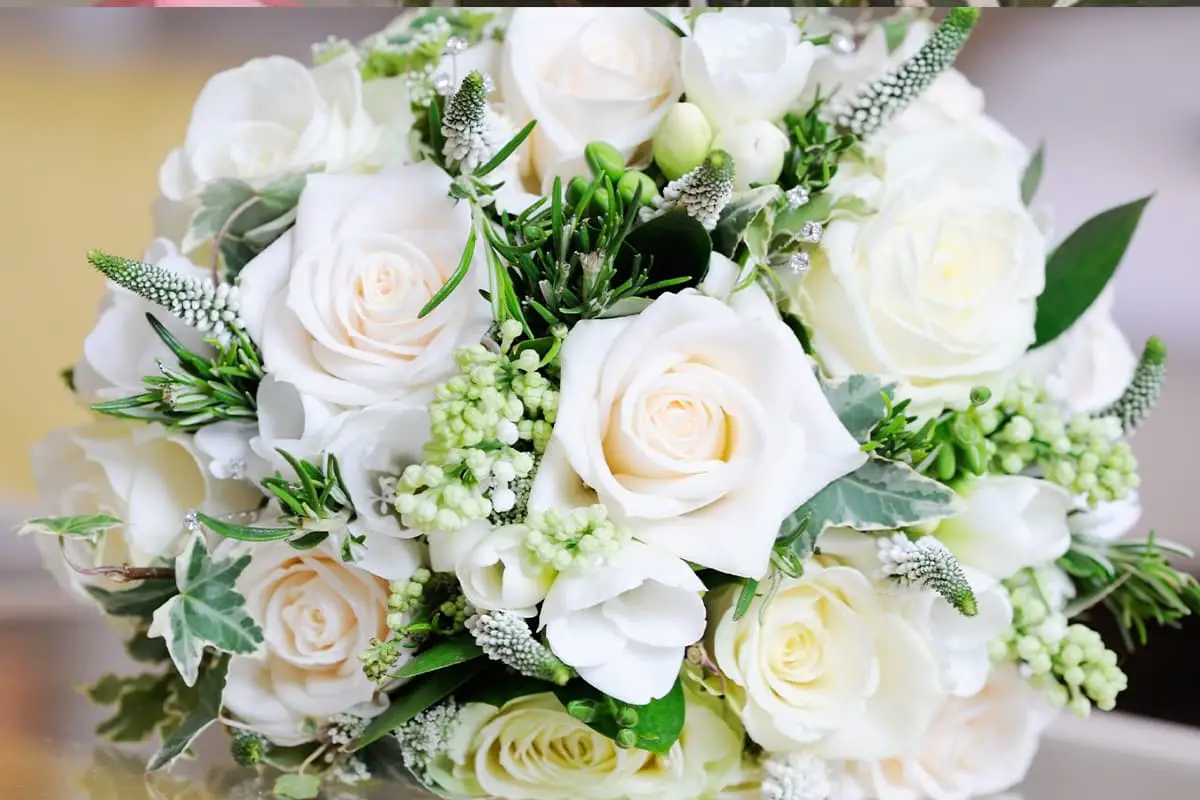
The rose, known as the “Queen of Flowers,” has always been the preferred flower for occasions such as Valentine’s Day, wedding anniversaries, or birthdays. Cherished and treasured by people since ancient times, the beauty and fragrance of rose flowers continue to captivate many. The color and quantity of roses represent different meanings.
Roses have many different meanings depending on their color. However, any rose can generally be considered a symbol of love, honor, faith, beauty, balance, passion, wisdom, devotion, and eternity.
Specifically, red roses symbolize love and romance, making them the perfect roses for Valentine’s Day. Pink roses symbolize gratitude, elegance, admiration, and joy. Yellow roses symbolize friendship. Purple roses represent romantic true love and precious uniqueness.
White roses symbolize purity and innocence. Black roses represent tender and sincere feelings. Orange roses symbolize enthusiasm and passion. Blue roses represent kindness and goodness.

Peggie was once a high school mathematics teacher, but she set aside her chalkboard and textbooks to follow her lifelong passion for flowers. After years of dedication and learning, she not only established a thriving flower shop but also founded this blog, “Flowers Library”. If you have any questions or wish to learn more about flowers, feel free to contact Peggie.
 English
  العربية
  Bahasa Indonesia
  Deutsch
  Français
  Italiano
  Nederlands
  Português
  Русский
  日本語
日本語