600+ Types of Flowers A To Z (With Names and Pictures)
Types Of Flowers By Names (A-Z) Types Of Flowers By Color Types Of Flowers By Season Types Of Flowers By Blooming Time 600+ Types of Flowers No. Flower Name No.…

Clivia is an ornamental flower belonging to the Amaryllidaceae family, Clivia genus, and it holds immense aesthetic value. It is not only a delightful sight to behold but also serves as an enhancer of indoor spaces while purifying the air. Despite its small size, it possesses remarkable functionality, making it truly worth having!
Clivia is also known as Large Flower Clivia, Big Leaf Bulbine, Sword Leaf Bulbine, and Damaris. It is a perennial herbaceous plant belonging to the Clivia genus in the Amaryllidaceae family. Clivia has a long flowering period of 30-50 days, mainly during the winter and spring seasons, with blooms appearing around New Year’s Day and before or after the Spring Festival.
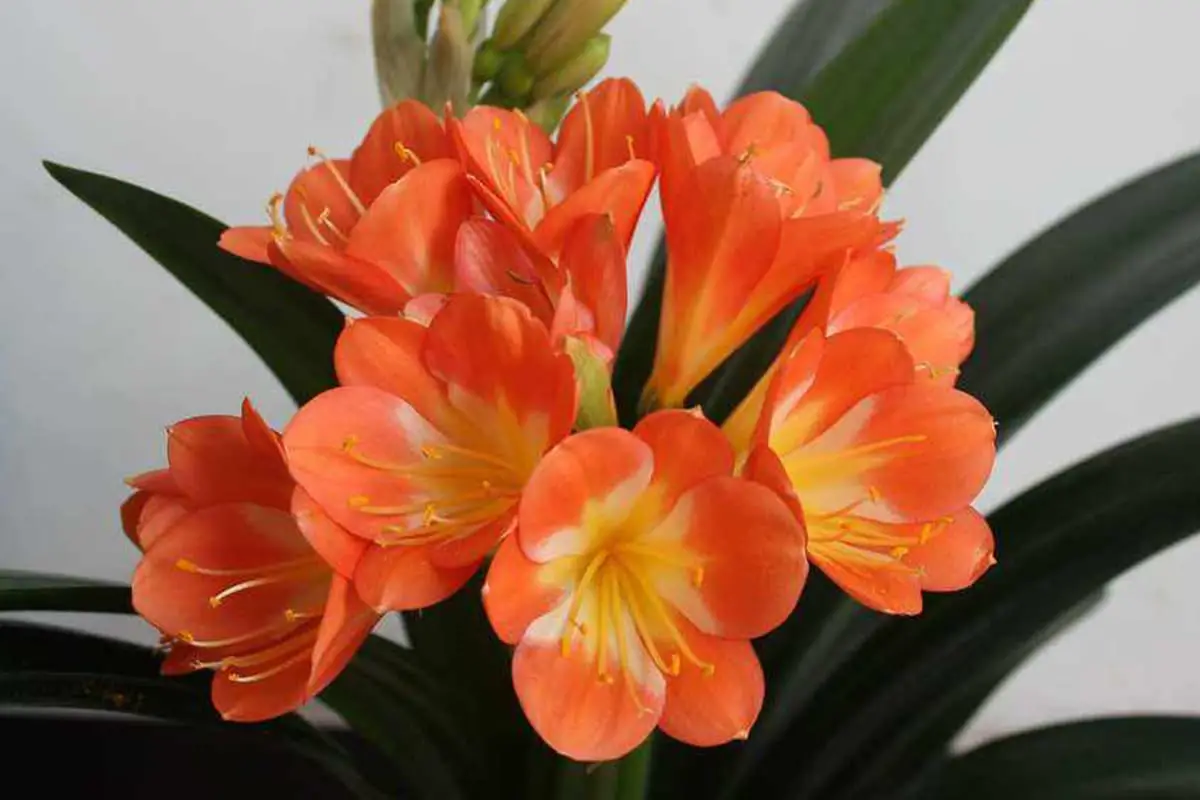
Clivia grows under trees and is sensitive to heat and cold. It prefers a semi-shaded and humid environment, avoiding direct sunlight. The optimal temperature range for its growth is between 18-28°C. If the temperature is too high or too low, its growth will be hindered.
Clivia is native to subtropical forests in southern Africa and is commonly cultivated as an ornamental potted plant in greenhouses in China and various other regions. It usually flowers in the spring and summer seasons, and sometimes even in winter.
Clivia dislikes strong light and is considered a semi-shade plant. It thrives in cool temperatures and growth ceases when the temperature drops below 5°C. It prefers fertile, moist, and well-draining soil while avoiding dry environments. Repotting is recommended once a year, ideally in spring or autumn, or after flowering.
Clivia thrives in well-ventilated environments and prefers loose, fertile, acidic organic soil. It is a typical greenhouse flower and suitable for indoor cultivation. Under normal care, Clivia blooms once a year, and with appropriate indoor cultivation temperature, it can flower around the time of the Spring Festival. However, it is rare for Clivia to flower twice or even three times in a year!
Currently, five species of Clivia have been discovered, namely Clivia nobilis, Clivia miniata (also known as Garden Clivia), Clivia caulescens, Clivia mirabilis, and Clivia gardenii.
In 2004, another species called Robust or Swamp Clivia was discovered in southern Natal. Therefore, the South African Clivia Society currently recognizes these six species of Clivia. Among them, all Chinese Clivia plants belong to the Clivia miniata species, and the dominant flower colors are red and orange.
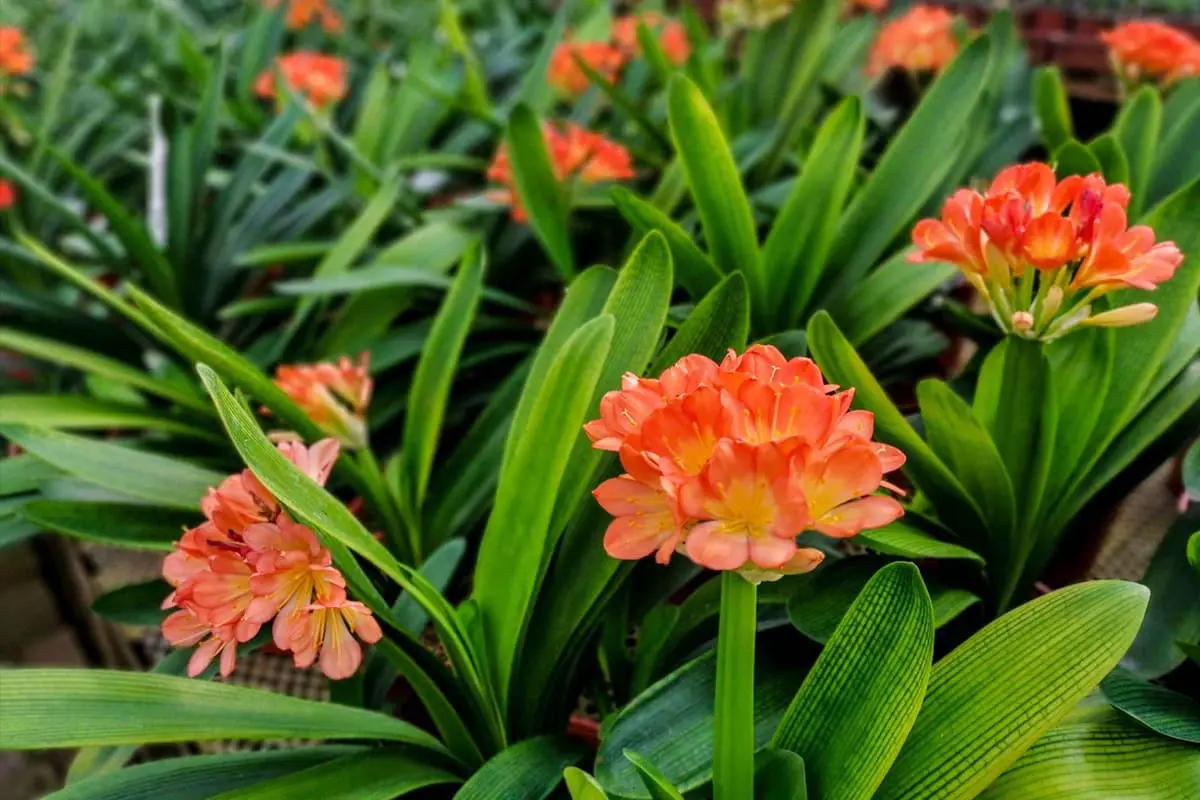
Clivia thrives under the shade of trees and is tolerant of both heat and cold. It prefers a semi-shady and moist environment, avoiding direct exposure to strong sunlight. The optimal temperature range for its growth is between 18 to 28°C, as temperatures too high or too low can inhibit its growth.
Originally native to subtropical forests in southern Africa, Clivia is commonly grown as a potted plant for ornamental purposes in China’s greenhouses, and it is cultivated in various regions. Clivia typically blooms during spring and summer, and sometimes even in winter. It dislikes strong light and prefers semi-shade conditions.
It is a shade-tolerant plant, enjoying cooler temperatures and being sensitive to high temperatures. Its growth ceases when temperatures drop below 5°C. It thrives in well-fertilized, moist, and well-drained soil, while dry environments should be avoided. Repotting Clivia is recommended once a year, preferably during spring or after flowering.
Clivia thrives in well-ventilated environments and prefers loose, fertile, acidic organic soil. It is a typical greenhouse flower and is suitable for indoor cultivation. Under normal care, Clivia blooms once a year, and with suitable indoor maintenance, it can bloom around the time of the Chinese New Year. However, it is quite rare for it to bloom twice or even three times in a year!
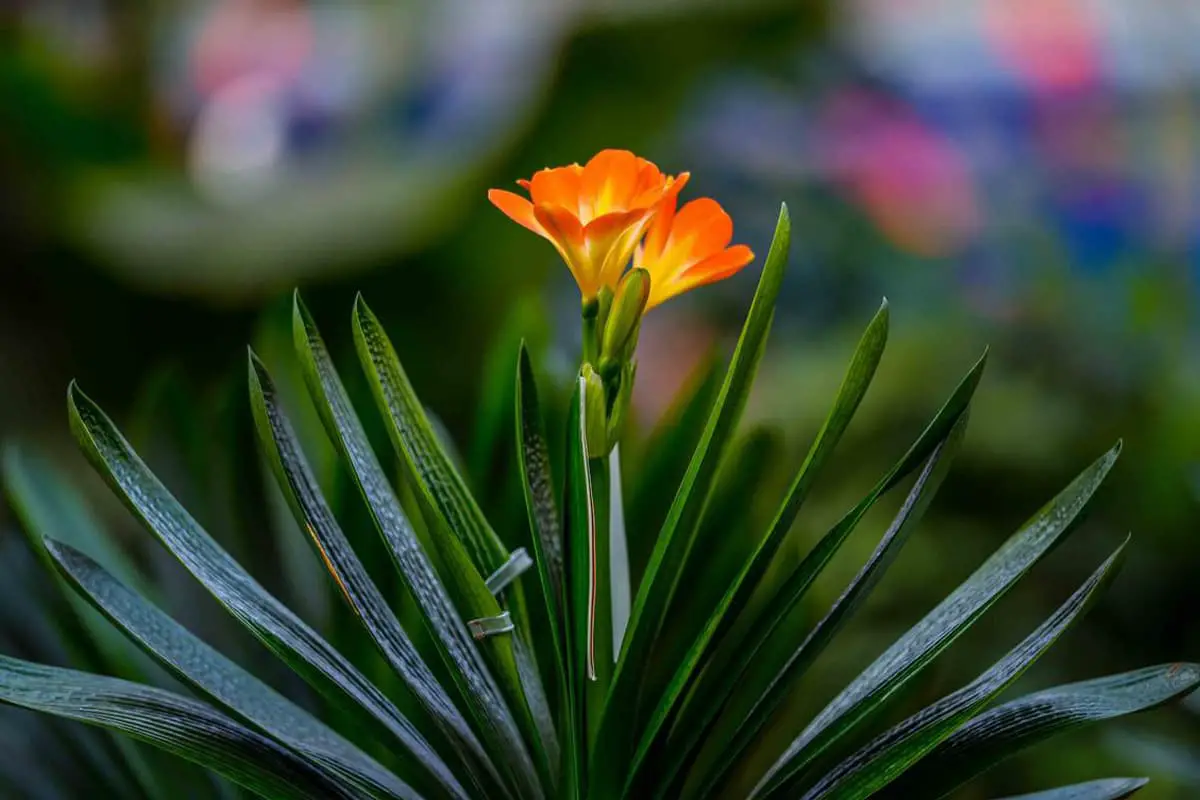
Currently, five species of Clivia have been discovered and are referred to as Clivia nobilis, Clivia miniata (also known as the large-flowered Clivia), Clivia gardenii (or Clivia miniata var. gardenii), Clivia caulescens, and Clivia mirabilis.
In 2004, another species called Clivia robusta (or swamp Clivia) was discovered in southern Natal. Therefore, the South African Clivia Society officially recognizes these six Clivia species. All the Clivia species found in China belong to Clivia miniata, with the predominant flower colors being red and orange.
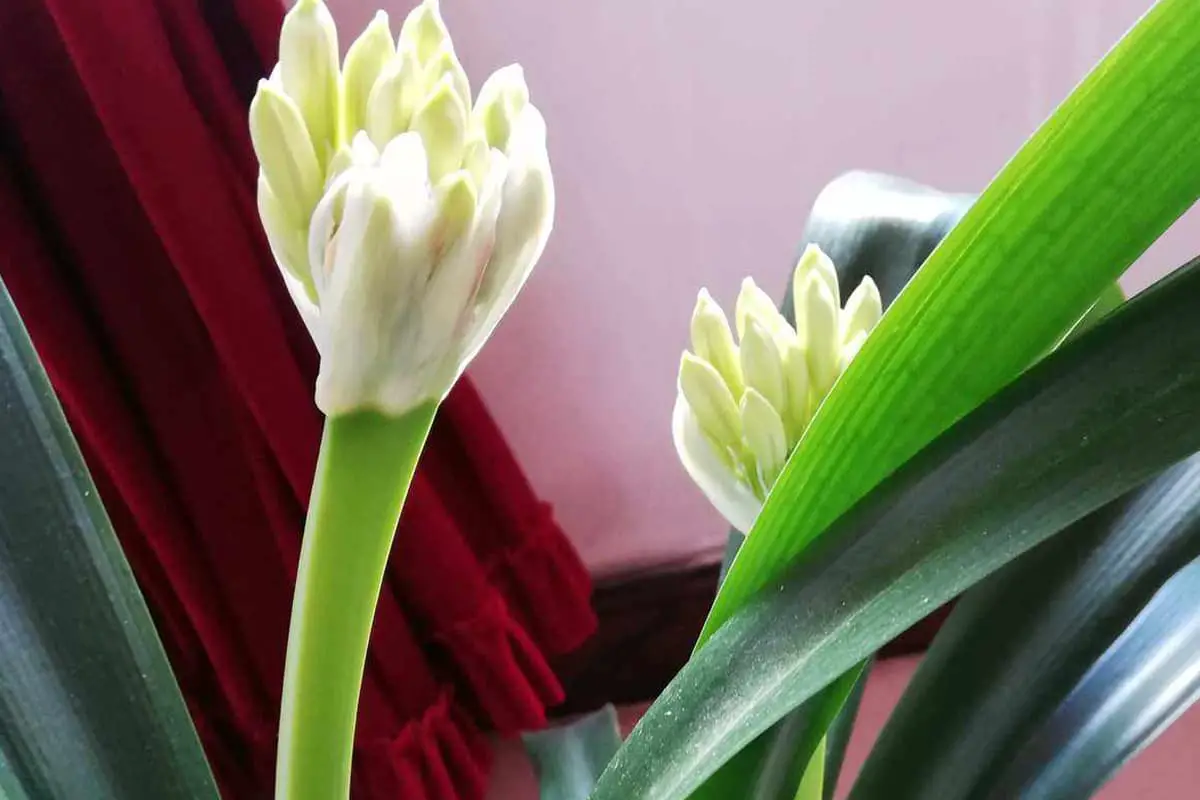
Clivia plants possess a graceful and elegant appearance, resembling the demeanor of a noble person, hence the name. They have fleshy fibrous roots, and at the base of the leaves, they form pseudo-bulbs. The leaves are sword-shaped, reaching up to 45 centimeters in length, arranged in an alternate pattern, and have smooth margins.
The umbel inflorescence grows at the top, with each inflorescence bearing 7 to 30 small flowers, and sometimes more than 40. The small flowers are stalked, arranged in an umbrella-like shape at the top of the flower, funnel-shaped, erect, and yellow or orange-yellow in color. Clivia can bloom throughout the year, with the main blooming period occurring during spring and summer. The fruits ripen around October, taking the form of spherical berries.
Clivia belongs to the Amaryllidaceae family, characterized by perennial evergreen herbaceous plants. Its roots are thick and fleshy, with a milky white color. The leaves emerge in two rows from the stem near the root, arranged neatly, and are broad and belt-shaped, with a hard, thick, and dark green texture.
The umbel inflorescence comes in shades of orange-red and orange-yellow. The berries are spherical and turn red when ripe. Clivia is commonly propagated through seeds and division. Inspired by the plant’s elegance and refined appearance, Japanese botanist Kubo Saburo named it “Clivia.”
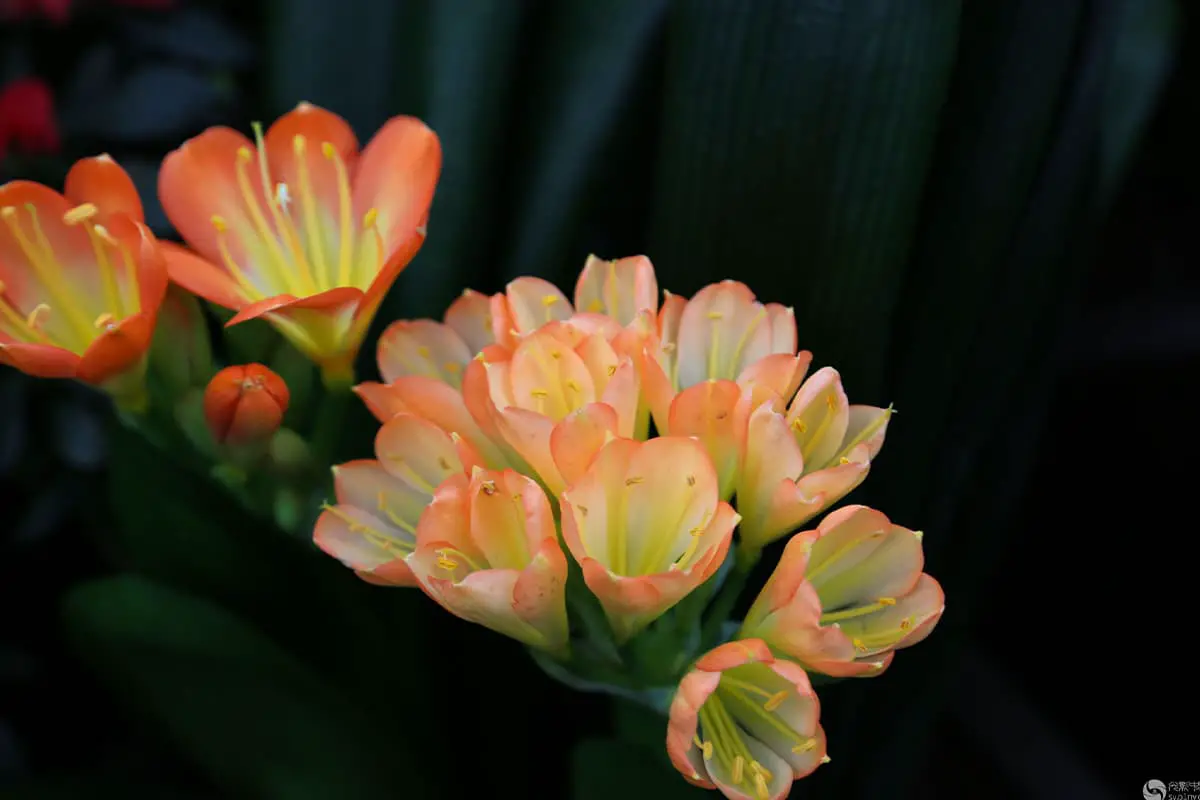
Clivia can be used to decorate homes and beautify the environment. It is an ideal potted plant for enhancing the surroundings. The hanging flowers of Clivia nobilis exude a sense of understated elegance and profundity, adding a unique charm. With its graceful foliage, exquisite flower beauty, and sword-shaped leaves, Clivia possesses high ornamental value.
Clivia is suitable for indoor potting and is perfect for appreciating its leaves and flowers. It is also an ideal potted plant for decorating event venues and hotel environments. Additionally, Clivia helps purify the air. A mature Clivia plant can absorb 1 liter of air within a day and release 80% oxygen. It can even undergo photosynthesis in extremely low light conditions.
During the night, Clivia does not release carbon dioxide, and a couple of Clivia plants in a room of a dozen square meters can effectively absorb indoor smoke.
Especially during the cold winter in northern regions, when doors and windows are closed, Clivia plays a vital role in regulating the air and maintaining indoor air freshness. It is one of the best green plants to be placed in bedrooms. Clivia also has medicinal value and is favored by many.
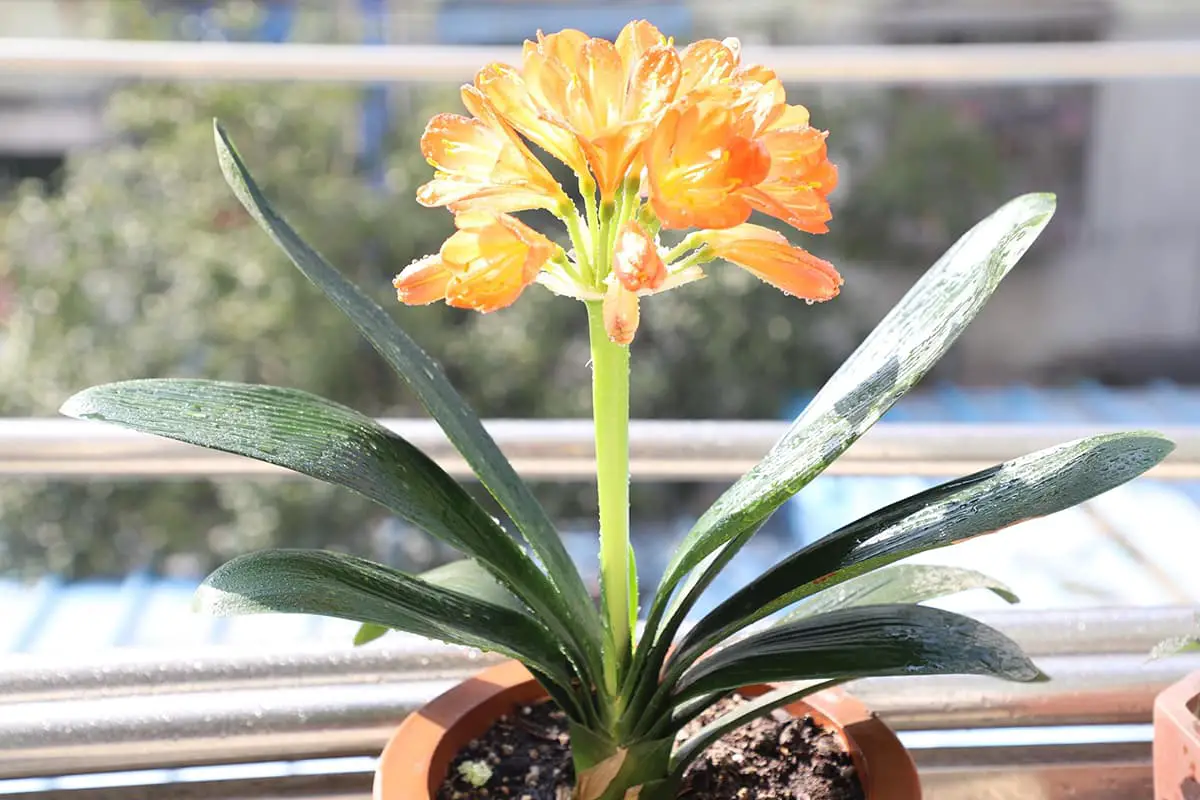
Clivia is noble and embodies the spirit of a true gentleman. The flower language of Clivia signifies humility, gentleness, talent without arrogance, and achieving success without being conceited, remaining modest even in a humble position.
The upright and smooth leaves of Clivia, resembling swords, symbolize strength, resilience, and noble character. The abundant flowers and vibrant colors represent wealth, auspiciousness, prosperity, and happiness. Those who appreciate Clivia are often calm-minded individuals with keen observation skills, but they may also be impulsive in matters of the heart, susceptible to love at first sight.

Peggie was once a high school mathematics teacher, but she set aside her chalkboard and textbooks to follow her lifelong passion for flowers. After years of dedication and learning, she not only established a thriving flower shop but also founded this blog, “Flowers Library”. If you have any questions or wish to learn more about flowers, feel free to contact Peggie.
 English
  العربية
  Bahasa Indonesia
  Deutsch
  Français
  Italiano
  Nederlands
  Português
  Русский
  日本語
日本語