The Saintpaulia ionantha, scientifically known as Saintpaulia ionantha, also known as African Pansy or Saintpaulia, is a perennial herbaceous plant in the Gesneriaceae family. This stemless plant is entirely covered in hair; it has ovate leaves with robust, fleshy petioles.
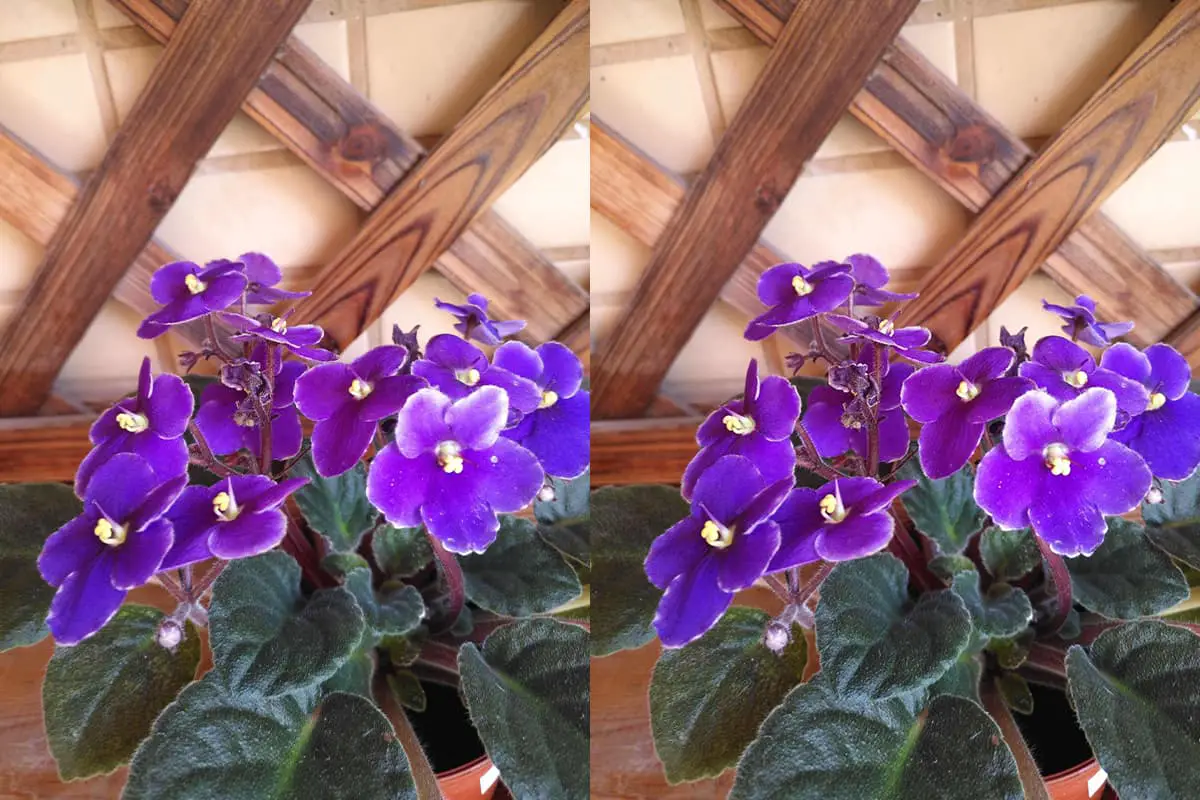
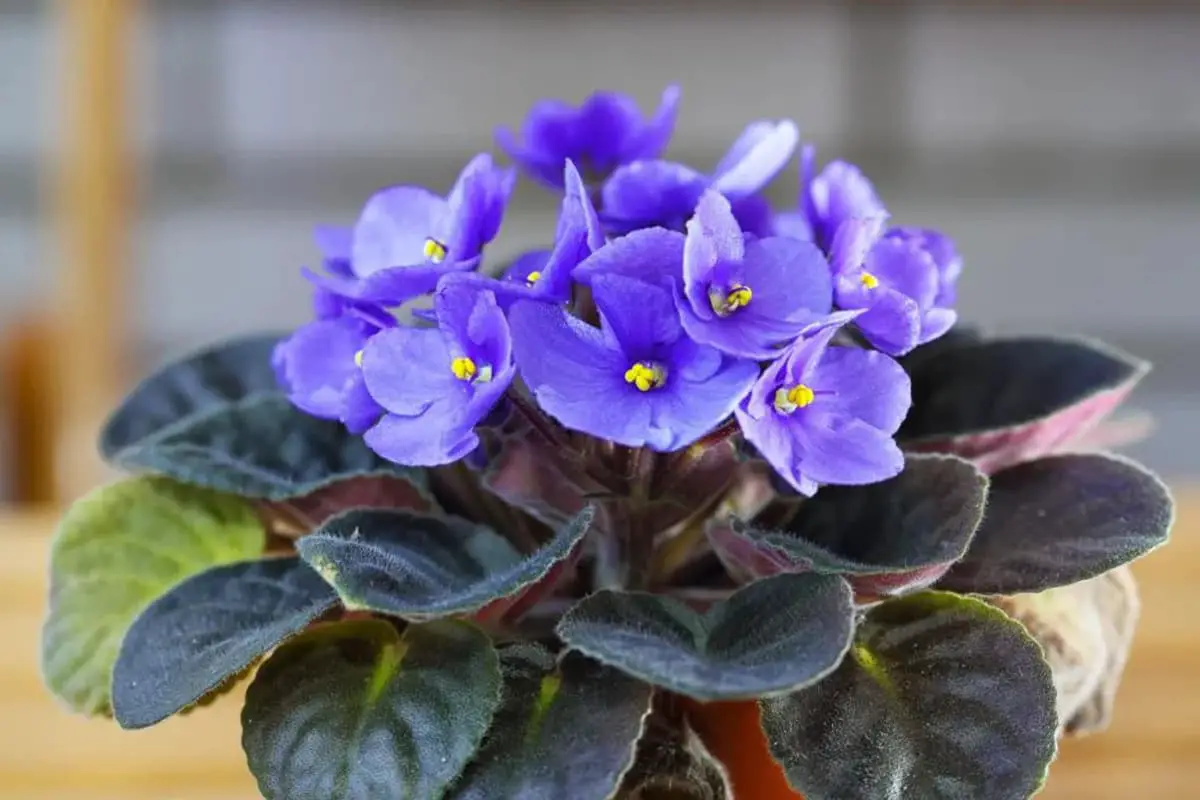
The flowers, which can be solitary or clustered, are a light purple color and can bloom all year round, depending on the growth period of the plant.
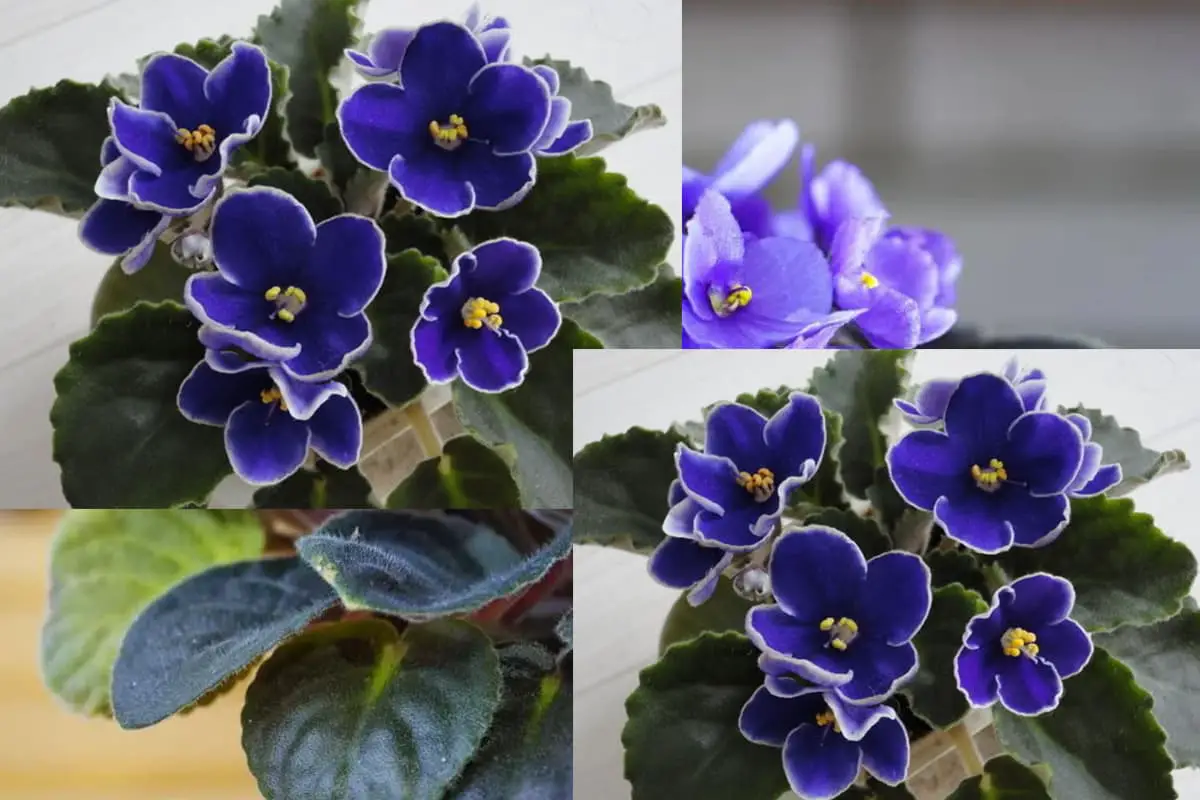
There are numerous cultivated varieties of African Violet, including large-flowered, single-petaled, semi-double, double, and variegated leaf types. The flowers come in shades of purple, white, blue, pink, and bi-color.
With their dainty and beautiful shape and vibrant, harmonious leaves and flowers, these plants are often referred to as the “queens of indoor flowers” and make excellent ornamental indoor plants.
I. Basic Introduction
The African Violet (Latin name: Saintpaulia ionantha Wendl), also known as the African Pansy, is a perennial herbaceous plant. It has no stem and the whole plant is covered in hair. It has ovate leaves with robust, fleshy petioles, and its flowers, which can be solitary or in clusters, are light purple.
There are many cultivated varieties, including large-flowered, single-petaled, semi-double, double, and variegated leaf types, and the flowers come in shades of purple, white, blue, pink, and bi-color.
It prefers a warm climate, but not high temperatures. It tolerates shade and should be grown under diffused light. It thrives in fertile, loose, neutral, or slightly acidic soil. Native to the tropical regions of East Africa, the plant is small and exquisite with vibrant flowers.
It blooms all year round, making it a superior indoor flower and a well-known potted plant internationally, especially popular in Europe and America.
II. Common Varieties
Common varieties of African Violet include: Snow Prince, Carmen, Fesney, Shy Bride, Bell Red, Pink Miracle, Maria, Siberdara, Delft, Flash, Blue Rhapsody, Rucoco, and others. In addition to the common purebred African Violets, there are several major variants, such as large-flowered, white-flowered, and variegated leaf types.
III. Growth and Distribution
Growth Habits
It prefers warmth, humidity, and semi-shade. It is sensitive to strong light and high temperatures in summer. The optimal growth temperature is 16~24°C. From April to October, it should be 18~24°C, and from October to the following April, it should be 12~16°C.
The daytime temperature should not exceed 30°C, as high temperatures are detrimental to the growth of African Violets. In winter, the nighttime temperature should not be lower than 10°C, otherwise the plant is prone to frost damage.
The relative humidity should be between 40% and 70%; if the pot is too damp, it can lead to root rot. If the air is dry, the leaves will lack luster. African Violets need shade in summer to maintain their vibrant green leaves.
In winter, they need plenty of sunshine to bloom continuously. Supplemental light during rainy and snowy days is very beneficial for the growth and flowering of African Violets.
Distribution Range
African Violets are originally from the tropical regions of East Africa. They were later introduced to Europe and America and have since been cultivated in China.
IV. Features and Characteristics
The entire plant is hairy; the leaves cluster at the base and are slightly fleshy. The leaf blade is round or oval, with a purple underside and a long stem.
There is a single to six flowers clustered on a long-stemmed bifurcation cyme, the flowers have a short tube, and the corolla is two-lipped with unequal lobes.
The flowers come in various colors, including white, purple, light purple, or pink. The plant produces capsules and the seeds are extremely small.
V.Cultivation Methods and Precautions for African Violet
How to Care for African Violet
Soil
African Violet has a fairly weak root system, and overwatering can easily cause root rot. Therefore, it is advisable to choose loose, well-drained soil.
For home potted African Violets, we recommend using a mixture of perlite, zeolite, and peat soil at a ratio of 2:1:1. Alternatively, you can also mix perlite and zeolite at a ratio of 2:1, or a 1:1 ratio of zeolite and peat soil.
Cultivation Environment
African Violets prefer warmth. During cultivation, it’s best to keep the temperature between 18-24 degrees Celsius. The plant is not frost-tolerant, so the winter temperature should not be lower than 10 degrees.
African Violets enjoy light and can tolerate shade, so during the growing season, place it in an area with ample diffuse light to help with bud differentiation. During the blooming period, move it to a semi-shaded area to prolong the blooming time.
Light
African Violets are shade-tolerant but fear intense sunlight. However, if the care environment is too shaded, it will affect the normal blooming of the plant.
So, during daily care, African Violets should be placed in an environment with ample diffuse light. Once the plant blooms, it doesn’t matter if the environment is a bit darker.
Watering
African Violets are drought-tolerant and can survive briefly in water-deficient environments. However, long-term water shortage can lead to poor growth. Therefore, during cultivation, regularly weigh the potting soil of the African Violet.
If the potting soil is noticeably lighter, it means that the soil lacks water. Water thoroughly along the edge of the pot until the soil is completely moist and water flows out from the bottom of the pot.
Fertilizing
African Violets have a small nutrient requirement. During cultivation, the number of fertilizations should be determined according to the growth stage. Generally, during the growing season, fertilize the African Violet once every half month.
The fertilizer should mainly be a nitrogen, phosphorus, and potassium compound fertilizer. After the buds appear, switch to a phosphorus and potassium fertilizer to promote bud development. Once the plant officially enters the flowering stage, stop fertilizing to avoid the premature end of the flowering period.
Humidity
African Violets like humidity, but they prefer a high-humidity environment, not moist soil. However, the leaves of the plant are covered in velvet, so it’s not advisable to spray water on the leaf surface, as this can cause the leaves to rot.
Therefore, you can put a few pots of clean water next to the plant or use a humidifier to create a high-humidity environment for the African Violet.
Precautions for African Violet Cultivation
- Location: (1) Indoor near the window, or areas where sunlight or lamplight can be diffused. (2) Shaded areas with gentle, bright sunlight on a balcony or windowsill.
- Cultivation Soil: Ordinary soil can be used for cultivation, but alkaline soil is not suitable. Well-drained, breathable sandy loam soil is better.
- Temperature: 15~20 degrees Celsius, cool to warm climate is suitable, avoid stuffy heat.
- Light: Suitable for a mild and bright sunlight environment. It can also grow in slightly shaded areas, but too much shade can lead to poor blooming conditions.
VI. Propagation Methods of African Violets
Leaf Insertion Propagation
African violets often propagate via leaf cutting. Healthy, full leaves are selected after flowering, cut with 2 cm of the petiole left, slightly dried, and inserted into a sandy bed.
Maintaining high humidity and a room temperature of 18-24°C will allow the cuttings to root after 3 weeks, and seedlings will appear in 2-3 months, ready to be transferred to a 6 cm pot.
Using a vitamin B treatment during the cutting process benefits the growth of the seedlings after rooting. Treating the petiole with 25 mg/l of hormone for 24 hours aids in the formation of adventitious buds. From cutting to flowering takes four months.
Stem Insertion Propagation
Stem insertion is another method African violets use for propagation. Primarily done in the spring after flowering, this method involves repotting and dividing the underground tuber for planting.
Although the seedlings grow quickly, the plant shape may not be as pleasing, and without renewal, growth may not be as vigorous.
Tissue Culture Propagation
Currently, the most popular method of propagation for African violets is tissue culture. Leaf blades, petioles, and epidermal tissue are used as explants.
Using an MS medium with 1 mg/l of 6-benzylaminopurine and 1 mg/l of naphthaleneacetic acid, adventitious buds grow 4 weeks after inoculation and rooted small plants are ready for planting after 3 months.
These small plants are transplanted into a substrate of half decayed leaves and half peat moss, with a survival rate of 100%. The U.S., the Netherlands, and Israel all produce African violet test tube seedlings. However, this method produces many seedlings and may not be suitable for home cultivation.
VII. Disease Control
Root Rot Treatment
Overwatering or improper fertilization can lead to root rot in African violets. When this happens, the roots turn from white to gray. The plant is removed from its pot and the rotting parts are cut away using scissors or a scalpel.
The roots are then cleaned with an alcohol-soaked cotton ball. The pot is cleaned and filled with fresh soil. The African violet is replanted vertically in the pot.
After repotting, the plant will undergo a root recovery period of about two weeks. During this time, refrain from watering or fertilizing. Gradually resume these activities after the recovery period.
Pest and Disease Prevention
Common pests and diseases for African violets include root rot, wilting, leaf rot, white mold, leaf spot, shell disease, and red spiders.Prevention is key as many of these diseases are not easy to spot in the early stages and can become severe enough to threaten the life of the African violet.
For different disease symptoms, we spray the plants with pesticides in a timely manner. For example, 40% dicofol 1000 times liquid can be sprayed for red spiders and scale insects; for white mold, wilting, etc., a 10% antibacterial agent 401 acetic acid solution 1000 times liquid can be used.
Either spraying or directly watering the soil with the solution can sterilize and disinfect it.
VIII. Value and Other Aspects
Primary Value
Garden Value
This petite plant blooms all year round, boasting beautiful and elegant flowers that come in a variety of vibrant colors. Its long blooming period, tolerance to shade, small and beautiful plant form make it an excellent choice for indoor pot plants.
It can be placed on windowsills, in living rooms, or as a perfect adornment for coffee tables. Cultivated varieties are all hybrids with countless horticultural varieties. They can be single or double-petaled, and come in colors such as white, pink, red, and blue.
Due to the similarity in appearance between the flowers of the original species and pansies, with their five petals – three large, two small – it is thus named.
The African violet has an uncanny ability to bring boundless joy and contributions to humans, making it a “green pet” that deserves to be cherished.
Purification Function
The African violet is a small plant that can bloom all year round. Its leaves are as thick as velvet, and its flowers are beautifully shaped and come in a rich array of vibrant colors, making it an excellent indoor ornamental plant.
When placed indoors, it can purify the air, improve indoor air quality, beautify the environment, soothe emotions, and relieve stress. It is also an ideal material for horticultural therapy.
Plant Culture
African Violet Language of Flowers
Different colors of African violets have different flower languages. Pink African violets are beautifully gentle, their flower language referring to warm affection. Purple African violets are dignified and noble, symbolizing eternal love in their flower language.
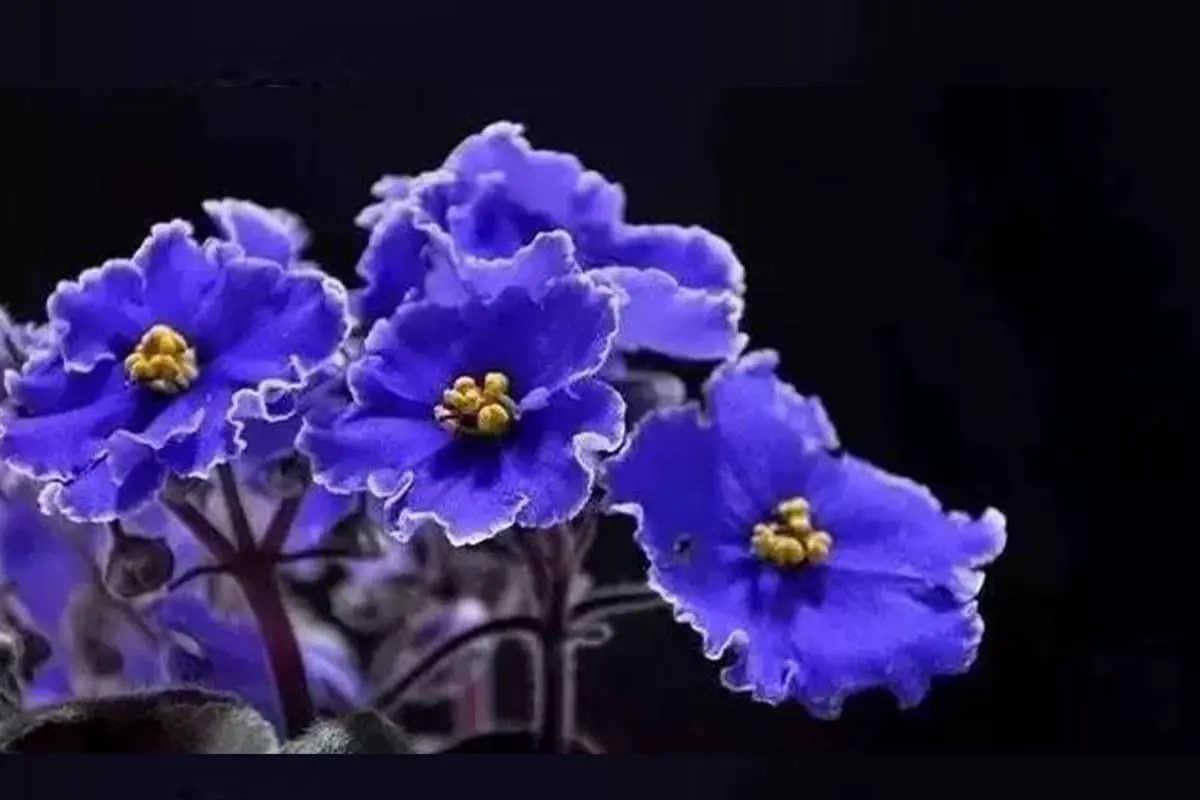
Blue African violets are melancholic and romantic, their flower language referring to unrequited love. White African violets are pure and flawless, their flower language expressing hope and brightness.


 English
  العربية
  Bahasa Indonesia
  Deutsch
  Français
  Italiano
  Nederlands
  Português
  Русский
  日本語
日本語