600+ Types of Flowers A To Z (With Names and Pictures)
Types Of Flowers By Names (A-Z) Types Of Flowers By Color Types Of Flowers By Season Types Of Flowers By Blooming Time 600+ Types of Flowers No. Flower Name No.…

The Orchid, belonging to the monocotyledon class, Orchidaceae family, and Orchid genus, is commonly known as the Chinese Orchid, given that a majority of terrestrial orchid varieties originate from China. As one of China’s ten famous flowers, it has always been regarded as a symbol of noble elegance by the Chinese, ranking alongside the plum, bamboo, and chrysanthemum, collectively referred to as the “Four Gentlemen”.

Orchids are epiphytic or terrestrial herbaceous plants with several to numerous leaves, typically located at the base or lower joints of the pseudobulb. They are bilaterally arranged, band-shaped or, less commonly, lanceolate to narrowly elliptical. They generally have a broad sheath at the base encircling the pseudobulb and have joints. The spicate inflorescence consists of several to numerous flowers, with colors ranging from white, pure white, white-green, yellow-green, pale yellow, pale yellow-brown, yellow, red, cyan, to purple.
In Chinese tradition, the term “orchid” mainly refers to several species of terrestrial orchids found among Chinese orchid species, such as the Spring Orchid, Hui Orchid, Mo Orchid, and Han Orchid, which are commonly known as “Chinese Orchids”. These orchids are vastly different from the brightly colored tropical orchids; they do not have showy colors or large flowers and leaves, yet they possess a modest, quiet, elegant, and noble character, perfectly aligning with Eastern aesthetic standards.
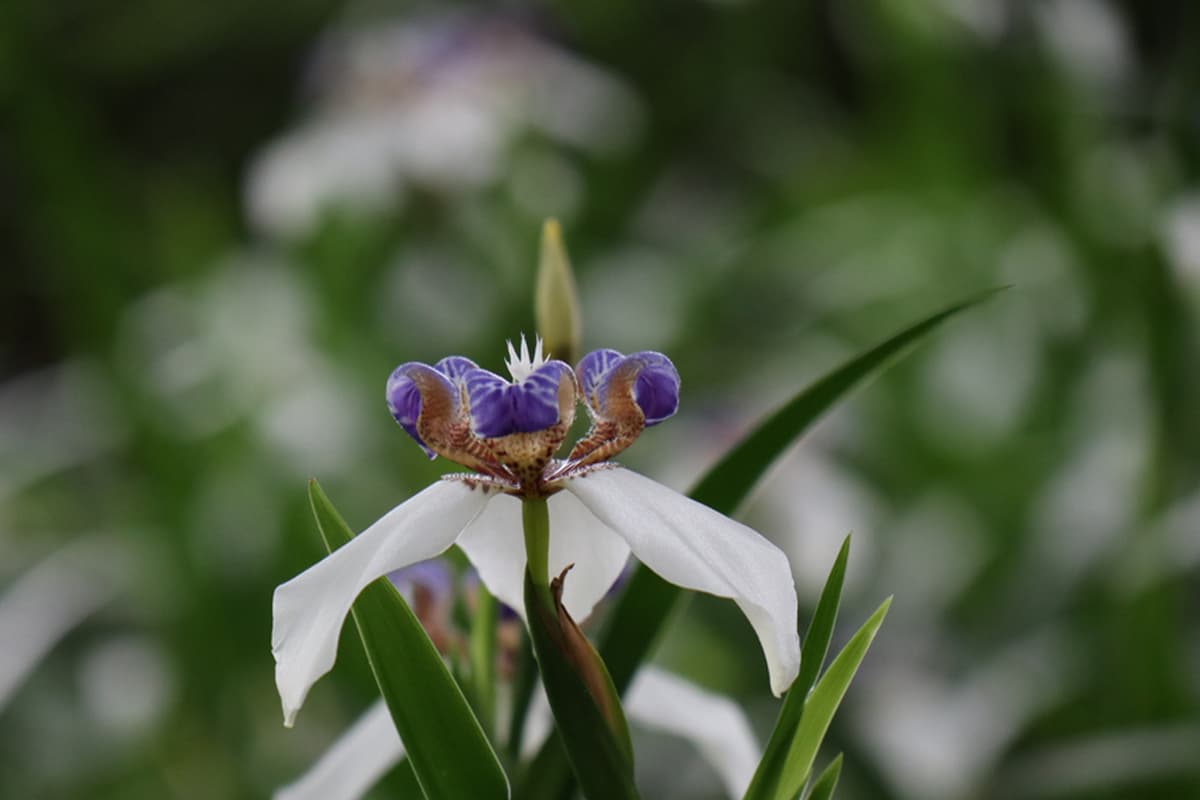
Just as before, Chinese people consider the orchid as a symbol of nobility and elegance, classifying it alongside the plum, bamboo, and chrysanthemum as one of the “Four Gentlemen”.
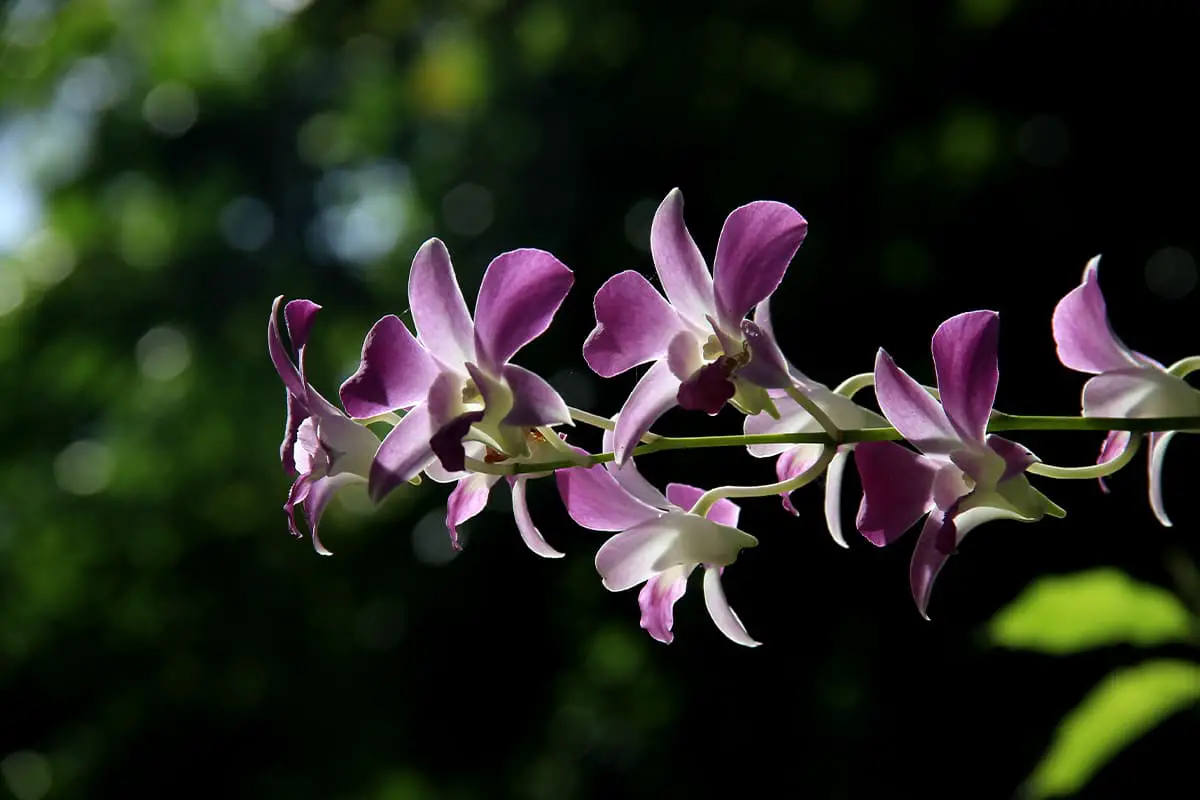
Among the numerous orchid varieties, Dendrobium, known for its strong, peaceful, and affable nature, is often hailed as the “Father’s Flower”. Dendrobiums usually grow on tree trunks or in tree holes, with a variety of flower colors, predominantly white and purple. They bloom in spring and possess strong cold resistance. They have various health benefits, including dispelling internal heat caused by deficiency and nourishing the essence and strengthening the yin.
The Gladiolus, native to South Africa, has a rich variety of colors, including yellow, red, purple, and blue. It is a perennial herbaceous plant with a height of 60 to 150 cm. Its stem is robust and erect, and its leaves are hard and sword-shaped.
The flowering period of the Gladiolus is summer and autumn. It is one of the “Four Major Cut Flowers” alongside the rose, Nerium oleander, and carnation. The Gladiolus is very sensitive to hydrogen fluoride and can be used to detect pollution. It is also used as a cut flower and potted plant for viewing.
Cymbidium is a well-known variety among orchids. It is a terrestrial herbaceous plant of the Orchid family and is one of the longest-cultivated and most popular orchids in our country. Cymbidium is usually yellow-green with slight deep purplish-red spots and veins. It has a strong fragrance, with multiple flowers on a stem, usually 6 to 15.
Cymbidium goeringii, also known as the “New Year’s Greeting Orchid”, originates from China, Myanmar, and Vietnam. Its leaves are sword-shaped, dark green, and glossy. The flower stem often rises above the leaves, reaching up to 100 cm, with a maximum of 17 flowers. The flower’s bracts are small, with a nectary at the base, and the sepals are lanceolate, light brown.
The flowering period of Cymbidium goeringii is from January to March each year. It is often found growing on the banks of mountain forests and is also commonly seen in evergreen broad-leaved forests or mixed forests’ undergrowth.
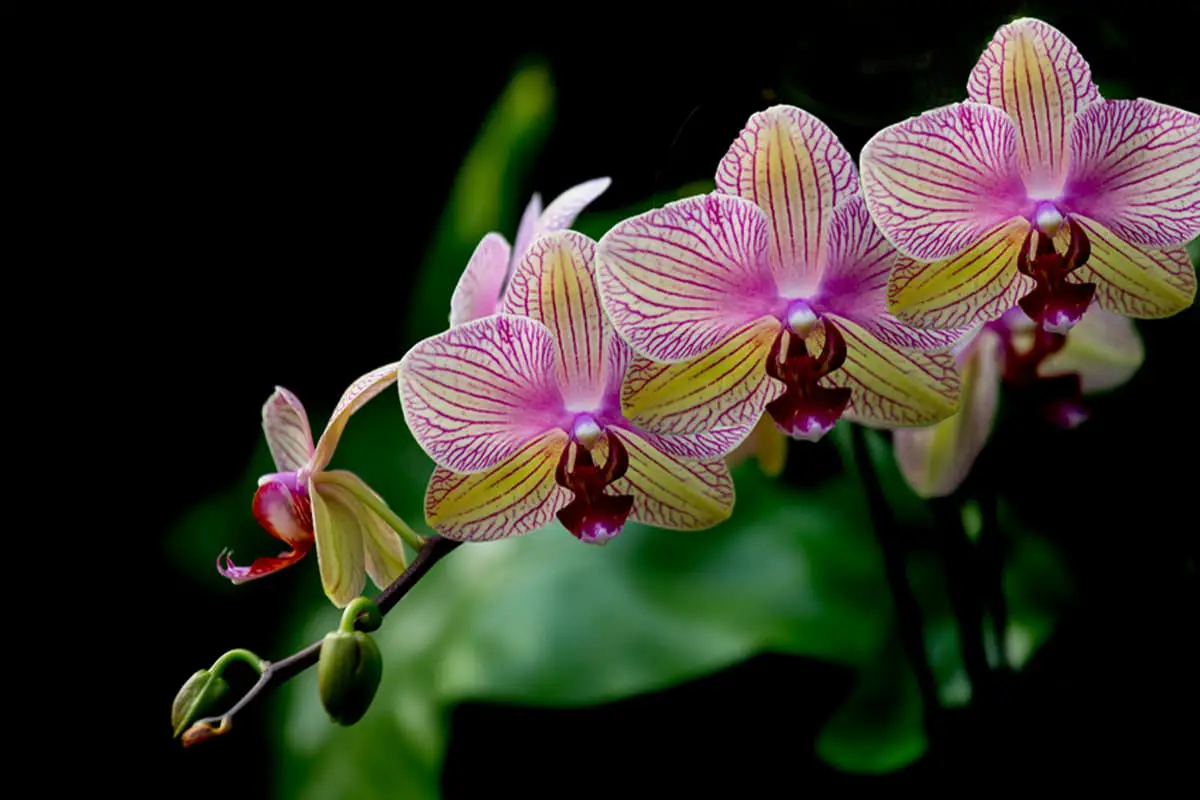
Leopard Orchid has thick leathery leaves; the front is deep green, while the back is a lighter shade. The leaves grow in two rows and are belt-shaped, with unequal bifurcations at the ends. The base of each leaf extends into a sheath that embraces the stem.
Its blooming period falls between March and May each year. Native to Taiwan, it typically grows in low-altitude mountainous forests. Now, Japan and the Philippines also cultivate Leopard Orchids. It is considered a rare orchid variety.
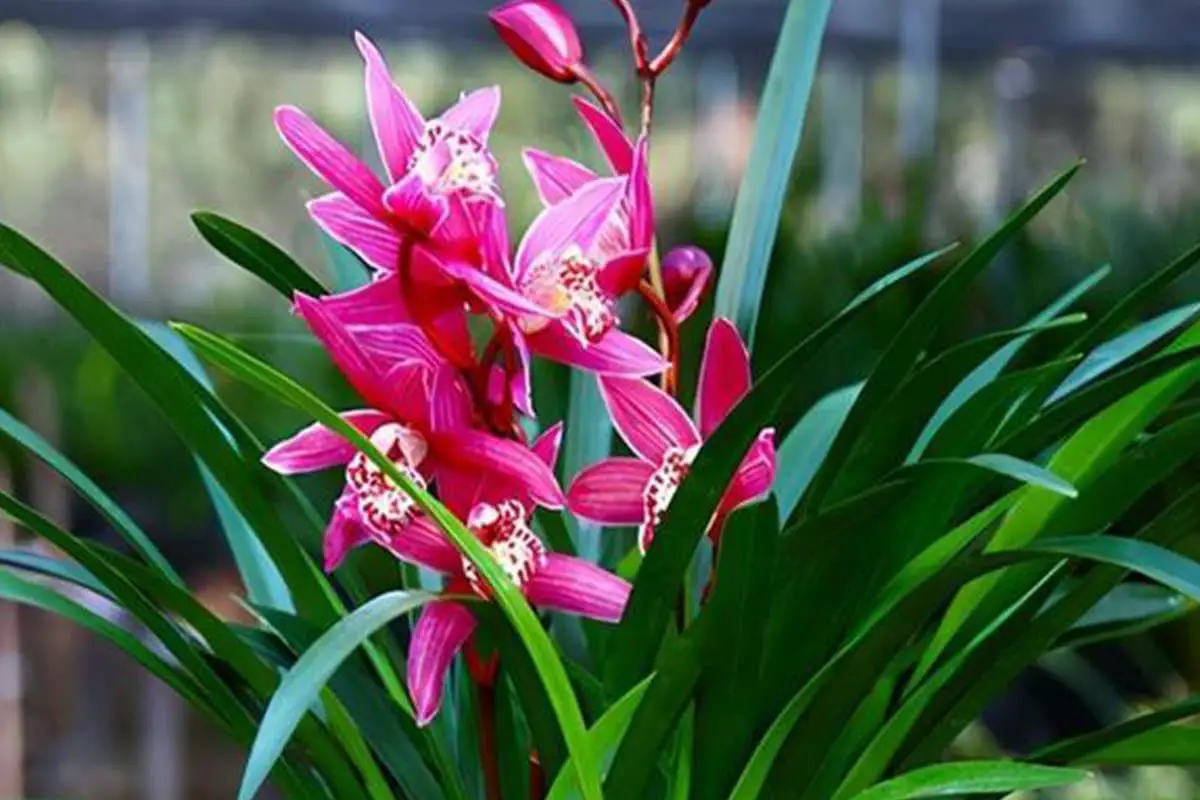
The Winter Orchid is a terrestrial plant in the orchid family. It has narrowly ovoid pseudobulbs, which are hidden within the leaf base. The leaves are strap-shaped, thin leathery, and dark green, often with fine teeth at the front edges. The flowers are typically pale yellow-green with a pale yellow lip, though there are other colors. They often have a strong fragrance.
The petals are usually narrowly ovate or ovate-lanceolate; the lip is nearly ovate; the column slightly bends forward and has narrow wings on both sides. The capsule is narrowly ellipsoid. It blooms from August to December, but is not particularly frost-hardy. The plant is tall, healthy, and beautiful, with graceful leaves, vibrant flowers, and a long-lasting, pure fragrance, hence its name, Winter Orchid. It is one of the national orchids.
The Lotus Petal Orchid, a terrestrial orchid in the orchid family, is celebrated for its beautiful plant shape, varied flower types, and rich colors. It is deeply adored by people in China, Japan, Korea, and Southeast Asia.
The Lotus Petal Orchid primarily grows in the northwestern region of Yunnan Province and typically blooms during the Lunar New Year. Its flower petals are oblong, resembling the petals of an open lotus, hence its name. This orchid is a favorite among orchid enthusiasts.
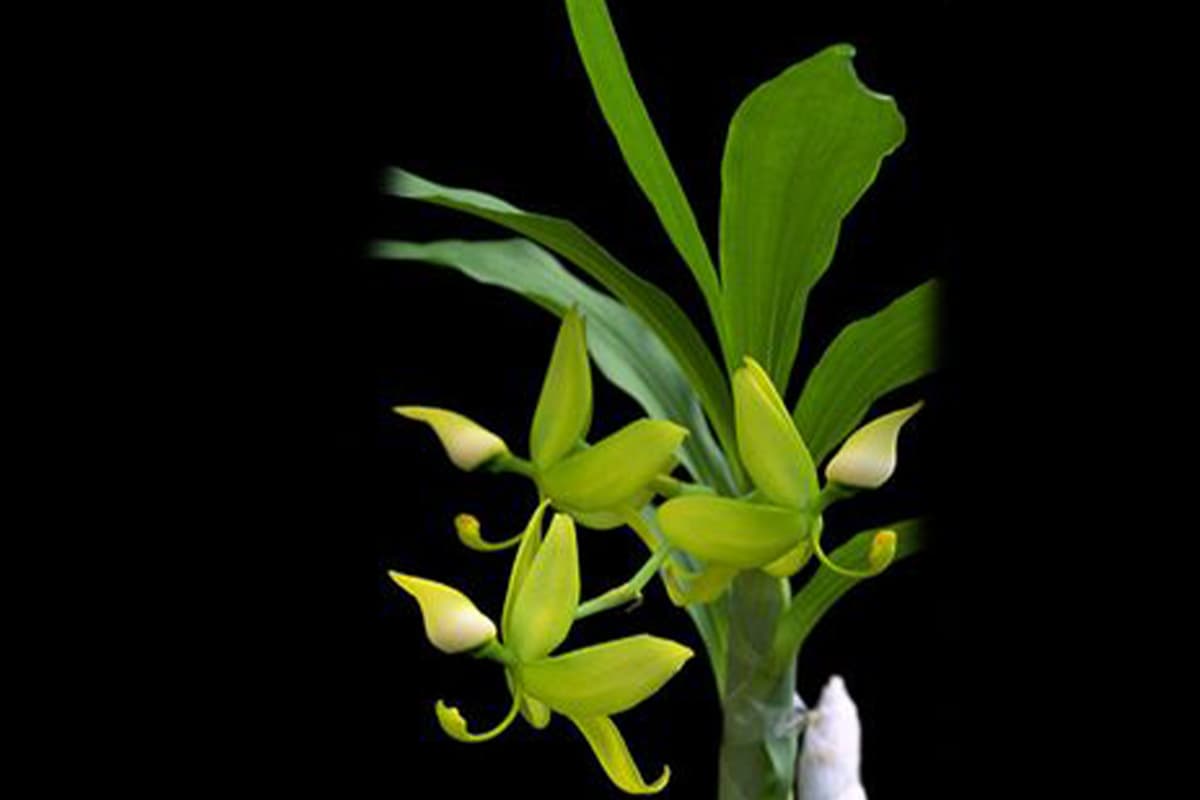
The Butterfly Orchid is an affordable choice for home cultivation. It comes in various varieties and colors, including purplish-black, peach-red, and yellow-white. The orchid’s shape resembles a butterfly fluttering among the flowers. When a breeze blows, it seems to dance, displaying an elegant and beautiful posture. The Butterfly Orchid is suitable for large, well-lit flower beds.
The Spring Orchid is among the hardier orchid species, known for its tenacious character. It thrives in various environments. No matter how harsh its growing conditions, it never gives up on life; instead, it grows more determined. The resilience of the Spring Orchid at your home would certainly move you.
Although the precise categorization of magnolias is yet to be defined, we can tentatively place them in the orchid group. The White Magnolia often blooms large white flowers amidst a verdant background, filling the air with a delightful fragrance and an indescribable charm.
With its towering stature and high-positioned flowers, it sways in the wind, sparkling with vitality, like a goddess scattering flowers from the sky. It is truly endearing.
Orchids prefer shade and are not tolerant of direct sunlight; they prefer moist environments and are intolerant of dry conditions; they thrive in fertile soil rich in organic matter; and they prefer environments with good air circulation.
The distribution range of orchids is extremely wide, from tropical rainforests to temperate grasslands. The Orchidaceae is the most abundant and widely distributed family in the plant kingdom, which is why there is ongoing debate about the origin of orchids in academic circles.
The term “orchid” has different meanings and interpretations in different countries and regions, at different times, and among different ethnic groups. For example, in the eyes of Europeans, an orchid refers to a Cattleya, while in India it specifically refers to a Vanda, in the Americas it refers to a Vanilla, and in Indonesia, it mainly refers to a Phalaenopsis.
Orchids can be epiphytic or terrestrial herbs, rarely saprophytic, usually with pseudobulbs; pseudobulbs are ovate, elliptical, or spindle-shaped, seldom absent or elongated into stem-like structures, usually hidden within the sheaths at the base of the leaves.
They have several to many leaves, usually growing from the base or lower nodes of the pseudobulbs, in two rows, strap-shaped, or rarely oblong-lanceolate to narrowly elliptical, with a broad sheath at the base usually enclosing the pseudobulb, and a distinct joint.
The inflorescence is lateral or originates from the base of the pseudobulb, erect, arcuate, or pendulous; the raceme usually has several to many flowers, but sometimes reduced to a single flower; the floral bracts are long or short and persistent during flowering; the flowers are large or medium-sized; the sepals and petals are free and somewhat similar; the lip is three-lobed, sometimes adnate to the column for 3-6 millimeters at the base; the lateral lobes are erect, often somewhat enclosing the column, the mid-lobe generally recurved; the disc of the lip usually has two longitudinal lamellae, often extending from the base to the base of the mid-lobe, sometimes with a dilated apex or broken in the middle, or less often fused into one; the column is relatively long, often somewhat forward-curved, with wings on both sides, the ventral surface concave or sometimes short-hairy, the pollinia two with a deep cleft, or four forming two pairs of unequal size, waxy, connected to the nearly triangular viscidium by very short, elastic pollinium stalks.
The typical flower consists of several parts such as the pedicel, peduncle, sepals, petals, gynoecium, and androecium. Orchids are peculiar flowers, their peculiarity lies in their unique flower structure. The peculiar structure of orchids is adapted for insect pollination, characterized by the presence of a column, rostellum, pollinia, and a lip.
Furthermore, orchid flowers are bilaterally symmetrical, with the base of the lip often forming a nectar-secreting pouch and spur, reduced number of stamens, an inferior ovary, and a variety of flower shapes, sizes, and colors, usually being herbaceous plants, epiphytic or saprophytic.
For potting orchids, it’s best to use pots with smaller openings, deep basins, and large bottom holes. Newly collected wild seedlings from mountains should be planted in clay pots, which can be replaced with purple clay or porcelain pots after 2-3 years. Start by covering the bottom hole of the pot with shell fragments or palm pieces, then add coarse sand, coal cinders, and charcoal to form a mound shape, taking up approximately one-third of the pot’s volume.
Add about 3-5 centimeters of cultivation soil on top. Typically, no base fertilizer is added. Then, place the orchid in the pot, arrange the roots evenly, and add fine soil up to 2-3 centimeters from the top of the pot. Lift the orchid slightly so that the top of the pseudobulbs is level with the soil surface; it should neither be too shallow nor too deep.
Press the soil lightly to ensure close contact between the roots and soil, then use your fingers to compact the soil around the edges of the pot to avoid creating voids when watering. If you add a layer of moss or broken tiles on top, it will prevent soil hardening when watering and reduce moisture evaporation. After the first watering, let the pot soak up enough moisture.
Lastly, place the potted orchid in a shaded area for about half a month to a month. During this time, control the amount of water to avoid over-saturation. Afterwards, place the pot in a semi-shaded, well-ventilated area that gets morning sunlight.
The pot stand should be about a meter high and not placed on a flat surface to prevent ants and earthworms from entering through the bottom hole, which could hinder the orchid’s growth. The cultivation soil can be the top layer of mountain slope soil, or a mixture of fine sand and loam in a 3:7 ratio, plus 30% humus compost mixed evenly. The cultivation soil should be sieved and disinfected before use.
Fertilization is necessary, but excessive or heavy fertilization is detrimental. Newly potted orchids may not survive in overly fertile soil, and if they do, they rarely flower. If you use too much fertilizer in the summer, the autumn leaves will be overly vigorous, often leading to poor flowering in the following spring. If you use too little fertilizer in the fall, it could impact the formation of underground flower buds during the transition between fall and winter.
If there’s too much nitrogen fertilizer on a daily basis, it will cause an imbalance in the growth nutrition between the leaves and the flowers, resulting in no flowering or less flowering. Generally, a small amount of light fertilizer can be applied several times when new leaf buds emerge. The equinoxes and about 20 days after flowering are appropriate times for fertilizing.
It’s best to fertilize in the evening and water it again the next morning. Fertilize once every 2-3 weeks. At the same time, spray a solution of monopotassium phosphate every 20 days to promote bud formation and flowering. Fertilizing based on the color of the leaves is a proper method; if the leaves appear yellow and thin, add more fertilizer.
If the leaves turn dark and the tips are scorched, it indicates an excess of fertilizer and application should be stopped. Only decomposed fertilizer should be used, and fresh human waste should be avoided.
Experience shows that orchids prefer to be 80% dry and 20% moist. During the flowering period and when new leaves are emerging, water less. During the rainy season, move the plants indoors or provide a shelter to keep off the rain. In the summer, water the plants in the early morning or evening and avoid overwatering.
In autumn, the amount of water can be moderately increased. During dry seasons, mist the plants every evening. When misting, spray upward to create a fine and even mist that moistens the leaf surface and dampens the ground, increasing air humidity. Sometimes, it’s best to mist several times a day. When watering, pour water from the edge of the pot, avoiding direct pouring, and do not water at noon.
Although watering can be significantly reduced in winter, it should not be completely stopped. Make sure the potting soil does not dry out completely. To avoid rot, move the plants indoors after drying if the leaves and sheaths are wet due to winter and early spring watering.
As a general rule, water when the soil is dry and stop when it is moist; slightly dry conditions are ideal. Rainwater or spring water is the best choice. Regardless of the water source, it should be collected in a container to allow pollutants to settle, normalize the temperature, and dissipate chlorine from tap water before watering.
Sunlight is a vital factor in flower bud formation. Even though orchids prefer cool environments, they rarely flower if placed in hidden spots all year round. Experienced orchid growers have observed that orchids from the shady side of a mountain have longer leaves and fewer flowers, while those from the sunny side have shorter leaves and more flowers.
Therefore, orchids need proper sunlight exposure. During the spring and summer, orchids should be shaded with reed curtains, or placed in well-ventilated windows facing east or south indoors. Rotate the pots under the curtains every two weeks to ensure all sides of the orchids get sunlight, promoting balanced plant growth.
When autumn arrives, move the orchids out from the shade and let them get half a day of morning sunlight, but keep them dry. In cold weather, move them indoors near a south-facing window for wintering. It doesn’t need to be overly warm, and it’s best to cover them with plastic film to maintain proper leaf humidity.
As for disease and pest control, use a 0.5% solution of sulfur compound to treat brown rust and white silk diseases. If an ant colony is found, submerge the pot in water to drive them out.
The placement of orchids is crucial, as it directly impacts their growth and development. Generally, orchids are placed outdoors during spring, summer, and autumn (with shade provided in the summer), and indoors during winter.
It is ideal for the outdoor area to be open and humid. Inside, abundant light is needed, preferably from a south-facing window. This promotes the growth of orchids. The orchid pots should ideally be placed on wooden shelves or tables, not directly on the ground.
Orchids are mostly semi-shade-loving plants, many of which are sensitive to direct sunlight and require proper shading. From early to mid-April, orchids can be exposed to more sunlight to promote growth. After late April, appropriate shading is required.
Upright-leaf varieties of summer and autumn orchids are best placed on the south side of shaded areas to receive a fair amount of sunlight. For pendulous leaf autumn and spring orchids, it is best to have about two hours of light per day. From June to September, shading should be applied earlier in the day.
If using a reed curtain, a dense curtain or two layers of thin curtain can be used. After October, when the weather cools and the sunlight weakens, the shading can be delayed, but proper shading still needs to be maintained around noon.
Orchids can withstand light rain, but must be protected from moldy rain, showers, or continuous rainfall. During the moldy rain season, rain protection is particularly important. From late June to mid-September, showers are common.
If the rain is brief and light, more water should be added in the evening to release the heat in the pot, otherwise it can cause damage to the orchids, or even root rot and death. If the sun comes out after a shower, shading should be promptly applied to prevent the rise of surface heat affecting the growth of the orchids.
During the rainy season, which coincides with the phase of new leaf bud growth in orchids, if the potting soil is too warm, it can lead to poor leaf bud growth or disease. At this time, a small amount of wood ash can be sprinkled to adjust the humidity of the potting soil.
Repotting should be done once the pot is full, typically every 2 to 3 years. The ideal time to repot is in early March to April for autumn orchids, or mid-October to November for summer and spring orchids. During repotting, the potting soil should be dry. If it’s wet, it’s inconvenient to operate and can easily cause root breakage and injury.
After the mother plant is turned out, gently remove the soil clumps, naturally divide the clumps, and prune the failed roots and residual leaves, taking care not to damage the leaf buds and fleshy roots.
Then rinse the roots with clean water, place them in a cool, shaded area, and wait until the roots turn white and appear dry before separating and repotting. If the weather becomes more humid, it’s beneficial to expose the orchids to sunlight for about 10 minutes, which aids in their growth.
Orchids are primarily propagated by division and tissue culture, and cultivated varieties are propagated by seeding.
Division can be performed in both spring and autumn, usually once every three years. Any plant that is growing robustly and has dense pseudobulbs can be divided. After division, each clump should retain at least five pseudobulbs that are connected. Watering should be reduced prior to division to dry the potting soil. After division, when potting, first cover the bottom hole of the pot with broken tile pieces, then layer coarse stones to fill 1/5 to 1/4 of the pot depth.
Next, place coarse-grained soil and a small amount of fine soil, and then plant in sandy loam rich in humus. The planting depth should just bury the pseudobulbs in the soil. Leave a 2cm edge at the rim of the pot, cover with selaginella or fine stones, and finally water thoroughly. Place the pot in a shaded area for 10-15 days, keeping the soil moist, gradually reduce watering, and proceed with normal maintenance.
Orchid seeds are very small, with only one underdeveloped embryo inside, and have low germination power. In addition, the seed coat does not easily absorb water, so conventional sowing methods cannot induce germination. Therefore, orchid mycelium or artificial culture medium is needed to provide nutrients for germination.
For seeding, it is best to choose fruits that have not yet split. After sterilizing the surface with 75% alcohol, extract the seeds and soak them in 10% sodium hypochlorite for 5-10 minutes. Then rinse three times with sterile water and sow in a culture bottle containing a culture medium.
The bottle is then placed in a dark culture room at around 25℃. After germination, it can be moved under light to form protocorms. From seeding to transplanting, it takes half a year to a year. Tissue culture has been successful and can be used for propagation in suitable conditions.
Ornamental
Orchids are a unique type of flower with high ornamental value. The colors of orchid flowers are elegant, with tender green and yellow-green being common, but especially the plain hearted ones are prized. The fragrance of orchids is clear and not murky; a pot in the room is fragrant all around.
An ancient poem described the subtle fragrance of orchids vividly. Some orchid flowers are dignified and handsome, some are majestic and luxurious, and they are full of change. Orchid leaves are fresh green all year round, they are both rigid and soft, graceful in posture, and they are like a living piece of art even when not in bloom.
Having a few pots of orchids to adorn a room makes the space lively. On the day the flowers bloom, the fragrance is continuous, making you feel full of vitality and relaxed.
Edible
The fragrance of orchids is clear and pure. Orchids are often used in tea, they can also be used to smoke tea; they can also be used in soups and other dishes.
Medicinal
According to records, all parts of the orchid plant can be used medicinally. It is neutral in nature, with a pungent, sweet, and non-toxic taste. It has effects such as nourishing yin and moistening the lungs, promoting water metabolism and dehumidification, and clearing heat and detoxification.
It can be used for various diseases in internal medicine and gynecology. The root can treat tuberculosis, lung abscess and sprains, and can also be used to join bones; the orchid stem can cure ringworm.
Cattleya root decoction is said to be an excellent medicine for inducing labor. The leaves treat whooping cough and can treat deficient lung (or liver) energy, the fruit can stop vomiting, and the seeds treat eye problems.
The whole plant of Hedyotis diffusa can treat women’s diseases; the whole plant of spring orchids treats neurasthenia, roundworms, and hemorrhoids. The petals of the white-hearted orchid can induce labor. The sun-dried petals of the white-hearted Hedyotis diffusa can also induce labor.
City Flower
Since ancient times, Chinese people have loved orchids, cultivated orchids, sung about orchids, and painted orchids. The ancients once exclaimed, “looking at the leaves is better than looking at the flowers.” People appreciate the character of orchids for keeping company with ordinary plants, not competing for beauty with other flowers, not fearing the bullying of frost and snow, and being persevering.
Orchids have always been regarded as symbols of loftiness and elegance, and along with plum blossoms, bamboo, and chrysanthemums, are collectively known as the “Four Gentlemen.”
Orchid Flower Language
In China, orchids represent the femininity of women, the temperament of orchids, and men being gentle and elegant, indifferent to fame and fortune. Its flower language is high-mindedness, elegance, beauty, virtue, and indifference. In foreign flower language, it represents friendship, passion, and confidence.
Symbolic Meaning of Orchids

Peggie was once a high school mathematics teacher, but she set aside her chalkboard and textbooks to follow her lifelong passion for flowers. After years of dedication and learning, she not only established a thriving flower shop but also founded this blog, “Flowers Library”. If you have any questions or wish to learn more about flowers, feel free to contact Peggie.
 English
  العربية
  Bahasa Indonesia
  Deutsch
  Français
  Italiano
  Nederlands
  Português
  Русский
  日本語
日本語