600+ Types of Flowers A To Z (With Names and Pictures)
Types Of Flowers By Names (A-Z) Types Of Flowers By Color Types Of Flowers By Season Types Of Flowers By Blooming Time 600+ Types of Flowers No. Flower Name No.…

The violet is a plant known for its abundant, vibrantly colored flowers with a strong fragrance. Its flowering period is long, with extensive clusters that make it suitable for potted display. It is frequently used to decorate flower beds, steps, and paths, and its blossoms can be gathered into bouquets. However, it’s worth noting that violets are not orchids.
Violets are biennial or perennial herbaceous plants belonging to the Violaceae family and the Viola genus. They can reach up to 60 centimeters in height and are covered with greyish-white branched soft hairs. The stem stands upright, multi-branched, with a slightly woody base.
Leaves are oblong to inverted spoon-shaped, 6-14 cm long and 1.2-2.5 cm wide, with entire or slightly wavy margins, blunt or rarely pointed tips, and a narrowed base.
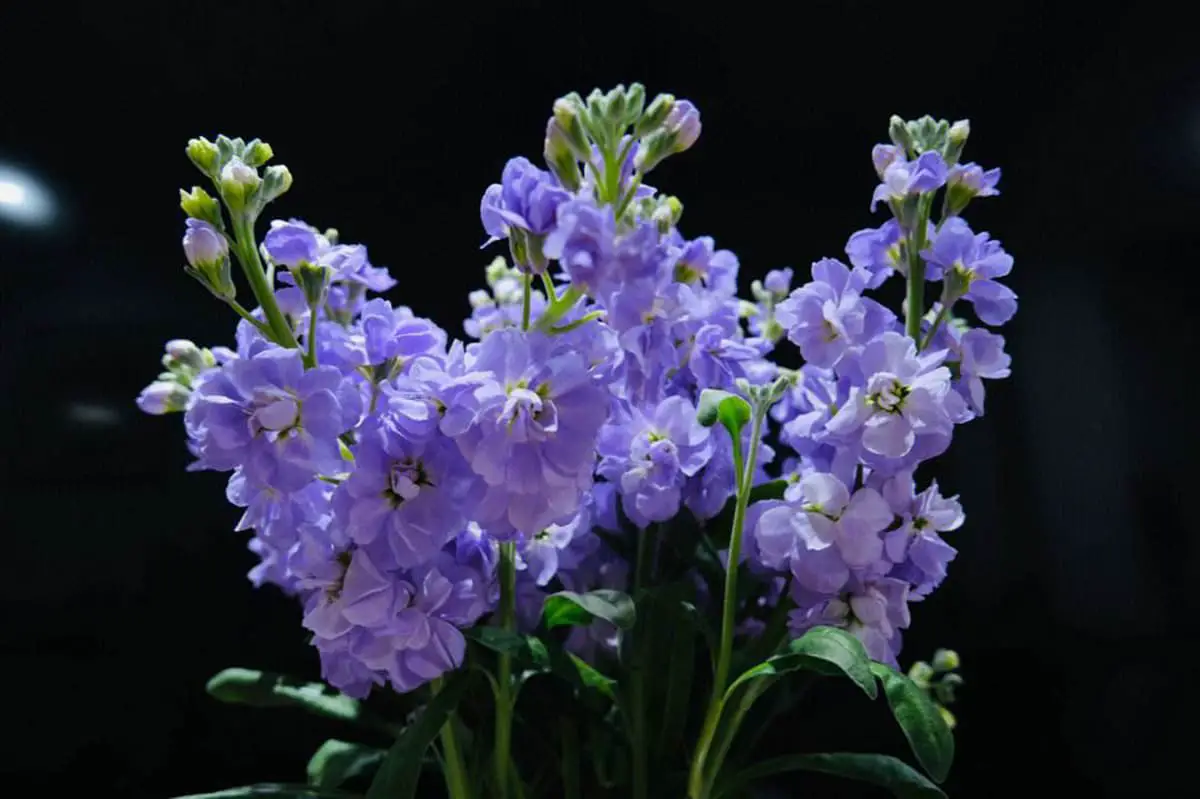
The inflorescences appear at the apex and in the axils, with numerous, larger flowers. The flower stalks are sturdy, diagonally spreading, and up to 1.5 mm long. The calyx is upright and oval, about 15 mm long, with the inner whorl of sepals forming a pouch-like base with a membranous, transparent edge.
Petals are purple-red, light red, or white, nearly ovate and about 12 mm long, with shallowly bifurcated or slightly concave tips, wavy margins, and a long claw at the base. The ovary is cylindrical, and the stigma is slightly bifurcated.
The fruit is a cylindrical capsule, 7-8 cm long and about 3 mm in diameter, with a noticeable midrib and a shallowly split apex. The sturdy fruit stalk is 10-15 mm long. The seeds are nearly round, about 2 mm in diameter, flat, dark brown, with a white membranous wing along the edge. The flowering period is from April to May.
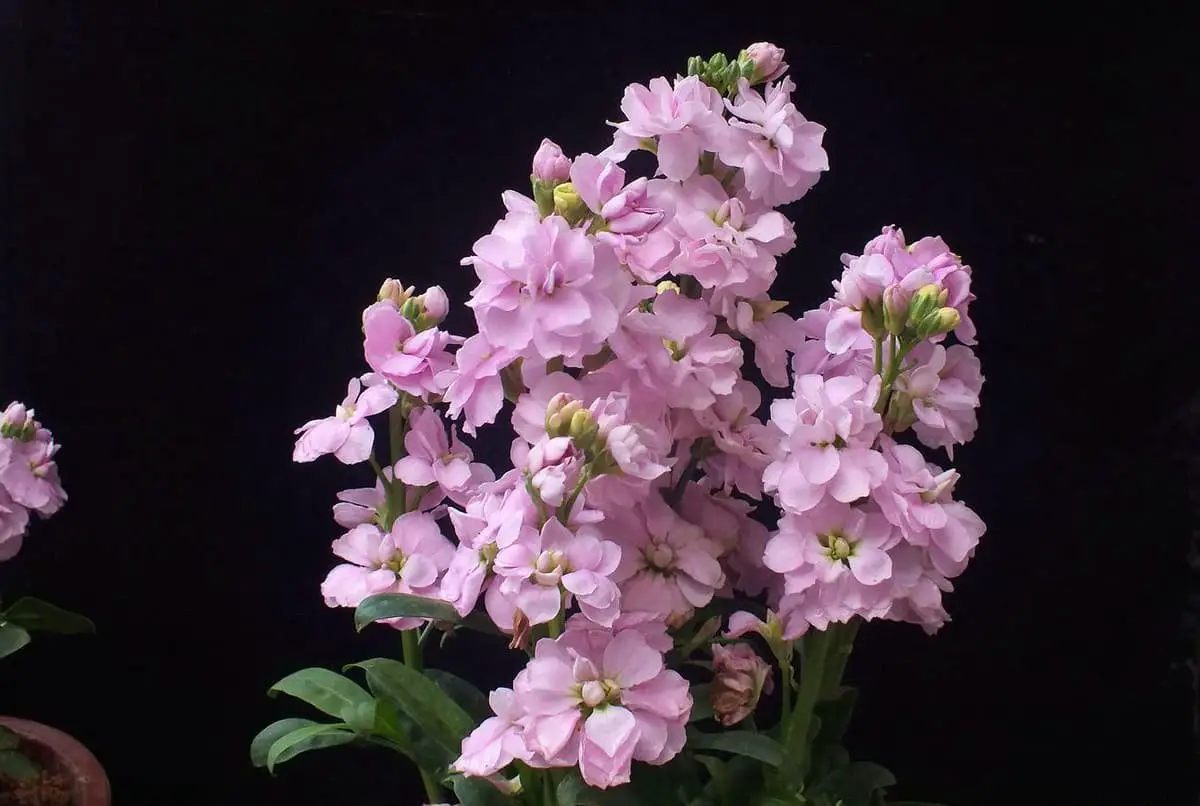
Violets prefer a cool climate and dislike heat. They enjoy a well-ventilated environment and mild winter conditions but can withstand brief periods of -5℃. Optimal growing temperatures are 15-18℃ during the day and around 10℃ at night. They are not particularly soil-demanding, but they thrive in well-drained, neutral to slightly alkaline soils, and dislike acidic ones.
Violets are cold-hardy but shade-intolerant and fear waterlogging. They are prone to pests and diseases in damp, hot weather and in poorly ventilated conditions. Over-fertilization is not advisable as it can impede blooming. Insufficient light and ventilation can make them prone to pests and diseases.

Originally, violets come from the Mediterranean region in southern Europe. They were widely cultivated in Europe starting in the 18th century and have been introduced in major southern cities in China.
In ancient Greece, violets were symbols of fertility and abundance, and Athens used them as emblems on their flags. Violets are also the state flower of Rhode Island in the United States. In China, they are often found in major cities in the south and are cultivated in gardens or greenhouses in the north.
Propagation of violets is mainly through seeding, generally done outdoors in mid-September. Single-flower varieties are chosen as the seed sources since the double-flower types lack a pistil and cannot produce seeds.
If the seeds are collected from a potted parent plant, its second-generation offspring are likely to have more petals. Before sowing, the soil should be moist. After sowing, a thin layer of fine soil is added, and no further watering is needed.
If the soil in the pot dries out within half a month, the pot can be placed half-submerged in water to moisten the soil from the bottom. After seeding, shading is necessary, and seedlings will appear within about 15 days.
Seedlings should be transplanted to a nursery bed at a plant row spacing of 6×8 cm before their true leaves unfold. Care should be taken not to damage the root hairs when pulling out the seedlings, and they should be moved with their soil balls intact. Before planting, dry pig or chicken manure should be added to the soil as a base fertilizer.
Generally, germination can occur about two weeks after sowing. Note that the timing of autumn sowing should not be too late, otherwise it will affect plant growth, overwintering, and the quantity and quality of flowers. If violets are cultivated as annuals, seeding can take place all year round in regions with relatively cool summers.

Violets are economically beneficial for cut flower production, frequently grown in garden flower beds or greenhouses for their aesthetic value. Their sweet scent is believed to be aphrodisiac, often preferred as a fragrance in many cleaning products. The volatile oils released by the flowers have significant antimicrobial properties, promoting respiratory health.
Gardening Value
Violet flowers are bountiful, vibrant, and intensely fragrant. They have long blooming periods and equally lengthy floral displays, making them beloved by many flower enthusiasts. Suitable for pot cultivation and flower bed, step, or path decoration, a whole plant can also serve as a bouquet.
Violets exhibit clear economic benefits when used for cut flower production, often grown in garden flower beds or greenhouses for their aesthetic value.
Violets can serve as cut flowers for winter and spring seasons. Their hardiness reduces heating costs and labor requirements, offering high cultivation value. From planting to harvesting, the cycle is short, leading to widespread use.
Typically, indoor cultivated non-branching varieties hit the market from December to February, while outdoor cultivated branching varieties are available from late March to early April. Generally, non-branching varieties are more valuable, with double-petal varieties costing two to three times more than single-petal ones.
Health Value
Violets have various health benefits. They can clear heat, detoxify, whiten and remove blemishes, moisturize skin, eliminate wrinkles and spots, freshen breath, enhance glossiness, and protect against UV radiation.
Violets are highly beneficial for the respiratory tract, offering therapeutic effects for bronchitis. They can also moisturize the throat and address bad breath caused by tooth decay.
Their sweet scent is often associated with aphrodisiac properties, making it a favorite fragrance in many cleaning products. The volatile oils released by the flowers have significant antimicrobial properties, promoting respiratory health.
The symbolism of violets encompasses “eternal beauty and love, modesty, virtue.” The connotation of violets is “everlasting charm,” and they also signify “I like you very much.”
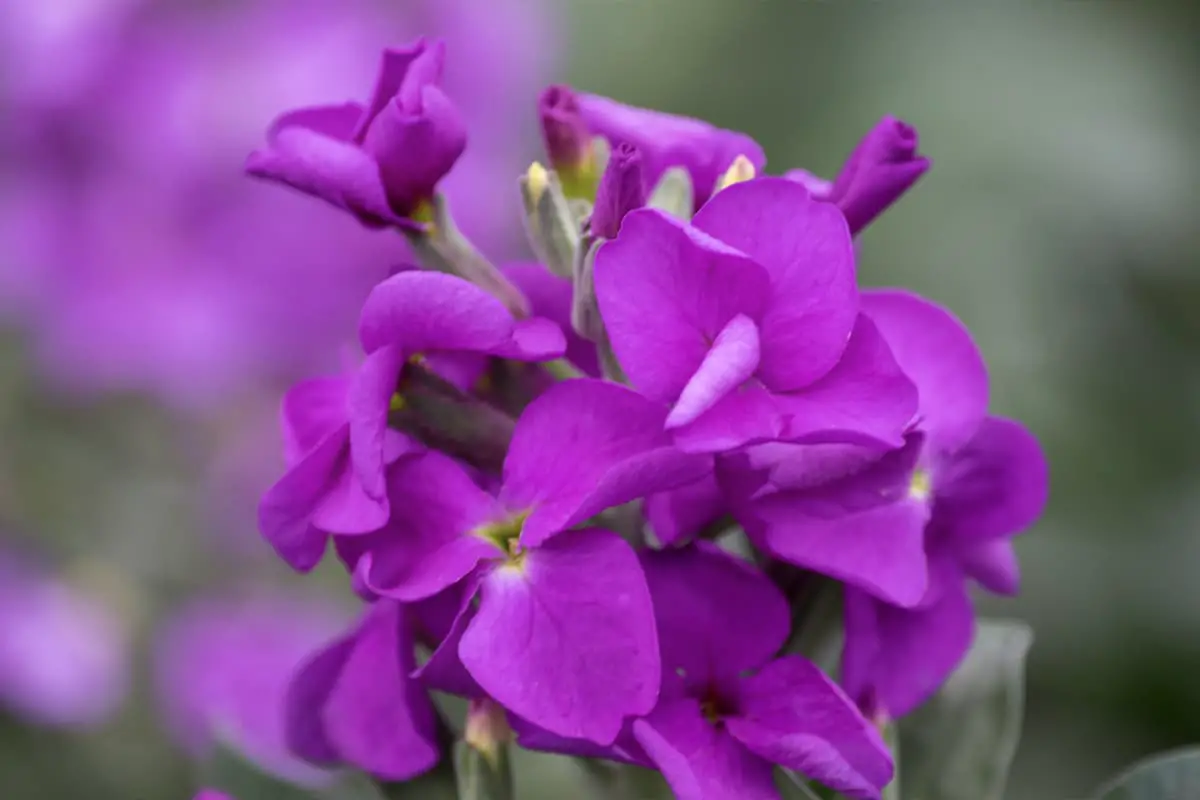
Violets come in various colors, not just purple; they can also be violet-red, light pink, light yellow, blue, white, and so on, with each color holding different meanings.
The symbolism of blue violets is: caution, loyalty, I will be forever loyal.
The symbolism of purple violets is: falling in love with you in dreams, you are forever beautiful to me.
The symbolism of white violets is: let’s seize the opportunity for happiness!

Peggie was once a high school mathematics teacher, but she set aside her chalkboard and textbooks to follow her lifelong passion for flowers. After years of dedication and learning, she not only established a thriving flower shop but also founded this blog, “Flowers Library”. If you have any questions or wish to learn more about flowers, feel free to contact Peggie.
 English
  العربية
  Bahasa Indonesia
  Deutsch
  Français
  Italiano
  Nederlands
  Português
  Русский
  日本語
日本語