600+ Types of Flowers A To Z (With Names and Pictures)
Types Of Flowers By Names (A-Z) Types Of Flowers By Color Types Of Flowers By Season Types Of Flowers By Blooming Time 600+ Types of Flowers No. Flower Name No.…

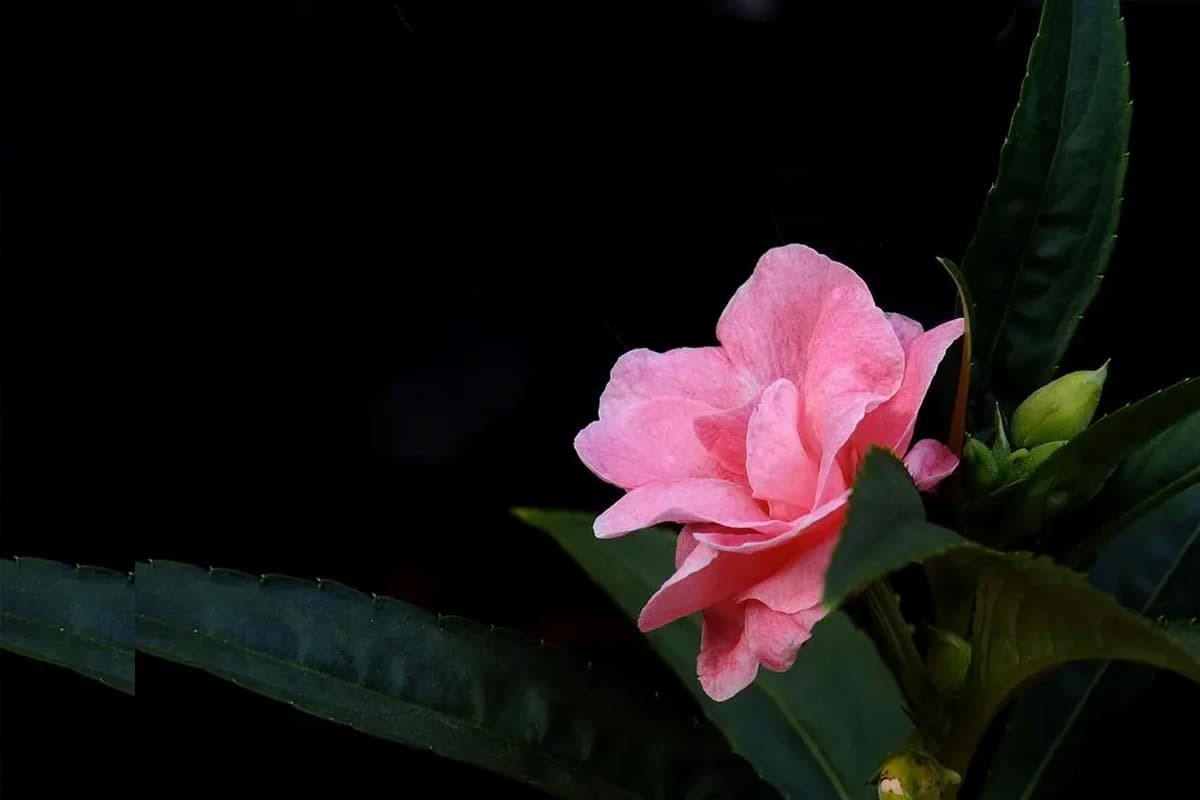
Impatiens balsamina, also known as Garden Balsam, Rose Balsam, or Touch-Me-Not, is a species of the Balsaminaceae family. This annual herbaceous flowering plant is composed of six parts: roots, stems, leaves, flowers, fruits, and seeds.
It’s occasionally referred to as the Gold Phoenix Flower due to its flower head, wings, tail, and feet all being shaped like a phoenix. The Garden Balsam comes in a variety of colors including pink, red, purple, and lilac.
Its petals or leaves, when crushed and wrapped in a leaf, can dye nails a beautiful bright red color, which is particularly adored by girls.
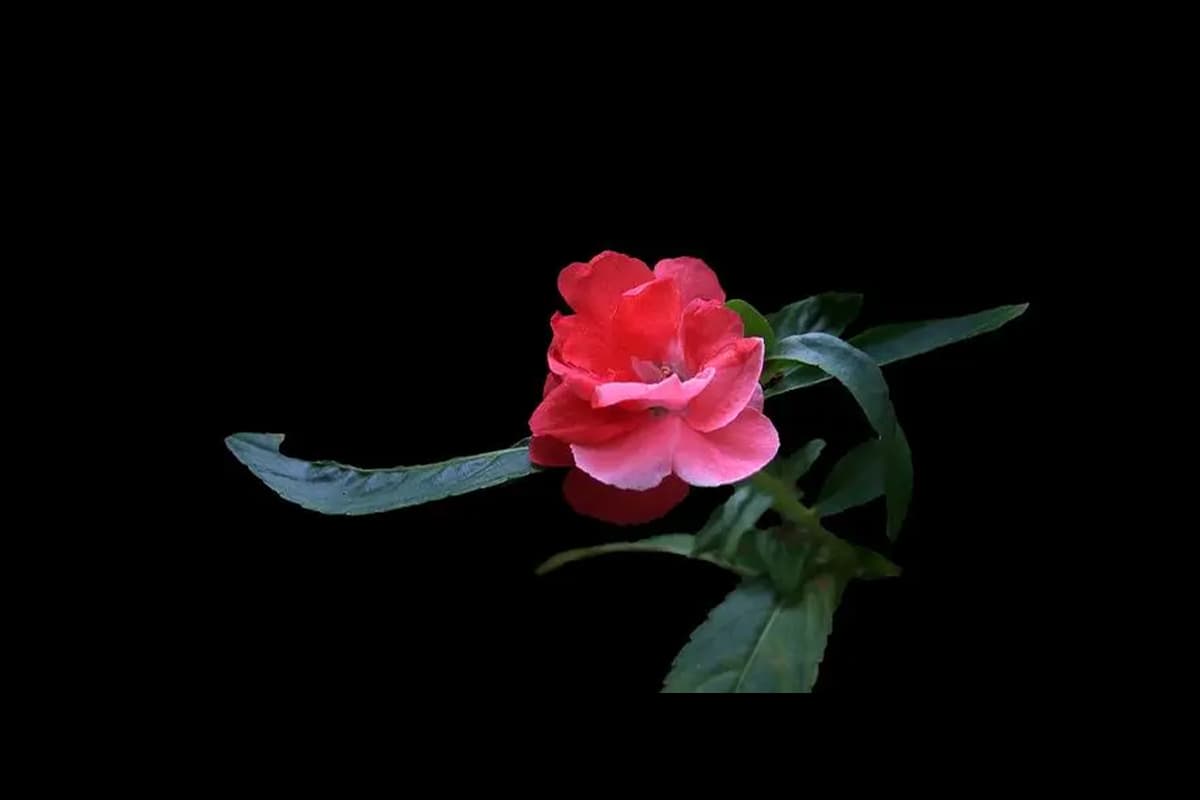
Garden Balsam is an annual herb, standing 60-100 cm tall. Its stem is thick, fleshy, upright, can be either branched or unbranched, hairless or sparsely covered in soft hair when young, with a base diameter of up to 8 mm and numerous fibrous roots.
The leaves are alternate, sometimes opposite at the base. The leaf blade is lanceolate, narrowly elliptical or inverted lanceolate, 4-12 cm long, 1.5-3 cm wide, with an acute or tapering apex, a cuneate base, and sharply serrated edges.
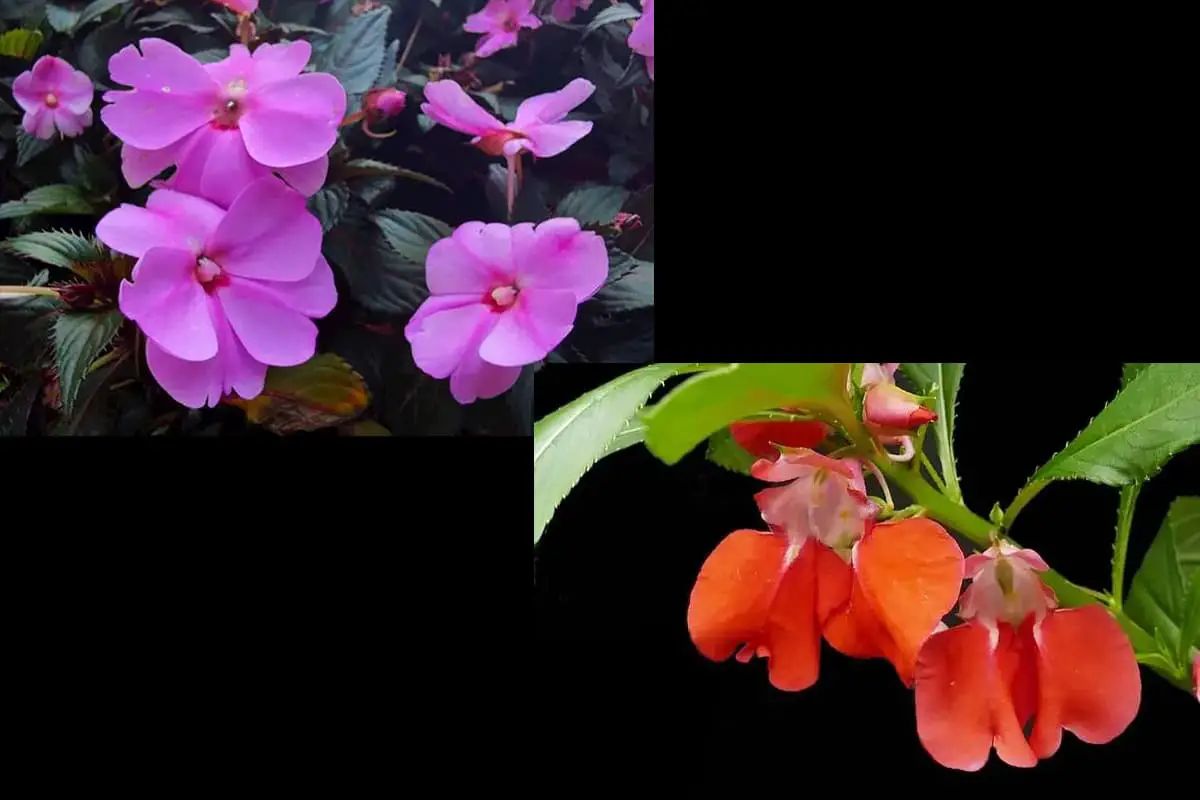
The flowers are solitary or clustered 2-3 in the leaf axils, without an overall peduncle, and come in white, pink, or purple, either single or double petals.
The seeds are numerous, spherical, 1.5-3 mm in diameter, and dark brown. The flowering period is from July to October.
Garden Balsam, which resembles a butterfly, comes in a variety of colors including pink, red, purple, white, yellow, and gold, and is highly variable. Some varieties can produce multiple colored petals on the same stem.
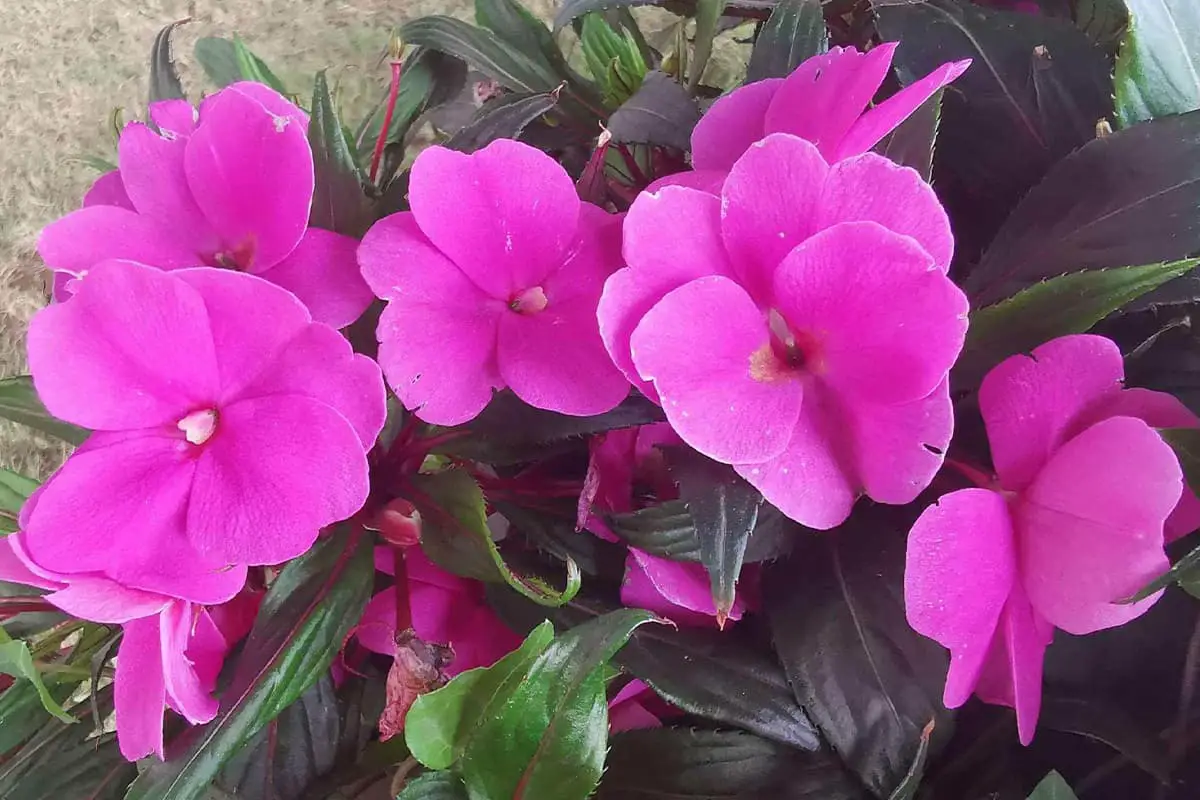
Garden Balsam enjoys the sun and dislikes dampness. It withstands heat but not cold. It prefers sunny slopes and loose, fertile soil but can also grow in poorer soils.
Garden Balsam is hardy and adaptable, generally suffering little from pests and diseases. If the temperature is high and humidity is large, it may be affected by powdery mildew, which can be treated with a spray of 50% base sulfur bacteria wettable powder at 800 times dilution.
If leaf spot disease occurs, it can be treated with 50% carbendazim wettable powder at 500 times dilution. The main pest of Garden Balsam is the red moth, whose larvae will gnaw at the leaves of the plant. If this pest is detected, it can be manually caught and exterminated.
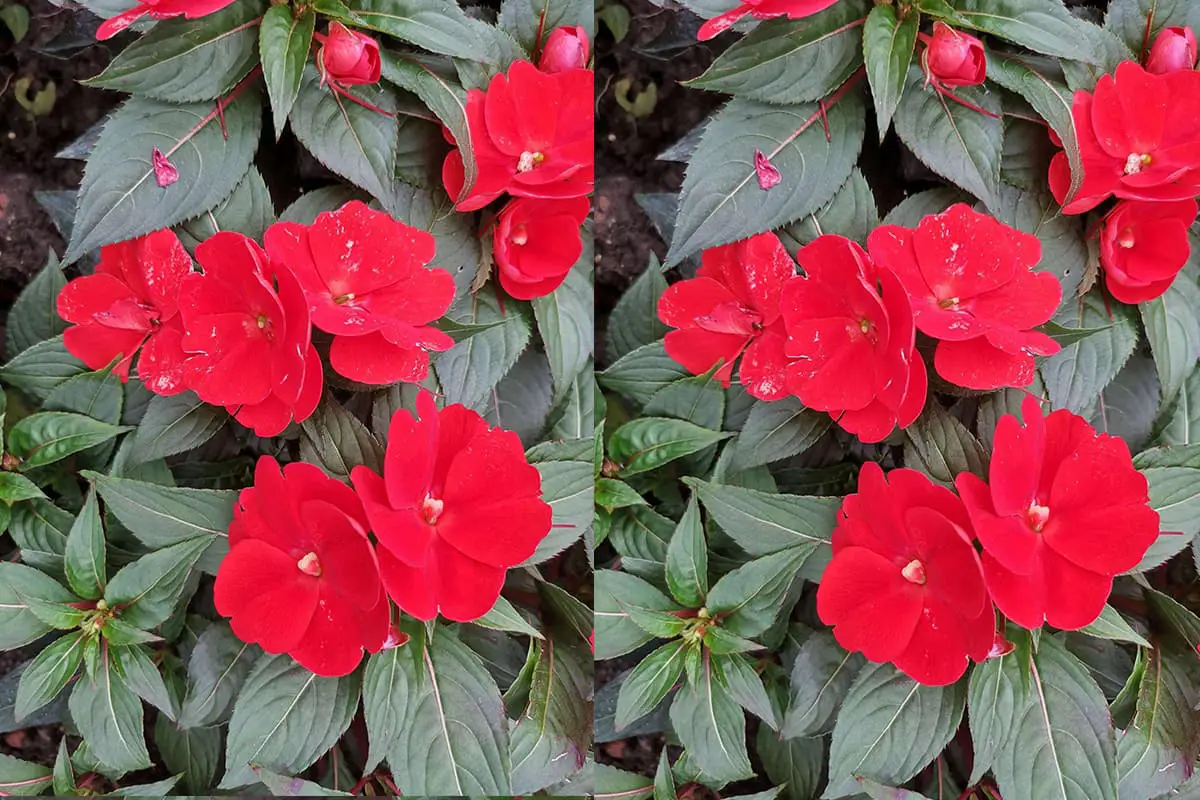
Originally from China and India, this plant is widely cultivated in gardens throughout China and is a common ornamental flower. It is cultivated in both northern and southern regions of China.
Crested Impatiens: Also known as “Blockhead Impatiens.” This is a variant of the Impatiens flower. The flowers grow at the top of the main stem or the end of branches. The flowers are large and double-petaled. The branches spread out, forming a clump.
Dwarf Impatiens: This is a variant of the Impatiens flower. The plant is shorter, with a height of 20-30 centimeters.
Dragon Claw Impatiens: This is a variant of the Impatiens flower. The side branches are winding and extend horizontally.
Medicinal Parts
The root, stem, flowers, and seeds are used for medicinal purposes.
Chinese medicinal names: Root: Impatiens root. Stem: Impatiens thoroughbone herb. Flower: Impatiens flower.
Seeds: Acute seeds.
Harvesting and Processing
Root: The roots are dug up in the fall, cleaned, and used fresh or dried in the sun.
Stem: The above-ground parts are harvested when the plant is flourishing in summer and autumn, the leaves and flowers are removed, it is cleaned, and dried in the sun.
Flower: The flowers are harvested when they bloom in summer and autumn, they can be used fresh or dried in the shade or sun.
Seeds: In August and September, when the capsules turn from green to yellow, they should be timely and batch harvested; otherwise, the overripe fruits will eject the seeds, causing loss. The capsules are threshed, the chaff and impurities are sieved out, yielding the medicinal material “acute seeds.”
Main Function
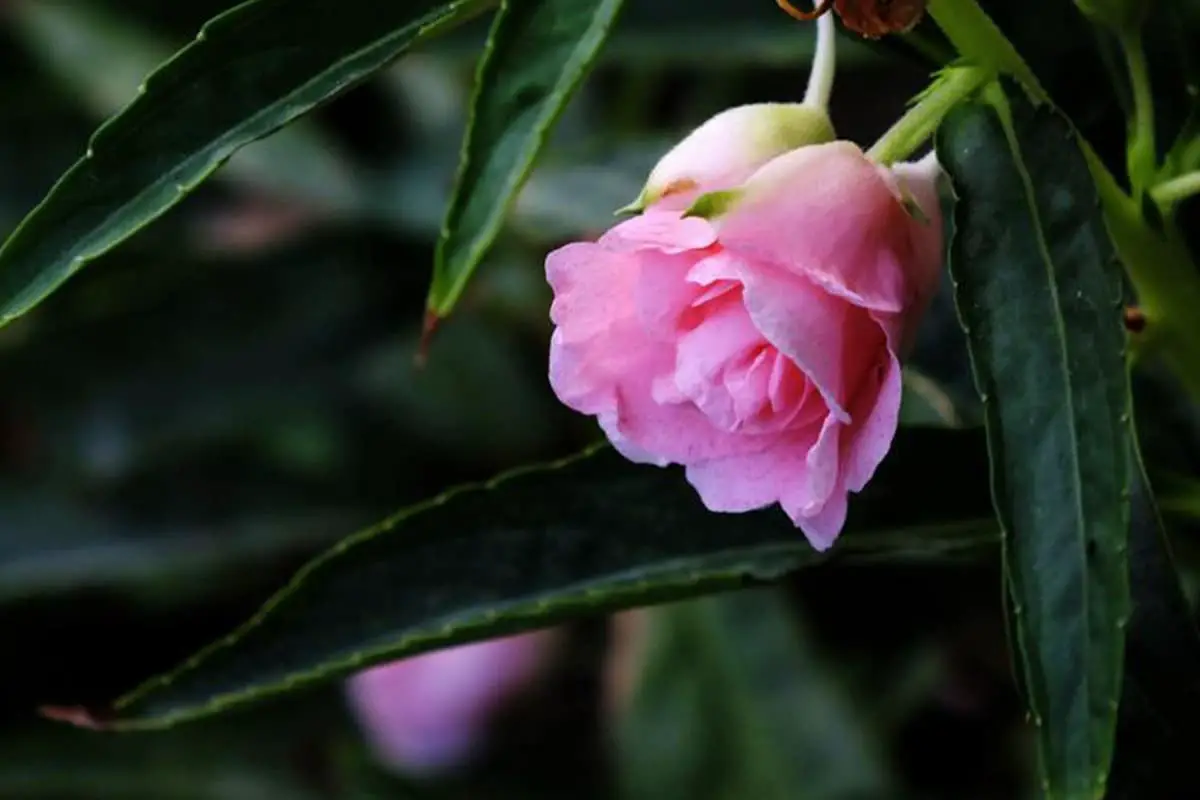
The flowers are used for medicinal purposes. They can invigorate the blood and reduce swelling, and treat bruises and injuries. The flowers can be applied externally to treat dermatitis and eliminate body odor; a paste made from the seeds can treat numbness and soreness.
They can invigorate the blood, remove wind and dampness; invigorate the blood and relieve pain; detoxify and kill parasites.
They are mainly used to treat wind-damp impediment, pain in the waist and ribs; abdominal pain in women; postpartum blood stasis; bruises and injuries; fractures; sores and poison; snake bites; leukorrhea; dermatitis; onychomycosis.
They invigorate the blood, remove wind and relieve pain, and are used externally to detoxify. They are used for amenorrhea, bruises and injuries, blood stasis and pain, rheumatoid arthritis, boils and sores, snake bites, tinea manus.
They are warm in nature and slightly bitter, with minor toxicity. They can soften hardness and reduce accumulation, and are used to treat esophageal obstruction, fish bone stuck in the throat, abdominal lumps, invigorating the blood and removing stasis, and are mainly used to treat amenorrhea in women.
Folklore often uses its flowers and leaves to dye nails. The stem and seeds are used as medicine.
The stem is called “Impatiens thoroughbone herb,” which has the effects of removing wind-dampness, invigorating the blood, and relieving pain, and is used to treat rheumatoid joint pain, and inflexibility; the seeds are called “acute seeds,” which can soften hardness and reduce accumulation, and are used to treat esophageal obstruction, fish bone stuck in the throat, abdominal lumps, amenorrhea.
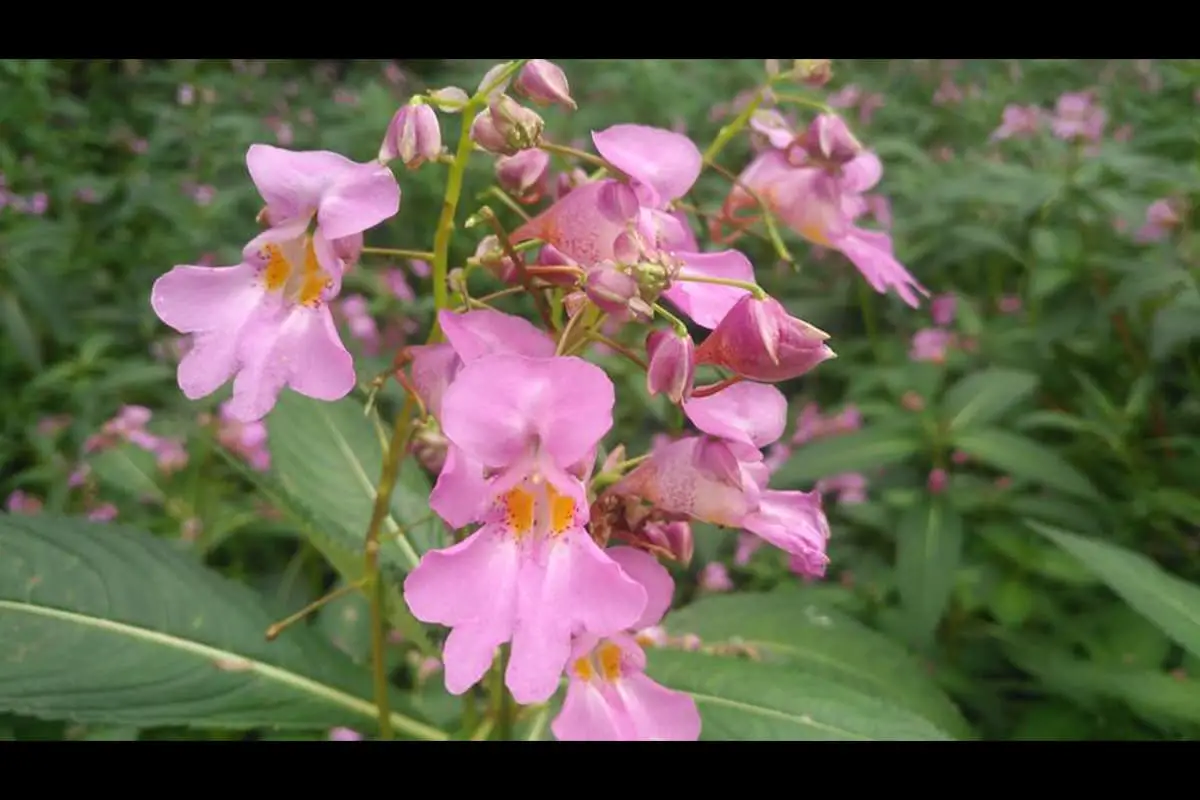
Widely cultivated in gardens everywhere, it is a common ornamental flower.
Impatiens flowers resemble the top of a crane and a colorful phoenix, with a beautiful and charming posture. The fragrant red Impatiens and the delicate green Impatiens both bloom in the morning, which is the best time to appreciate Impatiens flowers.
Impatiens flowers, with their rich colors and varieties, are commonly used to beautify flower beds and landscapes, and can be planted in clumps, groups, and pots, and also used as cut flowers for water cultivation.
The tender leaves of Impatiens flowers can be blanched and then mixed with oil and salt for consumption.
Dyeing Function
In India and the Middle East, it is called HENAA henna, which carries a natural reddish-brown pigment. People in the Middle East have long grown this plant and used its juice to dye their nails and adorn themselves. According to records, Cleopatra used henna to dye her hair. The famous Indian body painting also uses it for dyeing.

Peggie was once a high school mathematics teacher, but she set aside her chalkboard and textbooks to follow her lifelong passion for flowers. After years of dedication and learning, she not only established a thriving flower shop but also founded this blog, “Flowers Library”. If you have any questions or wish to learn more about flowers, feel free to contact Peggie.
 English
  العربية
  Bahasa Indonesia
  Deutsch
  Français
  Italiano
  Nederlands
  Português
  Русский
  日本語
日本語