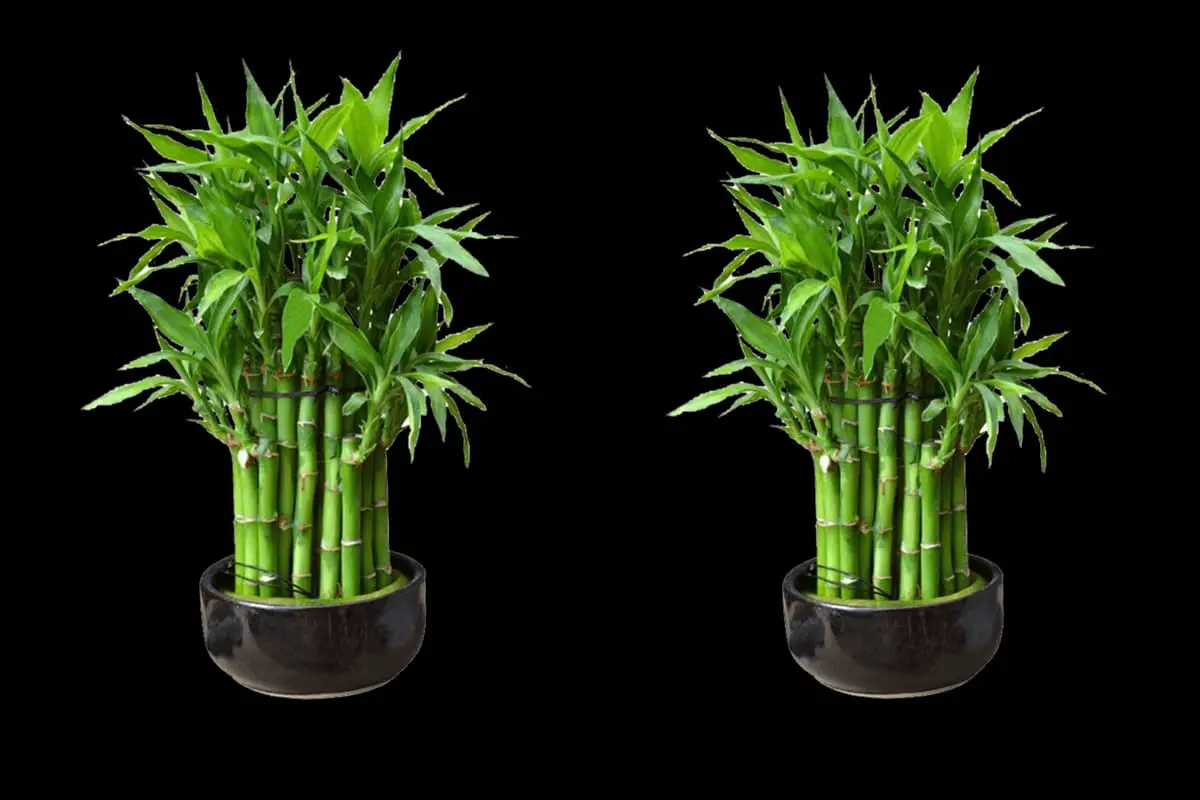
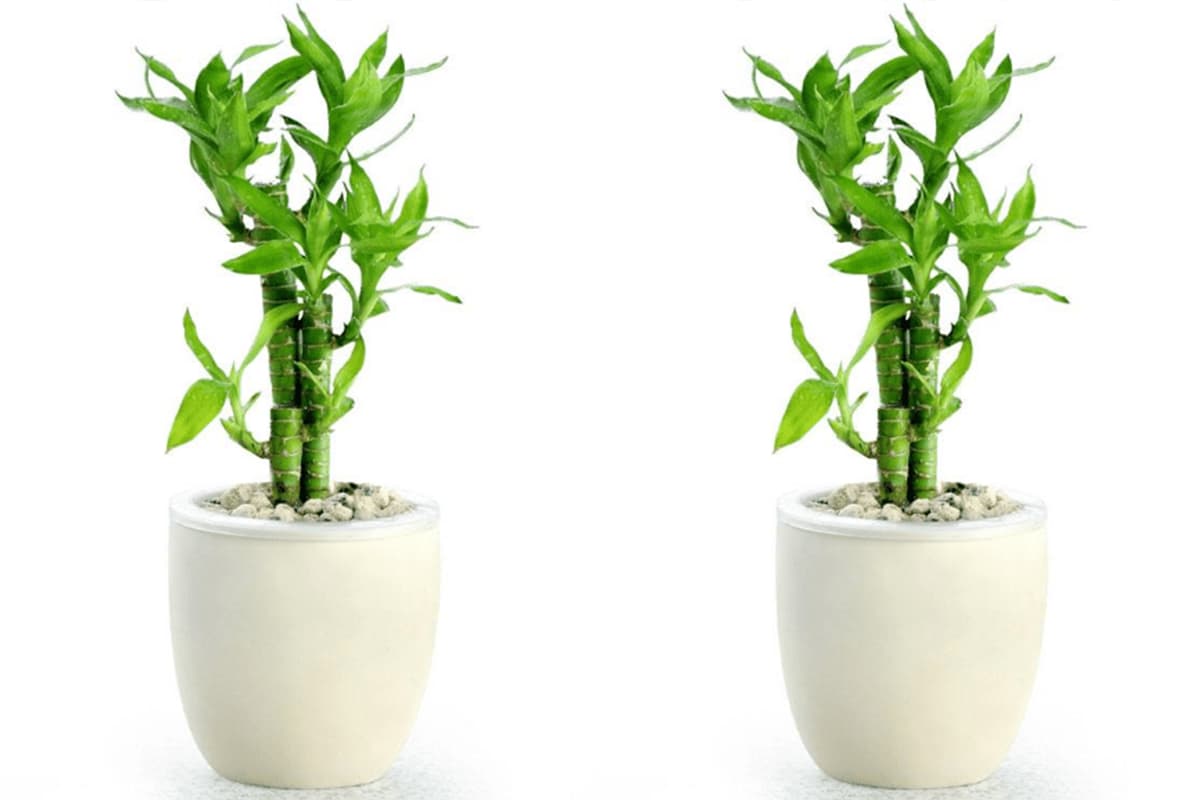
The Lucky Bamboo, scientifically known as Dracaena sanderiana, belongs to the Asparagaceae family and Dracaena genus. It is a perennial evergreen shrub primarily used as an ornamental plant.
The plant has a slender and erect structure, with branches emerging from its upper part. Its rhizomes are horizontal and nodular, and the stem is robust and upright, giving the plant an exquisite appearance.
The Lucky Bamboo is native to the Canary Islands, Africa, and tropical regions of Asia, and was widely introduced into China in the late 1980s. It is known for its ability to absorb harmful gases, eliminate odors, and freshen the environment.
I. Growth and Distribution
Geographical Distribution
The Lucky Bamboo originated from the Canary Islands, Africa, and tropical regions of Asia.
II. Morphology and Characteristics
Lucky Bamboo is a perennial evergreen shrub. It can grow up to 2 meters tall, with a slender and upright structure with branches at the top. The rhizomes are horizontal and nodular, and the stem is robust and upright, giving the plant an exquisite appearance.
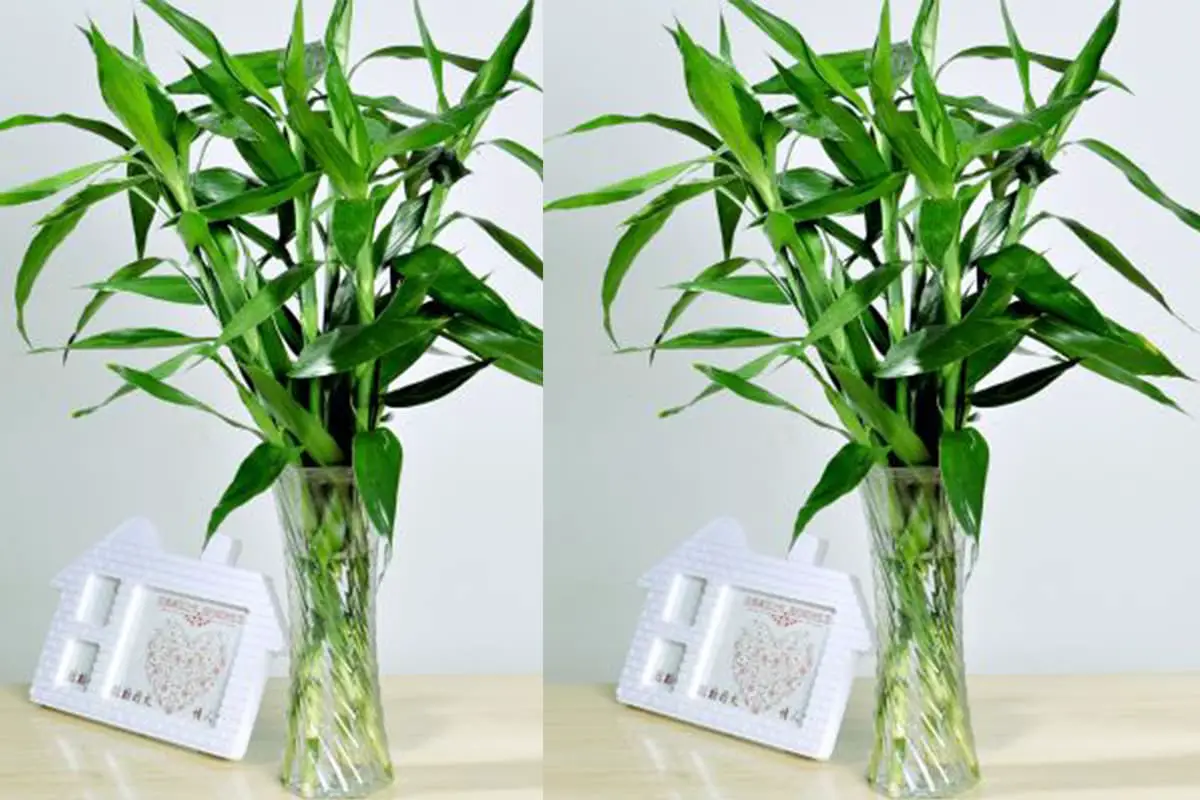
Its leaves are lanceolate, similar to those of bamboo plants. The leaves are either alternate or subopposite, papery, and lanceolate, with distinct 3-7 main veins. They have short stalks and the leaf blades are a deep green color.
The leaves are 13-23 cm long and 1.8-3.2 cm wide, with white or yellowish-white margins. The leaf stalks are 7.5-10 cm long.
The plant has umbel inflorescences, with 3-10 flowers growing in the leaf axils or opposite the upper leaves. The flowers have six petals and a bell-shaped, purple corolla. The fruit is a nearly spherical drupe, black in color.
III. Habits
The Lucky Bamboo prefers warm, humid conditions and is flood-tolerant, nutrient-loving, and cold-resistant. It enjoys semi-shade environments and thrives in well-drained sandy soil or semi-sandy and alluvial clay.
Lucky Bamboo prefers warm environments, with an ideal temperature between 18℃ and 24℃. It can grow all year round, but the plant enters dormancy and stops growing when the temperature drops below 13℃.
When the temperature is too low, the root system cannot absorb enough water, causing yellowish-brown spots to appear on the tips and edges of the leaves. The minimum winter temperature should be above 10℃.
Lucky Bamboo is not very demanding in terms of sunlight. It grows well under bright, scattered light. Too much sunlight or exposure can cause the leaves to turn yellow, fade, and slow down growth.
IV. Propagation Methods
Seedlings
Generally, stem segments without leaves are cut to use as cuttings, around 5-10 centimeters long, preferably with three internodes. They are then inserted into a sand bed or semi-loamy sand. Care must be taken not to invert the top and bottom ends. In spring and autumn, roots typically form in 25-30 days, and after 35 days, they can be potted or transplanted.
Cuttings
First, cut the top sprouts or side buds, about 15-20 centimeters long (4-5 internodes). After treatment, they are directly inserted into sandy loam or semi-loamy sand, burying two internodes into the soil. Water them daily to keep the soil moist. In spring, roots usually form in 30-35 days, while in autumn and winter, it takes 35-45 days for roots to form.
V. Value and Other Information
Main Value
Pot Plant Ornamentation
Due to its beautiful appearance, it is primarily used as a potted ornamental plant and holds high ornamental value.
Air Purification
Lucky bamboo can purify indoor air.


 English
  العربية
  Bahasa Indonesia
  Deutsch
  Français
  Italiano
  Nederlands
  Português
  Русский
  日本語
日本語