600+ Types of Flowers A To Z (With Names and Pictures)
Types Of Flowers By Names (A-Z) Types Of Flowers By Color Types Of Flowers By Season Types Of Flowers By Blooming Time 600+ Types of Flowers No. Flower Name No.…

The Rhododendron pulchrum, commonly known as the Exquisite Rhododendron, is a member of the Ericaceae family and Rhododendron genus. This semi-evergreen shrub typically reaches heights of 1.5-2.5 meters, featuring spreading branches with a distinctive pale gray-brown color adorned with light brown appressed trichomes.
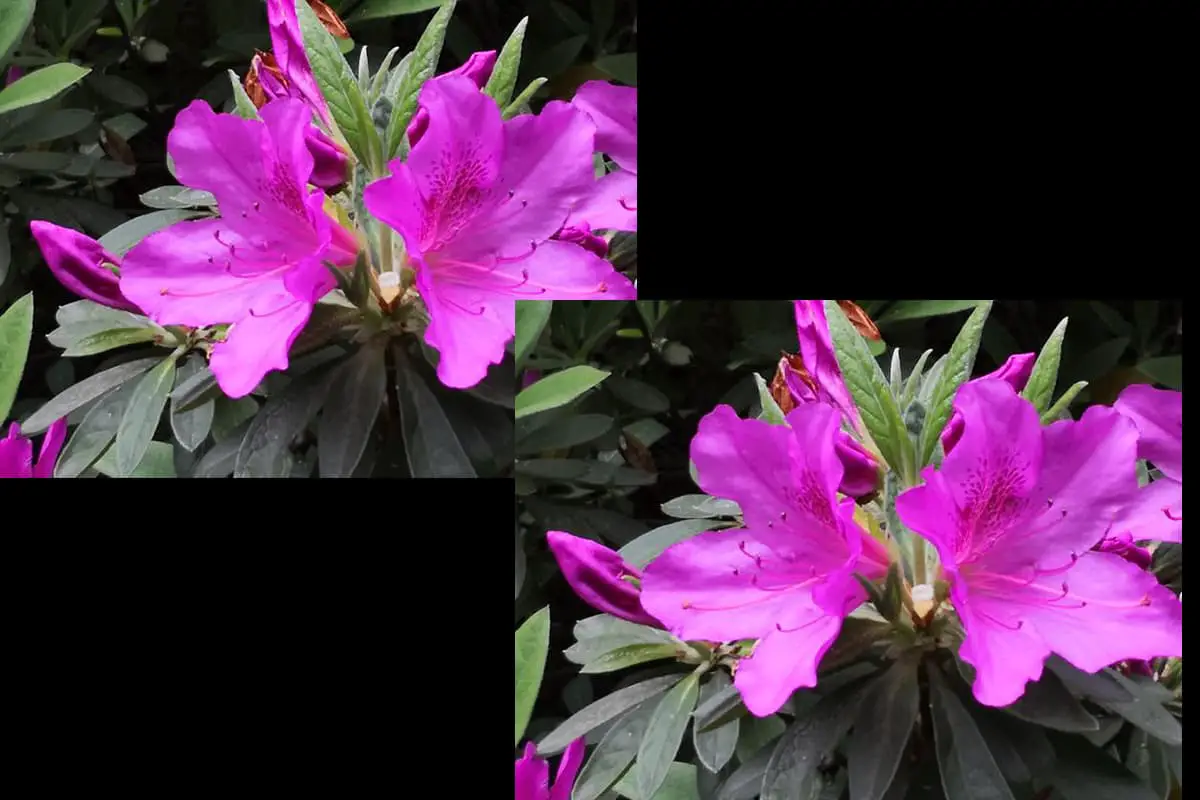
The leaves of R. pulchrum are thinly leathery, exhibiting a range of shapes from elliptic-oblong to elliptic-lanceolate or oblong-inverted lanceolate. They measure 2-5(-7) cm in length and 1-2.5 cm in width.
The leaf structure includes bluntly pointed tips, wedge-shaped bases, and revolute, entire margins. The upper surface displays a deep green color, initially sparsely covered with light yellow-brown appressed trichomes that later become almost glabrous.
The undersides are light green, bearing both soft hairs and appressed trichomes. Notably, the midrib and lateral veins are sunken on the adaxial surface and prominently raised on the abaxial side. The petioles, measuring 3-6 mm in length, are densely covered with brownish appressed trichomes.
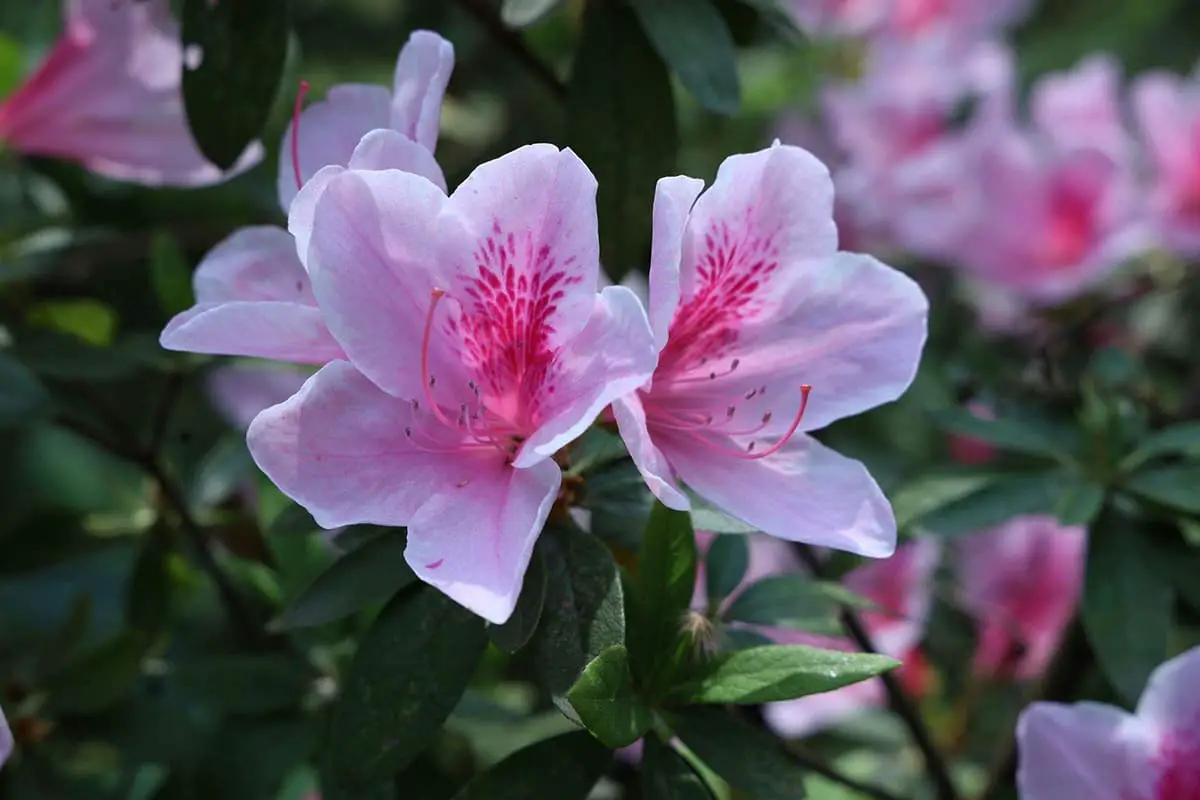
The flower buds are ovoid, with pale yellow-brown hairs along the middle of the outer scales and a sticky interior. The inflorescences are umbel-like, terminal, and contain 1-5 flowers each. Pedicels measure 0.8-1.5 cm long and are densely covered with light yellow-brown soft hairs.
The calyx is large and green, featuring 5 deep lobes that are lanceolate and approximately 1.2 cm long, covered with appressed trichomes. The corolla is rose-purple and broadly funnel-shaped, measuring 4.8-5.2 cm in length and about 6 cm in diameter. It has 5 broad ovate lobes, each about 3.3 cm long, adorned with deep red spots.
The flower contains 10 stamens of nearly equal length (3.5-4 cm), with linear filaments bearing soft hairs at the base. The ovary is ovoid, 3 mm long and 2 mm in diameter, densely covered with yellow-brown bristle-like appressed trichomes. The style is approximately 5 cm long, slightly exceeding or equaling the corolla length, and is glabrous.
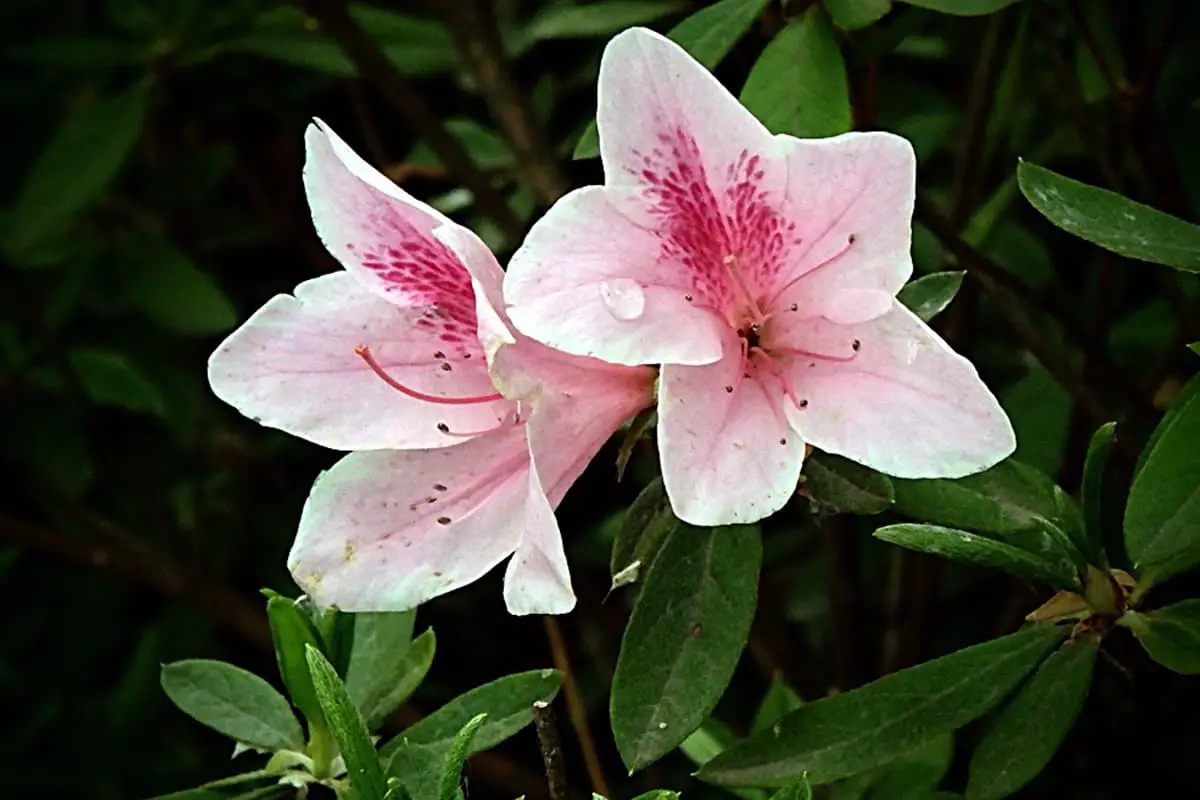
The fruit is a capsule, oblong-ovoid in shape, measuring 0.8-1 cm long. It is covered with bristle-like appressed trichomes and retains the persistent calyx.
R. pulchrum typically blooms from April to May, with fruiting occurring from September to October.
The Exquisite Rhododendron thrives in specific environmental conditions:
It is important to note that R. pulchrum is intolerant of intense sunlight, high temperatures, alkaline soils, and heavy clay soils.
The Hydrangea serrata thrives in a warm, semi-shaded environment with cool, moist, and well-ventilated conditions. It is sensitive to intense sunlight and high temperatures, which can damage its delicate foliage. This species prefers loose, fertile soil rich in humus with a slightly acidic pH (5.5-6.5).
The soil should have excellent drainage, as the plant is susceptible to root rot in waterlogged conditions. Alkaline and heavy clay soils are unsuitable for optimal growth and should be avoided or amended.
Propagation of Hydrangea serrata is most successful through softwood cuttings taken in late spring (May) or early fall (October) when the plant is in active growth. Follow these steps for optimal results:
By following these detailed steps, gardeners can successfully propagate Hydrangea serrata, ensuring healthy new plants for their gardens or landscape designs.
Excavation
The proper excavation of the Resplendent Rhododendron is crucial for its successful taming. It’s essential to utilize wild resources responsibly, avoiding random and excessive digging that could harm the natural habitat.
Excavation is typically performed during the dormant season, with the highest survival rate achieved before the soil freezes. For small plants, entire excavation is possible, while larger specimens benefit from the gradual root cutting method. This technique involves cutting the main root and large lateral roots in early winter, followed by digging up the plant in early spring after new roots have sprouted from the cut sites. Although time-consuming, this method yields a remarkably high survival rate.
The Resplendent Rhododendron is characterized by a shallow, fibrous root system, with most roots distributed within the soil surface under the tree canopy. This characteristic requires extra care during excavation to prevent root damage.
The excavation process begins with removing the topsoil layer until roots become visible. A trench approximately 10 cm deep is then dug around the tree canopy, ideally reaching below the root plate. The plant, along with its entire soil ball, is carefully removed and tightly wrapped in plastic film to maintain soil integrity, which is crucial for the rhododendron’s survival.
For plants without a soil ball, extra precautions are necessary. A paste made from a small amount of native soil mixed with water is applied to the roots before wrapping in plastic film. During transport, plants with soil balls may only require light pruning, while those without need more extensive pruning. Remaining branches should be cut short and all leaves removed to reduce water loss and increase survival chances. For extended transport times, it’s crucial to keep the roots moist.
Taming
The cultivation of Resplendent Rhododendron shares similarities with other flowering shrubs, but its wild nature necessitates special considerations during the taming process.
Cool Cultivation Environment: Resplendent Rhododendrons naturally thrive in cool, shaded mountain forests with high humidity and low evaporation. In the first year of pot cultivation, place the seedling pot in a north-facing corner to limit direct sunlight. Maintain soil and trunk moisture through timely watering. As new growth appears, gradually increase sun exposure. During hot summers, provide shade and frequent misting to maintain adequate humidity.
Suitable Soil Environment: These rhododendrons prefer fertile, loose, and well-aerated soil with a pH between 5 and 6. Sandy soils are ideal, while heavy clay or saline-alkali soils should be avoided. Alum can be used to adjust soil pH if necessary. Initially, native soil or orchid mix is recommended. As the plant establishes, consider using specialized soil mixtures:
Increasing Air Humidity: To mimic the high humidity (usually above 85%) of their natural habitat, wrap the trunk with grass ropes or create a plastic enclosure for moisture retention. This is particularly important during dry autumn and winter months. Regular misting helps acclimate the plant to drier environments gradually.
Choosing the Right Pot
Pot selection depends on the intended use of the Azalea (Resplendent Rhododendron). Clay pots offer superior aeration and drainage, promoting healthy root growth, and are often used in commercial production. For shaped specimens intended for display, aesthetically pleasing purple sand pots are recommended. These pots enhance the ornamental value of the Azalea but may require additional drainage measures, such as placing tiles around the pot base.
Pot size should correspond to the plant’s age:
Appropriate Watering
Rainwater is ideal for Azaleas, but natural water from ponds or rivers is also suitable. If using tap water, let it stand for 1-2 days to dissipate chlorine, then add 0.2% ferrous sulfate. During the growing season, water weekly to maintain slightly acidic soil conditions.
Water and Fertilizer Management
Watering frequency varies with seasons:
Fertilization:
Azaleas respond well to organic fertilizers such as decomposed cake fertilizer, broad bean meal, or fish emulsion. Apply a dilute fertilizer (15% concentration) three times monthly from bud break until just before flowering. After flowering, fertilize six times from mid-May to mid-July to promote leaf growth and branching. In case of prolonged rain, use dry fertilizers. Apply fertilizer 1-2 times before winter dormancy.
Outdoor Shading
Light management is crucial for Azalea bonsai:
After the growing season, prune and shape the plant, removing pest-affected, overgrown, or deformed branches to maintain the desired bonsai form.
Rhododendron hirsutum, like other rhododendron species, can be susceptible to various diseases and pests. Regular monitoring and preventive measures are crucial for maintaining plant health. Common issues include:
Preventive measures:
While ferrous sulfate solution (0.2-0.3%) can help with chlorosis, it’s not a cure-all for all pest and disease issues. Integrated pest management (IPM) practices are recommended for comprehensive plant health.
Medicinal:
Rhododendron hirsutum has been used in traditional medicine, but it’s crucial to note that all parts of the plant contain grayanotoxins and should be used with extreme caution under professional guidance.
Caution: Modern medical use is limited due to potential toxicity. Always consult healthcare professionals before using any part of this plant medicinally.
Ornamental:
Rhododendron hirsutum is highly valued in landscaping for several reasons:
Ideal planting locations:
Economic:
While not a major commercial crop, Rhododendron hirsutum offers some economic value:
Ecological:
Rhododendron hirsutum plays several important ecological roles:
Note: While valuable ecologically in its native range, caution should be exercised when introducing it to new areas to prevent potential invasive behavior.

Peggie was once a high school mathematics teacher, but she set aside her chalkboard and textbooks to follow her lifelong passion for flowers. After years of dedication and learning, she not only established a thriving flower shop but also founded this blog, “Flowers Library”. If you have any questions or wish to learn more about flowers, feel free to contact Peggie.
 English
  العربية
  Bahasa Indonesia
  Deutsch
  Français
  Italiano
  Nederlands
  Português
  Русский
  日本語
日本語