Chrysanthemums not only possess a unique and inviting fragrance, but their dried flowers can also be brewed into tea.
When crushed, they can be made into chrysanthemum powder, which has beneficial effects such as beautifying the skin, relieving constipation, reducing fatigue, and slowing the aging process.
Moreover, it can be mixed into feed for livestock, enhancing their growth and strength. So, what are the other benefits and functions of chrysanthemum powder? Let’s delve into this in more detail.
What is Chrysanthemum Powder?
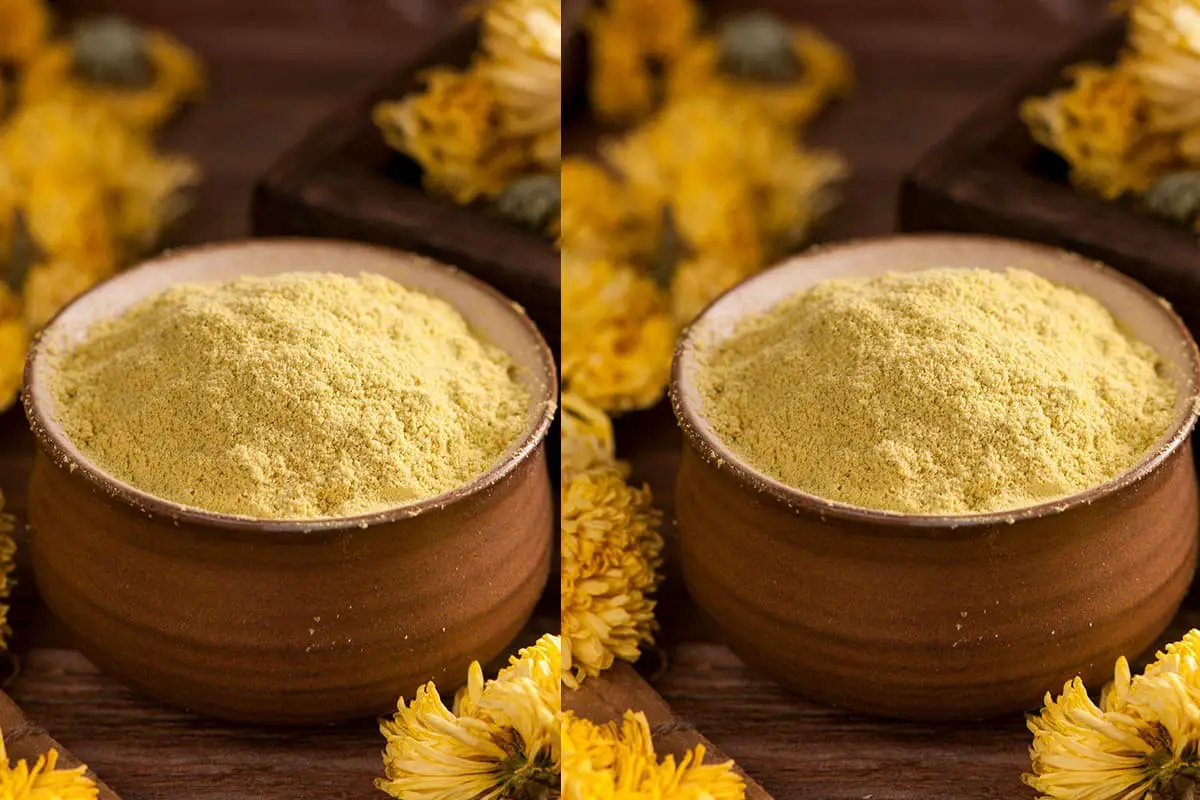
Chrysanthemum powder is made by extracting the fats and pigments from dried chrysanthemums using a solvent, then grinding them into a powder. It appears green or pale yellow and fibrous, with properties similar to alfalfa powder.
Benefits and Uses of Chrysanthemum Powder
- Animal Feed
Chrysanthemum powder can be directly added to livestock feed or given directly to the animals, reducing costs.
With its rich protein and amino acid content, it promotes growth and development in livestock, enhances their disease resistance, and improves reproductive function. It can be added to chicken, dairy cows, and pigs’ feed.
- Beautifying and Nourishing the Skin
Chrysanthemum powder has beautifying effects, thanks to the antioxidants in it that remove excess free radicals in the body and inhibit melanin deposition.
Additionally, the amino acids and vitamins in the powder improve skin cell function and delay cellular aging. The active and mineral substances also promote the self-repair and renewal of skin cells.
- Relieves Constipation
The magnesium and vitamin B6 in chrysanthemum powder effectively alleviate constipation, especially when it’s caused by indigestion.
- Alleviates Fatigue
Chrysanthemum powder relieves fatigue by enhancing the body’s hypoxia tolerance and significantly reducing oxygen consumption, thanks to its nutritional content.
It also contains substances that enhance and improve the oxidation-reduction ability of tissue cells, accelerating nerve and muscle synapse impulse conduction and quickly eliminating fatigue after intense physical labor.
- Delays Aging
Chrysanthemum powder delays aging, thanks to the antioxidants, like superoxide dismutase, that it’s rich in. These enhance antioxidant enzyme activity and inhibit free radicals’ oxidation ability.
The protein and polysaccharides in the powder improve metabolic functions and maintain tissue cell activity. The vitamins and minerals also slow down the body’s aging process.
- Lowers Lipids and Blood Pressure
The flavonoid compounds in chrysanthemum powder can dilate coronary blood vessels, inhibit platelet aggregation, and improve vascular permeability. The vitamin B6 in the powder helps control atherosclerosis caused by tyrosine conversion.
Additionally, the minerals in the powder cleanse deposits on the inner walls of blood vessels and soften and dilate blood vessels.
How to Consume Chrysanthemum Powder
- Timing
Consuming chrysanthemum powder on an empty stomach aids in nutrient absorption. Ideally, it should be taken half an hour before meals or 1-2 hours after meals. If taken once a day, consume it half an hour before breakfast. If taken twice a day, take another dose 1-2 hours after dinner.
- Method
The simplest way to consume chrysanthemum powder is to mix it with warm water. You can also blend it with honey, milk, juice, soy milk, or other beverages. Furthermore, it can be combined with honeysuckle powder, licorice powder, and cassia seed powder to make floral tea.
- Dosage
Long-term excessive consumption of chrysanthemum powder can be harmful to health. This is because it has a cooling nature, and if consumed in excess by individuals with a cold constitution, it can cause abdominal pain, diarrhea, cold hands and feet, and other symptoms of a weak spleen and stomach. In severe cases, it can even damage liver and kidney functions.
Side Effects of Chrysanthemum Powder
Although chrysanthemum powder is non-toxic, improper consumption can have side effects. Long-term excessive consumption can cause digestive disorders, characterized by abdominal bloating, pain, and indigestion. It can also cause electrolyte imbalance, especially in those with weak constitutions, adversely affecting fluid metabolism.


 English
  العربية
  Bahasa Indonesia
  Deutsch
  Français
  Italiano
  Nederlands
  Português
  Русский
  日本語
日本語