600+ Types of Flowers A To Z (With Names and Pictures)
Types Of Flowers By Names (A-Z) Types Of Flowers By Color Types Of Flowers By Season Types Of Flowers By Blooming Time 600+ Types of Flowers No. Flower Name No.…

Staghorn Begonia is native to western Africa and has been introduced and cultivated in China. It thrives in warm, dry, and sunny environments, tolerating drought but avoiding excessive moisture, high temperatures, and direct sunlight. It prefers well-drained, loose, and well-ventilated sandy loam soil. Propagation of Staghorn Begonia can be done through stem cuttings.
Staghorn Begonia, also known as Xunboju, belongs to the family Gesneriaceae and the genus Astridia. It is a succulent plant.
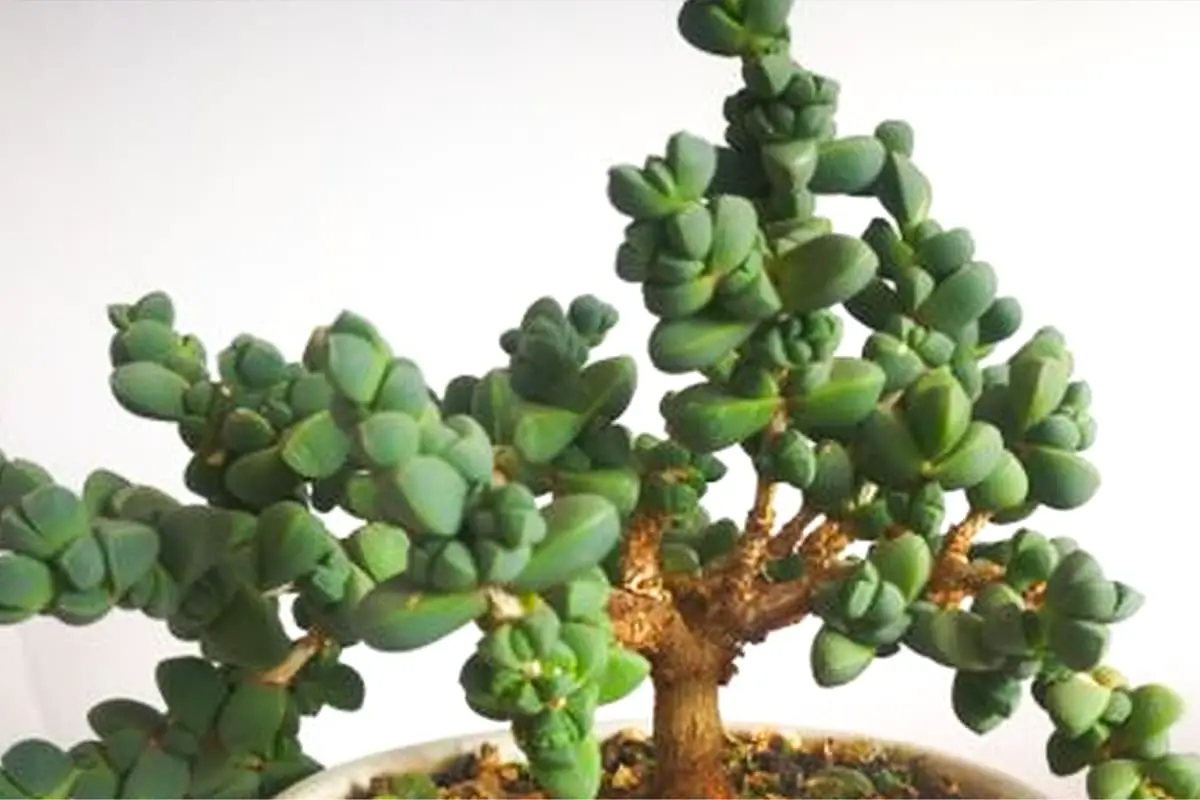
Staghorn Begonia is a succulent shrub of the family Gesneriaceae. The mature branches are grayish-brown and woody, while the young branches are light green with nodes.
The leaves are alternate, crescent-shaped, triangular, ranging from pale green to grayish-green. The leaf tips are narrow and pointed, with a slight pinkish hue. The leaf undersides have raised rib-like structures, and lateral buds extend from leaf axils.
The flowers of Staghorn Begonia are large, terminal, and have short stalks. They are solitary or borne in clusters of several flowers. The petals are white, while the flower centers are yellow. The fruits are fleshy capsules containing numerous seeds. The flowering period occurs during winter.
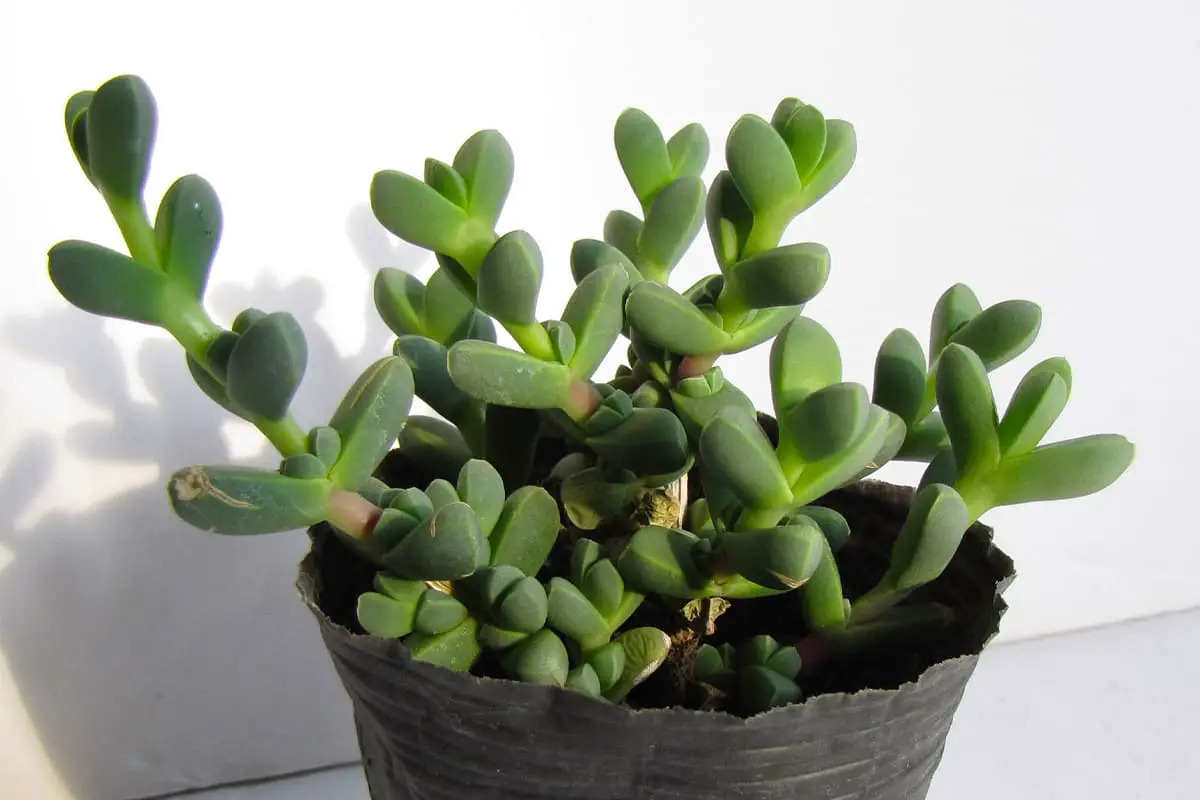
Staghorn Begonia is a succulent shrub, reaching a height of 25-35 centimeters. The mature branches are grayish-brown and woody, while the young branches are light green with nodes.
The leaves of Staghorn Begonia are alternate and paired at the base. They are crescent-shaped, triangular, ranging from pale green to grayish-green. The leaf tips are narrow and pointed, with a slight pinkish hue. The leaf undersides have raised rib-like structures, and lateral buds extend from leaf axils.
The leaves are approximately 2.5-3.5 centimeters long and 0.3-0.4 centimeters wide. The entire plant is covered with extremely fine short hairs.
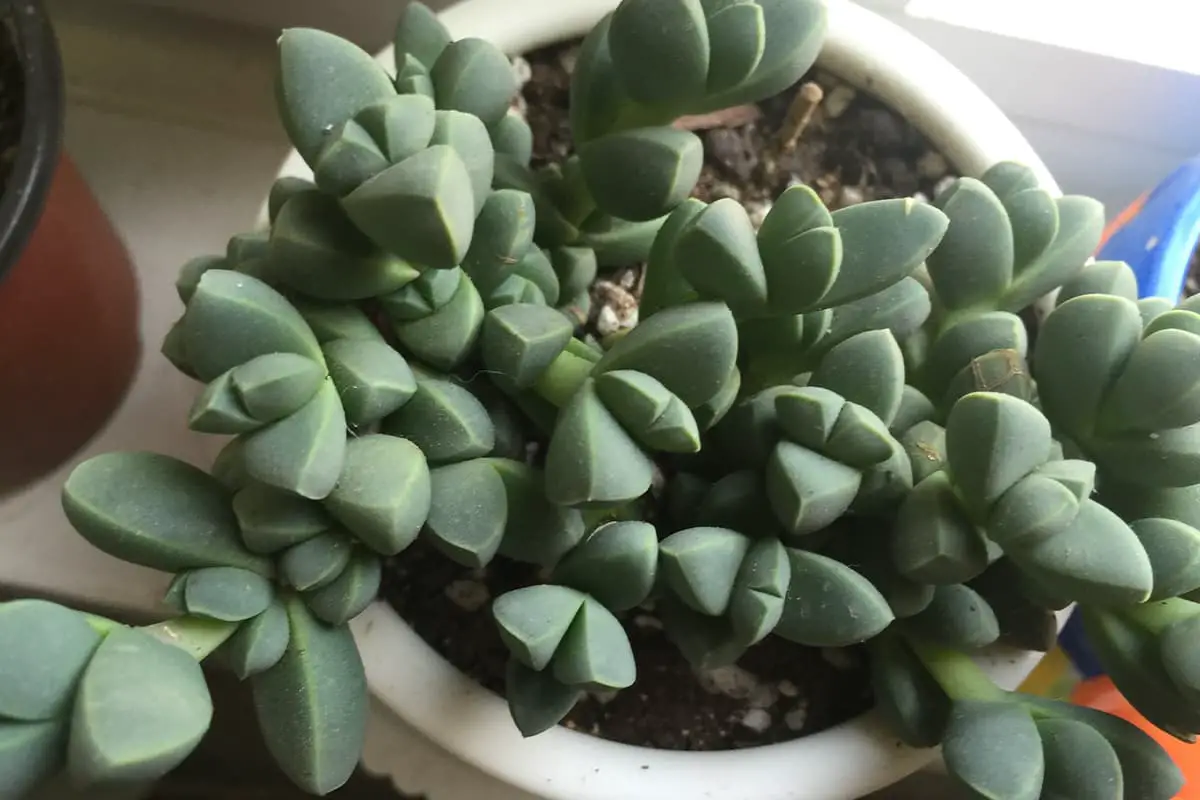
Staghorn Begonia thrives in warm, dry, and sunny environments. It is not cold-tolerant but can withstand drought. It is sensitive to high temperatures, so during summer, it is important to provide shade to prevent the leaves from wrinkling.
The plant requires fertile and loose soil for cultivation. In winter, it is preferable to maintain a minimum temperature of 15°C. It grows well in well-drained, loose, and well-ventilated sandy loam soil.
Staghorn Begonia can be potted for winter viewing or hung as a hanging plant, adding a lively touch to the festive atmosphere. Simply place it in a cool and well-ventilated area and water it when the potting soil becomes dry. It is relatively easy to care for.
During the growing season, gradually increase watering as growth signs appear. Staghorn Begonia does not have a distinct dormancy period in summer. By providing shade and good ventilation, it can safely survive the summer.
The cool season is the peak growth period for Staghorn Begonia. Watering should be gradually reduced when the temperature drops below 2°C. Keeping the potting soil dry is sufficient for winter dormancy.
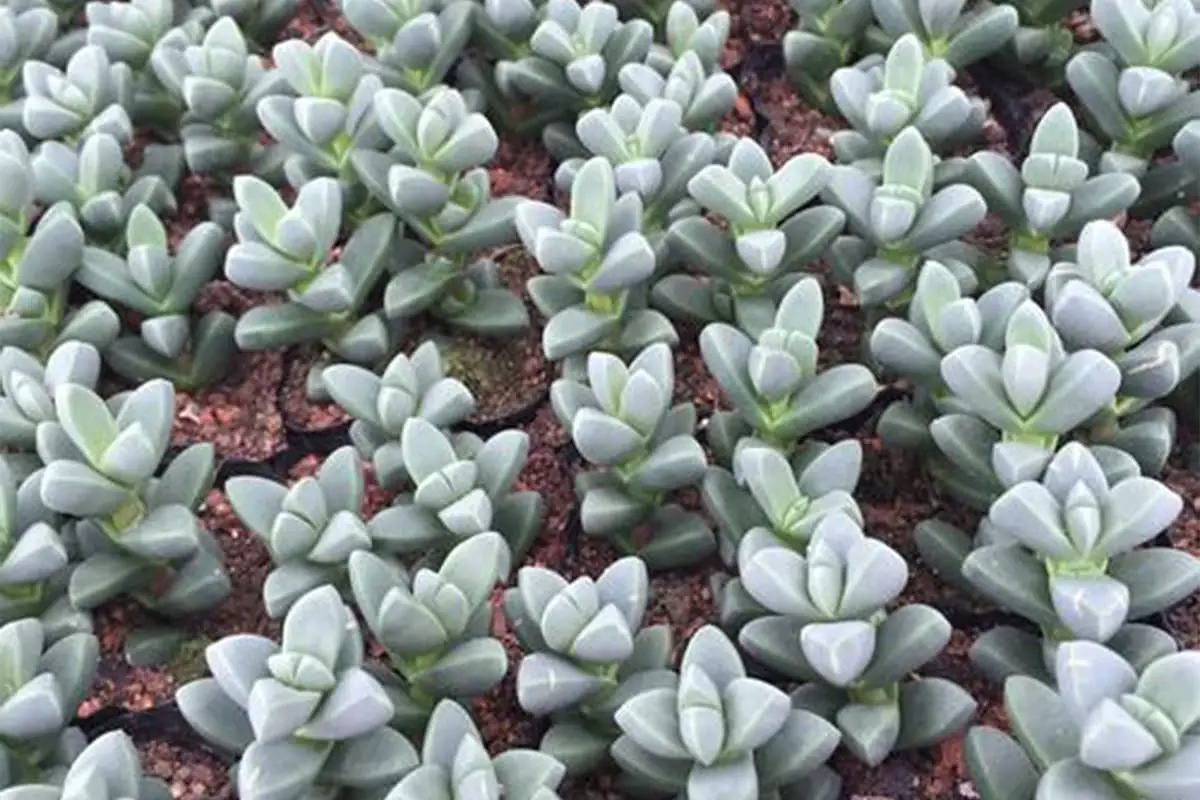
The native range of Staghorn Begonia is in the southwestern region of South Africa, with populations extending from southern Namibia to the northeastern Richtersveld. It has been introduced and cultivated in China, with cultivation occurring in various regions.
The common propagation methods for Staghorn Begonia are through seeds and stem cuttings.
Seeding of Staghorn Begonia is usually done indoors in pots in April to May. Germination occurs in approximately 10 days, and the seedlings have delicate roots, requiring cautious watering. Transplanting can be done after one month.
Stem cuttings of Staghorn Begonia are mainly done in spring and autumn. Select healthy stem segments, cut them into 8-10 centimeter lengths, and insert them into a sand bed. Rooting typically occurs within 15-20 days. Once the roots grow to 2-3 centimeters, the cuttings can be potted.
Staghorn Begonia has a spreading and bushy growth habit, with abundant branches and unique leaf shapes, making it quite distinctive. It blooms in winter, with flowers in various colors such as red, white, and light purple.
It is commonly used for indoor potted displays and can also be grown as a hanging plant, allowing the trailing branches to hang downward and adding a lively atmosphere to indoor spaces.
The plant forms dense clusters with trailing growth, commonly used for potted or hanging plantings in Europe and America. The thick, green leaves extend outward, creating an attractive trailing effect. It can also be mixed with other succulent plants for decorative purposes.
During the flowering season, the bright and vibrant golden flowers add color to potted displays. When hung indoors, it exhibits a thriving appearance, enhancing the festive atmosphere.
Due to its easy maintenance, ease of propagation, and robust nature, Staghorn Begonia is also used in the arrangement of succulent-themed gardens and is considered an excellent ornamental flower variety.

Peggie was once a high school mathematics teacher, but she set aside her chalkboard and textbooks to follow her lifelong passion for flowers. After years of dedication and learning, she not only established a thriving flower shop but also founded this blog, “Flowers Library”. If you have any questions or wish to learn more about flowers, feel free to contact Peggie.
 English
  العربية
  Bahasa Indonesia
  Deutsch
  Français
  Italiano
  Nederlands
  Português
  Русский
  日本語
日本語