Top 10 Most Beautiful Green Flowers
The natural world is indeed a vibrant tapestry of floral hues, with green flowers standing out as rare and precious gems. Their scarcity in nature makes them particularly intriguing to…

Ornamental flowers typically offer high aesthetic value and are generally more appealing than others in terms of color and form.
However, it’s crucial to be aware that some decorative flowers possess certain levels of toxicity or emit harmful gases. Ingesting these or inhaling their scent for extended periods can lead to various physical discomforts.
This article presents commonly encountered toxic ornamental flowers, including oleander, daffodil, red spider lily, and tulip. Extra caution is advised when appreciating or cultivating these flowers.
The top ten list of toxic ornamental flowers is ranked based on factors such as toxicity level, prevalence of cultivation, primary toxic components, and the severity of poisoning.
This list primarily focuses on commonly seen decorative flowers in everyday life, excluding rare or prohibited plants. Recognizing toxic flowers largely relies on experience and remembering which ones are poisonous.
Moreover, one should be extra vigilant about flowers with unusually vibrant colors and distinct fragrances, and avoid touching, picking, or eating them indiscriminately. Consuming toxic flowers, their leaves, or seeds may lead to symptoms such as vomiting, diarrhea, fever, breathing difficulties, and numbness in limbs.
If a toxic flower is ingested, it’s crucial to seek medical attention promptly to prevent the condition from worsening.
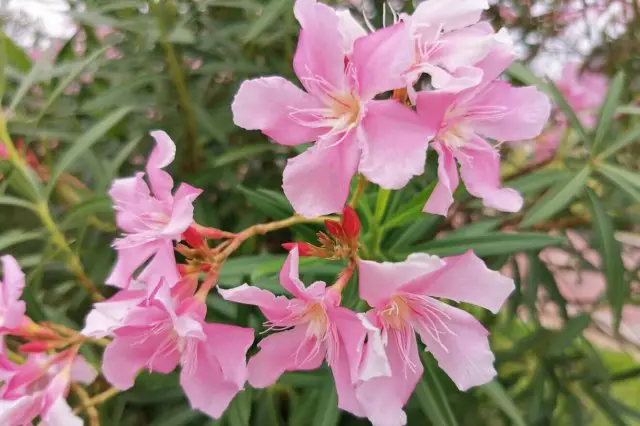
Every part of the oleander – leaves, bark, roots, flowers, and seeds – contains numerous glycosides, making it highly toxic.
Ingestion by humans or livestock can be fatal. Even accidentally inhaling smoke from burning oleander can cause discomfort. Using its branches for grilling or drinking water that held red, pink, or white oleander flowers can lead to poisoning.
Its leaves and bark can be used to make heart stimulants, but due to their toxicity, usage must be cautious. If accidentally poisoned, one should seek medical help and stomach cleansing immediately.
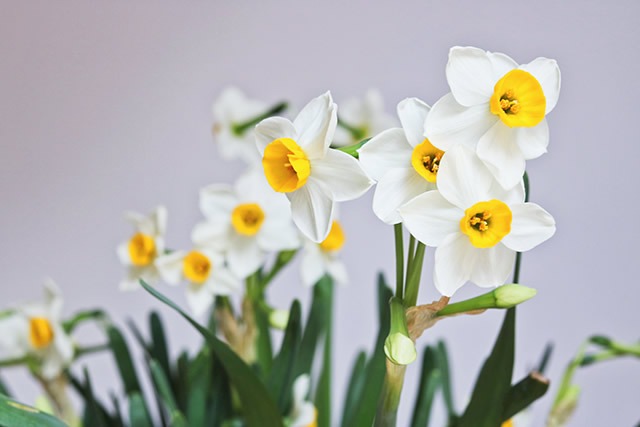
All parts of the daffodil are toxic, especially the bulbs. The sap from its flowers and leaves can cause skin inflammation. Daffodil bulbs contain toxic sap, which includes various alkaloids such as lycorine and galantamine.
Despite being used in medicine as an analgesic, if ingested in large quantities, symptoms can include nausea, vomiting, abdominal pain, diarrhea, cold extremities, and shock. Severe cases can even result in death due to central nervous system depression.
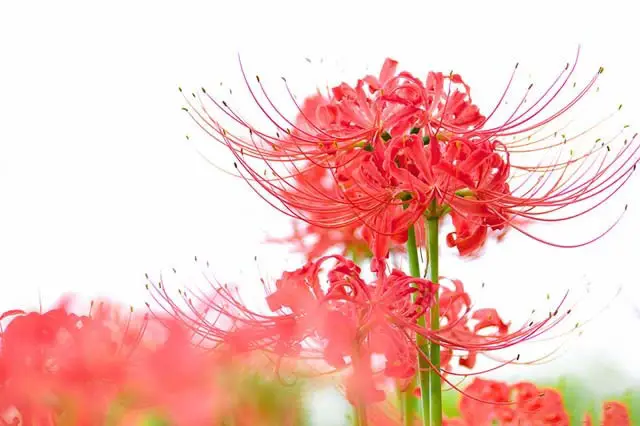
While the red spider lily is beautiful, its bulb is toxic and contains the alkaloid lycorine. Accidental ingestion can lead to poisoning, causing vomiting, diarrhea, or in severe cases, central nervous system paralysis, which can be life-threatening.
Despite its toxicity, the bulb can be eaten or used medicinally after proper preparation.
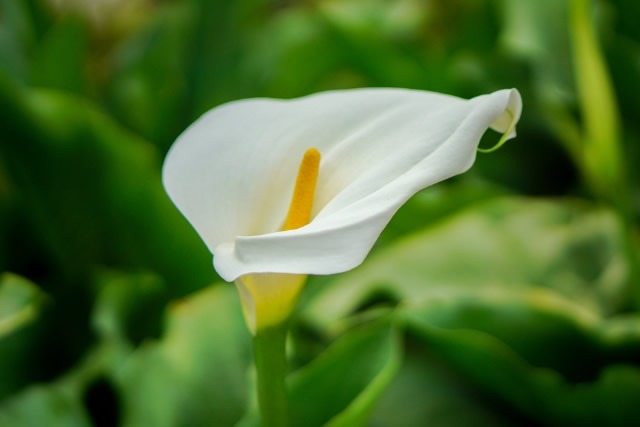
While the lotus can be used medicinally, particularly for its heat-clearing and detoxifying effects, its flowers contain numerous calcium oxalate crystals and alkaloids, making them toxic.
Consumption can lead to symptoms like unconsciousness, making internal use taboo.
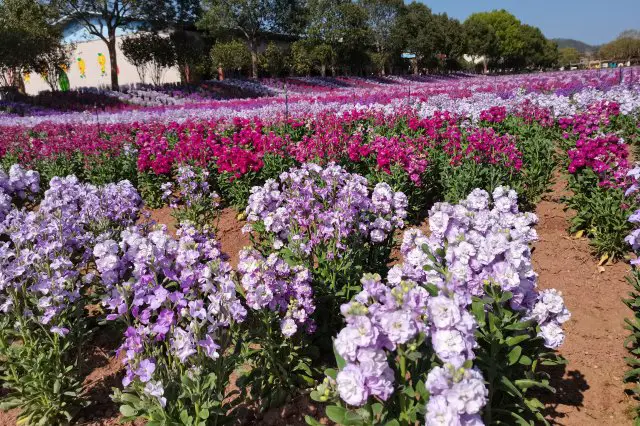
Also known as Digitalis, parts of the foxglove plant are used commercially as a source for the heart medicine, Digoxin.
However, if any part of the plant is ingested, symptoms can include nausea, vomiting, abdominal cramps, diarrhea, oral pain, and even abnormal heartbeats.
In such cases, doctors may employ treatments like stomach pumping to facilitate detoxification and use medication to stabilize the heart.
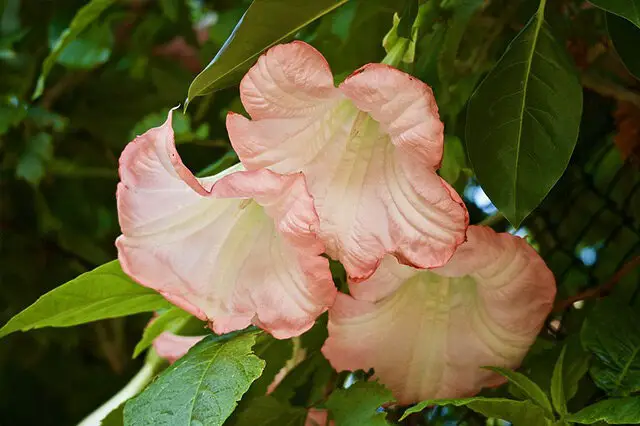
Every part of the mandrake is poisonous, with the fruit and especially the seeds being the most toxic, followed by the young leaves. The toxicity of dry leaves is less than that of fresh ones.
Symptoms of mandrake poisoning generally appear 20 minutes to half an hour after consumption and usually disappear or significantly reduce within 24 hours.
In severe cases, symptoms can progress to stupor, convulsions, cyanosis, and eventual unconsciousness and death.
The main toxic components of mandrake are alkaloids such as hyoscyamine, atropine, and scopolamine, all of which are muscarinic blockers that compete for muscarinic receptors and interrupt parasympathetic nerve function.
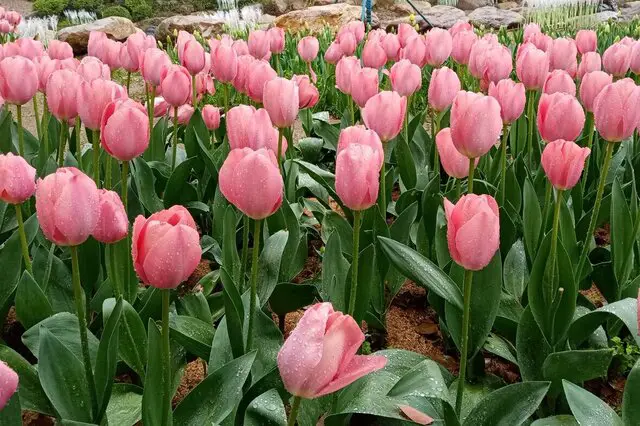
While the roots and flowers of tulips can be used as sedatives, the flowers contain toxic alkaloids.
Spending a prolonged time with tulips can cause dizziness and, in severe cases, poisoning. Excessive contact can even lead to hair loss.
Therefore, tulips are better enjoyed in public outdoor spaces rather than being placed indoors at home.
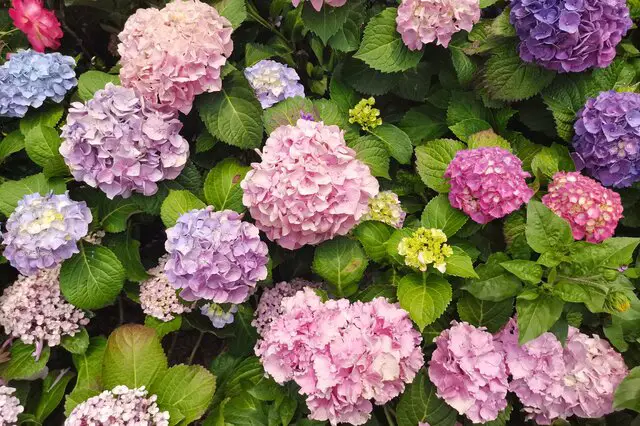
All parts of the hydrangea are toxic, with the leaves and branches being the most poisonous. The toxins are mainly present in the sap. Inadvertent ingestion or skin contact with the sap poses a certain safety risk.
Ingesting hydrangeas can lead to vomiting or diarrhea, particularly the flowers and leaves. There have been cases of pets vomiting after eating too many hydrangeas.

The bulb of the hyacinth, a perennial herbaceous plant from the Asparagaceae family, is toxic. Ingestion can cause symptoms such as dizziness, stomach cramps, and diarrhea.
In severe cases, it can lead to paralysis and can be fatal, so ingestion should be avoided. Hyacinth pollen can cause skin allergies, so it should be kept in a well-ventilated area, especially for those with allergies.

The entire periwinkle plant is toxic, and ingestion can cause symptoms such as leukopenia, thrombocytopenia, muscle weakness, and limb paralysis.
The alkaloids in its milky sap, such as vincristine and vinblastine, have been extracted for use as chemotherapy drugs for various cancers, including leukemia and Hodgkin’s disease.

Peggie was once a high school mathematics teacher, but she set aside her chalkboard and textbooks to follow her lifelong passion for flowers. After years of dedication and learning, she not only established a thriving flower shop but also founded this blog, “Flowers Library”. If you have any questions or wish to learn more about flowers, feel free to contact Peggie.
 English
  العربية
  Bahasa Indonesia
  Deutsch
  Français
  Italiano
  Nederlands
  Português
  Русский
  日本語
日本語