The Prunus lannesiana, is a deciduous tree from the Rose family and Cherry genus. Its bark is silver-gray with rust-colored, lip-shaped lenticels. The leaves are elliptical to ovate, papery, and have a double-serrated edge.
There is a pair of glands on the leaf stalk, and the stipules have glandular teeth. This plant, with long cultivation history in Japan and numerous horticultural varieties, is honored as the national flower of Japan.
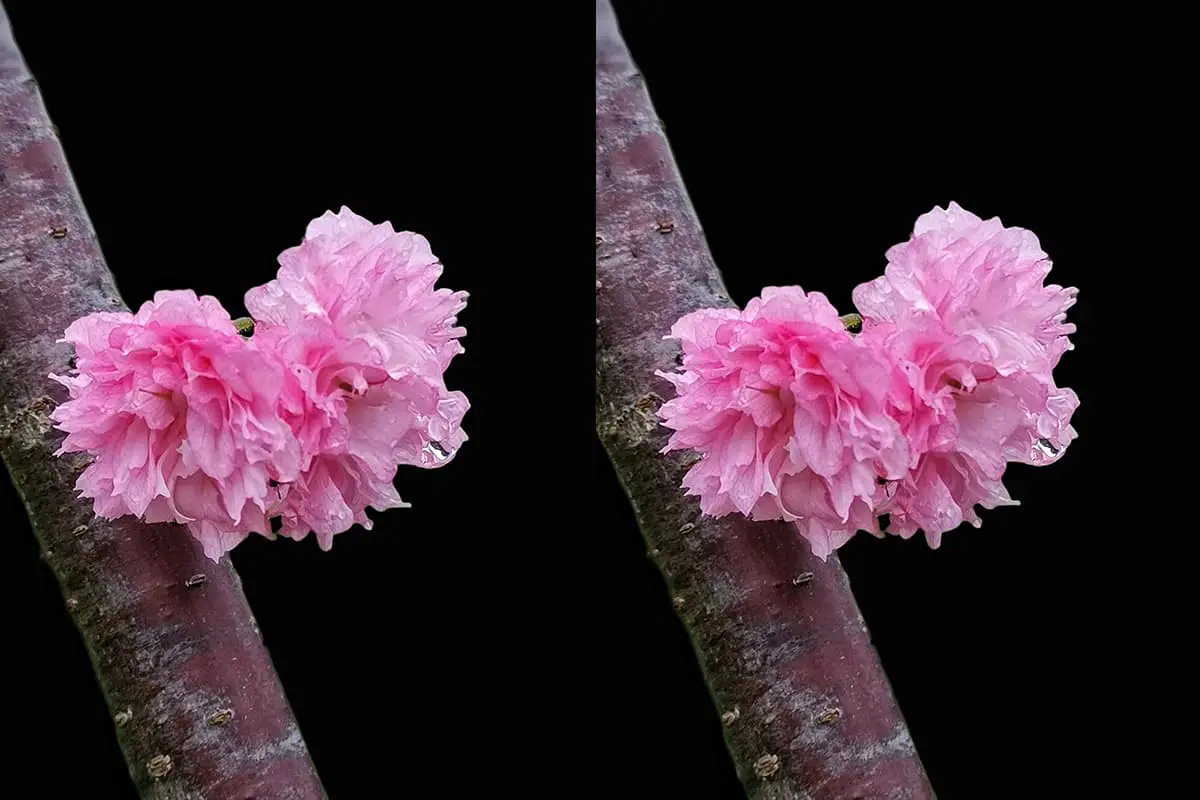
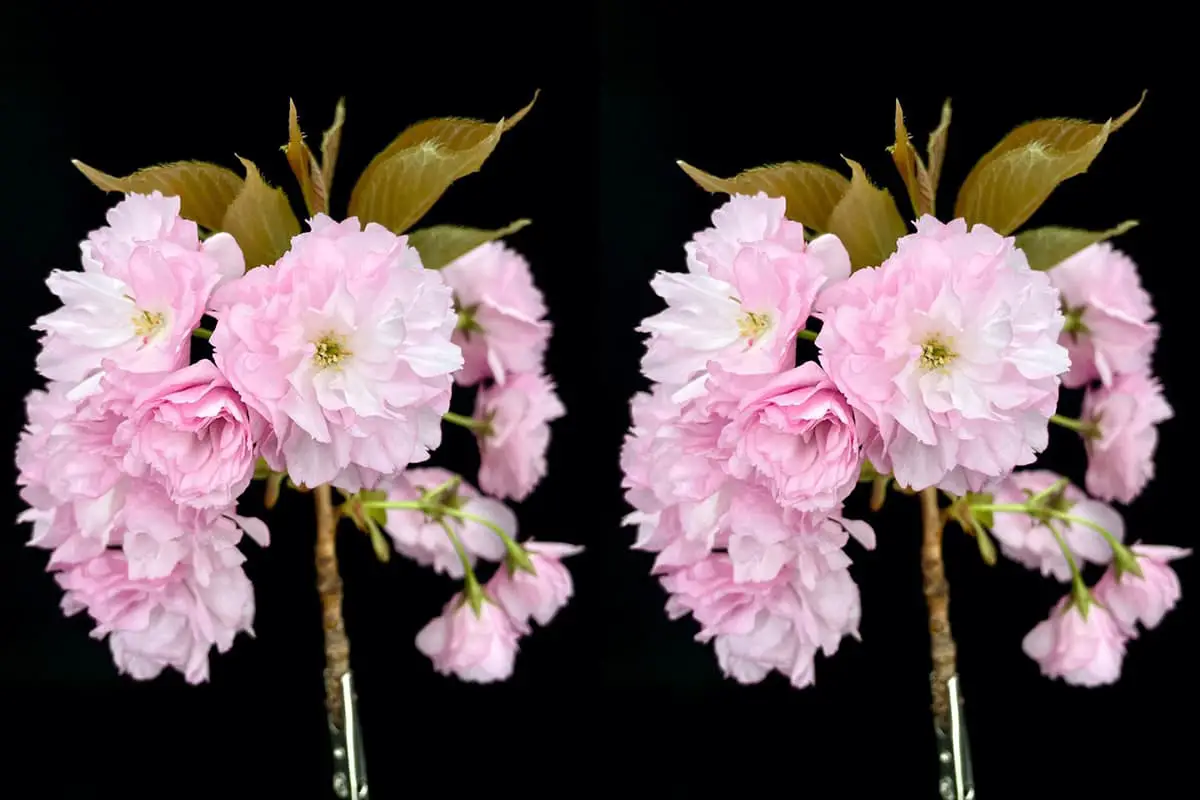
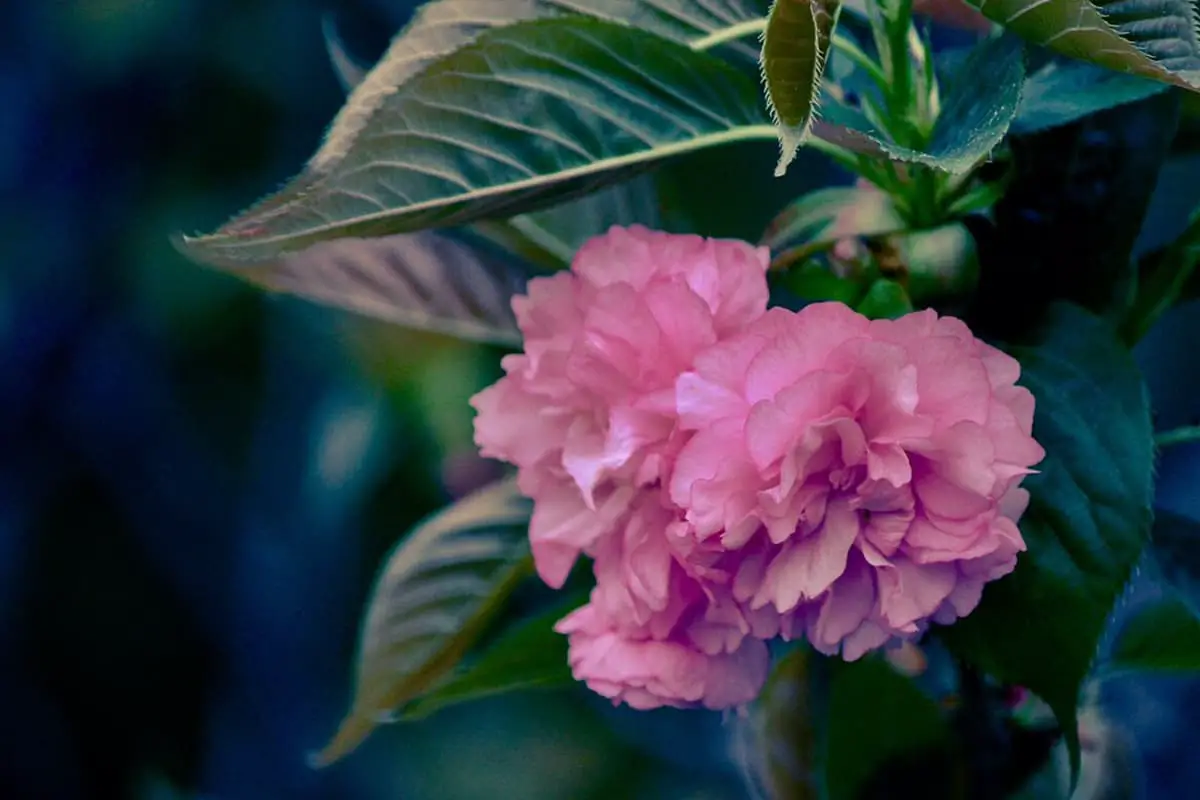
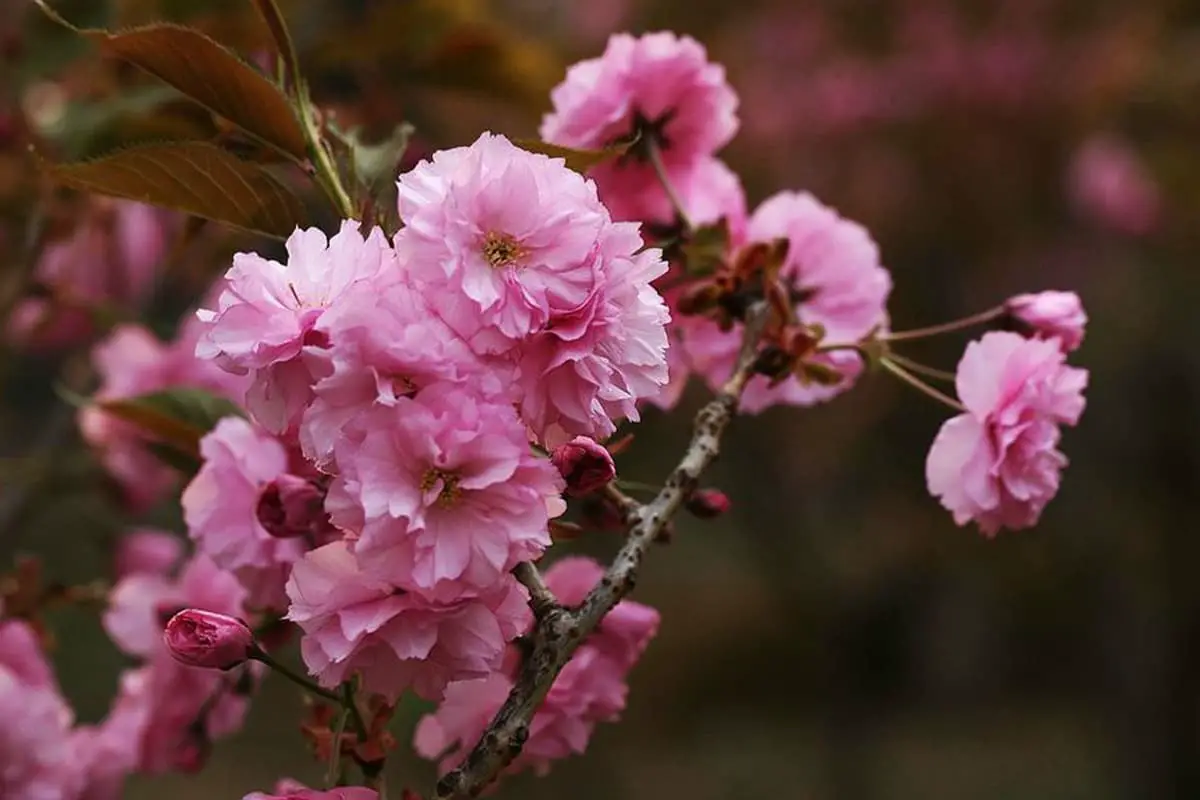
The species and its varieties are mainly crossbred with other species. The petals are pink, ovate, and concave at the tip. There are approximately 38 stamens; the pistil is hairless. The petals can be single, semi-double, or fully double.
It blooms in umbel inflorescences from April to May, and fruits from June to July. This famous ornamental plant also aids in the prevention of diseases and pests. The buds have medicinal value for suppressing coughs and expelling wind.
I. Morphological Features
The tree grows to a height of 3-8 meters. Its bark is gray-brown or gray-black and has lip-shaped lenticels. The twigs are gray-white or light brown and hairless. The winter buds are ovate and hairless.
The leaves are ovate-elliptical or inverted ovate-elliptical, 5-9 cm long and 2.5-5 cm wide. The apex tapers off, the base is round, and the edge has gradually pointed single serrations and double serrations.
The tip of the tooth has small glands. The upper surface is dark green and hairless, the lower surface is light green and hairless, with 5-8 pairs of lateral veins. The leaf stalk is 1-1.5 cm long, hairless, and has 1-3 round glands at the tip.
The stipules are linear, 5-8 mm long, have glandular teeth, and fall off early. The umbel inflorescences are racemose or nearly umbrella-shaped, with 2-3 flowers. The sepals are funnel-shaped, 5-6 mm long and 2-3 mm wide.
The petals are pink, ovate, and concave at the tip. There are approximately 38 stamens; the pistil is hairless. The drupe is spherical or ovoid, purple-black, and 8-10 mm in diameter. It blooms from April to May and fruits from June to July.
II. Growing Environment
Cherry trees are shallow-rooted species that enjoy sunlight and deep, fertile, well-drained soil. They have a certain cold tolerance.
III. Primary Value
Its flowers are large and fragrant, blooming in a splendid display. Cherry blossoms possess the subtle charm of plums and the vibrant beauty of peaches, with hundreds of varieties to choose from.
Generally, cherry blossoms are best when planted in groups, ideally in cluster formations, and interspersed with evergreen trees for contrast. This not only enhances the aesthetic appeal of the cherry blossoms but also aids in pest and disease control.
In gardens, it’s best to use varying numbers of plants and group them together, with a background tree for added depth.
Mountain cherries are suitable for larger natural landscapes, especially in mountainous areas, and can be planted in groups according to different altitudes and microclimatic conditions, extending the flowering period and enriching the scenic interest.
Tokyo Cherry, with its gorgeous appearance, is best suited for city parks.
Large and fragrant varieties of Japanese late-blooming cherries, as well as the “Four Seasons Cherry” that blooms throughout the year, are suitable for planting next to architectural structures or as standalone trees.
The “Oshima Cherry” from late-blooming varieties is an excellent choice for coastal cities and industrial towns.
IV. Cultural Significance
Cherry blossoms, with their vibrant, pure, and noble qualities, bring the first breath of spring to the Japanese people after a harsh winter. The Japanese government has designated March 15 to April 15 as the “Cherry Blossom Festival (Hanami, flower viewing).”
During this festival, people gather under the cherry trees with family and friends, enjoying food and drinks while admiring the blossoms, a true pleasure in life.
Cherry blossoms have a history of over 1,000 years in Japan. By the Heian period (794-1192), cherry blossoms took center stage, with songs about cherry blossoms outnumbering those about plum blossoms by fivefold. Japan started cherry blossom viewing activities quite early.
In the 7th century, Emperor Tenmu had a special fondness for cherry blossoms and often visited Yoshino Mountain in Nara to appreciate them. The first recorded cherry blossom viewing party in Japanese history was reportedly held by Emperor Saga in the 9th century.
Initially, cherry blossom viewing was popular among the nobility, but by the Edo period (1603-1867), it had spread to the common people, forming a traditional folk custom.
The life of a cherry blossom is fleeting. A Japanese proverb says, “Cherry blossoms last seven days,” meaning a cherry blossom lasts about seven days from bloom to wilt, and a whole tree lasts about 16 days, creating a characteristic of cherry blossoms blooming and falling simultaneously.
This characteristic is what makes cherry blossoms so enchanting. As the national flower, the cherry blossom is revered not just for its stunning beauty, but also for its “heroic” nature of blooming brilliantly and then promptly withering. “
Ask about the Japanese spirit, look at the cherry blossoms under the morning sun.” The Japanese believe that life is short and one should live brilliantly like a cherry blossom.
Even in death, one should leave decisively. When cherry blossoms fall, they are clean and unblemished, a symbol of the Japanese spirit.


 English
  العربية
  Bahasa Indonesia
  Deutsch
  Français
  Italiano
  Nederlands
  Português
  Русский
  日本語
日本語