600+ Types of Flowers A To Z (With Names and Pictures)
Types Of Flowers By Names (A-Z) Types Of Flowers By Color Types Of Flowers By Season Types Of Flowers By Blooming Time 600+ Types of Flowers No. Flower Name No.…

The Perpetual Begonia, also known as the Four Season Begonia, belongs to the Begoniaceae family of plants. It is the most common and widely cultivated species within the Begonia genus.
With a graceful demeanor, tender and glossy leaves, clusters of flowers blooming throughout the year, and a subtle fragrance, it is a favorite choice for indoor and outdoor pot decoration.
Begonia species are perennial herbs or shrubs. Its crystal-green leaves and delicate, vibrant flowers are bright without being gaudy, luxuriously modest. It makes for a refreshing and elegant embellishment to any room.
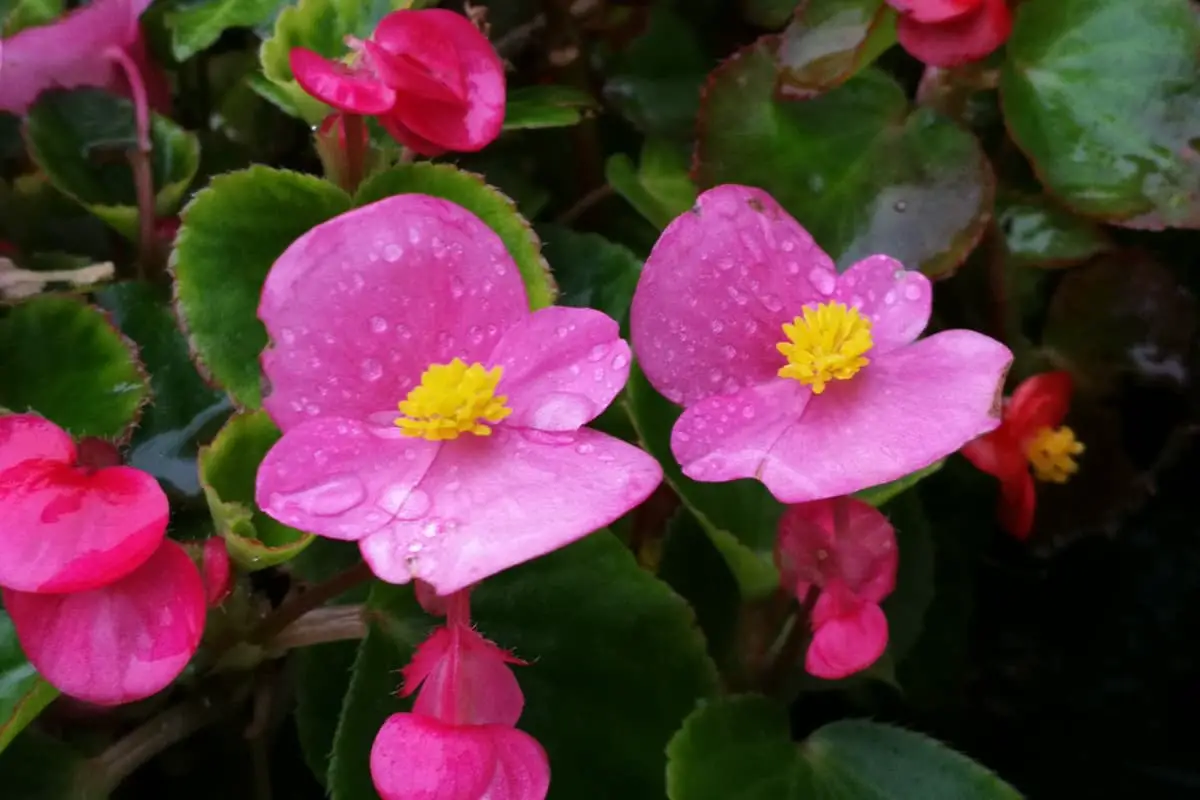
The Begonia offers a unique charm when planted in hanging pots or wall-mounted planters for indoor decoration. The stems are green, swollen and juicy at the nodes.
Some have rhizomes, and some have tuber-like structures. Leaves are alternate, either round or asymmetrically heart-shaped; some leaves resemble elephant ears.
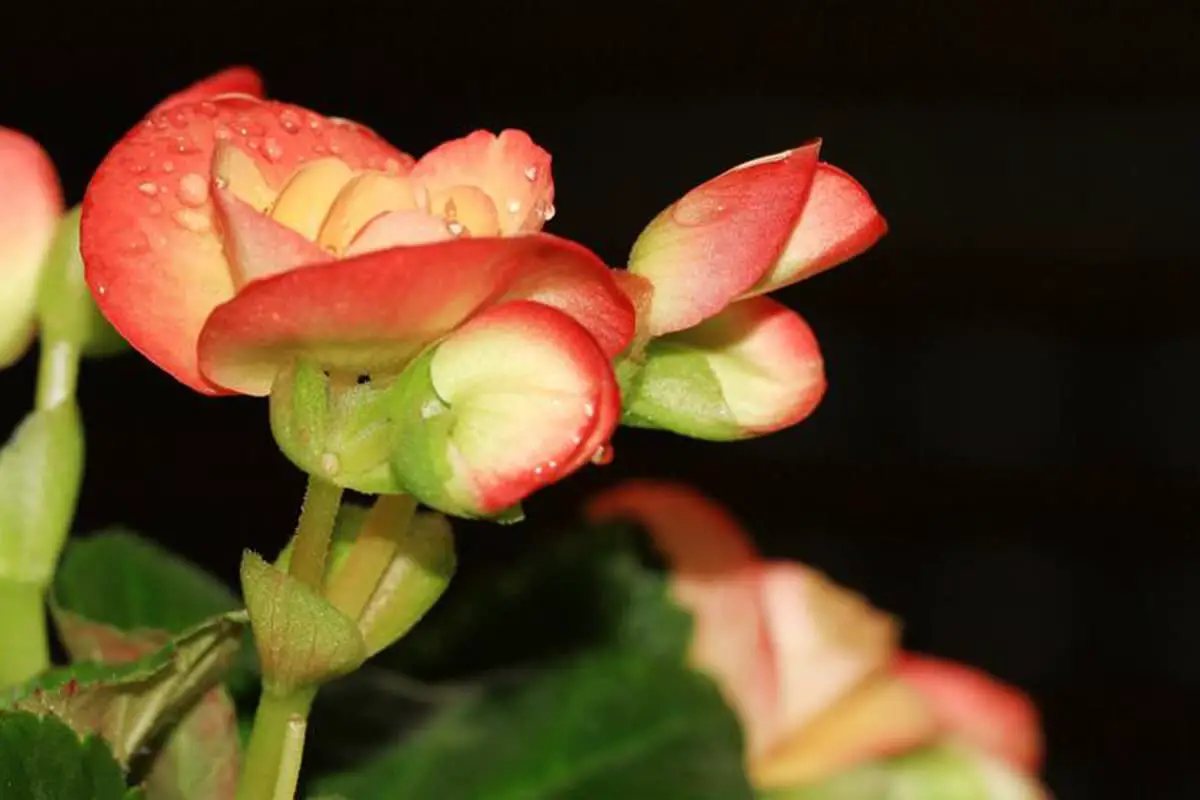
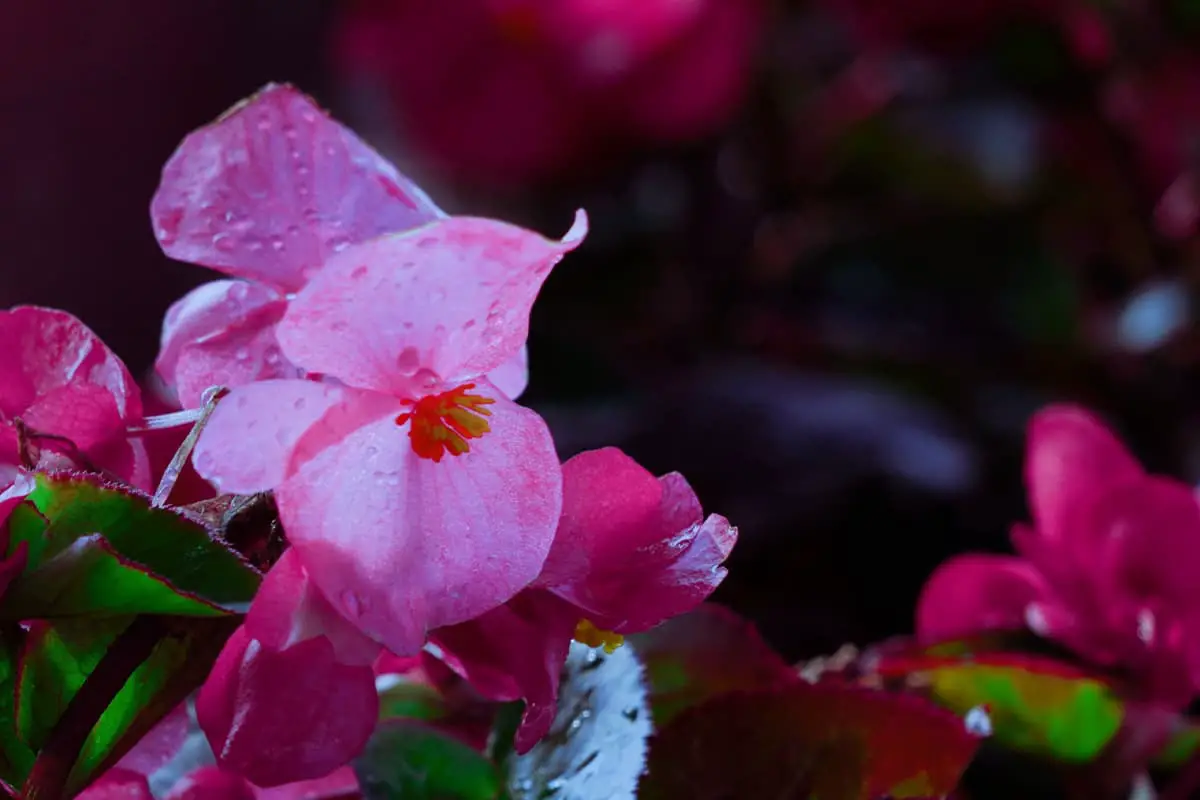
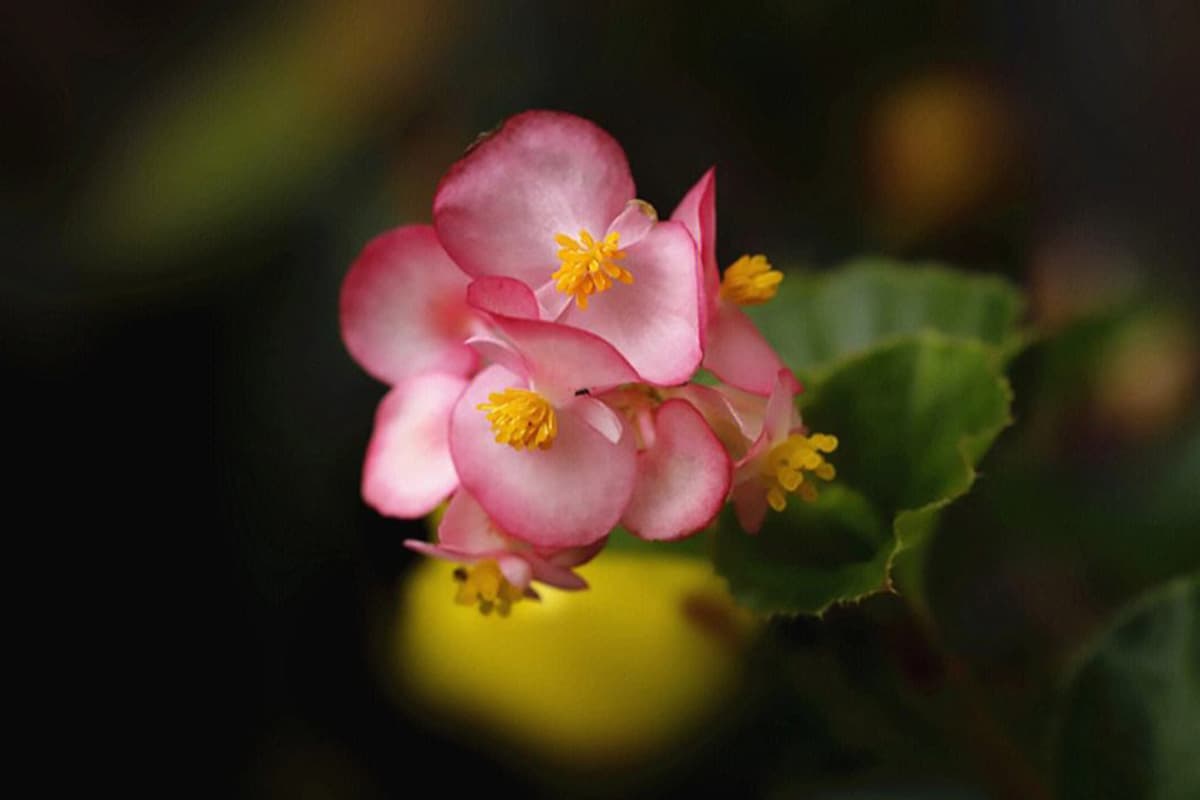
Leaf colors range from pure green, red-green, purplish-red, dark brown, or with white markings, red on the back, and some leaves have protrusions. Flowers are terminal or axillary, with inflorescences. They come in white, pink, red, and other colors.
They bloom throughout the year, but particularly thrive in spring and autumn. There are more than 400 species of Begonias, with nearly a thousand horticultural varieties. They are divided into three major categories: tuberous Begonias, rhizomatous Begonias, and fibrous Begonias.
Seed characteristics: 1 ml equals 30,000 seeds, with a rate of 3 ml per square foot.
Germination characteristics: Optimal temperature is 15-20°C, with a duration of 15 days, photophilic.
Growth characteristics: Optimal temperature is 10-30°C. Sowing period is from July to January, flowering from October to May; sowing in February to April, flowering in June to July.
Varieties and lines: Olympian series, Hi-Fi series, Laura series, Copper leaf series, Ambassador series, Olympic, Dance series, Fax, Pink Piano, Vodka, and more.
The Perpetual Begonia is native to the humid areas under the forests in the tropical, high-altitude, low-latitude regions of Brazil. It is now cultivated throughout China.
The Perpetual Begonia loves sunlight, tolerates a bit of shade, and prefers a humid environment. It thrives in a warm yet cool climate, with an optimal growth temperature of 15-24°C. It can’t tolerate extreme heat or severe cold and needs protection from the intense midday sun during the peak of summer. It prefers slightly acidic sandy loam soil.
Cutting is the most common propagation method for Perpetual Begonia.
To prevent the cuttings from wilting due to accelerated transpiration in summer or rotting due to slow rooting in winter’s cold, it’s better to propagate by cutting in spring or autumn.
Although Perpetual Begonia can be propagated by seeding throughout the year, spring and autumn are the best times. The seeds of Perpetual Begonia are tiny. To ensure germination, mix the seeds with clean fine sand before sowing.
Choose a loose, breathable substrate, such as turf, perlite, etc., to fill in the hole tray or nutrient bowl. Moisten it lightly with water.
After sowing, cover with a layer of substrate, lightly press down, and place in a room with a temperature of 24-27°C, relative humidity of 90-100%, and good ventilation.
The optimal growth temperature for the Perpetual Begonia is 15-22°C. If the temperature drops below 10°C or rises above 28°C, its growth rate will rapidly decline, and in severe cases, it will stop growing.
If the temperature falls below 5°C, it will be subject to frost damage.
When the summer temperature exceeds 28°C, use a shade net or spray water on the leaf surface to lower the plant temperature. Ensure the indoor temperature stays above 10°C in winter.
The Perpetual Begonia prefers humidity. Maintain 75-80% air humidity during the seedling stage. High humidity can lead to powdery mildew and botrytis.
For mature Perpetual Begonias, the air humidity can be reduced to 60-70%. After watering, enhance ventilation to prevent bacteria from breeding.
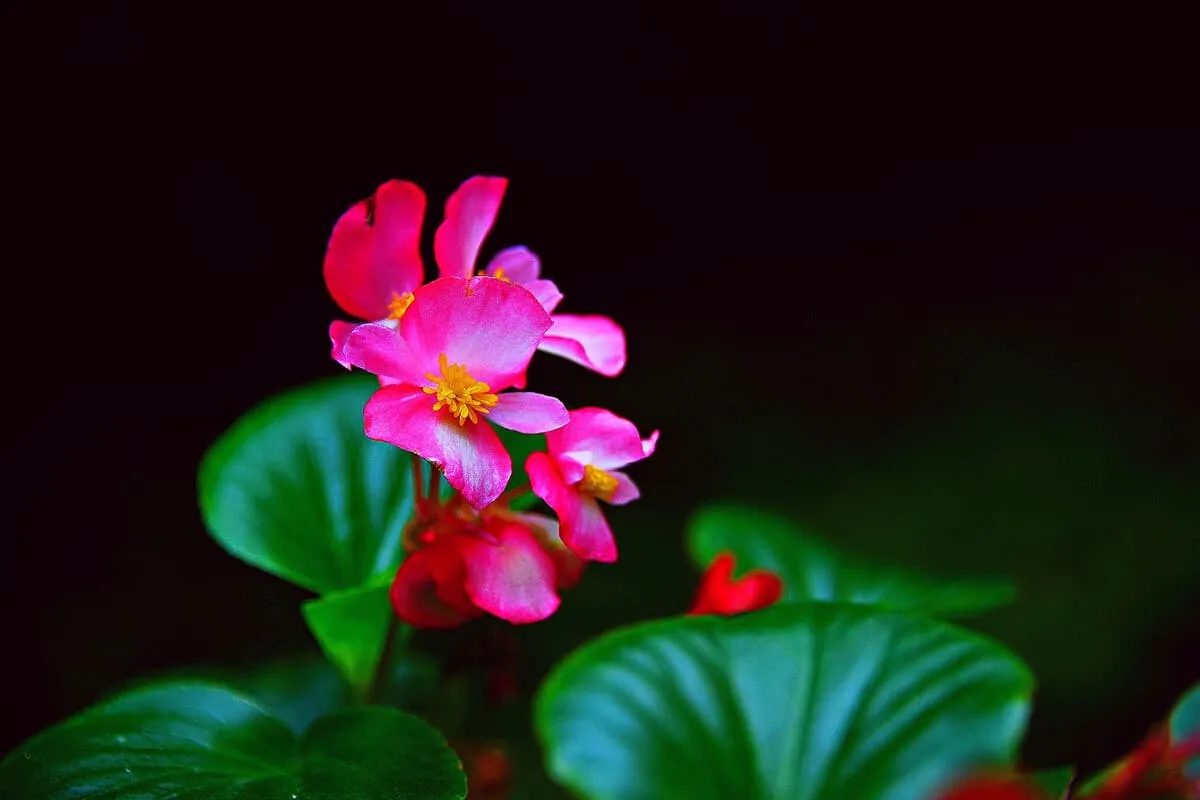
The watering of Perpetual Begonia should follow the principle of watering when dry and draining when wet, avoiding stagnant water. After watering, ventilation should be paid attention to, to prevent long-term excessive dampness leading to powdery mildew and botrytis.
Perpetual Begonia has strict requirements for fertilizer, which should be applied in small amounts frequently. An organic liquid fertilizer should be applied every 12 days.
When buds appear, apply phosphorus-potassium compound fertilizer 1-2 times on top of the organic liquid fertilizer to help promote larger and more vibrant flowers.
Perpetual Begonia is sensitive to salt and alkali, so use a fertilizer with low salt content. It’s best to avoid the high temperatures and strong sunlight at noon when applying fertilizer to prevent fertilizer damage.
Soft Rot: This disease is prevalent in high temperatures and high humidity. Early-stage treatment can be carried out using a 1000 times diluted agricultural streptomycin solution for leaf spraying.
Bacterial Leaf Spot: This disease frequently occurs in high-temperature summer weather and can only be prevented. Control temperature, humidity, and light strictly.
Before the onset of high temperatures, spray the leaves with a 1500 times diluted solution of carbendazim and a 2500 times diluted solution of agricultural streptomycin, once every five days, for a total of 2-3 times.
Whiteflies: They are prone to infestations in high temperatures, with early October being their peak breeding period.
Because they are attracted to yellow, hang yellow boards 20 centimeters above the plants for prevention, or use a 2000 times diluted solution of acetamiprid emulsion, spraying once every three days for a total of three times.
Thrips: Their suitable breeding temperature is around 26°C.
As they are attracted to blue, hang blue boards 10 centimeters above the plants for prevention, or use a mixed spray of a 1000 times diluted solution of 4.5% dichlorvos emulsion and a 1000 times diluted solution of 10% imidacloprid wettable powder, spraying once every three days for a total of two times.
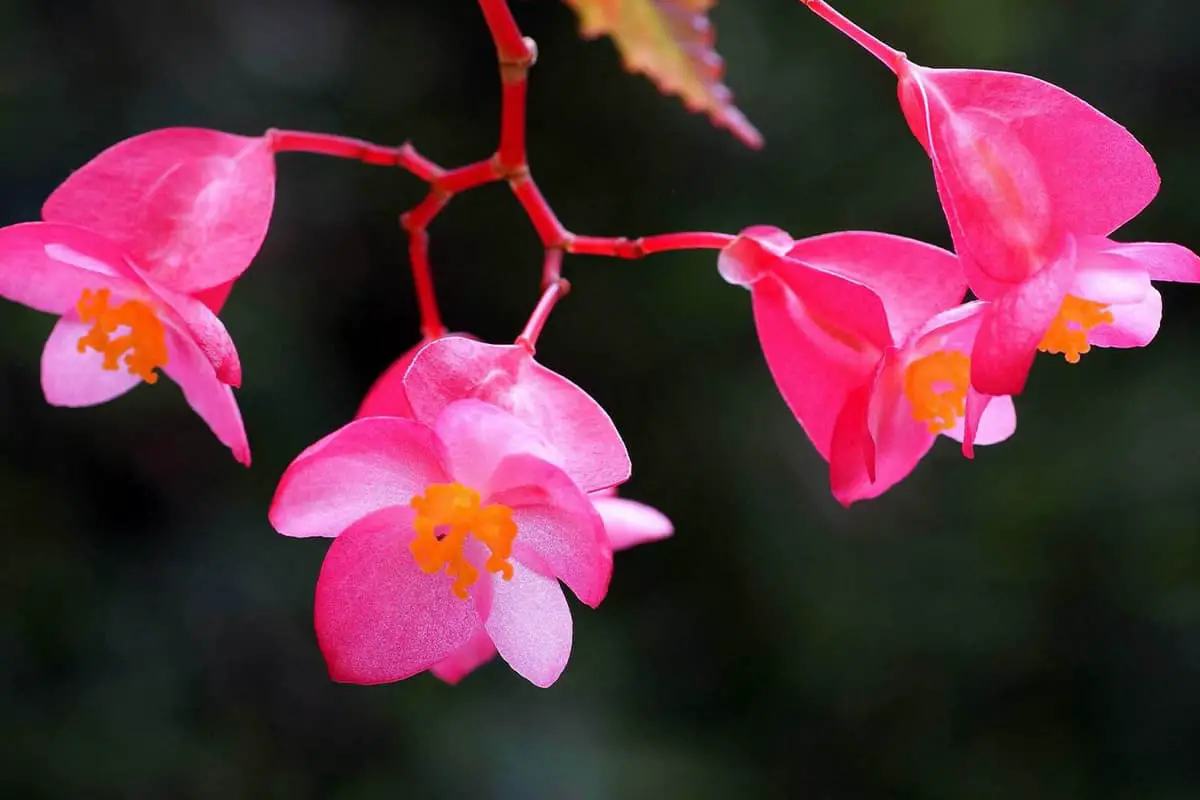
Perpetual Begonia is renowned for its beautiful stature, glossy green leaves, and exquisite, vibrant flowers. It’s widely appreciated and has been used for potted decoration for thousands of years.
During the cold seasons, a few plants can bring a spring atmosphere to any room. In spring and summer, placing them under a balcony eave adds vitality.
Perpetual Begonia is widely used internationally. In addition to potted decoration, it’s also used for flower beds, hanging pots, planters, window boxes, and indoor arrangements. Its usage quantity and quality are developing rapidly.
In the United States, besides being used for potted decoration, it is often used for flower beds, and many new varieties that are strong, heat-resistant, and moisture-tolerant have been bred.
Northern European countries such as Denmark, Sweden, and Norway mainly produce high-quality potted varieties for export to Western European countries.
Among them, the Danish company Dæhnfeldt is known for producing Perpetual Begonia. The Netherlands, the UK, and France also have a certain amount of production. In short, Perpetual Begonia is quite popular in the European market.
Japan has a certain amount of production, mainly to meet domestic market demand. Seeds are imported from the United States and Denmark.
In China, the cultivation of Perpetual Begonia started in 1912. It was introduced from the United States in the 1930s and cultivated in areas like Shanghai and Nanjing.
However, large-scale production only started in the 1990s. To date, the demand is increasing year by year, and it can meet the current market needs at a basic level. Seeds are still imported.
Peggie was once a high school mathematics teacher, but she set aside her chalkboard and textbooks to follow her lifelong passion for flowers. After years of dedication and learning, she not only established a thriving flower shop but also founded this blog, “Flowers Library”. If you have any questions or wish to learn more about flowers, feel free to contact Peggie.
 English
  العربية
  Bahasa Indonesia
  Deutsch
  Français
  Italiano
  Nederlands
  Português
  Русский
  日本語
日本語