600+ Types of Flowers A To Z (With Names and Pictures)
Types Of Flowers By Names (A-Z) Types Of Flowers By Color Types Of Flowers By Season Types Of Flowers By Blooming Time 600+ Types of Flowers No. Flower Name No.…

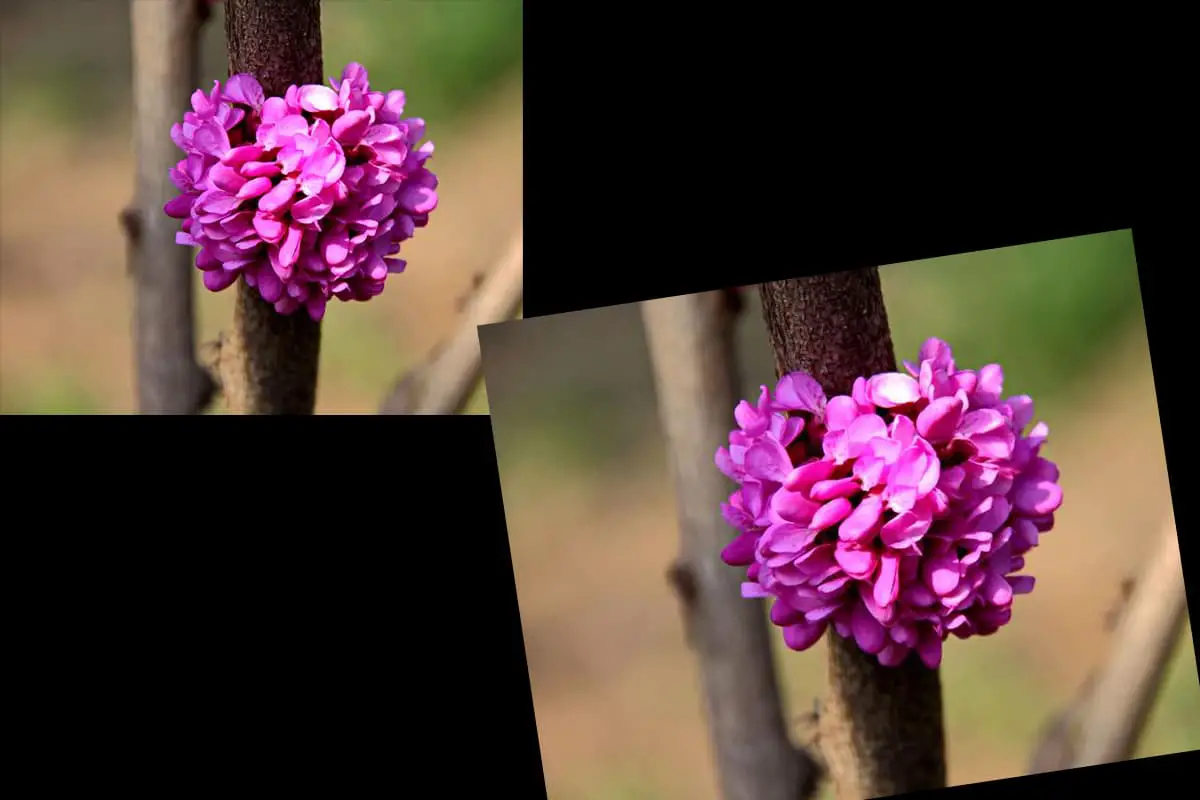
The Cercis chinensis, is a deciduous tree or shrub. Its flowers are purplish-red or pink, usually forming clusters of 2-10 on old branches and the trunk, with the trunk having more clusters.
The flowers on the upper tender branches are fewer and usually bloom before the leaves in March to April. The fruiting period is from August to October.
The tree bark has medicinal properties including heat clearing, detoxification, blood circulation, and swelling and pain relief. It can be used to treat postpartum blood pain, wound swelling, and throat impediment.
The flowers can be used to treat rheumatism and bone pain. The wood has straight grain and fine structure, which can be used for furniture and construction.
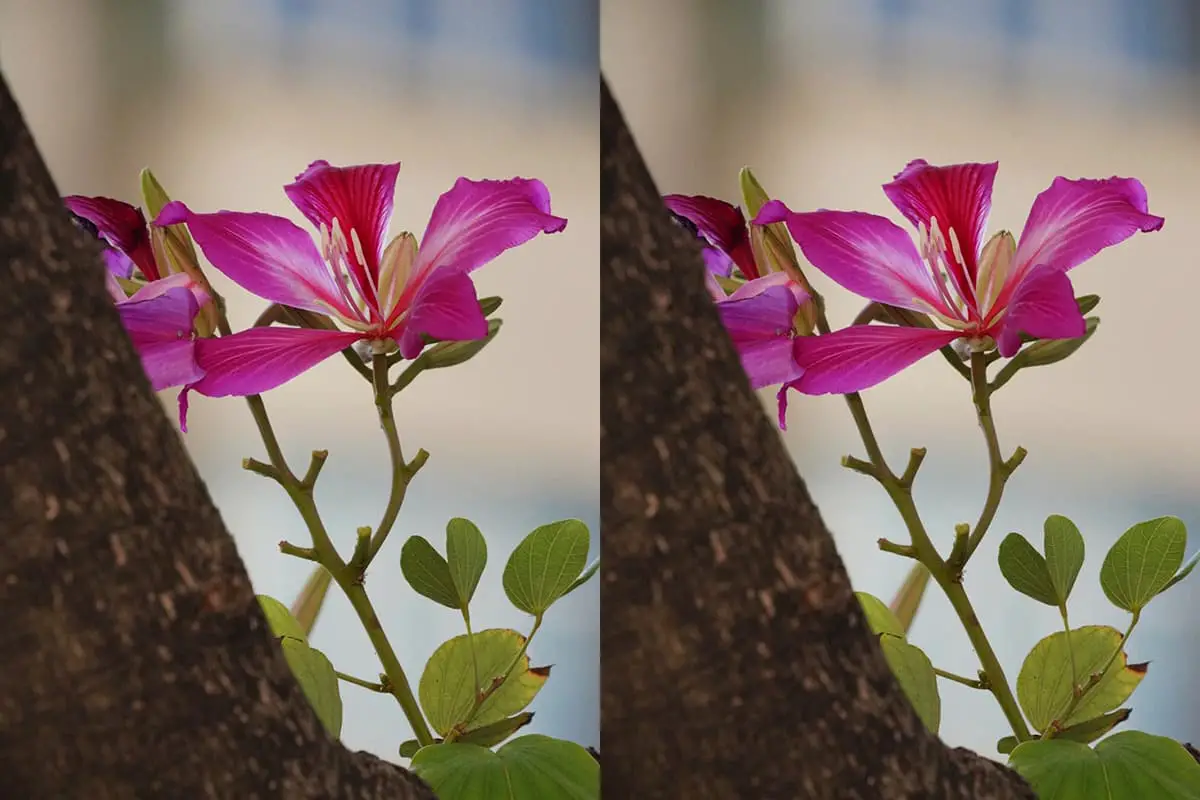
The Cercis chinensis can grow as a cluster or single shrub, reaching 2-5 meters in height. The bark and twigs are ash-white. The leaves are paper-like, nearly round or triangular, 5-10 cm long, with the width similar to or slightly shorter than the length.
The leaf tips are sharply pointed, and the base is shallow to deep heart-shaped. Both sides of the leaves are usually hairless. The young leaves are green, only the petiole is slightly purple. The leaf edge is membranous and transparent, clearly visible when fresh.
The flowers are purplish-red or pink, usually forming clusters of 2-10 on old branches and the trunk. The flowers on the upper tender branches are fewer and usually bloom before the leaves.
However, the flowers on tender branches or young plants bloom with the leaves. The flowers are 1-1.3 cm long, with the pedicel being 3-9 mm long. The keel petal has deep purple markings at the base.
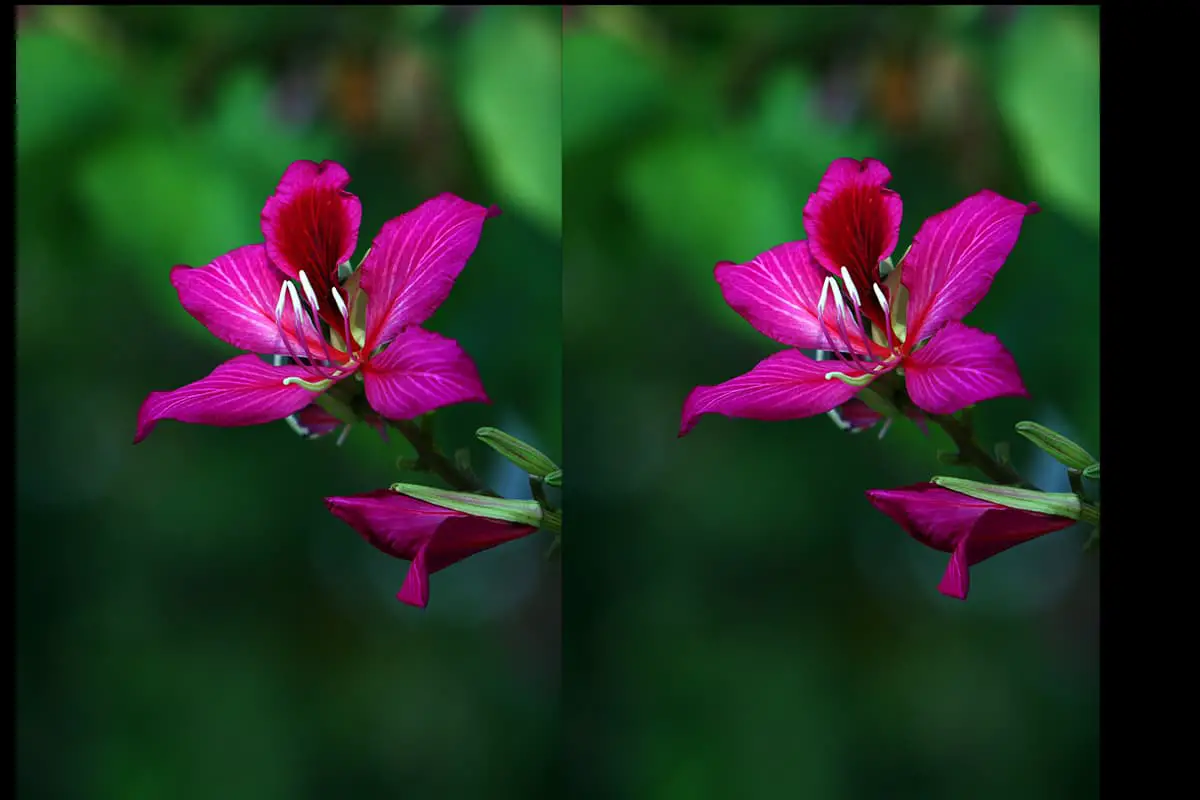
The ovary is tender green, bright and hairless when in bud, but densely covered with short soft hair later with 6-7 ovules.
The pod is flat and narrow, green, 4-8 cm long, 1-1.2 cm wide, with wings about 1.5 mm wide. The tip is sharply pointed or shortly tapered, the beak is slender and curved, the base is long tapering, and the side seams are symmetrical or nearly symmetrical.
The fruit neck is 2-4 mm long. There are 2-6 seeds, broad and long oval, 5-6 mm long, about 4 mm wide, dark brown, and shiny. The flowering period is from March to April, and the fruiting period is from August to October.
Cercis chinensis is a warm-climate tree species that can tolerate cold. It prefers light, can tolerate slight shade, and enjoys fertile, well-drained soil, but cannot tolerate wetness.
The tree has strong budding power and can tolerate pruning.
This is a commonly cultivated plant, often grown in gardens, beside houses, and along temple streets. It can sometimes be found in dense forests or limestone regions.
Between September and October, mature pods are collected, and the seeds are extracted and stored in dry sand in a cool place for the winter. The seeds are then sown from late March to early April of the following year.
Before sowing, the seeds are treated to ensure uniform and robust growth. This involves soaking the seeds in water at 60°C, then continuing to soak them for 3 to 5 days after the water cools.
The water should be replaced with cool water once a day. Once the seeds have absorbed water and swollen, they are germinated in a 15°C environment, watered with warm water 1 to 2 times a day.
Once they sprout, they are sown in seedbeds. Seedlings can be thinned out after emergence. When the seedlings have 4 true leaves, they can be transplanted into the nursery. Loamy soil rich in organic matter is best.
For easy management, plant in wide and narrow rows, with the wide rows being 60 cm apart and the narrow rows 40 cm apart, and a plant spacing of 30 to 40 cm. Young seedlings are not frost-resistant and need to be protected with plastic tunnels in winter.
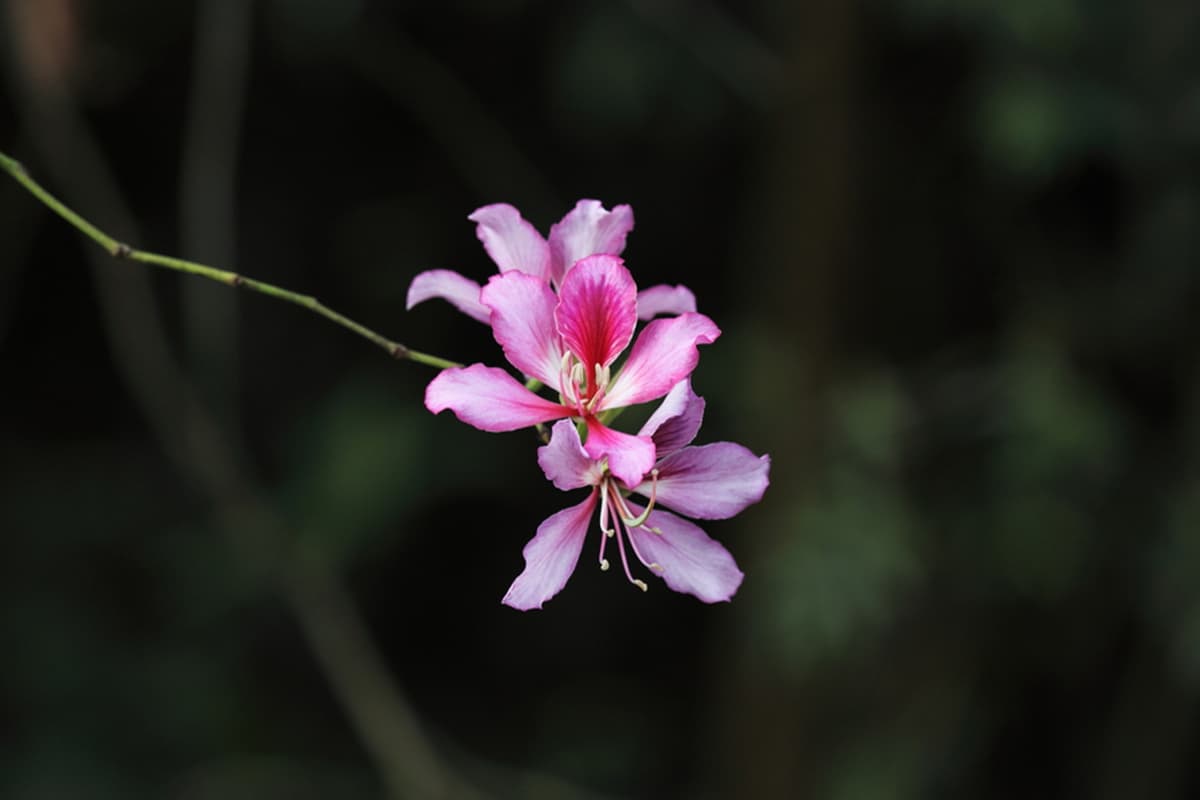
The root of the plant easily produces root suckers. In October or before budding in spring, the suckers can be cut from the mother plant with a sharp knife and separately planted. They are easy to survive.
Plants divided in autumn should be fake planted to protect them over winter, and finally planted in March. Generally, they can bloom in the second year.
This can be done throughout the growing season, but it is better to do it from March to April. Choose 1 to 2-year-old branches for air layering. Make a wound in the bark with a sharp knife, removing about 1.5 cm of bark to expose the wood.
Apply a rooting hormone solution (diluted according to instructions) about 3 cm above the wound. Once dry, put a cylindrical plastic bag over the wound, fill it with loose garden soil, water it, and tie both ends tightly.
Check after a month, if the soil is too dry, water it to keep it moist. Once roots have formed, cut it off and plant it separately.
This is done during the growing season in summer. Cut off the tender branches of the current year to use as cuttings. They can survive when inserted in sandy soil, but this method is not commonly used in production.
Common or giant varieties can be used as rootstocks, but due to the low cold tolerance of giant varieties, they are not suitable for use in northern regions. Choose buds or branches from excellent varieties such as Canadian Redleaf as scions.
The scions should be vigorous and true to type, and come from plants with minimal disease or pest damage, preferably from the sunny side of the plant. After collecting the scions, cut off the leaves and graft them immediately.
Branch grafting can be done in April to May and August to September, while bud grafting can be done in July. If the weather is dry, water thoroughly 1 to 2 days before grafting to increase survival rate.
Symptoms: Mainly occurs on the leaves, with lesions appearing polygonal, ranging from yellow-brown to dark red-brown, later bearing small, black-brown mold spots. When severe, the leaves are covered with lesions, often merging into large areas, leading to leaf death and fall off.
Disease Pattern: It is a fungal disease caused by two types of pathogens, tail spore fungus and coarse tail spore fungus. The disease generally occurs from July to September.
It usually starts from the lower leaves and gradually spreads upward. The plant’s growth is poor, and the disease is severe during the rainy season. The pathogen overwinters on diseased leaves and residues.
Control:
(1) In the fall, remove and burn diseased leaves to reduce the source of infection.
(2) When the disease occurs, spray with 50% carbendazim wettable powder 700 to 1000 times liquid, or 70% mancozeb wettable powder 800 to 1000 times liquid, or 80% mancozeb 500 times. Spray once every 10 days, and spraying 3 to 4 times in succession has a good control effect.
Symptoms: Leaves generally start to turn yellow and fall off from the top of the diseased branches. The disease usually starts from individual branches and gradually develops to the entire shrub’s death.
When peeling the bark, yellow-brown longitudinal stripes can be seen in the xylem, and yellow-brown annular necrotic spots can be seen on the cross-section.
Disease Pattern: The disease invades the roots of the plant through underground wounds, destroys the plant’s vascular bundle tissue, and causes the plant to wilt and die. This disease is caused by Fusarium fungus.
The pathogen can overwinter in the soil or on the remnants of diseased plants and has a long survival time. It is mainly transmitted through soil, underground pests, and irrigation water. The disease is generally severe from June to July.
Control:
(1) Strengthen maintenance and management, enhance tree vigor, and improve plant disease resistance.
(2) Pay attention to crop rotation in the nursery to avoid continuous cropping, or apply 70% pentachloronitrobenzene powder 3 to 5 kilograms per mu before sowing. Timely prune dead branches and plants, burn them together, and disinfect with 70% pentachloronitrobenzene or 3% ferrous sulfate.
(3) Use 50% carbendazim wettable powder 200 times or 50% metalaxyl wettable powder 400 times, or treat with 120 fungicide 100ppm solution for root irrigation.
The bark can be used as a medicine, it has the effects of clearing heat and detoxifying, promoting blood circulation and qi, reducing swelling and relieving pain, and can treat postpartum blood and qi pain, sore and swollen poison, and throat bing; the flowers can treat rheumatic bone pain.
Bark (Bauhinia Bark): Bitter, neutral. Activates blood circulation, reduces swelling, and detoxifies. Used for rheumatism, blocked meridians, blood and qi pain, throat bing, stranguria syndrome, abscesses, ringworm, trauma, snake and insect bites.
Wood (Bauhinia Wood): Bitter, neutral. Activates blood circulation, clears strangury. Used for menstrual pain, stasis abdominal pain, stranguria syndrome.
Flower (Bauhinia Flower): Clears heat, cools the blood, dispels wind, and detoxifies. Used for rheumatic bone pain, nasal gangrene.
Fruit (Bauhinia Fruit): Used for cough, heart pain in pregnant women.
The wood has straight grain and fine structure, suitable for furniture and construction.
Bauhinia is suitable for planting in courtyards, lawns, rocks, and in front of buildings. It is used for the greening of residential areas and has good ornamental effects.

Peggie was once a high school mathematics teacher, but she set aside her chalkboard and textbooks to follow her lifelong passion for flowers. After years of dedication and learning, she not only established a thriving flower shop but also founded this blog, “Flowers Library”. If you have any questions or wish to learn more about flowers, feel free to contact Peggie.
 English
  العربية
  Bahasa Indonesia
  Deutsch
  Français
  Italiano
  Nederlands
  Português
  Русский
  日本語
日本語