600+ Types of Flowers A To Z (With Names and Pictures)
Types Of Flowers By Names (A-Z) Types Of Flowers By Color Types Of Flowers By Season Types Of Flowers By Blooming Time 600+ Types of Flowers No. Flower Name No.…

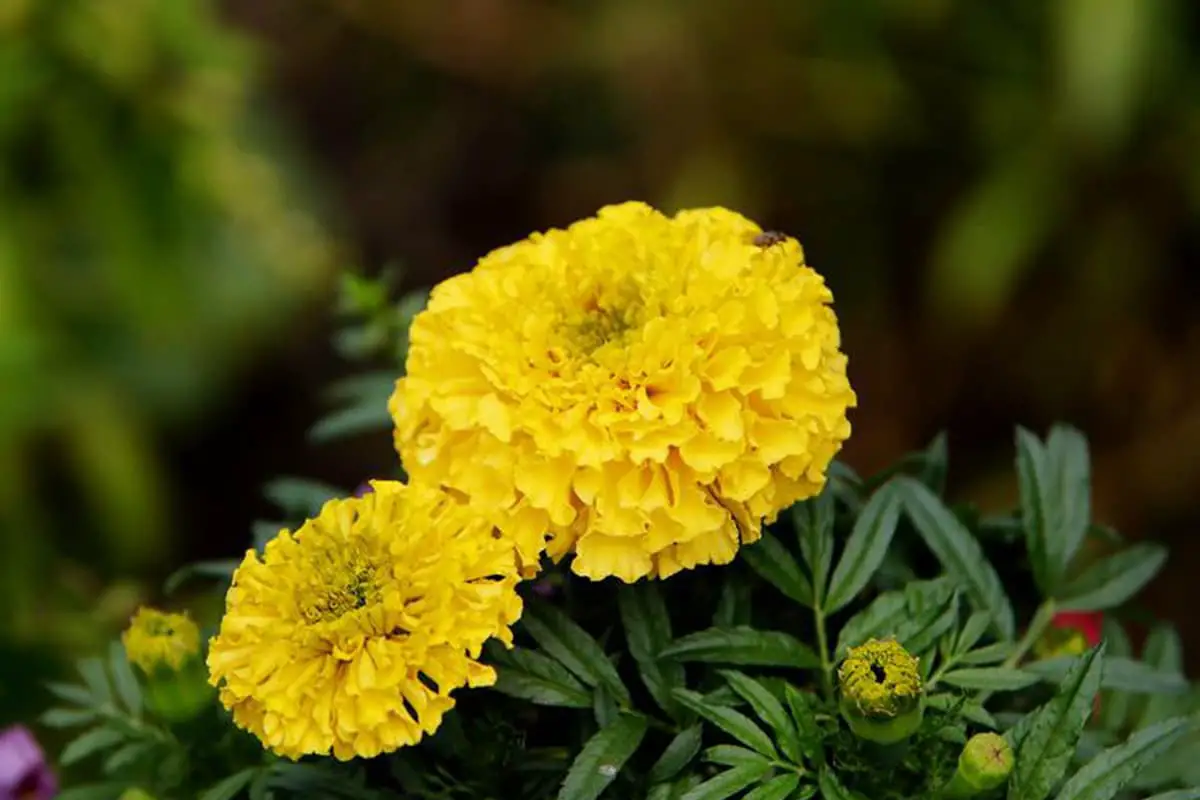
Tagetes erecta, commonly known as the Mexican marigold or African marigold, is a versatile annual herbaceous plant belonging to the Asteraceae family. Native to Mexico and Central America, this vibrant flower has gained worldwide popularity for its ornamental value, culinary uses, and medicinal properties.
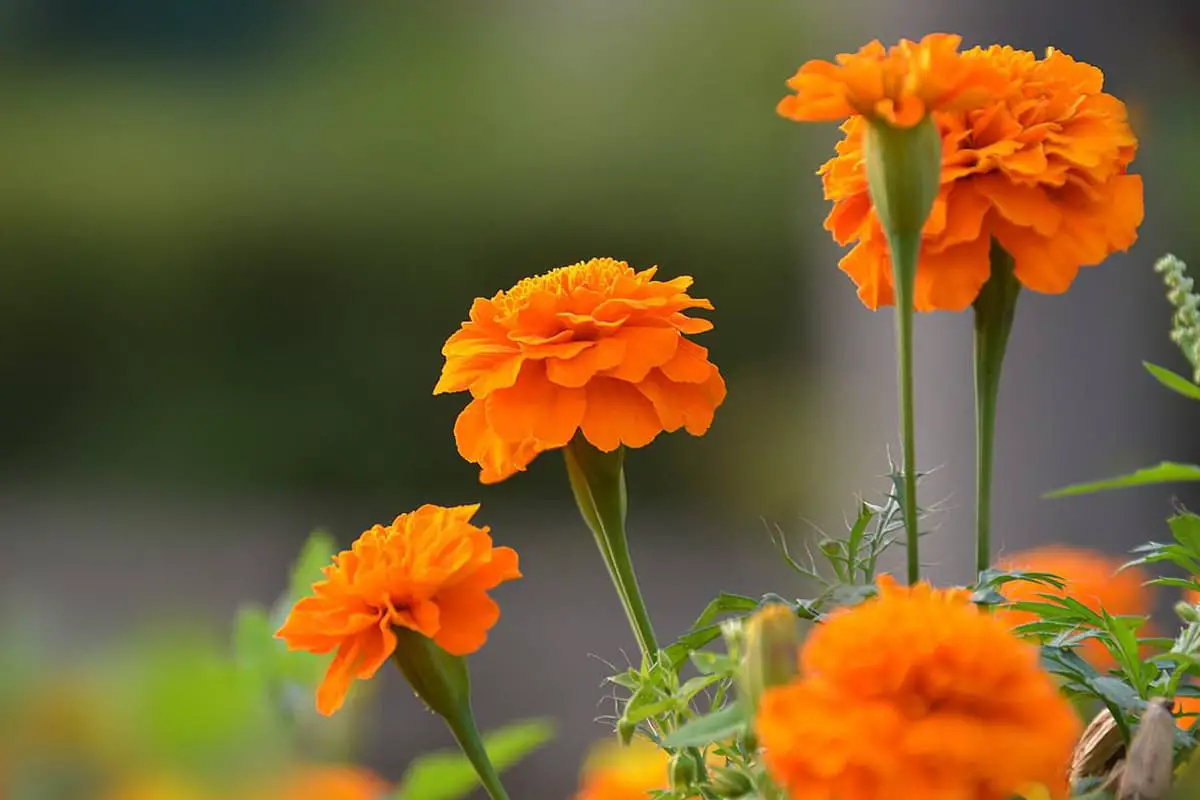
Tagetes erecta is a robust annual that typically grows 50-150cm tall. Its sturdy, upright stem features distinct longitudinal edges and upward-spreading branches. The plant’s characteristics include:
The blooming period extends from July to September, providing a long-lasting display of color.
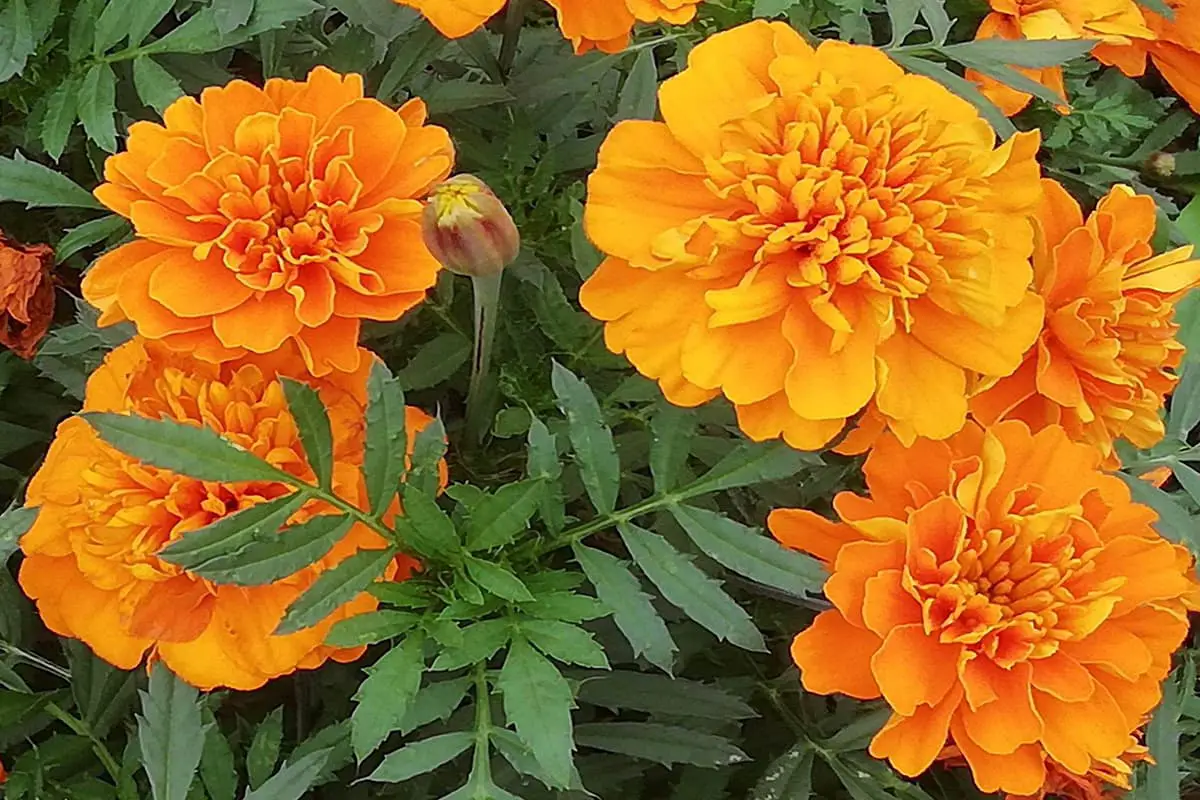
To successfully cultivate Tagetes erecta, consider the following environmental factors:
Originally from Mexico and Central America, Tagetes erecta is now cultivated worldwide, including throughout China. It can be found in areas with altitudes ranging from 1150 to 1480 meters, often naturalizing along roadsides and in meadows.
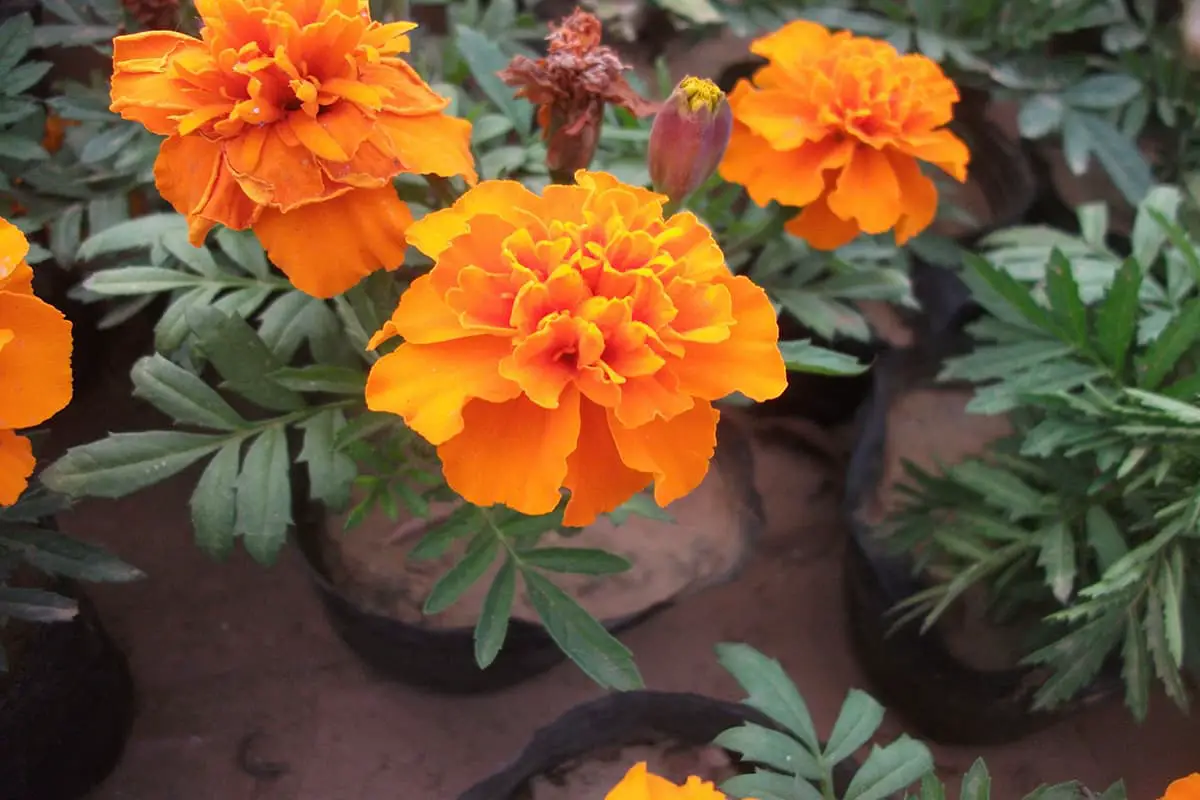
Tagetes erecta is prized in horticulture for its large, showy flowers and extended blooming period. Its versatility allows for various landscape applications:
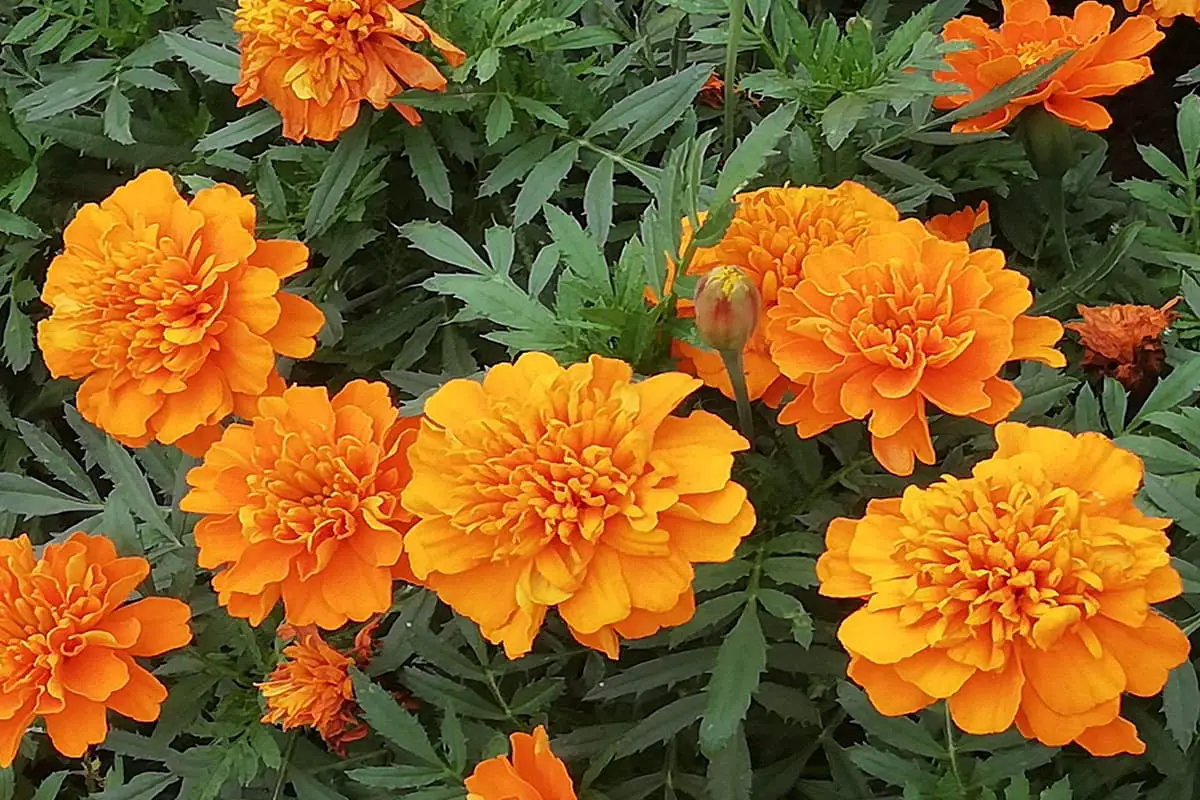
The edible flowers of Tagetes erecta offer a unique culinary experience:
Tagetes erecta plays a role in environmental protection and sustainable agriculture:
Various parts of Tagetes erecta have been used in traditional medicine:
Recent research has shown promising results in using Tagetes erecta extracts for their antioxidant, antimicrobial, and anti-inflammatory properties, though more studies are needed to fully understand their potential therapeutic applications.
In conclusion, Tagetes erecta is a multifaceted plant that offers aesthetic beauty, culinary interest, environmental benefits, and potential medicinal uses. Its ease of cultivation and adaptability make it a valuable addition to gardens and landscapes worldwide.

Peggie was once a high school mathematics teacher, but she set aside her chalkboard and textbooks to follow her lifelong passion for flowers. After years of dedication and learning, she not only established a thriving flower shop but also founded this blog, “Flowers Library”. If you have any questions or wish to learn more about flowers, feel free to contact Peggie.
 English
  العربية
  Bahasa Indonesia
  Deutsch
  Français
  Italiano
  Nederlands
  Português
  Русский
  日本語
日本語