600+ Types of Flowers A To Z (With Names and Pictures)
Types Of Flowers By Names (A-Z) Types Of Flowers By Color Types Of Flowers By Season Types Of Flowers By Blooming Time 600+ Types of Flowers No. Flower Name No.…

Sorbaria sorbifolia belongs to the Rosaceae family. This shrub can reach up to 2 meters in height, with branches spreading outwards. The winter buds are ovate, purplish-brown, rounded at the tip, and equipped with several alternating exposed scales.
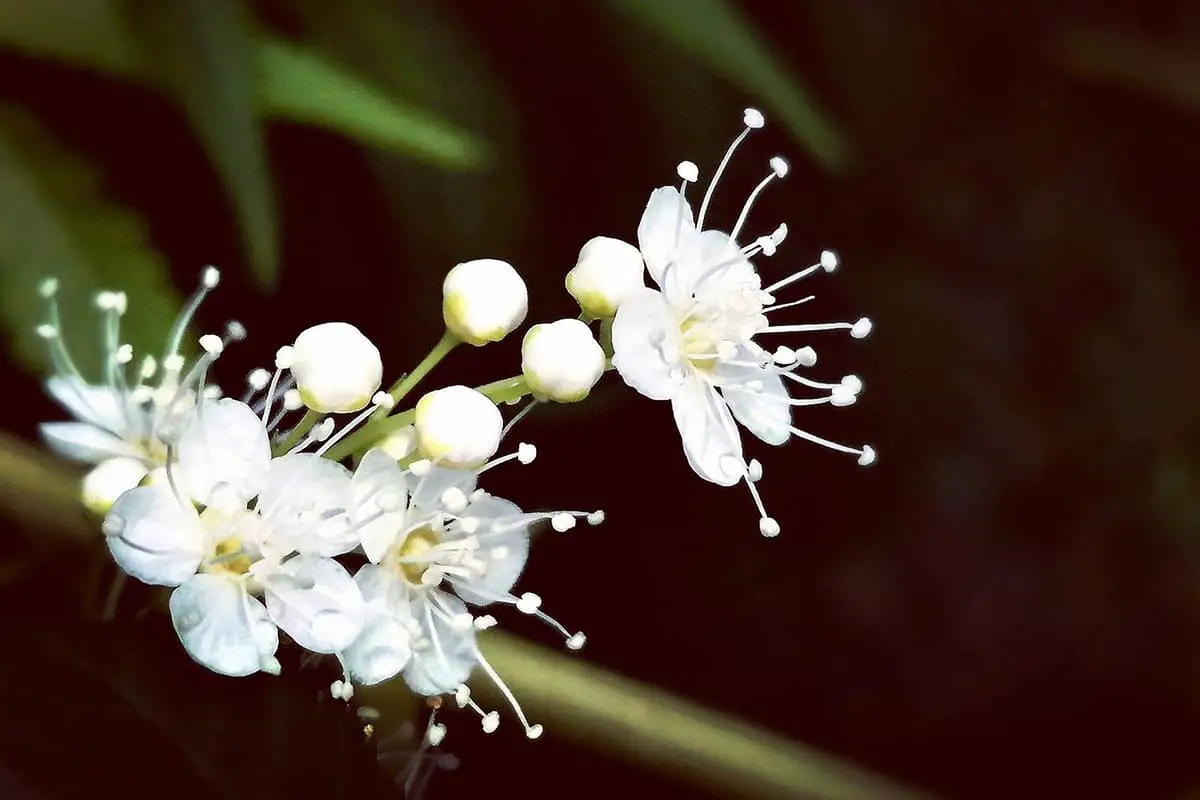
The calyx tube is bell-shaped, with triangular ovate sepals, blunt or sharply pointed at the tip, approximately the same length as the calyx tube. The petals are oblong or obovate and white in color.
The stamens are located on the edge of the floral disc. The pistils are hairless or slightly hairy, and the achene fruit is oblong, with a terminal curved style. It flowers from July to August and bears fruit in September.
The graceful form of the False Spiraea, with its bright white blossom clusters resembling pearls, and its long flowering period, make it an excellent choice for planting in garden corners, in front of windows, behind houses, or in shady courtyards. It is also suitable for creating hedges or as cut flowers for vases.
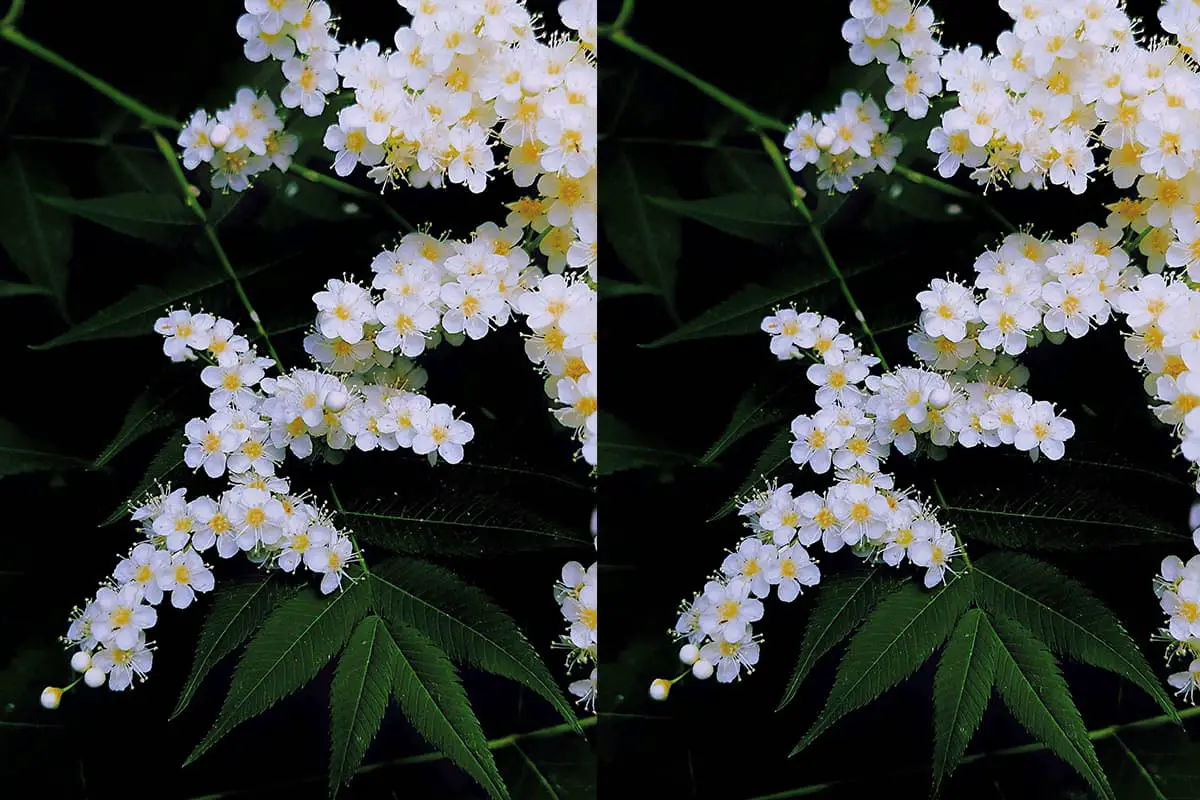
This shrub reaches up to 2 meters in height, with spreading branches. The twigs are cylindrical, slightly curved, hairless or minutely pubescent, initially green but turning dark red-brown or dark yellow-brown with age.
The winter buds are ovate, blunt at the tip, hairless or minutely pubescent at the top, purplish-brown, and bear several alternating exposed scales.
The leaves are pinnate, with 11-17 leaflets, and the leaf stalk is 13-23 cm long, 10-13 cm wide, with the rachis minutely pubescent.
The leaflets are opposite, spaced 2-2.5 cm apart, lanceolate to ovate-lanceolate, 5-7 cm long, 1.8-2.5 cm wide, gradually pointed at the tip, rarely caudate, the base nearly round or broadly cuneate, rarely oblique, the margins are sharply doubly serrate, both surfaces hairless or nearly hairless.
The leaflet stalks are absent or nearly so. The stipules are leafy, ovate-lanceolate to triangular-lanceolate, gradually pointed to acutely pointed at the tip, with the margins irregularly serrate or entire, 8-13 mm long, 5-8 mm wide, and the outer surface minutely pubescent.
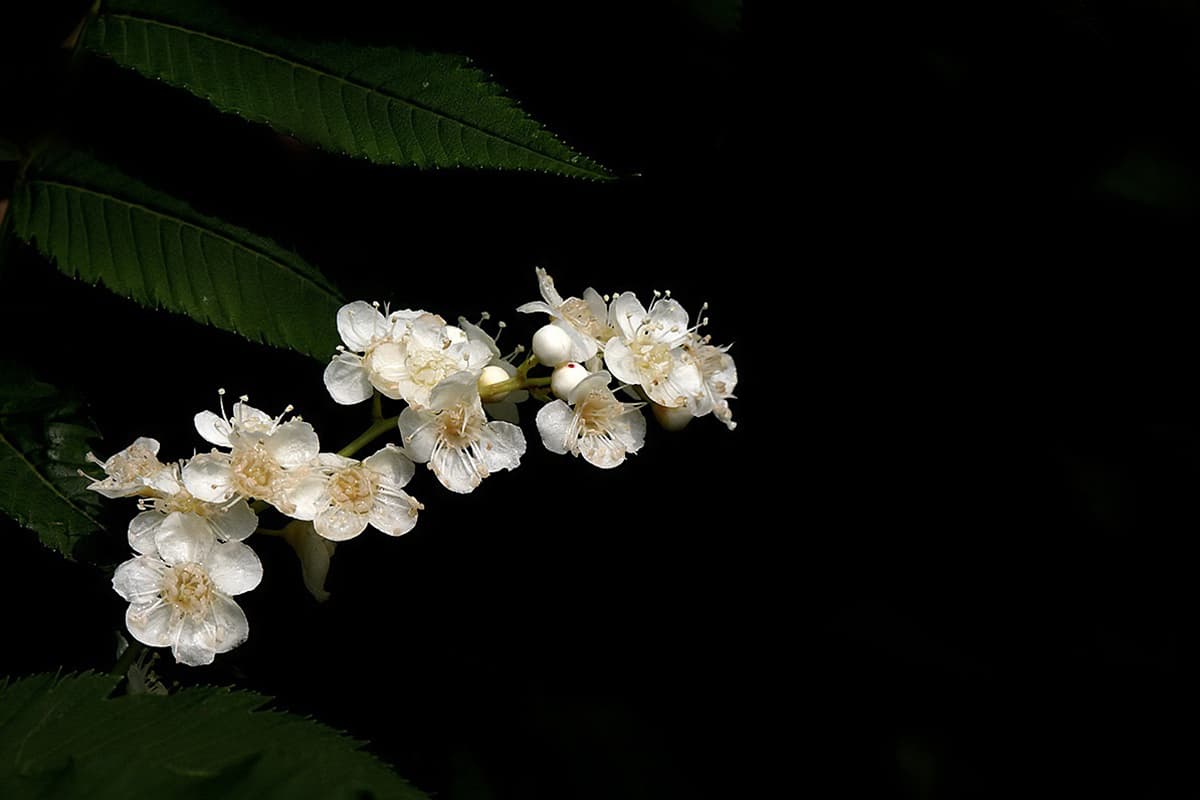
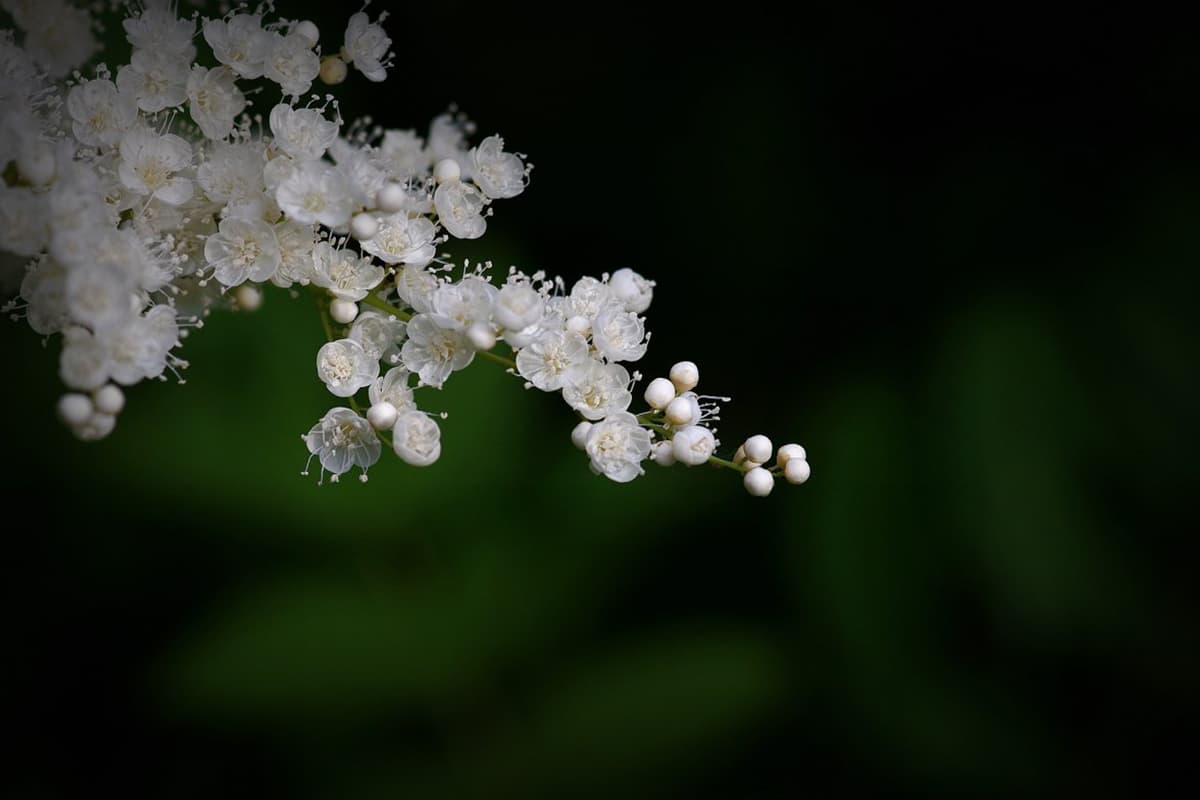
The inflorescence is a large, dense, terminal corymb, almost upright, 10-20 cm long, 5-12 cm in diameter, with all flower stalks and pedicels covered in stellate hairs or short soft hairs, which gradually fall off during the fruiting period, becoming nearly hairless.
The bracts are ovate-lanceolate to linear-lanceolate, 5-10 mm long, 3-5 mm wide, gradually pointed at the tip, entire or slightly toothed, minutely pubescent on both surfaces, gradually falling off during the fruiting period.
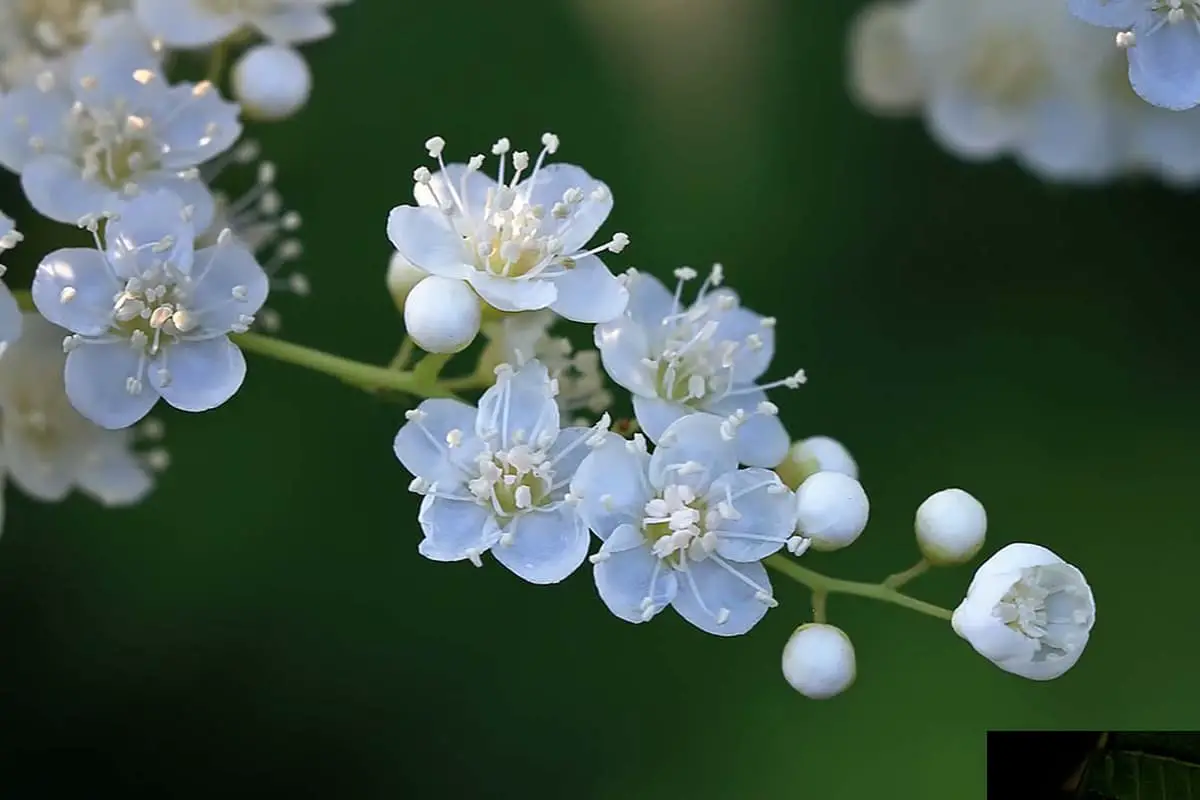
The pedicels are 5-8 mm long. The flowers are 10-12 mm in diameter. The calyx tube is bell-shaped, minutely pubescent at the base. The sepals are triangular-ovate, blunt or sharply pointed at the tip, about the same length as the calyx tube.
The petals are oblong or obovate, 5-7 mm long, 3-5 mm wide, and white. There are 40-50 stamens, about 1.5-2 times the length of the petals, located on the edge of the floral disc. There are 5 carpels, which are hairless or slightly hairy.
The fruit is an oblong achene, with a terminal curved style, about 3 mm long, and the fruit stalks are erect. The sepals are persistent, reflexed, rarely spreading. The flowering period is from July to August, and the fruiting period is in September.
This plant can be found in the Soviet Union, North Korea, Japan, and Mongolia. It grows in sparse forests on hillsides, at altitudes ranging from 250 to 1500 meters.
The pearl plum tree thrives in sunlight but also tolerates shade and cold. It can withstand temperatures as low as -25°C in winter and is not picky about soil. It grows best in fertile, sandy soil but can also tolerate saline-alkali soil.
This tree prefers a humid environment. Waterlogging can easily cause root rot, while insufficient water affects its growth. Therefore, it’s important to drain promptly during the rainy season and water generously during dry periods.
After watering, the soil should be loosened to retain moisture. In early winter and early spring, it’s necessary to water the tree to prevent freezing and thawing.
Despite its tolerance for poor soil, the tree benefits from an appropriate amount of organic fertilizer when planted and a nitrogen, phosphorus, and potassium compound fertilizer applied in early spring each year.
This helps the tree grow vigorously, bloom abundantly, and prolongs its flowering period.
The pearl plum tree is mainly propagated by division, but it can also be grown from seed. However, due to the small size of the seeds, they are rarely used for propagation. Division is typically performed before bud break in spring or after leaf fall in autumn.
The sprouts growing at the base of the tree are dug out with their roots, divided into groups of 3 to 5, and planted separately.
Each planting hole should be enriched with 2 shovelfuls of compost as a base fertilizer and thoroughly watered after planting. Subsequently, the tree should be watered about once a week until it’s established.
A five-year-old or older tree can develop a large crown. In early spring before budding, the soil around the old clump can be dug up, and the sucker shoots around the periphery can be cut off from the parent plant and excavated.
They can be moved to a nursery for cultivation, and after a year, they will be ready for transplanting. Seeding can be used for mass propagation. The seeds are stored dry and sown the following spring.
During its growth, the pearl plum tree easily produces sucker shoots, which can be used for propagation by division in early spring, around March or April. Choose healthy, pest-free plants that have produced many suckers as parent plants.
The method is as follows: Dig up the soil around the root of a parent plant that’s at least five years old, cut through the gap to separate the sucker from the parent plant. Each clump can be divided into about 5 to 7 plants.
The separated sucker shoots should have complete roots. If the sucker has many thin lateral roots, some should be pruned when planting. This method of propagation has a high survival rate and quickly produces a shaped plant.
It’s also relatively easy to manage, but the number of propagations is limited. After division, water thoroughly and move the plant to a slightly shaded spot. After a week, gradually expose it to sunlight for normal care.
This method is suitable for mass propagation and can be done all year round. However, rooting is fastest and survival rates are highest when cuttings are taken in March and October.
The soil for cuttings generally consists of 5 parts garden soil, 4 parts humus, and 1 part sand. Mix them together and make a furrow for outdoor cuttings.
Choose healthy, mature branches from the current or previous year on the parent plant, cut them into 15 to 20 cm lengths, leaving 4 to 5 buds or leaves.
When inserting the cuttings, bury 2/3 of them in the soil, leaving only the top one or two buds or leaves above the soil surface. The cutting ends should be flat, cut into a horseshoe shape, inserted immediately after cutting, and the soil at the base of the cuttings compacted and watered thoroughly.
Thereafter, spray water 1 to 2 times a day to keep the soil moist. After 20 days, reduce the frequency of spraying to prevent excessive moisture causing branch rot. After about a month, the cuttings can be transplanted once they have rooted.
In March or April, bend the branches on the periphery of the parent plant directly into the soil. The part pressed into the soil can be ringed or injured to promote rapid rooting.
After new roots have grown, separate it from the parent plant and transplant it during the tree planting season in spring or autumn.
The Pearl Plum tree is less prone to diseases, but the main pests include the thorn moth, red spider mite, and scale insects. To control scale insects, a 1000-fold diluted solution of 40% Oxamyl can be used.
Red spider mites can be controlled with a 1000-fold diluted solution of Trichlorfon, and thorn moths can be prevented with a 1000-fold diluted solution of 50% Marathon.
When the disease strikes, round or irregular brown spots appear on the leaves, with thin brown mold on the back of the spots.
Control method:
Spray a 500-800 times diluted solution of 50% Tobuzin.
When the disease strikes, white or gray-white powdery substances appear on the leaves. In severe cases, the young leaves curl up, the leaves become uneven, and fall off early. The flowers are small and do not bloom, with deformed, curled, and dry shapes.
Control methods:
The flowers and leaves of the Pearl Plum are fresh and beautiful, and the flowering period is long and occurs during the summer season when there are fewer flowers.
It is very common in garden applications and is a popular ornamental tree species. It can be planted alone or in rows, and the effect of group planting is excellent.
Pearl Plums are often planted individually in garden courtyards. Generally, there is no need to fertilize, but it is necessary to water frequently, especially during the dry seasons of spring and summer, to keep the soil moist.
Before winter, sufficient winter water should be irrigated, and overwintering should be protected in cold regions. Other management is relatively extensive. The Pearl Plum is full of clusters, and the branches and leaves are clear and elegant.
It is valuable for blooming elegant white flowers during the flowering shortage in midsummer, and the flowering period is long. It is especially effective in killing or inhibiting various harmful bacteria and is suitable for planting in various garden green spaces.
It is especially shade-tolerant, so it is a flower and shrub tree species for greening the north side of high-rise buildings and various buildings in northern cities.
Stem Bark: Bitter, cold. It activates blood circulation, removes stasis, reduces swelling, and relieves pain.

Peggie was once a high school mathematics teacher, but she set aside her chalkboard and textbooks to follow her lifelong passion for flowers. After years of dedication and learning, she not only established a thriving flower shop but also founded this blog, “Flowers Library”. If you have any questions or wish to learn more about flowers, feel free to contact Peggie.
 English
  العربية
  Bahasa Indonesia
  Deutsch
  Français
  Italiano
  Nederlands
  Português
  Русский
  日本語
日本語