600+ Types of Flowers A To Z (With Names and Pictures)
Types Of Flowers By Names (A-Z) Types Of Flowers By Color Types Of Flowers By Season Types Of Flowers By Blooming Time 600+ Types of Flowers No. Flower Name No.…

Serissa foetida, commonly referred to as June Snow, is a small evergreen shrub from the Rubiaceae family. The plant can grow up to 90 centimeters in height and emits a distinct odor. Its leaves are coriaceous with short stems.
The flowers, which bloom from May to July, can be single or clustered at the top of the branches or axillary, featuring a pale red or white corolla with a protruding pistil.
The shrub blossoms with delicate white flowers in June, making it one of the smallest trees with sparse branches and leaves. It prefers light shade, fearing the sun, and is often found under deep mountain trees.
The plant can be propagated in spring or during the rainy season in May and June, and it prefers being watered with light tea. It is not strict about temperature, keeping its leaves all year round in Southern China and being semi-evergreen in Southwest China.
It is drought-resistant and not picky about its soil. For pot cultivation, it thrives in humus-rich, loose, fertile, well-drained, slightly acidic, moist culture soil. The roots, stems, and leaves of the plant have medicinal properties.
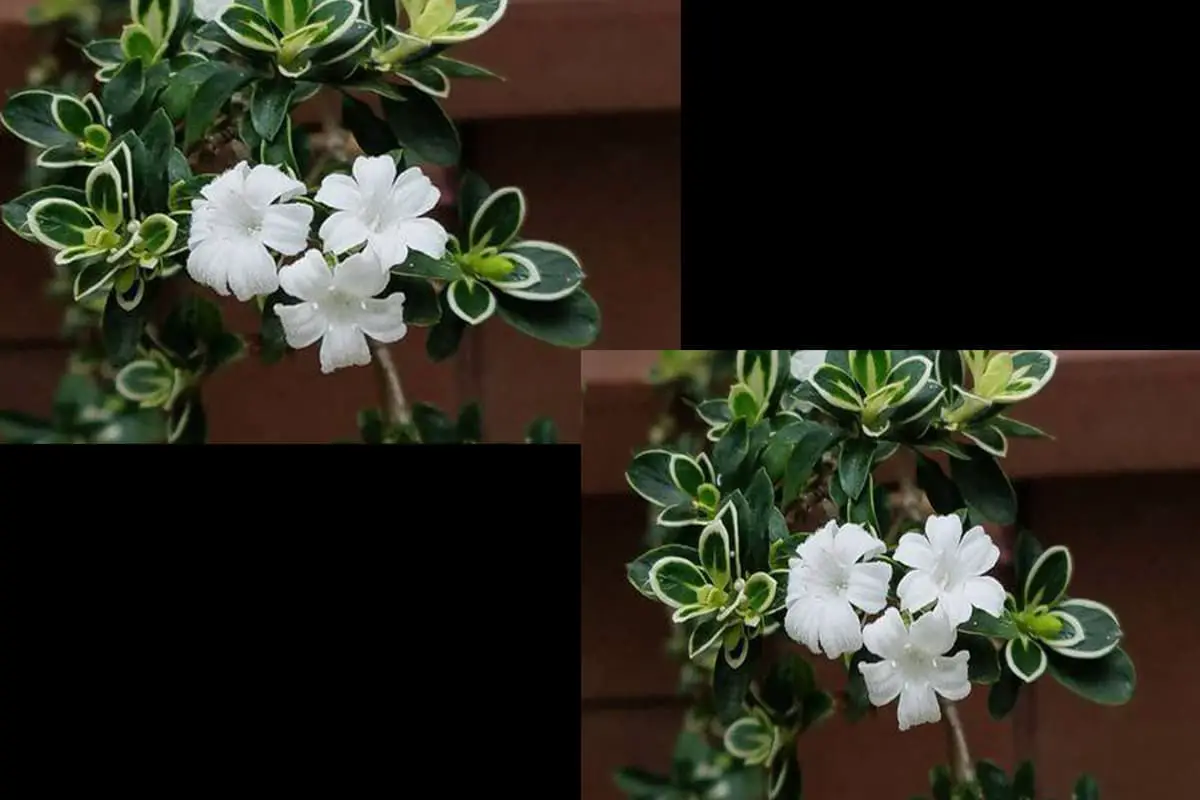
They taste bland and slightly spicy and have a cooling effect. They are used to relieve liver depression, clear heat and dampness, reduce swelling and detoxify, and suppress cough and phlegm.
They are used to treat acute hepatitis, rheumatic back and leg pain, abscesses and sores, snake bites, spleen deficiency diarrhea, pediatric malnutrition, vaginal discharge, eye diseases, intestinal abscesses, and rabies.
This small shrub, which stands 60-90 cm tall, emits an odor. Its leaves are coriaceous, oval to reverse-lanceolate, 6-22 mm long, 3-6 mm wide, short pointed to long pointed at the tip, entire along the edge, and hairless with short leaf stems.
The flowers, either single or clustered at the top of the branches or axillary, have hairy, shallow wave-like bracts. The calyx lobes are small, conical, and hairy. The corolla is pale red or white, 6-12 mm long, with expanded lobes that are 3-lobed at the tip.
The stamens protrude outside the corolla tube, and the long protruding style has two straight stigmas that are slightly separated. The flowering period is from May to July.
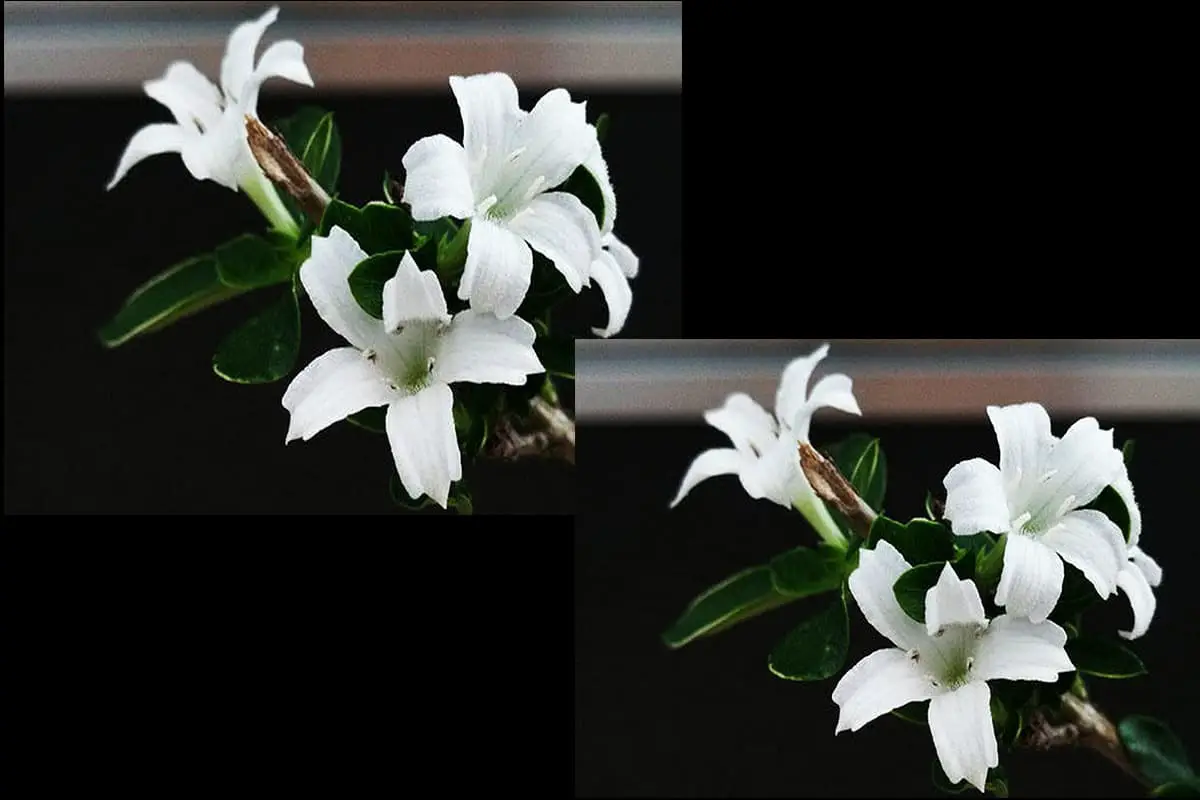
The plant fears strong light. It prefers a warm climate but can tolerate cold and drought. It prefers well-drained, fertile, and moist loose soil and is not demanding of its environment, growing quite vigorously. It grows on the banks of rivers or in mixed forests on hills.
The plant is native to Japan and Vietnam but is sometimes cultivated in Taiwan and other southeastern and central provinces.
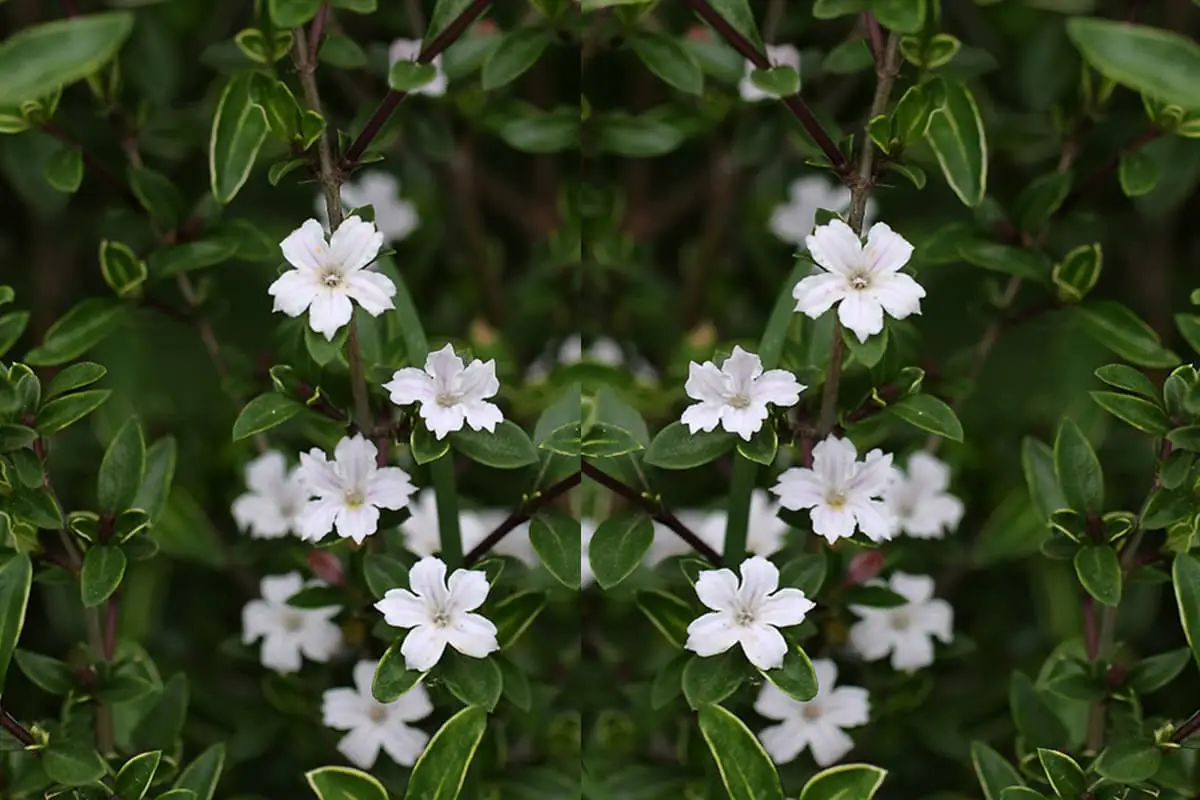
The most common propagation methods are cutting and division. Layering can also be used. Cutting can be done all year round, but the highest survival rate is achieved when hardwood cuttings are used in spring (from February to March) and softwood cuttings are used during the rainy season.
During the rainy season, the cuttings need to be shaded; in winter, they need to be protected from the cold. Division is best done in early spring before budding, or in late autumn when growth has stopped.
Dormant cuttings are taken from February to March, and semi-hardwood cuttings are taken from June to July. Generally, hardwood is used in early spring, but both hardwood and old wood can be used during the rainy season, and both need to be shaded. After planting, water should be kept on the seedbed to maintain moisture, which is conducive to survival.
The scattering method can also be used: loosen the soil in a green space, break up the soil clumps, and level the ground. Cut one to two segments (about three centimeters) of branches and scatter them evenly on the prepared ground.
Stamp or press the surface soil firmly, then water thoroughly. Afterwards, spray water every other day. After ten days, the cuttings will begin to root and sprout. Twenty-five days later, apply the first thin liquid fertilizer.
After fifty days, apply a 1:1000 ratio of urea to boost the seedlings. After two months, the cuttings can be transplanted and planted. After four months, they can be potted for cultivation and initial planting.
After a year, an ideal tree stump potted plant with hanging roots can be formed. If used for a hedge, it can take shape in half a year.
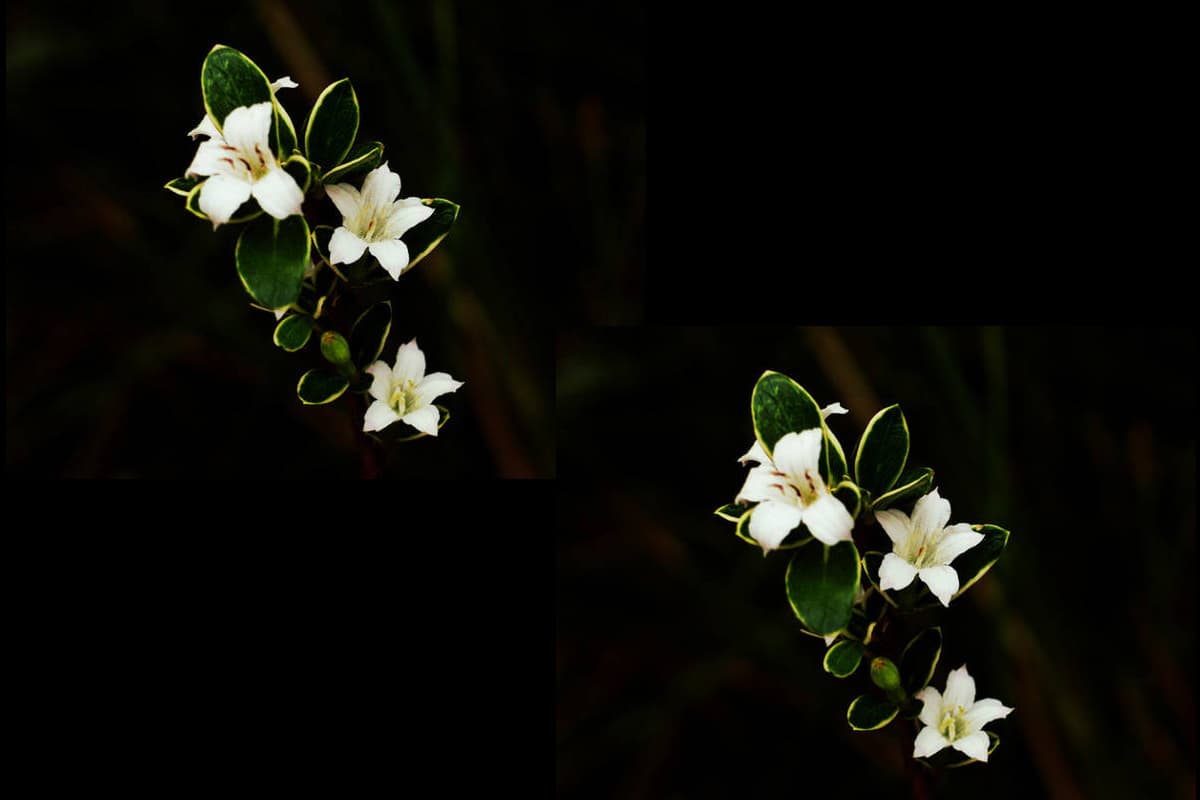
Dodder is a type of parasitic vine that grows on the June Snow plant. It wraps its tendrils around the trunk and branches of the host, leaving conspicuous scar marks.
At these marks, the vine forms suckers to absorb nutrients from the host plant. The vine grows quickly, continuously branching and winding around the host, interweaving to cover the entire canopy.
Prevention methods: For heavily-infested areas, deep plowing each year can help as seeds buried more than 3 cm deep are less likely to germinate.
Inspect in late spring and early summer, and promptly remove any discovered dodder along with any weeds and damaged host areas, and destroy them. Also, clear any sprouting branches and wild plants that can serve as bridges for the vine.
Chemical prevention methods include spraying the ground with a 1.5% solution of pentachlorophenol sodium and a 2% solution of weed killer during the peak seed germination period. Afterwards, spray once every 25 days for a total of 3-4 times to kill off the dodder seedlings.
Prevention methods: Aphids can be killed by spraying with a solution diluted 500-600 times with eucalyptus oil.
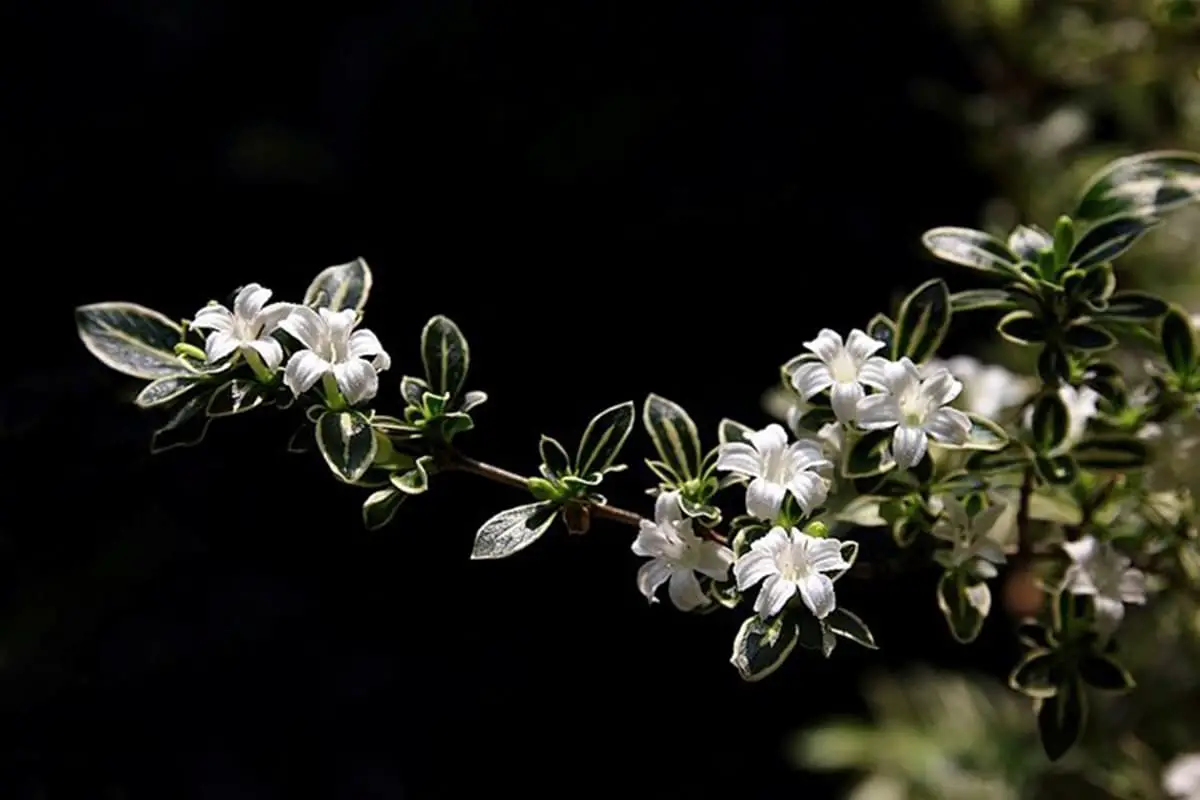
In June, the snow branches of the plant are densely packed, and the white flowers bloom abundantly, resembling a tree full of snowflakes. It is elegant and lovely, an excellent ornamental plant that is both foliage and flowering.
It is one of the main tree species in Sichuan, Jiangsu, and Anhui bonsai. Its leaves are small and the root system is well developed, making it especially suitable for miniature or root-exposed bonsai.
When the bonsai is placed on a coffee table, desk, or windowsill in the living room, it looks very elegant. It is an excellent item for indoor beautification. When planted in the ground, it is suitable for flower bed borders, hedges, and underwood, or for planting in mountain rocks and rock crevices.
It is used for hepatitis, dysentery, enteritis, and amenorrhea.
Effect: It strengthens the spleen and benefits the dampness, soothes the liver and activates the blood. It is used for children’s malnutrition, acute and chronic hepatitis, amenorrhea, leukorrhea, and rheumatic back pain.

Peggie was once a high school mathematics teacher, but she set aside her chalkboard and textbooks to follow her lifelong passion for flowers. After years of dedication and learning, she not only established a thriving flower shop but also founded this blog, “Flowers Library”. If you have any questions or wish to learn more about flowers, feel free to contact Peggie.
 English
  العربية
  Bahasa Indonesia
  Deutsch
  Français
  Italiano
  Nederlands
  Português
  Русский
  日本語
日本語