600+ Types of Flowers A To Z (With Names and Pictures)
Types Of Flowers By Names (A-Z) Types Of Flowers By Color Types Of Flowers By Season Types Of Flowers By Blooming Time 600+ Types of Flowers No. Flower Name No.…

Salvia farinacea, commonly known as mealy cup sage or blue sage, is a versatile perennial herb belonging to the Lamiaceae family. This clump-forming plant typically reaches heights of 12 to 24 inches (30-60 cm), showcasing a compact and bushy habit. The entire plant is covered in soft, downy hairs, giving it a distinctive mealy appearance that inspired its common name.
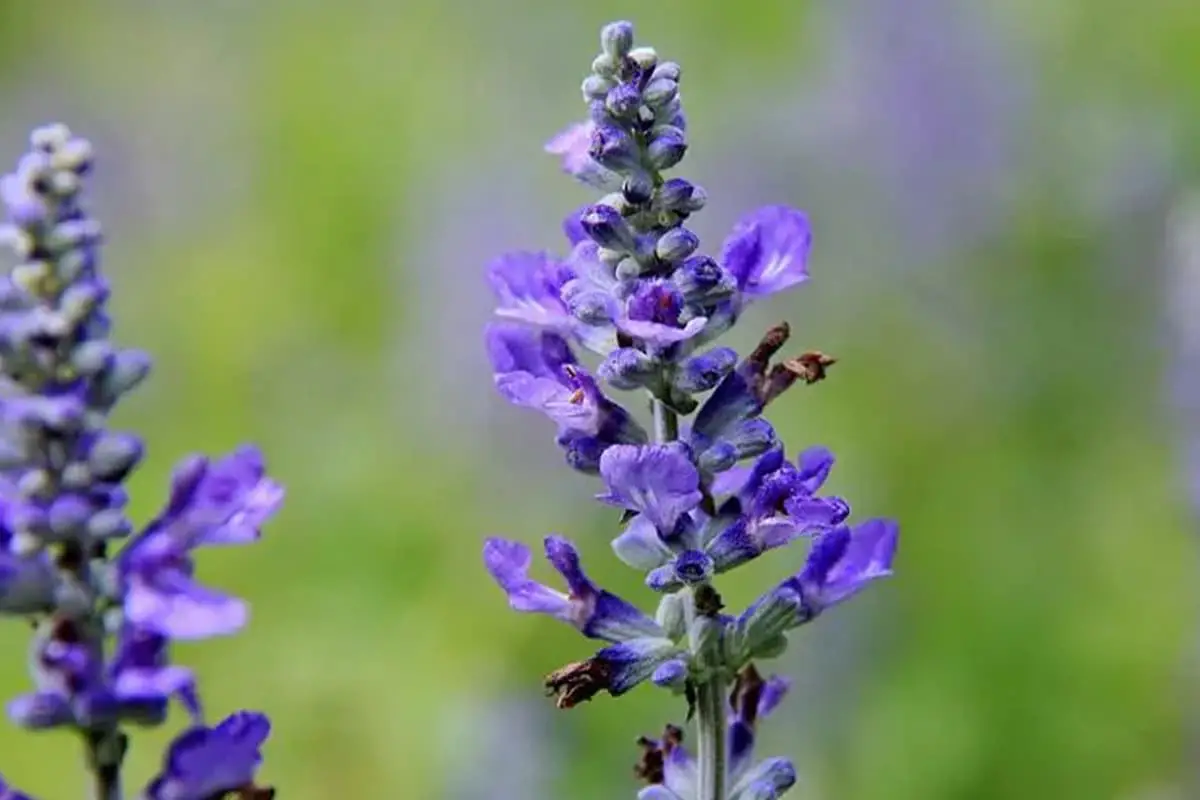
Stems: Square in cross-section, a characteristic of the mint family, and covered in fine hairs. The lower portions become slightly woody over time, giving the plant a subshrub-like appearance.
Leaves: Arranged oppositely on the stem, the leaves are elliptical to lanceolate, measuring 1 to 2 inches (2.5-5 cm) in length. They exhibit a grayish-green coloration with a textured, wrinkled surface. The leaves are covered in fine, gray-white hairs, which contribute to their drought tolerance by reflecting excess sunlight and reducing water loss. When crushed, the leaves emit a pungent, aromatic scent typical of salvias.
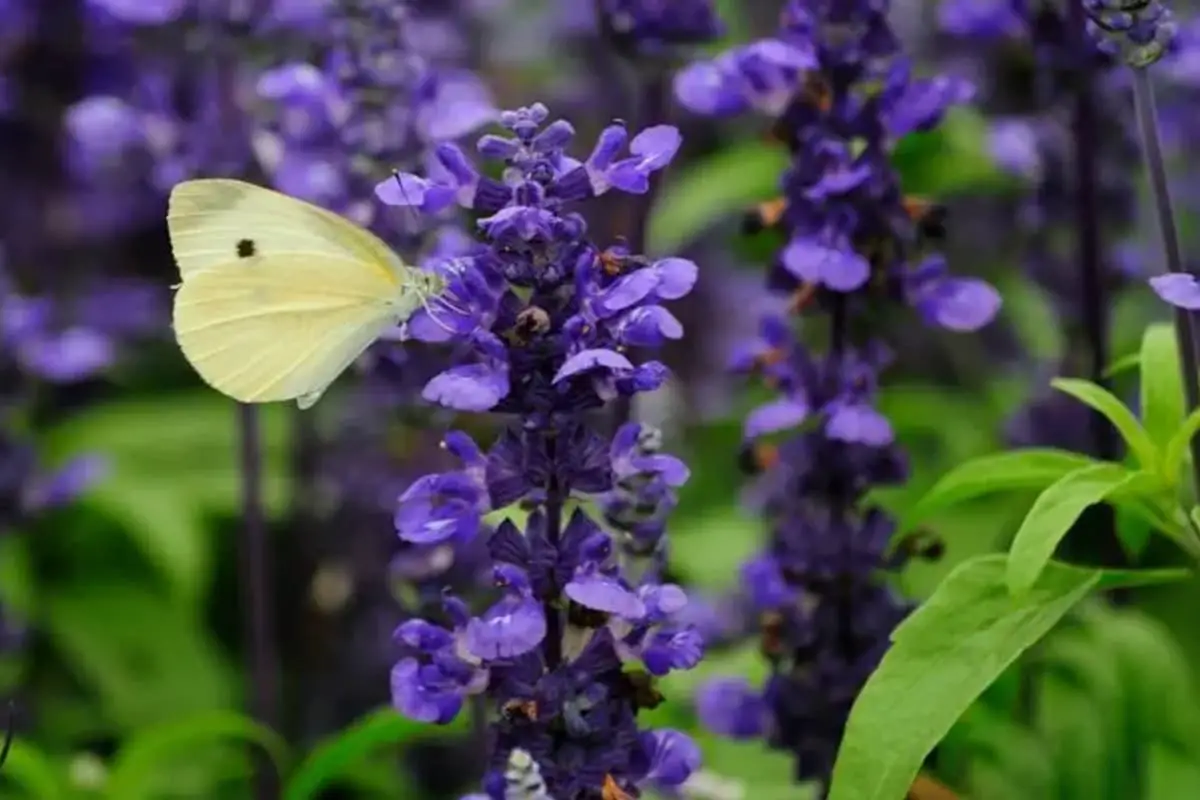
Flowers: The inflorescences are striking, elongated spikes reaching up to 5 inches (13 cm) in length. These spikes bear numerous small, tubular flowers that are typically a vibrant purple-blue, although cultivars may offer white, pink, or bicolor options. Blooming occurs primarily in summer, but in favorable conditions, flowering can extend from late spring through fall.
Root System: Fibrous and moderately deep, allowing for efficient water uptake and contributing to the plant’s drought tolerance.
Temperature: Salvia farinacea thrives in warm, sunny conditions but demonstrates remarkable adaptability. It prefers temperatures between 60-80°F (15-27°C) for optimal growth. While tolerant of light frosts, it’s not suited for prolonged freezing temperatures. In hot, dry climates, partial afternoon shade can be beneficial.
Soil: Best growth occurs in well-drained, fertile soils with a pH range of 6.0-7.5. While it prefers a sandy loam, S. farinacea can adapt to various soil types as long as drainage is adequate. Incorporation of organic matter improves soil structure and nutrient availability.
Light: Full sun is ideal, promoting compact growth and abundant flowering. In very hot climates, light afternoon shade can prevent leaf scorch.
Water: Once established, S. farinacea is drought-tolerant. However, regular watering during establishment and prolonged dry periods will ensure optimal growth and flowering. Avoid overwatering, as the plant is susceptible to root rot in waterlogged conditions.
Germination: Seeds germinate best at temperatures between 68-73°F (20-23°C), typically emerging within 5-8 days. Maintain consistent moisture during this period.
Growth: Optimal growth occurs between 64-73°F (18-23°C). Plants typically take 70-100 days from sowing to first bloom, depending on growing conditions.
Spacing: For garden plantings, space plants 12-18 inches (30-45 cm) apart to allow for their spreading habit.
Fertilization: Salvia farinacea is not a heavy feeder. A slow-release, balanced fertilizer applied in spring is usually sufficient. Over-fertilization can lead to leggy growth and reduced flowering.
Pruning: Regular deadheading encourages continued blooming. In late winter or early spring, cut back the previous year’s growth to about 6 inches (15 cm) from the ground to promote bushier growth.
Salvia farinacea is native to the southern United States (Texas and New Mexico) and northern Mexico. In its natural habitat, it’s found in rocky, well-drained soils in grasslands, open woodlands, and along roadsides. This adaptability to various habitats contributes to its success as a garden plant across many regions.
While generally resistant to pests and diseases, Salvia farinacea can occasionally face challenges:
Diseases:
Pests:
Integrated Pest Management (IPM) practices, including regular monitoring, proper cultural practices, and using the least toxic control methods first, are recommended for maintaining plant health.
Landscape Use: Salvia farinacea is a versatile plant in garden design. Its compact habit makes it excellent for containers, borders, and mass plantings. The long-blooming, colorful spikes add vertical interest to garden beds and pair well with other sun-loving perennials and annuals.
Pollinator Garden: The flowers are highly attractive to bees, butterflies, and hummingbirds, making it an excellent choice for pollinator gardens.
Low-Maintenance Gardening: Its drought tolerance and resistance to pests make it ideal for low-maintenance landscapes and xeriscaping.
Cut Flowers: The long-lasting flower spikes are excellent for fresh and dried floral arrangements.
Culinary and Medicinal: While not as commonly used as other salvias, the leaves have mild culinary applications and have been used in traditional medicine for their antimicrobial properties.
By understanding and catering to the specific needs of Salvia farinacea, gardeners can enjoy its beauty, versatility, and ecological benefits in a wide range of garden settings.

Peggie was once a high school mathematics teacher, but she set aside her chalkboard and textbooks to follow her lifelong passion for flowers. After years of dedication and learning, she not only established a thriving flower shop but also founded this blog, “Flowers Library”. If you have any questions or wish to learn more about flowers, feel free to contact Peggie.
 English
  العربية
  Bahasa Indonesia
  Deutsch
  Français
  Italiano
  Nederlands
  Português
  Русский
  日本語
日本語