600+ Types of Flowers A To Z (With Names and Pictures)
Types Of Flowers By Names (A-Z) Types Of Flowers By Color Types Of Flowers By Season Types Of Flowers By Blooming Time 600+ Types of Flowers No. Flower Name No.…

The Ranunculus asiaticus is a perennial herb of the Ranunculaceae family. It grows to a height of 20—50 centimeters, with spindle-shaped tuberous roots, a single stem or few branches; basal leaves are long-stemmed, resembling celery; stem leaves are small and nearly stemless.
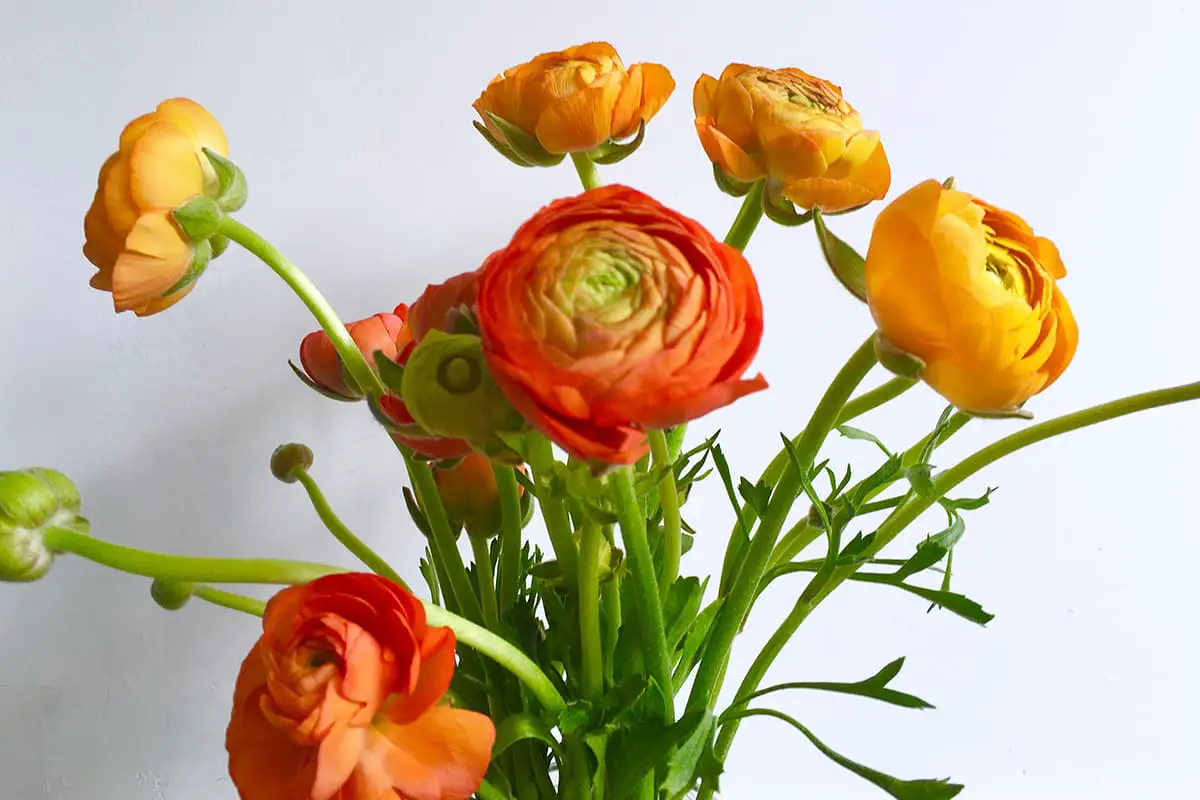
The flowers bloom singly or in clusters at the top of the stem, appearing in a variety of colors including red, white, orange, and purple, and can be double or semi-double.
The blooming period is from April to May. The genus name Ranunculus originates from Latin, named for its preference for wetlands.
The Ranunculus is native to southwestern Asia and southeastern Europe, centered around Turkey. It prefers cool environments, sunlight, and can also tolerate shade. It dislikes intense heat and prefers loose, fertile, well-draining sandy soil.
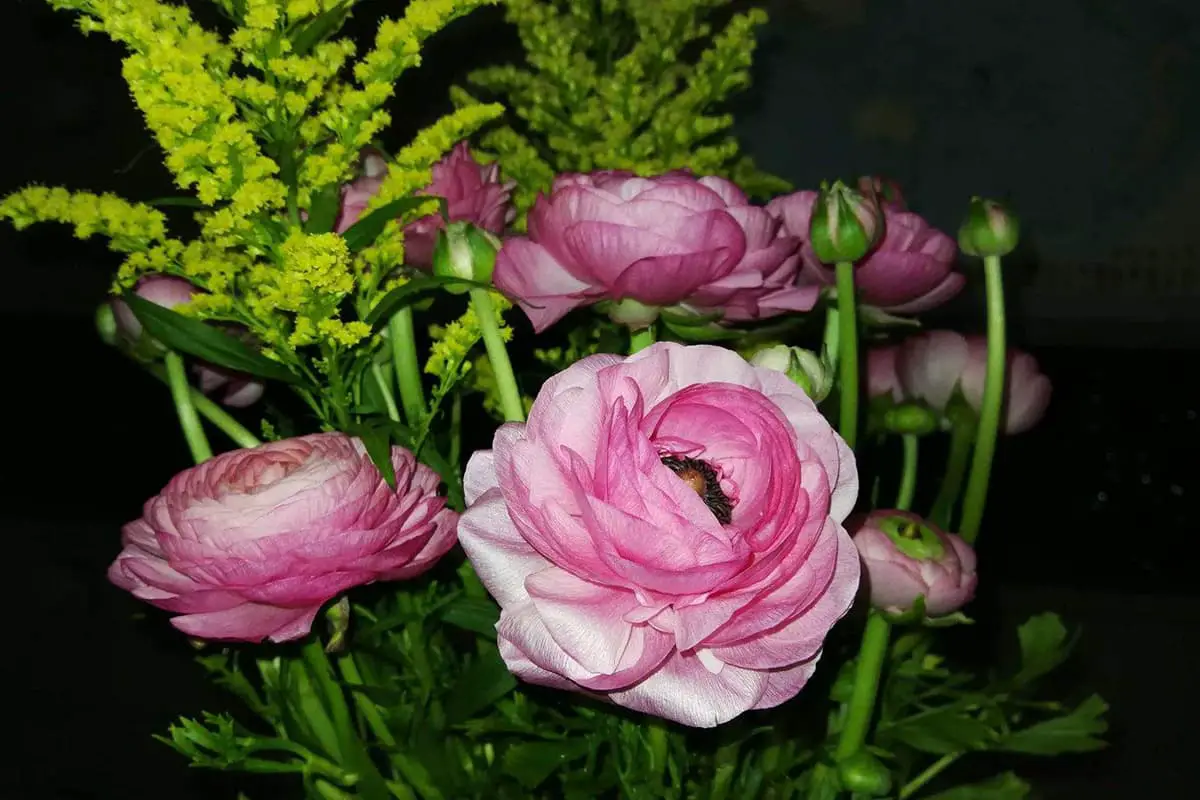
For potted Ranunculus, a sandy potting soil rich in organic matter, loose, fertile, and with excellent permeability is required. The propagation of Ranunculus primarily includes bulb division, seed propagation, and tissue culture propagation.
Ranunculus has medicinal properties for treating malaria, jaundice, migraines, stomachaches, rheumatic joint pain, crane’s knee wind (a type of arthritis), malignant sores, toothaches, and inflammation of the eyes.
However, Ranunculus is poisonous, contact can cause inflammation and the occurrence of blisters. It is not edible as it can cause diarrhea and slow pulse.
The genus Ranunculus, derived from Latin, was named for the species’ preference for wetlands.
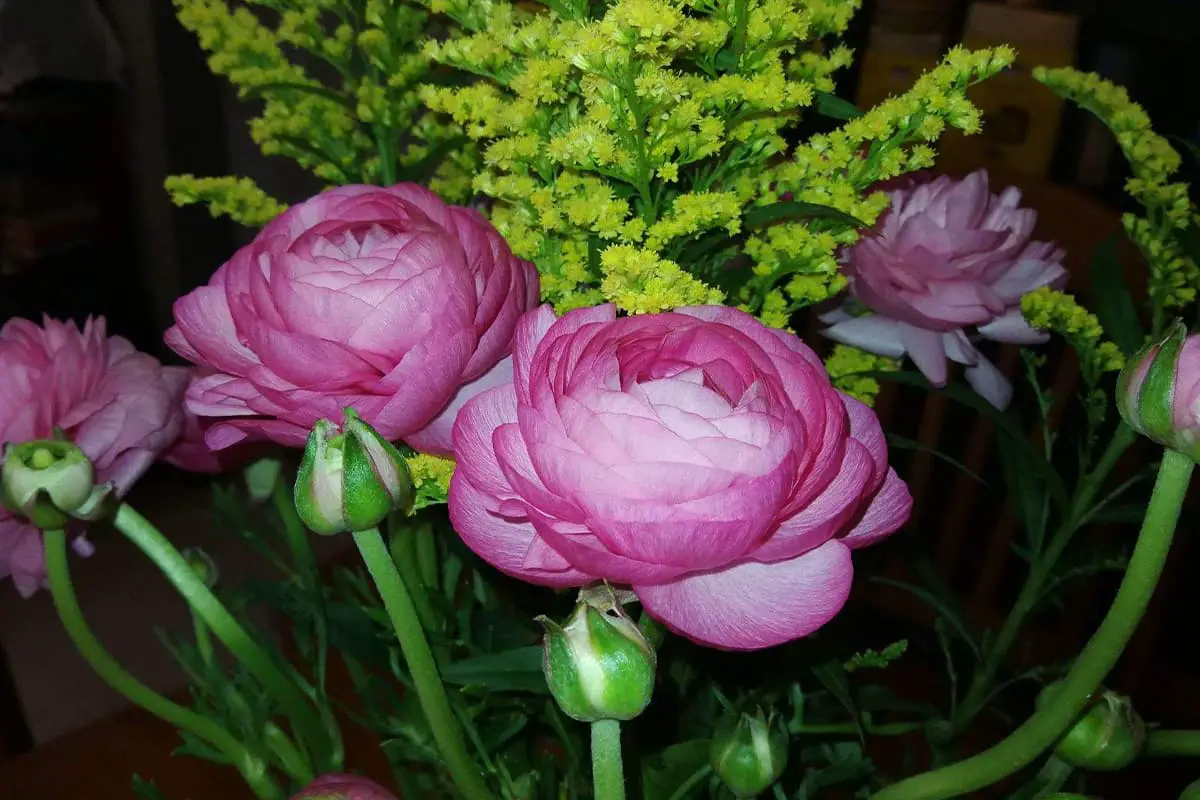
The Ranunculus is a charming and elegant perennial herbaceous flower with abundant and vibrant colors. The plant height is between 20 to 40 centimeters, with a spindle-shaped tuberous root, usually with several clustered at the root neck.
The stem is either single or slightly branched, hairy, with basal leaves being broad ovate and long-stalked, while stem leaves are stalkless, and divided into two to three ternate compound leaves. Flowers are solitary or few, terminal, with a diameter of 3 to 4 centimeters and bloom from April to May.
The plant has tiny spindle-shaped tubers underground, about 2 centimeters long and 1 centimeter in diameter. The above-ground plant is approximately 30 centimeters tall, with slender, erect stems, minimal branching, and rigid hair.
The basal leaves are long-stalked and elliptical, usually ternate with coarse, blunt serrations. Stem leaves are almost stalkless and pinnately dissected, with five to six segments that also have blunt serrations.
Single flowers grow at the top of the branches, or from the axils of the leaves on long stalks. The corolla is full and round, petals are flat and spread, with eight in each whorl, overlapping in layers.
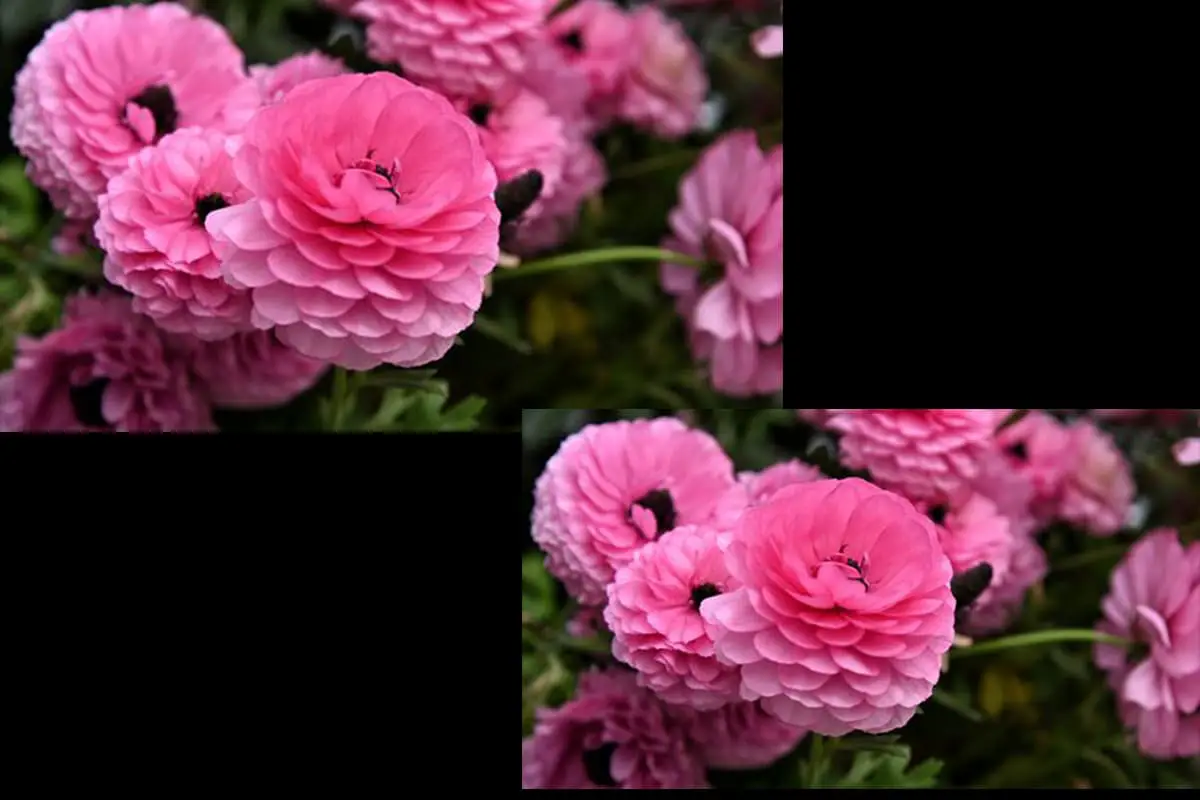
The flower diameter is between 3 to 4 centimeters or bigger, often several clustered at the root neck. The plant sends up above-ground stems in spring, either solitary or slightly branched. Stem leaves lack petioles, basal leaves have long stalks and look like celery.
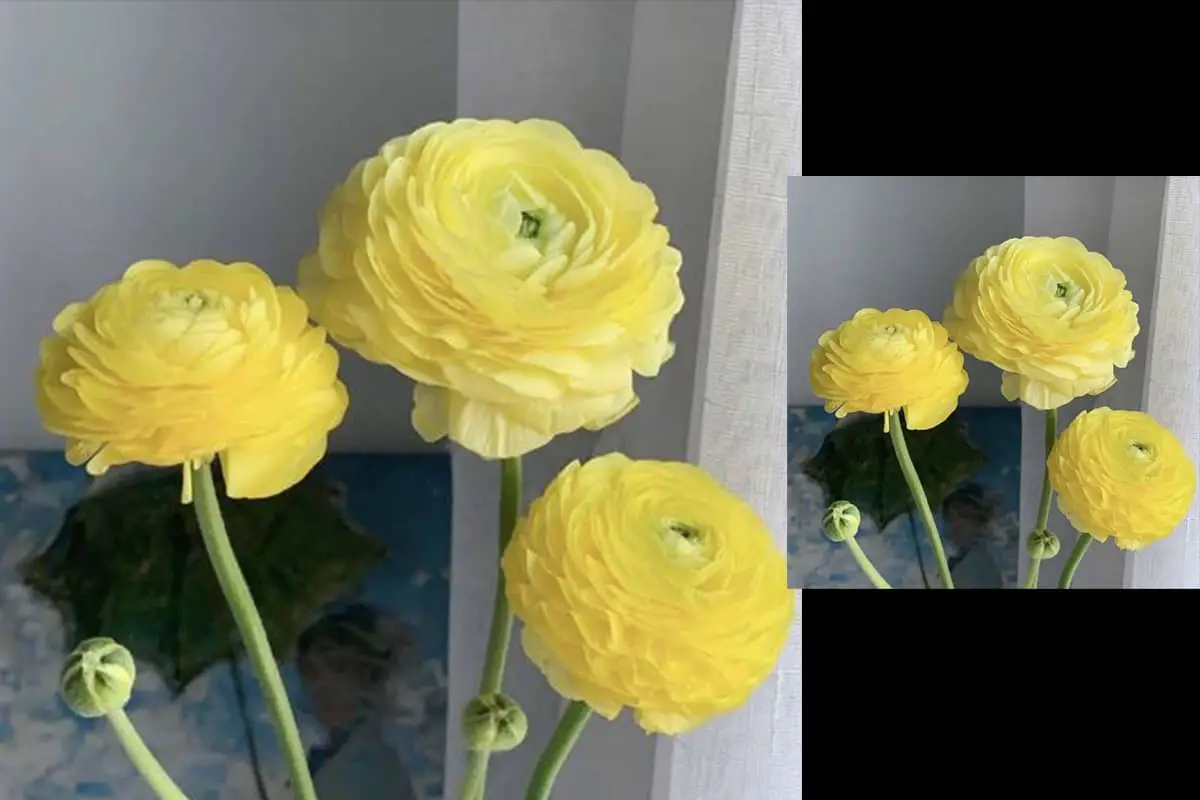
Each pedicel has one to four flowers, and Ranunculus can be divided into pot plants and cut flowers. There are double flowers, semi-double flowers, and a rich variety of colors including white, yellow, red, pink, bright red, orange, purple, and brown.
Ranunculus prefers cool environments, enjoys sunlight but also tolerates shade, dislikes extreme heat, and thrives in loose, fertile, well-drained sandy soil. The optimal growing temperature is between 10℃ to 20℃.
After June, the tuberous root enters a dormant period. Ranunculus is native to Western Asia, with Turkey at its center, and Southeast Europe. It favors mild climates, fresh and moist air, and slightly shady growing environments.
It cannot endure severe cold or extreme heat. For pot cultivation, it requires sandy culture soil that is rich in humus, loose, fertile, and has strong permeability.
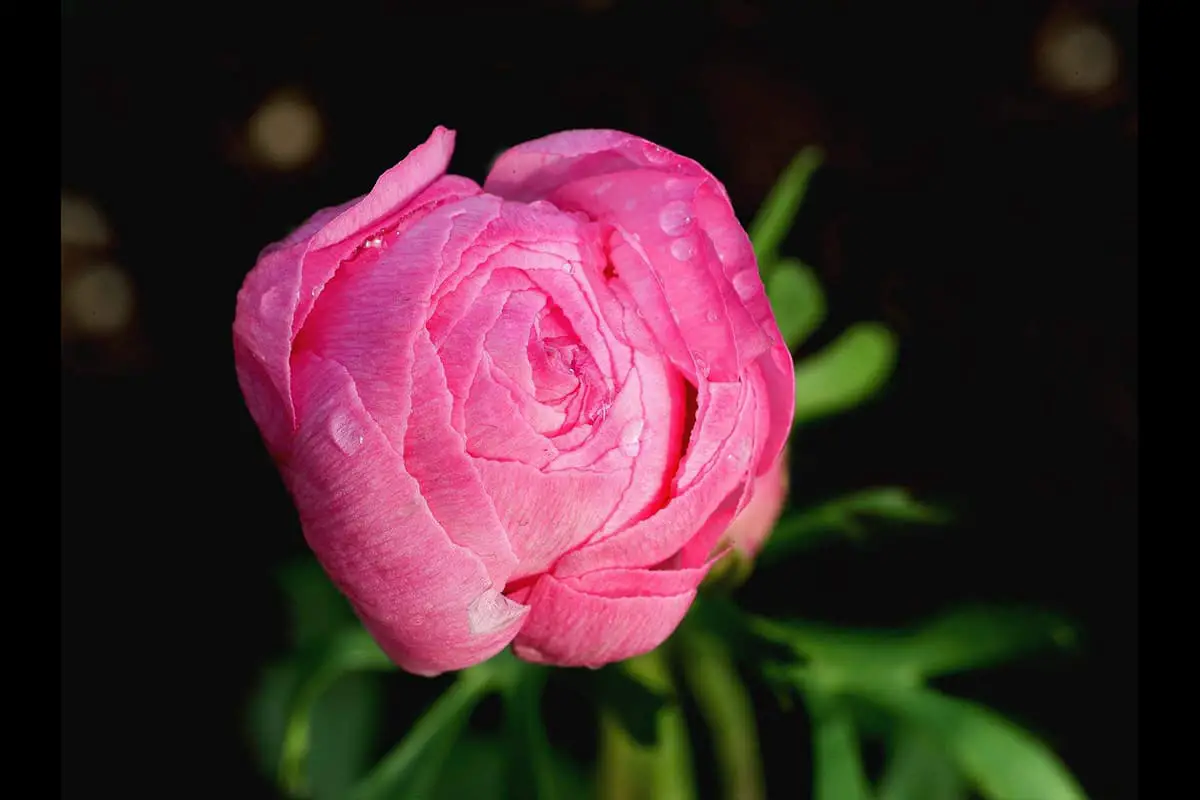
The Ranunculus flower, also known as the Buttercup, is native to the Southwestern part of Asia and Southeastern Europe, with Turkey at its center, and along the Mediterranean coast. It has been widely cultivated in European countries like France and Israel, and is now grown worldwide.
The propagation of the Ranunculus flower is primarily achieved through bulb division, seed propagation, and tissue culture propagation.
This method features a short reproductive cycle, early blooming, larger plant size, abundant flowering, and easy cultivation.
However, the propagation coefficient is low, and the propagation speed is slow, which does not meet the demands of large-scale production. Seed propagation has a high multiplication rate and vibrant colors, but fewer flowers and a longer growing period.
If no cooling measures are taken for early sowing, it only blooms in March or April and requires a high level of cultivation.
Although tissue culture propagation has a high propagation coefficient and fast speed, it has strict requirements on the inoculation period and the selection of explants. The propagation technique is difficult and costly, posing certain challenges in practical production.
Therefore, commercial Ranunculus bulbs are usually produced by seeding, and then the bulbs are used to produce finished Ranunculus flowers to enhance the cultivation benefits of potted Ranunculus flowers.
This is usually done in September or October. The bulbous roots are broken apart with their rhizomes for planting.
The potted Ranunculus primarily uses division propagation, usually carried out in the autumn months of September and October. After the bulbed roots that have been left in the pot to summer dormancy are dug out, the soil is shaken off, and they are naturally broken apart by hand.
Each separated part must have a section of the root neck and 1-2 new buds, along with 3-4 small bulbed roots. They are then soaked in a 1% KMnO4 solution for 3-5 minutes for sterilization, and after slightly drying, are planted.
To prevent the bulbed roots from rotting and to ensure uniform budding, sterilization is followed by sprouting treatment. Choose a cool, ventilated, and rain-sheltered place, spread a 5cm thick layer of clean wet river sand, and invert the bulbed roots in the wet sand, burying only the budding part, with the remaining part exposed.
Regularly spray cold water to keep the river sand from drying out or accumulating water; at the same time, spray a 50% carbendazim wettable powder 800 times solution once a week for disinfection to prevent the bulbed roots from rotting.
After the bulbed roots have slowly absorbed water and swelled at low temperatures for about 20 days, they are planted when the buds are as small as rice grains and new roots have grown.
The planting should not be too deep, just burying the root neck is enough. Planting too deep is not conducive to leaf emergence, and too shallow is not conducive to root development.
Before seedling emergence, control watering to keep the soil moist, and gradually increase the watering amount after the seedlings have emerged.
However, due to the short and dense bulbed roots, division is difficult, and the multiplication rate is too low, so seed propagation is commonly used in production.
Ranunculus flowers come in a variety of colors, and the planting proportion should be determined based on the market sales ratio of each color. The normal sowing period is from mid-October to mid-November.
After soaking the Ranunculus seeds in water for 24 hours, they are removed, wrapped in gauze, and placed in a constant temperature box for germination at around 15°C. Rinse the seeds twice a day with clean water, then drip dry to keep the seeds moist.
After about 7 days of germination, some seeds start to sprout, at which point they should be sown immediately. Once the germinated seeds are appropriately dried, mix them with some yellow sand, then evenly broadcast them at a rate of 2-3g per square meter.
Cover the seeds with a mixture of peat and perlite in a 1:1 ratio, with a thickness of 0.2-0.3cm. Choose a well-drained, well-lit and airy nursery with high relative humidity.
Prepare the seedbed with a mixture of domestic peat (from the Northeast) and perlite in a 3:1 ratio, water thoroughly, then cover with a layer of substrate (imported peat: perlite = 1:1). The substrate should have a pH of 6.0-7.5 and an EC value (salt content) of 0.5-0.7.
Protect the seedbed from wind, rain, pests and diseases by using protective materials such as insect nets, shading nets, and plastic films.
Monitor the weather closely, conduct regular inspections, and take preventive measures to avoid unnecessary losses. Seedlings should emerge about 5-7 days after sowing. Maintain substrate moisture and water as needed to ensure successful germination.
Transplant the Ranunculus seedlings when they have 3-4 true leaves, usually between mid-December and mid-January.
Choose a suitable transplanting site based on the production plan and crop rotation schedule, adhering to the principles of centralized seedling cultivation and nearby planting. It’s not advisable to transplant Ranunculus seedlings with soil.
Remove diseased and weak seedlings during transplantation, and discard seedlings with extremely short petioles, thick leaves, long petioles, and particularly small leaves.
The former results in dwarf plants, while the latter produces tall stems with small flowers, fewer tillers, and a low rate of double blooming. Ranunculus prefers slightly acidic conditions, so choose a loose, fertile sandy loam soil.
Use a mixture of garden soil, sandy soil, and mature cake fertilizer (chicken manure) in a ratio of 5:3:1, or use the same soil, leaf mold, mature organic fertilizer in a ratio of 4:2:1. The planting row spacing should be about 10cm, and the depth should not bury the heart of the plant.
To collect superior seeds, it’s necessary to identify the parent plant for seed collection based on the seed selection criteria, mark it for easy identification, and provide intensive care. During blooming, artificial cross-pollination between flowers or plants is performed.
When the anthers release pollen, it’s brushed onto the stigma of other flowers. Once the pollinated flowers’ petals fall off, forming a green aggregate fruit made up of tightly packed seeds, remove all other flowers and buds to concentrate nutrients for seed growth.
At the same time, ensure robust fertilizer and water management, as well as pest control, to facilitate vigorous growth of the plant, thereby producing more nutrients for the fruiting body and resulting in full, mature seeds.
In June, when the above-ground parts of the plant turn yellow and the aggregate fruit changes from green to yellow, indicating the seeds have matured, harvest the fruit. After drying, store it in paper bags in a well-ventilated, dry place until autumn sowing.
The normal sowing period for this plant is in autumn, ideally in October when the temperature drops below 20℃. However, due to varying temperatures in different years, the germination periods may differ.
If the seed germination temperature can be controlled at 10℃ to 15℃, germination occurs after approximately 20 days. If sown too early, with temperatures above 20℃, germination won’t occur until the temperature drops to the germination range, which extends the time needed for post-sowing germination.
If sown late, the plant won’t have sufficient nutrients for growth before winter, resulting in smaller flowers the following spring. If sown too late and the temperature drops below 5℃, germination won’t occur until the following February when temperatures rise.
To extend the nutritional growth period and cultivate high-quality plants, seeds can be sown in mid-to-late August. As the high temperature at this time is not conducive to seed germination, cold stratification is required.
This involves wrapping the seeds in gauze, soaking them in cold water for 24 hours, then placing them in a temperature-controlled box or refrigerator at 8℃ to 10℃.
Twice daily, remove the seeds, rinse with cold water, shake off excess water, and keep the seeds moist. After about 10 days, when the seeds begin to sprout, sow immediately. If possible, use alpine seedling cultivation methods.
Bergenia crassifolia prefers semi-shade conditions and cannot tolerate intense light. It requires ample sunlight in winter, and with the rise in temperature and increase in sunlight in spring, it should be moderately shaded and well-ventilated.
Being a long-day plant, lengthy daylight conditions promote bud differentiation, advancing the flowering period and early termination of nutritional growth, thus initiating bulb formation.
Under short-day conditions, the flowering period is delayed, but it encourages the growth of multiple lateral buds, enlarges the crown width, increases the number of flowers, and further improves the quality of pot flowers.
Based on actual needs, it is necessary to regulate long and short daylight hours to achieve the goal of advancing or delaying the flowering period.
Bergenia crassifolia likes moisture but fears waterlogging. It can tolerate drought to some extent but not severe drought. Particularly in the later stages of growth, excessive drought will force the plant into dormancy, resulting in a decrease in bulb quality.
After planting, the first watering should be thorough, subsequent watering timely, and evenly done to avoid over drying or waterlogging. The watering level should be such that the soil surface is dry, but the leaves do not wilt.
Before planting Bergenia crassifolia, well-rotted cake fertilizer or livestock manure and other organic fertilizers should be used as base fertilizer and evenly spread.
After transplantation, when the plant shows noticeable growth or new leaves grow, additional fertilizer should be applied. The initial concentration of fertilizer should be 0.1%, and later stages should be 0.15%~0.2%.
Urea with 46% nitrogen and 45% water-soluble compound fertilizer should be used alternately. Urea should be the main source in the initial stage and compound fertilizer in the later stage, applying once every 7 days.
In winter, compound fertilizer containing nitrate nitrogen should be used, and those containing chlorine should not be used. After flowering, apply 1~2 times of potassium-based liquid fertilizer to promote bulb enlargement.
Bergenia crassifolia prefers a cool environment. The most suitable growth temperature during the day is 15~20℃, and at night, it is 7~8℃.
The temperature should not be too high or too low, and the temperature difference between day and night should not be too large; otherwise, the growth and development of Bergenia crassifolia will be affected, resulting in a decrease in the number and quality of its flowers.
In the production process, the maximum temperature inside the plastic greenhouse should not exceed 22℃, and the minimum should not be below 0℃.
In general, using a single layer of greenhouse cover for growth in winter is better, and normal temperature management can be carried out after the heart leaves show noticeable growth.
After flowering, it is important to adjust the greenhouse temperature to 15℃ to prolong the flowering period. Dead flowers and diseased plants should be timely removed and pruned. Watering should be balanced to avoid over drying or waterlogging.
Pre-Harvest Management
The bulb of Bergenia crassifolia takes shape around bud differentiation but grows larger after flowering. At this time, if not leaving flower seeds, dead flowers and buds should be pruned.
Timely watering and application of 1 to 2 times of phosphorus and potassium-based liquid fertilizer should be carried out, promoting robust growth of Bergenia crassifolia, creating more nutrients for underground bulbs, encouraging their enlargement, and achieving full development.
It is also necessary to spray pesticides in a timely manner to prevent the harm of leaf miners.
Timely Harvesting
Harvest the Ranunculus flowers when the stems and leaves are completely wilted and nutrients have fully accumulated in the tuber. Avoid harvesting too early or too late.
Early harvests can lead to underdeveloped tubers with insufficient nutrients, which are prone to disease and rot during storage. Late harvests, especially during the hot and rainy summer season, increase the risk of tuber rot due to high humidity and soil moisture.
It is optimal to dig up the tubers during a dry, sunny period that lasts 2 to 3 days. Carefully dig up each tuber to avoid damaging it.
Post-Harvest Processing
After harvesting, clean the tubers of dirt and other debris, trim off the dead stems and leaves, and discard any diseased or damaged tubers.
After sorting by size, wash them thoroughly with water, then soak them for 2 to 3 minutes in an 800-fold solution of 50% Captan wettable powder for disinfection and sterilization.
Afterwards, spread them out to dry in a well-ventilated area out of direct sunlight. The layer of tubers should be thin to facilitate heat dissipation and evaporation of water, preventing the tubers from overheating and damaging the buds or causing mold.
After processing and drying, the tubers should be stored promptly. If left uncovered without protection, dormant tubers can easily be damaged by pests, high temperature, high humidity, and other unfavorable conditions, leading to rot and spoilage. Common storage methods include:
Ventilated Dry Storage Method
Place the Ranunculus tubers in containers like bamboo baskets, perforated cardboard boxes, or wooden crates, lined with waterproof paper or padding, no more than 20 centimeters thick, and store in a ventilated, dry, cool, and rain-protected area.
Alternatively, put the tubers in cloth bags, paper bags, or plastic woven bags and hang them in a ventilated, dry area at room temperature for storage.
Sand Layer Storage Method
Choose a well-ventilated, dry indoor area. Start with a 10-centimeter thick layer of sterilized, fine, and impurity-free dry sand, followed by a layer of tubers and another 5-centimeter layer of dry fine sand.
Repeat this layering process for 3 to 5 layers, forming a conical stack, and store the Ranunculus tubers evenly buried in the sand.
Pot Soil Storage Method
When potting, the tubers can be left in the original pot soil to over-summer. Trim off the dead stems and leaves above the ground, water the soil with a 0.3% potassium permanganate solution, and then stop watering and fertilizing to keep the pot soil permanently dry.
Place the pot in a ventilated, cool, and rain-protected area until the tubers are taken out for replanting in the fall.
When storing Ranunculus tubers, ensure that tools and storage areas are disinfected and the environment is kept dry and cool. On rainy days, ventilation should be increased to disperse moisture.
During storage, regular inspections should be conducted to immediately remove any tubers infected with mold or rot. Any neighboring contaminated tubers should also be removed, disinfected with a fungicide, dried, and then re-stored to prevent infection.
White rot is a fungal disease caused by small sclerotia, primarily affecting the base of the plant stem. In the early stages, irregular light brown spots, resembling water stains, appear at the base of the stem.
Later on, white silky mycelium develops at the affected area, gradually forming seed-like sclerotia, which initially are white, then turn yellow-brown to brown.
In severe cases, the base of the stem rots and dies, separating the above-ground parts from the roots, preventing water from rising, causing the branches and leaves to wilt, and leading to plant death.
The fungus survives winter in sclerotia in the soil or on diseased remains. Sclerotia can survive in the soil for several years and, under suitable conditions, germinate into mycelium, spreading in the soil from diseased to healthy plants.
Meanwhile, after the ascospores mature, they spread by wind and rain, infecting hosts upon contact. A temperature of around 20°C and relative humidity above 85% favor the spread of the fungus.
Conditions such as overcrowded planting, poor ventilation and light, continuous cropping, clayey soil, or poor drainage can worsen the disease.
Control Methods:
This disease mainly occurs during tuber storage, but can also occur during the growth period. Infected tubers turn dark brown or black.
In severe cases, the surface of the stored tubers is covered with a large number of asexual spores of mold, which can infect healthy tubers.
After planting infected tubers, rot accelerates under high humidity, and numerous hyphae grow on the soil surface of the planting tubers, and the tuber tissue in the soil rots.
If tubers are damaged during harvest or stored in places with poor ventilation and high humidity, blue mold disease can easily occur, causing severe harm.
Control Methods:
The pathogens are Ranunculus mosaic virus or Cucumber mosaic virus. The symptoms of damage are manifested as leaf roughness and mottling, displaying mosaic patterns and fading to green, or leaf shrinkage, thickening, and curling towards the leaf surface or underside.
The petioles shorten, taking on a clustered appearance. Affected flowers become twisted and deformed, shrinking and unable to bloom. When the damage is severe, the diseased plants are noticeably dwarfed, withering and dying.
The virus often parasitizes tubers or seeds, and the seedlings grown from infected seeds or tubers planted in production have a higher incidence of disease.
Additionally, the virus may be transmitted to Ranunculus during the growing period by aphids, thrips, or leaf miners, triggering viral disease. Overcrowded seedbeds or potted plants with too small a pot distance can also lead to inter-plant disease transmission.
Prevention methods:
During the growth of the plant, if the soil is sticky and highly alkaline, or in the case of low temperatures, excessive and prolonged soil moisture, and other adverse conditions, pathogens are easily triggered, causing the plants to contract root rot disease.
The roots rot and turn black or dark brown, the above-ground stems and leaves gradually wilt and yellow, and the plants die.
Besides, during tuber harvesting, conditions such as excessive soil moisture, soil compaction, mechanical damage during digging, undried surface moisture of stored tubers, excessive stacking, poor ventilation, and incomplete disinfection of tuber planting can also cause the tubers to contract the disease.
The internal tissue of the affected part turns from white to gray, the outer skin is covered with a layer of mycelium, and the tuber gradually rots.
Prevention methods:
Symptoms: Leaves show signs of chlorosis, and in severe cases, plant growth and development are poor.
Prevention methods:
Leafminer flies are quite common, mainly causing damage from February to April. Larvae eat the leaf tissues, forming serpentine white tunnels, and their excrement is a black continuous line in the tunnel.
Adult flies produce round injury spots by feeding and laying eggs. This damages the chloroplasts of the plant, reduces photosynthesis, and provides a way for disease and sporulation invasion.
The movement of the insect also spreads various viral diseases, causing disastrous effects on begonia cultivation.
Prevention and Treatment Methods: Comprehensive prevention must be adopted, with prevention being the main focus and overall monitoring of pest occurrence. Yellow sticky traps and chemical extermination can be used for control.
After the initial infestation or about 20 days after the peak of the female fly emergence, alternate and rotate the use of 75% Dimefluthrin wettable powder diluted 5000 times, 4.5% high-efficiency cyhalothrin emulsion diluted 1000 times, 50% Lorsban diluted 2000 times, and 25% Leafminer Net emulsion diluted 1500 times. Spray the pesticide every 10 days, continuously for three times.
In the early stages of infestation, use a 1.8% Abamectin emulsion diluted 3500 times, or 50% Anti-Aphid, 20% Mitesweep emulsion, or 10% Imidacloprid wettable powder diluted 2000 times as a spray treatment.
This plant’s low stature, vibrant color, erect flower stems, and unique, elegant flower shape make it a sight to behold. The blossoms are large, striking, and diverse, with compact, overlapping petals that shine in an array of rich, lustrous colors.
Its flowering period lasts from 30 to 40 days, offering a unique style and charm. It is an ideal choice for spring potted plants, outdoor flower bed decoration, landscape embellishment, and fresh cut flower production.
This plant thrives in shady environments, making it suitable for planting under tree clusters or on the northern side of buildings, where it is widely appreciated by consumers.
Its flowers are large, beautiful, and rich in color, reminiscent of peonies, hence it is colloquially known as the “Foreign Peony” in places like Kunming. It can be planted in forests, forest edges, along paths, or in courtyards.
It can also be used to adorn edges of grasslands, beside rockeries, or in flower beds and terraces. It is an indispensable part of flower landscapes and flower belts.
This emerging flower has significant economic benefits. While its development in the domestic market has been rapid, it still cannot meet the market demand, indicating a wide scope for future development.
This plant can be used to treat malaria, jaundice, migraines, stomachaches, rheumatic joint pain, crane’s knee wind, malignant sores, toothaches, and inflamed eyes. However, it is poisonous and contact can cause inflammation and blisters. It is not edible and can cause diarrhea and a slow pulse.
Flower Language: Popular.
In the 13th century, Franciscan friar St. Anthony attracted large numbers of believers whenever he preached Christian doctrines and gospel. He became very famous and the flower language of this plant is thus “popular.
Individuals who are blessed, congenial, talkative, and widely admired, loved, and supported by those around them are associated with this flower.
However, because of their wide network, they often find it difficult to form deep relationships, even with friends of the opposite sex. It is important to remember that while having many friends is good, having a confidant is even more crucial.

Peggie was once a high school mathematics teacher, but she set aside her chalkboard and textbooks to follow her lifelong passion for flowers. After years of dedication and learning, she not only established a thriving flower shop but also founded this blog, “Flowers Library”. If you have any questions or wish to learn more about flowers, feel free to contact Peggie.
 English
  العربية
  Bahasa Indonesia
  Deutsch
  Français
  Italiano
  Nederlands
  Português
  Русский
  日本語
日本語