600+ Types of Flowers A To Z (With Names and Pictures)
Types Of Flowers By Names (A-Z) Types Of Flowers By Color Types Of Flowers By Season Types Of Flowers By Blooming Time 600+ Types of Flowers No. Flower Name No.…

The Papaver somniferum, commonly known as the opium poppy, is an annual herbaceous plant belonging to the Papaveraceae family.
This remarkable species, standing 30-100 centimeters tall, features branching stems adorned with alternate, deeply pinnately lobed leaves. Its flowers, typically white or red but also occurring in shades of blue, dark red, or purple, have made it a popular ornamental plant.
However, it’s primarily known as the source of opium and various pharmaceutical opioids, placing it among the world’s most significant medicinal plants alongside cannabis and coca.
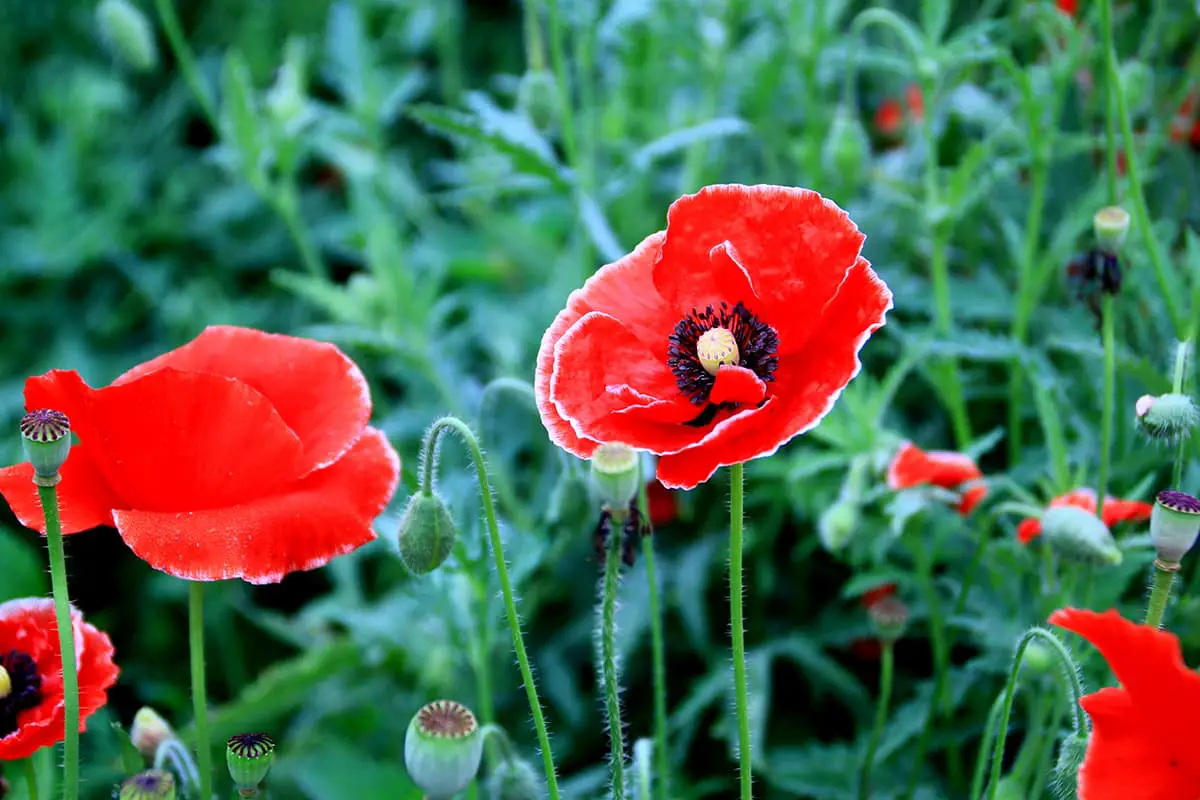
Papaver somniferum is characterized by its distinctive morphology. The plant’s stems branch out and are covered with spreading rough hairs. Its leaves, alternately arranged and deeply lobed, bear lanceolate or linear-lanceolate segments with rough hairs on both surfaces.
The flower buds are ovate and borne on long pedicels that droop before blooming. As the flower opens, the green sepals fall away, revealing broad ovate or nearly round petals, often with deep purple spots at the base. The numerous yellow anthers surround an ovoid pistil crowned with radiating stigmas. Flowering and fruiting occur from March to November, depending on the climate.
The species name “somniferum” means “sleep-inducing,” alluding to its narcotic properties. Beyond its medicinal applications, P. somniferum is valued for its edible seeds, which are rich in beneficial oils and widely used in culinary applications globally. The plant’s striking flowers also make it a prized ornamental species in horticulture.
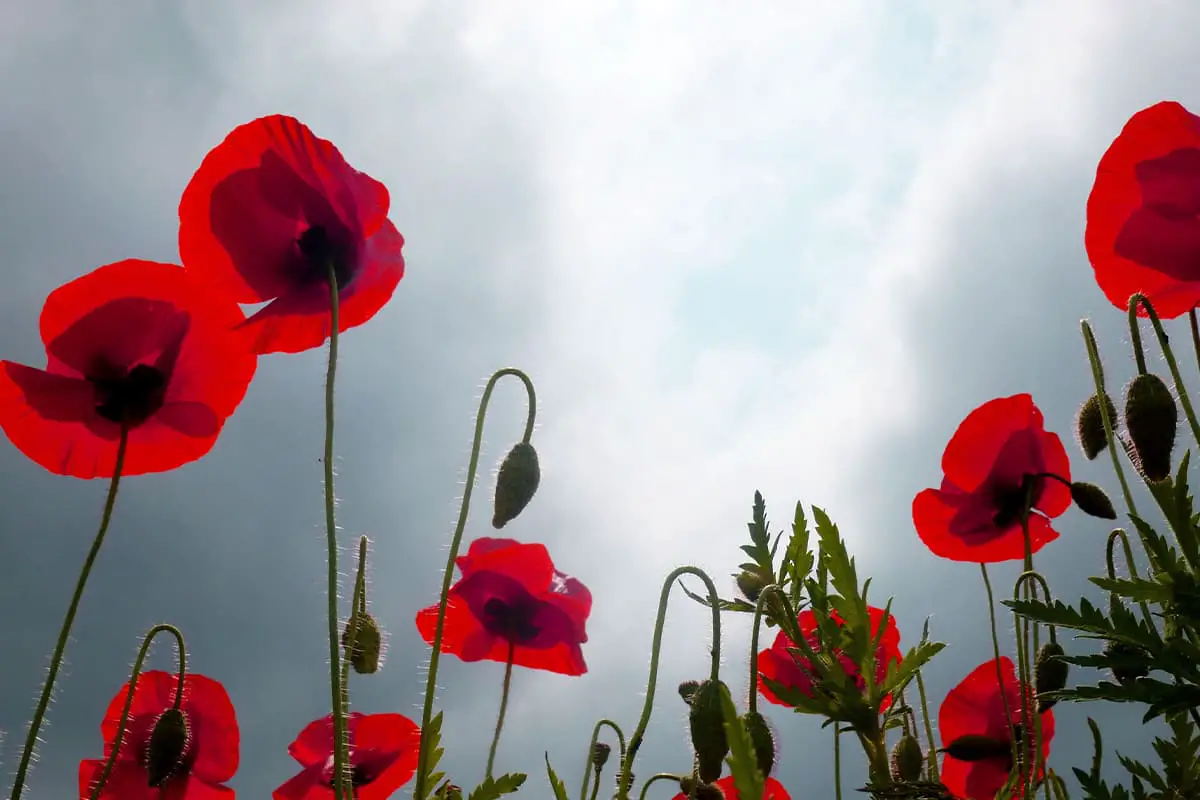
While all plants in the Papaver genus are broadly referred to as poppies, P. somniferum encompasses numerous subspecies and varieties. These differ in flower color, petal number and shape, fruit characteristics, and morphine content.
One notable subspecies is Papaver somniferum var. laciniatum, distinguished by its double flowers with richly colored, tightly arranged petals forming a fluffy, ball-like appearance.
Some cultivars, like ‘Norman’ and ‘Przemko’, have been bred for extremely low morphine content (less than 1%) but high concentrations of specific alkaloids. These varieties are less suitable for opioid production compared to traditional P. somniferum strains.
However, most varieties, including those cultivated for ornamental purposes and seed production, contain higher levels of morphine, averaging around 10%.
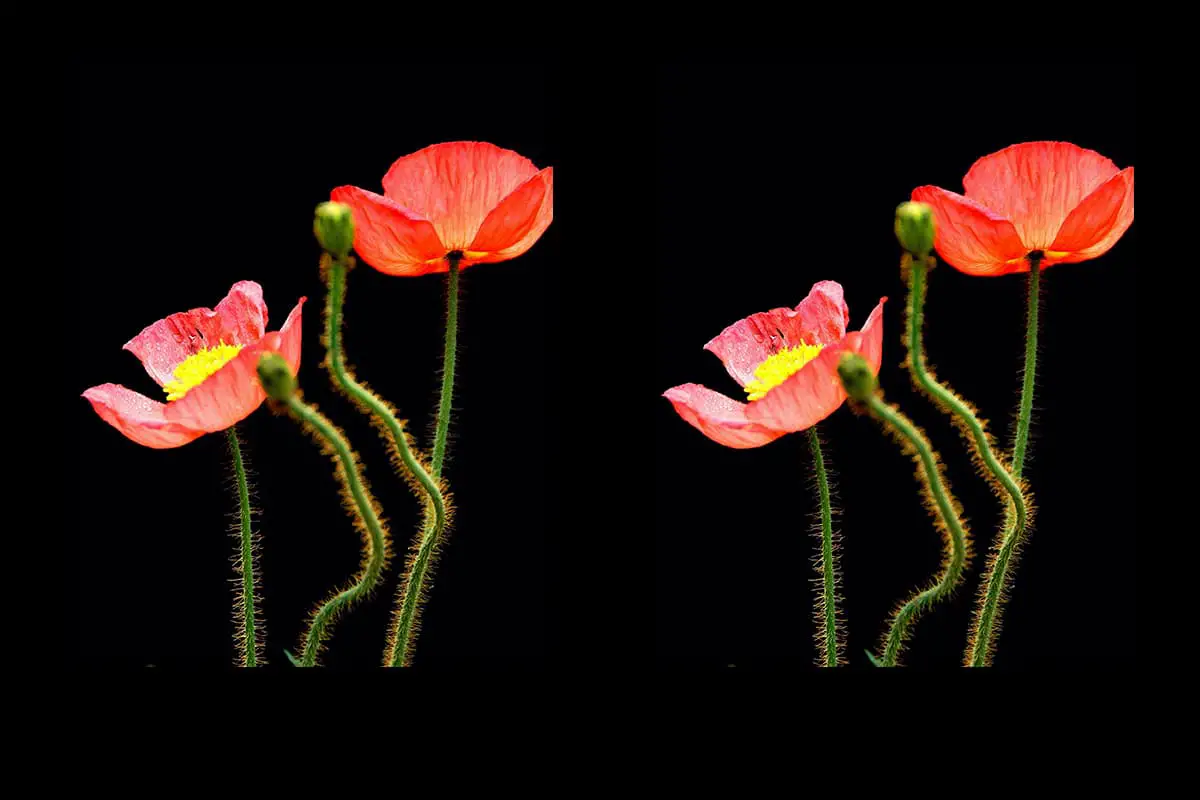
Papaver somniferum thrives in full sunlight and well-drained, nutrient-rich soil with slightly acidic to neutral pH (6.0-7.0). While it prefers moist conditions, it does not tolerate waterlogged soil or excessive rainfall. Optimal growth occurs in areas with moderate humidity and temperatures between 20-25°C (68-77°F).
The plant performs best at altitudes between 900 and 1300 meters above sea level. Due to its specific requirements, P. somniferum has a limited natural distribution but is cultivated in various regions globally.
Papaver somniferum is native to the eastern Mediterranean and western Asia. It has been cultivated for millennia and naturalized in many temperate regions worldwide. Major cultivation areas include parts of Southern Europe, India, Myanmar, Laos, and northern Thailand.
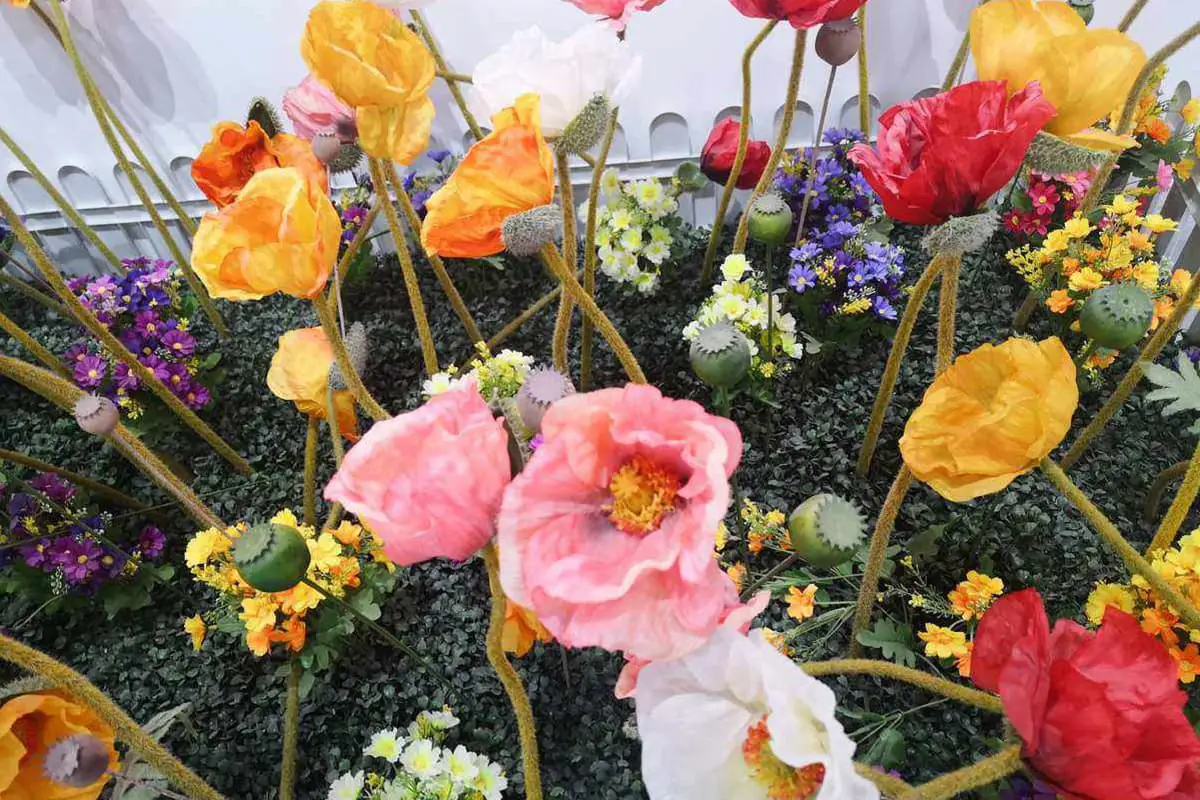
Papaver somniferum is an annual herb that can reach heights of 30-150 cm, depending on the cultivar and growing conditions. The plant is either glabrous or sparsely covered with stiff hairs, particularly at the base and on the main flower stalk.
Root System: The main root is nearly conical and grows vertically, with numerous lateral roots.
Stem: The stem is erect, usually unbranched, glabrous, and covered with a waxy, white bloom that gives it a bluish-green appearance.
Leaves: The leaves are alternate, 7-25 cm long, and vary in shape from oval to oblong. They have irregular, wavy, serrated edges and are hairless on both sides. Lower leaves have short petioles, while upper leaves are sessile and clasp the stem.
Flowers: The flowers are large and solitary, borne on stalks up to 25 cm long. Flower buds are ovoid to oblong, 1.5-3.5 cm long and 1-3 cm wide. The two sepals are broad and oval, falling off as the flower opens. The four petals are nearly round or fan-shaped, 4-7 cm long and 3-11 cm wide, with edges that may be smooth, wavy, or variously divided. Petal colors range from white to pink, red, purple, or multicolored.
Stamens: Numerous stamens surround the ovary, with linear filaments 1-1.5 cm long and oblong anthers 3-6 mm long.
Pistil: The ovary is spherical, 1-2 cm in diameter, crowned with 8-12 (sometimes 5-18) radiating stigmas united into a flat, discoid structure.
Fruit: The fruit is a capsule, spherical or oval, 4-7 cm long and 4-5 cm in diameter. It turns brown when mature and contains numerous small, kidney-shaped seeds.
Seeds: The seeds are small (about 1 mm), numerous, and typically black or dark grey with a distinctive reticulated surface.
While Papaver somniferum has significant medicinal value, its potential for abuse as a source of illicit opioids has led to strict regulation in many countries. Uncontrolled cultivation can contribute to environmental degradation and social issues associated with drug trafficking.
Legal cultivation for pharmaceutical purposes is tightly controlled and requires special permits in most jurisdictions. Many countries prohibit private cultivation of P. somniferum, even for ornamental purposes, due to its potential for misuse.
Papaver somniferum is a crucial source of several medically important alkaloids, including morphine, codeine, thebaine, and noscapine. These compounds are used to produce various analgesics, antitussives, and other pharmaceutical products. When used under medical supervision, these derivatives play a vital role in pain management and other therapeutic applications.
Poppy seeds, which contain negligible amounts of opiates, are widely used in baking and cooking. They are rich in essential fatty acids, proteins, and minerals, contributing both flavor and nutritional value to various dishes.
The striking flowers of P. somniferum make it a popular ornamental plant in gardens. Various cultivars have been developed for their aesthetic appeal, featuring diverse flower colors and forms.
Poppy seed oil, extracted from the seeds, has applications in the food industry and as a drying oil in paints and varnishes.
Papaver somniferum has played a significant role in human culture for thousands of years. It has been associated with sleep, death, rebirth, and oblivion in various mythologies and artistic traditions. The poppy’s dual nature – as both a source of medicine and potential addiction – has made it a powerful symbol in literature and art.
In conclusion, Papaver somniferum is a plant of extraordinary complexity and significance. Its unique biochemistry has made it indispensable in modern medicine, while its potential for misuse necessitates careful regulation.
As research continues, new applications and a deeper understanding of this remarkable species may yet emerge, further cementing its place as one of the most important plants in human history.

Peggie was once a high school mathematics teacher, but she set aside her chalkboard and textbooks to follow her lifelong passion for flowers. After years of dedication and learning, she not only established a thriving flower shop but also founded this blog, “Flowers Library”. If you have any questions or wish to learn more about flowers, feel free to contact Peggie.
 English
  العربية
  Bahasa Indonesia
  Deutsch
  Français
  Italiano
  Nederlands
  Português
  Русский
  日本語
日本語