600+ Types of Flowers A To Z (With Names and Pictures)
Types Of Flowers By Names (A-Z) Types Of Flowers By Color Types Of Flowers By Season Types Of Flowers By Blooming Time 600+ Types of Flowers No. Flower Name No.…

Oxalis corymbosa, commonly known as Pink Wood Sorrel or Large-flowered Pink-sorrel, is a charming perennial herbaceous plant belonging to the Oxalidaceae family. This guide will explore its unique characteristics, care requirements, and various uses in gardening and beyond.
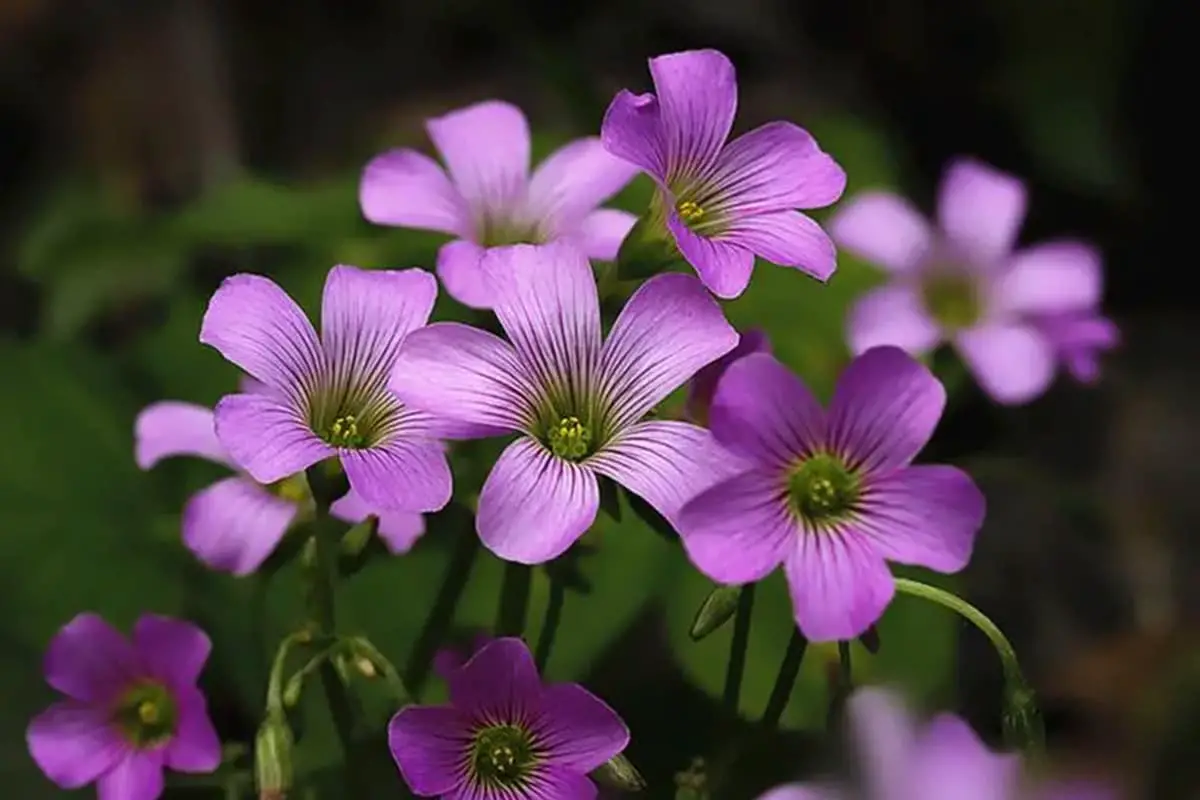
Oxalis corymbosa is a stemless plant with a distinctive underground structure:
Root system: Consists of a bulbous corm covered in brown, membranous scales. The outer scales have three prominent veins and are fringed with long hairs, while inner scales are triangular and smooth.
Leaves: Emerge directly from the base, with hairy petioles 5-30 cm long. Each leaf comprises three leaflets that are:
Flowers: Borne on cymose inflorescences that often appear umbel-like:
Blooming period: March to December
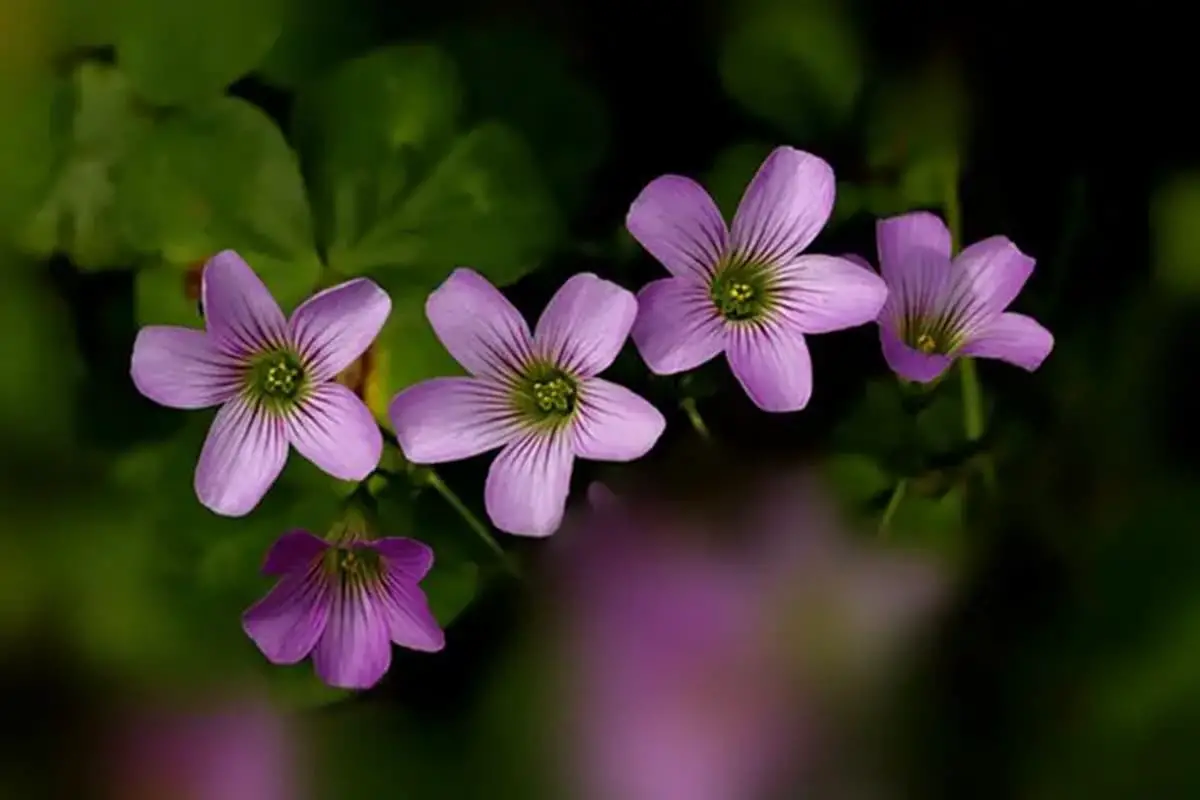
Oxalis corymbosa thrives under the following conditions:
Native to tropical South America, Oxalis corymbosa has naturalized in many warm regions worldwide. It’s commonly found:
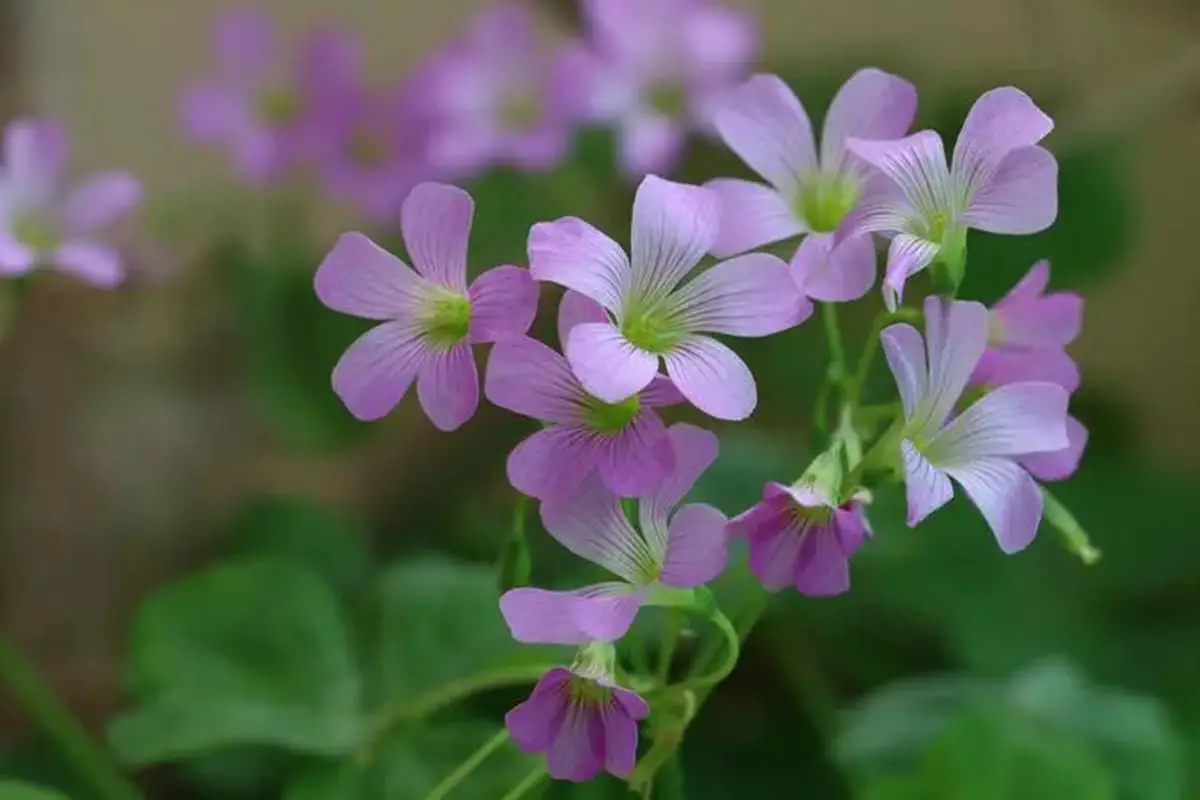
Oxalis corymbosa rarely produces viable seeds in cultivation, so vegetative propagation methods are preferred:
Division:
Bulb scaling:
Cultivation tips:
The primary pest concern for Oxalis corymbosa is spider mites. To manage infestations:
Oxalis corymbosa is prized in landscaping for its:
It’s particularly effective:
In traditional medicine, Oxalis corymbosa has been used for various purposes:
Oxalis corymbosa is a versatile and attractive plant that offers both ornamental and potential medicinal value. Its ease of care and propagation make it a popular choice for gardeners, while its unique appearance adds charm to various landscape designs. By understanding its growth requirements and management needs, gardeners can successfully cultivate this delightful species and enjoy its beauty throughout much of the year.

Peggie was once a high school mathematics teacher, but she set aside her chalkboard and textbooks to follow her lifelong passion for flowers. After years of dedication and learning, she not only established a thriving flower shop but also founded this blog, “Flowers Library”. If you have any questions or wish to learn more about flowers, feel free to contact Peggie.
 English
  العربية
  Bahasa Indonesia
  Deutsch
  Français
  Italiano
  Nederlands
  Português
  Русский
  日本語
日本語