600+ Types of Flowers A To Z (With Names and Pictures)
Types Of Flowers By Names (A-Z) Types Of Flowers By Color Types Of Flowers By Season Types Of Flowers By Blooming Time 600+ Types of Flowers No. Flower Name No.…

Musa coccinea, commonly known as the Scarlet Banana or Chinese Banana, is a striking perennial herbaceous plant belonging to the genus Musa within the Musaceae (banana) family. This comprehensive description covers its morphology, cultivation techniques, and uses.
Height: The pseudo-stem grows 1-2 meters tall.
Leaves: Large, oblong leaves measure 1.8-2.2 meters in length and 68-80 centimeters in width. The upper surface is yellow-green, while the underside is pale yellow-green, lacking any powdery white coating. The leaf base is notably asymmetrical, rounded, and without auricles. Leaf stalks (petioles) are 30-50 centimeters long with narrow, spreading wings.
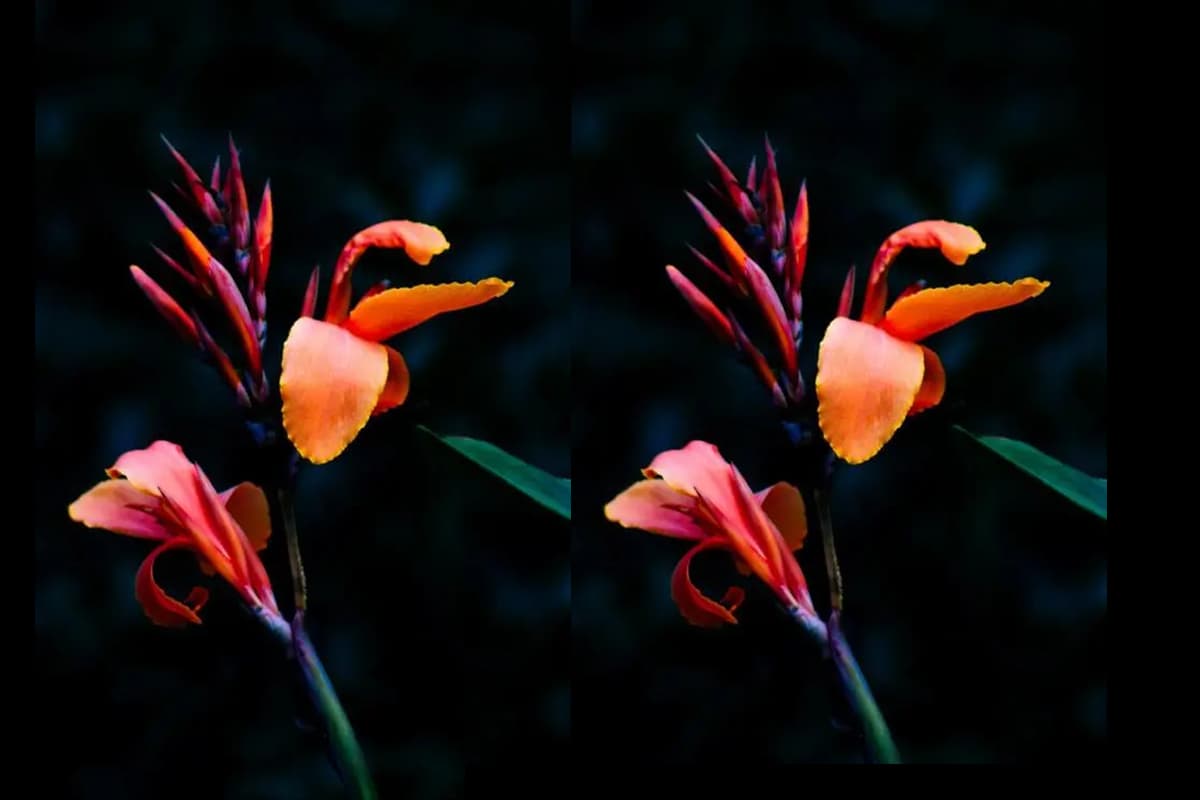
Inflorescence: The inflorescence is erect with a glabrous rachis. Bracts are vividly red on the outer surface and pink with prominent wrinkles on the inner surface. Each bract encloses a single row of approximately six flowers.
Flowers: Male flowers have cream-yellow tepals. The fused tepals have 5 (3+2) toothed lobes, with angled lateral lobes. Free tepals are pointed at the tip, finely toothed, and nearly equal in length to the fused tepals.
Fruit: The fruit is a straight, greyish-white berry without ridges, hanging obliquely on the rachis. It measures 10-12 centimeters in length and about 4 centimeters in diameter, with a fruit stalk 3-3.5 centimeters long. The berries contain abundant seeds.
Flowering period: Summer and fall.
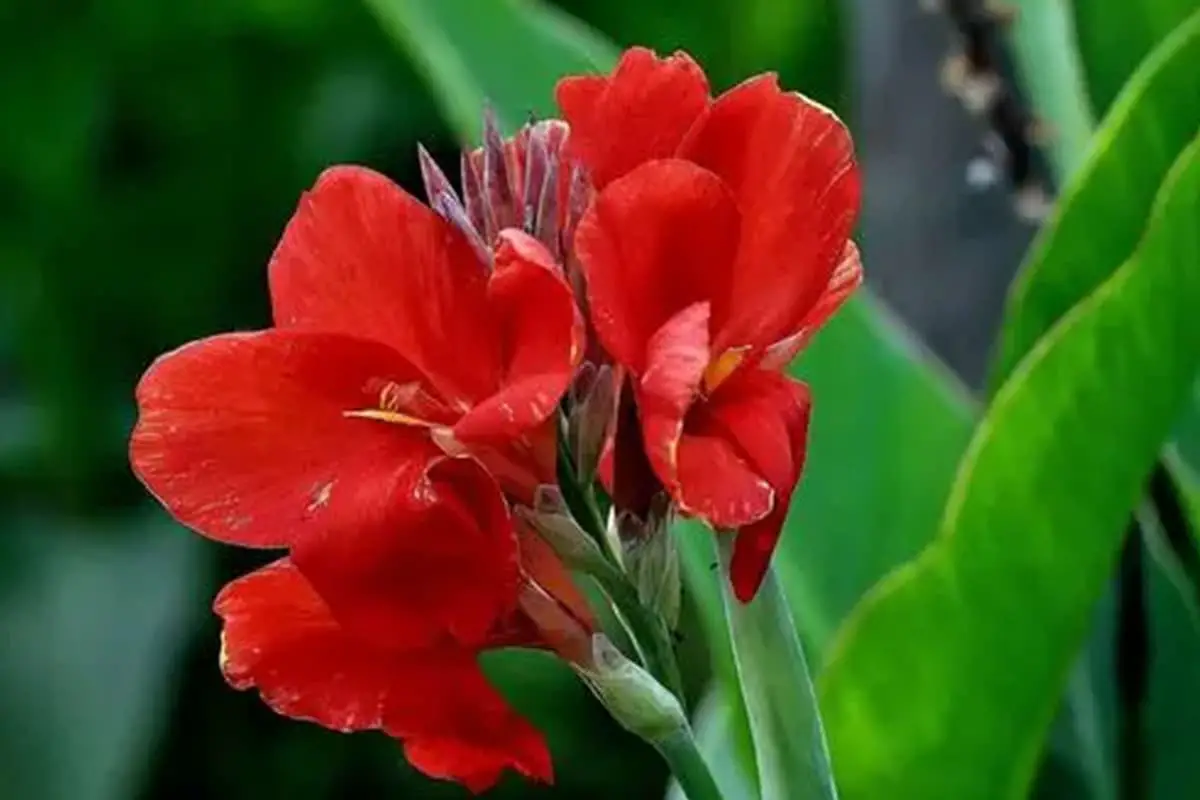
Container: Use large terracotta pots with well-draining holes.
Soil: Loose, fertile, humus-rich sandy soil.
Watering: Maintain moist soil during the growing season. Follow the principle of thorough drying before thorough watering to prevent waterlogging.
Light: Regularly move indoor plants outside for sun exposure to maintain vibrant, glossy leaves.
Temperature management:
Humidity: During winter, spray leaves regularly with 25°C warm water to maintain appropriate air humidity.
Planting method: Often cultivated on a large scale for cut flowers. In warm southern regions, plant outdoors in sheltered, sunny locations. In northern areas, cultivate in solar greenhouses.
Propagation: Primarily use tissue-cultured seedlings for large-scale cultivation. Division seedlings or seed-grown seedlings are also viable options.
Spacing: Optimal plant row spacing is 75 cm × 75 cm.
Transplanting: Minimize root damage during transplanting. Water thoroughly after planting to ensure good soil-root contact. Leaf spraying can aid root recovery and promote new shoot growth from rhizomes.
Temperature: Optimal growth range is 24-30°C. Maximum summer temperatures should not exceed 35°C. Flowering continues as long as winter nighttime temperatures remain above 15°C. Susceptible to frost damage below 4°C.
Light: Requires ample sunshine, especially in spring and autumn. Provide appropriate shading in summer to prevent leaf scorching. Grows best in semi-shade conditions with calm winds.
Soil: Prefers loose, fertile, organic-rich, well-drained acidic soil with a pH of 5-7. A mixture of garden soil, peat, and coarse sand is suitable.
Moisture: Not drought-tolerant. Maintain consistent soil moisture during the growing season. Increase watering frequency during dry summers and the May-June flowering period. Avoid waterlogging to prevent tuber rot.
Fertilizer: Apply base fertilizer before planting (800-1000 kg decomposed cake fertilizer and 40-50 kg superphosphate per 100 square meters). During the growing season, apply monthly fertilizer, preferably decomposed cake fertilizer solution. Before flowering, use a high nitrogen and potassium fertilizer (e.g., 18-6-12 NPK ratio).
Pruning: Regularly remove yellow, broken, and old leaves. After flowering, prune spent branches to maintain ventilation, light penetration, and aesthetic appeal. Repot annually for potted plants.
The Red Banana is prized for its elegant stature and vibrant red bracts, making it an excellent ornamental plant for temperate regions. It’s particularly suited for:
Its lasting bloom and tropical appearance embody the quintessential charm of southern landscapes.
The bright, upright red inflorescence serves as an excellent material for floral arrangements and cut flowers.
This comprehensive guide covers the ornamental uses, pest management strategies, growth requirements, natural distribution, and propagation techniques for the Red Banana (Musa coccinea), providing valuable information for both hobbyists and professional horticulturists.

Peggie was once a high school mathematics teacher, but she set aside her chalkboard and textbooks to follow her lifelong passion for flowers. After years of dedication and learning, she not only established a thriving flower shop but also founded this blog, “Flowers Library”. If you have any questions or wish to learn more about flowers, feel free to contact Peggie.
 English
  العربية
  Bahasa Indonesia
  Deutsch
  Français
  Italiano
  Nederlands
  Português
  Русский
  日本語
日本語