600+ Types of Flowers A To Z (With Names and Pictures)
Types Of Flowers By Names (A-Z) Types Of Flowers By Color Types Of Flowers By Season Types Of Flowers By Blooming Time 600+ Types of Flowers No. Flower Name No.…

The Moluccella laevis, commonly known as the Shellflower, is a herbaceous plant within the mint family, typically growing to heights of 50-60 centimeters. Its stem is square and does not branch out.
The leaves are heart-shaped and grow in pairs, with jagged edges. The white flowers resemble the shape of a shell, hence the name, and bloom in June and July. The shellflower is a sun-loving plant that thrives in well-drained soil.
Its unique, elegantly beautiful flower shape makes it a popular choice for floral arrangement fillers. It also serves as an attractive dried flower or potted plant. Numerous garden varieties exist, with the majority featuring green bracts, though white and yellow varieties are also available.
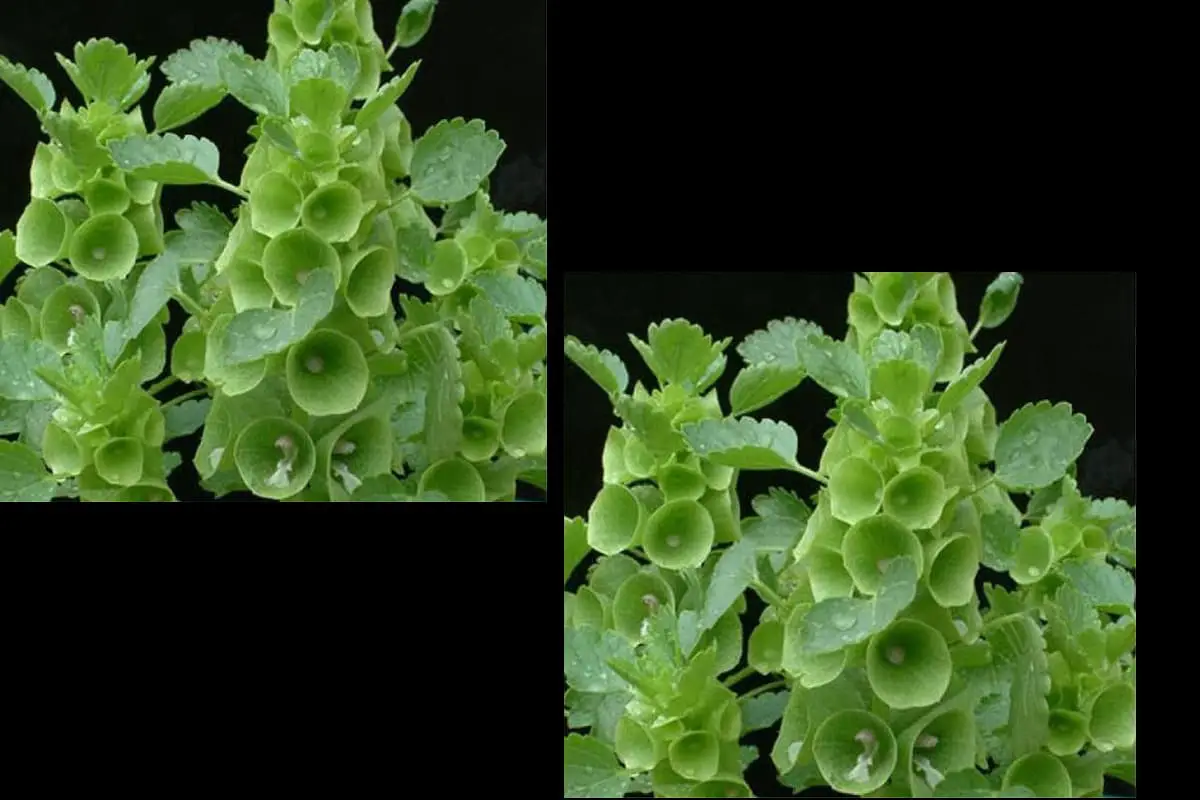
The plant ranges in height from 40-100 cm. Its heart-shaped leaves grow in pairs and have blunt teeth. The seeds of the shellflower are triangular. The seedlings emerge around a week after sowing, but their growth is slow, only developing true leaves after around 20 days.
They remain small even after a month. After about two months, the plant starts to take shape and begins to flower around the third month. The small trumpet-like structures are its calyxes.
The small flowers are white, arranged in whorls of six, with a shell-like, fragrant green calyx. The flowers bloom from June to July.
The flower has a lip-shaped corolla, and a green calyx resembling a shell, giving the plant its name. The plant has a straight stem, a four-sided stalk, and weak branching power.
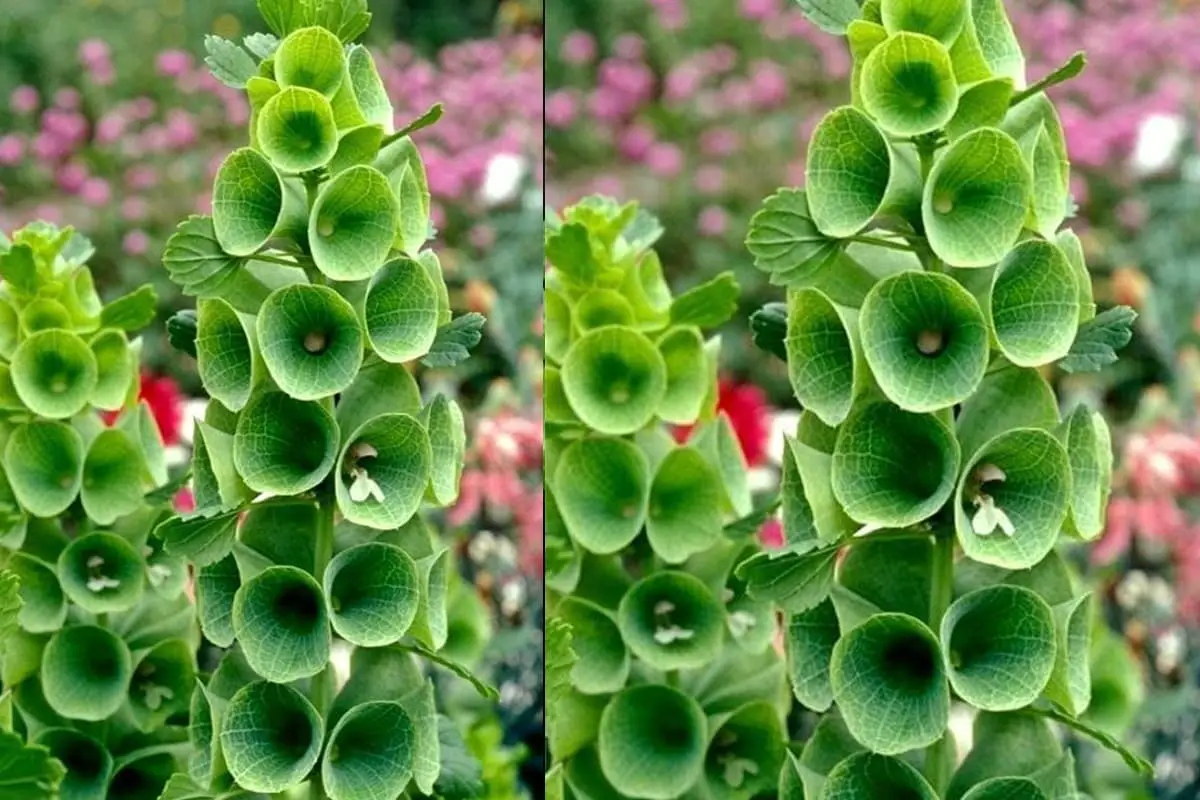
The shellflower is a decorative plant that enjoys sunlight and well-drained soil.
Western Asia and Syria.
Shellflowers are propagated by sowing seeds, which can be done in autumn, winter, or early spring.
Propagation by seed can be done in spring, summer, or autumn. The optimal temperature for sowing is 15-25°C. Germination occurs in about a week. When the plant has 5-6 true leaves, it can be transplanted.
The best soil for cultivation is fertile, loose, and well-drained. The soil should not be too sticky, as this will hinder sprouting and slow growth. After successful transplantation, start fertilizing once every half month, and stop fertilizing after the plant flowers.
To encourage branching, you can pinch the plant. Shellflowers are robust and rarely affected by pests, but beware of the potential harm from leaf miners. For viewing purposes, you can sow in stages.
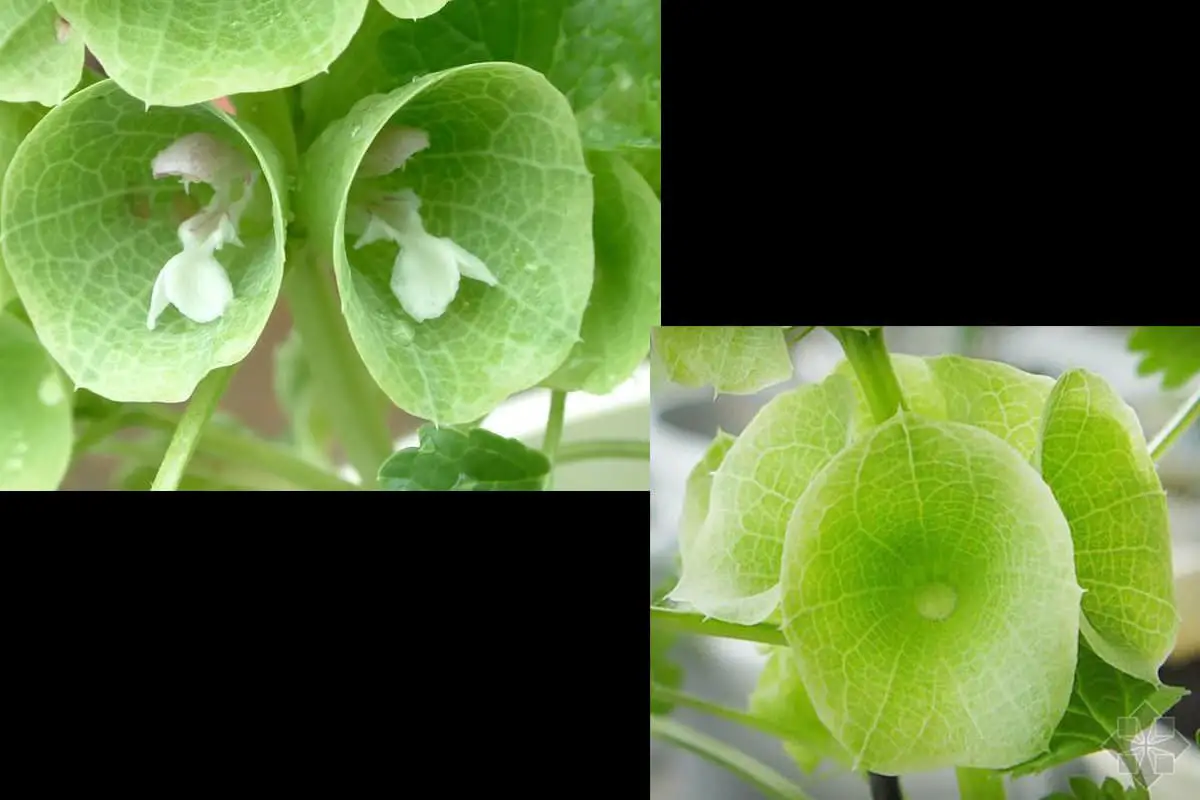
Fertile, well-drained soil is crucial. After transplanting 5-6 leaf seedlings, fertilize and water the plant. To encourage branching, pinch the plant in its early stages. This plant is relatively easy to manage.
It grows strong and is rarely diseased, but leaf miners may occasionally appear, so preventive measures should be taken.
The Shellflower, with its unique and elegantly beautiful flower shape, is a popular choice for floral arrangement fillers, and can also be used as a dried flower or a potted plant for viewing.
Various garden varieties exist, with the majority featuring green sepals, although white and yellow varieties are also available.
Each shellflower pot can absorb 150g of carbon dioxide and release 56g of oxygen annually, making it a very eco-friendly plant.
The Shellflower symbolizes allure, coquettishness, and an exclusive love.

Peggie was once a high school mathematics teacher, but she set aside her chalkboard and textbooks to follow her lifelong passion for flowers. After years of dedication and learning, she not only established a thriving flower shop but also founded this blog, “Flowers Library”. If you have any questions or wish to learn more about flowers, feel free to contact Peggie.
 English
  العربية
  Bahasa Indonesia
  Deutsch
  Français
  Italiano
  Nederlands
  Português
  Русский
  日本語
日本語