600+ Types of Flowers A To Z (With Names and Pictures)
Types Of Flowers By Names (A-Z) Types Of Flowers By Color Types Of Flowers By Season Types Of Flowers By Blooming Time 600+ Types of Flowers No. Flower Name No.…

The Hoya carnosa, also known as Wax Plant, Porcelain Flower, or Rope Plant, is a perennial plant of the Apocynaceae family and Hoya genus. It is a climbing shrub that grows on trees or rocks, with aerial roots on its nodes.
The plant is cultivated or grows wild in tropical and subtropical regions, thriving on plains, in forests, or in gardens. The umbel-shaped inflorescences are axillary, bearing about 30 flowers.
The white flowers are 2 cm in diameter, with radial corollas, short corolla tubes, and hairless outer lobes. The inner lobes have many papillary protrusions. The plant flowers from April to June and fruits from July to August.
Hoya carnosa is used in traditional medicine to treat lung heat cough, abscesses, scrofula, insufficient lactation, joint pain, and orchitis.
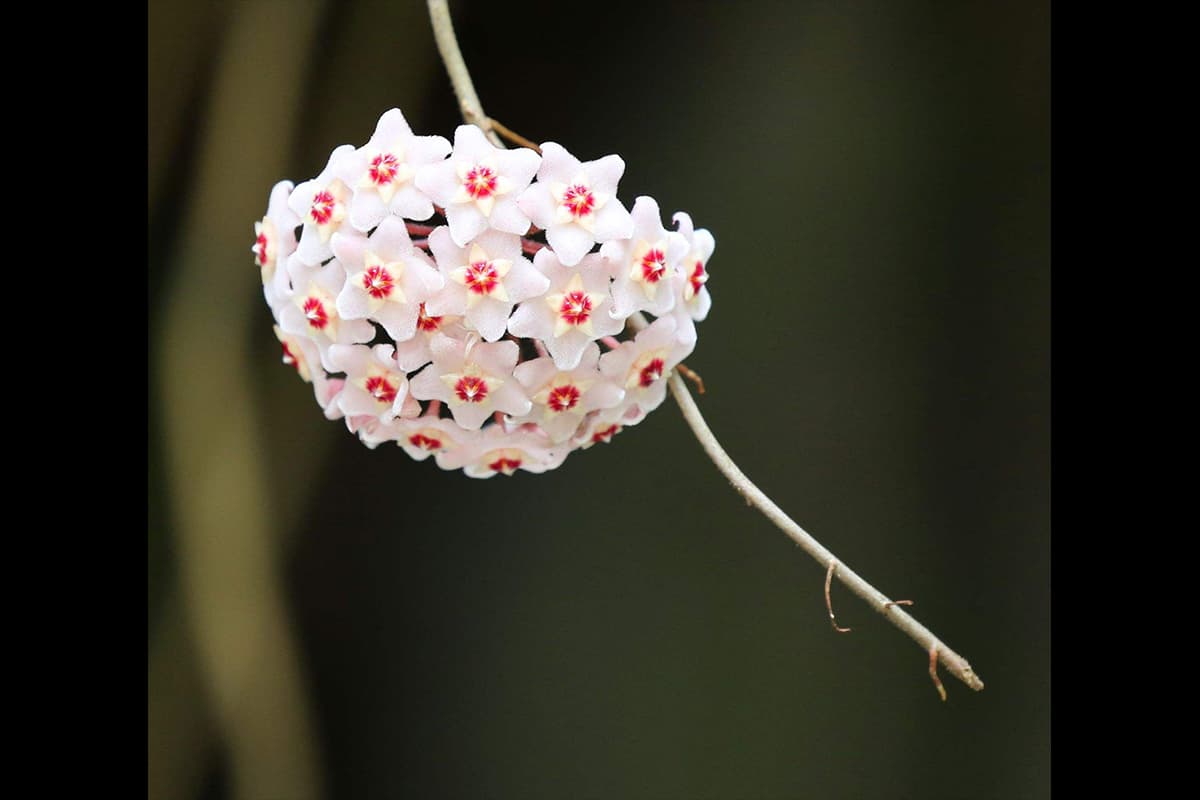
The Hoya carnosa is a climbing shrub that grows on trees or rocks, with aerial roots on its nodes. Its leaves are opposite, fleshy, ovate to elliptic, 3.5-12 cm long, 3-4.5 cm wide, blunt at the apex, and round at the base. The leaves have about 4 pairs of indistinct lateral veins.
The plant produces axillary, umbel-shaped inflorescences that bear about 30 flowers. The white flowers are 2 cm in diameter. The corolla is radial, with a short tube and hairless outer lobes.
The inner lobes have many papillary protrusions. The secondary corolla is star-shaped, with acute outer angles, a protruding midrib, and margins that are reflexed to form a single aperture.
The inner angles are acute and erect. Each pollen sac contains one elongated, transparent pollen mass.
The follicles are linear, smooth, and 7.5-10 cm long. The seeds have white silky hairs at the apex. The plant flowers from April to June and fruits from July to August.
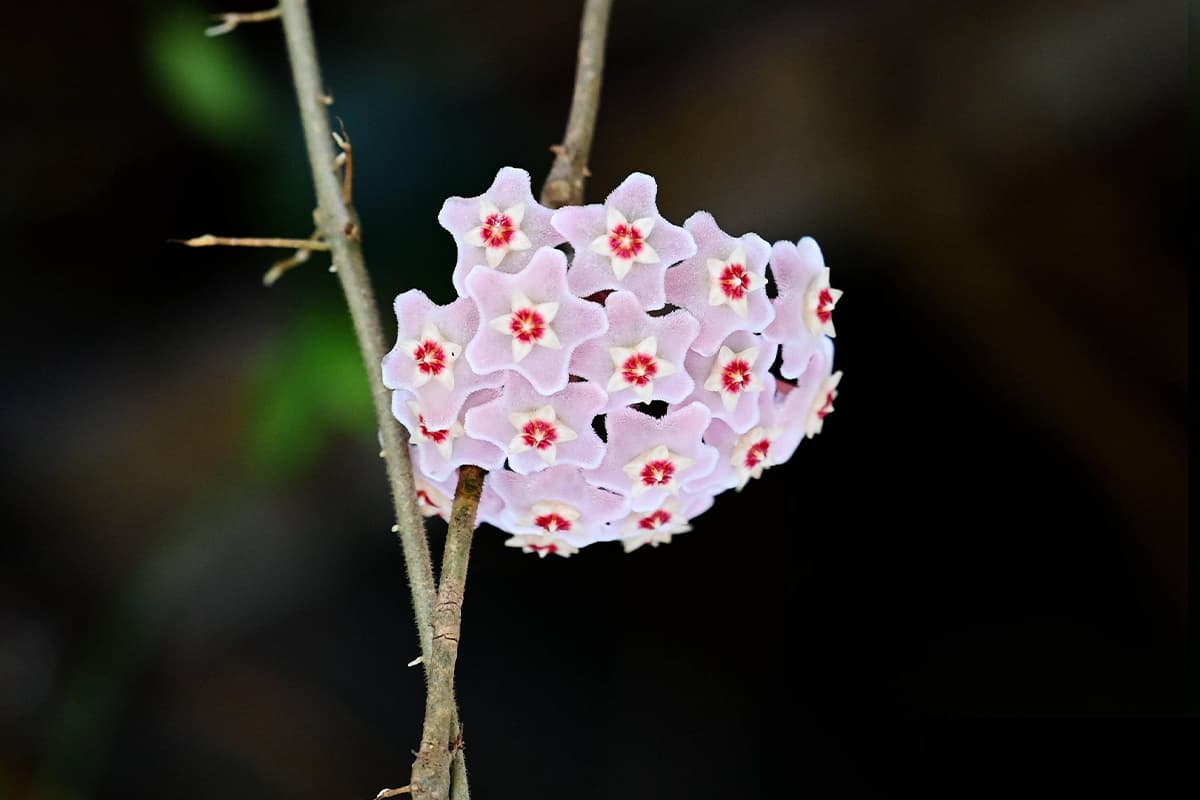
Hoya carnosa often grows on tree trunks or rocky cliffs. It likes a warm, dry, high-temperature, high-humidity, semi-shaded environment. During the summer and autumn, it requires high air temperatures and must avoid harsh sunlight.
If exposed to too much sunlight, the leaves will turn yellow and lose their gloss. Its optimal growth temperature is between 20-25°C. Apart from warm regions in South China, potted plants need to be kept in greenhouses during winter, as the winter temperature should not drop below 1°C.
The plant can only flower when it receives 3-4 hours of sufficient sunlight per day. In areas with insufficient light, it is often potted for its leaves. It grows vigorously in humus-rich soil with good drainage, and is particularly suitable for high light exposure and slightly dry soil.
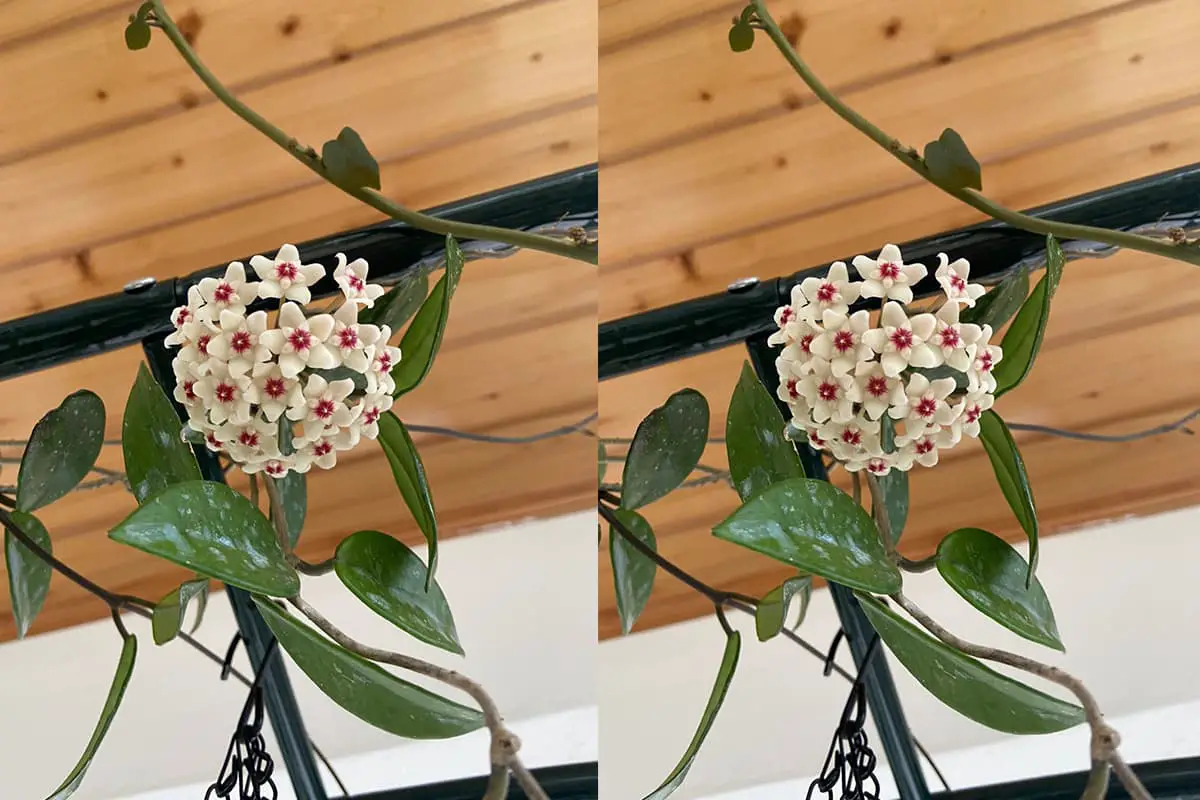
Commonly used methods include cuttings and layering.
Leaf spot and powdery mildew sometimes occur. In the early stages of disease, spray with a solution of 50% carbendazim wettable powder at 1000 times dilution, or 70% mancozeb zinc wettable powder at 700 times dilution.
Pests include scale insects, which can be sprayed and killed with a solution of 25% thiazolidinone wettable powder at 1500 times dilution.
Orchid Anthracnose
Orchid anthracnose usually infects through wounds, manifesting as black spots on the leaves. At first, several pale yellow, dark brown, or pale gray areas appear on the leaf surface, sometimes forming several black lines.
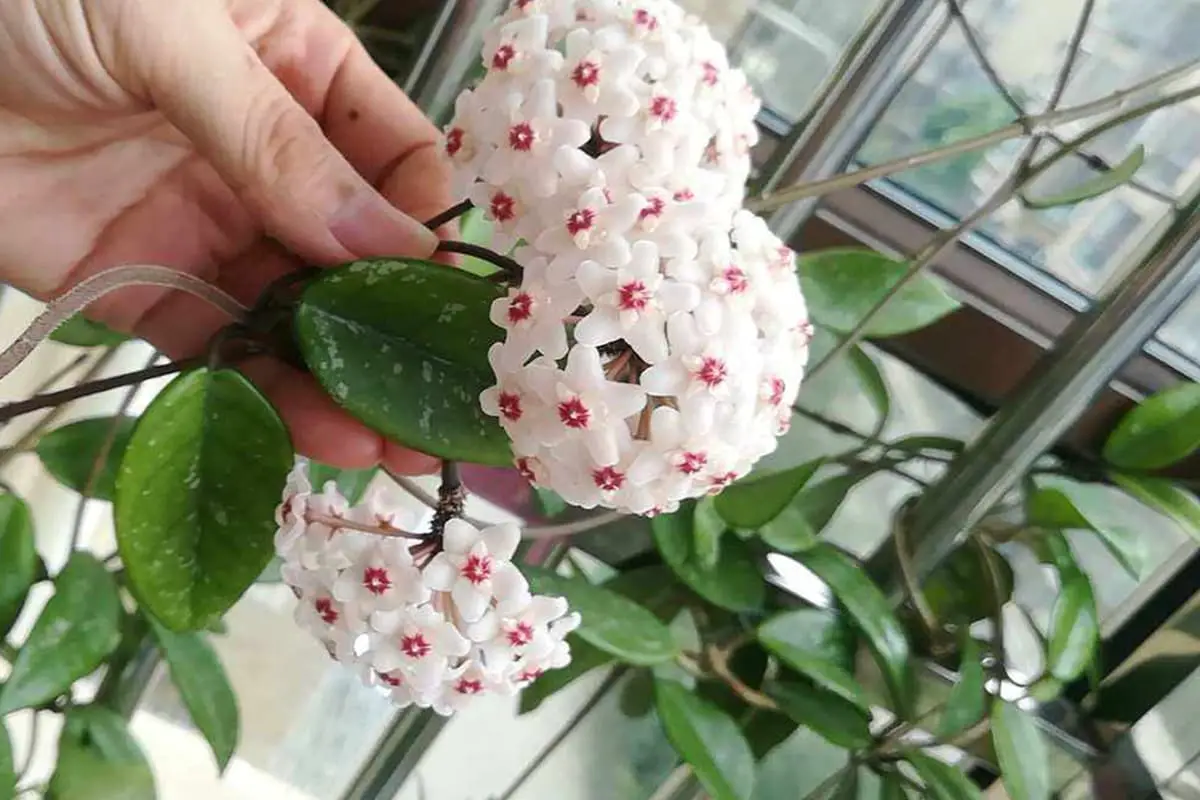
When the disease spots expand, the surrounding tissue turns yellow or gray-green and sinks, which can cause the entire plant to die in severe cases.
Prevention and Treatment: Strengthen management, do not plant too densely, maintain good light and ventilation, water from the edge of the pot. If there are damaged leaves, prune the diseased leaves in time, avoid sunburn, cold damage, fertilizer damage, and pesticide damage, and reduce the occurrence of anthracnose.
For regular prevention, spray with 80% anthrax Fumei 600 times liquid or 70% methyl tobutin 1000 times liquid.
Orchid Soft Rot
Orchid soft rot often occurs in high temperature and high humidity environments. It is prone to disease in the early summer rainy season and less in winter. Initially, water-soaked spots appear on the leaf surface and leaf stalk, then wilting and drooping, losing ornamental value.
Generally, it affects the whole plant. When the leaves are damaged, they become dark green water-soaked small spots, rapidly expanding into yellow-brown soft rot, with brown water droplets seeping out, and a peculiar smell.
Prevention and Treatment: Once the plant is infected, cut off the diseased leaves in time and apply M-45 birth powder to the wound to prevent re-infection. Spray prevention with agricultural streptomycin 5000 times or methyl polysulfide phosphorus 1000 times.
Functions
Clears heat and phlegm, reduces swelling and pain. Treats lung heat cough, abscess, scrofula, insufficient milk in nursing mothers, joint pain, and orchitis.
Expels wind and dampness, clears liver heat, and reduces abscess swelling.
Ingestion reduces phlegm and cough, eliminates food and removes accumulation. External use reduces swelling and pain, heals bruises and bones, and treats scrofula (with salt).
Strengthens weakness, promotes lactation.
Usage and Dosage
Internal use: Decoction (not suitable for long decoction), 2~3 money (fresh 1~3 two); or crushed juice. External use: Crushed and applied.
Prescription
Treat pneumonia or measles complicated with pneumonia: Seven to eight fresh orchid leaves, washed with cold boiled water, crushed and squeezed for juice.
Treat early-stage abscess: A handful of fresh orchid leaves, add five money of brown sugar (if there is red swelling and burning pain, then change to add a small cup of winter honey), crush, heat, and apply to the affected area, change twice a day.
Treat nursing mothers with insufficient milk: Orchid and American ginseng, three money each, three slices of ginger. Stew meat or cook porridge to eat.
Treat rheumatic joint pain: Four two of fresh whole grass of orchid, and one pig’s foot (seven inches), four two of yellow wine, add water to decoction, take in two or three doses.
Treat orchitis: Two to three two of fresh orchid leaves. Crush, steam and take.
Treatment: Fresh orchid leaves. Crush and mix with honey for external application.

Peggie was once a high school mathematics teacher, but she set aside her chalkboard and textbooks to follow her lifelong passion for flowers. After years of dedication and learning, she not only established a thriving flower shop but also founded this blog, “Flowers Library”. If you have any questions or wish to learn more about flowers, feel free to contact Peggie.
 English
  العربية
  Bahasa Indonesia
  Deutsch
  Français
  Italiano
  Nederlands
  Português
  Русский
  日本語
日本語