600+ Types of Flowers A To Z (With Names and Pictures)
Types Of Flowers By Names (A-Z) Types Of Flowers By Color Types Of Flowers By Season Types Of Flowers By Blooming Time 600+ Types of Flowers No. Flower Name No.…

Gardenia stenophylla, a captivating shrub belonging to the Gardenia genus within the Rubiaceae family, is renowned for its exquisite fragrant white flowers and distinctive foliage. This comprehensive guide explores the plant’s morphology, distribution, and horticultural significance.
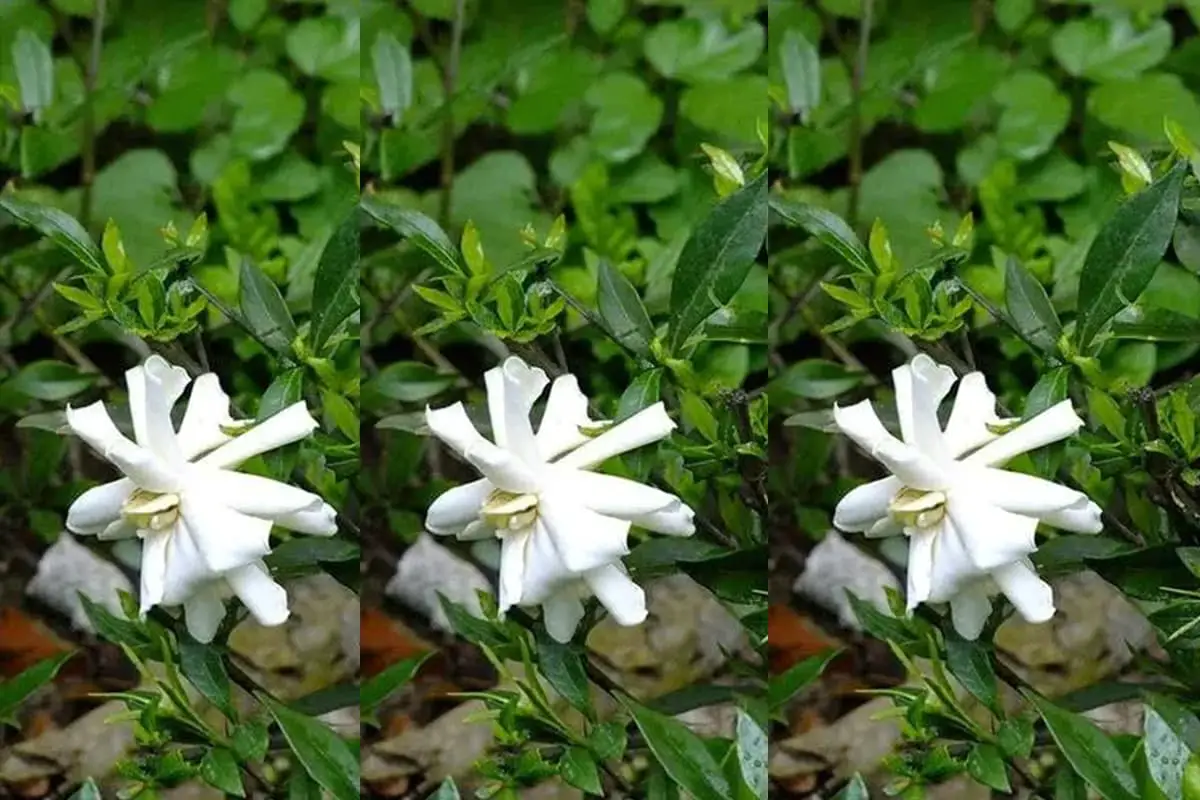
Gardenia stenophylla thrives at elevations ranging from 90 to 800 meters above sea level, demonstrating its adaptability to various altitudes within its native range.
This versatile plant inhabits diverse ecosystems, including:
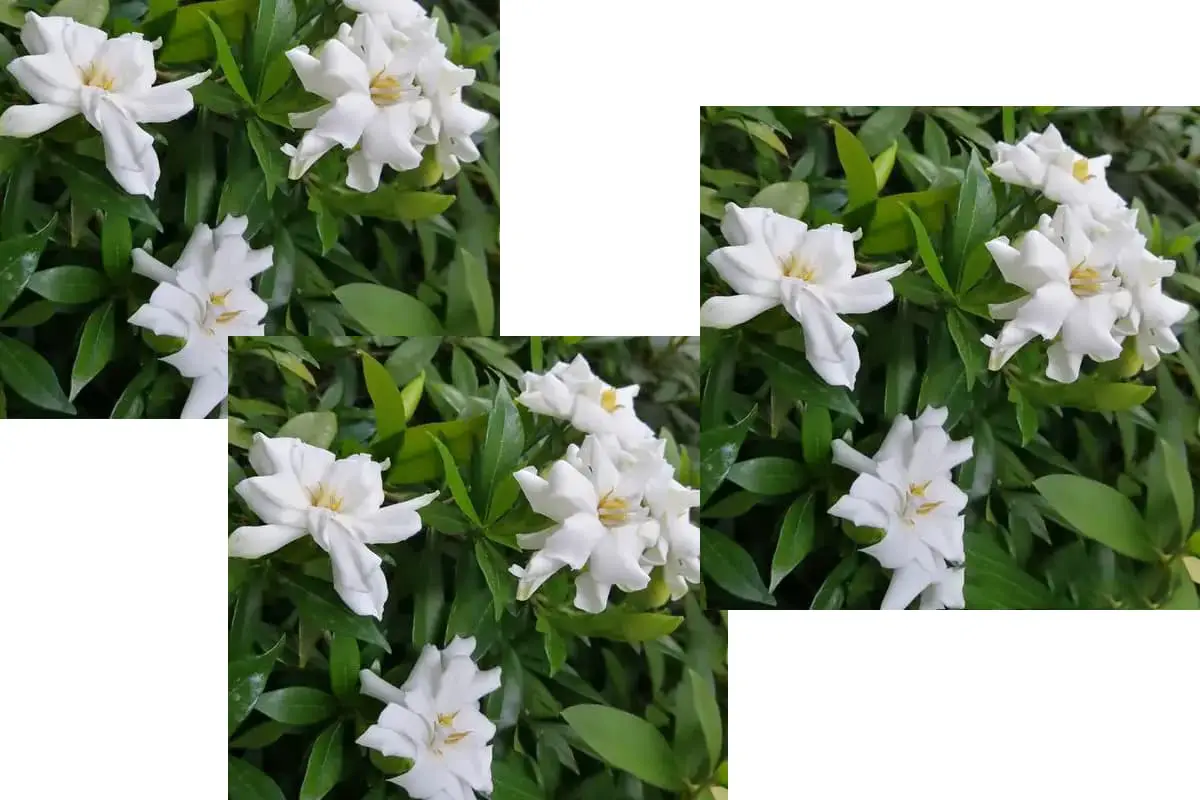
The foliage of Gardenia stenophylla is characterized by:
The alluring flowers of Gardenia stenophylla are notable for:
Floral structure:
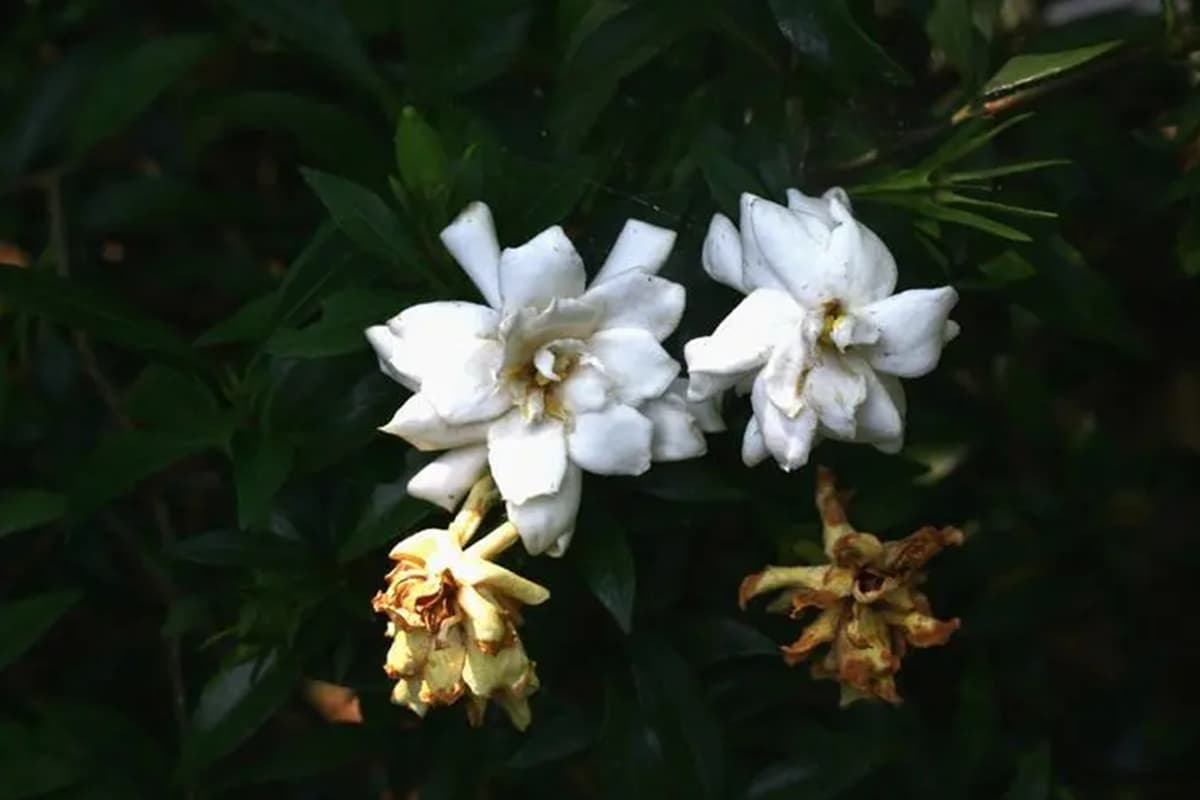
The fruit of Gardenia stenophylla presents as:
Gardenia stenophylla exhibits a prolonged reproductive cycle:
The fruit and roots of Gardenia stenophylla are utilized in traditional medicine for their:
Gardenia stenophylla is highly prized in horticulture for its:
This species combines aesthetic appeal with potential medicinal benefits, making it a valuable addition to both ornamental gardens and ethnobotanical collections. Its adaptability to various habitats and striking floral characteristics contribute to its popularity among gardening enthusiasts and plant collectors alike.

Peggie was once a high school mathematics teacher, but she set aside her chalkboard and textbooks to follow her lifelong passion for flowers. After years of dedication and learning, she not only established a thriving flower shop but also founded this blog, “Flowers Library”. If you have any questions or wish to learn more about flowers, feel free to contact Peggie.
 English
  العربية
  Bahasa Indonesia
  Deutsch
  Français
  Italiano
  Nederlands
  Português
  Русский
  日本語
日本語