600+ Types of Flowers A To Z (With Names and Pictures)
Types Of Flowers By Names (A-Z) Types Of Flowers By Color Types Of Flowers By Season Types Of Flowers By Blooming Time 600+ Types of Flowers No. Flower Name No.…

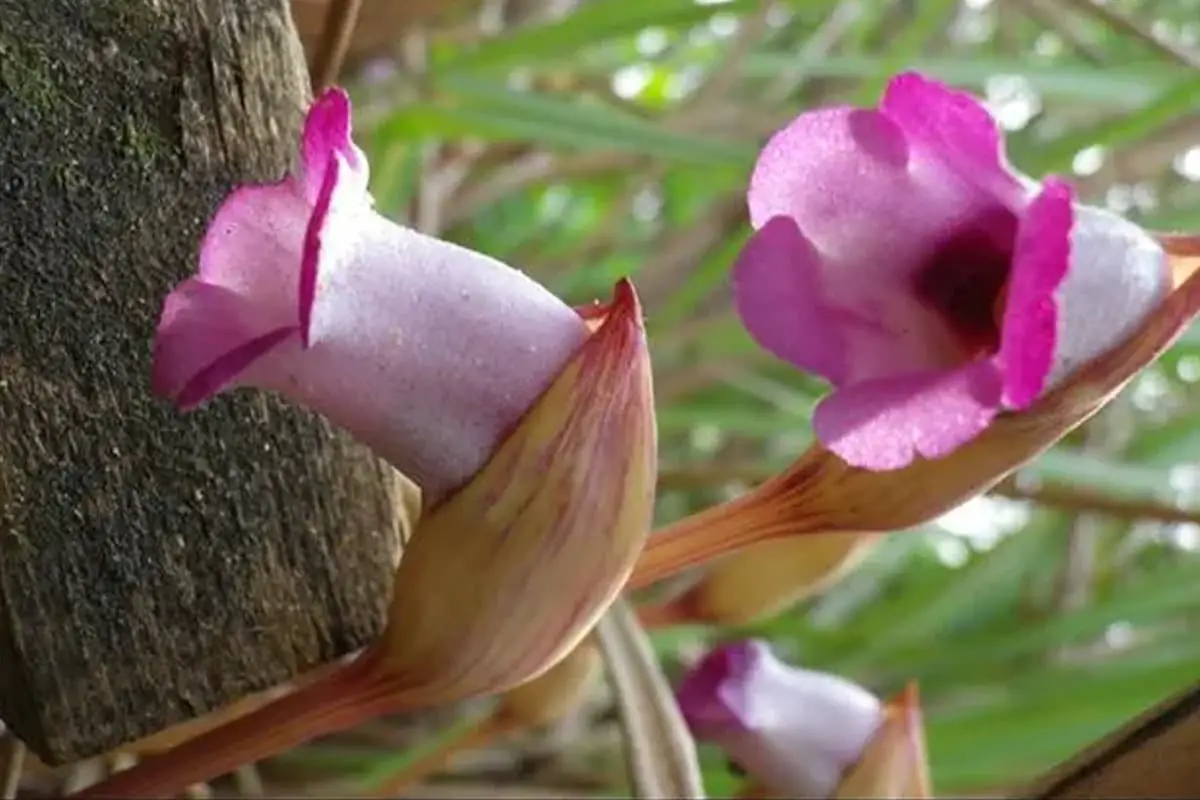
Aeginetia indica, a plant of significant importance in traditional Chinese medicine, is derived from the Orobanchaceae family and is native to the Zhejiang region of China. This parasitic herb is valued for its roots and flowers, which are renowned for their cooling and detoxifying properties.
Roots and flowers.
Bitter in taste and cool in nature.
Lungs and large intestine.
Clears heat and detoxifies.
Aeginetia indica is traditionally employed to treat a variety of conditions, including:
The recommended dosage is 9-15g for internal use. For external applications, fresh herb should be crushed and applied directly to the affected area, or soaked in sesame oil before application.
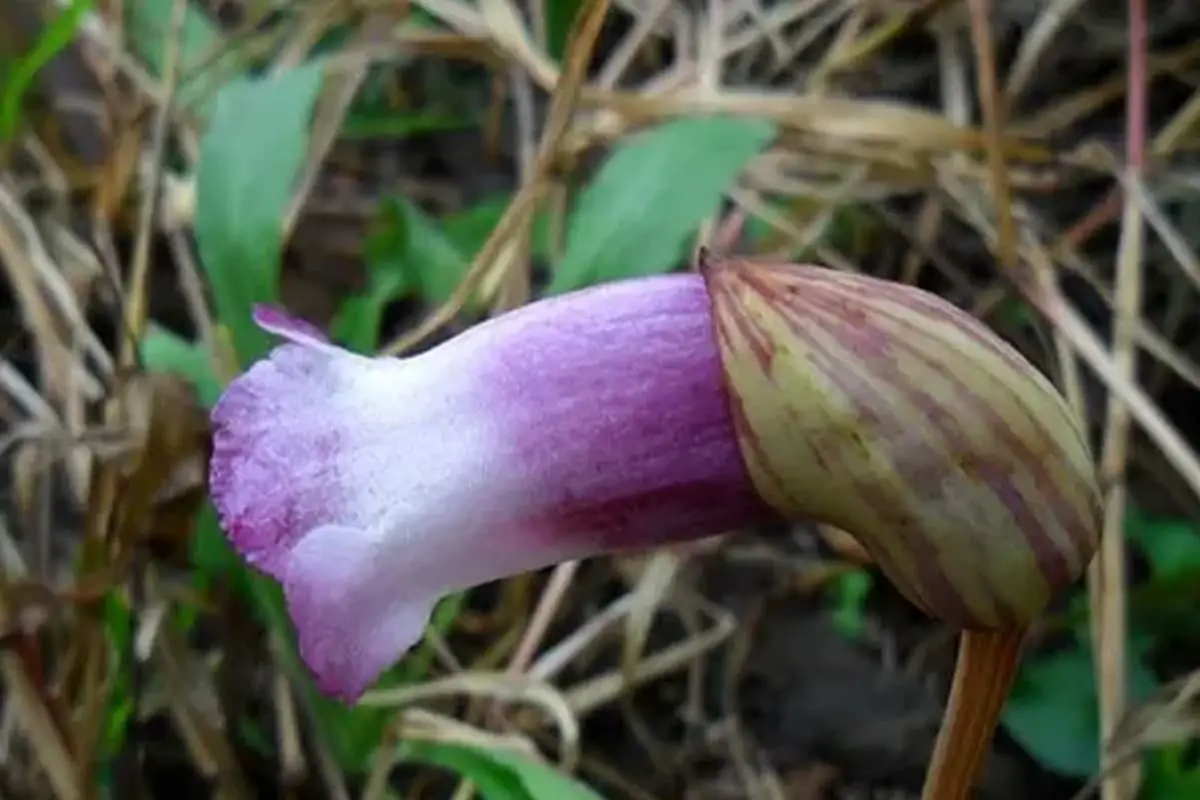
Aeginetia indica is a parasitic annual herb with the following features:
The plant wilts to a greenish-black color and becomes black when dried.
Aeginetia indica thrives in specific environmental conditions:
This unique parasitic herb plays a crucial role in traditional Chinese medicine, offering a natural approach to treating various ailments through its potent detoxifying and cooling properties.

Peggie was once a high school mathematics teacher, but she set aside her chalkboard and textbooks to follow her lifelong passion for flowers. After years of dedication and learning, she not only established a thriving flower shop but also founded this blog, “Flowers Library”. If you have any questions or wish to learn more about flowers, feel free to contact Peggie.
 English
  العربية
  Bahasa Indonesia
  Deutsch
  Français
  Italiano
  Nederlands
  Português
  Русский
  日本語
日本語