The Rosa Chinensis Viridiflora, also known as the “First Makeup”, is a shrub rose variety. Its blossoms display a unique mix of yellow and red hues, with a diameter ranging from 6 to 9 cm.
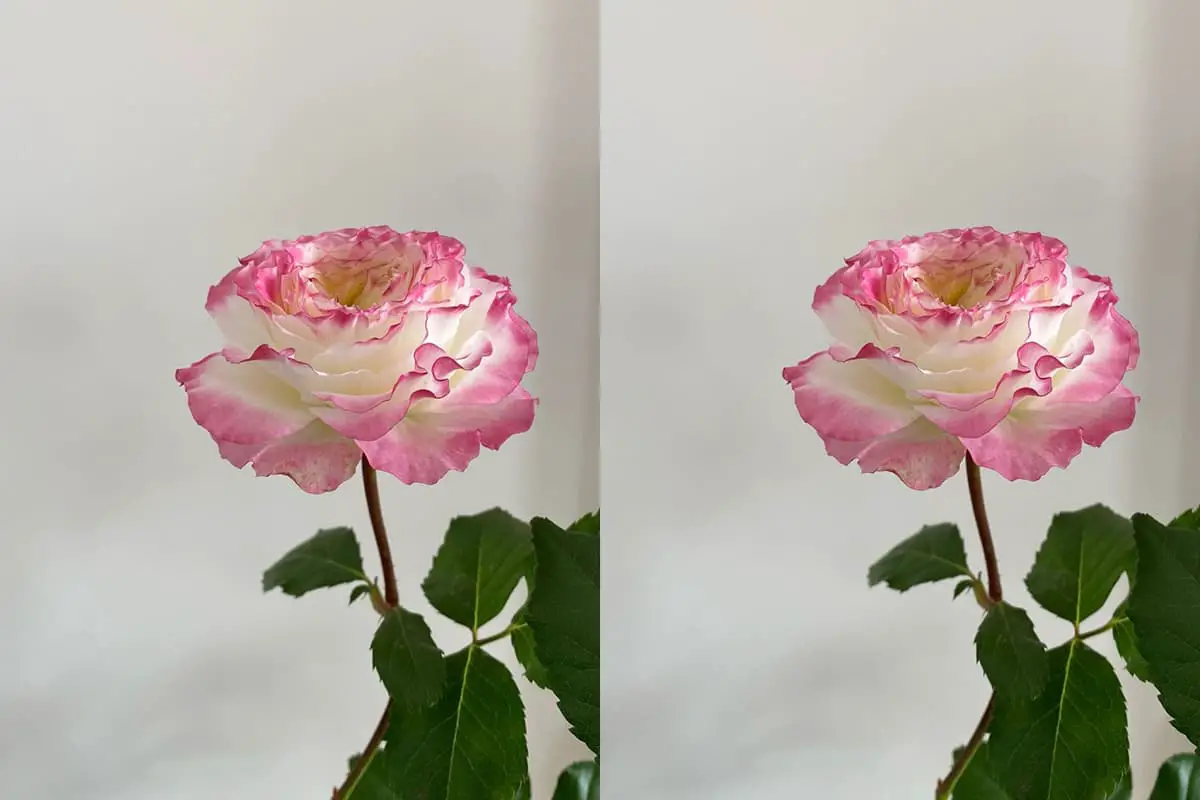
The flower’s design is dreamily fringed, resembling a fluffy dancing skirt, and combines the classical four-heart lotus seat and high-centered circular petal shapes, presenting a delicate and graceful appearance.
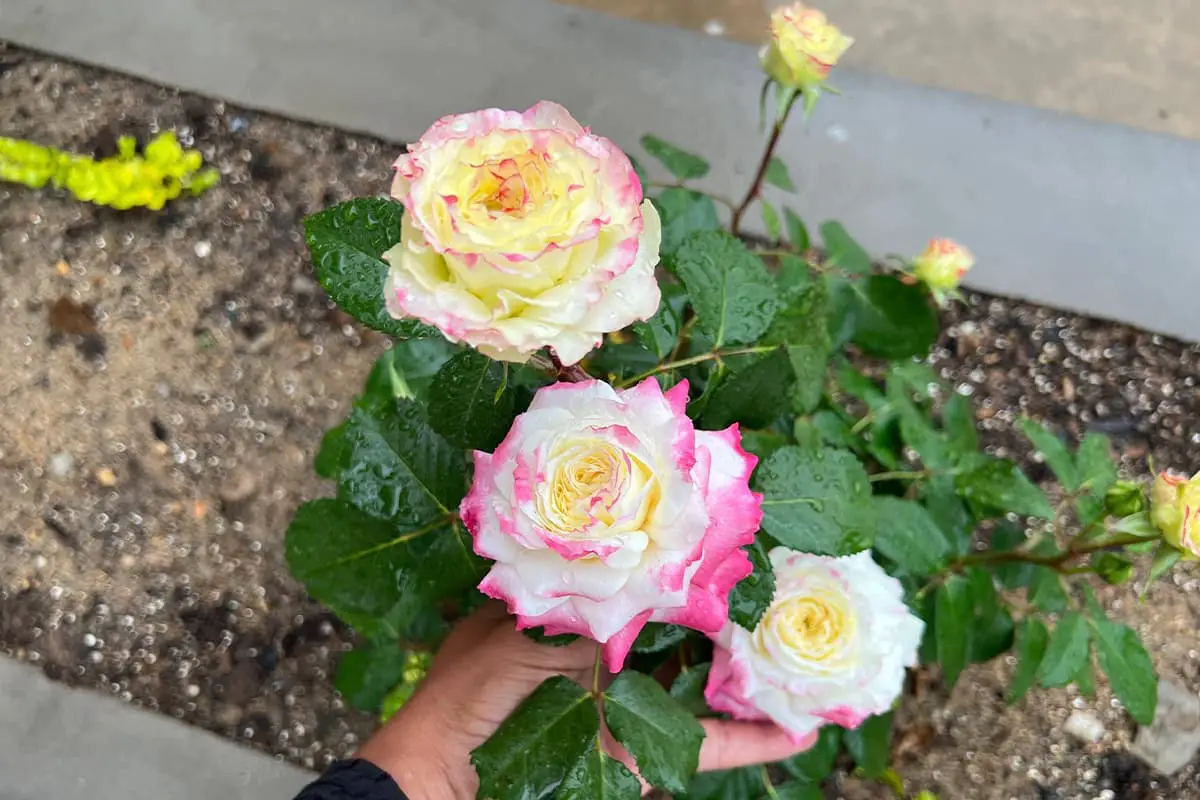
As a small shrub rose, the plant typically only reaches a height of 30-50 cm. It has a compact, rounded growth habit with few thorns, robust growth, and strong disease resistance. It’s suitable for both ground and pot planting.
I. Basic Introduction
Based on available information, the “First Makeup” is a small shrub rose that doesn’t grow very tall, typically reaching only 30-50 cm in height. It has excellent upright and branching characteristics, with a compact, rounded shape and few thorns.
Only the old root part has some thorns, while new branches are almost thornless. It’s suitable for both ground and pot planting, requiring no specific pot. A two-gallon pot will suffice, and it can comfortably fit in small spaces like balconies and windowsills.
II. Morphology and Characteristics
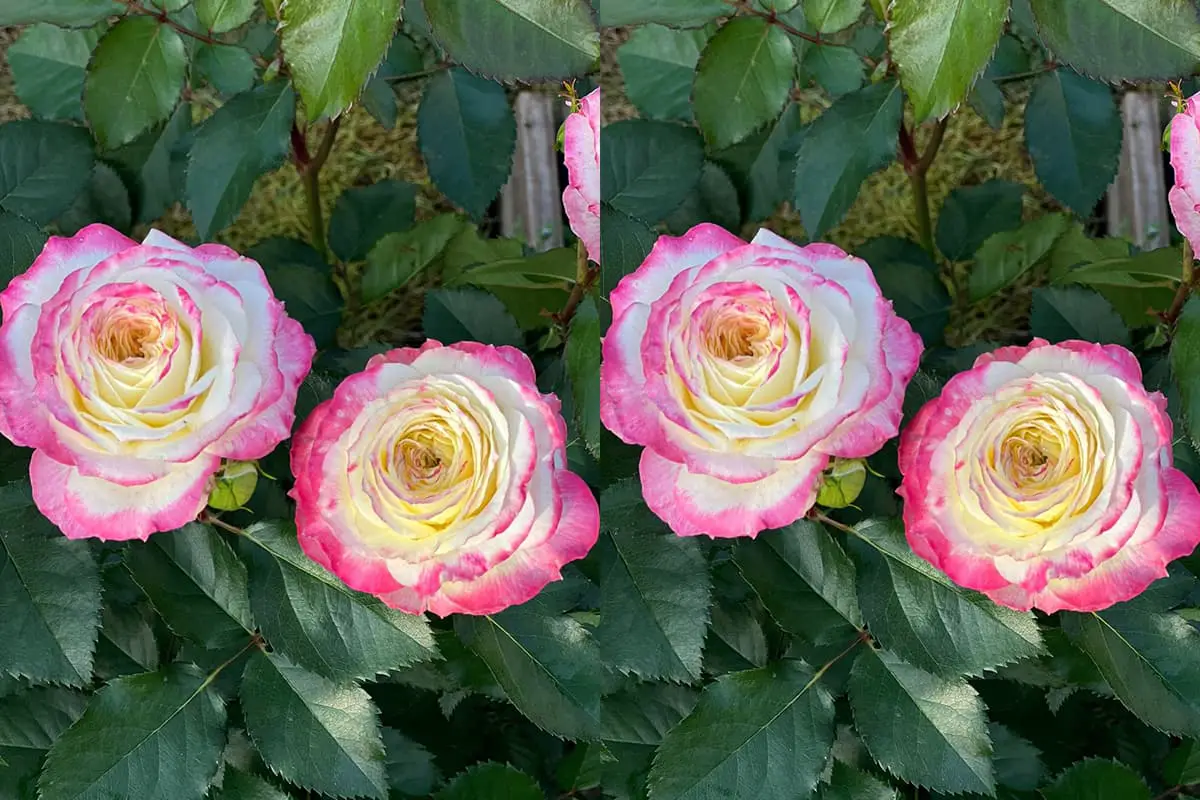
The flowers of the “First Makeup” are truly eye-catching, possessing a bewitching charm that makes one fall in love at first sight. The flowers aren’t large, approximately 6 cm in diameter, with a very rounded shape.
The heart of the flower is creamy yellow, surrounded by a layer of pink fringe, lending it a sweet allure. The outer petals have a wavy edge, and the color combination is similar to that of the “Duke of Monaco”, while the shape resembles the “Six-winged Angel”.
Under the sun, they shine brightly, dazzlingly beautiful and fairy-like, offering high ornamental value. Currently, it’s the most well-received among all the self-bred roses of Sirius.
The flower’s color of the “First Makeup” changes with light exposure. Initially, it’s creamy yellow, but as the light exposure increases, the color deepens, becoming redder.
If the light exposure is minimal, the flower remains primarily yellow with a light pink fringe, which has its unique appeal. More sun exposure results in vibrant, eye-catching hues, while less sun exposure maintains a fresh and sweet appearance.
The fragrance is also pleasant, emitting a mild aroma when blooming, reminiscent of citrus, with a refreshing and pleasing scent.
In terms of flowering period, the “First Makeup” performs excellently, blooming repeatedly across multiple seasons. With proper cultivation, it can bloom throughout the year, with spring and autumn as the peak flowering seasons.
It can still bloom continuously in summer, and is particularly heat-resistant. The summer flowers also tend to be standard, with each flower’s blooming period lasting about a week.
As the flower stems are very upright and the flowers don’t droop, they’re also suitable for cutting and arranging in a vase.
III. Living Habits
Its disease resistance is commendable, exhibiting rapid growth and strong environmental adaptability. It performs well in both southern and northern regions and doesn’t require vernalization, which is rare among roses (roses generally don’t bloom well in regions without vernalization).
IV. Cultivation Method
The planting method for this flower, similar to most roses, prefers abundant sunlight and well-ventilated growth environment. It’s not demanding about the soil for ground planting and can be managed extensively. However, some things should be noted when pot planting:
Pot: It’s best to use a plastic pot with good breathability, and avoid using a ceramic pot. The size of the flower pot should be chosen according to the size of the seedlings: small pots for small seedlings, and bigger pots for larger seedlings. Don’t aim for “one step to success” by putting small seedlings in big pots. As the seedlings grow, gradually change the pot and soil.
Soil: Loose, humus-rich, and well-drained gardening soil is preferred, such as peat soil and humus soil. If you are using garden soil for planting, it’s best to mix in at least 50% nutrient soil.
Suitable Environment: Full sun or partial shade is okay, but the more sunlight the better, because the flower color will develop with more sun exposure; the more sun, the more beautiful. Lack of light might result in white flowers, affecting the aesthetics.
Watering: Like other plants, follow the “see dry see wet” principle. Only water when the soil is dry. Roses do not like the pot soil to be waterlogged for a long time.
Fertilizing: In spring and autumn, you can frequently apply thin fertilizer, such as Multi-Flower and Dihydrogen Phosphate Potassium, which can promote more flowers.
Pruning: Pinch off the top during the growing period, lightly prune after flowering, and heavily prune once at the end of winter.
Summer and Winter Survival: It’s heat and sun resistant, there’s no “difficult summer” problem, and it can be exposed in summer. Its cold resistance is good, mature plants can withstand temperatures below zero for tens of degrees, and it can survive winter outdoors in most parts of the north.
Others: If it gets infected with pests and diseases, timely medication should be administered and it should be isolated from other roses.
V. Value and Other Aspects
Advantages:
- Flowers: The colors are a combination of yellow and red, with red lips on the outer petals and the center petals are cream white or cream yellow. The red lips become more pronounced under strong light.
- Long flowering period: It can bloom repeatedly across multiple seasons, and with good care, it can bloom all year round.
- Fragrance: The scent is mild yet rich. When the flowers bloom, they emit a refreshing citrus aroma, which is refreshing and pleasant to the mind and body.
- Heat resistance: It has good heat resistance and can maintain a good flowering state even in hot summer.
- Uprightness: The flower branches are quite upright, and the flowers generally do not droop, making it suitable for cutting and placing in a vase.
Disadvantages:
In recent years, no major drawbacks have been found in the new varieties.

 English
  العربية
  Bahasa Indonesia
  Deutsch
  Français
  Italiano
  Nederlands
  Português
  Русский
  日本語
日本語