600+ Types of Flowers A To Z (With Names and Pictures)
Types Of Flowers By Names (A-Z) Types Of Flowers By Color Types Of Flowers By Season Types Of Flowers By Blooming Time 600+ Types of Flowers No. Flower Name No.…

Silene pendula, commonly known as drooping catchfly or nodding catchfly, is a charming herbaceous plant that typically grows to about 30 cm tall. This versatile plant is characterized by its numerous branches and ovate-lanceolate leaves, making it a popular choice for various garden settings.
The plant boasts corymbose inflorescences with distinctive heart-shaped petals that are inverted and bifurcated at the tips. While predominantly pink, cultivated varieties offer a spectrum of colors including white, light purple, pale pink, and rose. There are also double-flowered varieties that provide an even richer palette of hues.
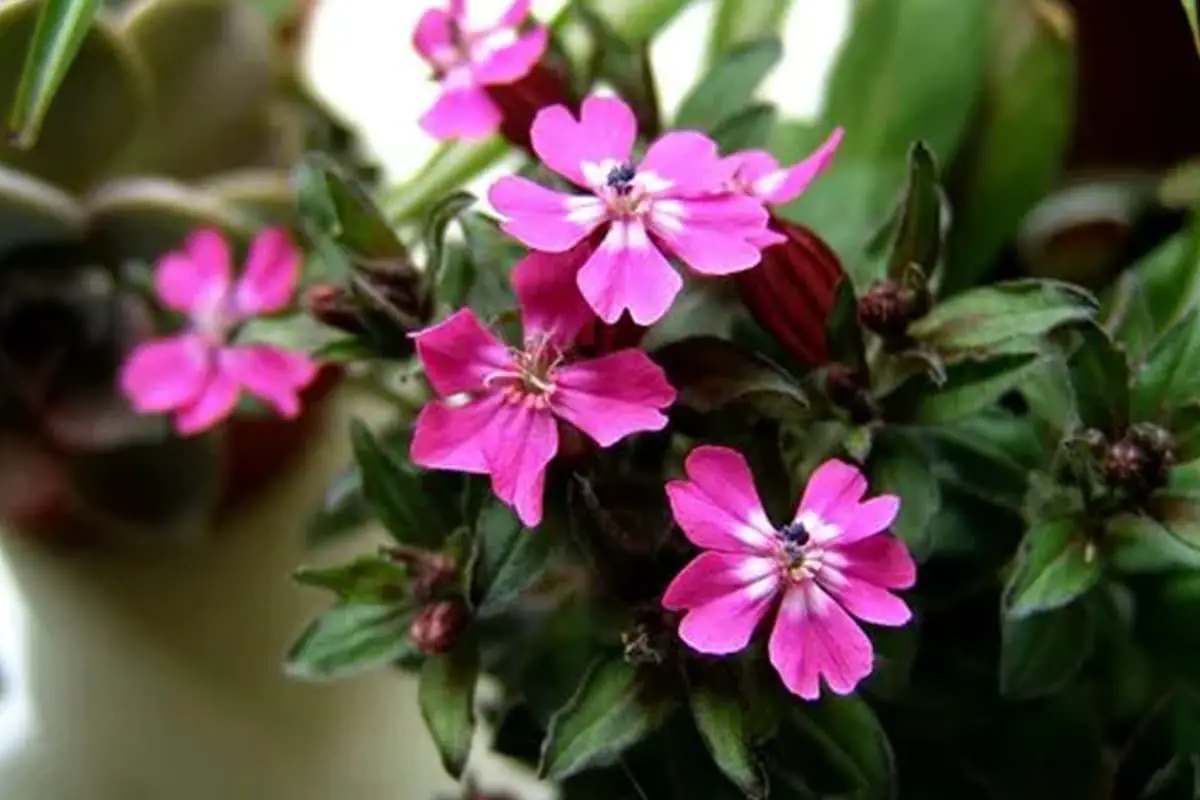
A notable feature of Silene pendula is its calyx tube, which is elongated and inflated, adorned with striking purple-red veins. The plant produces ovoid capsules that ripen from late April to mid-June, which is when seeds are typically harvested.
Native to the Mediterranean region, Silene pendula has now spread globally due to its ornamental appeal. Its compact growth habit and profuse flowering make it an excellent choice for container gardening and landscape decoration. Even after blooming, the swollen calyx remains attractive, adding to its prolonged ornamental value.
This versatile plant is ideal for flower beds, borders, and due to its dwarf varieties, perfect for enhancing living spaces, rock gardens, and artistic flower arrangements.
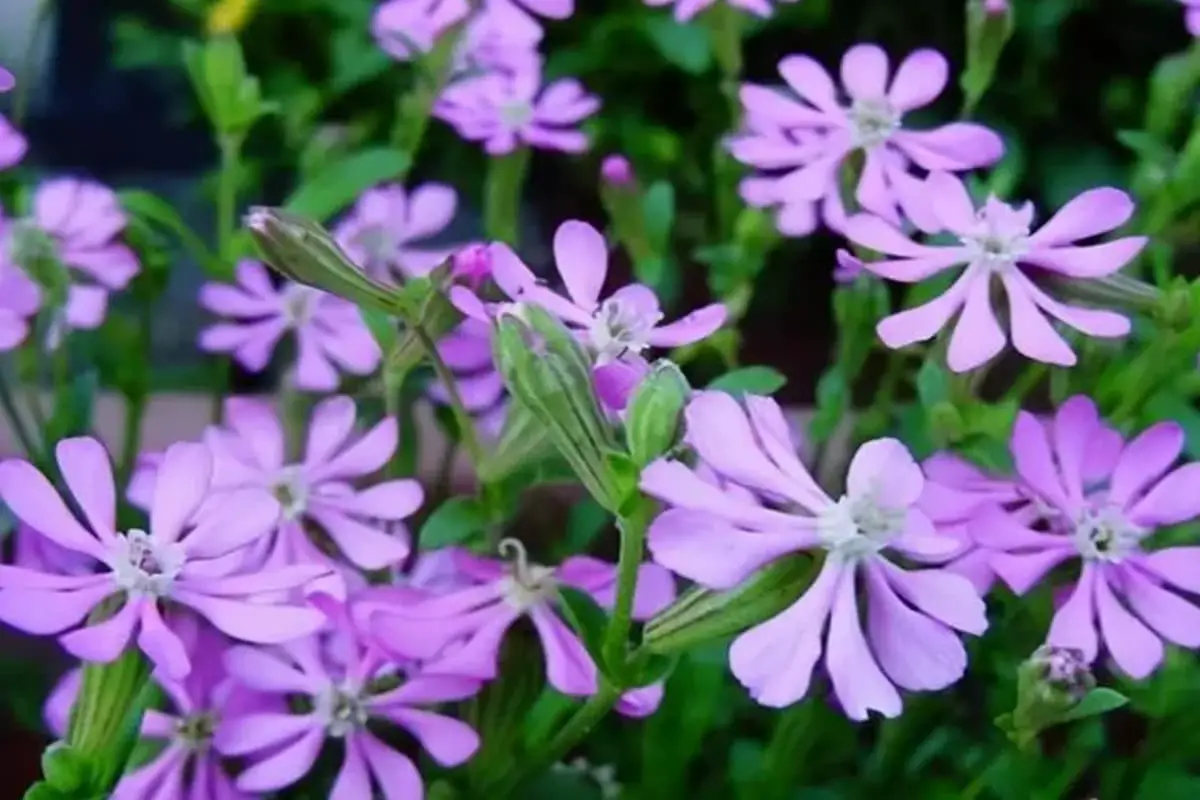
Silene pendula, reaching about 30 cm in height, is covered with soft white hairs and becomes glandular in its upper parts. The plant branches profusely, with stems spreading outwards from the base in a semi-prostrate manner.
The leaves are opposite, ovate-lanceolate or narrowly elliptical in shape. Flowers emerge from the leaf axils, forming corymbose inflorescences. The petals are distinctively heart-shaped and inverted, with a bifurcated tip, typically pink in wild varieties.
Cultivated varieties offer a range of colors including white, light purple, pale pink, and rose. The calyx tube is long and inflated, featuring prominent purple-red veins. Silene pendula typically flowers from May to June, producing ovoid capsules as its fruit.
Silene pendula is known for its cold hardiness and light-loving nature. It thrives best in rich, well-drained soils that are high in humus content and retain moisture well. While adaptable, providing these optimal conditions will ensure the most vigorous growth and abundant flowering.
While Silene pendula is native to the Mediterranean region, it has been widely cultivated and naturalized in many parts of the world. Its adaptability to various climates has contributed to its global distribution as an ornamental plant.
The primary method of propagation for Silene pendula is through seeds. Sowing typically occurs at the beginning of September. After germination, seedlings are transplanted into a cold frame with frost protection before winter. In the following spring, they are moved to open ground. Due to its semi-prostrate habit, it’s advisable to plant Silene pendula in flower beds early in the season.
For optimal seedling cultivation, choose a loose, fertile soil bed. Sowing can be done in early spring, autumn, or winter. Cover the seeds with a thin layer of soil, approximately 0.2 cm deep. Germination usually occurs within a week. Transplant seedlings when they have developed 4-6 true leaves.
Direct sowing is also an option, with subsequent thinning to achieve a spacing of 20-30 cm between plants. Silene pendula prefers full sunlight exposure and thrives in fertile, well-drained, moist soil rich in organic matter.
For autumn sowing, seeds are planted in open nursery beds from late August to early September. Before winter, seedlings are transplanted to a cold frame for overwintering, followed by open ground planting in the following spring.
When transplanting, preserve as much of the original soil around the roots as possible to minimize transplant shock. Water thoroughly immediately after transplanting to help establish the plants.
During rainy spring seasons, ensure the soil remains loose and well-drained. This prevents rot at the root neck caused by excessive moisture, which can be fatal to the plant.
Throughout the growing season, maintain a regular schedule of fertilization and watering. Perform timely soil cultivation and weeding to promote robust growth and abundant flowering.
After initial transplantation, seedlings can be planted in the garden in early November. Ensure generous soil around the roots to promote survival, and space plants approximately 40 cm apart. During particularly wet springs, pay extra attention to drainage to prevent rot at the base of the plants.
Silene pendula’s dense, dwarf growth habit and profuse flowering make it a standout ornamental plant. Its beauty persists even after the flowers have bloomed, thanks to the attractive swollen calyces. This makes it an excellent choice for potted arrangements, flower beds, and border plantings.
The dwarf varieties of Silene pendula are particularly well-suited for adding natural elements to living spaces, enhancing rock gardens, and creating artistic flower bed designs. Their compact size and abundant blooms make them versatile for various decorative applications in both garden and indoor settings.

Peggie was once a high school mathematics teacher, but she set aside her chalkboard and textbooks to follow her lifelong passion for flowers. After years of dedication and learning, she not only established a thriving flower shop but also founded this blog, “Flowers Library”. If you have any questions or wish to learn more about flowers, feel free to contact Peggie.
 English
  العربية
  Bahasa Indonesia
  Deutsch
  Français
  Italiano
  Nederlands
  Português
  Русский
  日本語
日本語