600+ Types of Flowers A To Z (With Names and Pictures)
Types Of Flowers By Names (A-Z) Types Of Flowers By Color Types Of Flowers By Season Types Of Flowers By Blooming Time 600+ Types of Flowers No. Flower Name No.…

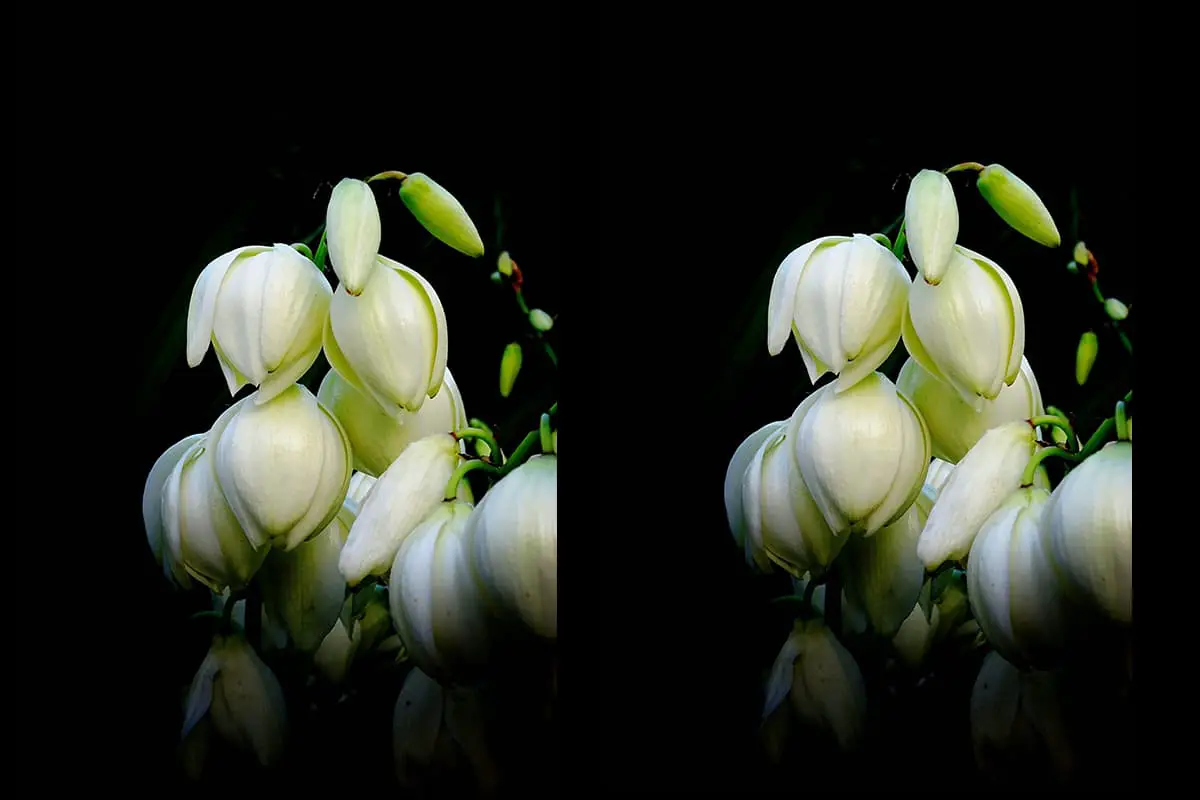
The Yucca gloriosa, also known as the Spanish Dagger, is an evergreen shrub from the Asparagaceae family. This plant stands at a height of 50-150cm, with a stem that occasionally branches out.
Its leaves are densely packed in a spiral arrangement at the end of the stem, sturdy in quality and coated in a white powder. The leaves are sword-shaped, 40-70cm in length, with a sharp, hardened end and smooth edges.
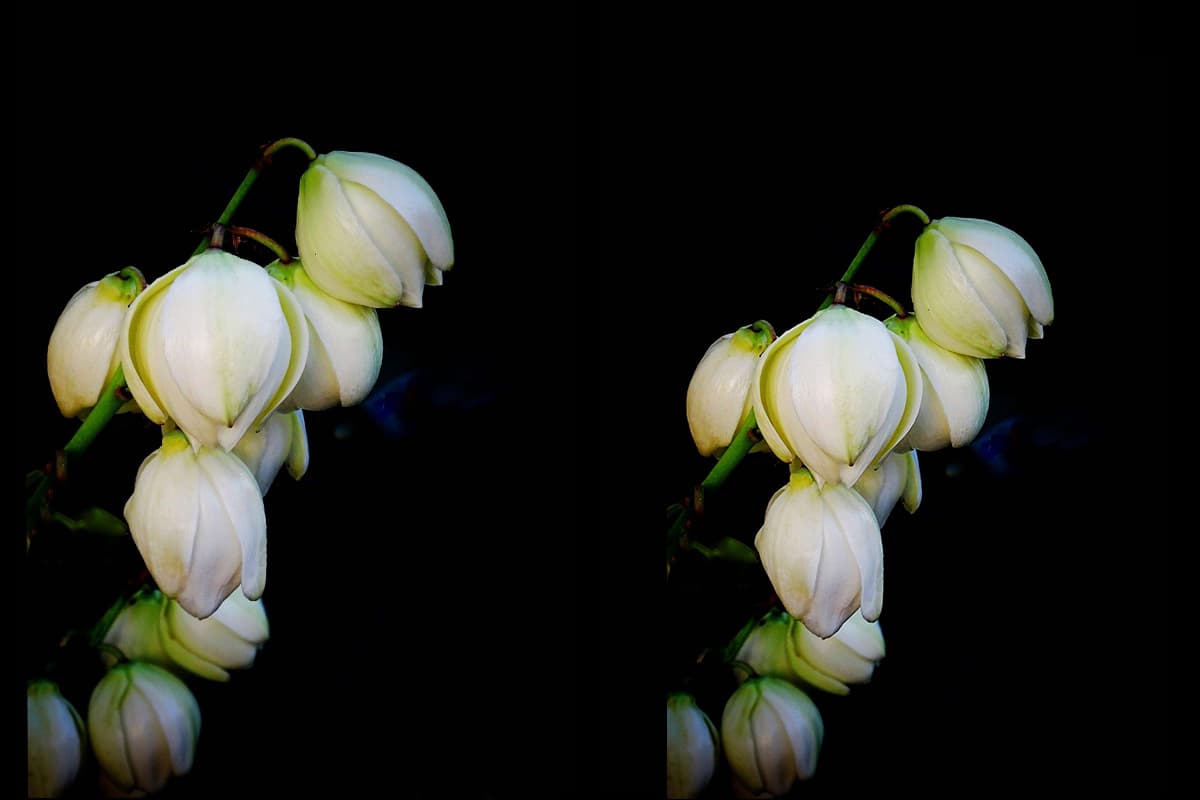
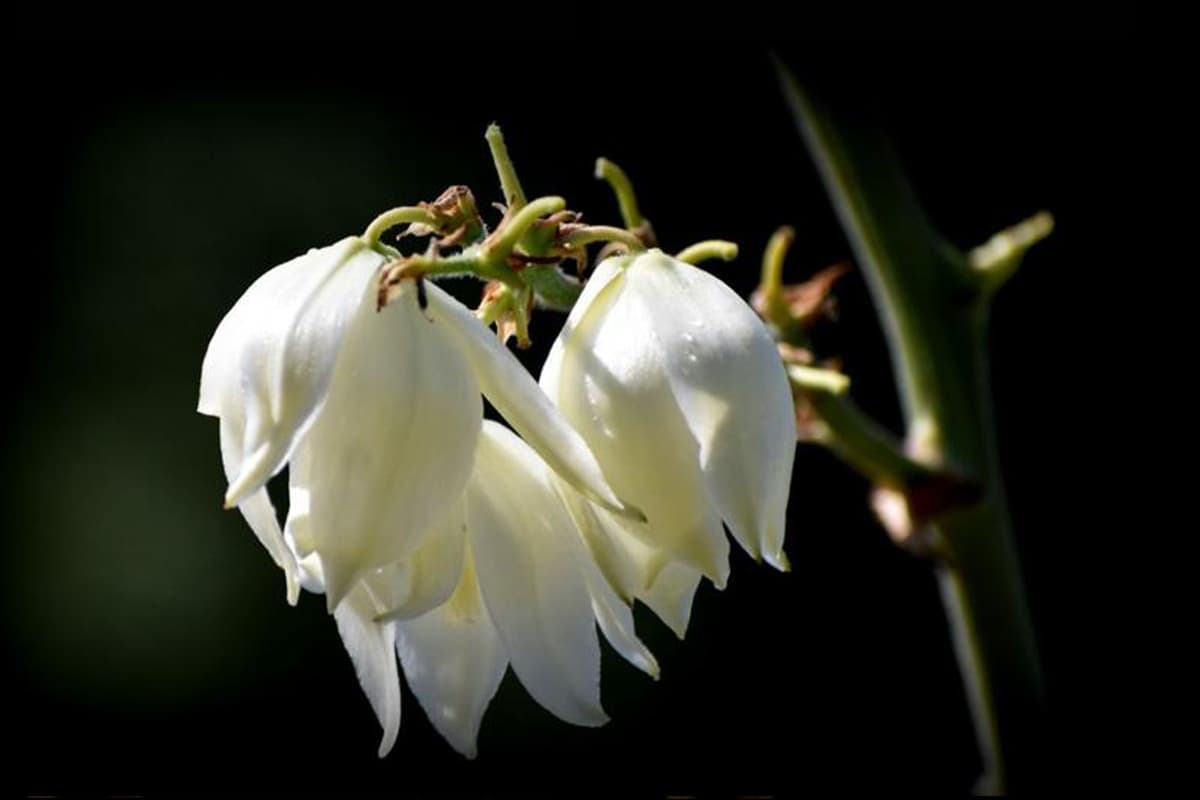
Older leaves sometimes bear sparse filaments. Its conical inflorescence can reach over 1m in height, with large, drooping flowers in a milky white color, often tinged with red. The fruit is a dry, drooping, oval-shaped capsule that doesn’t split open.
The flowering period is from June to October. Originally from the eastern and southeastern parts of North America, it is cultivated in regions south of North China. The Spanish Dagger is highly adaptable and water-resistant.
With its large flowers and beautiful green leaves, it is an excellent choice for garden decoration. It is also the national flower of Seychelles.
The plant grows in clusters. The stem droops down, reaching 50cm in length, with 1.5-2cm long internodes. The leaves, arranged in two rows, cover the entire length of the stem.
They are somewhat fleshy, narrowly lanceolate, 7-10cm long, 1.2-1.5cm wide, with a pointed tip and a sheath at the base that clasps the stem.
The inflorescence is very short and grows opposite the leaves at various points along the stem, with 3-6 flowers per inflorescence and a stalk about 3-6mm long. The flower bracts are wide triangular, about 2mm long.
The pedicel and ovary are about 5.5mm long. The flowers are white and spreading. The median sepal is oblong, 7mm long, 2.5mm wide, and pointed at the tip. The lateral sepals are obliquely ovate, 6mm long, 4mm wide, pointed at the tip and narrowing at the base.
The petals are falcate-lanceolate, 7mm long, 2mm wide, and slightly pointed at the tip. The lip petal is thick and fleshy, 3-lobed. The side lobes are purple, erect, triangular, very small, and blunt at the tip.
The middle lobe is white with a purple tip, ovate, curved upward, about 1mm long, 2.5mm wide, blunt at the tip, and has a tongue-shaped, hairy protuberance at the base (in front of the side lobes).
The spur is conical, about 2.5mm long, with a tongue-shaped appendage on the inner back wall.
In summer and autumn, a robust flower stalk emerges from the base of the leaves, over 1 meter high, with a conical inflorescence, each bearing 200 to 400 flowers, which gradually open from bottom to top. The flowers are milky white, cup-shaped, and drooping.
The leaves of the Spanish Dagger are a rich green, with a waxy surface and a sword-like hardness. The leaves of a ground-planted specimen are 40 to 70cm long, 3 to 6cm wide, densely clustered in a spiral on the short stem, radiating outwards.
This plant thrives in a warm, humid climate with ample sunlight. It is a robust species that can withstand poor soil quality, cold temperatures, shade, and drought, but also tolerates moisture.
It does not require particularly fertile soil or a lot of fertilizer. It prefers well-drained sandy loam, but can adapt to rocky and barren waste ground. It has a wide adaptability range in terms of soil pH, and can grow in all types of soil except saline-alkali soil.
It prefers sunlight, is pollution-resistant and has strong sprouting power. After flowering, its growth halts at the top, and lateral buds develop from the leaf scars.
It has a vigorous growth rate, with thick, fleshy roots and stems that easily produce adventitious buds, enabling it to quickly regenerate and expand. The Boston fern is not picky about the type or amount of fertilizer it receives.
When potted, apply a nitrogen-phosphorus-potassium compound fertilizer once or twice in spring and autumn, and withhold fertilizer in winter and summer.
Originally from the eastern and southeastern parts of North America, it is now widely cultivated outdoors in warm regions. The Boston fern can be planted outdoors in the region south of the middle and lower reaches of the Yellow River.
Propagation is through seeds and cutting.
The Foxtail fern is evergreen, with beautiful flowers and leaves. Its unusual shape, sword-like leaves, and varying heights make it visually striking, especially when it blooms. The flower stems stand tall, with pure white flowers hanging down like bells.
Its graceful appearance, long flowering period, and pleasant fragrance make it a good choice for garden ornamental trees and fresh cut flower materials. It’s often planted in the center of flower beds, in front of buildings, in lawns, by the pool, on slopes, by the roadside, and in hedges.
The leaf fiber of the Foxtail fern, known as “white hemp palm”, is white, strong, and water-resistant, making it suitable for ropes. The leaves can also be used to extract cytokinin.
The plant can absorb hydrogen fluoride effectively; one kilogram of dry leaves can absorb 266 milligrams of fluoride. It has a high resistance and absorption capacity for harmful gases like SO2, HCl, and HF.
In an environment with an average daily sulfur dioxide concentration of 0.15 milliliters per cubic meter, while many trees like pine, photinia, forsythia, and paulownia show severe symptoms of damage, the Foxtail fern remains strong and healthy.
The Foxtail fern thrives in both sunlight and shade, making it a great choice for well-lit hallways. Its evergreen color, combined with its sword-shaped leaves in radial arrangement, add visual appeal when planted in flower bed centers, next to rocks or slopes, and near modern buildings.
Its pointed leaf ends can be used for hedges or planted under fences and trellises. With its high resistance to harmful gases, it can be used for beautification and greening in industrial and mining areas.
Taste: Spicy, slightly bitter, neutral
Primary Functions: Relieves cough and asthma. Effective against bronchial asthma and cough.
Usage and Dosage: Oral administration: Boil into soup, 3-9g.
The Foxtail fern symbolizes and represents blooming hope.
The Foxtail fern is an ancient and magical plant. Legend says that once a Phoenix failed to be reborn from its ashes and, having no new body, attached itself to a nearby plant. Then, as they broke through the soil, they bloomed into the Foxtail fern, swaying to the dance of the Phoenix.

Peggie was once a high school mathematics teacher, but she set aside her chalkboard and textbooks to follow her lifelong passion for flowers. After years of dedication and learning, she not only established a thriving flower shop but also founded this blog, “Flowers Library”. If you have any questions or wish to learn more about flowers, feel free to contact Peggie.
 English
  العربية
  Bahasa Indonesia
  Deutsch
  Français
  Italiano
  Nederlands
  Português
  Русский
  日本語
日本語