600+ Types of Flowers A To Z (With Names and Pictures)
Types Of Flowers By Names (A-Z) Types Of Flowers By Color Types Of Flowers By Season Types Of Flowers By Blooming Time 600+ Types of Flowers No. Flower Name No.…

Wintersweet, blooming in the harsh winter when other flowers fade away, displays an indomitable character, offering spiritual inspiration and aesthetic enjoyment. It can be planted in courtyards and also used for ancient stump bonsai, flower arrangements, and sculptural arts. It is an ideal and precious flowering plant for winter enjoyment.

Wintersweet is a plant belonging to the family Chimonanthaceae and the genus Chimonanthus. It is also known as Jinmei, Wax Flower, Winter Plum Blossom, Waxwood, Mamingzi Purple, Shi Liangcha, Tangmei, and Xiangmei.
Wintersweet is primarily distributed in mainland China, as well as in Korea, the Americas, Japan, and Europe. It is a plant of the family Chimonanthaceae and the genus Chimonanthus. It is called Winter Plum because it blooms in winter.
Wintersweet grows in shrub forests on hillsides or by streams. It thrives in well-drained, fertile, loose, slightly acidic sandy loam with deep soil, but does not grow well in saline-alkaline areas.
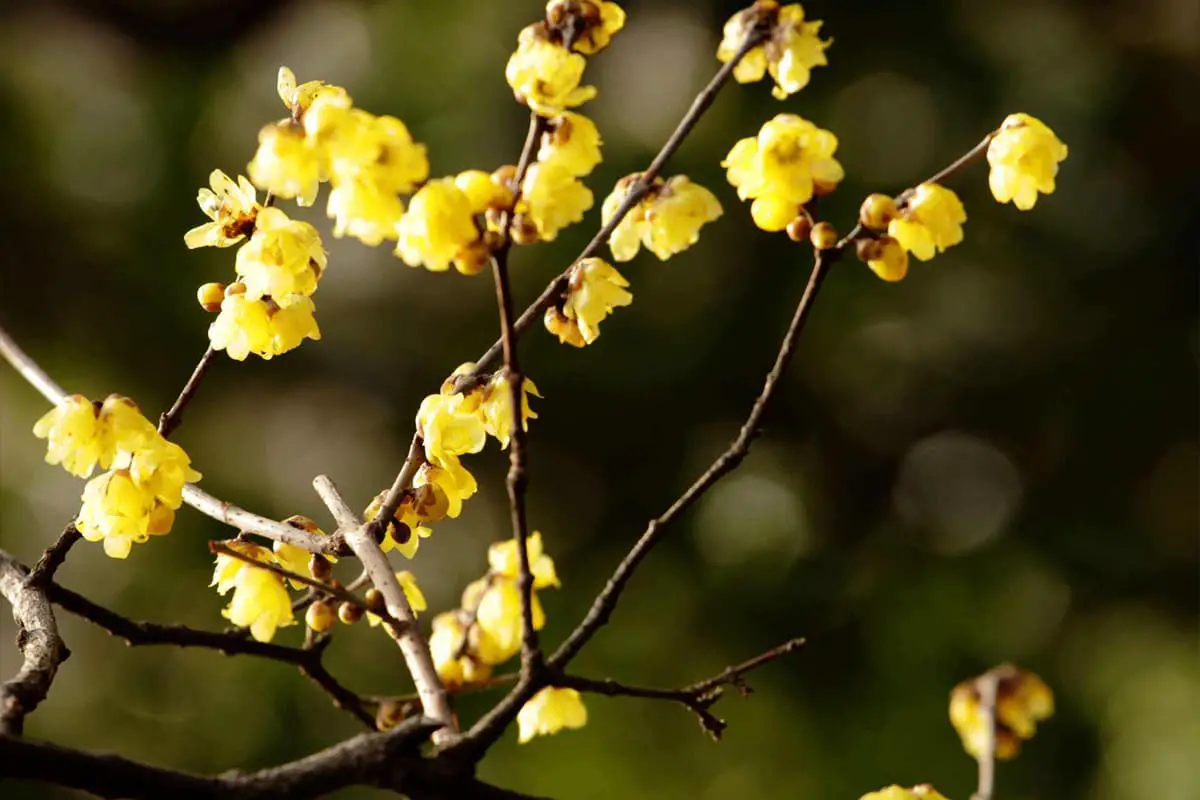
Wintersweet flowers bloom before spring, heralding the arrival of the blooming season. It often blooms amidst falling snowflakes, making it a sight to behold. People eagerly anticipate the blossoming of wintersweet after the snowfall and make a visit, hence it is also known as Snow Plum.
Wintersweet thrives in sunlight, tolerates shade, and dislikes excessive moisture. Its wax-like yellow flowers exude a strong, delightful fragrance even in frosty and snowy weather, making it a prominent winter ornamental flower.
Wintersweet is cold-resistant and can safely overwinter when the temperature does not drop below -15°C. It can be grown in open ground in regions south of Beijing.
However, if the temperature drops to -10°C during the flowering period, the flowers may be damaged by freezing. Wintersweet typically grows in well-drained, fertile, loose, slightly acidic sandy loam and does not thrive in saline-alkaline areas.
Wintersweet exhibits strong drought resistance but is sensitive to waterlogging. It is advisable not to overwater when caring for wintersweet at home. The tree of wintersweet grows vigorously, with abundant branching, and can easily produce basal shoots from its rhizomes.
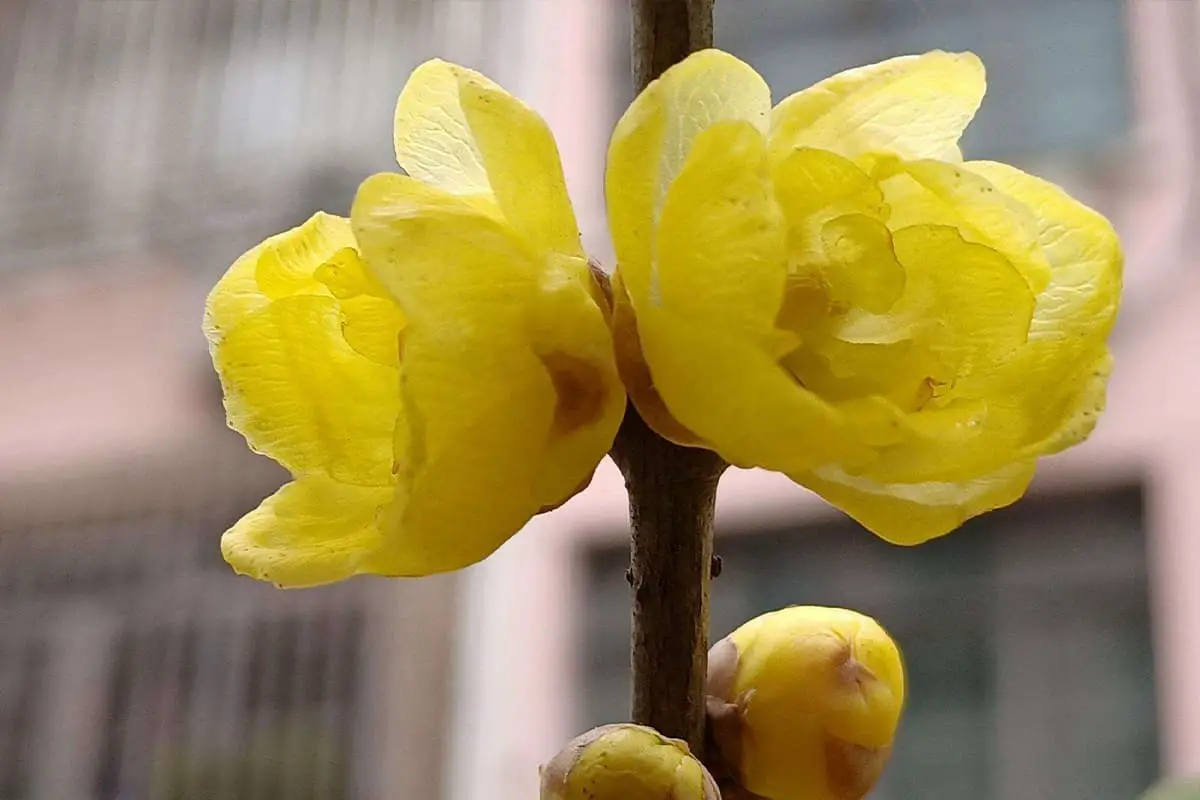
It is tolerant of pruning and can be easily shaped. Wintersweet blooms before the leaves appear, with the flowering period occurring from November to the following March. Fruits usually mature in July and August.
There are four groups, twelve types, and 165 varieties of wintersweet. Among them, there are pure yellow, golden yellow, light yellow, ink yellow, and purple-yellow varieties, as well as silver-white, pale white, snow white, and yellow-white varieties.
The flower centers can be red, purple, or pure white. The most esteemed variety of wintersweet is the Yanzhao Wintersweet produced in Yanling County, Henan. Another notable variety is the Suxin Wintersweet, which has pure yellow petals and a strong fragrance.
Wintersweet blooms when most other flowers have withered, proudly displaying its blossoms. Common varieties include Suxin Mei, Jingkou Mei, Jinzhong Mei, Gouya Mei, Xiaohua Wintersweet, and Hutui Mei. Each variety of wintersweet has its own unique ornamental value.

Wintersweet represents a compassionate heart and a noble spirit. It symbolizes loyalty, independence, perseverance, steadfastness, strength, integrity, and innovation.
The floral language of wintersweet signifies loyalty, integrity, steadfastness, strength, and independence, embodying perseverance, selflessness, and a noble spirit. Its floral language mainly stems from its tenacious vitality and its blooming during winter, giving rise to these beautiful meanings.
Wintersweet flowers come in various colors, each representing a different symbolism. The white flowers symbolize independent thinking, righteous character, and clarity of mind. The yellow flowers symbolize resolute loyalty, rationality, and dedication. The red flowers symbolize unique beauty and a noble and compassionate heart.
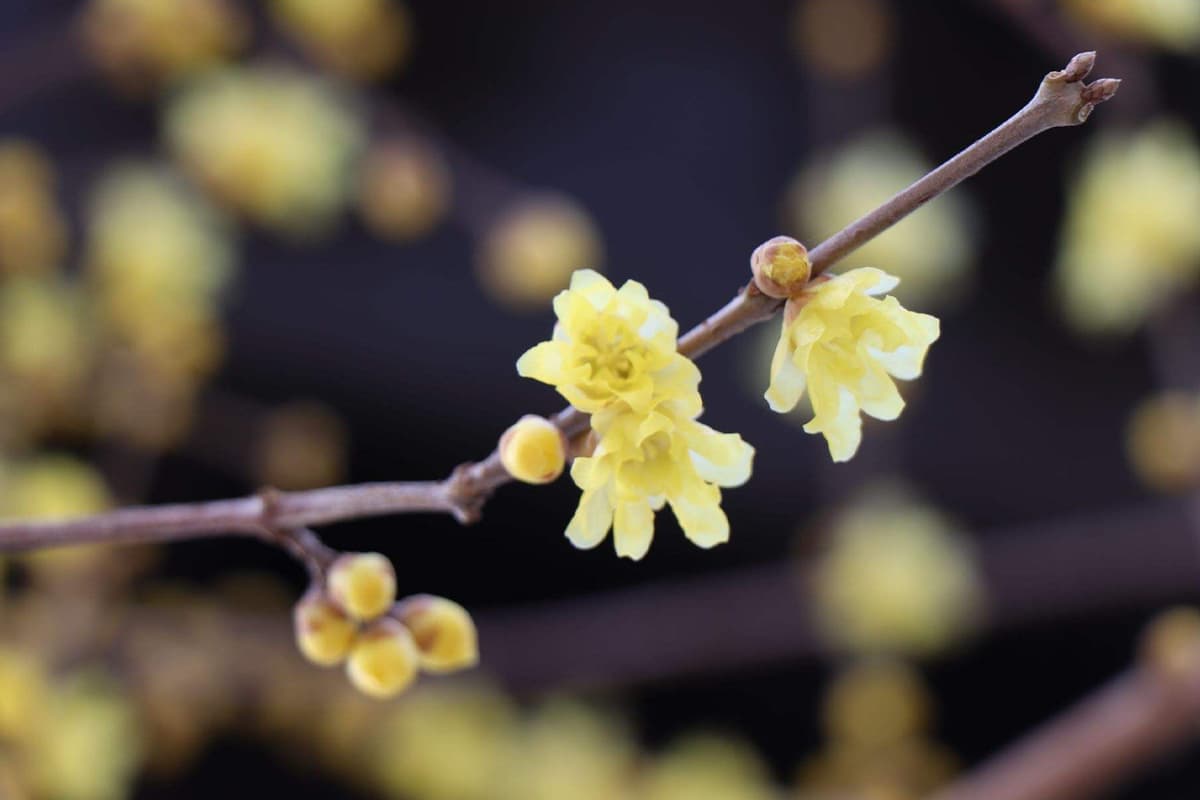
As one of the rare plants that bloom in winter, wintersweet does not compete for attention with other plants. It symbolizes selfless dedication and a spirit of sacrifice, as well as strength and pride of character.

Peggie was once a high school mathematics teacher, but she set aside her chalkboard and textbooks to follow her lifelong passion for flowers. After years of dedication and learning, she not only established a thriving flower shop but also founded this blog, “Flowers Library”. If you have any questions or wish to learn more about flowers, feel free to contact Peggie.
 English
  العربية
  Bahasa Indonesia
  Deutsch
  Français
  Italiano
  Nederlands
  Português
  Русский
  日本語
日本語