600+ Types of Flowers A To Z (With Names and Pictures)
Types Of Flowers By Names (A-Z) Types Of Flowers By Color Types Of Flowers By Season Types Of Flowers By Blooming Time 600+ Types of Flowers No. Flower Name No.…

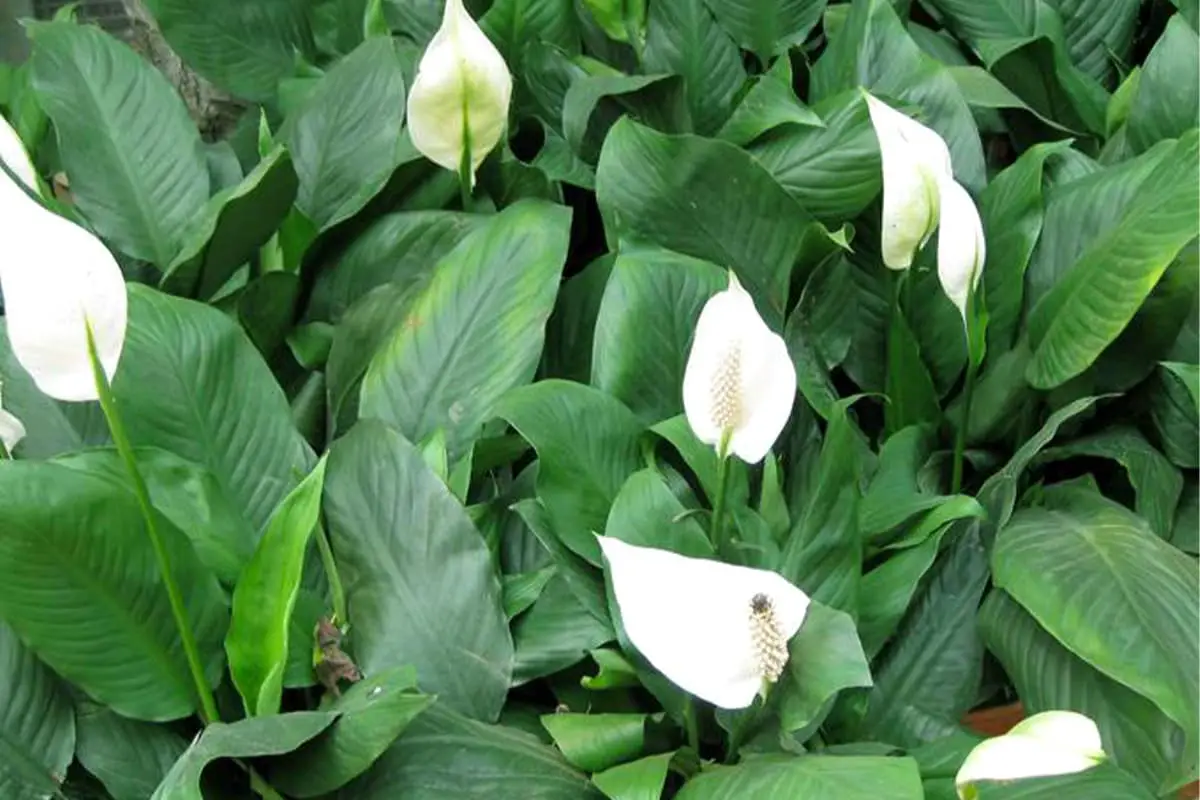
The Spathiphyllum, commonly known as the Peace Lily, is native to Colombia and thrives in tropical rainforests. The flower, called a spathe, resembles a leaf and is devoid of petals. It consists only of a white bract and a yellowish-white spadix. Its striking resemblance to a hand led to its name, the Peace Lily.
Also known as Peace Lily, Sailing Flower, Lily of Intent, and White Crane Taro, Spathiphyllum is a perennial evergreen leaf-watching plant from the Araceae family. It grows in clumps, standing about 45-60 centimeters tall, with a short rhizome.
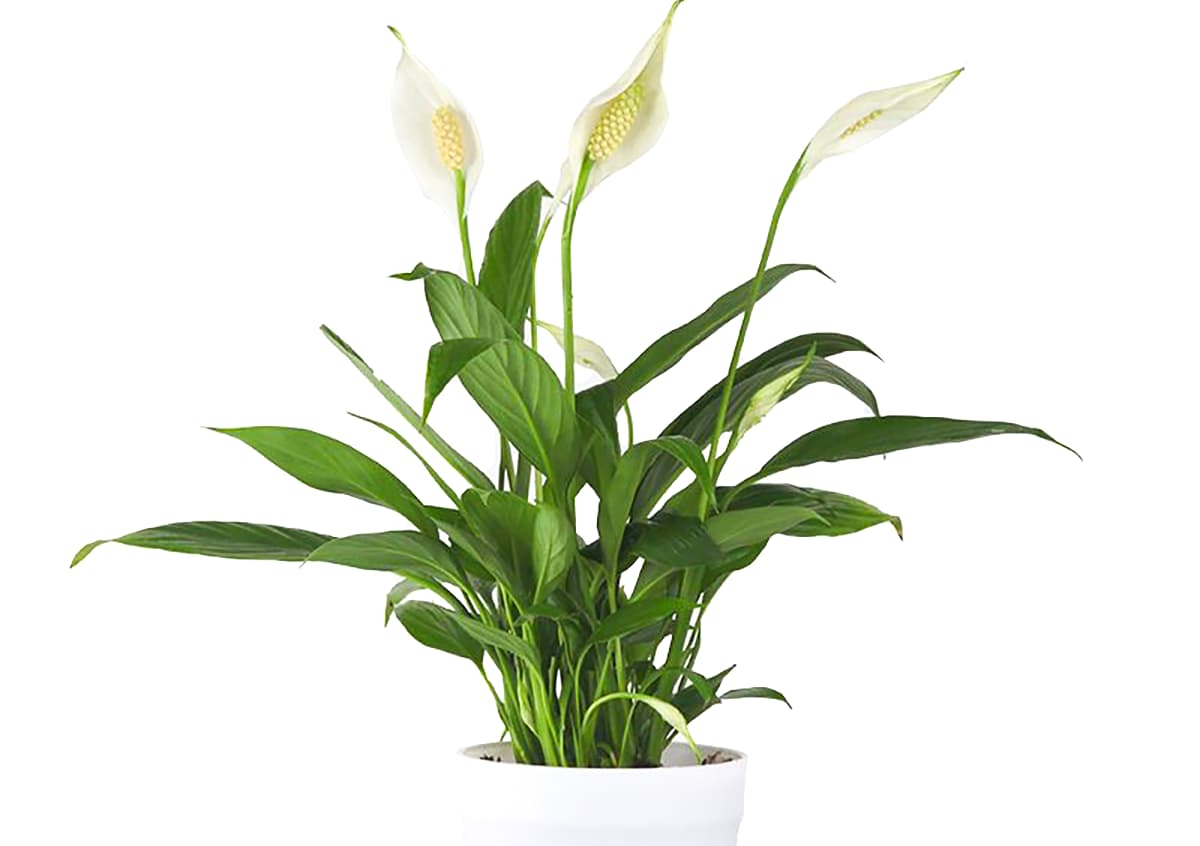
Spathiphyllum prefers warm, humid, and semi-shaded environments, avoiding direct, strong sunlight. It is not frost tolerant, with an optimal growth temperature range of 20-28℃ and a minimum winter temperature above 10℃.
The plant boasts large and notable flowers on long stalks that rise above the leaves, in either white or green. It’s one of the most popular indoor ornamental plants in Europe.
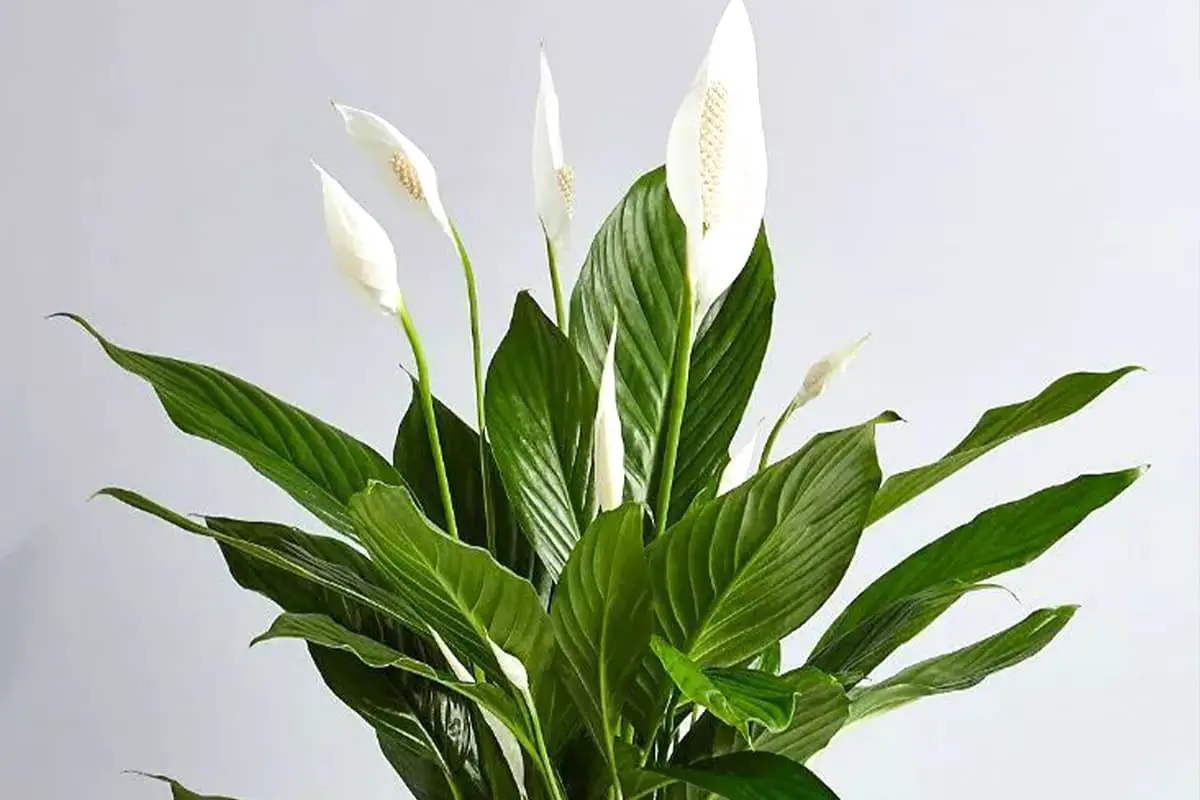
Since its introduction, the varieties of Spathiphyllum have continuously increased, with nearly 30 types worldwide today.
In recent years, China has introduced five varieties for cultivation: Green Giant, Perfumed Spathiphyllum, Magic Lamp Spathiphyllum, Large Leaf Spathiphyllum, and Mona Loa Spathiphyllum. Each has its own unique features, but the Green Giant is particularly eye-catching due to its enormous size.
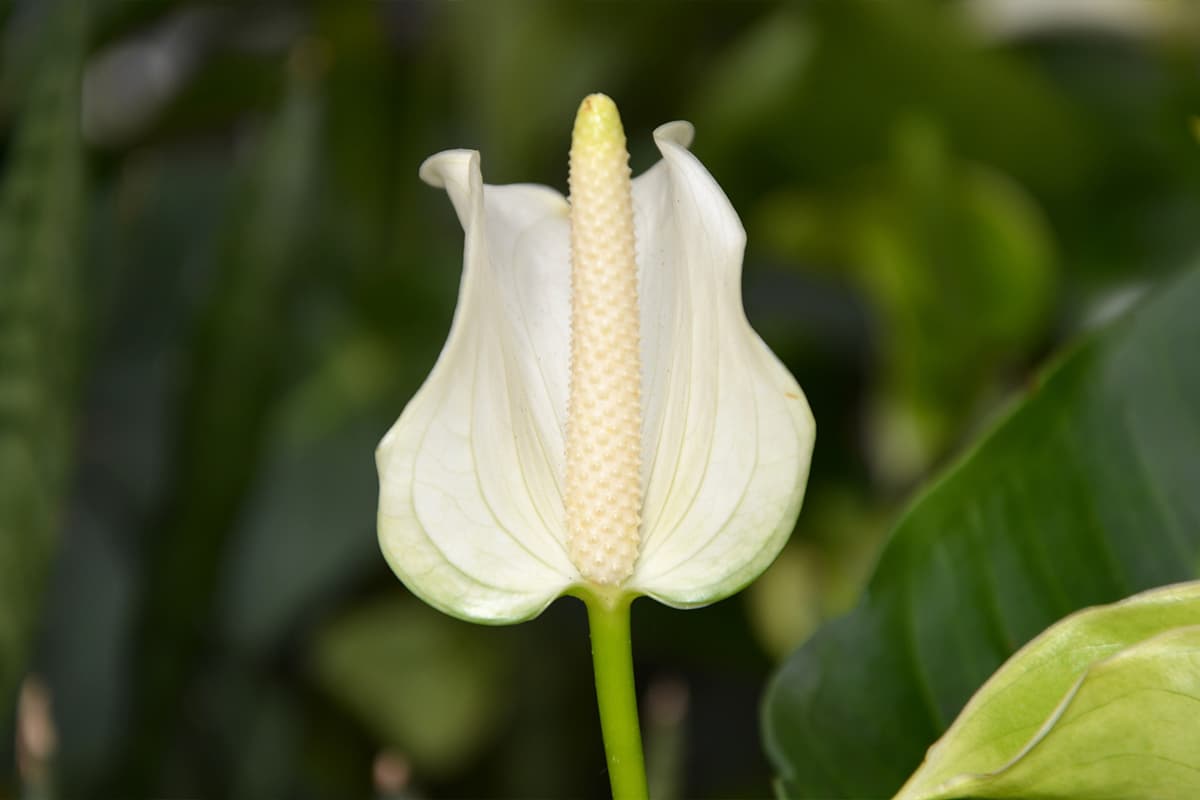
Spathiphyllum is a perennial herbaceous plant of the White Crane Taro genus in the Araceae family, flowering for 5 to 8 months.
Stem: The Spathiphyllum has a short rhizome. Sometimes, the stem thickens and becomes woody, standing upright, lying flat, or clinging to other objects with small roots. A few float on water, usually exuding a milky sap.
Leaves: The leaves of Spathiphyllum are elongated oval-lanceolate, tapering at both ends. The leaf veins are prominent, with long petioles and sheathing at the base. Typically, they are basal, but if stem-born, they are alternate, arranged in two rows or spirally. The shape varies from sword-shaped with parallel veins to arrow-shaped with net veins, either entire or divided.
Flowers: The flower stalks of Spathiphyllum stand upright above the leaf clumps. The spadix stands upright and slightly curled in white. The spadix is cylindrical and white.
Originally from Colombia and native to tropical rainforests, Spathiphyllum is one of the most popular indoor ornamental plants in Europe.
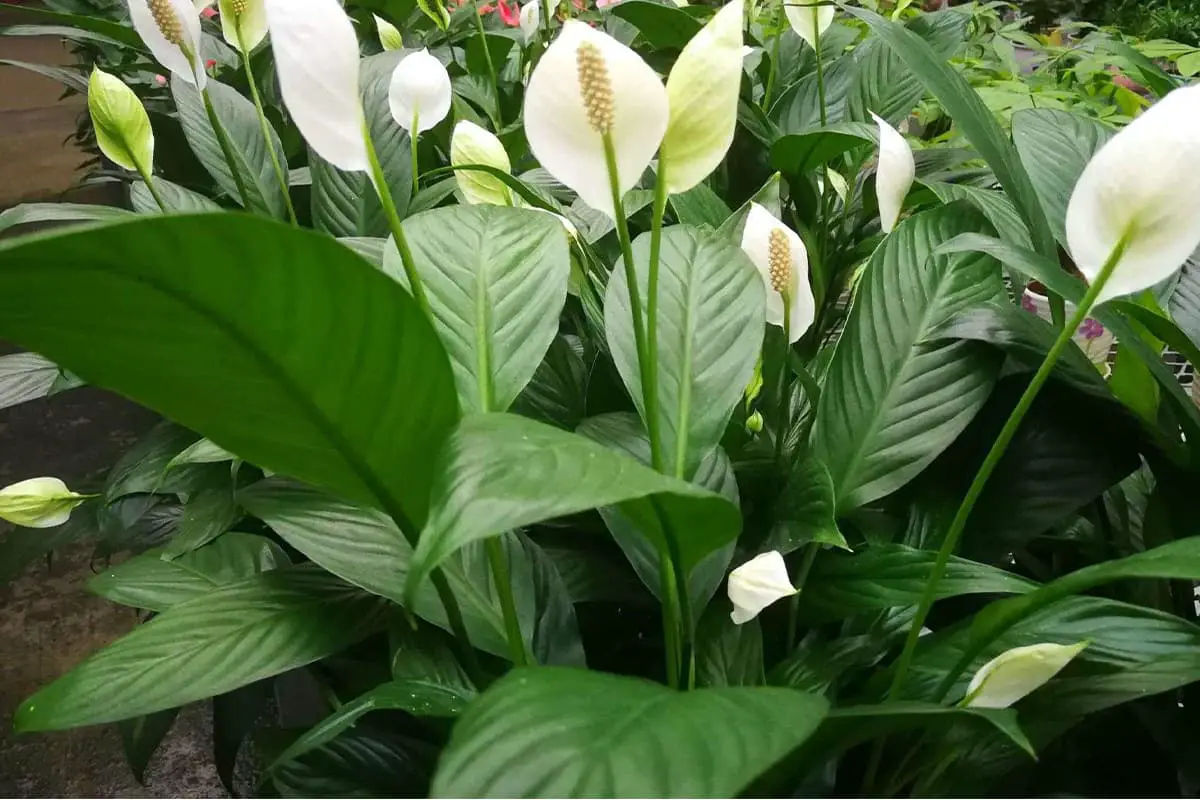
Spathiphyllum is generally propagated through division of offshoots after flowering. Additionally, it can be reproduced through seed sowing and tissue culture methods.
Division Propagation
Healthy plants can be divided about every two years, typically done during spring pot changing or after autumn.
Before new buds sprout in early spring, remove the entire plant from the pot, get rid of the old potting soil, and divide the rhizome at the base into several clumps, each with more than three stems and buds. Replant in new potting soil. Take as much of the root mass as possible to promote rapid leaf growth and a fuller shape in the new plant.
Seed Propagation
This method of propagation is also not difficult. Artificial pollination in a greenhouse can yield seeds. After the seeds mature, they should be sown as soon as harvested. The sowing temperature should be around 25℃; lower temperatures can lead to seed rot.
Tissue Culture Propagation
By the late 1970s and early 1980s, tissue culture propagation of Spathiphyllum had begun in the United States and Germany. Using tender inflorescences and lateral buds as explants, they are disinfected and then inoculated onto MS culture medium supplemented with 10 mg/L 6-benzylaminopurine and 2 mg/L indole acetic acid. After 40-45 days, callus tissue and undifferentiated buds form.
The undifferentiated buds are then transferred to MS culture medium with 2 mg/L indole acetic acid added, and within 30-40 days they induce root formation, becoming complete plants.
Lifestyle Value
Spathiphyllum is an “expert” at absorbing waste gases, particularly effective against ammonia and acetone. It can also filter toxic gases such as formaldehyde, and helps maintain indoor humidity.
Medicinal Value
Spathiphyllum is effective in preventing dry nasal mucosa.
Ornamental Value
Spathiphyllum, with its beautiful leaves and elegant, robust growth, is very popular due to its shade tolerance. It’s commonly used for indoor beautification and decoration.
Spathiphyllum is considered a symbol of good fortune, and its flower is often referred to as the “Sailing Flower,” inspiring progress and success in life.
Flower Language: Sailing smoothly.
Plant Language: Beauty, nobility, virtue, passion, friendship, confidence, and pride.
Symbolism: Resembling a crane with an uplifted head, Spathiphyllum stands tall, immaculate, and white, conveying a sense of “pure calm and harmonious tranquility,” hence known as the “flower of purity.” It’s believed to symbolize good fortune, often associated with its beautiful flower structure, encouraging progress and success in life and work.

Peggie was once a high school mathematics teacher, but she set aside her chalkboard and textbooks to follow her lifelong passion for flowers. After years of dedication and learning, she not only established a thriving flower shop but also founded this blog, “Flowers Library”. If you have any questions or wish to learn more about flowers, feel free to contact Peggie.
 English
 العربية
 Bahasa Indonesia
 Deutsch
 Français
 Italiano
 Nederlands
 Português
 Русский
 日本語