Which flowers are poisonous? What are the world’s top ten toxic flowers?
Flowers are beloved by many for their aesthetic value, but some attractive flowers are indeed toxic. While admiring them, we must be extra cautious. Under no circumstances should these flowers be ingested, as they could pose a serious threat to life.
In this article, I will list the ten most poisonous flowers in the world, and let’s see which ones on this top ten toxic flower list you recognize.
1. Sacred Lotus – Toxic flowers
The Sacred Lotus has medicinal properties, known for its cooling and detoxifying effects. It’s used to treat burns by applying a poultice made from its crushed rhizomes. The same method can also be used to prevent tetanus at wound sites.
However, the Sacred Lotus flower is toxic. It contains significant amounts of calcium oxalate crystals and alkaloids, which can cause poisoning symptoms such as unconsciousness if ingested. Therefore, internal consumption should be avoided.
2. Daffodil – Highly toxic bulbs
Every part of this plant is poisonous, especially the bulb. The sap from the flowers and leaves can cause skin irritation.
The daffodil bulb is juicy and toxic, containing various alkaloids such as lycorine and narcissine. It has been used in medicine for pain relief and applied as a poultice for boils and abscesses.
If animals such as cattle or sheep mistakenly ingest the bulb, they can immediately suffer spasms, pupil dilation, and violent diarrhea. In humans, consuming a large amount of the bulb can lead to symptoms such as nausea, vomiting, abdominal pain and diarrhea, cold limbs, and even shock. In severe cases, death can occur due to central nervous system depression.
3. Red Spider Lily – Toxic rootstock
Despite its beauty, the Red Spider Lily has a toxic rootstock. Its bulb contains the alkaloid lycorine, which can lead to poisoning if ingested. Mild symptoms can include vomiting and diarrhea, while severe cases may result in central nervous system paralysis and could be life-threatening.
Despite its toxicity, the bulb can be eaten after proper preparation, and it is also used as a medicinal herb.
4. Foxglove – Entire plant is poisonous
Also known by its Latin name “Digitalis,” its leaves are commercially used as the main ingredient in the heart medication “digoxin.”
If any part of the plant is mistakenly ingested, symptoms such as nausea, vomiting, abdominal cramps, diarrhea, and oral pain will follow, even potentially leading to irregular heartbeat.
Doctors can promote detoxification through methods such as stomach pumping, and the heart can be stabilized with medication.
5. Mandrake – Entire plant is poisonous
The entire Mandrake plant is poisonous, with the fruit, particularly the seeds, being the most toxic, followed by the young leaves. The toxicity of dried leaves is less than that of fresh leaves.
Symptoms of Mandrake poisoning usually appear within 30 minutes, as quickly as 20 minutes after consumption, and no later than 3 hours. Most symptoms disappear or significantly reduce within 24 hours. Severe cases can progress to stupor, convulsions, cyanosis, and ultimately coma and death after 24 hours.
The main toxic components in Mandrake are alkaloids such as hyoscyamine, atropine, and scopolamine (Mandrake extract), all of which are muscarinic antagonists that compete with muscarinic receptors, interrupting the actions of the parasympathetic nervous system.
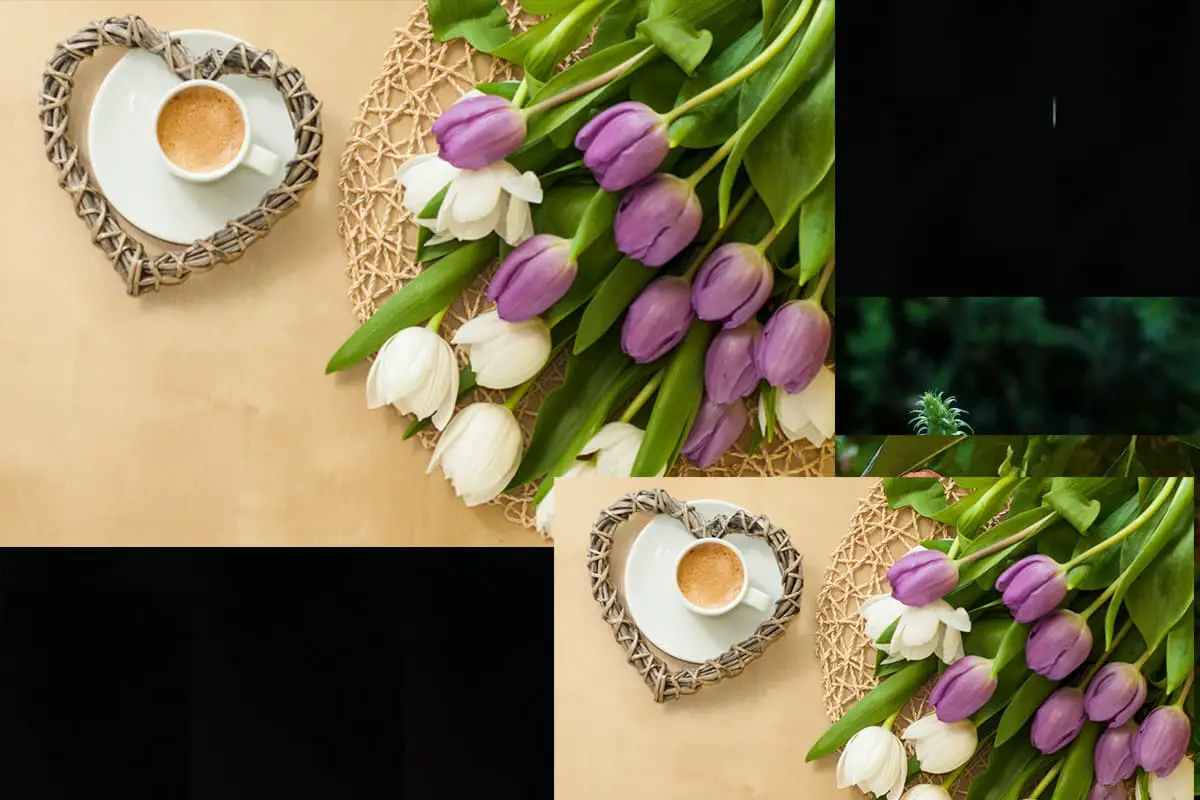
6. Tulip – Flowers contain toxic alkaloids
While the roots and flowers of the tulip can be used as a sedative, the flowers contain toxic alkaloids. Being around them for an extended period may cause dizziness, and in severe cases, poisoning can occur.
Excessive contact can also result in hair loss. Therefore, it’s best to admire tulips in public outdoor spaces rather than keeping them inside the home.
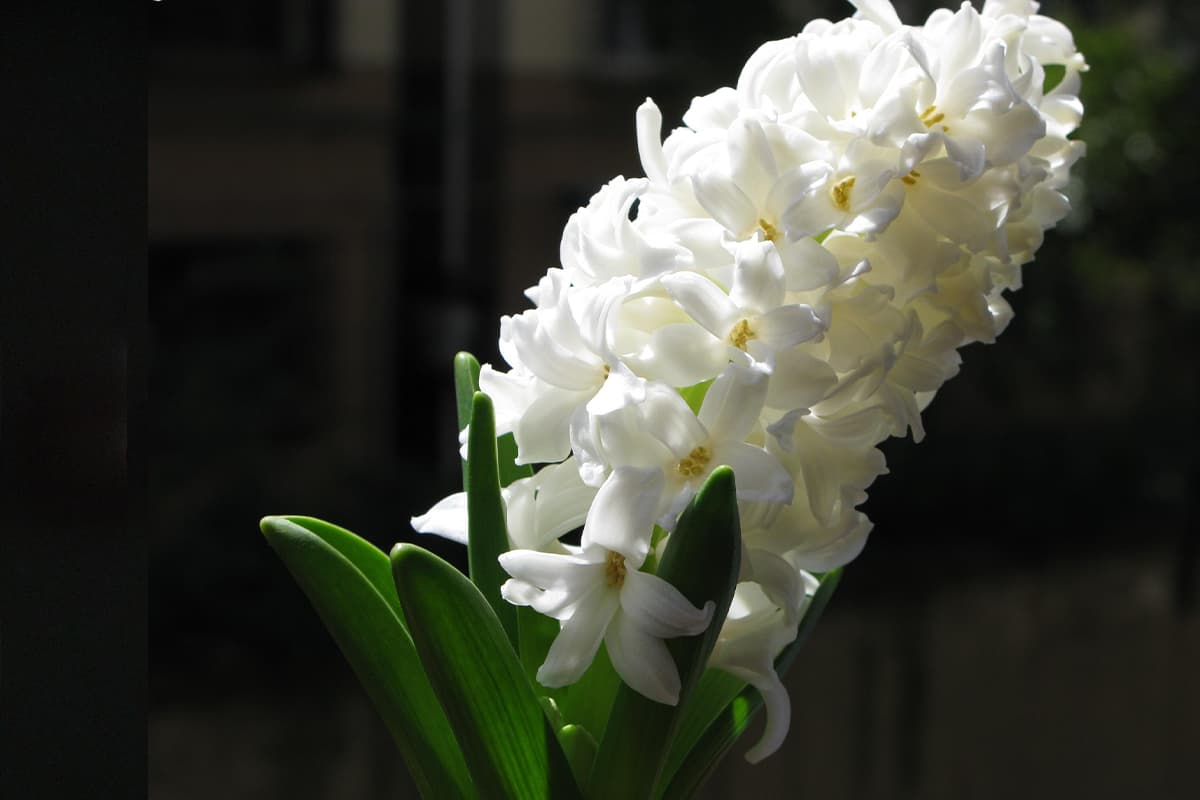
7. Hyacinth – Bulbs are toxic
Hyacinths, a perennial plant from the Asparagaceae family, have toxic bulbs. Ingesting them can lead to symptoms such as dizziness, stomach cramps, and diarrhea. Severe cases can result in paralysis and can be fatal, so it’s important to avoid accidental ingestion.
Hyacinth pollen can easily cause skin allergies and should be placed in well-ventilated areas. If you have an allergic constitution, you should take extra precautions.
8. Oleander – White sap is slightly toxic
The white sap within the Oleander plant is mildly toxic. It can irritate the skin or stomach lining, and accidental ingestion can cause diarrhea and vomiting. It may also cause an allergic reaction in sensitive individuals. If the sap gets into the eyes, it can potentially cause temporary blindness.
9. Nerium Oleander – Extremely toxic and can be fatal
All parts of this plant, including leaves, bark, roots, flowers, and seeds, contain a variety of glycosides and are extremely toxic. Both humans and animals can die from ingestion. Each part of the Oleander plant is poisonous, and even inadvertently inhaling smoke from burning Oleander can cause discomfort.
Furthermore, using its branches for grilling, or drinking water that has contained red, pink, or white Oleander flowers, can lead to poisoning.
The leaves and bark can be used to make heart stimulants, but due to their toxicity, caution must be taken during use. If poisoning occurs, it’s crucial to seek medical attention immediately for stomach pumping.
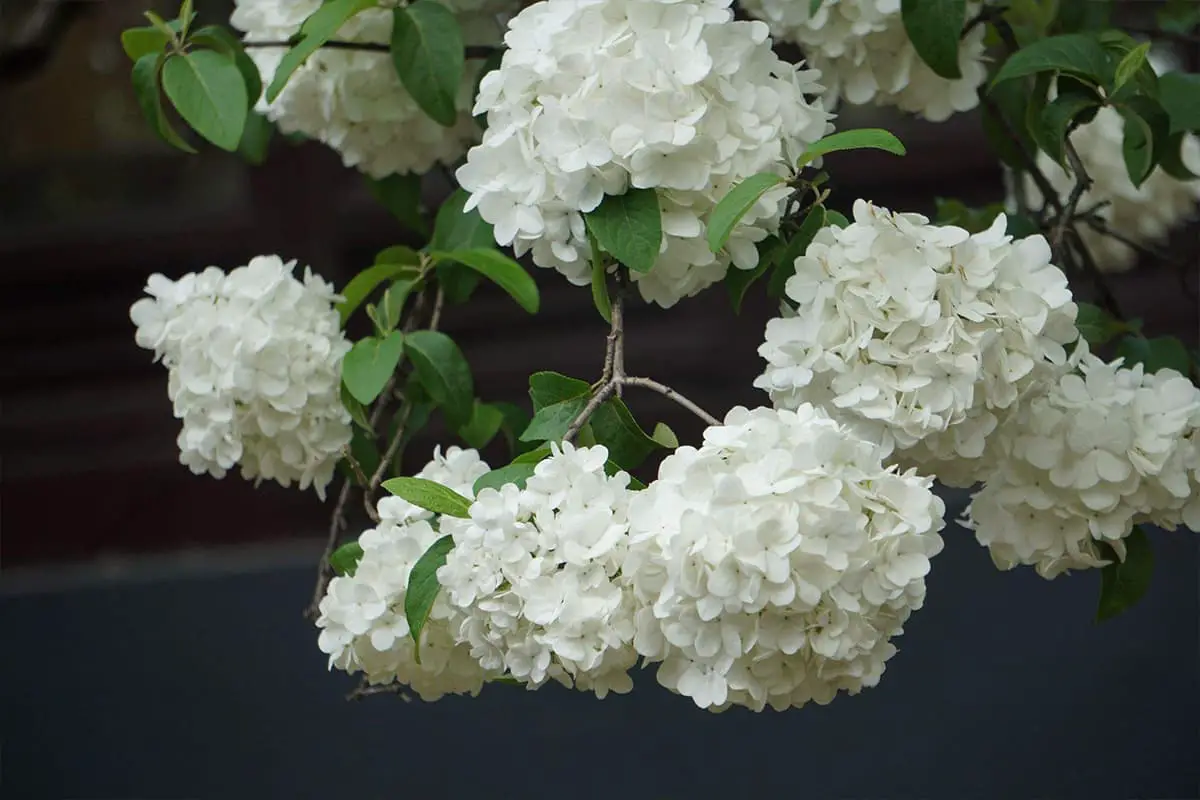
10. Hydrangea – Entire plant is poisonous
The entire Hydrangea plant is poisonous, with the branches and leaves being the most toxic. The toxins are primarily in the sap. There is a certain risk if a family member accidentally ingests it or if their skin comes into contact with the sap.
Furthermore, ingestion of Hydrangea can easily cause vomiting or diarrhea, especially its flowers and leaves. There have been instances where pets have vomited due to consuming too many Hydrangeas.
Share
Facebook
Twitter
LinkedIn
Email
Share is Caring.
Peggie
Founder of FlowersLib
Peggie was once a high school mathematics teacher, but she set aside her chalkboard and textbooks to follow her lifelong passion for flowers. After years of dedication and learning, she not only established a thriving flower shop but also founded this blog, “Flowers Library”. If you have any questions or wish to learn more about flowers, feel free to contact Peggie.
Before you go
You May Also Like
We picked them just for you. Keep reading and learn more!
1. Tabebuia Chrysantha Tabebuia chrysantha, commonly known as the Golden Trumpet Tree or Yellow Poui, is a striking deciduous tree belonging to the Bignoniaceae family. This ornamental species is characterized…
1. Narcissus Tazetta Narcissus tazetta, commonly known as the Chinese Sacred Lily or Paperwhite Narcissus, is a species of multi-flowered daffodil, a perennial bulbous plant in the Amaryllidaceae family. This…
1. Rafflesia Arnoldii Rafflesia arnoldii, commonly known as the Corpse Flower, is a remarkable parasitic plant belonging to the family Rafflesiaceae. It is renowned for producing the largest individual flower…
1. Saintpaulia Ionantha The African Violet, Saintpaulia ionantha, is a perennial evergreen herbaceous plant belonging to the Gesneriaceae family. This compact plant is characterized by its rosette growth habit, with…
1. Dahlia Pinnata Dahlia pinnata, commonly known as the garden dahlia, is a perennial herbaceous plant belonging to the Asteraceae family. This robust species features an erect, heavily branched stem…
1. Caesalpinia Decapetala Caesalpinia decapetala, commonly known as “Mysore thorn” or “Wait-a-minute vine,” is a robust climbing shrub belonging to the Fabaceae family. This species is characterized by its dark…
What are the ten most famous flowers in the world? How are the top ten renowned flowers ranked globally? What are the most popular flowers worldwide? Flowers are herbaceous plants…
What’s the easiest flower to grow in the world? Which ones are suitable for beginners? Flowers can bring joy to the eye and purify the air. Many people enjoy growing…
Indeed, the types of flowers are vast and diverse, not only including flowering plants, but also mosses and ferns. Their cultivation and application methods are also varied. Therefore, there are…





 English
  العربية
  Bahasa Indonesia
  Deutsch
  Français
  Italiano
  Nederlands
  Português
  Русский
  日本語
日本語